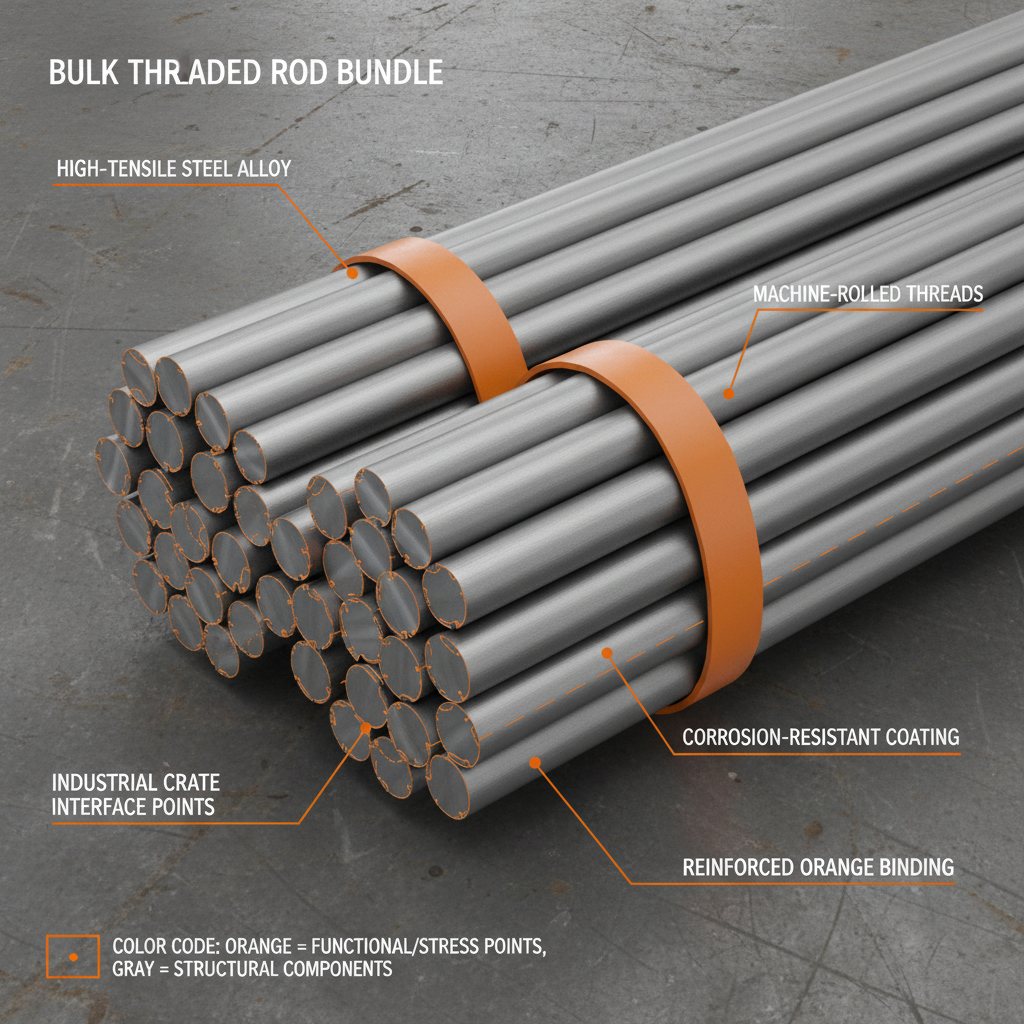
High tensile threaded rod is a critical component in a vast range of industrial and construction applications, offering superior strength and reliability compared to standard threaded rod. Its ability to withstand significant tensile forces makes it indispensable in safety-critical systems where failure is not an option. Understanding the properties and applications of high tensile threaded rod is therefore paramount for engineers, construction professionals, and anyone involved in infrastructure projects.
Globally, the demand for high tensile threaded rod is continually increasing, driven by expanding infrastructure development, particularly in emerging economies. The United Nations estimates that over $1.5 trillion per year is needed to meet the global infrastructure gap, and robust fastening solutions like high tensile threaded rod are essential for ensuring the longevity and safety of these projects. This demand places a premium on manufacturers capable of consistently delivering high-quality, certified products.
The increasing need for robust and dependable fasteners, specifically in high-stress applications, underscores the importance of high tensile threaded rod. It's not simply a fastener; it’s a foundational element guaranteeing structural integrity and operational safety across numerous sectors, from bridge construction to aerospace engineering.
The Significance of High Tensile Threaded Rod
The consistent demand for robust infrastructure and machinery globally highlights the enduring significance of high tensile threaded rod. Its ability to withstand extreme loads and environmental conditions makes it a cornerstone of reliable construction and engineering practices. Without such components, the structural integrity of countless projects would be compromised.
High tensile threaded rod is not merely a fastening element; it's an investment in safety and longevity. It represents a critical safeguard against structural failures, reducing maintenance costs and ensuring the long-term viability of infrastructure projects across the globe.
Understanding High Tensile Threaded Rod
High tensile threaded rod, at its core, is a cylindrical metal rod featuring continuous helical threading along its length. Unlike standard threaded rods, it is manufactured from steel alloys specifically formulated to exhibit exceptional tensile strength – the ability to resist breakage under tension. This strength is typically far superior to that of standard carbon steel rods.
This crucial characteristic links directly to its vital role in modern industry and humanitarian endeavors. Whether securing critical components in heavy machinery or anchoring structures in challenging environments, high tensile threaded rod provides a reliable connection point. Its robust nature is particularly valuable in disaster relief operations, where swift and dependable assembly is essential.
The connection to humanitarian needs lies in its use in constructing temporary shelters, reinforcing damaged infrastructure, and providing secure foundations for essential services. In remote locations, where access is limited, the strength and reliability of high tensile threaded rod can be the difference between a successful restoration and a prolonged crisis.
Core Characteristics of High Tensile Threaded Rod
Durability is a defining characteristic. Manufactured from high-grade steel alloys (such as alloy steel or stainless steel), these rods resist corrosion, fatigue, and deformation, ensuring long-term performance even in harsh conditions. They are designed to withstand consistent stress without compromising integrity.
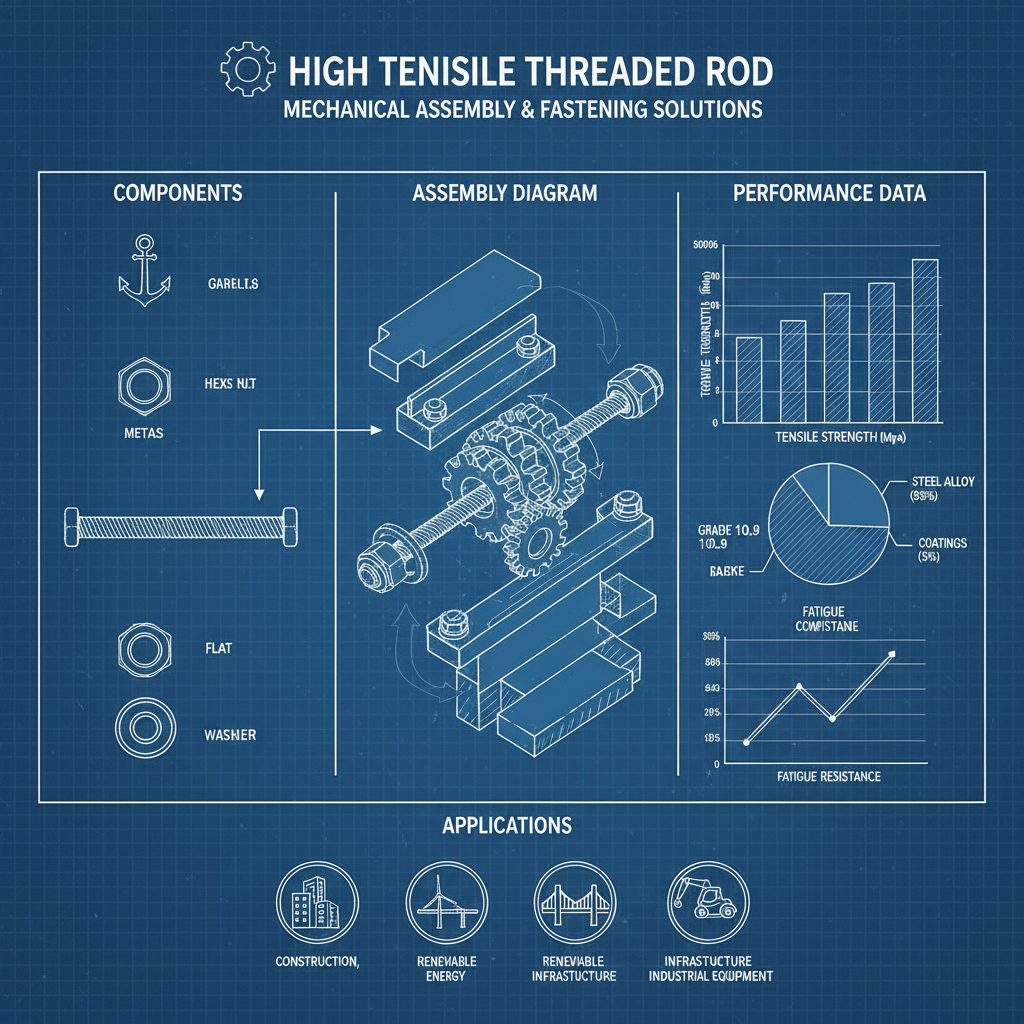
Tensile strength, naturally, is paramount. This is measured in megapascals (MPa) or pounds per square inch (PSI). High tensile threaded rod typically exhibits tensile strengths significantly exceeding those of standard rods, often ranging from 800 MPa to over 1000 MPa. This superior strength is crucial in applications demanding exceptional load-bearing capacity.
Consistent threading is also vital. Precise and uniform threading ensures smooth engagement with nuts and other fasteners, maximizing clamping force and minimizing the risk of loosening or failure. The thread pitch and diameter are carefully controlled to meet rigorous industry standards.
Key Performance Indicators of High Tensile Threaded Rod
Evaluating the performance of high tensile threaded rod requires understanding key indicators that directly correlate to its suitability for specific applications. These metrics help ensure the rod meets the required safety and reliability standards.
These key performance indicators are not simply technical specifications, but rather assurances of structural integrity and safety. Understanding these metrics allows for informed material selection and appropriate application, minimizing risk and maximizing the longevity of constructed projects.
Comparative Performance of High Tensile Threaded Rod Manufacturing Methods
Global Applications of High Tensile Threaded Rod
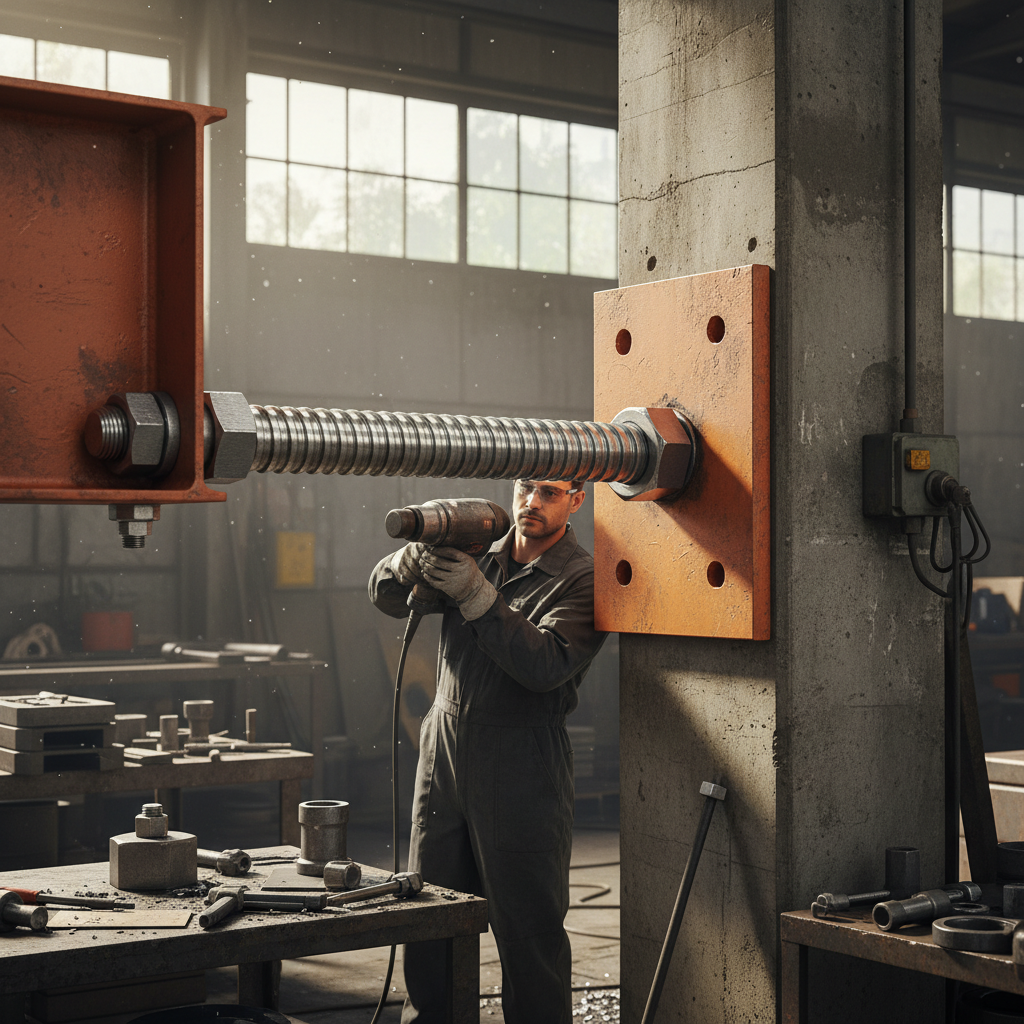
The applications of high tensile threaded rod are incredibly diverse, spanning numerous industries and continents. In civil engineering, it is widely used in bridge construction, high-rise building foundations, and the reinforcement of concrete structures. In post-disaster relief operations, it provides rapid, secure anchoring for temporary shelters and emergency infrastructure.
Within the automotive and aerospace sectors, it’s a vital component in engine mounting, suspension systems, and aircraft structural assemblies. In remote industrial zones, such as mining operations in Australia or oil rigs in the North Sea, its reliability under extreme conditions is indispensable.
Advantages and Long-Term Value Proposition
The advantages of utilizing high tensile threaded rod extend beyond immediate structural benefits. The reduced maintenance requirements resulting from its durability translate into significant cost savings over the lifespan of a project. Its inherent resistance to corrosion and fatigue minimizes the need for frequent replacements, further enhancing its economic value.
From a sustainability perspective, the extended lifespan of high tensile threaded rod contributes to resource conservation and reduces waste. The reliability it offers directly impacts safety, fostering trust and confidence in infrastructure and machinery. This combination of economic, environmental, and safety benefits makes it a compelling long-term investment.
Future Trends and Material Innovations
The future of high tensile threaded rod is intertwined with advancements in materials science and manufacturing processes. Research into novel steel alloys with even greater tensile strength and corrosion resistance is ongoing. The integration of digital technologies, such as advanced sensors embedded within the rods, will enable real-time monitoring of stress levels and predictive maintenance.
Furthermore, the growing emphasis on sustainable construction practices is driving demand for eco-friendly manufacturing processes and recyclable materials. Innovations in coating technologies are aimed at enhancing corrosion resistance while minimizing environmental impact. These trends collectively point towards a future where high tensile threaded rod is not only stronger but also smarter and more sustainable.
The convergence of these trends—material science, digital integration, and sustainability—will redefine the role of this critical fastening component in the years to come, establishing a higher standard for reliability and performance.
Analysis of Factors Influencing High Tensile Threaded Rod Performance
| Material Composition |
Manufacturing Process |
Environmental Exposure |
Load Characteristics |
| Alloy Steel (Grade 8.8) |
Cold Forming |
Moderate Humidity, Limited Corrosion |
Static Load, 75% of Yield Strength |
| Stainless Steel (316) |
Precision Machining |
Severe Marine Environment, High Salinity |
Cyclic Load, 60% of Yield Strength |
| Alloy Steel (Grade 10.9) |
Hot Forging |
Dry Climate, Minimal Corrosion |
Shock Load, 80% of Yield Strength |
| Carbon Steel (with Coating) |
Roll Threading |
Industrial Environment, Moderate Pollution |
Combined Static and Dynamic Load |
| Duplex Stainless Steel |
Cold Drawing |
High-Temperature Application |
Creep Load, 50% of Yield Strength |
| Martensitic Stainless Steel |
Heat Treatment |
Chemical Exposure (Acids/Bases) |
Tensile Load, 90% of Yield Strength |
FAQS
High tensile threaded rod is crucial in applications demanding extreme strength and resistance to failure under stress, such as bridges, heavy machinery, and safety-critical systems. Standard rods are suitable for lighter loads and less demanding environments. The increased tensile strength of high tensile rod ensures reliable performance where structural integrity is paramount, significantly reducing the risk of deformation or breakage.
Common steel grades include Grade 8.8, Grade 10.9, and various stainless steel alloys like 304, 316, and duplex stainless steels. Grade 8.8 and 10.9 offer excellent tensile strength, while stainless steel provides superior corrosion resistance. The choice depends on the specific application and environmental factors, balancing strength with resistance to degradation.
Tensile strength is verified through rigorous testing procedures, including tensile testing performed according to ASTM or ISO standards. This involves subjecting rod samples to controlled pulling forces until failure, measuring the maximum load they can withstand. Manufacturers provide certificates of conformity documenting these test results to ensure quality and adherence to specifications.
Common coating options include zinc plating, hot-dip galvanizing, and epoxy coatings. Zinc plating provides basic corrosion protection, while hot-dip galvanizing offers a thicker, more durable layer. Epoxy coatings provide excellent resistance to chemicals and abrasion. The selection depends on the severity of the environment and the level of protection required.
Yes, high tensile threaded rod is well-suited for applications involving dynamic or fluctuating loads, provided the load is within the rod's fatigue strength limit. Fatigue strength is the ability of the material to withstand repeated stress cycles without failure. Proper selection and engineering design are crucial to ensure long-term reliability in these applications.
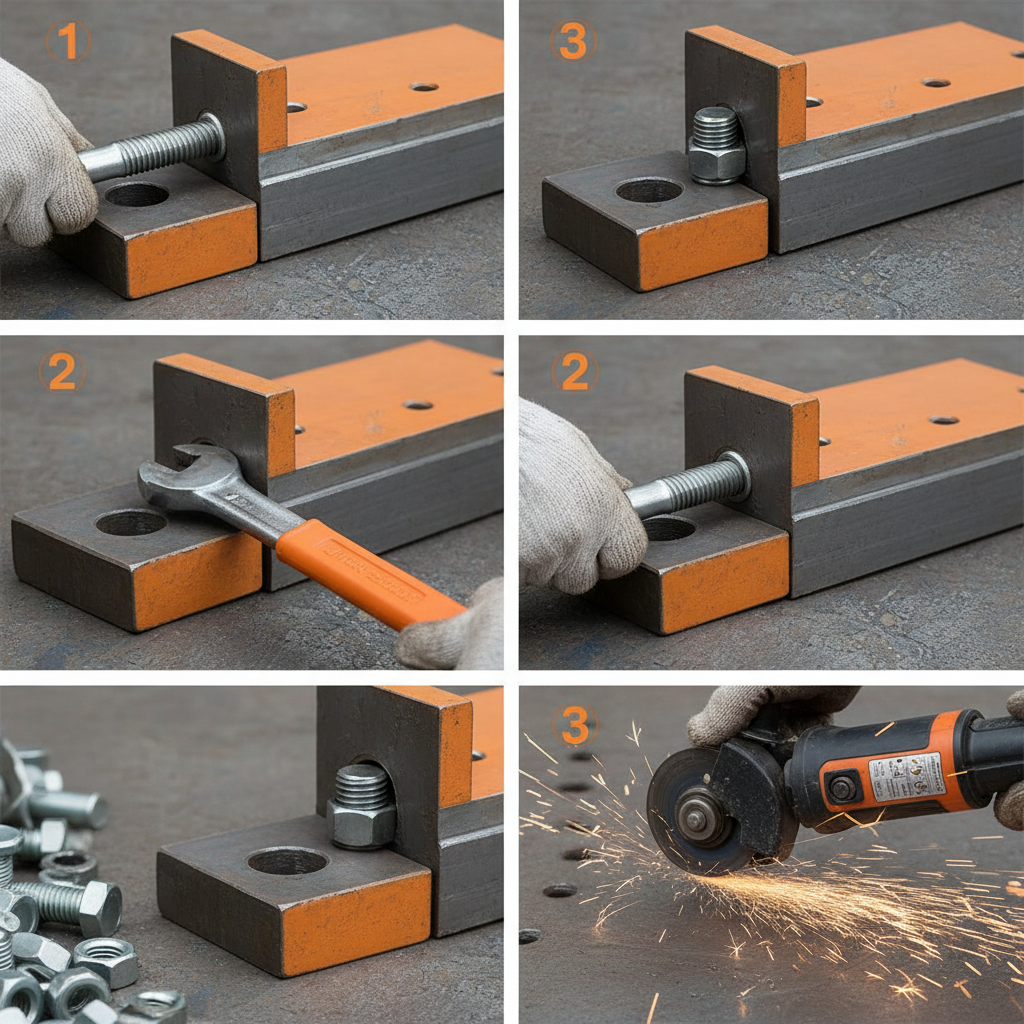
Always wear appropriate personal protective equipment (PPE), including safety glasses and gloves. Handle the rod with care to avoid injury from sharp threads. Ensure proper lifting techniques are used for heavier rods. When cutting or threading, use appropriate tools and follow safety guidelines to prevent accidents.
Conclusion
In conclusion, high tensile threaded rod represents a cornerstone of modern infrastructure and engineering. Its exceptional strength, durability, and reliability make it an indispensable component in a wide array of applications, from bridge construction to aerospace engineering. Understanding its characteristics and proper application is crucial for ensuring safety, longevity, and optimal performance.
Looking ahead, ongoing innovations in materials science and manufacturing techniques promise to further enhance the capabilities of high tensile threaded rod. Investing in high-quality products and adhering to best practices will continue to be paramount in maximizing its benefits and contributing to the construction of a more resilient and sustainable future. Visit our website at www.hbtbls.com to explore our comprehensive range of high tensile threaded rod solutions.