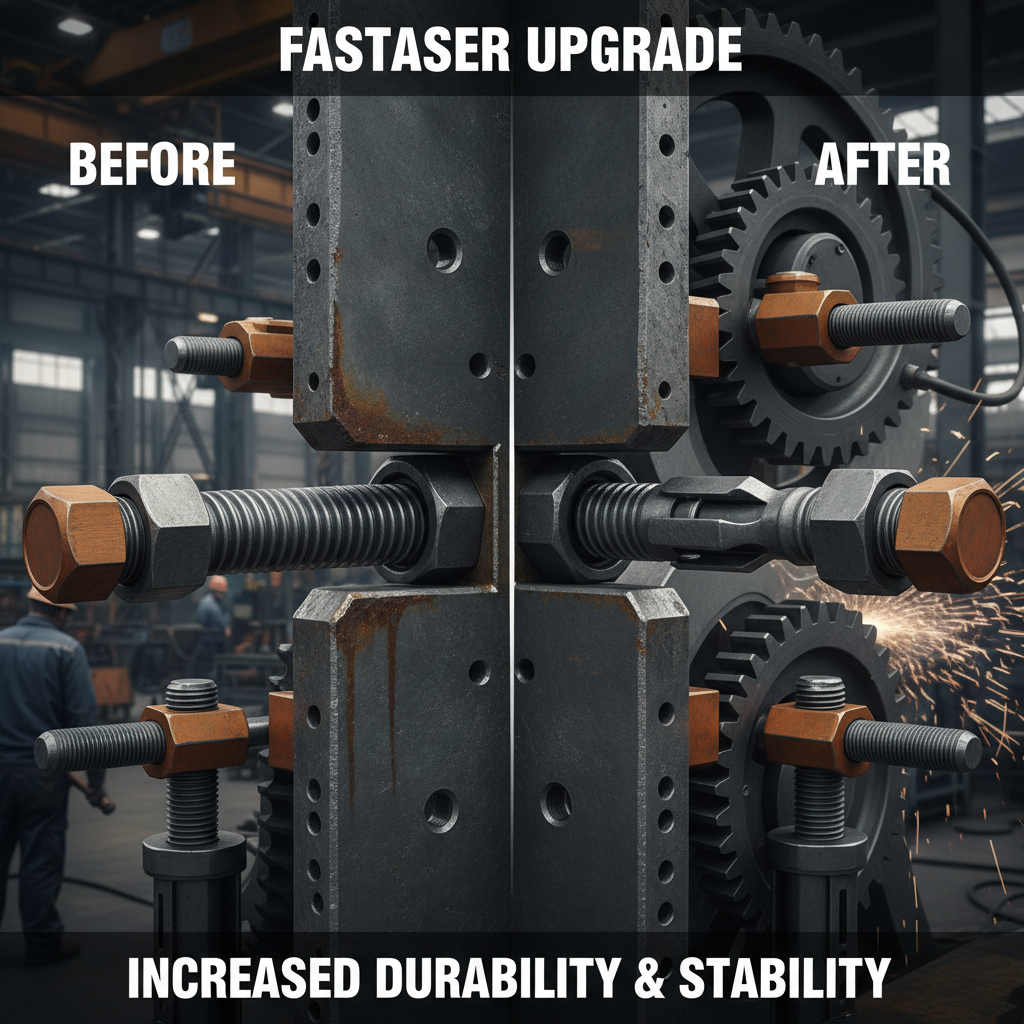
Threaded rod concrete anchors are essential fastening solutions used extensively in construction, infrastructure projects, and industrial applications. Their ability to provide strong, reliable connections in concrete makes them critical for ensuring structural integrity and safety. Understanding their properties, applications, and installation techniques is paramount for engineers, contractors, and anyone involved in building and maintaining durable structures. These anchors are becoming increasingly vital as construction demands evolve and projects require innovative, high-performance fastening methods.
The global demand for reliable concrete anchoring solutions is driven by rapid urbanization, infrastructure development in emerging economies, and stringent safety regulations. According to reports from the World Bank, infrastructure investment is a key driver of economic growth, and secure fastening systems like threaded rod concrete anchors are integral to these projects. The increasing focus on sustainable construction also necessitates long-lasting, robust anchoring solutions that minimize maintenance and replacement, creating a significant market for advanced anchor technologies.
However, challenges such as corrosion, concrete cracking, and improper installation can compromise the performance of these anchors. Addressing these issues through material innovation, improved design, and adherence to industry best practices is crucial for maximizing their lifespan and ensuring structural reliability. The proper selection and implementation of threaded rod concrete anchors is a fundamental aspect of modern construction safety and efficiency.
The Foundation of Threaded Rod Concrete Anchors
Threaded rod concrete anchors represent a cornerstone of modern construction and engineering, providing a robust and reliable method for securing structures to concrete foundations. They facilitate the transfer of tensile and shear forces, ensuring the stability and longevity of buildings, bridges, and other critical infrastructure. Understanding the fundamental principles behind their operation, including material properties and installation techniques, is essential for achieving optimal performance.
The significance of these anchors extends beyond simply holding things in place. They play a crucial role in seismic resistance, impact protection, and the overall safety of structures. By providing a strong connection between the applied load and the concrete substrate, threaded rod concrete anchors contribute to the resilience and durability of the built environment.
Understanding the Global Impact of Threaded Rod Concrete Anchors
The use of threaded rod concrete anchors is widespread globally, driven by the demand for safe, efficient, and cost-effective fastening solutions. From towering skyscrapers in bustling metropolises to critical infrastructure projects in remote areas, these anchors are integral to a vast array of construction endeavors. Their adaptability to various concrete types and load requirements further enhances their global appeal.
The construction industry contributes significantly to global GDP, and securing these projects relies heavily on trusted anchoring systems. Regions experiencing rapid urbanization, such as Asia and Africa, demonstrate particularly high demand. Furthermore, international standards organizations, like the ISO, increasingly emphasize the importance of standardized testing and certification for concrete anchors to ensure quality and safety across borders.
A common challenge faced globally is ensuring consistent quality and proper installation of these anchors. Factors like differing building codes, skill gaps among installation crews, and the availability of counterfeit products can compromise structural integrity. Addressing these issues through education, training, and stringent quality control measures is vital for maximizing the benefits of threaded rod concrete anchors worldwide.
Defining Threaded Rod Concrete Anchors: A Detailed Explanation
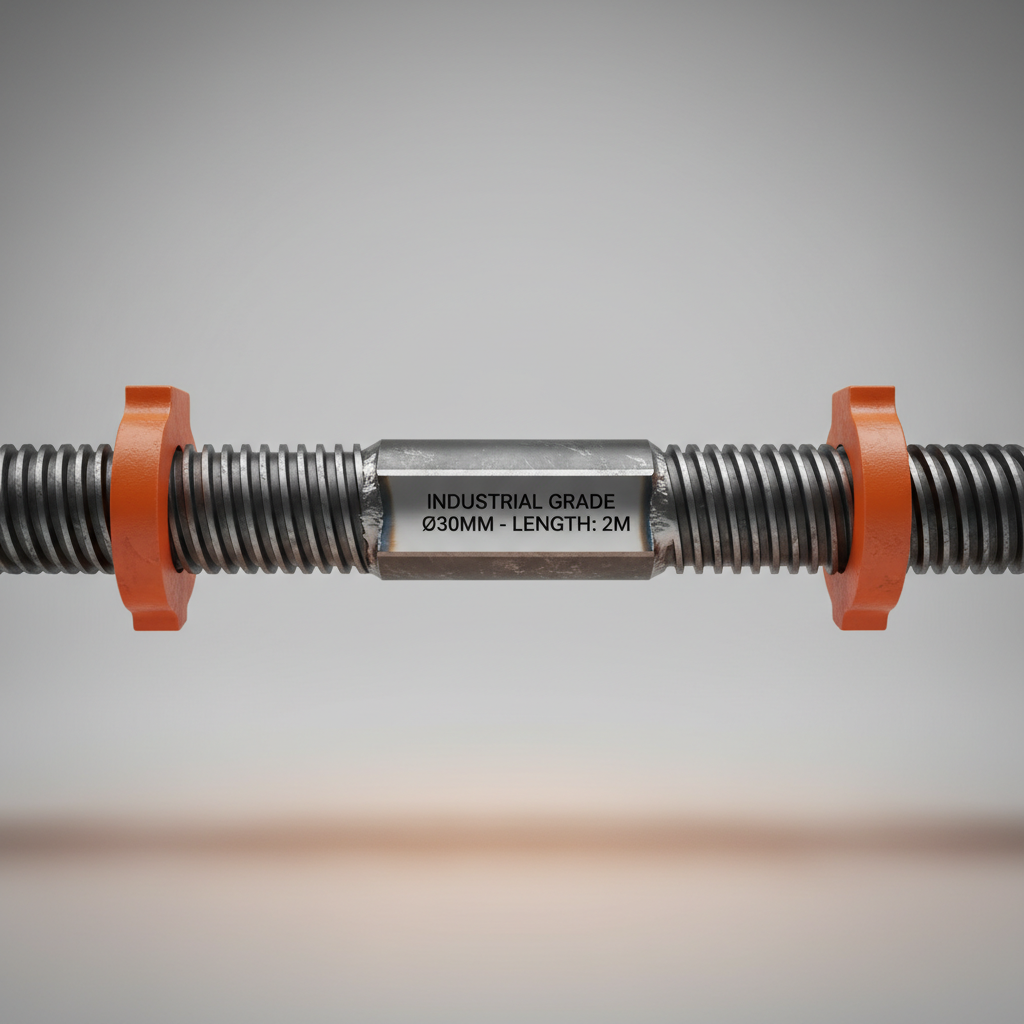
A threaded rod concrete anchor is a fastening element consisting of a rod with external threads designed to be embedded in concrete. The rod is typically inserted into a pre-drilled hole and secured within the concrete through various mechanisms, such as mechanical expansion, chemical adhesion, or a combination of both. This creates a strong and reliable connection capable of supporting significant loads.
These anchors differ from traditional concrete fasteners, like wedge anchors, in that they offer greater flexibility in terms of embedment depth and load capacity. The threaded design allows for precise adjustment and tightening, facilitating accurate positioning and secure fastening. They are a crucial component in a wide range of applications, from attaching machinery to concrete floors to securing structural elements in buildings.
The evolution of threaded rod concrete anchors is directly linked to advancements in materials science and engineering. Early anchors relied heavily on mechanical expansion, while modern anchors often incorporate high-strength alloys and advanced adhesive formulations to enhance performance and durability, addressing the needs of modern construction requirements.
Key Factors Influencing Threaded Rod Concrete Anchor Performance
Several key factors determine the performance and reliability of threaded rod concrete anchors. These include the anchor material, the concrete strength, the embedment depth, and the installation torque. Understanding these factors is crucial for selecting the appropriate anchor for a specific application and ensuring proper installation.
The material composition of the anchor significantly impacts its corrosion resistance and load-bearing capacity. Stainless steel anchors are commonly used in corrosive environments, while carbon steel anchors are suitable for less demanding applications. The concrete strength must also be considered, as weaker concrete may not provide adequate support for the anchor.
Threaded Rod Concrete Anchor Performance Characteristics
Global Applications and Diverse Use Cases of Threaded Rod Concrete Anchors
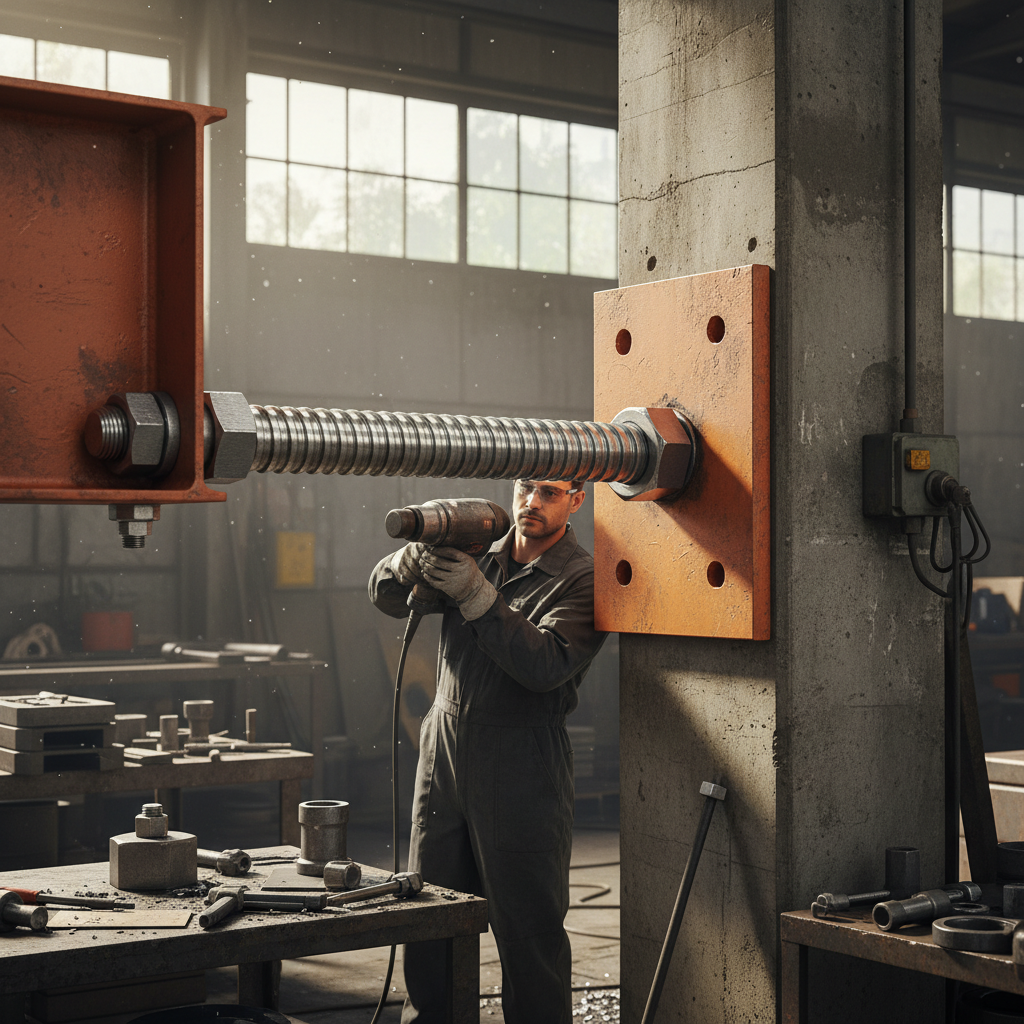
Threaded rod concrete anchors are employed in a wide range of applications across various industries. In the construction sector, they are vital for securing structural steel to concrete foundations, anchoring facade panels, and installing mechanical and electrical systems. In infrastructure projects, they’re utilized for bridge construction, tunnel support, and securing signage.
Beyond construction, these anchors find application in industrial settings for mounting machinery, securing equipment to floors, and installing safety barriers. In post-disaster relief operations, threaded rod concrete anchors can be used for rapid deployment of temporary shelters and infrastructure. In remote industrial zones, where access is limited, their ease of installation and reliability are particularly valuable.
Advantages and Long-Term Value of Utilizing Threaded Rod Concrete Anchors
The advantages of using threaded rod concrete anchors are numerous and contribute to significant long-term value. They offer superior holding power compared to many other fastening methods, especially in dynamic loading conditions. Their versatility allows for use in a wide range of concrete types and thicknesses.
Economically, they often prove to be cost-effective, especially when considering the reduced need for maintenance and replacement. The durability and reliability of these anchors enhance safety and minimize the risk of structural failures, contributing to the overall sustainability of construction projects. Moreover, using quality anchors fosters trust and confidence in the integrity of the structure.
Future Trends and Innovations in Threaded Rod Concrete Anchors
The future of threaded rod concrete anchors is focused on enhancing performance, sustainability, and ease of installation. Ongoing research is exploring the use of advanced materials, such as fiber-reinforced polymers, to improve corrosion resistance and reduce weight. Digital technologies, like smart anchors equipped with sensors, are being developed to monitor load levels and provide real-time data on structural health.
Automation in the installation process is also gaining traction, with robotic systems being employed to ensure precise placement and tightening of anchors. These advancements align with broader trends in the construction industry, including a growing emphasis on digital transformation, green building practices, and increased efficiency. The integration of BIM (Building Information Modeling) is also facilitating better anchor selection and placement, further optimizing performance and reducing project costs.
The industry is increasingly focused on developing environmentally friendly anchoring solutions, utilizing sustainable materials and reducing carbon footprint. These innovations will ensure that threaded rod concrete anchors continue to play a vital role in building a safer, more sustainable, and efficient future.
Summary of Challenges and Solutions in Threaded Rod Concrete Anchor Implementation
| Challenge |
Impact on Performance |
Proposed Solution |
Implementation Cost (Scale 1-10) |
| Corrosion in Harsh Environments |
Reduced anchor strength and potential failure. |
Utilize stainless steel or coated anchors. |
7 |
| Improper Installation Torque |
Over- or under-tightening leading to stress or loosening. |
Employ calibrated torque wrenches and provide installer training. |
5 |
| Concrete Cracking Near Anchor |
Reduced load capacity and potential for anchor pull-out. |
Use anchors with larger base plates or chemical adhesives. |
6 |
| Seismic Activity and Dynamic Loads |
Anchor fatigue and potential failure under repeated stress. |
Utilize anchors designed for seismic applications with higher ductility. |
8 |
| Poor Concrete Quality |
Insufficient anchorage and reduced load-bearing capacity. |
Employ anchors with larger embedment depths or chemical adhesive systems. |
7 |
| Lack of Standardization |
Inconsistent performance and difficulty in comparing different anchor systems. |
Adhere to established international standards (ISO, ICC-ES) for anchor testing and certification. |
4 |
FAQS
The maximum load capacity of threaded rod concrete anchors varies significantly based on factors such as anchor diameter, embedment depth, concrete strength, and the type of anchor. It's crucial to consult the manufacturer's specifications and engineering guidelines to determine the appropriate load capacity for a specific application. Always factor in safety margins and consider the dynamic loading conditions.
Corrosion can be prevented by using anchors made of corrosion-resistant materials like stainless steel, hot-dip galvanized steel, or epoxy-coated steel. In highly corrosive environments, consider using a combination of these measures. Also, proper sealing of the anchor hole during installation can help prevent moisture ingress and reduce the risk of corrosion.
The correct embedment depth is critical for achieving optimal performance. It’s determined by the anchor diameter, the applied load, and the concrete strength. Refer to the manufacturer’s specifications or a qualified engineer’s calculations to determine the appropriate embedment depth. Insufficient embedment can lead to premature failure.
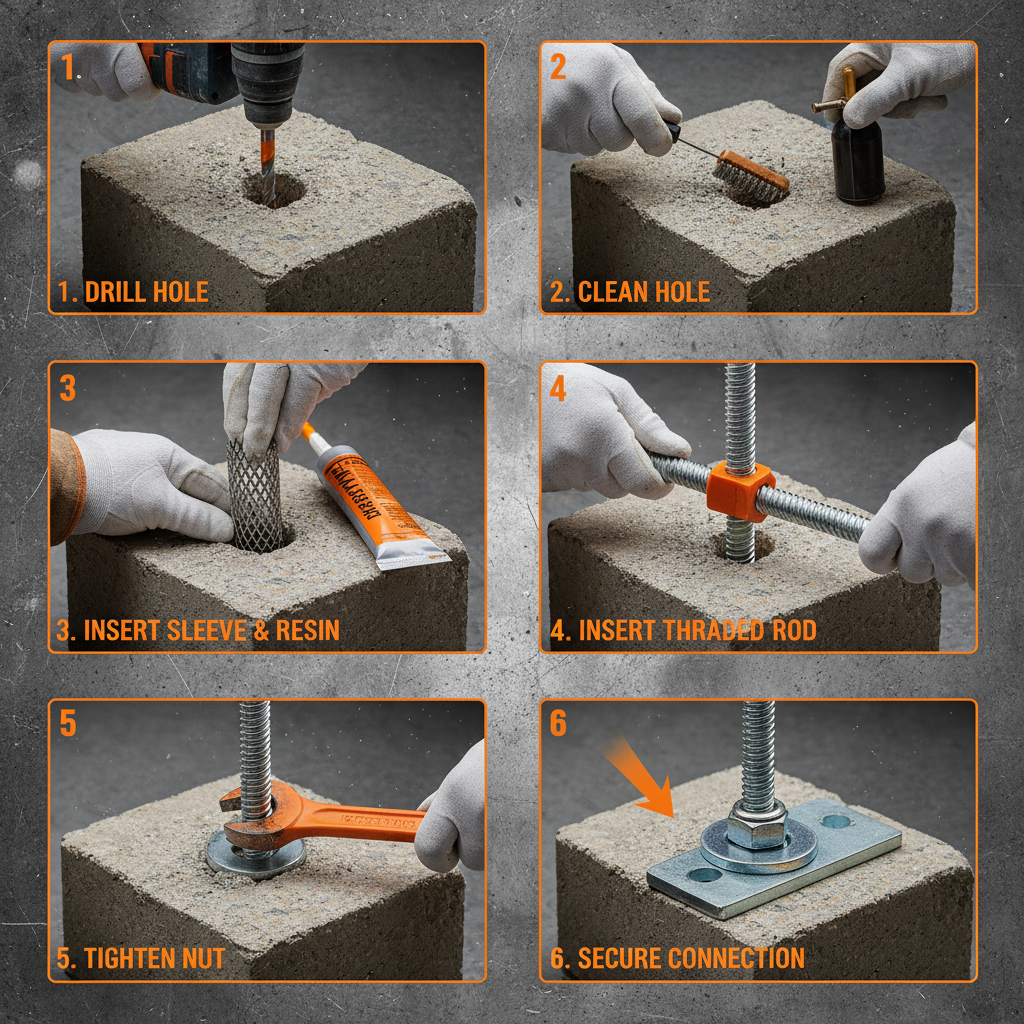
Proper installation requires careful attention to detail. Ensure the drilled hole is the correct diameter and depth. Thoroughly clean the hole to remove dust and debris. Follow the manufacturer’s recommended torque specifications when tightening the anchor. Using calibrated tools and employing trained personnel are essential for a successful installation.
Some threaded rod concrete anchors are specifically designed for use in cracked concrete. These anchors typically feature expansion sleeves or chemical adhesives that can accommodate concrete movement without compromising their holding capacity. Always select an anchor that is certified for use in cracked concrete if the application requires it.
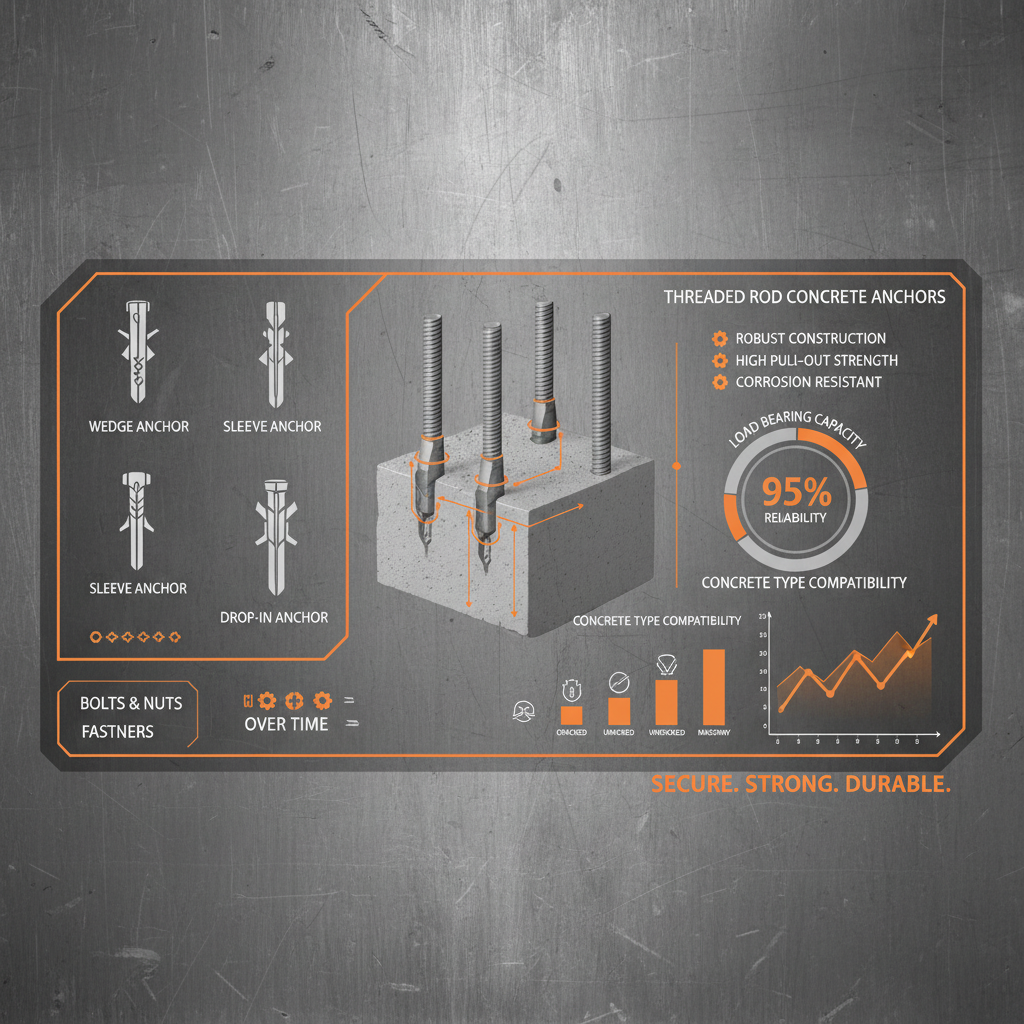
Mechanical anchors rely on mechanical expansion to create a secure connection, while chemical anchors use adhesive to bond the anchor to the concrete. Mechanical anchors are generally easier and faster to install, while chemical anchors offer higher load capacity and are less likely to damage the concrete. The choice depends on the specific application requirements and concrete conditions.
Conclusion
In conclusion, threaded rod concrete anchors are indispensable fastening solutions vital for ensuring the safety, durability, and longevity of structures worldwide. Their versatility, high load capacity, and adaptability to various applications make them a cornerstone of modern construction and infrastructure development. Understanding their properties, proper installation techniques, and the latest innovations is paramount for professionals in the field.
Looking ahead, continued advancements in materials science, digital technologies, and sustainable practices will further enhance the performance and reliability of these anchors. By embracing these innovations and adhering to industry best practices, we can unlock the full potential of threaded rod concrete anchors and build a more resilient and sustainable future. Visit our website at www.hbtbls.com to explore our comprehensive range of high-quality threaded rod concrete anchors and find the perfect solution for your project needs.