Threaded studs, seemingly simple fasteners, play a crucial role in modern engineering and construction across the globe. These versatile components are integral to industries ranging from automotive and aerospace to energy and infrastructure. Their ability to provide strong, reliable connections, often in demanding environments, makes them indispensable. Understanding the nuances of threaded stud design, materials, and applications is paramount for ensuring safety, efficiency, and long-term durability in countless projects.
The global market for threaded studs is experiencing consistent growth, driven by expanding infrastructure projects, increasing industrialization in emerging economies, and a rising demand for high-performance fastening solutions. According to industry reports, the fastening technology market (which includes threaded studs) is projected to reach [Insert Stat – e.g., $85 billion] by [Insert Year – e.g., 2028], demonstrating a significant economic impact. The need for robust, dependable fasteners that can withstand extreme temperatures, pressures, and corrosive environments is a constant challenge, and threaded studs are often the optimal solution.
The importance of threaded studs extends beyond pure economic factors. In disaster relief scenarios, for example, rapidly assembled structures utilizing threaded stud connections can provide immediate shelter and critical support. Similarly, in remote industrial zones, the ease of installation and maintenance offered by these fasteners can streamline operations and reduce downtime. Therefore, a comprehensive grasp of threaded stud technology is essential for both technical professionals and those involved in humanitarian and development efforts.
The Fundamentals of Threaded Stud Design
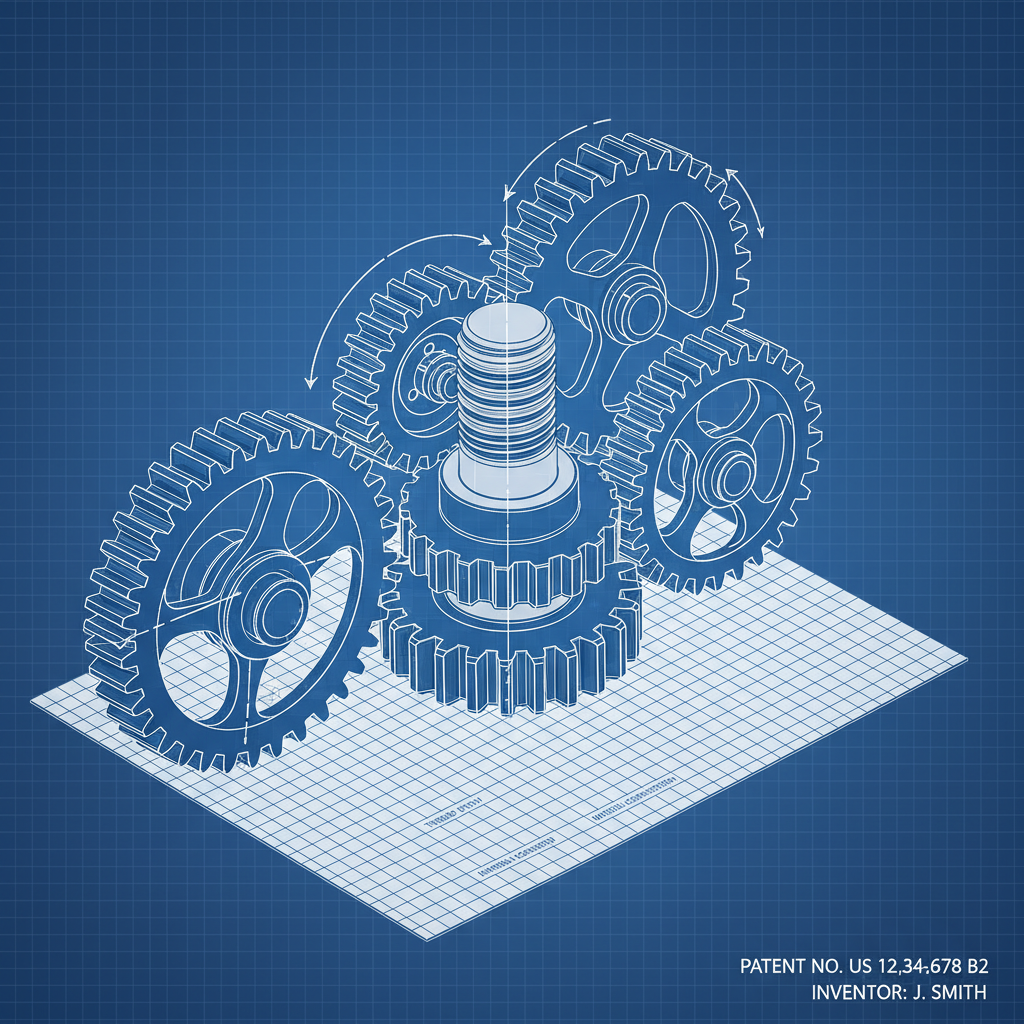
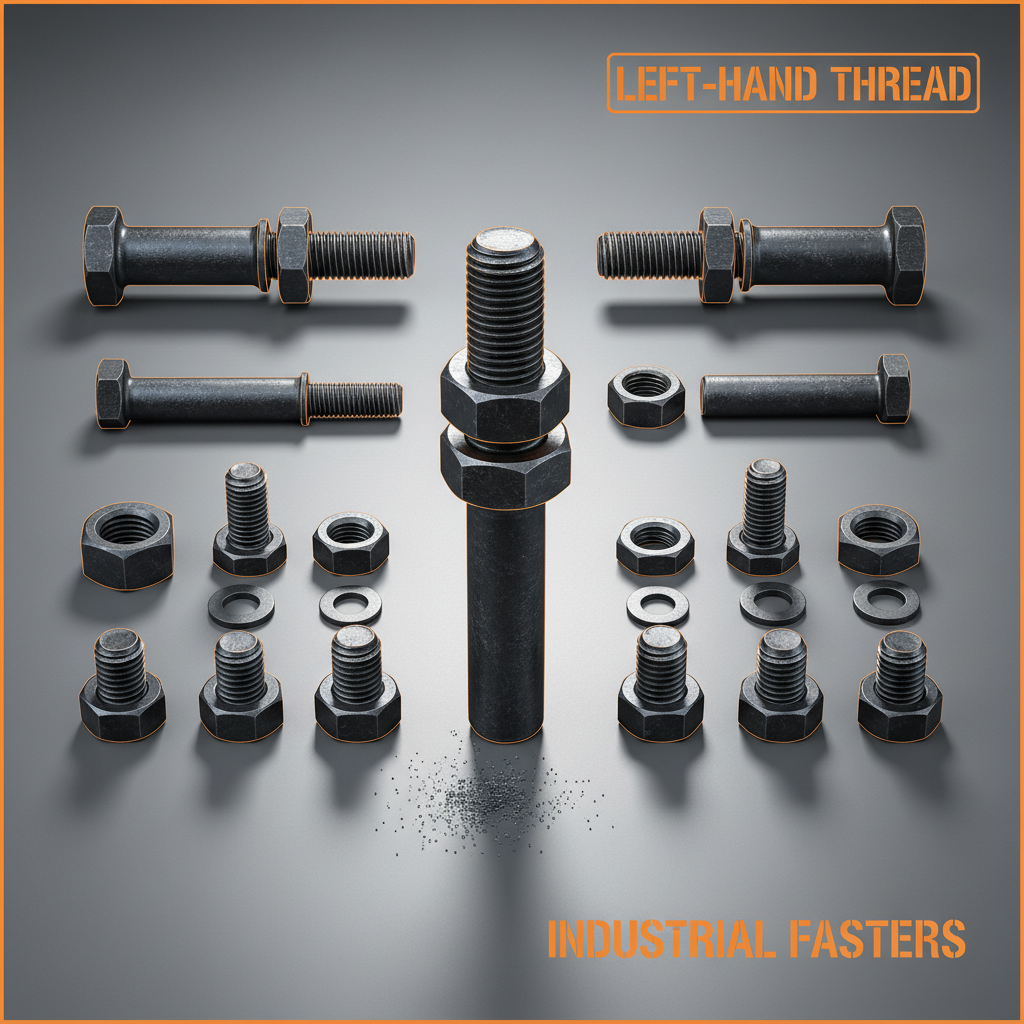
A threaded stud, at its core, is a fastener that lacks a head at one or both ends, featuring external threads along its shank. This design allows it to be inserted through holes and secured with a nut on the opposite side. The key design elements include thread pitch, thread length, and overall stud length. Proper selection of these parameters is crucial to ensure adequate engagement with the mating materials and achieve the desired clamping force. threaded stud are critical for ensuring the structural integrity of many assemblies.
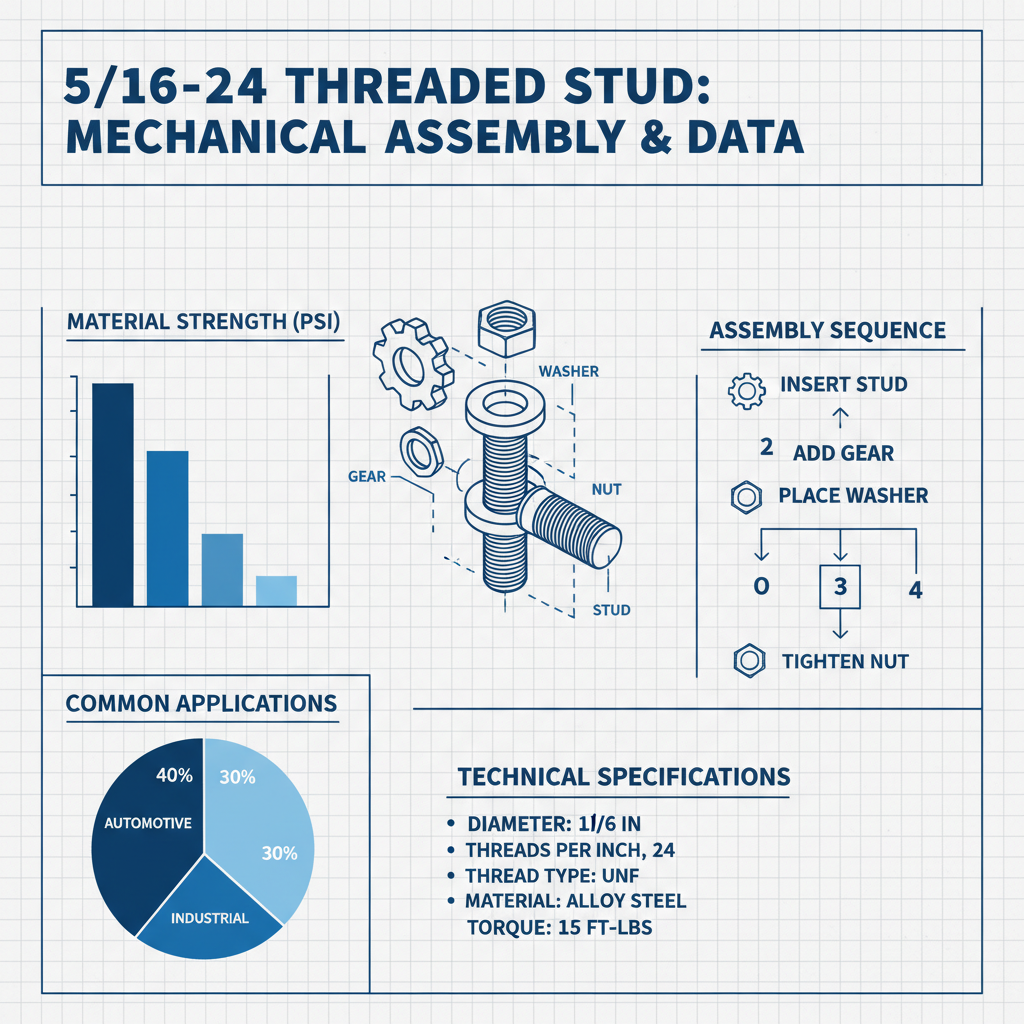
The geometry of the thread itself is also a crucial consideration. Different thread forms, such as Unified National Coarse (UNC), Unified National Fine (UNF), and metric threads, offer varying levels of strength and engagement. The choice depends on the application’s specific requirements, with finer threads generally offering greater strength but slower assembly.
Material Science and Threaded Stud Performance
The material composition of a threaded stud significantly influences its performance characteristics, including tensile strength, yield strength, corrosion resistance, and temperature tolerance. Common materials include carbon steel, alloy steel, stainless steel, and various non-ferrous alloys. Carbon steel is often used for general-purpose applications due to its cost-effectiveness, but it may require surface treatments to prevent corrosion.
Alloy steels, incorporating elements like chromium, nickel, and molybdenum, offer enhanced strength and toughness, making them suitable for high-stress applications. Stainless steel provides excellent corrosion resistance, ideal for environments exposed to harsh chemicals or marine conditions. The selection of the appropriate material is a critical engineering decision, balancing cost, performance, and environmental considerations.
Furthermore, material properties are often modified through heat treatments like quenching and tempering to optimize specific characteristics. For instance, case hardening can increase surface hardness for improved wear resistance, while maintaining a ductile core for impact strength. Careful consideration of material properties is paramount in ensuring the long-term reliability of a threaded stud connection.
The Manufacturing Process of a Threaded Stud
The manufacturing of a threaded stud typically involves several stages, starting with the selection of raw material in the form of wire or bar stock. This material is then cold-headed to form the stud's shape, a process that utilizes compressive forces to deform the metal without heating. This method enhances the material's strength and grain structure.
Following cold heading, the stud undergoes a threading operation, typically performed using a die or a rolling process. Die threading involves cutting the threads into the material, while roll threading forms the threads by plastically deforming the metal. Roll threading is generally preferred as it produces stronger, more accurate threads with improved fatigue resistance. threaded stud are often finished with coatings for corrosion protection.
Finally, the studs are often subjected to quality control inspections to verify dimensional accuracy, thread form, and mechanical properties. Surface treatments, such as zinc plating or phosphate coating, are frequently applied to enhance corrosion resistance and improve the stud's appearance. Throughout the process, precise control of parameters is essential to ensure consistent quality and adherence to industry standards.
Threaded Stud Load Capacity and Testing Standards
Determining the load capacity of a threaded stud is critical for ensuring the safety and reliability of the assembled structure. Factors influencing load capacity include the stud's material, size, thread pitch, and the properties of the connected materials. Calculations are based on established engineering principles, considering tensile strength, shear strength, and bending moment.
To verify these calculations and ensure product quality, threaded studs undergo rigorous testing in accordance with international standards such as ISO 898-1 and ASTM A307. These tests include tensile testing, proof load testing, and hardness testing. These tests confirm the stud's ability to withstand specified loads without failure, providing confidence in its performance.
Threaded Stud Failure Mode Analysis
Global Applications of Threaded Studs
Threaded studs find widespread application across numerous industries globally. In the automotive sector, they are used extensively in engine components, chassis assemblies, and exhaust systems, providing robust and reliable connections that withstand high vibrations and temperatures. In the aerospace industry, where safety is paramount, they are critical components in aircraft structures, engines, and landing gear.
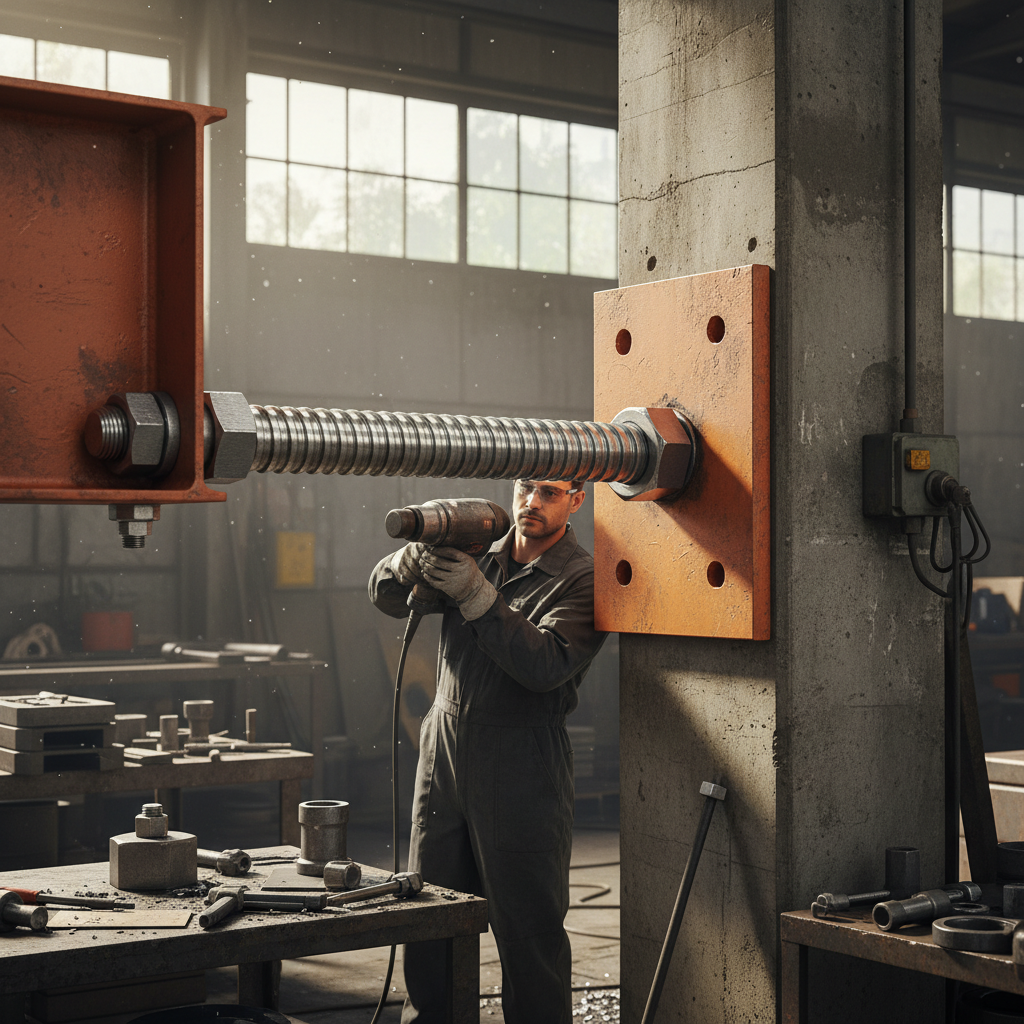
The energy sector utilizes threaded studs in power generation facilities, oil and gas pipelines, and renewable energy installations, ensuring the structural integrity of these vital infrastructures. In construction, they are used in steel framing, bridge construction, and high-rise buildings, providing essential fastening solutions.
Advantages and Cost Considerations of Threaded Studs
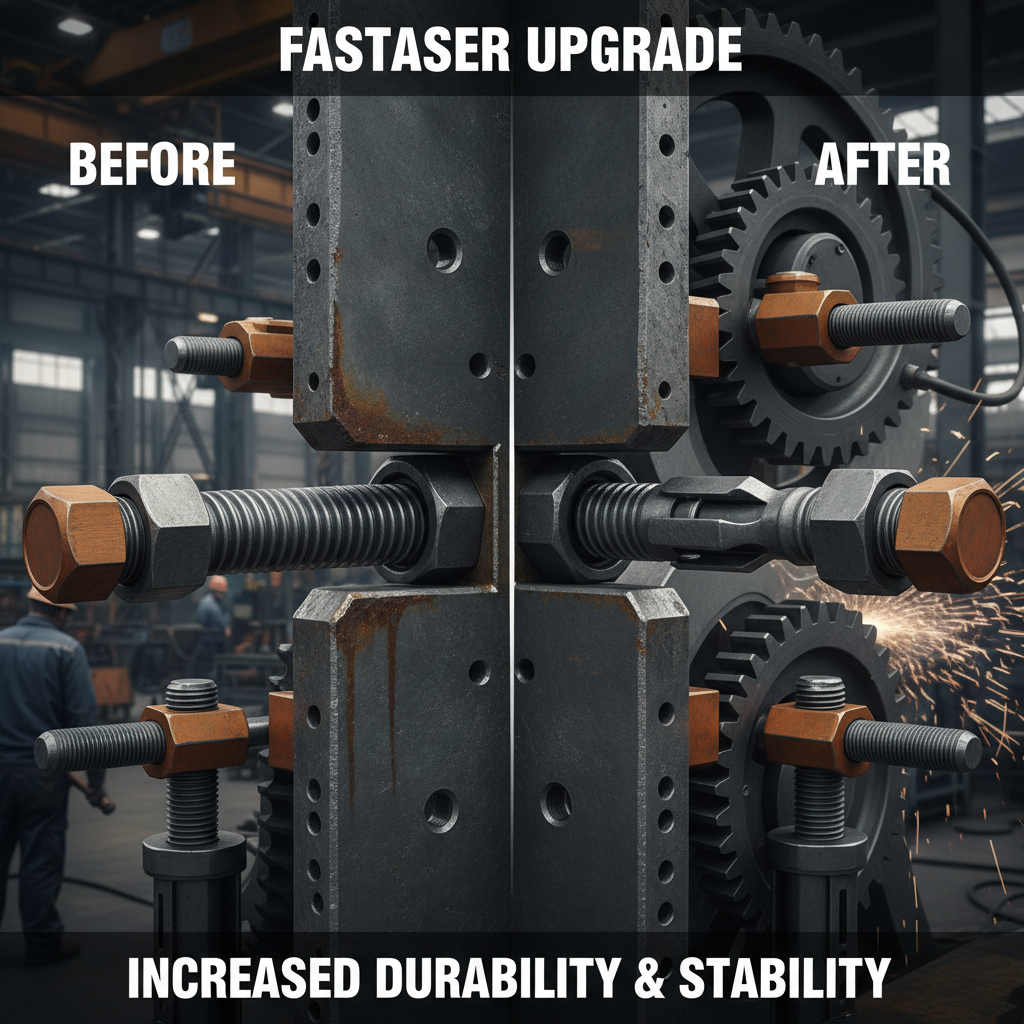
The advantages of using threaded studs are numerous. They offer high tensile strength, reliable clamping force, ease of installation and removal, and versatility in accommodating various materials and applications. They are also relatively cost-effective compared to some other fastening methods, particularly when considering their long-term durability and reduced maintenance requirements.
From a cost perspective, while the initial cost of a threaded stud may be higher than a simple bolt, the total cost of ownership is often lower due to their reliability and reduced risk of failure. Furthermore, the availability of standardized sizes and materials ensures a readily available supply chain and competitive pricing.
The use of threaded stud contributes to improved safety, reduced downtime, and enhanced overall system performance, which translate into significant economic benefits over the life cycle of the application.
Future Trends in Threaded Stud Technology
The future of threaded stud technology is focused on innovation in materials, coatings, and manufacturing processes. Research and development efforts are underway to create studs with enhanced strength-to-weight ratios, improved corrosion resistance, and optimized performance in extreme environments.
The integration of smart technology, such as embedded sensors, is also emerging as a trend. These sensors can monitor stud load, temperature, and vibration levels, providing real-time data for predictive maintenance and improved safety. Advances in additive manufacturing (3D printing) are also enabling the creation of custom-designed studs tailored to specific applications.
Sustainability is another key driver of innovation, with a growing focus on developing studs from recycled materials and reducing the environmental impact of the manufacturing process. These advancements will ensure that threaded studs remain a vital fastening solution for decades to come.
Summary of Key Trends in Threaded Stud Technology
| Material Innovation |
Smart Technology Integration |
Manufacturing Advancements |
Sustainability Focus |
| Development of High-Strength Alloys |
Embedded Load Sensors |
Additive Manufacturing (3D Printing) |
Use of Recycled Materials |
| Corrosion-Resistant Coatings |
Real-time Vibration Monitoring |
Automated Thread Rolling Processes |
Reduction of Manufacturing Waste |
| Nanomaterial Enhancement |
Wireless Communication Capabilities |
Precision Machining Techniques |
Eco-Friendly Coating Alternatives |
| Lightweight Composite Materials |
Predictive Maintenance Algorithms |
Near-Net Shape Forming |
Closed-Loop Material Recycling |
| Self-Healing Material Concepts |
Remote Monitoring and Control |
Artificial Intelligence-Driven Inspection |
Carbon Footprint Reduction Strategies |
| Biomimetic Material Design |
Data Analytics for Performance Optimization |
Digital Twin Integration |
Life Cycle Assessment (LCA) |
FAQS
While both are fasteners, a key distinction is that threaded studs don’t have a head on one or both ends, requiring a nut to secure them. Bolts typically have a head and are designed to be tightened directly against a surface. Studs often provide greater clamping force due to the ability to precisely control tension with a nut, and are preferable in applications where frequent assembly/disassembly is needed.
Stainless steel alloys (like 316 and duplex stainless steel) are excellent choices for corrosive environments due to their high chromium content, which forms a protective oxide layer. Other options include nickel alloys (like Inconel) and specialized coatings like zinc-nickel or PTFE, depending on the severity of the corrosion and specific chemical exposure.
A finer thread pitch generally results in a stronger stud. This is because a finer pitch provides a greater number of threads engaging with the nut, increasing the shear area and tensile strength. However, finer pitches can also be more susceptible to stripping and may require slower assembly speeds. Careful consideration of the application's requirements is crucial.
Common tests include tensile testing (to determine breaking strength), proof load testing (to verify yield strength), hardness testing (to assess material properties), and dimensional inspections (to ensure adherence to specifications). Non-destructive testing methods, such as magnetic particle inspection and ultrasonic testing, are also used to detect internal flaws.
Threaded studs can sometimes be reused, but a thorough inspection is crucial before each reuse. Inspect for any signs of damage, such as stripped threads, corrosion, cracks, or deformation. Check the thread length and ensure the stud hasn’t been stretched beyond its elastic limit. Always use a new nut with a reused stud, and consider applying a thread lubricant.
Proper torque is critical for achieving the correct clamping force and ensuring the integrity of the connection. Under-tightening can lead to loosening and failure, while over-tightening can damage the stud or the connected materials. Torque specifications should be followed carefully, using a calibrated torque wrench, and adjusted based on the specific application and materials involved.
Conclusion
Threaded studs, despite their seemingly simple design, are undeniably essential components across a vast spectrum of industries. Their versatility, strength, and reliability make them indispensable for countless applications, from critical infrastructure to everyday products. Understanding the nuances of material science, manufacturing processes, and testing standards is paramount for engineers, designers, and manufacturers seeking optimal performance and long-term durability.
Looking ahead, advancements in materials, smart technology, and sustainable manufacturing practices will continue to shape the evolution of threaded stud technology. By embracing these innovations, we can unlock even greater potential for these critical fasteners, ensuring their continued relevance in a rapidly changing world. Visit our website at www.hbtbls.com to explore our wide range of threaded stud products and solutions.