Stainless threaded rod is a crucial fastening component utilized across a vast spectrum of industries, from construction and automotive to aerospace and marine engineering. Its inherent resistance to corrosion, stemming from its alloy composition – primarily chromium – makes it indispensable in environments where conventional steel would quickly degrade. Understanding the nuances of stainless threaded rod, including its different grades, manufacturing processes, and application-specific considerations, is vital for engineers, procurement specialists, and anyone involved in the design and maintenance of durable and reliable systems.
The global demand for stainless threaded rod is intrinsically linked to infrastructure development, manufacturing output, and the increasing need for materials capable of withstanding harsh conditions. According to the World Steel Association, stainless steel production reached over 50 million tonnes in 2022, a significant portion of which is destined for threaded products. This demand is particularly strong in rapidly developing economies and regions prone to corrosive environments like coastal areas or industrial zones.
Stainless threaded rod addresses a critical challenge: the long-term integrity of assembled structures and machinery. Traditional fasteners often succumb to rust and corrosion, leading to costly repairs, safety hazards, and reduced operational lifespan. By employing stainless steel, designers and engineers can significantly enhance the reliability and longevity of their projects, contributing to sustainability and reduced lifecycle costs.
Introduction to Stainless Threaded Rod
The core function of stainless threaded rod is to provide a robust and corrosion-resistant fastening solution. Unlike carbon steel, which requires protective coatings to prevent rust, stainless steel inherently resists oxidation. This is due to the formation of a passive chromium oxide layer on the surface, which self-repairs if damaged. This intrinsic property dramatically extends the lifespan of fastened components, reducing maintenance and replacement costs.
The selection of the appropriate stainless steel grade for a specific application is paramount. Different grades offer varying levels of corrosion resistance, strength, and ductility. Common grades include 304, 316, and 316L, each tailored to address unique environmental and mechanical demands. Understanding these differences ensures optimal performance and long-term reliability for any project utilizing stainless threaded rod.
Defining Stainless Threaded Rod
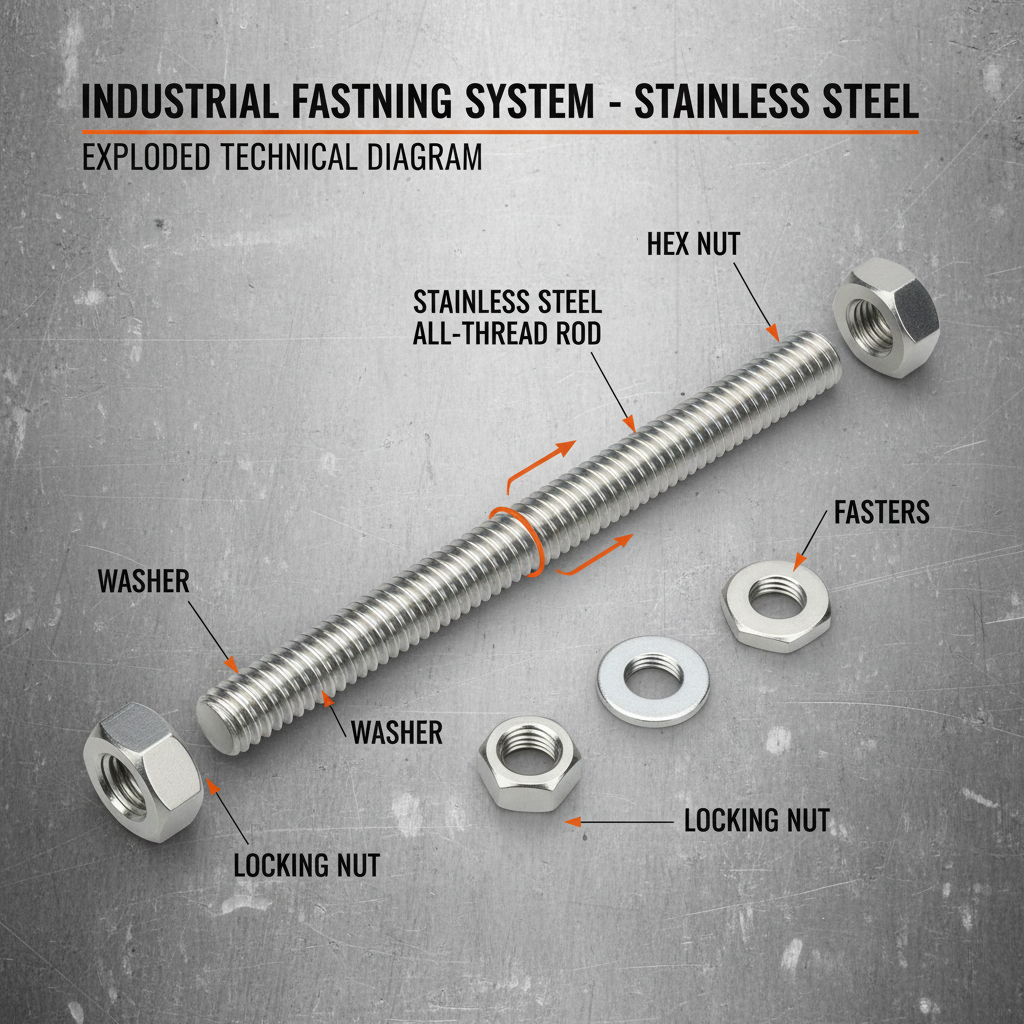
Stainless threaded rod is essentially a cylindrical rod with a helical thread running along its length. This threading allows it to be screwed into tapped holes or used in conjunction with nuts to create a secure and adjustable fastening system. The "stainless" aspect refers to the material composition, primarily iron alloyed with chromium (typically at least 10.5%), and often nickel, molybdenum, and other elements to enhance its corrosion resistance.
Its role extends beyond simple fastening. Stainless threaded rod serves as a critical element in load-bearing structures, fluid transfer systems, and precision machinery. The threads themselves are manufactured to exacting standards, ensuring consistent pitch, depth, and accuracy, which are vital for maintaining structural integrity and preventing leaks.
In modern industry, stainless threaded rod represents a step away from reliance on materials vulnerable to environmental degradation. Its application can be seen as essential for humanitarian efforts as well, supporting durable infrastructure in disaster relief and providing reliable components for water purification and sanitation systems.
Key Properties of Stainless Threaded Rod
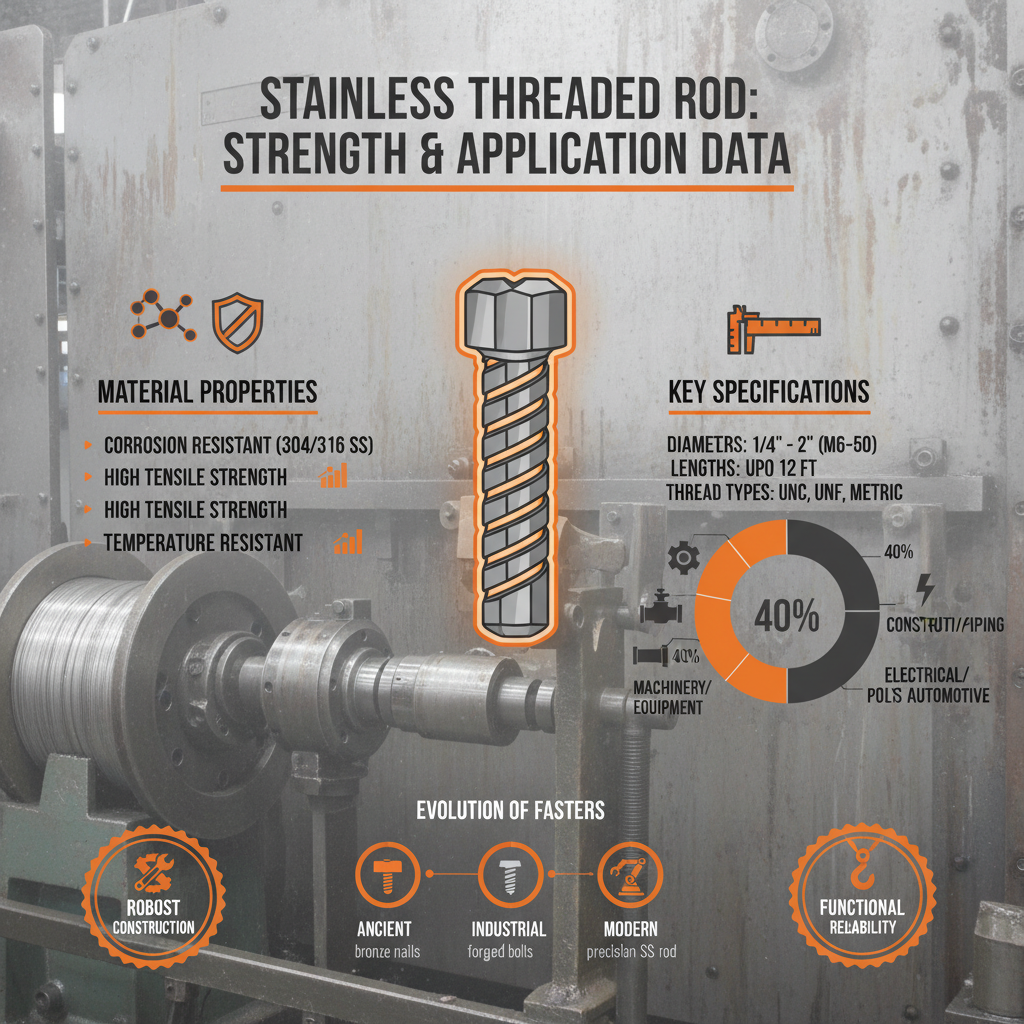
Durability is perhaps the most significant property of stainless threaded rod. The inherent corrosion resistance ensures that it can withstand exposure to a wide range of chemicals, moisture, and temperature fluctuations without significant degradation, making it suitable for harsh environments.
Strength is another key characteristic. Different grades of stainless steel exhibit varying tensile and yield strengths, allowing engineers to select the appropriate material based on the load requirements of the application. High-strength grades are essential for critical structural components where failure is not an option.
Temperature Resistance: Stainless threaded rod maintains its structural integrity across a broad temperature range. Some grades are specifically engineered for high-temperature applications, such as exhaust systems or industrial furnaces, where other materials would quickly lose their strength or succumb to oxidation.
Global Applications of Stainless Threaded Rod
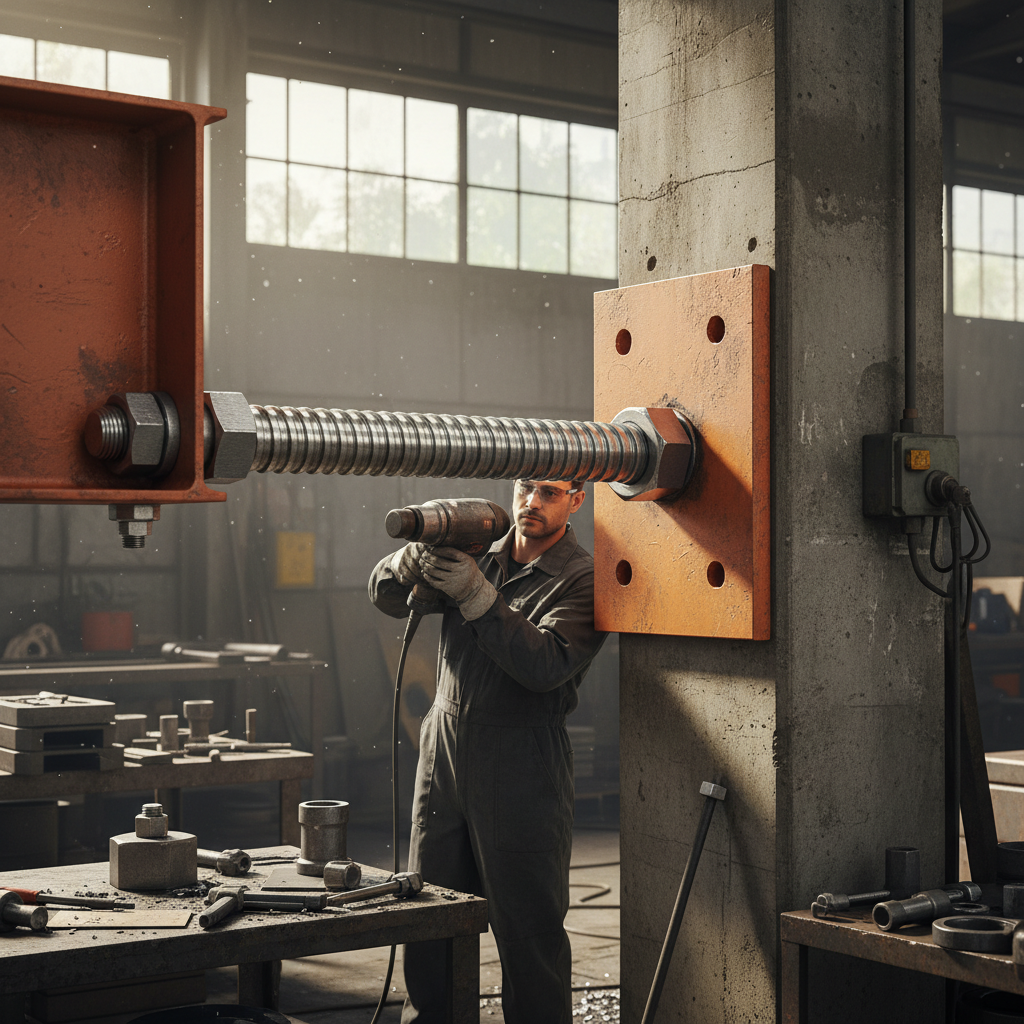
Stainless threaded rod finds extensive use in the construction industry, serving as a vital component in building facades, structural supports, and roofing systems, particularly in coastal regions or industrial areas exposed to corrosive elements. In the marine industry, it’s critical for boat building, offshore platforms, and underwater equipment.
The chemical processing industry relies heavily on stainless threaded rod due to its resistance to acids, alkalis, and other corrosive chemicals. It’s used in piping systems, reactor vessels, and storage tanks. Similarly, in the food and beverage industry, hygiene is paramount, and stainless threaded rod ensures that fastening systems do not contaminate products or harbor bacteria.
In remote industrial zones, where maintenance can be challenging and costly, the longevity of stainless threaded rod provides a significant advantage. In post-disaster relief operations, its durability makes it ideal for constructing temporary shelters and infrastructure, offering a reliable foundation for recovery efforts.
Stainless Threaded Rod Application by Industry
Advantages and Long-Term Value
The most tangible benefit of utilizing stainless threaded rod is the reduction in lifecycle costs. The inherent corrosion resistance minimizes the need for frequent replacements, reducing maintenance expenditures and downtime. This cost-effectiveness is particularly pronounced in harsh environments where carbon steel fasteners would rapidly fail.
From a sustainability perspective, the durability of stainless threaded rod translates to reduced material consumption and waste generation. By extending the lifespan of assembled structures and machinery, it lessens the environmental impact associated with manufacturing and disposal. The inherent safety benefits of a reliable fastening system also contribute to a more responsible and conscientious design approach.
Future Trends and Innovation
Emerging technologies in surface treatment are further enhancing the corrosion resistance of stainless threaded rod. Processes like plasma nitriding and physical vapor deposition (PVD) can create even more durable and protective coatings, expanding the range of applications where stainless steel can be used.
The integration of digital technologies, such as RFID tags and sensor integration, is also gaining traction. These technologies allow for real-time monitoring of fastener performance, enabling predictive maintenance and preventing catastrophic failures. Coupled with advancements in automation for manufacturing stainless threaded rod, these innovations will streamline production and reduce costs.
Challenges and Solutions
One common challenge is the higher initial cost of stainless threaded rod compared to carbon steel alternatives. However, this cost is often offset by the reduced lifecycle costs associated with its superior durability and corrosion resistance. Careful consideration of the total cost of ownership is essential when making material selection decisions.
Another challenge is the potential for galling – a form of adhesive wear – between stainless steel threads, particularly under high loads. This can be mitigated by using specialized lubricants or applying anti-galling coatings to the threads. Utilizing the correct grade of stainless steel for the application and ensuring proper torque control during installation are also crucial preventative measures.
Supply chain disruptions can also pose a challenge, affecting lead times and pricing. Diversifying suppliers and establishing long-term relationships with reputable manufacturers are effective strategies for mitigating these risks.
Overview of Key Factors Affecting Stainless Threaded Rod Performance
| Environmental Exposure |
Material Grade |
Load & Stress |
Maintenance Frequency |
| High Humidity |
316 Stainless Steel |
Moderate (6/10) |
Low (Annual Inspection) |
| Saltwater Exposure |
316L Stainless Steel |
High (8/10) |
Medium (Semi-Annual Inspection) |
| Chemical Exposure (Acids) |
Alloy 20 |
Low (4/10) |
High (Monthly Inspection) |
| Mild Indoor Environment |
304 Stainless Steel |
Low (3/10) |
Very Low (As Needed) |
| High Temperature Operation |
310 Stainless Steel |
High (7/10) |
Medium (Quarterly Inspection) |
| Dynamic Load Applications |
Duplex Stainless Steel |
Very High (9/10) |
Medium (Semi-Annual Inspection) |
FAQS
The key difference lies in the molybdenum content of 316 stainless steel. Molybdenum significantly enhances corrosion resistance, particularly against chlorides and other halides. This makes 316 a preferred choice for marine environments and applications involving exposure to de-icing salts. 304 is suitable for less corrosive environments, offering a balance of strength and cost-effectiveness. Understanding the specific application and potential exposure is critical for selecting the correct grade.
Galling can be minimized by using anti-galling compounds on the threads during assembly. These compounds create a lubricant barrier that reduces friction and prevents the threads from seizing. Proper torque control is also crucial, as over-tightening can exacerbate galling. Selecting a stainless steel grade with a lower coefficient of friction, like Alloy 20, can also help mitigate this issue.
Cutting stainless threaded rod requires specialized tools and techniques to avoid work hardening and thread damage. Using a slow speed, a sharp cutting wheel, and ample cutting fluid is essential. Avoid generating excessive heat, as this can compromise the material’s properties. Deburring the cut ends is also crucial to prevent corrosion initiation points.
High temperatures can reduce the tensile strength and creep resistance of stainless steel. While most grades maintain adequate strength at moderate temperatures, specialized grades like 310 are designed for high-temperature applications. Conversely, low temperatures can cause some stainless steels to become brittle. Selecting the appropriate grade for the operating temperature range is crucial for ensuring structural integrity.
Stainless threaded rod can be welded, but it requires careful consideration and specific welding procedures. Proper pre- and post-weld heat treatments are essential to restore the material’s corrosion resistance and mechanical properties. The welding process can alter the microstructure of the stainless steel, potentially reducing its performance if not performed correctly.
Common thread types include Unified National Coarse (UNC), Unified National Fine (UNF), and metric threads (ISO). The selection of the appropriate thread type depends on the application’s requirements and compatibility with other components. It's essential to ensure that the thread type matches the tapped hole or nut being used to avoid misfitting and potential failure.
Conclusion
In conclusion, stainless threaded rod stands as a critical component in a diverse range of industries, offering superior durability, corrosion resistance, and long-term value compared to traditional fastening solutions. From infrastructure development and marine engineering to chemical processing and food production, its applications are widespread and essential. Understanding its properties, selecting the appropriate grade, and implementing best practices for installation and maintenance are crucial for maximizing its benefits.
Looking ahead, continued innovation in materials science and manufacturing processes will further enhance the performance and versatility of stainless threaded rod. The integration of digital technologies and a growing emphasis on sustainability will drive the development of smarter, more efficient, and environmentally responsible fastening solutions. For reliable and high-quality stainless threaded rod, visit our website: www.hbtbls.com.