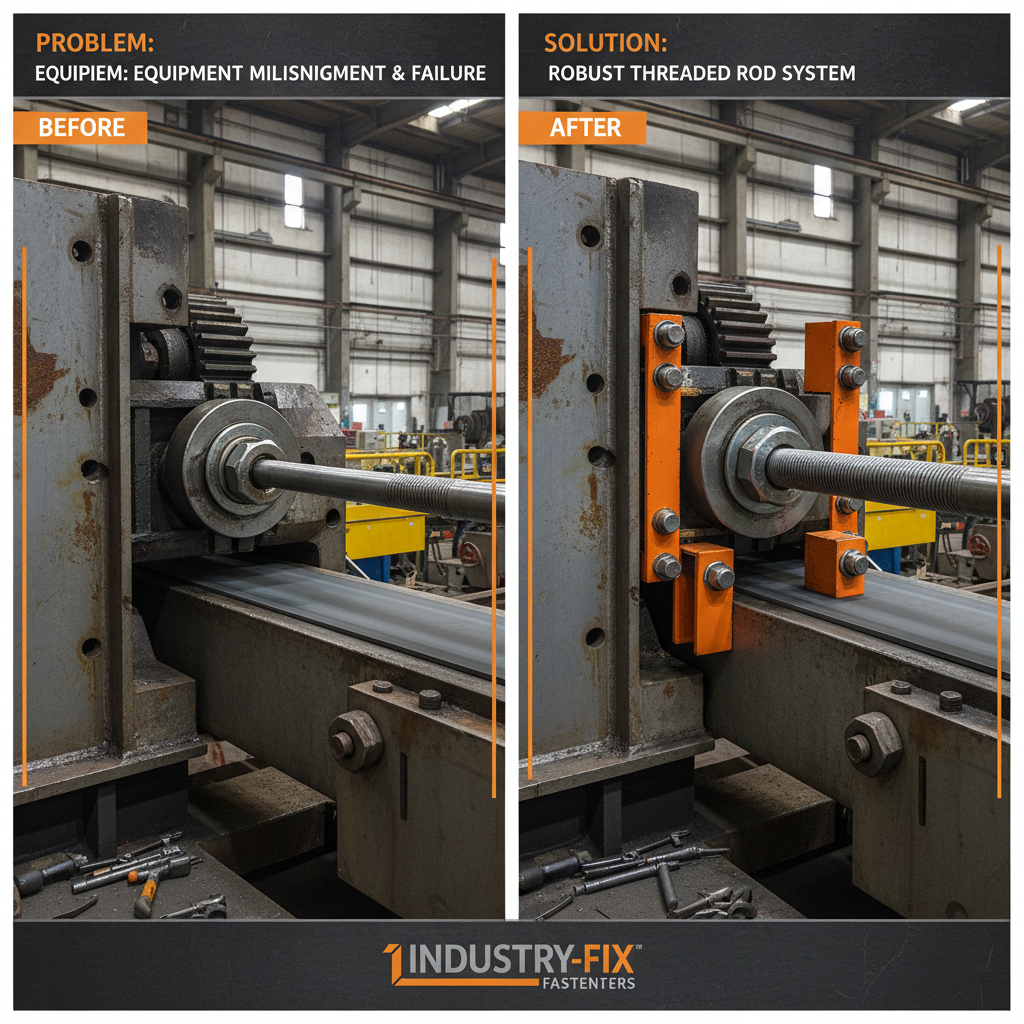
Bulk threaded rod plays a critical role in modern infrastructure and a diverse range of industrial applications. From securing large-scale construction projects to providing essential components in machinery, its strength, reliability, and ease of installation make it a cornerstone material. The ability to procure bulk threaded rod efficiently and cost-effectively is vital for project success across numerous sectors.
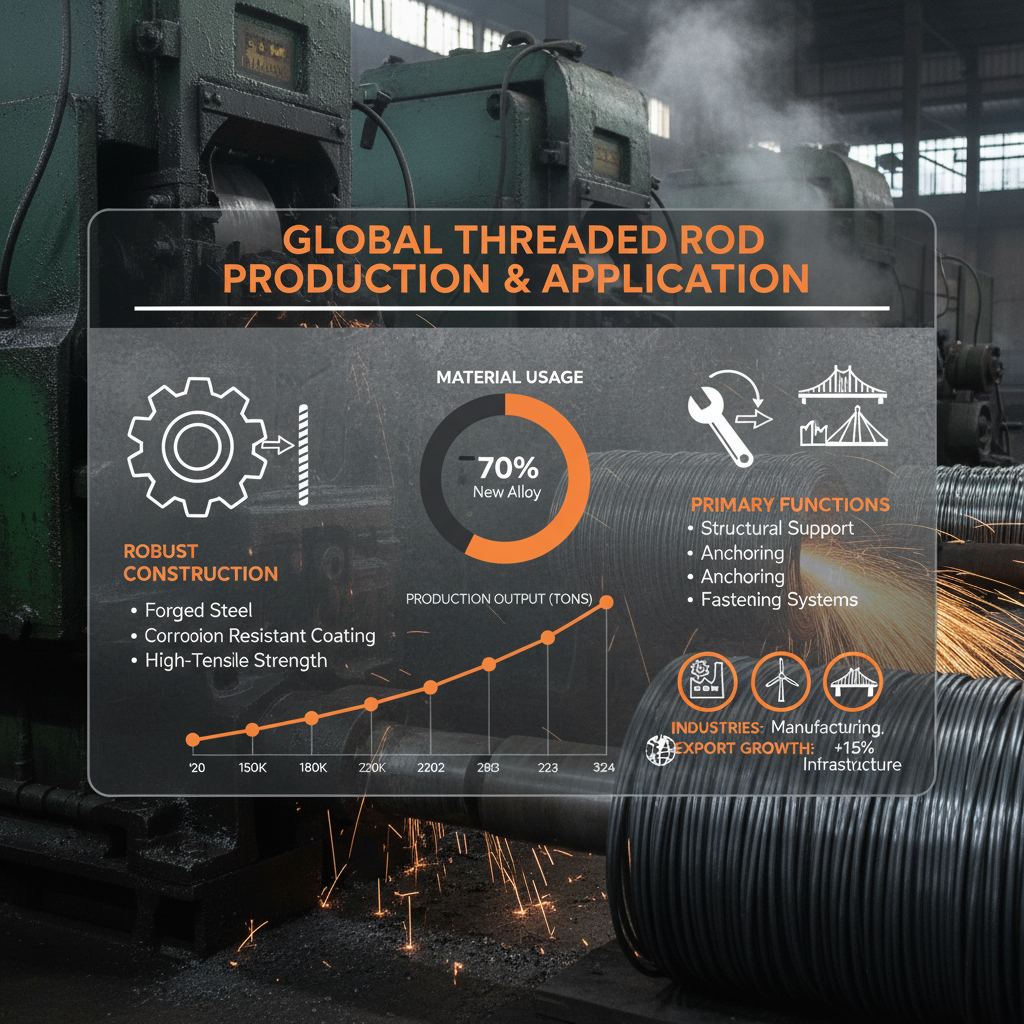
Globally, the demand for robust fastening solutions like bulk threaded rod is consistently increasing, driven by urbanization, infrastructure development, and industrial growth. Countries undergoing rapid expansion, particularly in Asia and Africa, represent significant markets. Understanding the nuances of material specifications, sourcing strategies, and logistical considerations surrounding bulk threaded rod is paramount for businesses operating in these environments.
The benefits extend beyond simple construction. Bulk threaded rod contributes to the long-term durability and safety of critical infrastructure, from bridges and tunnels to power plants and communication towers. Its versatility allows for adaptation to varied project requirements, making it an indispensable material in addressing global challenges.
The Significance of Bulk Threaded Rod
The strategic importance of readily available bulk threaded rod cannot be overstated. Supply chain disruptions can severely impact project timelines and costs, highlighting the need for reliable sourcing partners and sufficient stock levels. Efficient procurement of these materials is fundamental to maintaining project momentum.
Beyond simple availability, the quality and specification of bulk threaded rod are paramount. Selecting the appropriate grade, diameter, and length is critical to ensuring structural integrity and long-term performance. This requires a thorough understanding of application requirements and adherence to industry standards.
Defining Bulk Threaded Rod
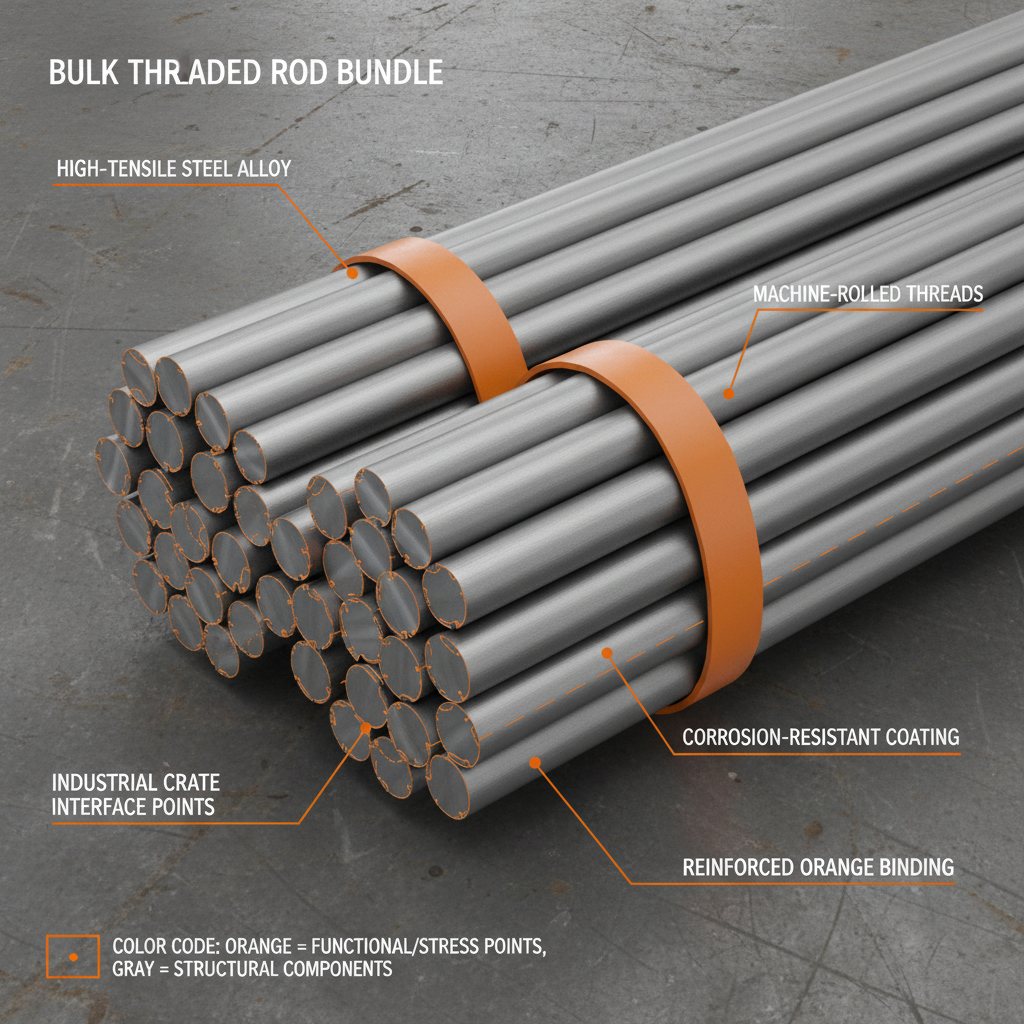
Bulk threaded rod is essentially a steel rod featuring continuous threading along its entire length. It's manufactured in large quantities, hence the term "bulk," and is used for a variety of fastening and connecting applications. Unlike bolts, which have a head, threaded rod relies on nuts and washers to secure components.
The material composition of bulk threaded rod typically includes carbon steel, stainless steel, or alloy steel, each offering unique properties relating to strength, corrosion resistance, and temperature tolerance. Choosing the right material is essential for maximizing performance in specific environments.
This seemingly simple component is fundamentally linked to modern industry and infrastructure. Without reliable and readily available threaded rod, large-scale construction, manufacturing, and repair projects would be significantly hampered. It’s a foundational element enabling complex systems to be safely and securely assembled.
Core Characteristics of Bulk Threaded Rod
A defining characteristic of bulk threaded rod is its versatility. Its full-length threading allows it to be cut to any desired length, providing a customized fastening solution. This adaptability makes it suitable for a wide range of applications, from simple repairs to complex assemblies.
Another crucial feature is its strength and load-bearing capacity. The materials used in manufacturing, combined with the threading process, provide exceptional tensile strength, ensuring reliable performance under significant stress. Selection of the appropriate grade is key to handling the intended load.
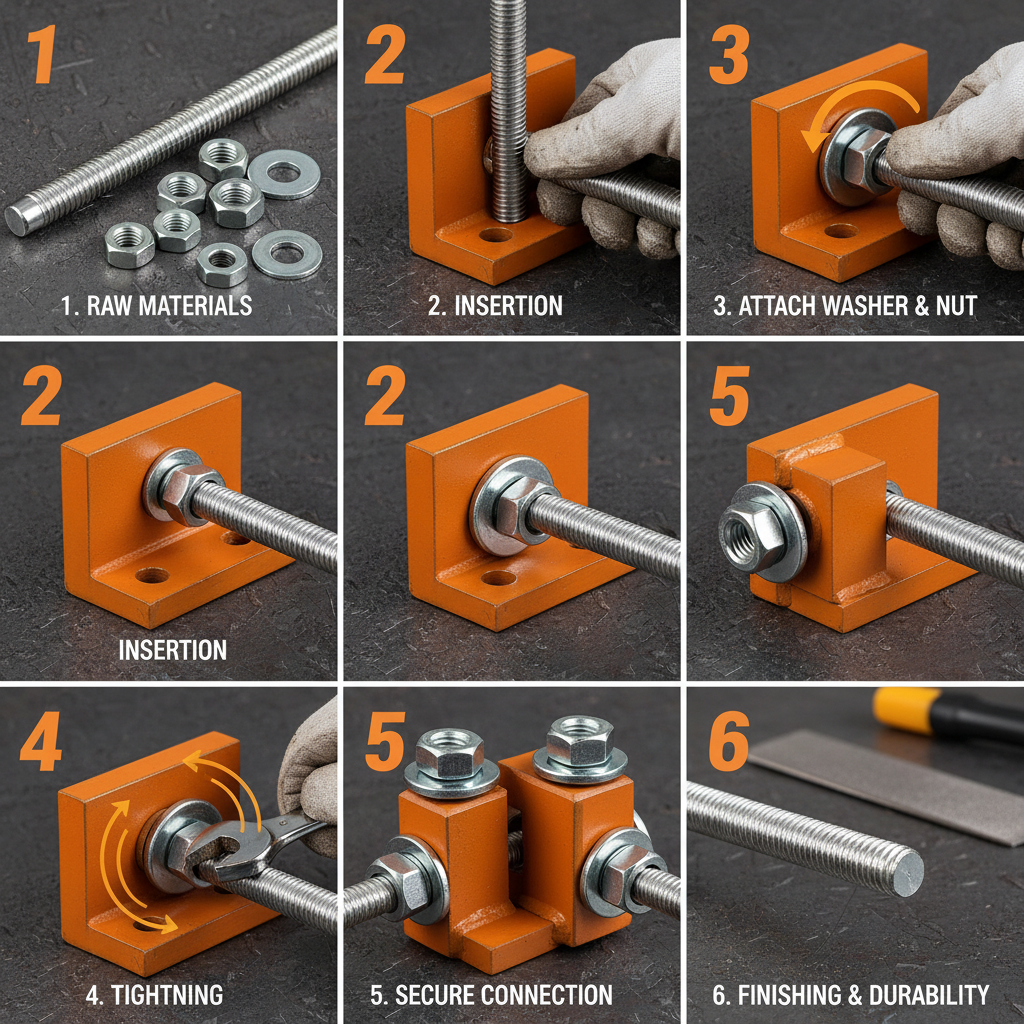
Furthermore, bulk threaded rod is relatively easy to install and adjust. Compared to welding or other permanent joining methods, threaded connections offer flexibility for disassembly, maintenance, and future modifications. This simplifies repairs and allows for easy component replacement.
Key Advantages of Utilizing Bulk Threaded Rod
One of the primary advantages is cost-effectiveness. Purchasing bulk threaded rod generally results in lower per-unit costs compared to buying individual bolts or fasteners, especially for large-scale projects. This efficiency translates directly into savings.
Its scalability allows projects to adapt to changing needs. The ability to readily cut and customize threaded rod means that adjustments can be made quickly and efficiently during construction or assembly, minimizing delays and reducing waste.
Bulk Threaded Rod Performance Metrics
Global Applications and Industries Served
The construction industry is a major consumer of bulk threaded rod, utilizing it in the assembly of structural steel frameworks, bridges, and high-rise buildings. The ease of customization and high tensile strength make it ideal for these demanding applications.
The manufacturing sector also heavily relies on threaded rod for assembling machinery, equipment, and various components. Its use in jigs and fixtures provides a stable and adjustable platform for precise manufacturing processes.
Long-Term Value and Benefits
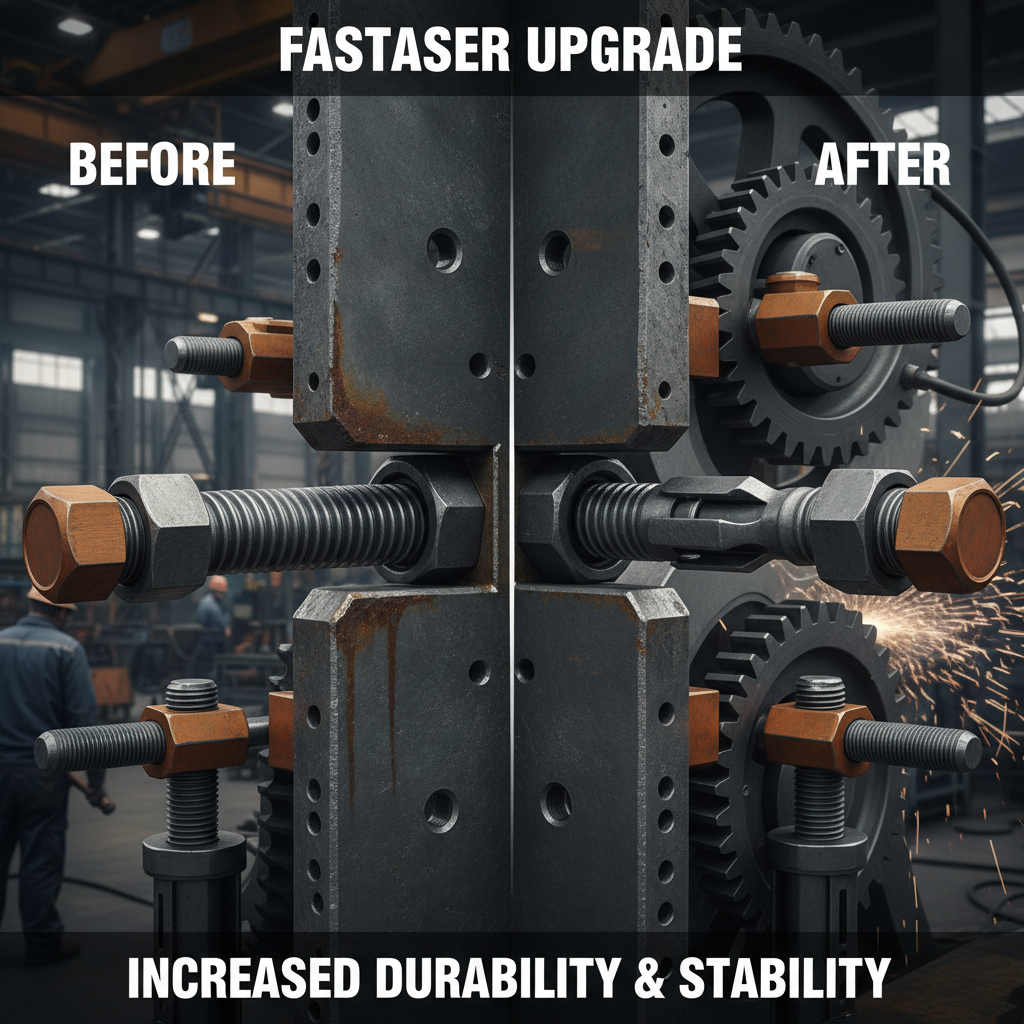
Investing in high-quality bulk threaded rod offers substantial long-term cost savings by reducing maintenance needs and preventing premature failures. Durable materials and precise manufacturing contribute to a longer lifespan for finished products and structures.
Furthermore, utilizing reliable fastening solutions like threaded rod enhances safety and reliability. Properly secured structures and equipment minimize the risk of accidents and ensure operational integrity, protecting both people and assets.
The inherent sustainability of durable materials contributes to reducing waste and promoting responsible resource management. Long-lasting structures require fewer replacements, decreasing the environmental impact associated with manufacturing and disposal.
Future Trends in Bulk Threaded Rod Technology
The development of new, high-strength alloys and coatings promises to further enhance the performance and longevity of bulk threaded rod. These advancements will enable applications in even more demanding environments, such as offshore structures and aerospace engineering.
Automation in manufacturing processes is streamlining production and improving the consistency of threaded rod. This results in tighter tolerances, reduced defects, and increased efficiency in supply chains.
There's a growing focus on sustainable materials and manufacturing practices. Exploring alternative materials with lower carbon footprints and implementing closed-loop recycling systems are key priorities for the future of the industry.
Summary of Bulk Threaded Rod Challenges & Solutions
| Challenge Area |
Severity of Impact |
Proposed Solution |
Implementation Cost (1-10) |
| Supply Chain Disruptions |
High |
Diversify sourcing and maintain strategic stock levels. |
6 |
| Material Quality Control |
Medium |
Implement rigorous testing procedures and certifications. |
7 |
| Corrosion in Harsh Environments |
High |
Utilize stainless steel grades or protective coatings. |
8 |
| Inconsistent Threading Standards |
Medium |
Adhere to international standards and verify manufacturer compliance. |
5 |
| Lack of Traceability |
Low |
Implement batch tracking and documentation systems. |
4 |
| Rising Material Costs |
Medium |
Explore long-term contracts and optimize procurement strategies. |
6 |
FAQS
When selecting a grade of bulk threaded rod, consider the intended application's load requirements, environmental conditions, and required corrosion resistance. Higher grades offer increased tensile strength but may also be more costly. Stainless steel grades are ideal for corrosive environments, while carbon steel is suitable for general-purpose applications. Always consult industry standards and engineer specifications for guidance.
To ensure quality, source your bulk threaded rod from reputable suppliers with established quality control processes. Look for certifications like ISO 9001. Request material test reports (MTRs) verifying the chemical composition and mechanical properties of the rod. Inspect the threading for uniformity and absence of defects. Consider third-party testing if necessary.
Common thread types include Unified National Coarse (UNC), Unified National Fine (UNF), and metric threads. The choice depends on regional standards and compatibility with mating components. UNC threads are commonly used in the US, while metric threads are prevalent internationally. Ensure that the thread type matches the nuts and washers being used.
To prevent corrosion, store bulk threaded rod in a dry, indoor environment. If outdoor storage is unavoidable, cover the rod with a waterproof tarp or plastic sheeting. Applying a light coating of rust preventative oil can provide additional protection. Regularly inspect stored rod for signs of corrosion and address any issues promptly.
Utilizing a dedicated supplier offers several advantages, including consistent quality, competitive pricing, and reliable delivery. A specialized supplier understands the nuances of threaded rod and can provide expert guidance on material selection and application. They can also offer value-added services like custom cutting and packaging.
Lead times vary depending on the quantity, material, and supplier. Standard sizes and materials are often available for immediate shipment, while custom orders may require several weeks. It's crucial to communicate your requirements well in advance to ensure timely delivery and avoid project delays. Establish a strong relationship with your supplier to facilitate clear communication and faster turnaround times.
Conclusion
In conclusion, bulk threaded rod remains an essential component across numerous industries, offering strength, versatility, and cost-effectiveness. Understanding its core characteristics, global applications, and future trends is critical for optimizing project outcomes and ensuring long-term reliability. Prioritizing quality, sourcing from reputable suppliers, and adopting sustainable practices are key to maximizing the value of this foundational material.
Looking ahead, continued innovation in materials and manufacturing processes will further enhance the performance and sustainability of bulk threaded rod. Embracing these advancements will be crucial for addressing evolving challenges and meeting the demands of a rapidly changing world. Visit our website at www.hbtbls.com to learn more and explore our extensive range of products.