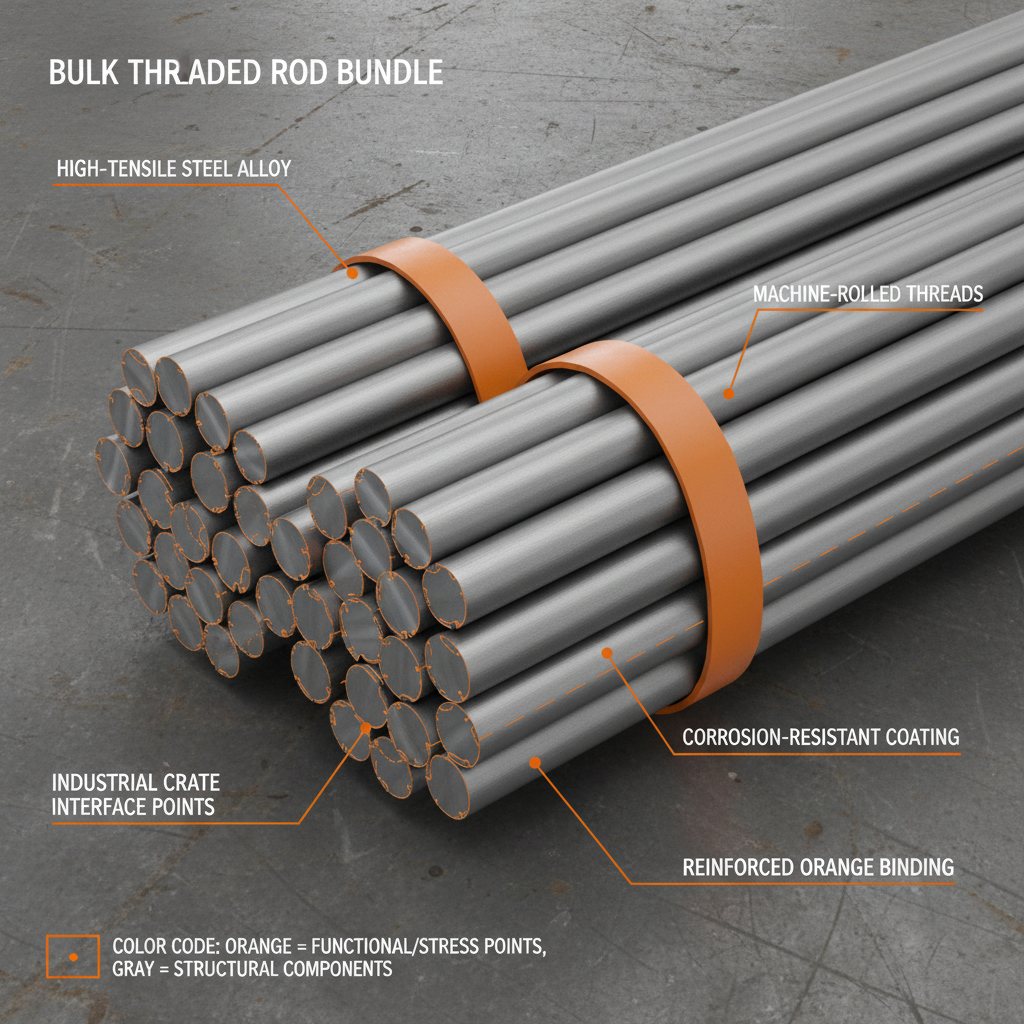
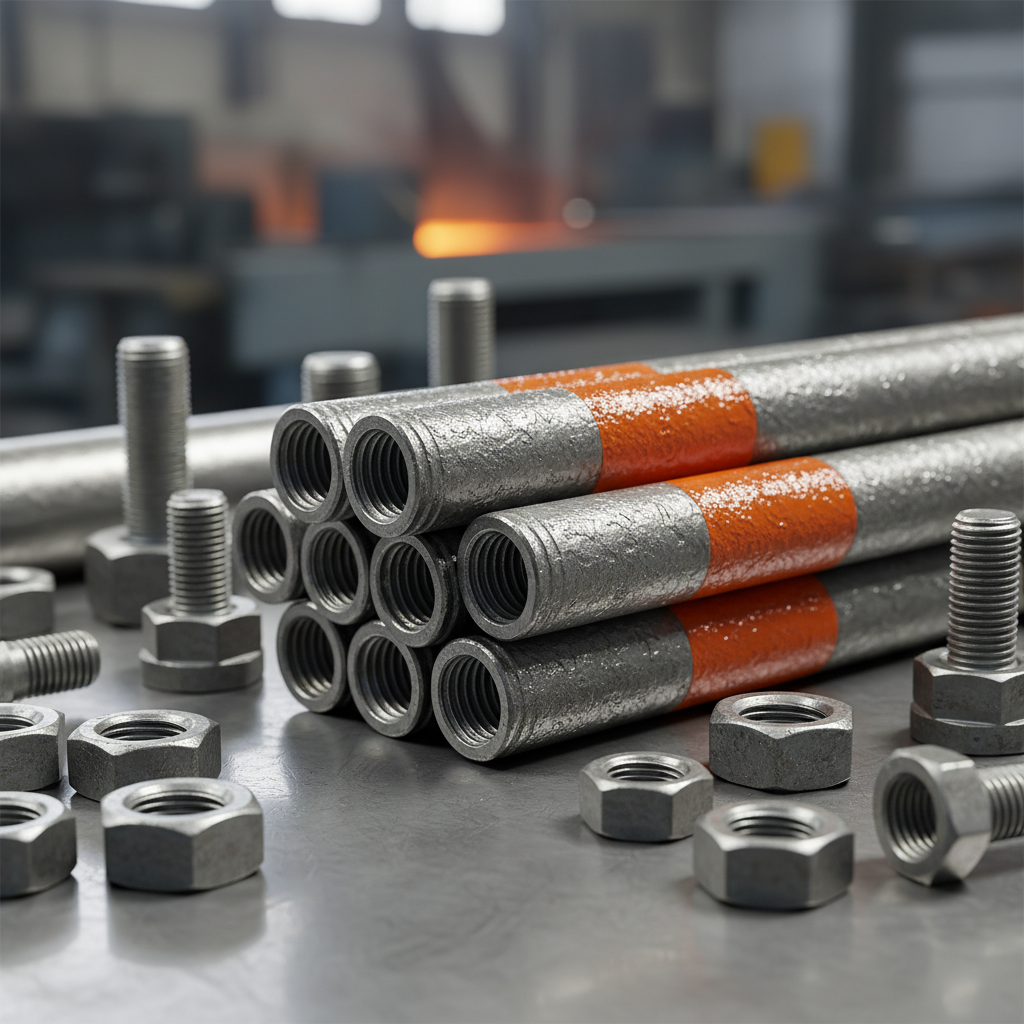
Fastener price is a critical element in numerous industries globally, impacting everything from construction and automotive manufacturing to aerospace and renewable energy. Understanding the factors that influence fastener price – including material costs, manufacturing processes, supply chain dynamics, and market demand – is essential for businesses aiming to optimize their budgets, maintain product quality, and remain competitive. This understanding extends beyond mere procurement; it informs design choices, material selection, and ultimately, the profitability of projects relying on these essential components. fastener price drives innovation and efficiency across sectors.
The global fastener market is a multi-billion dollar industry, experiencing fluctuations tied to macroeconomic conditions, geopolitical events, and technological advancements. Recent supply chain disruptions have highlighted the vulnerability of relying on single-source suppliers, driving up fastener price and emphasizing the importance of diversification and strategic inventory management. The increasing demand for specialized fasteners – driven by trends like lightweighting in automotive and advanced materials in aerospace – further complicates the price landscape.
Navigating this complex environment requires a deep dive into the nuances of fastener price, equipping businesses with the knowledge to make informed decisions and mitigate potential risks. This guide provides a comprehensive overview of the key factors influencing fastener price, its global applications, future trends, and potential challenges.
Introduction: The Significance of Fastener Price
The seemingly small component of a fastener carries a significant weight in overall project costs and performance. Accurate forecasting and management of fastener price are therefore critical for project success. Often overlooked, even small fluctuations in fastener price can snowball into substantial budgetary impacts, especially in large-scale projects like infrastructure development or mass manufacturing. fastener price affects project bottom lines.
Effective fastener price management goes beyond simply securing the lowest unit cost. It encompasses a holistic approach that considers factors like quality, reliability, lead times, and supplier relationships. By proactively addressing these elements, businesses can mitigate risks, ensure consistent supply, and ultimately, deliver projects on time and within budget.
Defining Fastener Price and its Industrial Relevance
Fastener price refers to the total cost associated with acquiring and utilizing fasteners – screws, bolts, nuts, rivets, and other similar components used to mechanically join materials. This price isn't solely the per-unit cost, but incorporates expenses like shipping, tariffs, inspection, and potential tooling requirements. Understanding these hidden costs is crucial for accurate budgeting and cost analysis.
In modern industry, fasteners are ubiquitous. They are the silent heroes holding together everything from automobiles and aircraft to buildings and electronics. The reliability and cost-effectiveness of fasteners directly impact the quality, safety, and overall performance of these products.
The humanitarian sector also relies heavily on fasteners. In disaster relief, quick assembly shelters, and infrastructure repair, readily available and affordable fasteners are essential. The ease of assembly, robustness and cost of fasteners directly impact the speed and effectiveness of aid efforts.
Core Components Influencing Fastener Price
Material Costs: The primary driver of fastener price is the underlying material – steel, stainless steel, aluminum, titanium, or specialized alloys. Global commodity price fluctuations, particularly in metals, directly translate into changes in fastener price. Supply chain disruptions, geopolitical events, and tariffs can all impact material availability and cost.
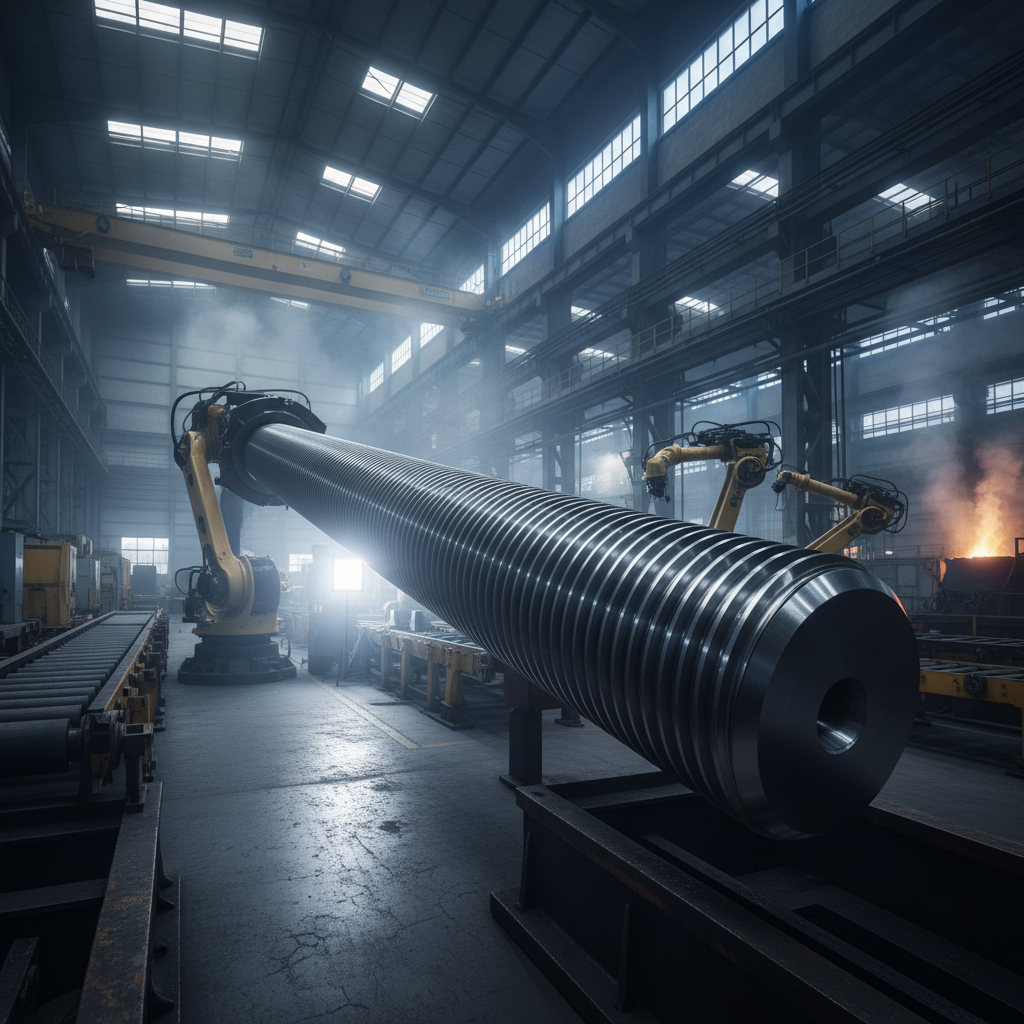
Manufacturing Processes: The complexity of the manufacturing process – cold forming, hot forging, machining, heat treatment, and surface coating – significantly affects the final price. Automated, high-volume production generally leads to lower per-unit costs, while specialized or custom fasteners require more intensive processing and command higher prices.
Quality Standards & Certifications: Fasteners meeting stringent quality standards (e.g., ISO, ASTM) or requiring specific certifications (e.g., for aerospace applications) typically carry a premium price. These certifications guarantee performance, reliability, and traceability, justifying the increased cost in critical applications.
Global Applications of Understanding Fastener Price
In the automotive industry, manufacturers constantly seek to reduce vehicle weight to improve fuel efficiency. Understanding fastener price enables engineers to select materials and designs that balance strength, weight, and cost-effectiveness. Lightweight fasteners, though often more expensive per unit, can contribute to overall vehicle savings. fastener price is crucial to automotive design.
Construction projects, particularly large-scale infrastructure development, rely on vast quantities of fasteners. Effective management of fastener price is essential for staying within budget and maximizing return on investment. Bulk purchasing, long-term contracts, and strategic supplier relationships are common strategies employed in this sector.
In remote industrial zones, such as oil and gas platforms or mining operations, ensuring a consistent supply of fasteners can be challenging. Accurate fastener price forecasting, coupled with robust inventory management, is vital for preventing costly delays and maintaining operational efficiency.
Comparative Fastener Price Analysis by Method
Advantages and Long-Term Value of Optimized Fastener Price
Optimizing fastener price isn’t merely about cost reduction; it's about maximizing value. By securing competitive pricing without compromising quality, businesses can improve profitability, enhance product performance, and gain a competitive edge. This strategic approach supports long-term sustainability and growth.
Investing in high-quality fasteners, even at a slightly higher initial price, often translates to reduced maintenance costs, improved safety, and extended product lifespan. This long-term cost savings far outweighs the short-term benefits of opting for cheaper, lower-quality alternatives.
Future Trends Shaping Fastener Price
The rise of Industry 4.0 and automation is driving demand for smart fasteners equipped with sensors and data analytics capabilities. These “intelligent” fasteners can monitor stress levels, detect corrosion, and provide real-time performance data, enabling predictive maintenance and optimizing equipment lifespan, and influencing fastener price.
Sustainable manufacturing practices and the growing demand for eco-friendly materials are also impacting fastener price. The development of biodegradable or recycled fasteners, while currently more expensive, is gaining traction as businesses prioritize environmental responsibility.
Additive manufacturing (3D printing) presents a potential disruption to the fastener industry, allowing for on-demand production of customized fasteners with reduced material waste. While still in its early stages, this technology has the potential to significantly alter fastener price and supply chains.
Challenges and Solutions in Fastener Price Management
One of the biggest challenges in fastener price management is the lack of transparency in the supply chain. Multiple intermediaries and complex pricing structures can make it difficult to determine the true cost of fasteners. Direct sourcing from manufacturers, negotiating long-term contracts, and utilizing technology platforms for price comparison can help address this challenge.
Supply chain disruptions, exacerbated by geopolitical events and natural disasters, pose a constant threat to fastener availability and price stability. Diversifying sourcing locations, building strategic inventory reserves, and establishing strong relationships with multiple suppliers are essential mitigation strategies.
The increasing demand for specialized fasteners and custom designs can drive up costs and lead times. Collaborating closely with fastener manufacturers during the design phase and standardizing fastener specifications whenever possible can help optimize costs and ensure timely delivery.
Summary of Key Strategies for Effective Fastener Price Management
| Strategy Category |
Implementation Approach |
Impact on Fastener Price |
Risk Mitigation |
| Direct Sourcing |
Establish direct relationships with fastener manufacturers. |
Potential for 5-15% price reduction. |
Requires internal resources for supplier management. |
| Volume Purchasing |
Consolidate fastener orders across multiple projects or departments. |
Reduced per-unit cost through economies of scale. |
Requires accurate demand forecasting. |
| Long-Term Contracts |
Negotiate fixed prices with suppliers for extended periods. |
Price stability and protection against market fluctuations. |
Limited flexibility in adjusting quantities. |
| Value Analysis/Value Engineering |
Review fastener specifications to identify opportunities for cost reduction without compromising performance. |
Potential for significant cost savings through design optimization. |
Requires collaboration between engineering and procurement. |
| Supplier Diversification |
Maintain relationships with multiple suppliers to reduce reliance on single sources. |
Enhanced supply chain resilience and competitive pricing. |
Increased administrative overhead. |
| Technology Adoption |
Utilize e-procurement platforms and data analytics tools for price comparison and spend analysis. |
Improved transparency, efficiency, and cost control. |
Requires investment in technology and training. |
FAQS
Several factors contribute to long-term fastener price trends. Raw material costs (particularly steel and stainless steel) are primary. Geopolitical events impacting supply chains, technological advancements in manufacturing, and the growing demand for specialized fasteners also play a significant role. Finally, sustainability initiatives and the adoption of alternative materials are increasingly influencing fastener price.
Businesses can mitigate price risk through several strategies. Diversifying suppliers reduces dependence on a single source. Negotiating long-term contracts with fixed or indexed pricing provides stability. Building strategic inventory reserves can buffer against short-term disruptions. Utilizing e-procurement platforms for real-time price comparison is also crucial.
While higher-quality fasteners may have a higher initial price, they often result in lower overall project costs. Superior fasteners reduce the risk of failures, minimize maintenance requirements, and extend product lifespan. This avoids costly repairs, downtime, and potential safety hazards associated with inferior components. Prioritizing quality is a long-term investment.
Yes, significant regional differences in fastener price exist. Factors such as labor costs, transportation expenses, tariffs, and local market conditions all influence pricing. Sourcing from low-cost regions can offer cost savings, but businesses must carefully consider quality control and potential supply chain risks. Local sourcing may offer faster lead times and reduced transportation costs.
Assessing the true cost involves considering all associated expenses. This includes shipping, tariffs, inspection costs, tooling requirements, and potential inventory holding costs. Furthermore, factor in the cost of quality control, potential warranty claims, and the labor involved in installation and maintenance. A total cost of ownership analysis provides a more accurate picture.
Sustainability is increasingly influencing fastener price. Demand for eco-friendly materials like recycled steel and biodegradable polymers is growing, but these options often command a premium. Manufacturers investing in sustainable production processes and reducing their carbon footprint may also charge higher prices. However, these costs can be offset by reputational benefits and compliance with environmental regulations.
Conclusion
In conclusion, understanding fastener price is far more than just securing the lowest unit cost. It requires a holistic approach that considers material costs, manufacturing processes, quality standards, supply chain dynamics, and future trends. By proactively managing these factors, businesses can optimize their budgets, enhance product performance, and build resilient supply chains.
Looking ahead, embracing technological advancements, prioritizing sustainability, and fostering strong supplier relationships will be crucial for navigating the evolving fastener market. We encourage you to explore the resources available at HBTBLS to stay informed and optimize your fastener procurement strategies.