Slotted channel price represents a critical element in modern infrastructure development, particularly in rapid deployment scenarios. Understanding its nuances is vital for effective project planning and execution, impacting cost efficiency, speed of implementation, and overall structural integrity. This concept is increasingly relevant across diverse sectors, from disaster relief to remote industrial construction, offering scalable and adaptable solutions to complex challenges.
The global demand for efficient and adaptable infrastructure is escalating, driven by factors like increasing urbanization, climate change-induced disasters, and the need for resource optimization. Traditional construction methods often prove too slow, costly, and disruptive to meet these demands. Slotted channel price provides a compelling alternative, offering a standardized and readily available building block for a variety of applications, reducing lead times and minimizing on-site labor.
Furthermore, the adoption of slotted channel price is closely linked to the principles of modular construction and prefabrication, which contribute to sustainability, reduced waste, and enhanced quality control. This evolving approach to construction has far-reaching implications for how we build and maintain infrastructure in the 21st century, demanding a comprehensive understanding of its capabilities and limitations.
The Importance of Slotted Channel Price
Slotted channel price is paramount because it directly influences the economic viability of projects utilizing pre-engineered structural systems. Understanding how factors like material costs, manufacturing processes, and transportation expenses affect the slotted channel price is crucial for accurate budgeting and return on investment calculations. Optimizing these elements can significantly reduce overall project costs.
Moreover, the availability and accessibility of competitively priced slotted channels impacts the speed at which infrastructure can be deployed, particularly in emergency situations or remote locations. A well-defined and transparent slotted channel price structure ensures that project stakeholders can make informed decisions and select the most cost-effective solutions without compromising quality or safety.
Defining Slotted Channel Price
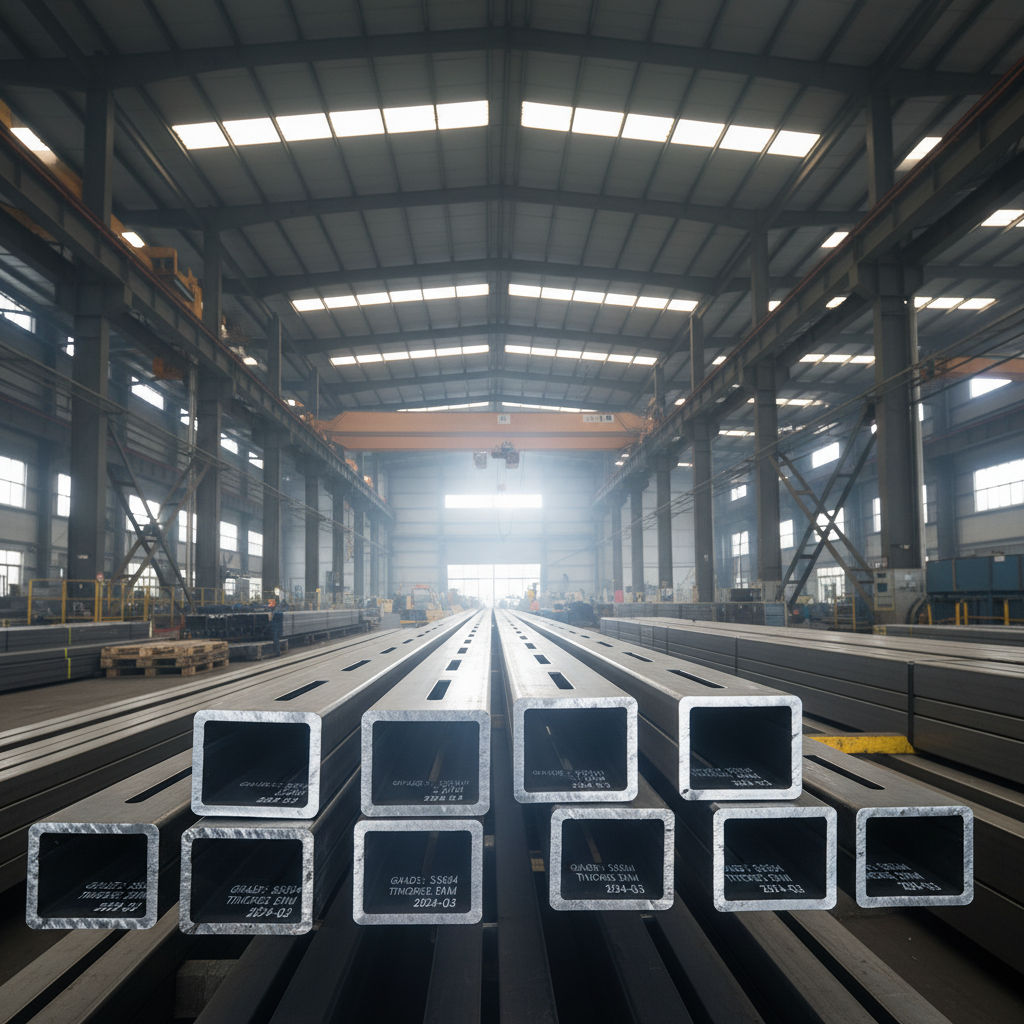
Slotted channel price refers to the total cost associated with acquiring pre-fabricated, slotted structural channels used in building and infrastructure projects. These channels, typically made from steel or aluminum, feature regularly spaced slots allowing for easy connection of other structural elements without welding or drilling. The price encompasses material costs, manufacturing, finishing, and transportation to the project site.
This concept is intrinsically tied to modern industrial needs, particularly in sectors requiring rapid assembly and disassembly, like modular construction, scaffolding, and temporary infrastructure. The slotted design dramatically reduces labor costs and speeds up construction timelines, making it a viable solution for projects where speed and efficiency are paramount.
Beyond construction, slotted channel price plays a crucial role in humanitarian efforts, offering a swift and scalable solution for establishing temporary shelters and essential infrastructure in disaster-affected areas. The ease of assembly and reconfigurability of these systems makes them ideal for emergency response scenarios.
Core Components of Slotted Channel Price
The slotted channel price is not a monolithic figure but rather a composite of several key components. Firstly, the raw material cost – typically steel or aluminum – significantly impacts the overall price, fluctuating based on market conditions and material grade. Secondly, the manufacturing process, including cutting, slotting, and surface treatment, adds to the expense.
Thirdly, the length and dimensions of the channels themselves are a major pricing factor, with longer and thicker channels naturally costing more. Fourthly, any specialized finishes, such as galvanization or powder coating, contribute to the final price. Lastly, transportation costs, which can vary significantly depending on distance and logistics, represent a substantial portion of the overall slotted channel price.
Understanding these components allows for better cost analysis and negotiation with suppliers, enabling project managers to optimize their budgets and select the most cost-effective channel options. It also highlights the importance of considering total lifecycle costs, including potential maintenance and replacement expenses.
Key Factors Influencing Slotted Channel Price
Several factors exert considerable influence on slotted channel price. Global steel and aluminum prices are primary drivers, subject to geopolitical events, supply chain disruptions, and fluctuating demand. Labor costs in the manufacturing region also play a role, impacting production expenses.
Order volume is a significant factor; bulk orders generally qualify for discounted pricing due to economies of scale. Furthermore, the complexity of the channel profile – whether it's a standard design or a customized solution – impacts manufacturing costs and, consequently, the price.
Slotted Channel Price Breakdown by Factor
Global Applications and Use Cases
Slotted channel price is relevant across numerous global applications. In post-disaster relief operations, these channels are used for rapidly constructing temporary shelters, field hospitals, and access walkways, providing essential support to affected communities. In remote industrial zones, like mining camps or oil rigs, slotted channels form the basis of temporary office structures and maintenance platforms, offering a quick and efficient construction solution.
Modular construction projects globally benefit from the reduced labor costs and faster build times afforded by slotted channels. The entertainment industry utilizes these systems extensively for staging, set construction, and event infrastructure. Furthermore, the agricultural sector leverages slotted channels for building greenhouses and storage facilities, showcasing the versatility of this structural component.
Advantages & Long-Term Value
The advantages of utilizing slotted channel construction extend beyond immediate cost savings. Durability and longevity are key benefits, as the channels are often manufactured from corrosion-resistant materials. Scalability is another significant advantage; systems can be easily expanded or reconfigured to meet changing needs.
From a sustainability perspective, the reusability of slotted channels reduces construction waste and minimizes environmental impact. The speed of construction translates into reduced disruption to surrounding areas and lower project financing costs. Furthermore, the inherent safety features of the slotted connection system minimize the risk of structural failure, promoting worker safety and long-term reliability.
Future Trends and Innovations
Future trends point towards the integration of smart technologies into slotted channel systems, incorporating sensors for structural health monitoring and remote diagnostics. Research and development efforts are focused on utilizing lighter-weight, high-strength materials, like carbon fiber reinforced polymers, to reduce the overall weight of structures and further improve efficiency.
Automation and robotic assembly techniques are poised to revolutionize the construction process, drastically reducing labor costs and increasing precision. The increasing emphasis on sustainable construction practices will drive demand for recyclable and eco-friendly slotted channel materials.
Furthermore, the application of digital twin technology will allow for virtual modeling and simulation of slotted channel structures, optimizing designs and predicting performance under various load conditions. These innovations promise to enhance the value proposition of slotted channel price even further.
FAQS
The lifespan varies based on material quality (steel, aluminum, etc.) and environmental factors. However, with proper maintenance and corrosion protection, slotted channel structures can easily last 20-30 years or more. Aluminum is particularly well-suited for corrosive environments, extending lifespan significantly. Regular inspection and repair of connection points are critical to maximize durability.
Generally, initial material costs for slotted channels may be slightly higher. However, significant savings are realized through reduced labor costs (no welding required), faster assembly times, and easier modifications. Over the lifecycle of a project, slotted channel construction often proves more cost-effective than traditional welding, particularly when considering ongoing maintenance and potential repairs.
Yes, with proper engineering design and appropriate bracing, slotted channel structures can be effectively utilized in high-wind and seismic zones. Structural engineers must account for wind loads, seismic forces, and soil conditions to ensure the stability and safety of the structure. Utilizing appropriately sized channels and robust connection techniques are essential for compliance with local building codes.
Slotted channels are frequently used to construct temporary shelters, field hospitals, mobile command centers, and storage facilities in disaster-stricken areas. Their ease of assembly and reconfigurability allow for rapid deployment and adaptation to changing needs. The modular nature of the system also facilitates efficient transportation and logistical support.
Absolutely. Slotted channels can be readily painted, powder-coated, or otherwise finished to achieve desired aesthetic appearances. Proper surface preparation is crucial for ensuring good adhesion and long-lasting results. Powder coating is a particularly durable and environmentally friendly option, offering excellent corrosion resistance.
Consider factors such as material quality, manufacturing precision, lead times, shipping costs, and customer support. Ensure the supplier adheres to relevant industry standards and certifications. Request samples and perform quality checks to verify that the channels meet your specifications. Look for suppliers with a proven track record and a commitment to customer satisfaction.
Conclusion
In conclusion, slotted channel price represents a pivotal element in the evolution of modern construction and infrastructure development. Its advantages—speed of assembly, cost-effectiveness, scalability, and durability—make it a compelling alternative to traditional building methods across a wide range of applications. Understanding the factors that influence slotted channel price, and the future trends shaping this field, is essential for making informed decisions and maximizing project outcomes.
Moving forward, the continued innovation in materials, automation, and digital technologies will undoubtedly further enhance the value proposition of slotted channel systems. Embracing these advancements and adopting a holistic approach to project planning will unlock the full potential of slotted channel construction, leading to more sustainable, efficient, and resilient infrastructure solutions worldwide. Visit our website to learn more: slotted channel price.