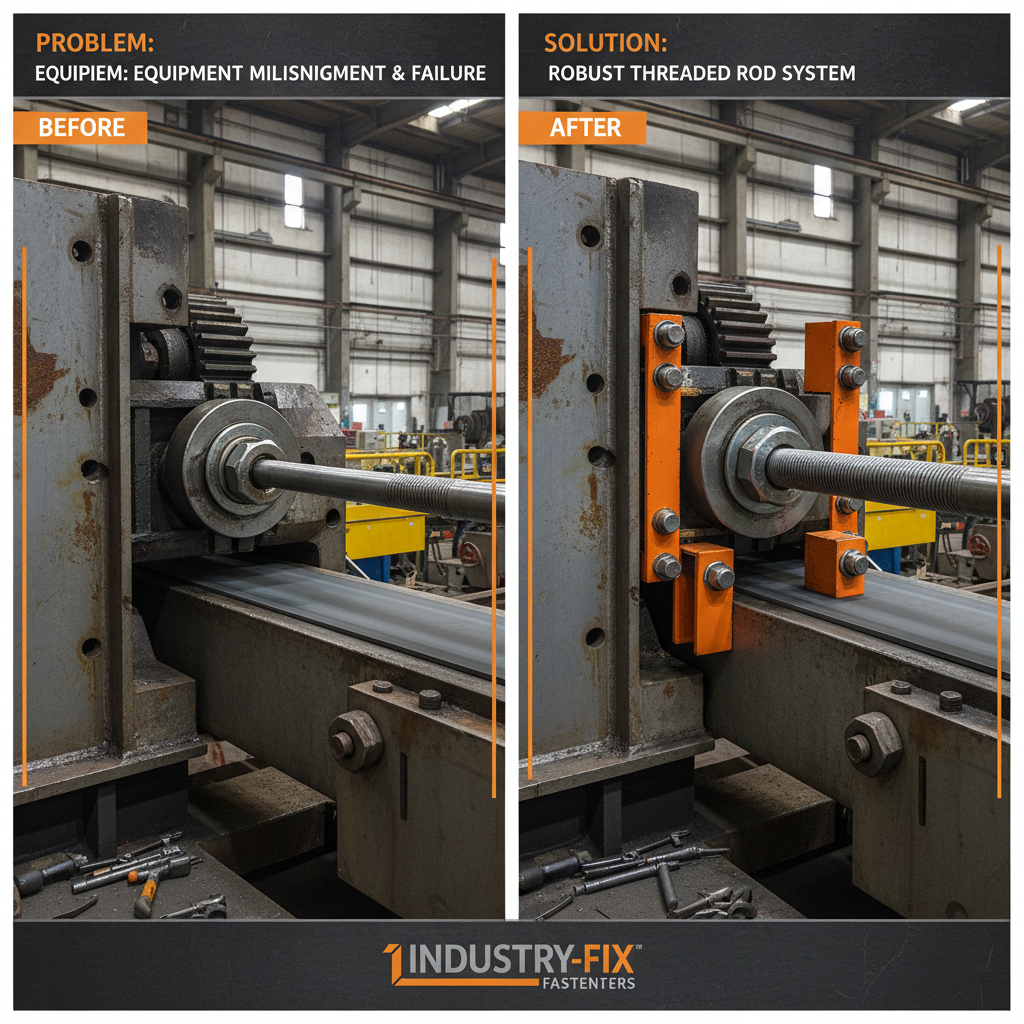
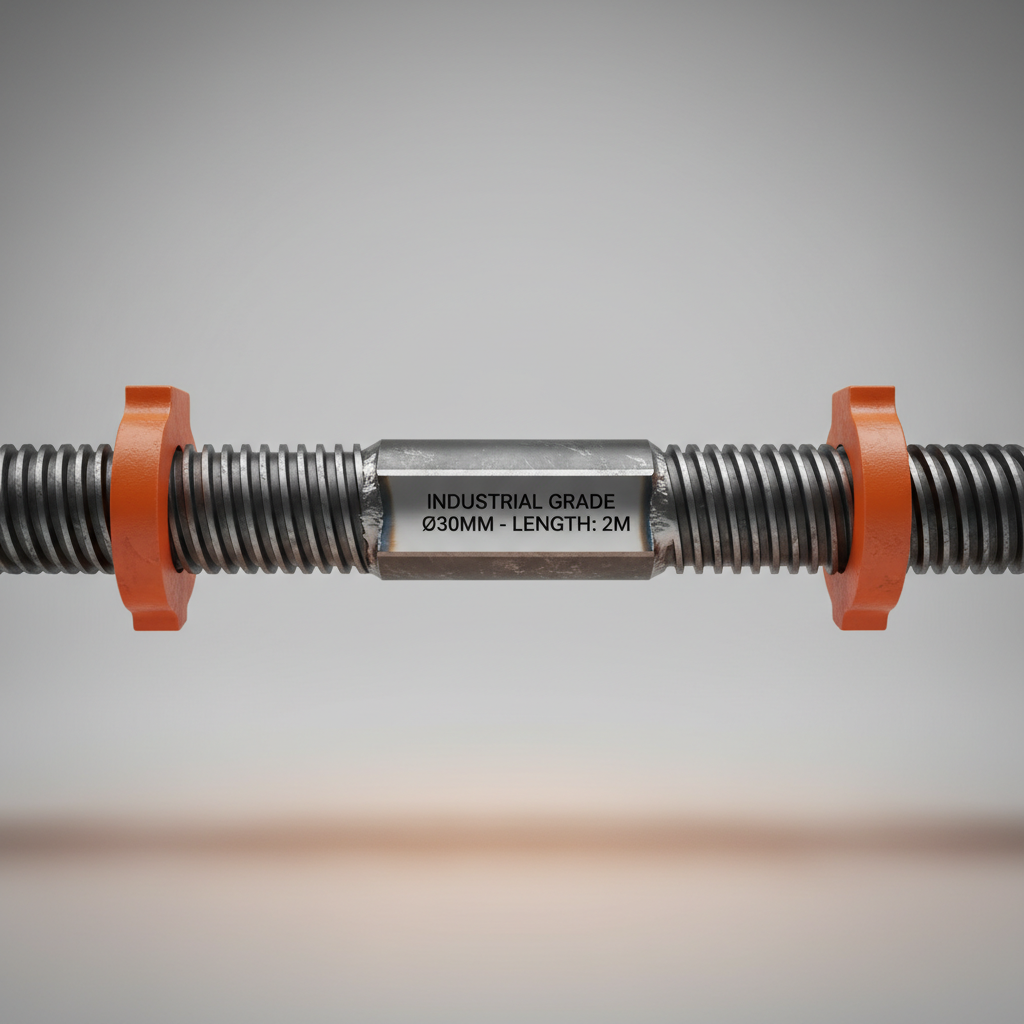
Custom fasteners are specialized components crucial for joining materials in a vast array of industries, from aerospace and automotive to construction and medical devices. Unlike standard fasteners, these are engineered to meet specific performance requirements, often involving unique materials, geometries, and finishes. This specialization ensures optimal functionality, safety, and longevity in demanding applications. The global demand for custom fastener solutions is driven by the increasing complexity of modern engineering and the need for tailored components to address unique design challenges.
The significance of custom fastener extends beyond mere assembly; they represent a critical element in product innovation and reliability. A properly designed and manufactured custom fastener can significantly enhance a product's performance, reduce assembly time, and improve overall system integrity. The ability to collaborate with a fastener specialist to create a bespoke solution is increasingly vital for manufacturers seeking a competitive edge.
Understanding custom fastener—their design, manufacturing processes, and materials—is paramount for engineers, designers, and procurement professionals. This knowledge enables informed decision-making, optimized designs, and ultimately, more successful products. The precision and expertise required in creating these fasteners directly impacts product quality, cost-effectiveness, and time to market.
The Importance of Custom Fastener
The increasing demand for custom fastener is inextricably linked to the growth of specialized manufacturing. Industries like aerospace and medical consistently require fasteners that exceed the capabilities of off-the-shelf solutions. These applications often necessitate materials with exceptional strength-to-weight ratios, corrosion resistance, or biocompatibility, driving the need for customized designs.
Furthermore, as product miniaturization becomes more prevalent, the need for precise and reliable fasteners increases. Custom fasteners allow engineers to optimize designs for space constraints and ensure seamless integration with other components. The ability to tailor fastener dimensions, thread forms, and head styles is critical in these scenarios, making custom fasteners a fundamental building block of innovation.
Defining Custom Fastener
A custom fastener is a component designed and manufactured to meet specific requirements that are not fulfilled by standard, mass-produced fasteners. This customization can encompass a wide range of parameters, including material composition, dimensions, thread specifications, head style, coating, and mechanical properties. Unlike standard fasteners available in catalogs, custom fasteners are created through a collaborative process between the customer and a fastener manufacturer.
The role of a custom fastener extends far beyond simple joining. They can be integral to the overall functionality and performance of a product, influencing factors such as load distribution, vibration resistance, and corrosion protection. This makes them essential for applications where failure is not an option, such as in aerospace, automotive safety systems, and critical medical implants.
Essentially, a custom fastener represents a tailored solution, optimizing a critical component for a specific application, rather than forcing a design to accommodate existing, standardized options. This approach fosters innovation, enhances product quality, and ensures long-term reliability.
Core Characteristics of Custom Fastener
One key characteristic of custom fastener is their material diversity. Beyond common materials like steel and aluminum, custom fasteners can be produced from specialized alloys, plastics, and composites tailored to specific environmental or performance requirements. For example, titanium alloys are often used in aerospace applications due to their high strength-to-weight ratio and corrosion resistance.
Dimensional precision is another critical attribute. Custom fasteners are typically manufactured to very tight tolerances, ensuring a precise fit and consistent performance. Advanced manufacturing techniques, such as CNC machining and precision forming, are employed to achieve these exacting standards. This precision is particularly important in applications where even slight variations can compromise functionality.
Finally, custom fastener often incorporate specialized coatings or finishes to enhance their performance. These coatings can provide corrosion protection, improve wear resistance, reduce friction, or enhance electrical conductivity. Examples include zinc plating, nickel plating, and PTFE coatings, each selected to address specific application needs.
Performance Metrics in Custom Fastener Design
Designing a custom fastener requires a deep understanding of various performance metrics. Tensile strength, shear strength, and yield strength are fundamental considerations, ensuring the fastener can withstand the applied loads without failure. These metrics are heavily influenced by material selection and fastener geometry.
Corrosion resistance is another critical performance metric, particularly in harsh environments. Selecting appropriate materials and coatings is crucial to prevent degradation and maintain fastener integrity over its intended lifespan. Fatigue resistance—the ability to withstand repeated loading cycles—is paramount in applications subject to vibration or dynamic stress.
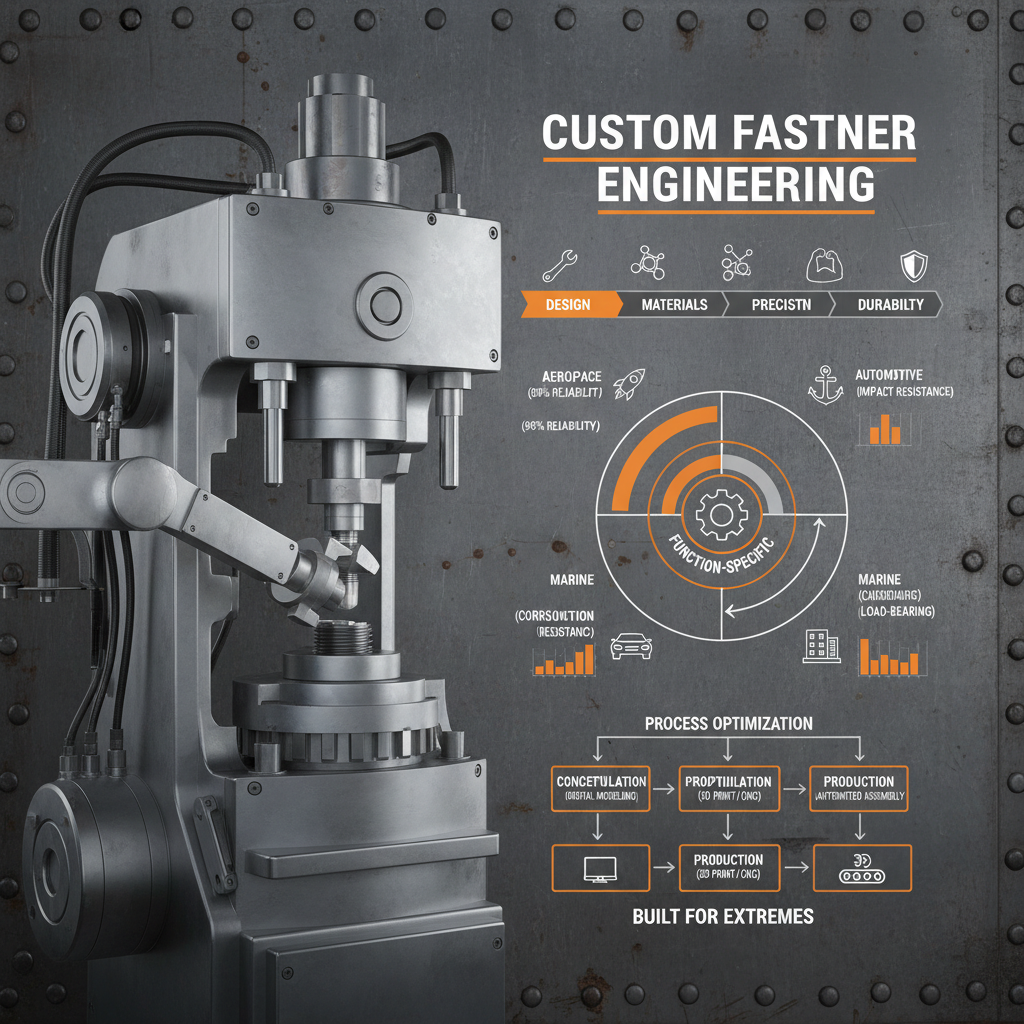
Custom Fastener Performance Characteristics
Global Application of Custom Fastener
The aerospace industry relies heavily on custom fastener due to the stringent safety and performance requirements of aircraft. Specialized materials and designs are crucial for withstanding extreme temperatures, pressures, and vibrations. Similarly, the automotive industry utilizes custom fastener in safety-critical components, such as braking systems and engine assemblies.
The medical device sector is another significant consumer of custom fastener. Biocompatible materials and precise dimensions are essential for implants, surgical instruments, and other medical applications. In regions with extensive infrastructure projects, like China and India, custom fastener are vital for ensuring the structural integrity of bridges, buildings, and other critical infrastructure.
The Advantages of Utilizing Custom Fastener
The primary advantage of utilizing custom fastener is optimized performance. By tailoring the fastener to the specific application, engineers can maximize its strength, durability, and reliability. This translates to improved product quality, reduced failure rates, and enhanced safety.
Cost efficiency is another significant benefit. While custom fastener may have a higher initial cost than standard fasteners, they can often reduce overall system costs by eliminating the need for workarounds, modifications, or repairs. Furthermore, custom fastener can streamline assembly processes, reducing labor costs and improving production efficiency.
Finally, custom fastener enable design freedom and innovation. They allow engineers to push the boundaries of what's possible, creating more compact, lightweight, and efficient products.
Future Trends in Custom Fastener Technology
Additive manufacturing, or 3D printing, is poised to revolutionize the custom fastener industry. This technology enables the creation of complex geometries and intricate designs that are impossible to achieve with traditional manufacturing methods. It also allows for rapid prototyping and on-demand production, reducing lead times and costs.
The development of new materials, such as self-healing polymers and shape-memory alloys, will further expand the capabilities of custom fastener. These materials can offer enhanced performance, increased durability, and improved adaptability to changing conditions. The integration of smart sensors into custom fastener will allow for real-time monitoring of stress, temperature, and other critical parameters, enabling predictive maintenance and preventing failures.
Sustainability is also becoming a key driver of innovation in the fastener industry. The development of eco-friendly materials and manufacturing processes will reduce the environmental impact of fastener production and disposal.
Summary of Key Challenges and Potential Solutions in Custom Fastener
| Challenge |
Impact on Custom Fastener Production |
Potential Solution |
Implementation Timeline |
| Long Lead Times |
Delays in product development and manufacturing |
Implement additive manufacturing (3D printing) for rapid prototyping and production |
Short-term (1-2 years) |
| High Production Costs |
Increased product pricing and reduced competitiveness |
Automate manufacturing processes and optimize material usage |
Medium-term (3-5 years) |
| Material Availability |
Limited options for specialized alloys and composites |
Develop partnerships with material suppliers and invest in material research |
Long-term (5+ years) |
| Quality Control |
Risk of defects and failures in critical applications |
Implement advanced inspection techniques, such as non-destructive testing |
Short-term (1-2 years) |
| Design Complexity |
Challenges in creating intricate geometries and optimizing performance |
Utilize advanced CAD/CAM software and simulation tools |
Medium-term (3-5 years) |
| Supply Chain Disruptions |
Delays in receiving materials and components |
Diversify supply base and establish buffer stocks |
Ongoing |
FAQS
When designing a custom fastener, several factors are crucial, including the required tensile strength, shear strength, corrosion resistance, and fatigue life. Material selection is paramount, considering the operating environment and desired performance characteristics. Additionally, careful consideration must be given to the fastener's geometry, thread specifications, and coating or finish to ensure optimal functionality and longevity. A thorough understanding of the application’s loads and stresses is essential.
Additive manufacturing, or 3D printing, is revolutionizing custom fastener production by enabling the creation of complex geometries and intricate designs previously impossible with traditional methods. It allows for rapid prototyping, on-demand production, and reduced material waste. This technology is particularly valuable for low-volume production runs or highly specialized applications where traditional manufacturing is cost-prohibitive.
Common materials include various grades of steel (stainless steel, alloy steel), aluminum alloys, titanium alloys, and brass. Increasingly, specialized materials like polymers, composites, and shape-memory alloys are being utilized to meet specific performance requirements. The choice of material depends on factors like strength, weight, corrosion resistance, and cost.
Production time varies greatly depending on the complexity of the design, the material used, and the manufacturing process. Simple designs can often be produced within a few weeks, while more complex designs may require several months. Additive manufacturing can significantly reduce lead times, often delivering prototypes within days.
Rigorous quality control measures are essential throughout the custom fastener manufacturing process. These measures include dimensional inspections, material testing, and non-destructive testing techniques (e.g., radiography, ultrasonic testing). Statistical process control (SPC) is often employed to monitor and maintain consistent quality.
To obtain a quote, you typically need to provide detailed specifications, including a drawing or CAD model of the fastener, the desired material, quantity, and any specific performance requirements. Most custom fastener manufacturers have online quote request forms or dedicated sales engineers to assist with the process.
Conclusion
Custom fastener are a cornerstone of modern engineering, providing tailored solutions for a vast range of applications. Their ability to address specific performance requirements, enhance product reliability, and enable design innovation makes them indispensable in industries like aerospace, automotive, and medical devices. Understanding the principles of custom fastener design, manufacturing, and material selection is crucial for engineers and procurement professionals seeking optimal performance and cost-effectiveness.
Looking ahead, advancements in additive manufacturing, materials science, and smart sensing technologies will continue to drive innovation in the custom fastener industry. Embracing these technologies will enable the development of even more sophisticated and reliable fasteners, unlocking new possibilities for product design and performance. Visit our website at www.hbtbls.com to learn more about our custom fastener solutions.