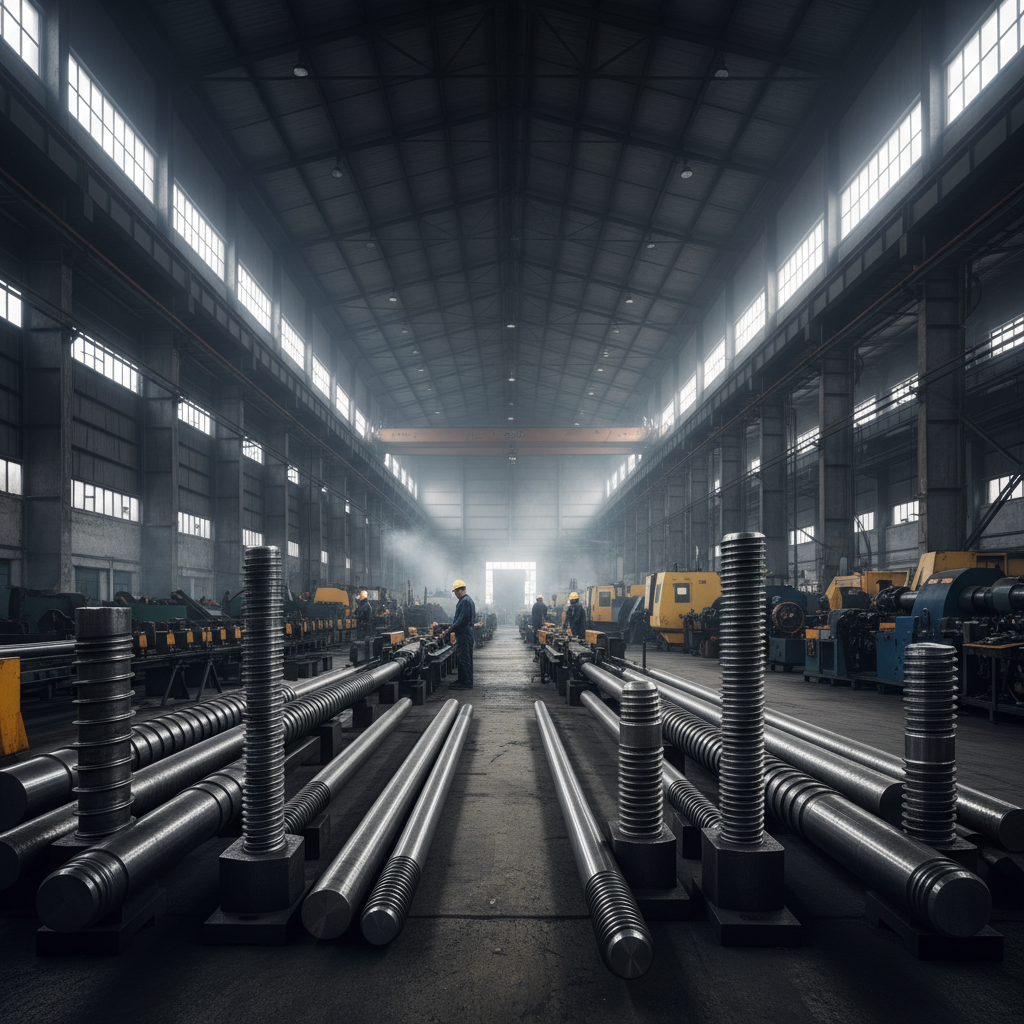
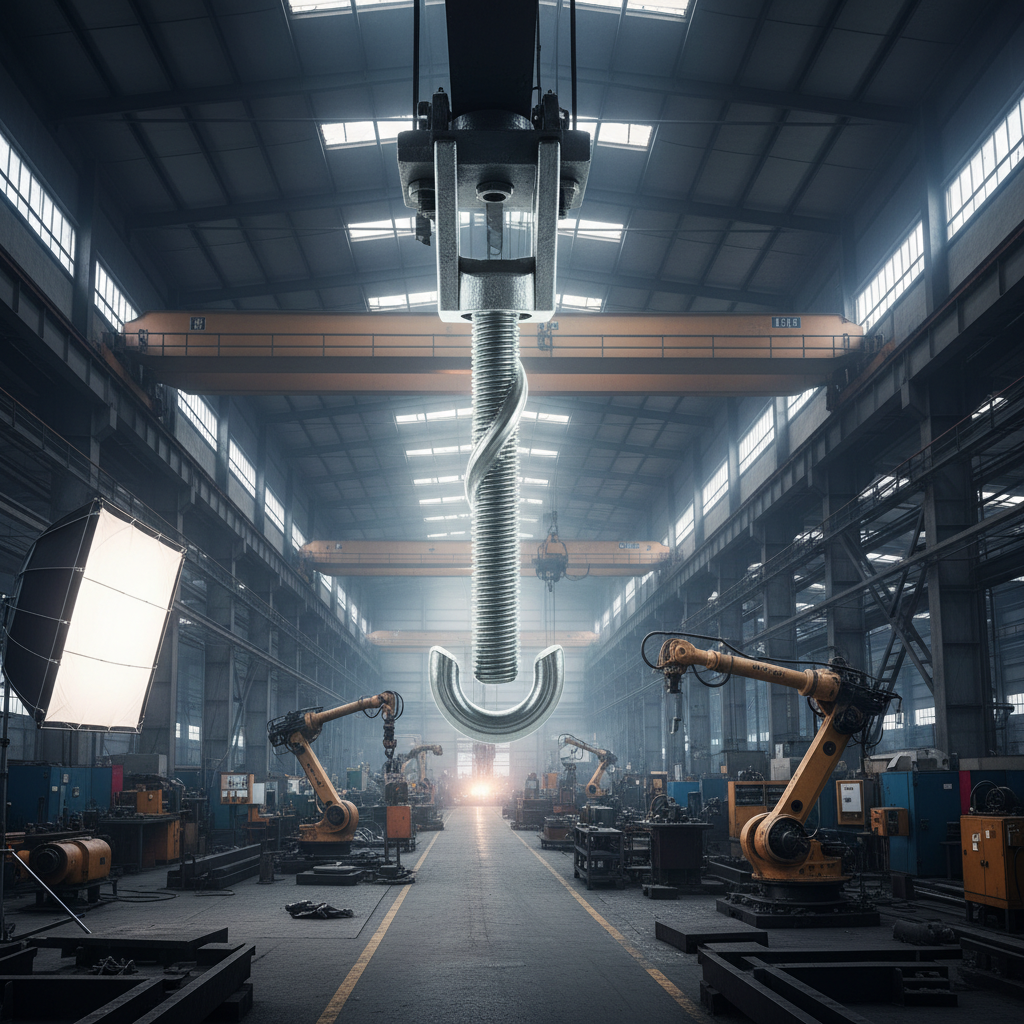
All thread anchors represent a crucial element in modern construction and engineering, offering a versatile and reliable fastening solution across diverse applications. Understanding their properties, applications, and future trends is vital for professionals seeking efficient, durable, and cost-effective building practices. From infrastructure projects to prefabricated housing and disaster relief, the impact of all thread anchors is globally significant, promoting safety, sustainability, and innovation.
The global demand for robust and adaptable fastening systems is steadily increasing, driven by factors like rapid urbanization, infrastructure development in emerging economies, and the need for resilient structures in disaster-prone regions. All thread anchors address this demand by providing a strong and secure connection in various materials, exceeding the limitations of traditional methods. This widespread need underscores the importance of comprehensive knowledge surrounding all thread anchors.
The increasing emphasis on modular construction and rapid deployment solutions further elevates the significance of all thread anchors. They enable faster assembly, reduced on-site labor, and enhanced structural integrity, making them an indispensable component in modern construction techniques. The continued evolution of this technology promises even greater efficiency and adaptability in the future.
The Significance of All Thread Anchors
All thread anchors are integral to ensuring structural integrity in a wide array of construction projects, playing a crucial role in connecting non-structural elements to concrete, brick, or block foundations. Their ability to distribute load evenly and resist pull-out forces makes them superior to many traditional fastening methods, contributing to overall building safety and longevity.
The versatility of all thread anchors extends beyond simple fastening; they are increasingly employed in specialized applications, such as seismic retrofitting and the anchoring of safety-critical systems. Their adaptability to various material thicknesses and load requirements makes them a valuable asset in the hands of engineers and construction professionals worldwide.
Defining All Thread Anchors
All thread anchors are fasteners characterized by a fully threaded shank, allowing for precise adjustment and a secure connection within a base material. Unlike partially threaded anchors, the full thread engagement maximizes the contact area and load-bearing capacity. They are typically installed by drilling a hole and threading the anchor into the material, often using a setting tool.
Their connection to modern industry is profound. In the realm of prefabricated construction, all thread anchors facilitate the rapid assembly of modules and components. Humanitarian needs are also met, as these anchors are instrumental in constructing emergency shelters and infrastructure in disaster relief scenarios, providing safe and reliable housing solutions.
Effectively, all thread anchors represent a shift towards more adaptable, durable, and efficient fastening techniques, addressing the challenges of modern construction and the need for swift responses to global crises. Their robust design and easy installation make them a cornerstone of many building practices.
Core Components of All Thread Anchors
Understanding the key components of all thread anchors is fundamental to selecting the right anchor for a specific application. These typically include the anchor body (often made of high-strength steel), the threading which provides the grip, and often an expansion sleeve or wedge that secures the anchor within the base material.
The material composition plays a significant role. Different alloys offer varying degrees of corrosion resistance, strength, and ductility. Choosing the appropriate material based on the environment and load requirements is crucial for long-term performance. For example, stainless steel anchors are ideal for coastal environments or applications involving corrosive chemicals.
Furthermore, the type of setting mechanism – whether manual, impact, or hydraulic – influences the installation process and the anchor's ultimate holding power. Proper installation techniques, following manufacturer guidelines, are essential for achieving optimal performance and preventing failures.
Key Performance Indicators of All Thread Anchors
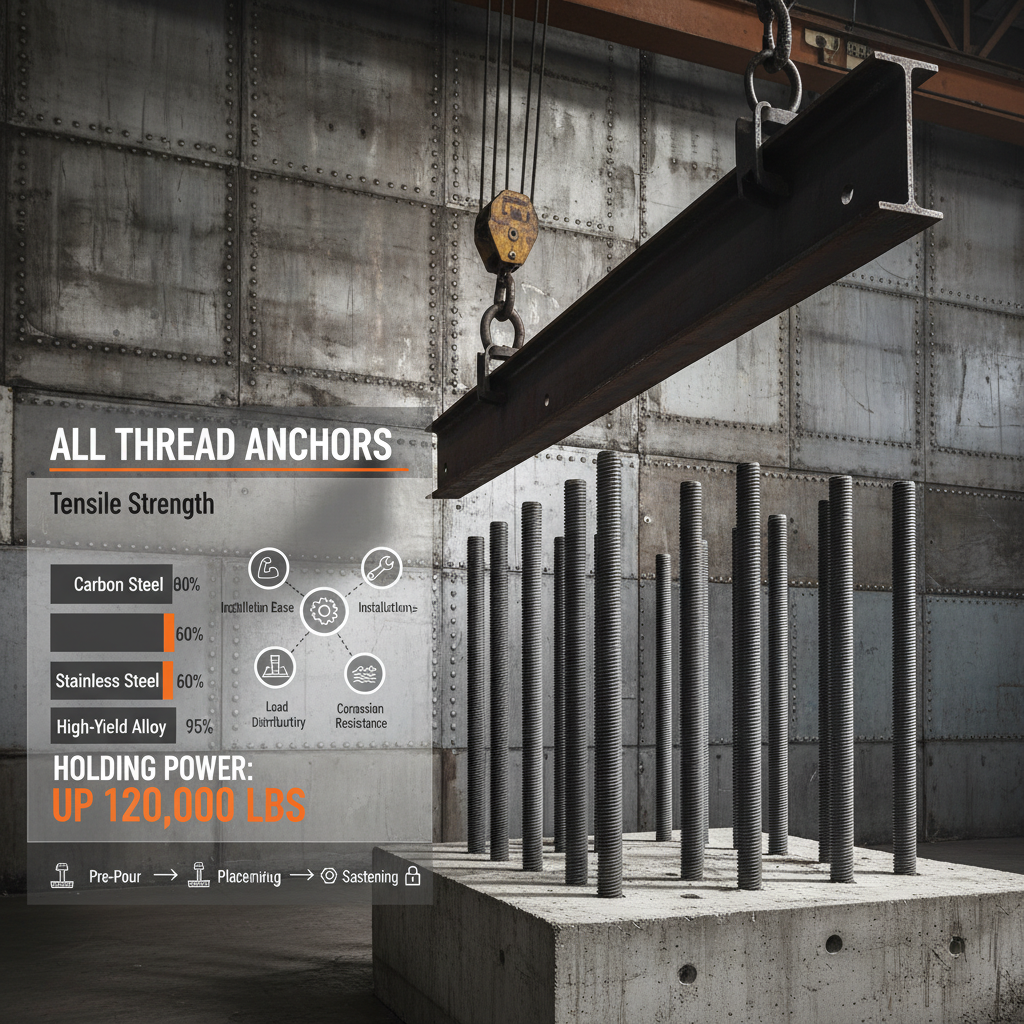
Evaluating the performance of all thread anchors requires considering several key indicators. Tensile strength, shear strength, and embedment depth are critical parameters determining the anchor's load-bearing capacity. Understanding these values ensures the anchor can withstand the anticipated stresses in its application.
Another crucial aspect is the anchor's resistance to pull-out forces, particularly in dynamic loading scenarios. This is often influenced by the anchor's length, diameter, and the type of expansion mechanism used. Corrosion resistance is also paramount, especially in harsh environments, and should be assessed based on the material composition of the anchor.
All Thread Anchors Performance Comparison
Global Applications of All Thread Anchors
All thread anchors find widespread applications across numerous industries and geographical regions. In the construction sector, they are routinely used for attaching cladding, curtain walls, and structural elements to concrete and masonry substrates. In post-disaster relief operations, they enable the rapid assembly of temporary shelters and critical infrastructure.
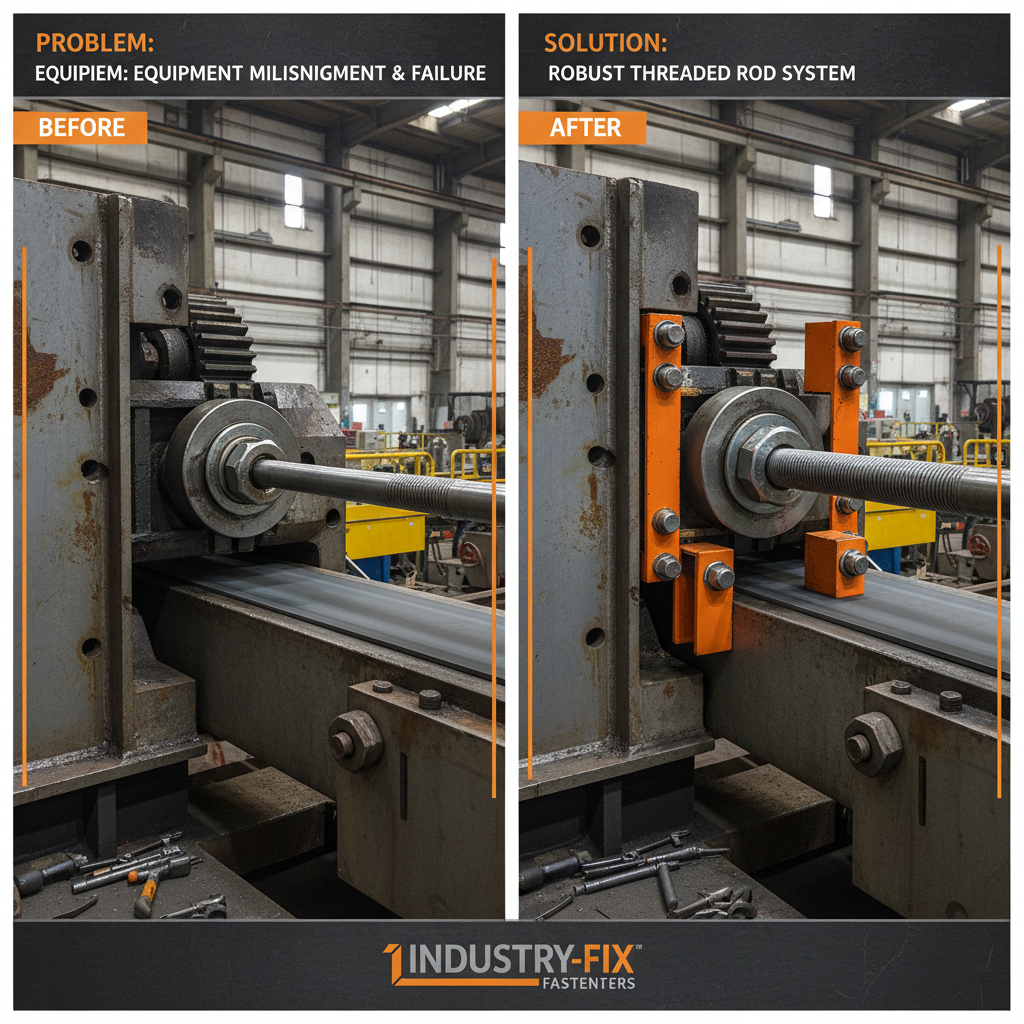
Within the industrial sector, they are used to secure machinery, equipment, and safety barriers in manufacturing plants and processing facilities. Moreover, in remote industrial zones where access is limited, the ease of installation offered by all thread anchors makes them particularly valuable.
From large-scale infrastructure projects, such as bridges and tunnels, to smaller-scale residential constructions, the versatility of all thread anchors ensures their relevance in a diverse range of applications globally, adapting to varying building codes and environmental conditions.
Advantages and Long-Term Value of All Thread Anchors
The advantages of using all thread anchors are multifaceted, extending beyond immediate cost savings. Their high tensile strength and reliable performance contribute to the long-term durability and safety of structures. The ease of installation translates to reduced labor costs and faster project completion times.
From a sustainability perspective, the ability to reuse or reposition anchors further minimizes waste and environmental impact. The increased safety afforded by robust anchoring systems builds trust and confidence in the integrity of structures, enhancing their value and longevity.
Future Trends in All Thread Anchor Technology
The future of all thread anchor technology is poised for significant advancements, driven by innovations in materials science and manufacturing processes. Research and development efforts are focused on creating anchors with enhanced corrosion resistance, higher load-bearing capacities, and more sustainable material compositions.
Integration with digital technologies, such as Building Information Modeling (BIM), will enable more precise anchor placement and performance monitoring. The adoption of automated installation systems promises to further reduce labor costs and improve installation accuracy, while the exploration of self-healing materials could extend the lifespan and reliability of these critical fasteners.
Future Trends in All Thread Anchor Technology
The future of all thread anchor technology is poised for significant advancements, driven by innovations in materials science and manufacturing processes. Research and development efforts are focused on creating anchors with enhanced corrosion resistance, higher load-bearing capacities, and more sustainable material compositions.
Integration with digital technologies, such as Building Information Modeling (BIM), will enable more precise anchor placement and performance monitoring. The adoption of automated installation systems promises to further reduce labor costs and improve installation accuracy, while the exploration of self-healing materials could extend the lifespan and reliability of these critical fasteners.
Overview of All Thread Anchor Selection Criteria
| Application Type |
Material Compatibility |
Load Requirements |
Environmental Factors |
| Structural Steel Connection |
High-Strength Alloy Steel |
High Tensile & Shear Loads (8/10) |
Moderate Corrosion Risk (5/10) |
| Concrete Crack Repair |
Carbon Steel with Coating |
Moderate Tensile Load (6/10) |
Low Corrosion Risk (3/10) |
| Facade Cladding Installation |
Stainless Steel |
Low to Medium Load (4/10) |
High Corrosion Risk (8/10) |
| Seismic Retrofitting |
Ductile Iron |
High Dynamic Loads (9/10) |
Moderate Corrosion Risk (6/10) |
| Machinery Anchoring |
Carbon Steel with Zinc Coating |
Medium Shear Load (7/10) |
Low to Moderate Corrosion Risk (4/10) |
| Temporary Shelter Construction |
Galvanized Steel |
Low Load (3/10) |
Moderate Corrosion Risk (5/10) |
FAQS
While both are used for anchoring into concrete, all thread anchors feature a fully threaded shank allowing for precise depth adjustment. Wedge anchors, conversely, have a non-threaded shank and rely on a wedge to expand within the hole. All thread anchors are often preferred for applications requiring precise positioning and where the embedment depth needs to be controlled accurately. They're also beneficial where flexibility in adjustment is needed during installation.
Calculating load capacity involves several factors, including the anchor’s material, diameter, embedment depth, and the concrete’s compressive strength. Consult the manufacturer’s technical data sheets for specific load tables and formulas. It’s crucial to consider safety factors and design loads according to relevant building codes and standards. For critical applications, consulting a structural engineer is always recommended.
Common corrosion protection methods include galvanization (zinc coating), stainless steel construction, and epoxy coatings. Galvanization offers good protection in many environments, while stainless steel provides superior resistance to corrosive substances. Epoxy coatings provide an additional barrier against corrosion, especially in harsh chemical environments. Choosing the appropriate protection depends on the specific application and exposure conditions.
The suitability of all thread anchors for cracked concrete depends on the anchor’s design and certification. Some anchors are specifically designed and tested for use in cracked concrete, offering enhanced resistance to pull-out forces under seismic or dynamic loading conditions. Always refer to the manufacturer’s documentation to verify the anchor’s suitability for cracked concrete applications.
Proper installation is critical. Start by drilling a hole of the correct diameter and depth, ensuring it's clean and free of debris. Use the appropriate setting tool to thread the anchor into the hole, applying even pressure. Avoid over-tightening, which can damage the anchor or the surrounding material. Always follow the manufacturer’s installation instructions for best results.
Common causes of failure include improper installation (undersized or oversized holes, over-tightening), inadequate load capacity for the application, corrosion, and concrete deterioration. Regular inspection and maintenance can help prevent failures. Addressing issues like corrosion early on can significantly extend the anchor’s lifespan and ensure continued structural integrity.
Conclusion
All thread anchors represent a cornerstone of modern construction and engineering, providing a versatile and reliable fastening solution for a wide range of applications. Their strength, adaptability, and ease of installation make them essential components in ensuring structural integrity, enhancing safety, and driving innovation across various industries. Understanding their core principles, performance characteristics, and future trends is crucial for professionals seeking to build resilient, sustainable, and efficient structures.
Looking ahead, continued advancements in materials science and digital technologies will further enhance the capabilities of all thread anchors, enabling more precise, durable, and environmentally friendly solutions. Embracing these innovations and adhering to best practices in installation and maintenance will unlock the full potential of all thread anchors, contributing to a safer and more sustainable built environment. For more information and to explore our range of all thread anchor products, visit our website: www.hbtbls.com