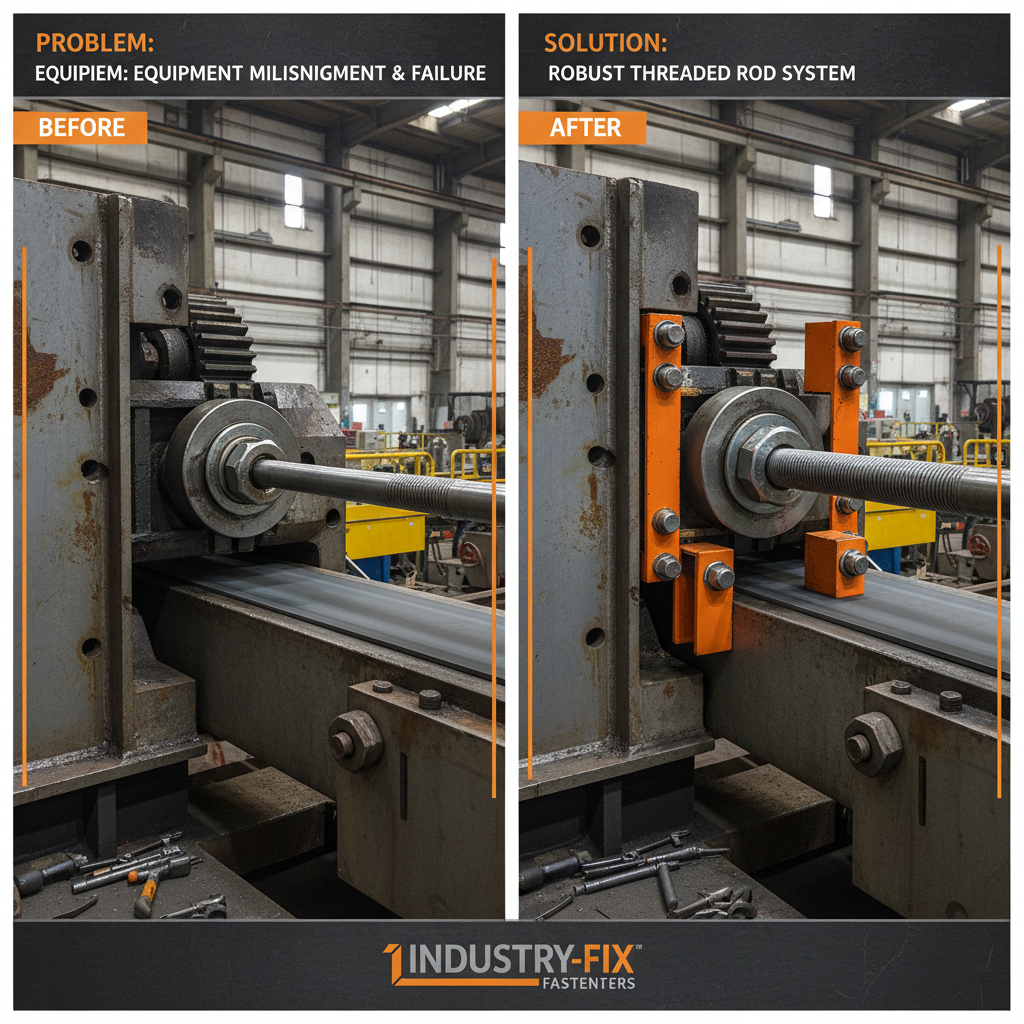
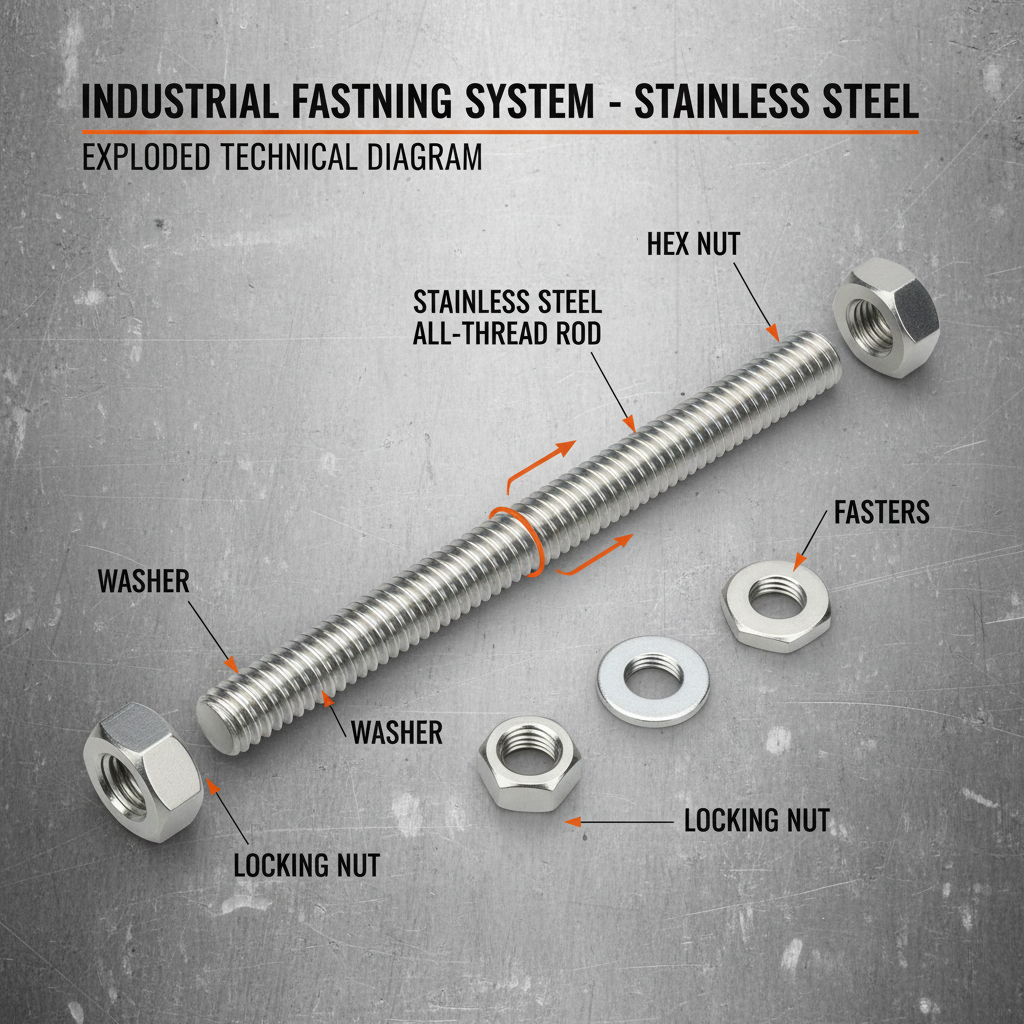
Thread rod, a fundamental component in a vast array of engineering and construction applications, represents a cornerstone of modern infrastructure. Its robust nature and versatile functionality are crucial for structural integrity in buildings, bridges, and machinery across the globe. Understanding the properties and applications of thread rod is paramount for professionals in these fields, ensuring safety, efficiency, and longevity of projects.
The global demand for reliable fastening solutions like thread rod continues to rise, driven by rapid urbanization, infrastructure development in emerging economies, and a growing need for robust and resilient structures. This demand is further intensified by stringent safety regulations and the increasing complexity of modern construction projects. Thread rod plays a pivotal role in meeting these demands, offering a high-strength, adaptable, and cost-effective solution.
From large-scale industrial projects to everyday repairs, thread rod offers a consistent and dependable fastening method. Its ability to be cut to precise lengths and its compatibility with a wide range of materials make it an invaluable asset for engineers and builders worldwide. As we explore further, we’ll uncover the multifaceted benefits and applications of this essential fastener.
Defining the Fundamentals of thread rod
Thread rod, in its simplest form, is a cylindrical metal rod with continuous threading along its length. This threading allows it to be joined with nuts and other threaded components to create a strong, reliable fastening system. The precision and consistency of the threading are critical to its performance.
The primary materials used in manufacturing thread rod include carbon steel, stainless steel, and alloy steels, each offering different properties in terms of strength, corrosion resistance, and temperature tolerance. The specific material selection depends heavily on the intended application and environmental conditions. Choosing the right grade of thread rod is crucial for the longevity and safety of any project.
Global Relevance and Industry Context
Thread rod is ubiquitous in modern construction and engineering. According to data from the United Nations, global construction spending is projected to reach over $15 trillion by 2030, creating a sustained demand for reliable fastening solutions like thread rod. This growth is particularly prominent in developing nations undergoing rapid infrastructure expansion.
The ISO 898-1 standard outlines the mechanical and physical properties of fasteners, including thread rod, ensuring consistency and quality across international markets. Compliance with these standards is critical for ensuring the safety and reliability of structures. The World Bank estimates that investments in infrastructure contribute significantly to economic growth, and thread rod is an often-unseen but essential component of these projects.
A significant challenge lies in maintaining quality control and preventing the use of substandard materials, particularly in regions with less stringent regulations. This can lead to structural failures and safety hazards, highlighting the importance of sourcing thread rod from reputable manufacturers and conducting thorough inspections.
Understanding thread rod: Definition and Meaning
Simply put, thread rod is a length of metal rod that has helical ridges (threads) cut into its surface. These threads allow the rod to screw into a nut or other threaded component, creating a secure joint. It differs from bolts, which typically have a head on one end. This simple yet ingenious design provides a remarkably strong and versatile fastening solution.
The significance of thread rod extends far beyond simply holding things together. It’s integral to constructing critical infrastructure, supporting renewable energy projects, and even enabling disaster relief efforts. It embodies a blend of engineering precision and practicality, bridging the gap between design and tangible reality.
In a world facing increasing challenges related to infrastructure resilience and sustainability, the role of thread rod in enabling durable and reliable structures is becoming increasingly vital. It's a testament to the power of simple, effective engineering solutions that underpin our modern world.
Core Components of Superior thread rod Performance
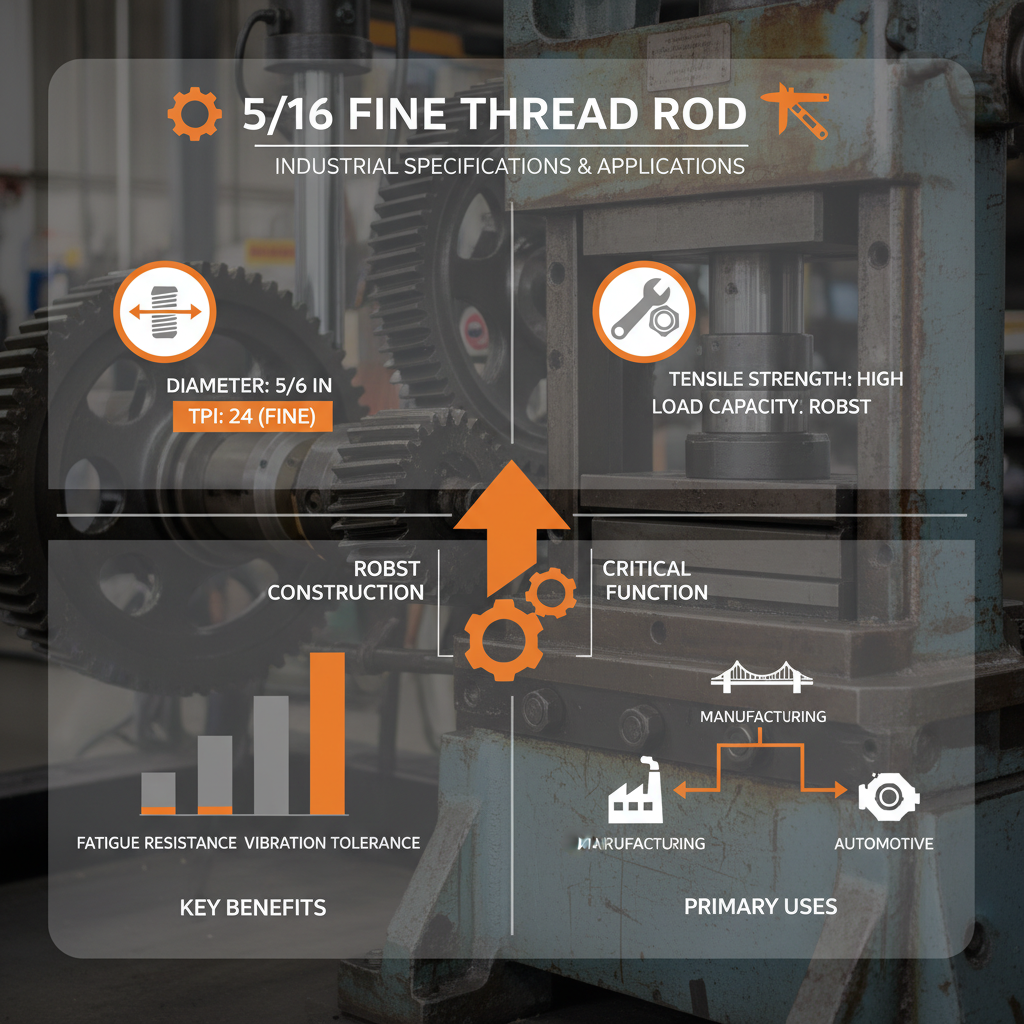
The effectiveness of thread rod relies on several key factors. First, Material Strength is paramount. The tensile and yield strength of the material directly impacts the load-bearing capacity of the rod. Second, Thread Accuracy is critical. Precise threading ensures proper engagement with nuts, minimizing the risk of stripping or failure.
Third, Corrosion Resistance is essential, especially in harsh environments. Stainless steel and specialized coatings can protect against rust and degradation. Fourth, Dimensional Precision - consistent diameter and length are crucial for accurate assembly and predictable performance.
Performance Attributes of Different thread rod Materials
Diverse Applications of thread rod Worldwide
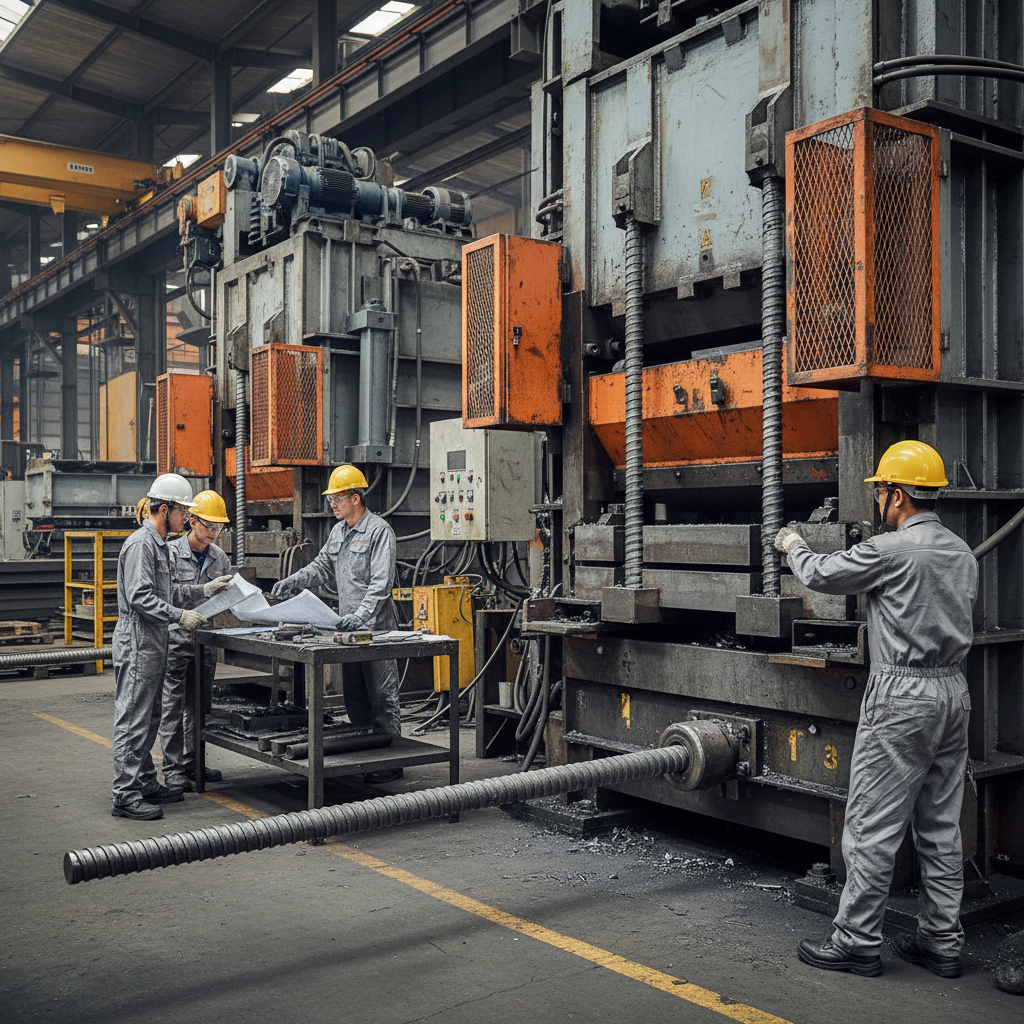
Thread rod finds widespread use in the construction of bridges and high-rise buildings, providing critical structural support. In the renewable energy sector, it’s vital for securing solar panel arrays and wind turbine components. The automotive industry relies on thread rod for various assemblies, ensuring vehicle safety and performance.
In post-disaster relief operations, thread rod is often used in the rapid construction of temporary shelters and infrastructure. Its adaptability makes it ideal for challenging environments. In remote industrial zones, where access to specialized equipment is limited, thread rod provides a simple and effective fastening solution.
Long-Term Value and Advantages of thread rod
The economic benefits of using thread rod are significant. Its durability reduces the need for frequent replacements, lowering maintenance costs. Its ease of installation translates to reduced labor expenses. Moreover, the use of high-quality thread rod enhances structural integrity, minimizing the risk of costly repairs or failures.
From a sustainability perspective, thread rod often contributes to longer-lasting structures, reducing the environmental impact associated with frequent rebuilding. The ability to reuse thread rod in some applications also aligns with circular economy principles. The inherent reliability of thread rod fosters a sense of safety and trust in the structures it supports.
Future Trends and Innovations in thread rod Technology
Ongoing research focuses on developing thread rod materials with enhanced strength-to-weight ratios, potentially using advanced alloys and composite materials. The integration of digital technologies, such as sensor-embedded thread rod, could enable real-time monitoring of structural stress and predict potential failures.
Automation in thread rod manufacturing processes is increasing efficiency and precision, leading to improved product quality and reduced costs. A growing emphasis on sustainable manufacturing practices is driving the development of more environmentally friendly production methods and materials.
The rise of Building Information Modeling (BIM) is facilitating more accurate design and integration of thread rod into complex construction projects, optimizing material usage and minimizing waste.
FAQS
For high-stress applications, such as structural supports or critical machinery, you should use high-strength thread rod, typically Grade 8 or higher. These grades are manufactured from alloy steels and offer superior tensile and yield strength. Always consult with a qualified engineer to determine the appropriate grade for your specific application and load requirements. Proper material selection ensures safety and longevity.
In marine environments, corrosion is a significant concern. To prevent thread rod corrosion, use stainless steel thread rod (Type 316 is recommended for saltwater exposure). Alternatively, you can use carbon steel thread rod with a robust protective coating, such as hot-dip galvanization or epoxy coating. Regular inspection and maintenance are also crucial to identify and address any signs of corrosion.
Metric and imperial thread rod differ in their threading standards. Metric thread rod uses a standardized thread pitch based on millimeters, while imperial thread rod uses threads per inch. They are not interchangeable; you must use the correct nuts and other components designed for the specific thread standard. Always verify the thread specification before installation to ensure compatibility.
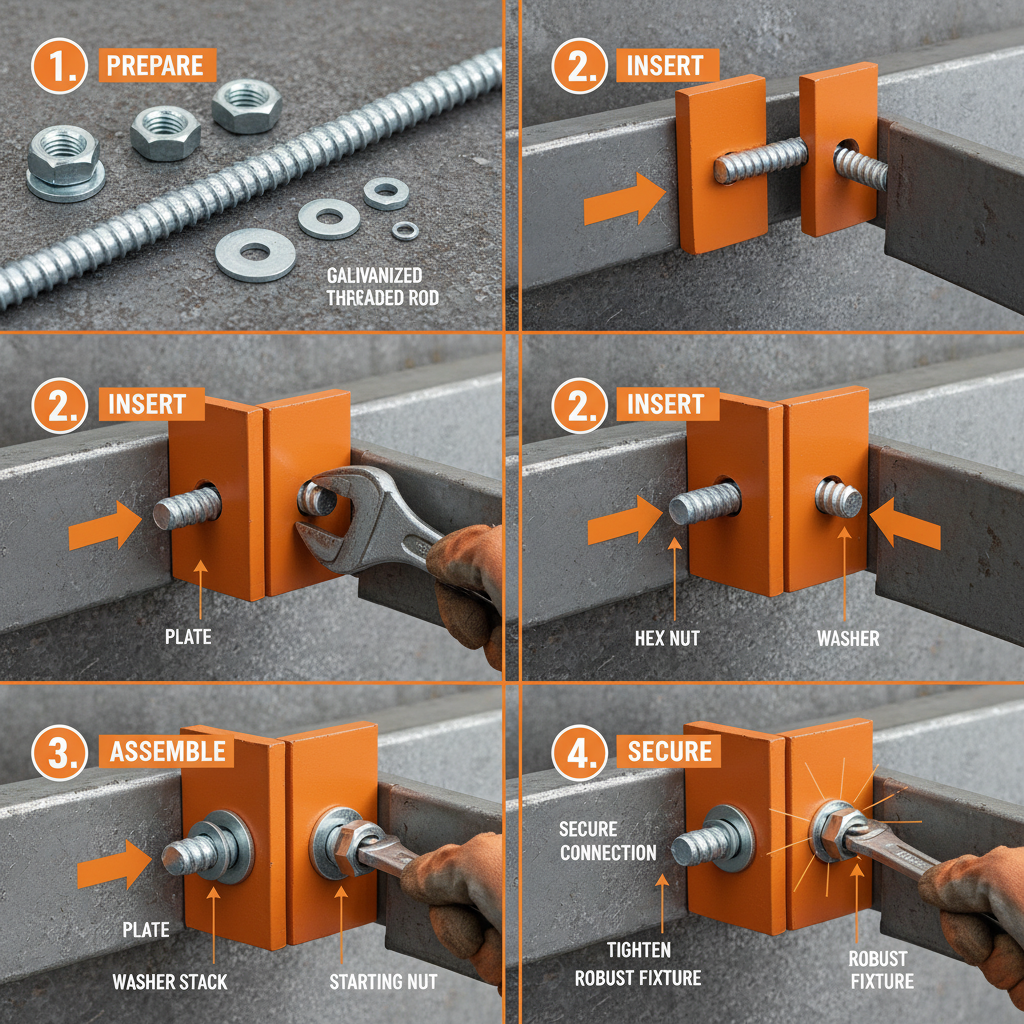
Properly tightening a thread rod connection is crucial for ensuring a secure and reliable joint. Use a calibrated torque wrench to apply the specified torque value for the thread rod size and grade. Avoid overtightening, as this can strip the threads or damage the components. Lubricating the threads before tightening can also help achieve the correct torque and prevent galling.
Whether thread rod can be reused depends on the application and the extent of its previous use. If the threads are undamaged and the rod hasn't been subjected to excessive stress, it may be possible to reuse it. However, it's generally recommended to use new thread rod for critical applications to ensure maximum reliability and safety. Always inspect reused thread rod for any signs of wear or damage.
When selecting a thread rod supplier, consider factors such as product quality, certification (ISO 9001 is a good indicator), material traceability, pricing, lead times, and customer service. Choose a supplier with a proven track record and a commitment to providing high-quality products that meet industry standards. Reputable suppliers can provide material test reports and ensure consistent performance.
Conclusion
In conclusion, thread rod is a foundational element in modern engineering and construction, offering a versatile, reliable, and cost-effective fastening solution. Its widespread applications, from infrastructure projects to renewable energy installations, underscore its importance in a rapidly evolving world. The strength, durability, and adaptability of thread rod are key to ensuring the safety and longevity of the structures it supports.
Looking ahead, continued innovation in materials science, manufacturing processes, and digital integration will further enhance the performance and sustainability of thread rod. By embracing these advancements and prioritizing quality control, we can unlock even greater potential for this essential fastener. For all your thread rod needs, visit our website: www.hbtbls.com