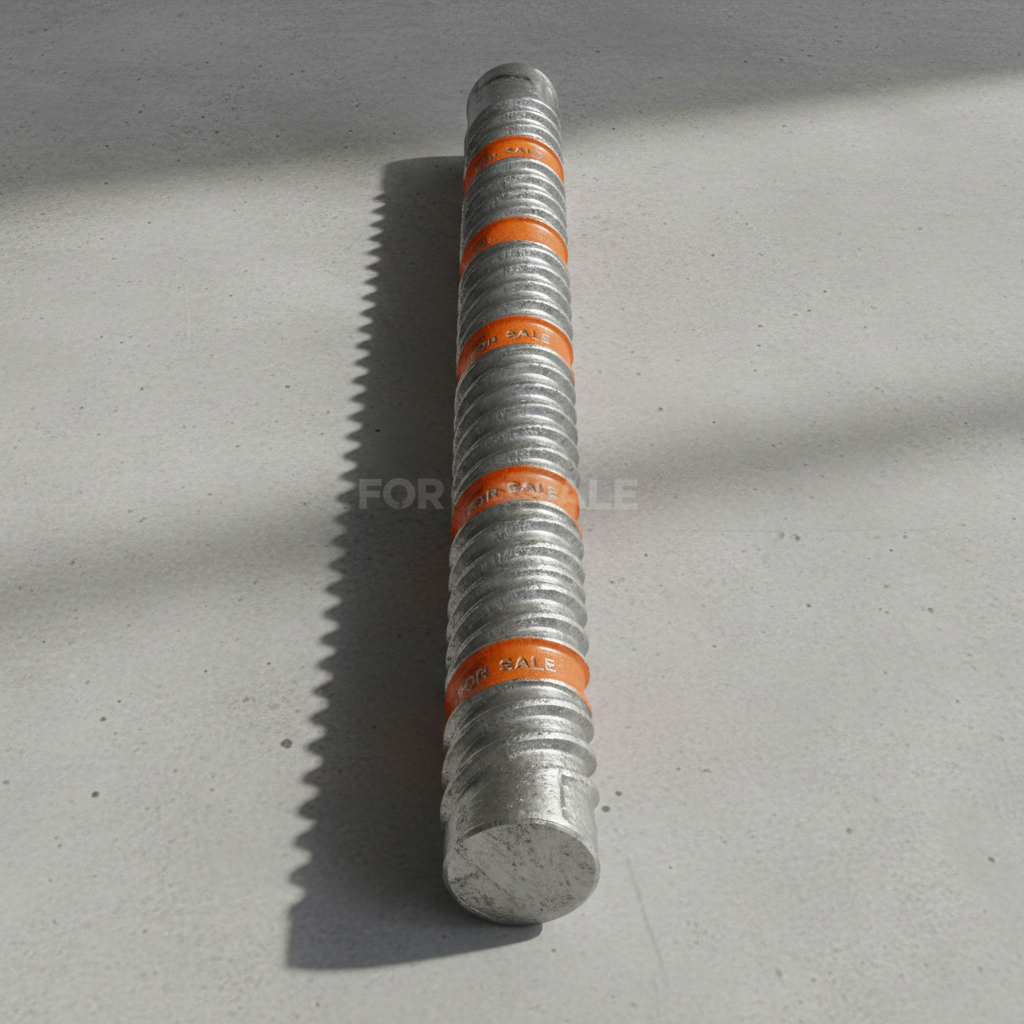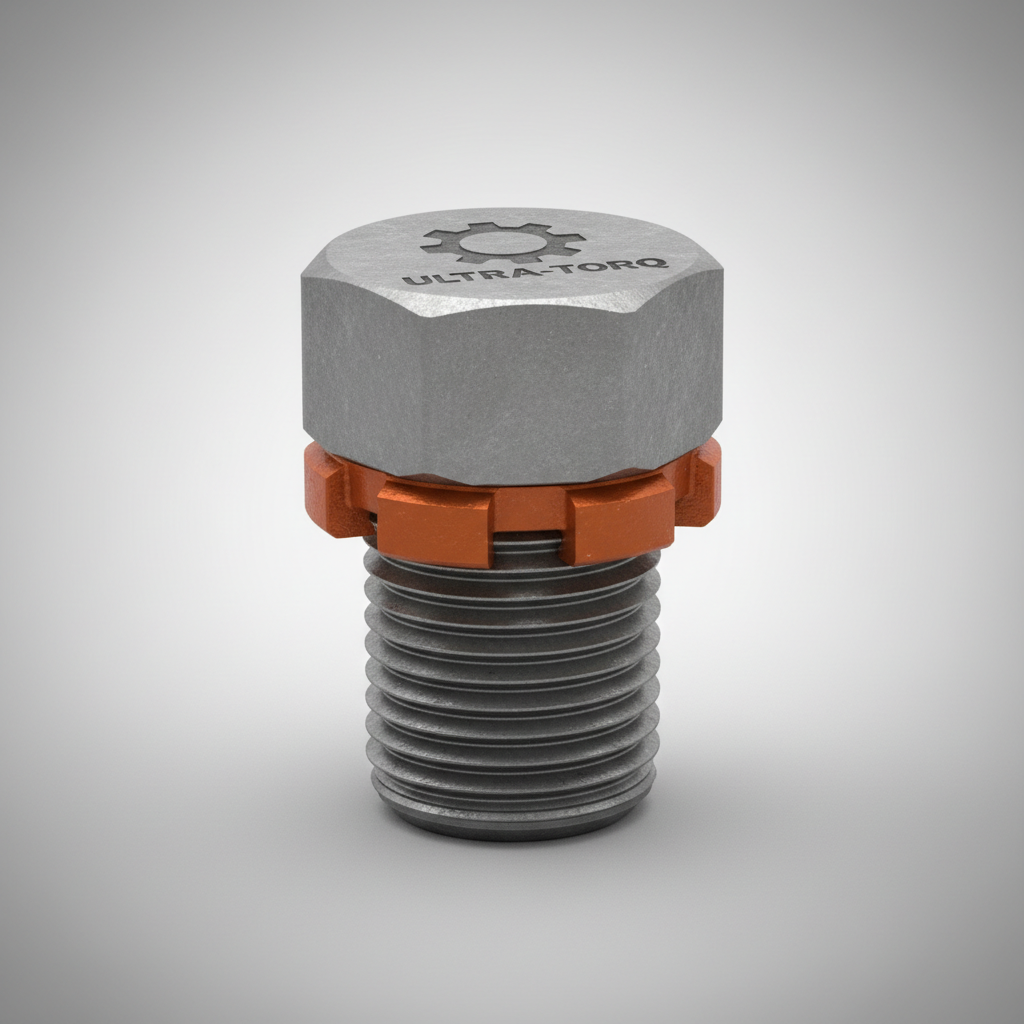
Stainless steel threaded bar is a critical component in numerous industries, providing a robust and corrosion-resistant fastening solution. Its versatility stems from its ability to withstand harsh environments and deliver consistent performance. Globally, the demand for these bars continues to rise, driven by infrastructure development, manufacturing expansion, and a growing emphasis on long-term durability in construction and engineering projects. Understanding the characteristics and applications of stainless steel threaded bar is paramount for professionals across these sectors.
The increasing adoption of stainless steel threaded bar is directly linked to a global trend toward more sustainable and reliable infrastructure. From bridges and buildings to pipelines and machinery, the need for materials that can resist corrosion, minimize maintenance, and extend service life is paramount. This demand is particularly acute in coastal regions, industrial areas, and environments exposed to extreme weather conditions, where traditional materials often fail prematurely. The benefits of using a high-quality stainless steel threaded bar outweigh the initial costs in most applications.
Beyond its physical properties, stainless steel threaded bar offers significant economic advantages. Reduced maintenance, longer lifespan, and minimized downtime translate to lower lifecycle costs, making it a financially sound choice for long-term investments. Furthermore, advancements in manufacturing processes have improved the availability and affordability of various grades of stainless steel, making this material accessible to a wider range of applications.
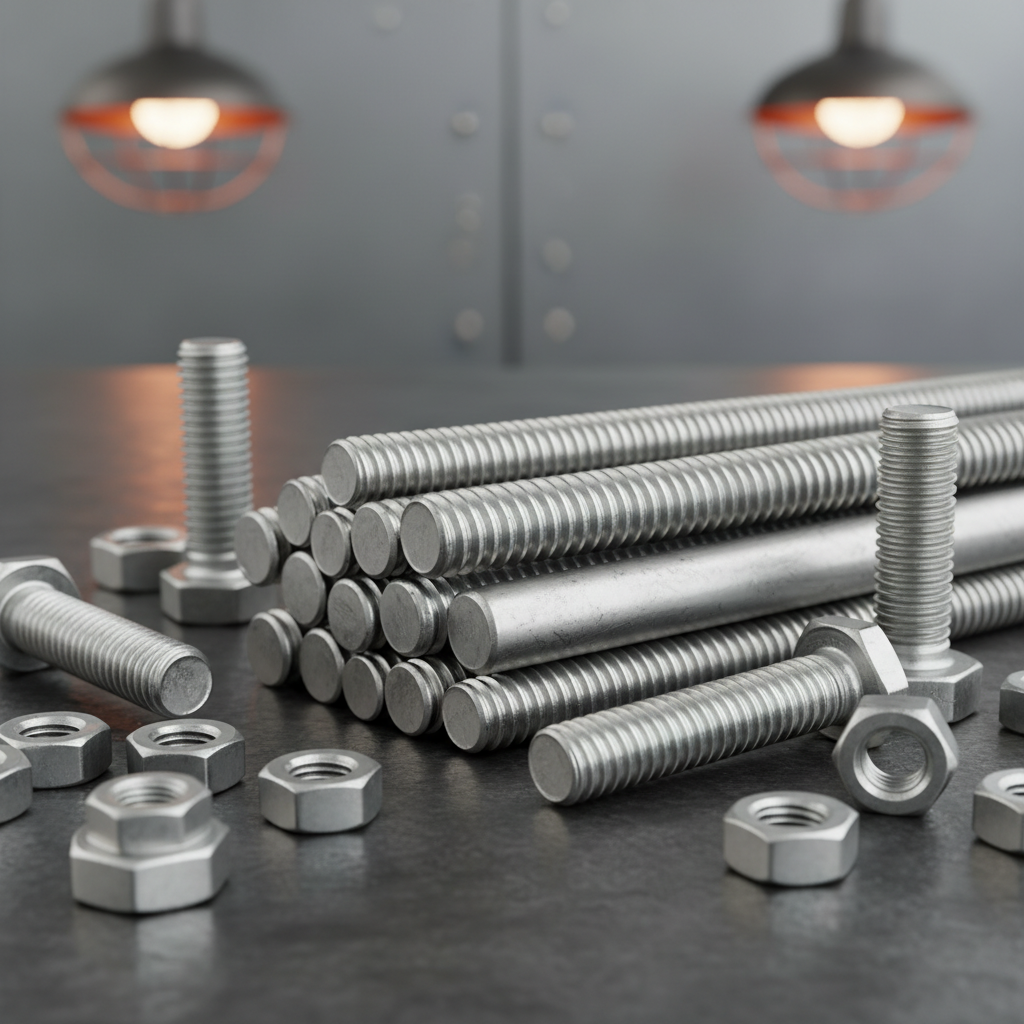
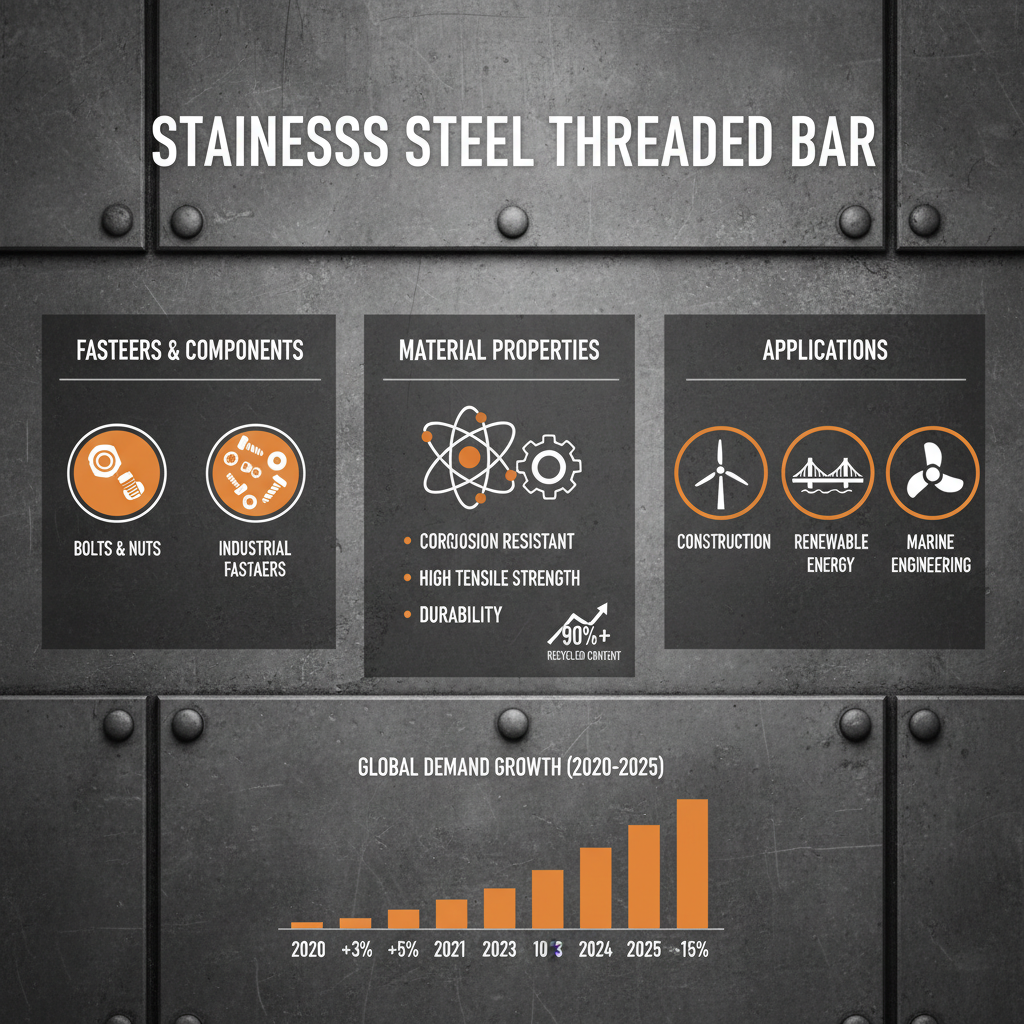
Stainless steel threaded bar represents a cornerstone in modern fastening technology. It's more than just a metal rod; it’s a precisely engineered component designed for strength, durability, and resistance to environmental factors. The material's inherent properties make it ideal for demanding applications where reliability is crucial, directly contributing to the longevity and safety of critical structures and equipment.
The selection of stainless steel threaded bar isn’t merely about replacing carbon steel equivalents; it’s an investment in reducing lifecycle costs, minimizing downtime, and enhancing overall system performance. Its resistance to corrosion eliminates the need for frequent repairs and replacements, especially in harsh operating conditions. This makes stainless steel a cost-effective solution in the long run, particularly in marine, chemical processing, and construction environments.
304 stainless steel is a general-purpose grade known for its good corrosion resistance, weldability, and formability. 316 stainless steel, however, contains molybdenum, which significantly enhances its resistance to chloride corrosion, making it ideal for marine environments and applications involving harsh chemicals. While 304 is more affordable, 316 offers superior long-term durability in corrosive settings. Choosing the right grade depends on the specific environmental conditions.
Stainless steel threaded bar should be stored in a clean, dry environment, protected from exposure to moisture, chlorides, and other corrosive substances. Ideally, it should be stored indoors or under a covered area. If outdoor storage is unavoidable, wrap the bars in a protective material, such as plastic sheeting, and elevate them off the ground to prevent direct contact with moisture. Regular inspection for signs of corrosion is also recommended.
Torque values for stainless steel threaded bar are often lower than those for carbon steel due to the material's lower coefficient of friction. It's crucial to consult relevant engineering standards and manufacturer's recommendations for specific torque specifications. Using excessive torque can lead to galling or thread damage. Anti-seize lubricants can help reduce friction and prevent these issues, but torque values should be adjusted accordingly.
Yes, stainless steel threaded bar can be welded, but it requires careful consideration of the welding process and filler materials. Selecting the appropriate welding technique and filler metal is essential to maintain the corrosion resistance and mechanical properties of the weld. Post-weld heat treatment may also be necessary to restore optimal properties. Consult with a qualified welding professional for guidance.
Common grades include 304 (general-purpose, food processing), 316 (marine, chemical processing), 410 (lower cost, moderate corrosion resistance), and duplex stainless steels (high strength, superior corrosion resistance). 304 is widely used in architectural applications, while 316 is ideal for offshore structures. 410 is often found in less demanding applications, and duplex steels are favored in industries requiring exceptional performance.
The diameter of stainless steel threaded bar is directly proportional to its load-bearing capacity. A larger diameter provides a greater cross-sectional area, allowing it to withstand higher tensile and shear forces. It’s crucial to select the appropriate diameter based on the anticipated loads and stresses, considering factors like material grade, application environment, and safety factors. Refer to engineering calculations and relevant standards for determining the required diameter.
In summary, stainless steel threaded bar is a versatile and indispensable component in modern engineering and construction. Its superior corrosion resistance, high strength, and long-term durability make it a cost-effective solution for a wide range of applications. From securing critical infrastructure to supporting vital industrial processes, this material plays a crucial role in ensuring safety, reliability, and longevity.
Looking ahead, continued innovation in materials science and manufacturing techniques will further enhance the performance and affordability of stainless steel threaded bar. Embracing these advancements and prioritizing responsible sourcing practices will unlock even greater benefits, contributing to a more sustainable and resilient future. For all your stainless steel threaded bar needs, visit our website: www.hbtbls.com.