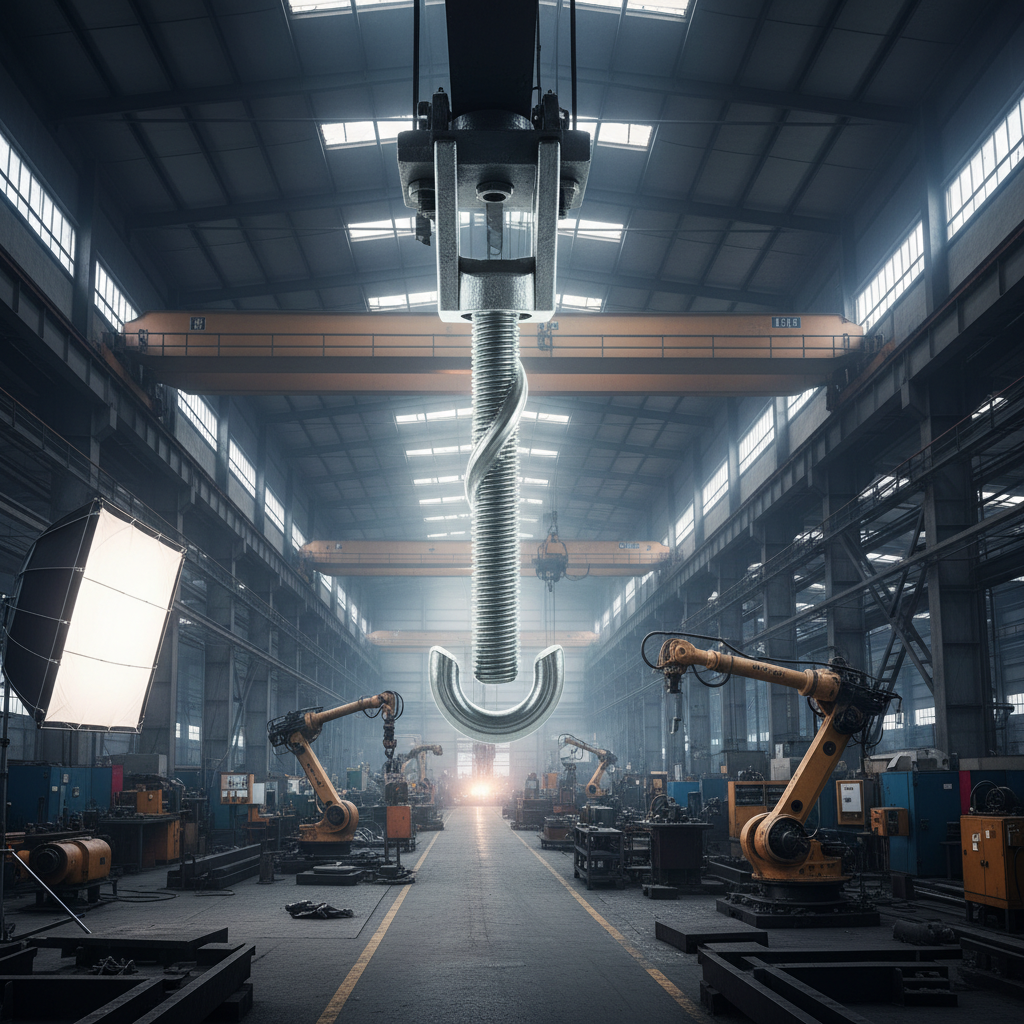
Threaded rod hangers represent a vital component in numerous industries, ensuring secure and reliable suspension of pipes, conduits, and various mechanical systems. Their robust design and adaptability make them indispensable in construction, manufacturing, and infrastructure projects worldwide. Understanding the principles behind these seemingly simple devices is crucial for engineers, contractors, and maintenance personnel alike, as their proper selection and installation directly impact safety, efficiency, and longevity of supported systems. This exploration delves into the intricacies of threaded rod hangers, covering their definition, key features, applications, and future trends.
The global demand for effective and durable support systems is steadily increasing, driven by urbanization, industrial growth, and the need for resilient infrastructure. Threaded rod hangers address the challenges of supporting heavy loads in diverse environments, from the seismic zones requiring stringent safety standards to the corrosive environments demanding specialized materials. The market is witnessing innovation in materials, coatings, and design to meet these evolving needs. According to industry reports, the construction sector, a major end-user, is projected to grow significantly in the coming years, directly boosting the demand for high-quality support solutions like threaded rod hangers.
Beyond their practical applications, threaded rod hangers contribute to cost savings and reduced project timelines. Compared to custom-fabricated solutions, standardized threaded rod hangers offer a readily available and cost-effective alternative. Their ease of installation and adjustment further streamline construction processes, minimizing labor costs and accelerating project completion. This efficiency is particularly valuable in time-sensitive projects and large-scale infrastructure developments.
Introduction to Threaded Rod Hangers
Threaded rod hangers are essential support components used across a wide range of industries. They provide a secure and adjustable method for suspending pipes, ducts, conduits, and other mechanical systems from ceilings, beams, or other overhead structures. Their versatility and strength make them a critical element in ensuring the safe and efficient operation of numerous facilities.
The application of threaded rod hangers extends to both new construction and retrofit projects. Their ability to accommodate varying heights and support different load capacities makes them ideal for adapting to complex building designs and existing infrastructure. From commercial buildings to industrial plants, these hangers play a vital role in maintaining the integrity and functionality of critical systems.
Defining Threaded Rod Hangers
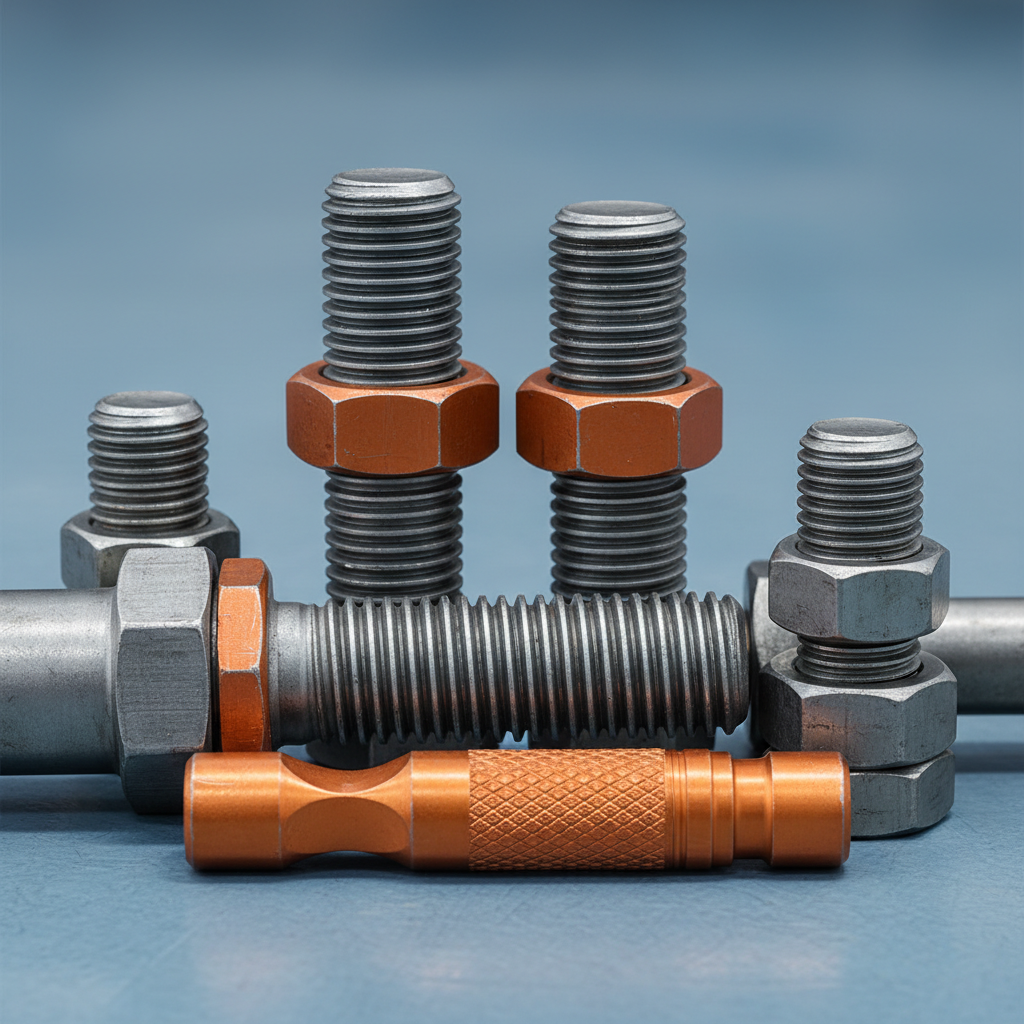
A threaded rod hanger is a type of support system consisting of a threaded rod, typically made of steel, and various attachment components like brackets, clamps, and nuts. The threaded rod allows for precise vertical adjustment, enabling engineers and installers to level and secure suspended systems effectively. The core function is to transfer the weight of the supported element to the building structure, ensuring stability and preventing potential failures.
These hangers are fundamentally different from rigid support systems, offering flexibility to accommodate thermal expansion and contraction of pipes or ducts. This flexibility reduces stress on the supported elements and the overall structure, enhancing system longevity and preventing potential damage. Properly selected and installed, a threaded rod hanger forms a crucial link between the supported system and the building's structural components.
The use of threaded rod hangers aligns with modern industry standards prioritizing safety, reliability, and ease of maintenance. They are critical in industries where the integrity of suspended systems is paramount, such as power generation, petrochemical processing, and pharmaceutical manufacturing.
Core Components and Characteristics
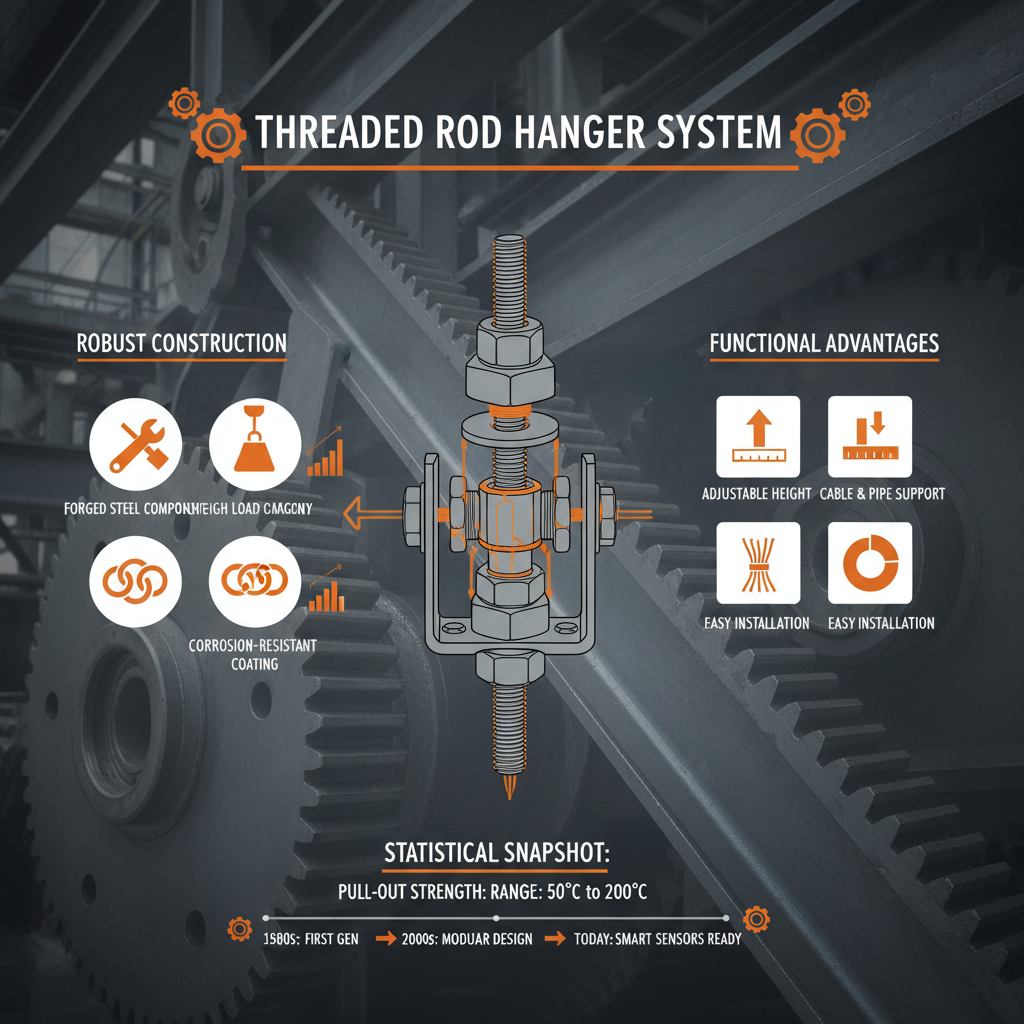
Several key characteristics define the performance and suitability of a threaded rod hanger. Firstly, strength and load capacity are paramount. The hanger must be able to safely support the weight of the suspended system, with a safety factor built in to account for dynamic loads and unforeseen stresses. Secondly, material composition plays a crucial role in determining corrosion resistance and durability. Materials like carbon steel, stainless steel, and galvanized steel are commonly used, depending on the environmental conditions.
Further, adjustability is a defining feature, allowing for precise leveling and alignment of the suspended system. The threaded design allows for quick and easy vertical adjustments, simplifying installation and maintenance. Compliance with industry standards, such as those set by ANSI and ASTM, ensures that the hanger meets established safety and performance criteria. Another critical component is the type of attachment mechanism, including different bracket styles and clamps to accommodate various pipe and duct sizes.
Finally, corrosion resistance is crucial for applications in harsh environments. Selecting hangers with appropriate coatings or made from corrosion-resistant materials ensures long-term reliability and reduces the risk of system failure. The combination of these characteristics dictates the overall effectiveness and suitability of a threaded rod hanger for a specific application.
Global Applications of Threaded Rod Hangers
Threaded rod hangers find widespread application across diverse industries globally. In the construction sector, they are essential for supporting HVAC systems, plumbing, fire sprinkler systems, and electrical conduits in commercial and residential buildings. In the industrial sector, they are used extensively in power plants, refineries, and manufacturing facilities to support piping, ductwork, and machinery.
The oil and gas industry relies heavily on threaded rod hangers to support pipelines and process equipment, often in challenging offshore environments. In infrastructure projects, such as bridges and tunnels, they play a critical role in supporting lighting, signage, and other overhead installations. Moreover, threaded rod hangers are commonly found in data centers for managing cable trays and cooling systems.
Performance Metrics of Threaded Rod Hanger Systems
Advantages and Long-Term Value
The advantages of utilizing threaded rod hangers are multifaceted. From a cost perspective, they provide a cost-effective alternative to custom fabrication, reducing material and labor expenses. Their durability ensures a long service life, minimizing maintenance requirements and replacement costs. Sustainability is also a key benefit, as the use of robust materials and efficient designs contributes to reduced waste and a smaller environmental footprint.
Moreover, the reliability of threaded rod hangers enhances safety and prevents costly downtime. Their ability to withstand dynamic loads and environmental stresses ensures the continuous operation of supported systems. From a logistical standpoint, their readily availability and ease of installation streamline project timelines. Ultimately, these factors translate into significant long-term value for building owners, facility managers, and project stakeholders.
Future Trends and Innovation
The future of threaded rod hangers is poised for innovation, driven by advancements in materials science, digital technologies, and sustainability initiatives. The development of lightweight, high-strength materials, such as advanced alloys and composites, will reduce overall system weight and enhance load-bearing capabilities. The integration of smart sensing technology will enable real-time monitoring of hanger performance and predictive maintenance, preventing failures and optimizing system efficiency.
Furthermore, digital modeling and BIM (Building Information Modeling) are increasingly being used to design and optimize support systems, including threaded rod hangers. This approach allows for accurate clash detection, efficient material selection, and streamlined installation processes. The growing emphasis on green building practices is driving demand for hangers made from recycled materials and designed for disassembly and reuse.
Challenges and Solutions
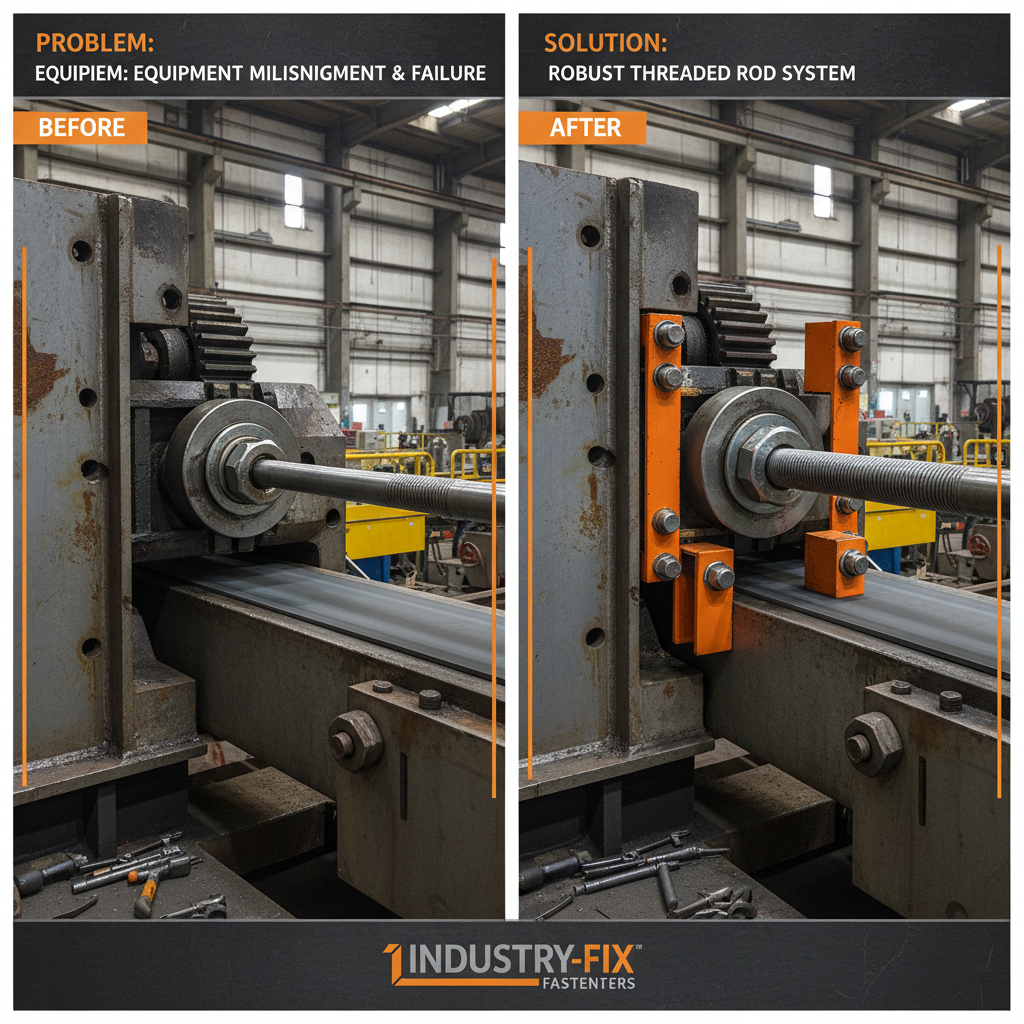
Despite their numerous benefits, the application of threaded rod hangers is not without challenges. Corrosion remains a significant concern, particularly in harsh environments. The solution lies in selecting hangers made from corrosion-resistant materials or applying protective coatings. Improper installation can compromise system integrity and lead to failures; therefore, thorough training and adherence to industry best practices are essential.
Another challenge is load calculation accuracy. Incorrect load estimations can result in undersized hangers and potential system failures. Employing experienced engineers and utilizing appropriate software tools are crucial for accurate load assessment. Finally, compatibility issues between different hanger components can arise. Ensuring that all components are designed to work together seamlessly is vital for optimal performance.
Summary of Challenges and Corresponding Solutions for Threaded Rod Hangers
| Challenge |
Impact on System |
Proposed Solution |
Implementation Cost (1-10) |
| Corrosion |
Reduced hanger strength, potential failure |
Use corrosion-resistant materials (stainless steel, galvanized steel) |
6 |
| Improper Installation |
Compromised system stability, premature failure |
Provide comprehensive installer training, enforce quality control |
4 |
| Inaccurate Load Calculation |
Undersized hangers, increased risk of failure |
Employ experienced engineers, use specialized software |
7 |
| Component Incompatibility |
Reduced system performance, potential for loosening |
Ensure all components are designed to work together |
3 |
| Seismic Activity (High-Risk Zones) |
System failure, potential hazards |
Utilize seismically rated hangers and bracing systems |
8 |
| Thermal Expansion/Contraction |
Stress on the system, potential for hanger failure |
Use hangers with adjustable features, consider expansion joints |
5 |
FAQs
The lifespan of a threaded rod hanger largely depends on the environment and the materials used. However, with proper selection, installation, and minimal maintenance, a well-maintained threaded rod hanger can realistically last 20-30 years, or even longer in less corrosive environments. Regular inspections are recommended to identify any signs of corrosion or wear and tear, and address them promptly.
Safety factors are critical to ensure the structural integrity of the supported system. A common safety factor for threaded rod hangers is 2:1, meaning the hanger should be able to support twice the maximum anticipated load. However, depending on the application and potential for dynamic loads or seismic activity, higher safety factors (e.g., 3:1 or 4:1) may be required. Always consult with a qualified engineer to determine the appropriate safety factor for your specific project.
Proper adjustment involves loosening the locknuts, rotating the threaded rod to achieve the desired height and level, and then securely tightening the locknuts. It is essential to ensure that the hanger is properly aligned and that the locknuts are tightened evenly to prevent uneven stress distribution. Avoid over-tightening, as this can damage the threads or the supported system.
In corrosive environments, stainless steel (grades 304 or 316) is the most recommended material for threaded rod hangers due to its excellent corrosion resistance. Galvanized steel can also provide adequate protection in less severe environments. For extremely harsh conditions, consider specialized alloys like Hastelloy or Inconel. Always verify the material compatibility with the specific corrosive agents present in the environment.
Yes, several codes and standards apply to threaded rod hangers. ANSI/ASME B31.3 (Process Piping) and SMACNA (Sheet Metal and Air Conditioning Contractors' National Association) guidelines are frequently referenced. Local building codes may also have specific requirements for hanger selection and installation. Always consult with a qualified engineer and ensure compliance with all applicable regulations.
Long-term reliability is ensured through proper selection, installation, and maintenance. Conduct regular inspections to check for corrosion, damage, or loosening of components. Re-tighten locknuts as needed. Implement a preventive maintenance program to address potential issues proactively. Consider applying protective coatings to enhance corrosion resistance and extend the lifespan of the hangers.
Conclusion
Threaded rod hangers represent a fundamental component in modern infrastructure and industrial facilities. Their versatility, durability, and cost-effectiveness make them an indispensable solution for supporting a wide range of systems. Understanding their core characteristics, applications, and future trends is crucial for engineers, contractors, and facility managers seeking to ensure safety, reliability, and efficiency in their projects. By embracing innovation and adhering to industry best practices, we can maximize the long-term value of these essential support systems.
Looking ahead, the continued development of advanced materials, smart sensing technologies, and digital modeling tools will further enhance the performance and functionality of threaded rod hangers. Investing in comprehensive training programs for installers and promoting adherence to stringent quality control standards will be essential to ensure the continued integrity and safety of these critical components. Visit our website at threaded rod hanger to explore our range of products and solutions.