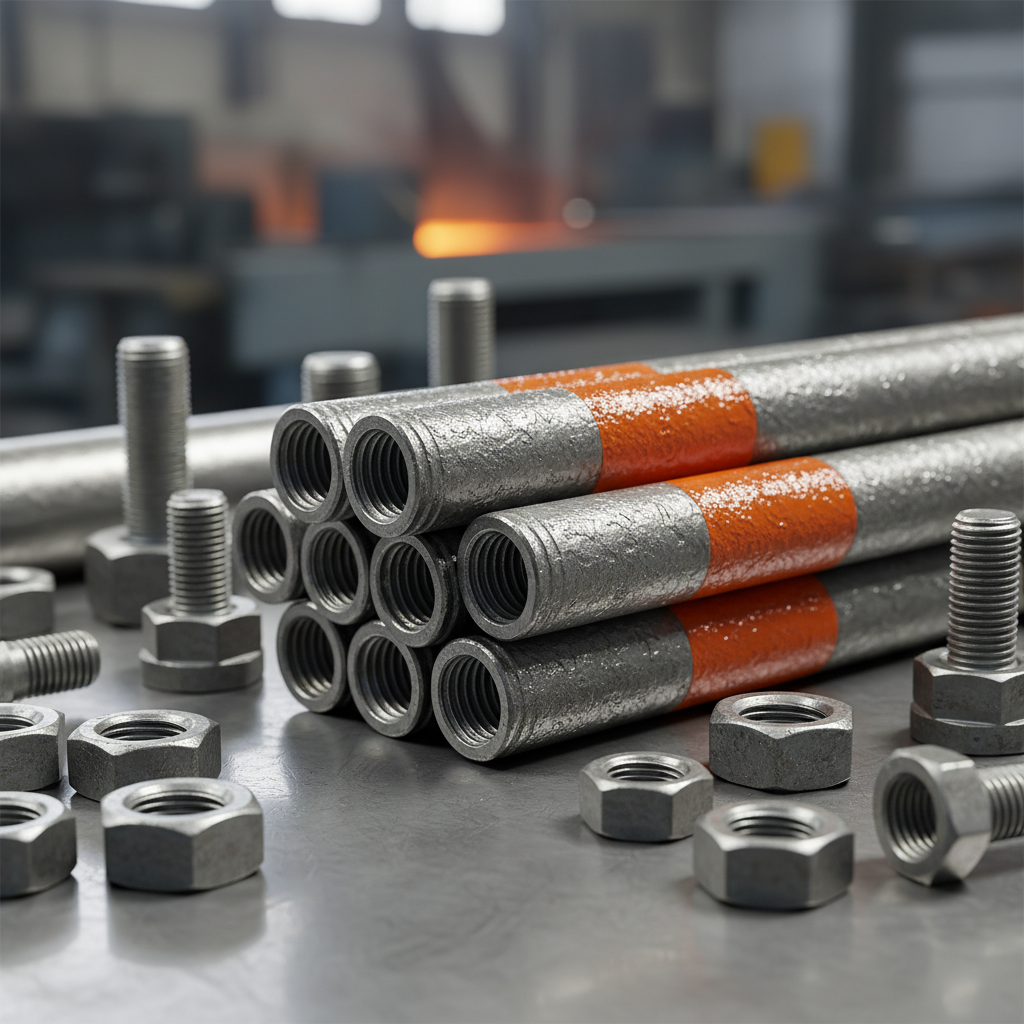
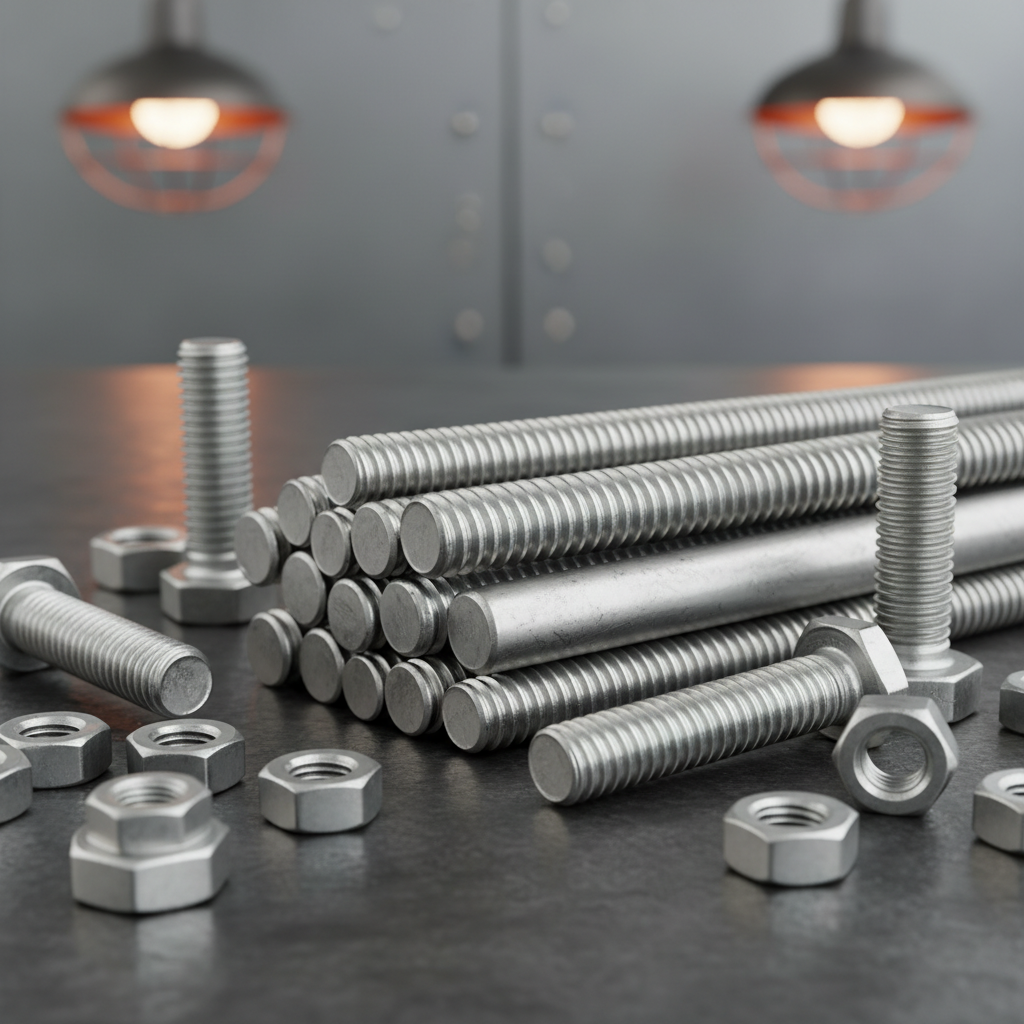
Hollow threaded rod represents a crucial element in modern infrastructure and rapid deployment solutions. Its unique design – a tube-like structure with internal threading – offers significant advantages over traditional solid rods, particularly in applications requiring reduced weight, efficient material usage, and integrated pathways for utilities. This innovative component is becoming increasingly vital in diverse sectors, from construction and energy to disaster relief and specialized engineering projects.
The global demand for efficient and adaptable construction materials is surging, driven by population growth, urbanization, and the escalating need for sustainable solutions. Hollow threaded rod directly addresses these challenges by providing a versatile building block capable of supporting complex structures with minimal material input. Furthermore, its inherent capacity for internal cabling and fluid transfer opens up new possibilities in smart infrastructure and integrated building systems, making it a key enabler of technological advancements.
Understanding the properties, applications, and future trends surrounding hollow threaded rod is paramount for engineers, architects, project managers, and anyone involved in developing resilient and efficient infrastructure. Its impact extends beyond cost savings and material optimization, contributing to more sustainable and innovative building practices worldwide.
The Significance of Hollow Threaded Rod
The increasing prevalence of hollow threaded rod in various engineering disciplines is a testament to its multifaceted advantages. Its lightweight nature reduces transportation costs and simplifies installation, while its structural integrity rivals that of solid rods in many applications. This makes it an ideal choice for projects where weight is a critical factor, such as scaffolding, temporary structures, and even aerospace components.
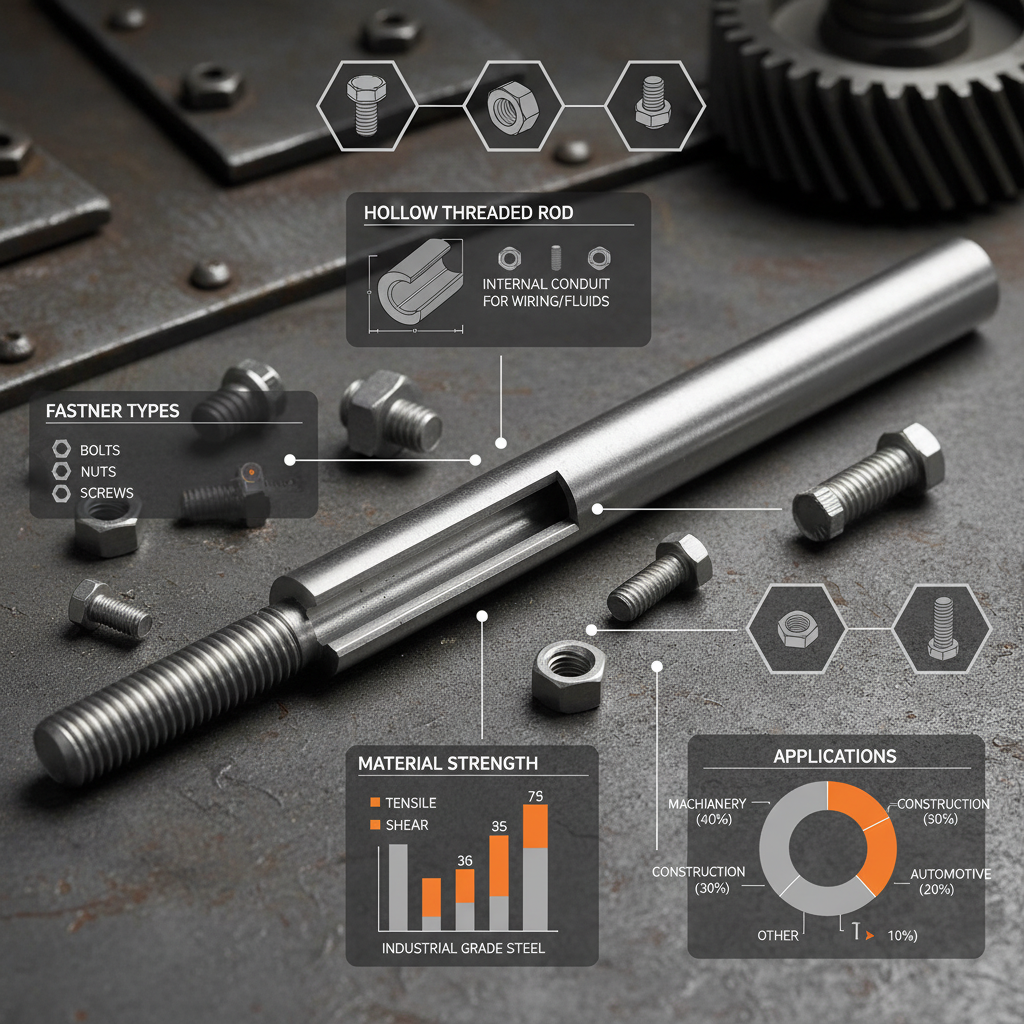
Beyond its mechanical properties, the hollow core of the rod offers unique opportunities for integrating utilities like electrical wiring, plumbing, and fiber optic cables. This capability streamlines construction processes, reduces the need for separate conduit installations, and contributes to cleaner, more organized infrastructure designs. The versatility of hollow threaded rod makes it a cornerstone of modern construction and engineering practices.
Defining Hollow Threaded Rod
Hollow threaded rod, at its core, is a tubular metal rod featuring continuous helical ridges (threads) along its exterior surface. These threads enable the rod to be securely fastened with corresponding nuts and couplings, forming strong and adjustable connections. Unlike solid threaded rods, its hollow interior significantly reduces its weight while maintaining comparable tensile and shear strength.
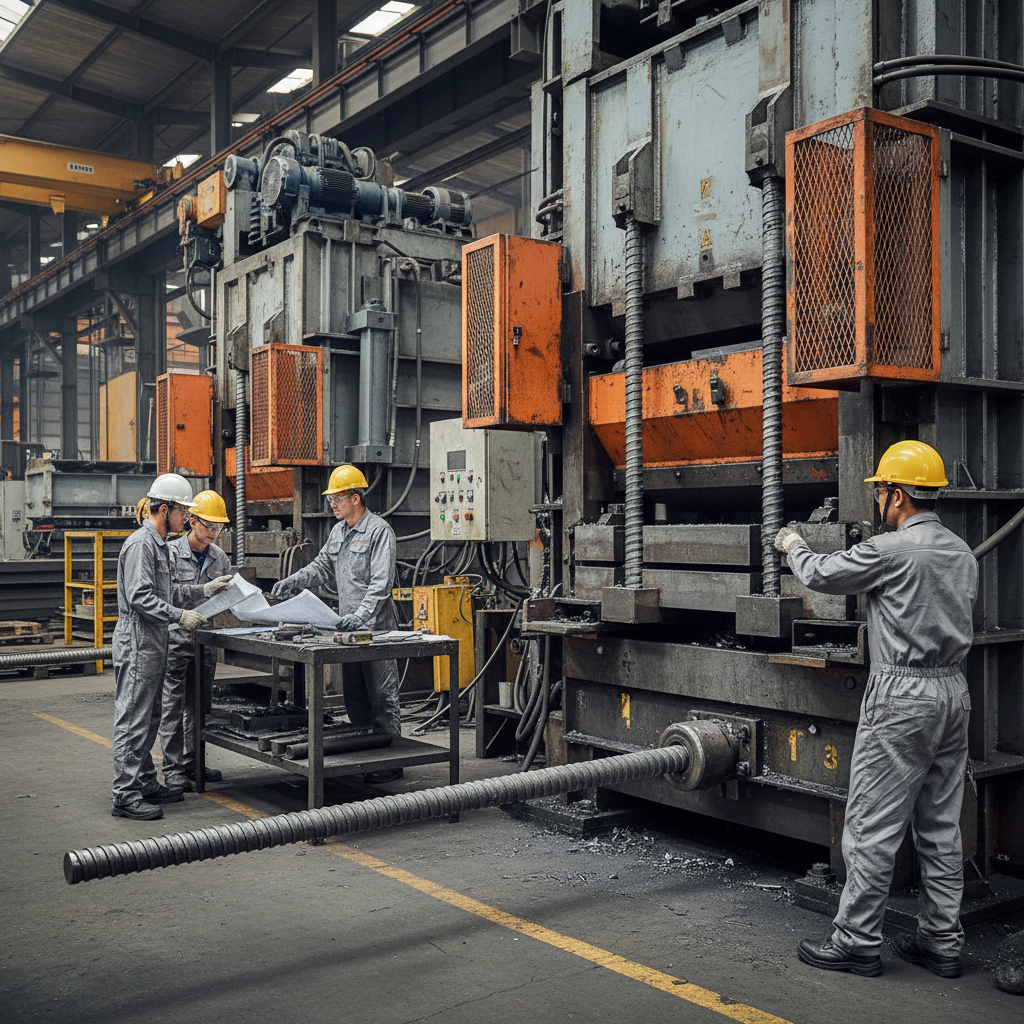
The manufacturing process typically involves extrusion, drawing, or seamless tube formation followed by thread rolling or cutting. The materials used commonly include carbon steel, stainless steel, and aluminum alloys, chosen for their specific strength, corrosion resistance, and compatibility with the intended application. Proper material selection is critical to ensuring the long-term performance and reliability of structures employing this component.
The connection to modern industry and humanitarian needs is clear. In construction, it speeds up assembly and reduces material costs. In disaster relief, its lightweight and rapid deployment capabilities are invaluable for building temporary shelters and essential infrastructure. And, in specialized engineering projects, its integrated utility pathways offer innovative design solutions.
Core Properties of Hollow Threaded Rod
Several key properties define the functionality and performance of hollow threaded rod. First, its high strength-to-weight ratio is a significant advantage, enabling the construction of robust structures with minimal material usage. Second, the hollow core provides a conduit for running utilities, simplifying installation and reducing overall project costs.
Third, its corrosion resistance, particularly when manufactured from stainless steel or coated alloys, ensures long-term durability in harsh environments. Fourth, the precision of the threads guarantees secure and reliable connections, minimizing the risk of loosening or failure. These properties collectively contribute to the wide applicability of this versatile component.
Finally, the adaptability of hollow threaded rod to various joining methods—including welding, crimping, and specialized couplings—further enhances its integration into diverse engineering designs. This versatility, coupled with its inherent strength and efficiency, positions it as a fundamental building block in numerous industries.
Key Factors Influencing Performance
The performance of hollow threaded rod is influenced by several key factors. Material selection is paramount, dictating strength, corrosion resistance, and weldability. Thread accuracy and quality control are equally crucial, ensuring proper engagement and preventing premature failure.
Load distribution and connection design also play a critical role. Proper joint design minimizes stress concentrations and maximizes the load-bearing capacity of the system. Furthermore, environmental factors, such as temperature and exposure to corrosive substances, can impact long-term durability and should be carefully considered during material selection and coating application.
Factors Influencing Hollow Threaded Rod Performance
Global Applications and Use Cases
From large-scale infrastructure projects to specialized industrial applications, hollow threaded rod demonstrates remarkable versatility. In construction, it's employed in scaffolding systems, formwork, and bracing, providing lightweight yet robust support. Within the energy sector, it serves as a vital component in solar panel mounting structures and wind turbine towers.
In disaster relief operations, its rapid deployment capabilities make it invaluable for building temporary shelters, field hospitals, and critical infrastructure. Regions prone to earthquakes, hurricanes, or other natural disasters frequently rely on its adaptability and ease of assembly. Moreover, its use is expanding within the agricultural sector for greenhouse construction and irrigation system supports.
Advantages and Long-Term Value
The advantages of employing hollow threaded rod extend beyond immediate cost savings. Its reduced weight lowers transportation expenses and simplifies installation, leading to significant time and labor efficiencies. The inherent capacity for integrating utilities streamlines construction and minimizes the need for separate conduit installations, further reducing project costs.
Long-term value is derived from its durability, corrosion resistance, and adaptability. Properly maintained structures utilizing hollow threaded rod can offer decades of reliable service, reducing the need for costly repairs or replacements. Furthermore, its sustainable characteristics—reduced material usage and potential for recyclability—align with growing environmental concerns and contribute to a more responsible construction industry.
Future Trends and Innovations
The future of hollow threaded rod is intertwined with advancements in materials science, manufacturing techniques, and sustainable construction practices. Research into lightweight, high-strength alloys promises to further enhance its performance capabilities. Automation and robotic assembly are streamlining production processes, improving precision and reducing costs.
Integration with Building Information Modeling (BIM) and digital twin technologies is enabling more efficient design, construction, and maintenance of structures utilizing this component. Furthermore, the increasing demand for green building solutions is driving innovation in recyclable materials and eco-friendly coatings, bolstering the sustainability profile of hollow threaded rod.
The development of smart hollow threaded rod—incorporating sensors and data analytics—will enable real-time monitoring of structural health and predictive maintenance, enhancing safety and extending service life.
FAQS
Hollow threaded rod offers a significantly reduced weight-to-strength ratio compared to solid rods, leading to lower transportation costs and easier installation. The hollow core also allows for the integration of utilities like electrical wiring and plumbing, streamlining construction and reducing the need for separate conduit systems. This results in faster project completion and lower overall costs.
Common materials include carbon steel, which offers high strength at a relatively low cost; stainless steel, providing excellent corrosion resistance; and aluminum alloys, valued for their lightweight properties and good workability. The specific material selection depends on the intended application and the environmental conditions it will be exposed to.
Yes, but weldability depends on the material. Carbon steel hollow threaded rod is readily weldable using standard welding techniques. Stainless steel requires specialized welding procedures to maintain corrosion resistance. Aluminum alloys also require specific welding techniques. Proper preparation and adherence to welding codes are essential for ensuring the integrity of welded connections.
It’s ideal for applications requiring a high strength-to-weight ratio, like scaffolding, temporary structures, solar panel mounts, and wind turbine towers. Its ability to house utilities makes it excellent for projects where integrated cabling and plumbing are needed. It's also frequently used in disaster relief for rapid shelter construction and infrastructure support.
The quality of the threading is critical for ensuring secure and reliable connections. Inaccurate or poorly formed threads can lead to loosening, stripping, or even complete failure of the joint. High-precision thread rolling or cutting processes, coupled with rigorous quality control inspections, are essential for guaranteeing the integrity of threaded connections.
Choosing materials with high recyclability, like steel and aluminum, is key. Utilizing corrosion-resistant alloys reduces the need for frequent replacements, minimizing waste. Furthermore, optimizing the design to minimize material usage and employing sustainable manufacturing processes contribute to a lower environmental footprint.
Conclusion
In summary, hollow threaded rod stands as a versatile and innovative building component offering significant advantages over traditional solid rods. Its lightweight nature, integrated utility pathways, and inherent strength contribute to cost savings, improved construction efficiency, and enhanced sustainability. From large-scale infrastructure projects to rapid deployment solutions in disaster relief, its applications are broad and continue to expand.
Looking ahead, ongoing advancements in materials science and manufacturing techniques promise to further enhance the performance and sustainability of hollow threaded rod. Continued research and development will unlock new possibilities for its application in smart infrastructure and green building initiatives, solidifying its position as a cornerstone of modern construction and engineering. To explore how hollow threaded rod can benefit your next project, visit our website: www.hbtbls.com.