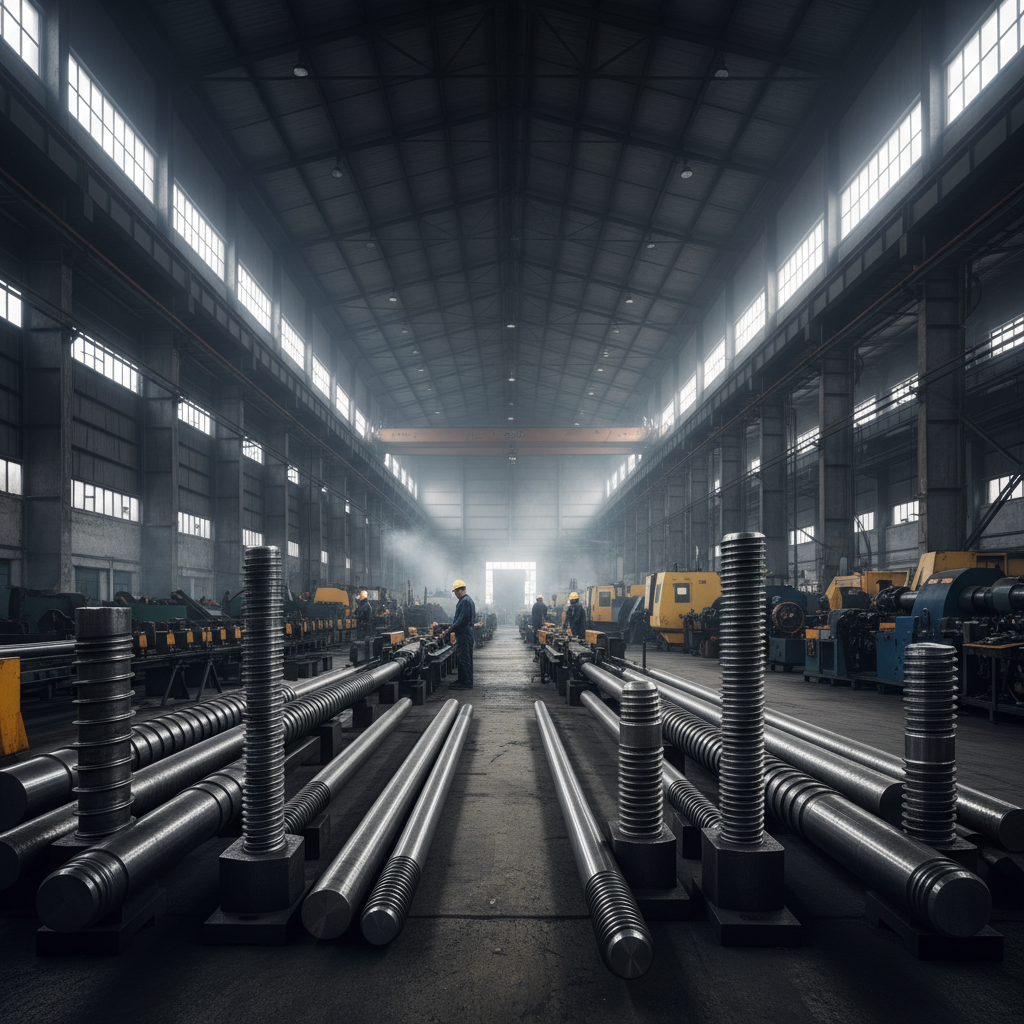
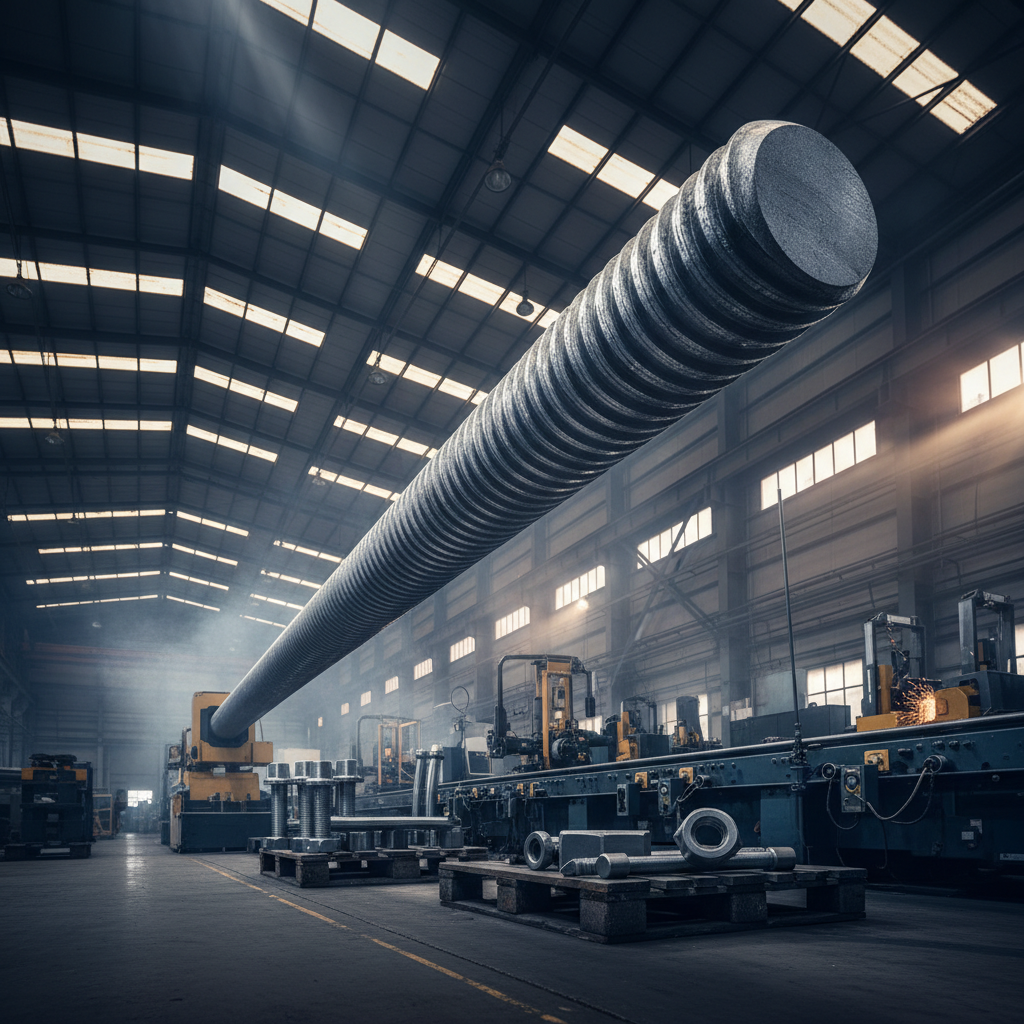
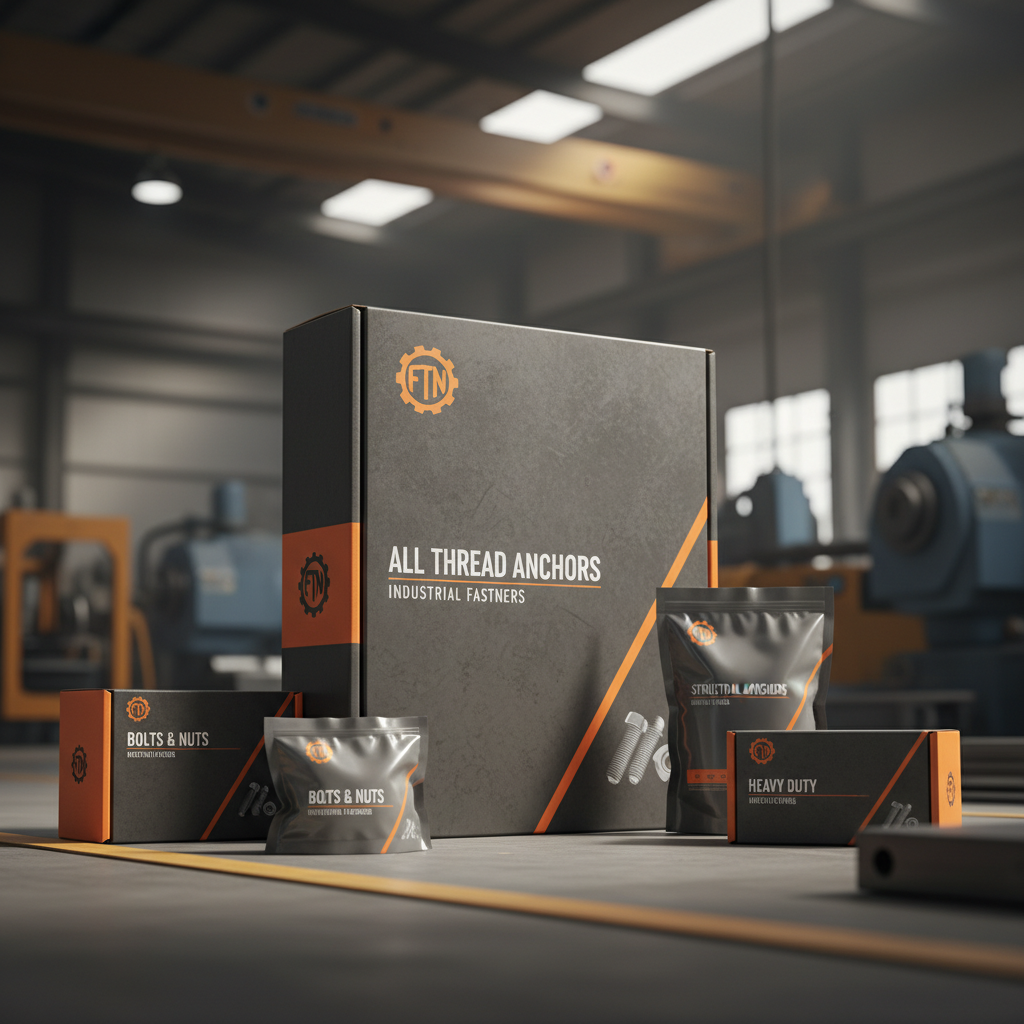
Threaded rod types are fundamental fasteners utilized across a vast spectrum of industries, from large-scale construction and infrastructure projects to intricate mechanical assemblies. Their versatility stems from their ability to be cut to precise lengths and coupled with various fittings, making them adaptable to diverse applications. Understanding the nuances of different threaded rod types is crucial for engineers, construction professionals, and manufacturers alike, ensuring structural integrity, safety, and cost-effectiveness.
Globally, the demand for threaded rods is intrinsically linked to economic growth, urbanization, and infrastructure development. According to reports from the World Steel Association, the construction sector remains a primary driver of steel demand, which directly impacts the production and consumption of threaded rods. Developing nations, experiencing rapid infrastructure expansion, represent a significant growth market. However, challenges such as fluctuating raw material costs, stringent quality control requirements, and the need for sustainable manufacturing processes necessitate a deep understanding of available options and their specific applications.
Simply put, a threaded rod is a cylindrical rod with helical ridges – the threads – machined along its length. These threads allow the rod to be screwed into tapped holes, nuts, or other threaded components, creating a strong and reliable fastening solution. Their role extends beyond simply joining materials; they often function as critical load-bearing elements in critical infrastructure and represent a key component in ensuring the stability of modern structures and machinery, addressing both industrial and humanitarian needs related to safe and durable construction.
Introduction to threaded rod types
Threaded rods offer a unique combination of strength and flexibility that makes them invaluable in countless engineering applications. The ability to precisely tailor their length and combine them with a vast array of connectors and fittings provides solutions for complex fastening challenges. Properly selecting the appropriate threaded rod types for a given application significantly impacts the longevity and reliability of the overall system.
Different materials, thread standards, and coating options contribute to a diverse ecosystem of threaded rod types. Choosing the right type requires consideration of factors like load requirements, environmental conditions, and corrosion resistance. The cost of threaded rods, while generally reasonable, can vary based on material and size, making careful planning essential for budget-conscious projects.
Defining Threaded Rod Types
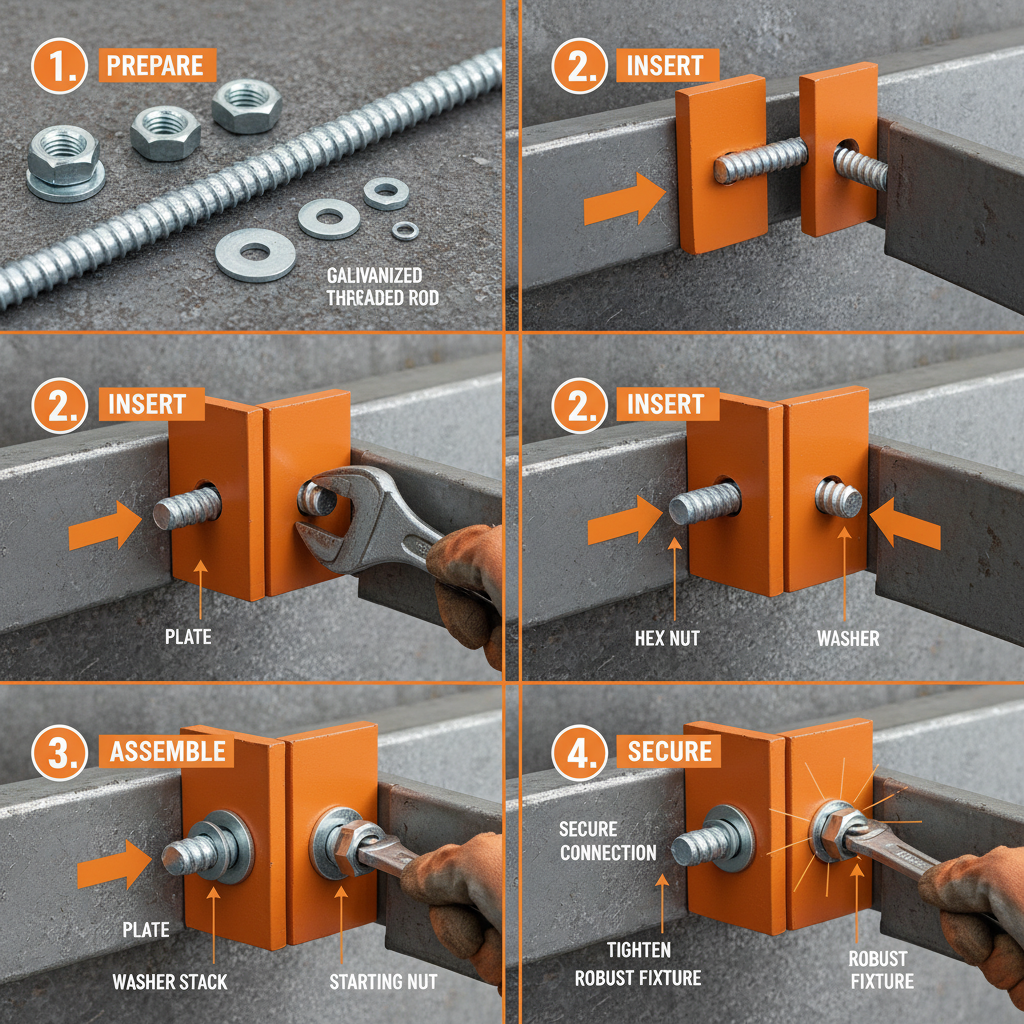
Threaded rods, at their core, are fasteners that provide a tensile force to bind materials together. Unlike bolts, which typically have a head, threaded rods extend along their entire length with threads. This makes them suitable for applications where a protruding head would be undesirable or impractical. They are commonly used in conjunction with nuts, washers, and other threaded components to create a secure and adjustable connection.
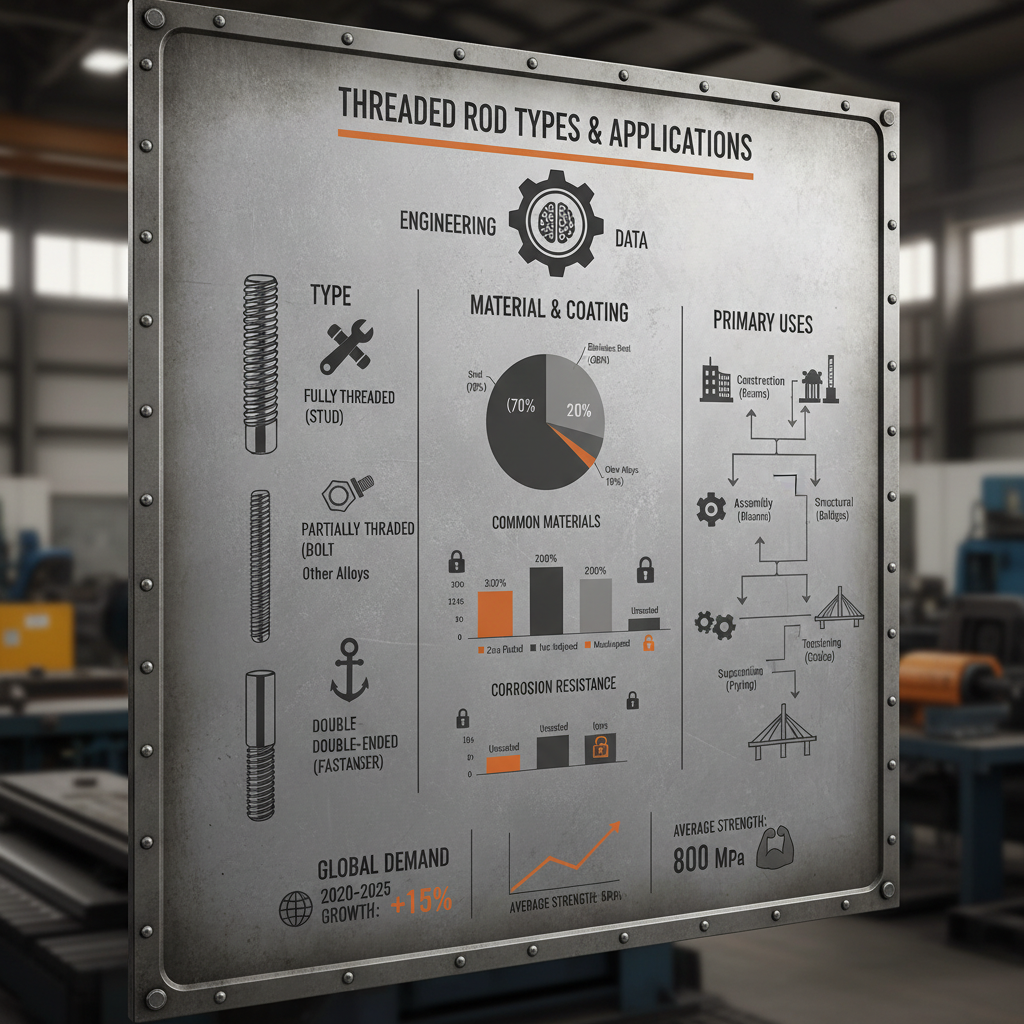
The different threaded rod types are categorized primarily by their material composition, thread form, and mechanical properties. Common materials include carbon steel, stainless steel, alloy steel, and even specialized materials like Inconel or titanium for extreme environments. Understanding these distinctions is crucial for selecting the best rod for a specific application.
Threaded rods are integral to modern industry, offering a simple yet robust solution to fastening challenges. They underpin critical infrastructure, support industrial machinery, and are even utilized in disaster relief efforts to quickly assemble temporary structures. The ease of installation and adaptability of threaded rods contributes significantly to their widespread adoption.
Key Characteristics of Threaded Rods
One of the most critical characteristics of threaded rods is their tensile strength – the maximum stress they can withstand before breaking. This property is directly related to the material used and the manufacturing process. Higher-grade materials and precise thread rolling or machining result in increased tensile strength.
Corrosion resistance is another key consideration, particularly in outdoor or harsh environments. Stainless steel rods offer excellent resistance to rust and corrosion, while carbon steel rods may require protective coatings like zinc plating or galvanization. The choice depends on the specific environmental factors and the desired lifespan of the application.
Thread pitch, which refers to the distance between adjacent threads, also plays a role. Finer pitches provide greater precision and holding power, while coarser pitches offer faster installation. Finally, the thread standard (e.g., UNC, UNF, metric) must be compatible with the mating components to ensure a proper fit and secure connection.
Applications Across Industries
The construction industry heavily relies on threaded rods for a variety of applications, including anchoring bolts, structural bracing, and connecting precast concrete elements. They are frequently used in bridge construction, high-rise buildings, and foundation work to provide robust and reliable connections.
In the manufacturing sector, threaded rods are essential for assembling machinery, equipment, and industrial components. They are used in tooling, jigs, and fixtures, as well as in applications requiring precise positioning and adjustment. Furthermore, they’re indispensable in applications like pipe supports and mechanical anchoring.
Threaded Rod Types Application Distribution
Advantages and Long-Term Value
The primary advantage of using threaded rod types lies in their cost-effectiveness. Compared to custom-machined fasteners, threaded rods offer a significantly lower price point, especially for large-scale projects. Their standardized nature simplifies procurement and reduces lead times.
From a sustainability perspective, steel, a common material for threaded rods, is highly recyclable. Choosing durable, high-quality rods reduces the need for frequent replacements, minimizing waste and promoting a more circular economy. Their reliability and longevity contribute to the overall structural integrity and lifespan of projects, representing long-term value and reducing maintenance costs.
Future Trends and Innovations
The development of new materials with enhanced strength-to-weight ratios, such as advanced alloys and composite materials, is driving innovation in the threaded rod industry. These materials offer the potential for lighter and stronger fasteners, particularly beneficial in aerospace and automotive applications.
Digital transformation is also playing a role, with the increasing use of sensor-integrated threaded rods for structural health monitoring. These "smart" fasteners can provide real-time data on stress levels and potential failures, enabling proactive maintenance and improving safety. Automation in manufacturing processes is further enhancing precision and reducing production costs.
Sustainable manufacturing practices, including reducing carbon emissions and minimizing waste, are becoming increasingly important. The industry is actively exploring alternative coatings and manufacturing processes to minimize environmental impact and promote responsible sourcing of materials.
Challenges and Considerations
One significant challenge is ensuring consistent quality control across different manufacturers and materials. Variations in thread form, material composition, and surface finish can impact performance and reliability. Stringent testing and adherence to industry standards are crucial for mitigating this risk.
Another consideration is the potential for corrosion, particularly in harsh environments. Proper material selection and protective coatings are essential to prevent corrosion and ensure long-term durability. Proper installation techniques and regular inspection are also vital for maintaining the integrity of the fastening system.
Addressing supply chain disruptions and fluctuating material costs remains a persistent challenge. Diversifying sourcing strategies and establishing long-term relationships with reliable suppliers can help mitigate these risks. Embracing innovative manufacturing technologies can also improve efficiency and reduce dependence on volatile raw materials.
Summary of Common Challenges and Mitigation Strategies for Threaded Rod Types
| Challenge |
Impact Area |
Severity (1-10) |
Mitigation Strategy |
| Quality Control Variations |
Structural Integrity |
8 |
Rigorous Testing & Certification |
| Corrosion in Harsh Environments |
Longevity & Maintenance |
7 |
Protective Coatings & Material Selection |
| Material Cost Fluctuations |
Project Budget |
6 |
Long-Term Supply Contracts |
| Supply Chain Disruptions |
Project Timelines |
5 |
Diversified Sourcing |
| Improper Installation |
Connection Strength |
9 |
Training & Supervision |
| Lack of Standardization |
Interoperability |
4 |
Adherence to Industry Standards |
FAQS
The key difference is the presence of a head. Bolts have a head, while threaded rods are threaded along their entire length. This makes threaded rods suitable for applications where a protruding head is undesirable, or adjustable length is needed. They are often used with nuts to create a fastening assembly, similar to a bolt, but offer greater versatility in length. Understanding these distinctions ensures you select the most appropriate fastener for your project, optimizing both performance and cost-effectiveness.
Material selection hinges on the environment and load requirements. Carbon steel is common for general use, but stainless steel is ideal for corrosion resistance. For high-strength applications or extreme temperatures, alloy steels like Inconel or titanium may be necessary. Consider factors like chemical exposure, temperature fluctuations, and the expected lifespan of the assembly. Consulting with a materials engineer can help ensure optimal selection.
Common thread standards include Unified National Coarse (UNC), Unified National Fine (UNF), and metric threads (ISO). UNC is widely used in the United States, while metric threads are prevalent internationally. Choosing the correct standard is crucial for compatibility with nuts and other threaded components. Mismatched threads will not properly engage, leading to a weak and unreliable connection. Always verify compatibility before assembly.
Corrosion can be prevented by applying protective coatings such as zinc plating, galvanization, or epoxy coatings. These coatings create a barrier between the steel and the corrosive environment. Regular inspection and maintenance, including re-application of coatings as needed, are also crucial. Selecting stainless steel rods is a more permanent solution for highly corrosive environments.
Thread pitch, the distance between threads, affects both strength and speed of installation. Finer pitches offer greater precision and holding power, making them suitable for applications requiring precise adjustments. Coarser pitches are easier to install quickly, but may not provide the same level of clamping force. The optimal pitch depends on the specific application and the desired level of control.
Sourcing from reputable suppliers is critical. Look for suppliers with certifications demonstrating quality control and adherence to industry standards. HBTBLS is a trusted provider of high-quality threaded rods, offering a wide range of materials, sizes, and thread standards. Consider factors like lead times, pricing, and customer support when selecting a supplier.
Conclusion
In conclusion, threaded rod types represent a foundational element across numerous industries, offering a versatile, cost-effective, and reliable fastening solution. Understanding the diverse types available, their key characteristics, and appropriate applications is paramount for ensuring project success and long-term structural integrity. From construction and manufacturing to automotive and energy, these seemingly simple components play a vital role in the world around us.
Looking ahead, continued innovation in materials, manufacturing processes, and smart technologies will further enhance the capabilities and sustainability of threaded rods. Embracing these advancements and prioritizing quality control and responsible sourcing will ensure that threaded rods remain a critical component of infrastructure and industry for years to come. Visit our website at www.hbtbls.com to explore our comprehensive selection and learn how we can support your fastening needs.