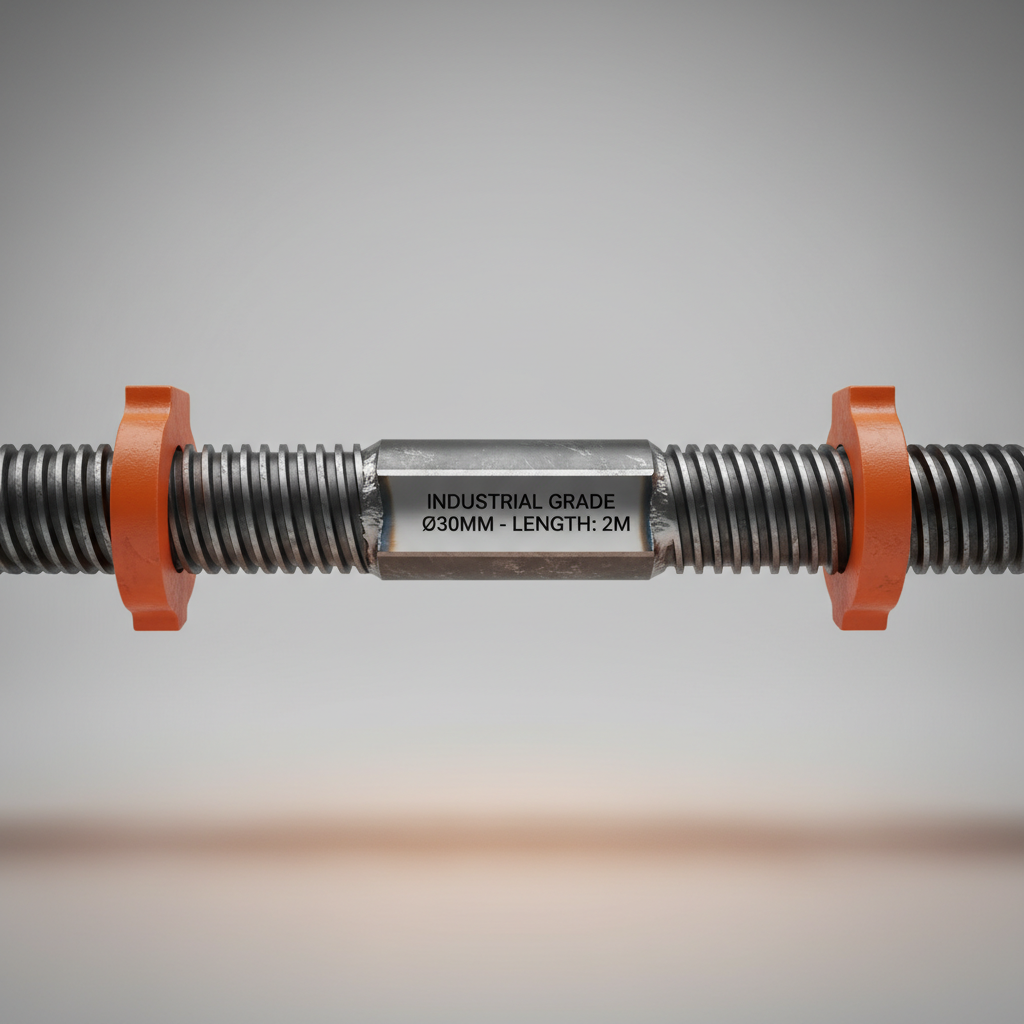
All thread rod, also known as threaded rod, is a vital component across a multitude of industries globally. Its simple yet robust design—a cylindrical rod with continuous threading—makes it incredibly versatile for a wide range of fastening and structural applications. From large-scale construction projects to intricate mechanical assemblies, all thread rod serves as a fundamental building block, enabling secure and reliable connections. Understanding its properties and applications is crucial for engineers, construction workers, and anyone involved in projects requiring strong, adjustable fastening solutions.
The global demand for all thread rod is intrinsically linked to infrastructure development, manufacturing output, and disaster relief efforts. According to estimates from the World Steel Association, global steel demand, a key indicator for all thread rod usage, continues to rise, driven by emerging economies and ongoing urbanization. However, challenges remain in ensuring consistent quality control, sustainable sourcing of materials, and efficient supply chain management to meet this escalating demand effectively. The inherent reliability and adaptability of all thread rod makes it invaluable in a world facing increasing infrastructure needs.
The need for robust and adaptable fastening solutions is paramount in modern industry and humanitarian response. All thread rod steps in as a cost-effective and readily available answer. In disaster situations, it's used in rapid construction of shelters and temporary infrastructure. In industrial settings, it's integral to machinery, support systems, and numerous other critical applications. Its versatility and strength contribute directly to safety, efficiency, and resilience across various sectors.
Introduction to all thread rod
All thread rod stands out due to its unique capability to be cut to any desired length and fitted with a variety of nuts and washers, enabling customized fastening solutions. This adaptability contrasts with pre-fabricated bolts, making all thread rod ideal for situations requiring specific lengths or non-standard configurations. Its widespread availability through suppliers like all thread rod distributors ensures projects can be completed efficiently.
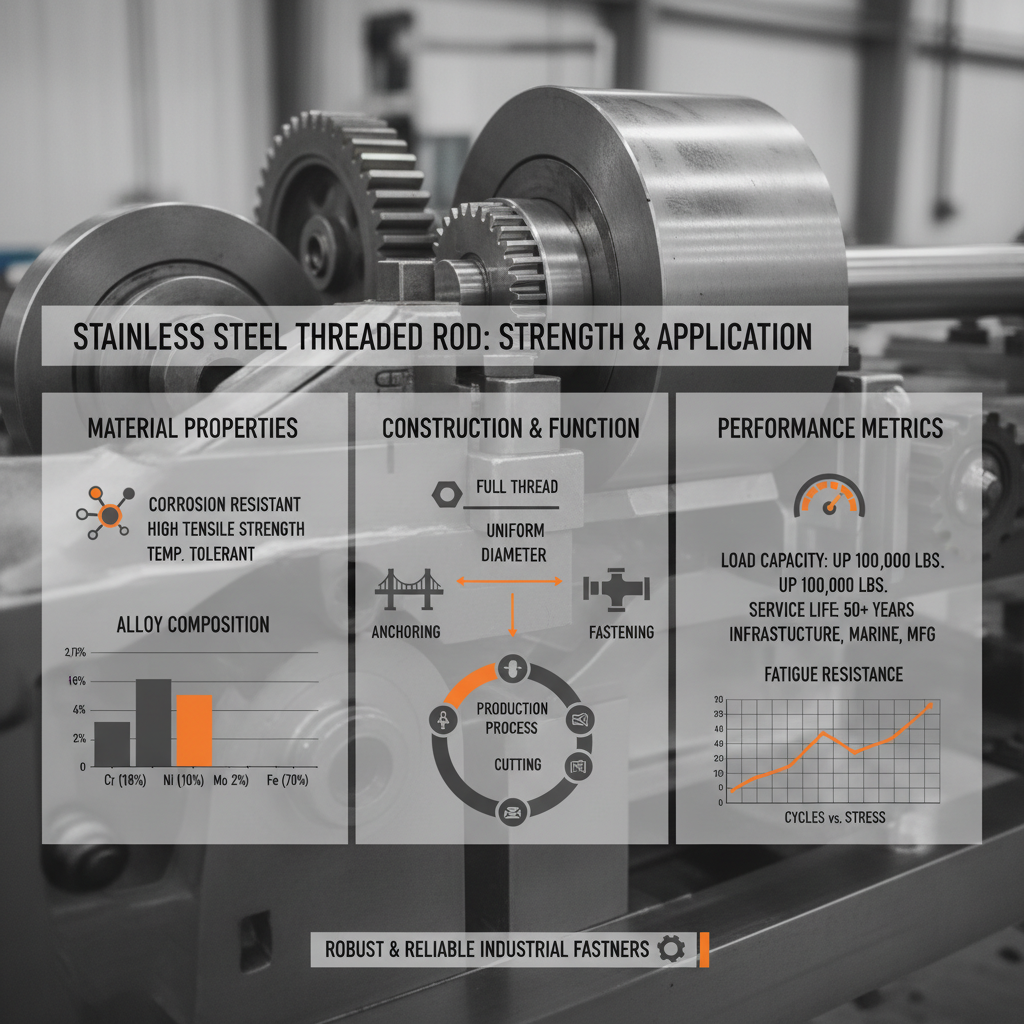
The material composition of all thread rod also significantly impacts its performance. Commonly manufactured from carbon steel, stainless steel, and alloy steels, the choice of material dictates the rod's strength, corrosion resistance, and suitability for different environments. Selecting the appropriate grade of all thread rod is crucial for ensuring the long-term integrity and safety of any application.
Defining All Thread Rod
In its simplest form, all thread rod is a cylindrical fastener entirely covered in threading from end to end. This continuous threading distinguishes it from bolts, which have threads only on a portion of their shaft. This full threading allows for a wide range of adjustments and connections, making it exceptionally versatile.
The core function of all thread rod is to provide a strong and adjustable connection between components. It’s often used with nuts to clamp materials together, acting as a tension device. Unlike welding or permanent fasteners, all thread rod allows for disassembly and readjustment, which is valuable in many applications.
Its relevance extends beyond construction; it's a crucial component in countless industrial processes, from supporting machinery to creating adjustable fixtures. The ability to easily adapt its length and attachment points positions it as a cornerstone of modern engineering.
Key Characteristics of All Thread Rod
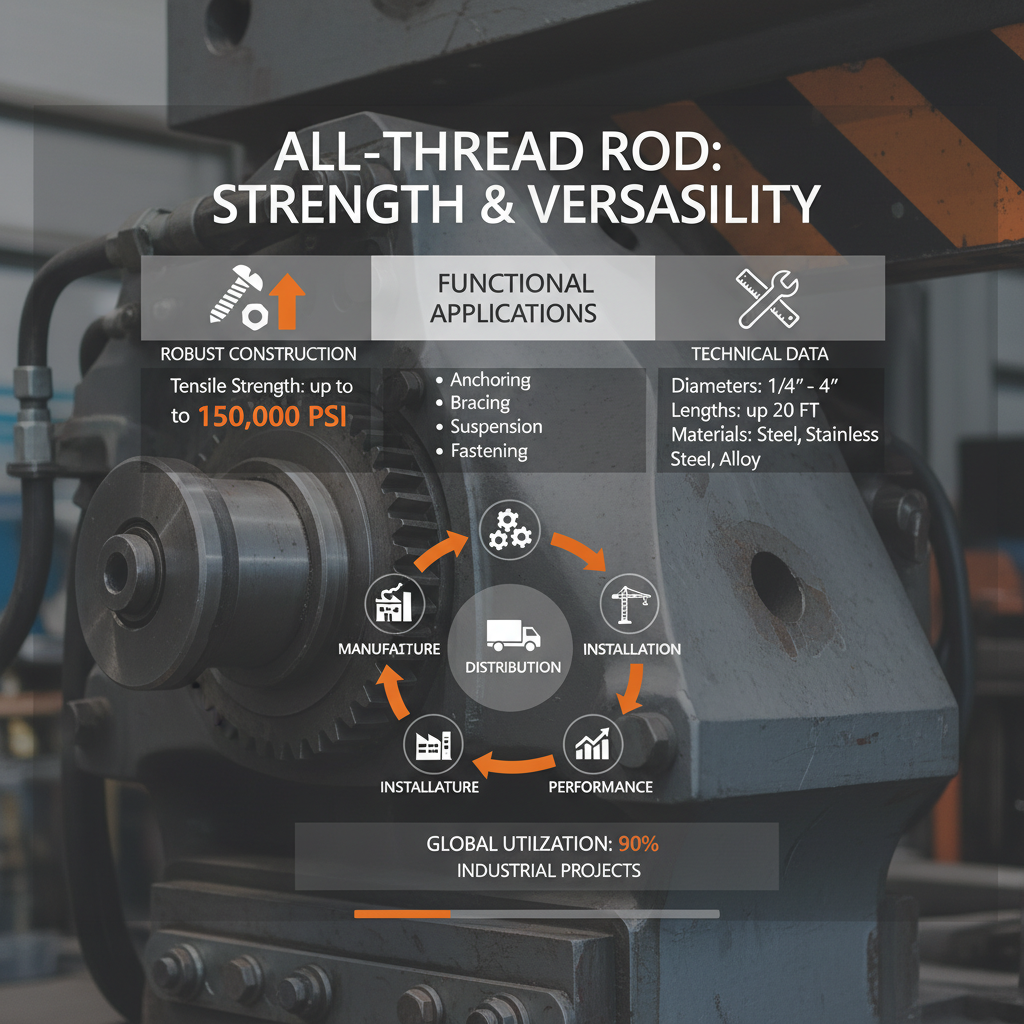
Durability is a primary characteristic. High-quality all thread rod, especially those made from stainless steel, can withstand significant tensile stress and resist corrosion, ensuring long-lasting performance in harsh environments. This reliability makes it ideal for critical applications where failure is not an option.
Scalability is another key feature. All thread rod can be easily cut to any length, offering unmatched flexibility in design and installation. This is particularly useful in situations where precise dimensions are crucial or when dealing with irregular shapes and spaces. Suppliers like all thread rod offer a variety of lengths and diameters to meet diverse project needs.
Cost efficiency also plays a significant role. Compared to other fastening methods like welding or specialized bolts, all thread rod often presents a more economical solution, particularly for smaller projects or when adjustability is required. The relative simplicity of its manufacture keeps costs down without sacrificing performance.
Applications Across Industries
The construction industry heavily relies on all thread rod for a multitude of applications, including anchoring bolts, suspension systems, and bracing structures. In bridge building, it is used to secure components and ensure structural integrity. Additionally, it is often utilized in the construction of high-rise buildings and other large-scale projects.
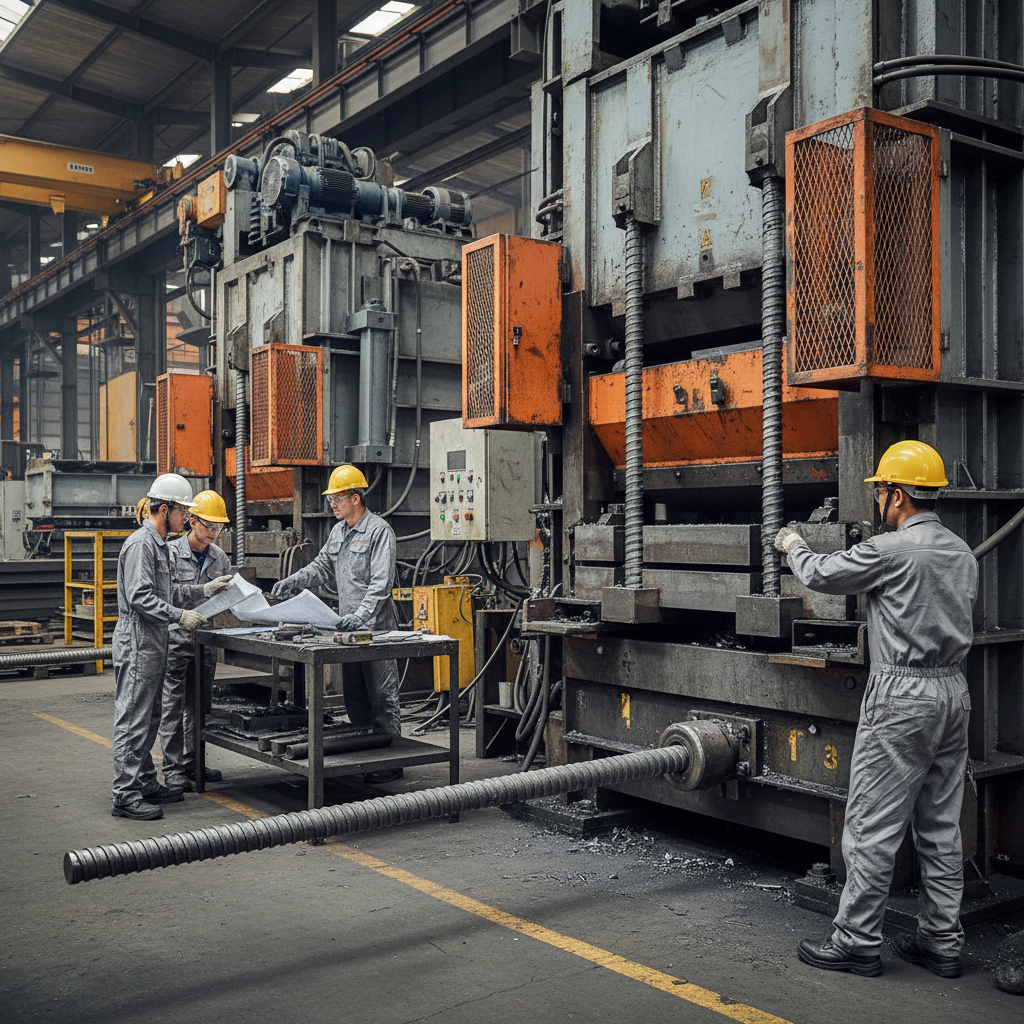
Manufacturing utilizes all thread rod extensively for machinery assembly, adjustable supports, and creating customized fixtures. In the automotive industry, it’s employed in engine components, suspension systems, and securing various parts. In remote industrial zones, readily available all thread rod can be a lifesaver for equipment repairs and modifications.
All Thread Rod Application Breakdown by Industry
Advantages and Long-Term Value
The primary benefit of using all thread rod lies in its cost-effectiveness. It frequently presents a more affordable solution compared to alternative fastening methods, particularly in scenarios requiring customization or adjustments. This translates to significant savings for projects of any scale.
Furthermore, its inherent reliability ensures long-term value. When correctly specified and installed, all thread rod offers a durable and dependable connection, minimizing the need for frequent repairs or replacements. This contributes to increased operational efficiency and reduced lifecycle costs.
Future Trends in All Thread Rod Technology
Innovation in materials science is driving the development of stronger, lighter, and more corrosion-resistant all thread rod options. New alloys and surface treatments are being explored to enhance performance in extreme environments. Companies like all thread rod suppliers are constantly adapting to these advancements.
The integration of digital technologies, such as smart sensors embedded within the rod, is also gaining traction. These sensors can monitor stress levels, detect potential failures, and provide real-time data for predictive maintenance, enhancing safety and preventing costly downtime.
Sustainability is becoming increasingly important, leading to the exploration of eco-friendly materials and manufacturing processes. Recycling of steel and the development of bio-based polymers for certain applications are areas of active research.
Challenges and Innovative Solutions
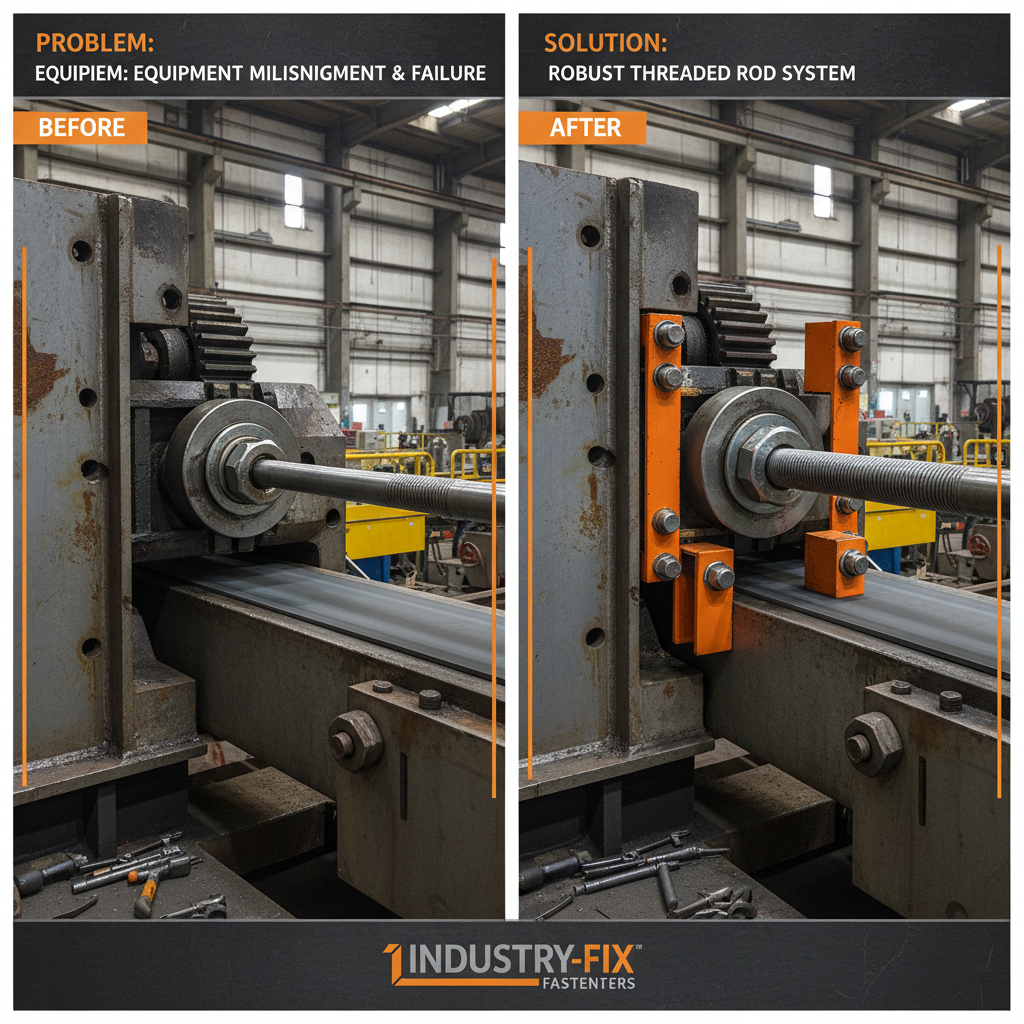
One common challenge is preventing loosening of the nuts due to vibration or thermal expansion. Solutions include the use of locking nuts, thread-locking adhesives, or specialized washers designed to maintain tension. Ensuring proper torque application during installation is also crucial.
Another issue is corrosion, particularly in marine or chemically aggressive environments. Selecting appropriate materials like stainless steel or applying protective coatings can mitigate this risk. Regular inspection and maintenance are also essential for identifying and addressing corrosion early on.
Finally, ensuring consistent quality control across the supply chain is paramount. Working with reputable suppliers, like established all thread rod providers, and implementing rigorous testing procedures can help guarantee the reliability and performance of the material.
Summary of Challenges and Solutions in All Thread Rod Applications
| Challenge |
Severity (1-10) |
Proposed Solution |
Implementation Cost (Low/Medium/High) |
| Nut Loosening |
7 |
Locking Nuts/Adhesives |
Low |
| Corrosion |
8 |
Stainless Steel/Coatings |
Medium |
| Material Fatigue |
6 |
Higher Grade Alloys |
High |
| Supply Chain Variability |
5 |
Verified Supplier Partnerships |
Medium |
| Improper Installation Torque |
6 |
Torque Wrench Calibration/Training |
Low |
| Thread Damage during Handling |
4 |
Protective Packaging/Careful Handling |
Low |
FAQS
The key difference lies in the threading. A bolt typically has threads only on a portion of its shaft, while all thread rod is threaded along its entire length. This full threading allows for greater adjustability and customized lengths, making all thread rod ideal for applications where a specific reach or non-standard size is required.
All thread rod is commonly manufactured from carbon steel, stainless steel (like 304 or 316), and alloy steels. Carbon steel is the most cost-effective option, while stainless steel provides superior corrosion resistance. Alloy steels offer enhanced strength and durability for demanding applications.
Determining the correct size requires assessing the load-bearing requirements of your application. Consider the tensile strength needed and the required length to effectively connect the components. Consulting with an engineer or referring to industry standards is highly recommended to ensure a safe and reliable connection.
In construction, all thread rod is frequently used for anchoring bolts, suspending ceilings or pipes, creating bracing systems, and connecting structural elements. It’s also vital in seismic retrofitting projects to reinforce existing structures against earthquake damage.
To prevent loosening, utilize locking nuts (nylon insert or all-metal), apply thread-locking adhesives, or employ specialized washers designed to maintain tension. Proper torque application during installation is also crucial for a secure connection.
Reputable suppliers like all thread rod distributors offer a wide selection of sizes, materials, and grades. Always prioritize quality and ensure the supplier provides certifications of material traceability and compliance with industry standards.
Conclusion
All thread rod remains an indispensable fastening solution across a multitude of industries due to its versatility, reliability, and cost-effectiveness. From its critical role in construction and manufacturing to its adaptability in disaster relief, all thread rod consistently provides secure and adjustable connections. Its inherent properties—durability, scalability, and ease of use—ensure its continued relevance in modern engineering and construction practices.
Looking forward, advancements in materials science and the integration of smart technologies promise to further enhance the performance and functionality of all thread rod. Emphasizing sustainable sourcing and implementing rigorous quality control measures will be crucial for meeting the evolving demands of a global market. By embracing innovation and prioritizing reliability, we can ensure that all thread rod continues to serve as a cornerstone of safe, efficient, and resilient infrastructure for generations to come.