Galvanized threaded rod plays a crucial role in modern infrastructure, offering a robust and cost-effective fastening solution across a multitude of industries. From securing structural steel in towering skyscrapers to providing reliable support in everyday plumbing systems, its applications are pervasive and essential. Understanding the properties, benefits, and applications of this material is paramount for engineers, construction professionals, and anyone involved in building and maintaining the world around us.
The global demand for galvanized threaded rod is intrinsically linked to growth in construction, manufacturing, and infrastructure development. Statistics from the World Steel Association consistently demonstrate a correlation between economic expansion and the increased use of steel products, including galvanized variants. This demand is particularly pronounced in emerging economies undergoing rapid urbanization and industrialization. Addressing the challenges of corrosion and ensuring long-term durability is a key driver behind the widespread adoption of galvanized threaded rod.
Galvanized threaded rod is essentially a steel rod coated with a layer of zinc. This zinc coating acts as a sacrificial anode, protecting the underlying steel from corrosion even if the coating is scratched or damaged. The threading allows for secure connections when used with compatible nuts and washers, making it a versatile component in countless assemblies. Its strength, affordability, and resistance to environmental degradation make it a preferred choice over alternative materials in many applications.
Introduction to Galvanized Threaded Rod
Galvanized threaded rod’s inherent strength and resistance to corrosion make it an ideal choice for countless structural applications. Whether holding together frameworks for solar panels, securing elements within pre-fabricated buildings, or serving as vital components in bridge construction, it consistently delivers reliable performance. Its relative ease of installation and compatibility with standard tools further contribute to its popularity.
The versatility of galvanized threaded rod allows for its integration into a diverse array of industries, impacting everything from telecommunications and energy production to residential building and agricultural infrastructure. Its widespread availability and competitive price point make it an accessible and practical solution for both large-scale projects and smaller repair tasks.
Defining Galvanized Threaded Rod
At its core, galvanized threaded rod is a steel rod featuring helical ridges – the threads – along its length. These threads enable the rod to be screwed into tapped holes or used with nuts to create a secure, clamp-force connection. The “galvanized” aspect refers to the coating of zinc applied to the steel, serving as a protective barrier against rust and corrosion. This process significantly extends the lifespan of the rod, particularly in outdoor or harsh environments.
The application of galvanization is a critical process. The most common method is hot-dip galvanization, where the steel is immersed in a bath of molten zinc. This creates a metallurgical bond between the zinc and the steel, ensuring a durable and long-lasting protective coating. Other galvanization methods, like electrogalvanization, offer different coating thicknesses and properties tailored to specific applications.
In the context of modern industry and humanitarian efforts, galvanized threaded rod provides a foundational building block. Its reliability is essential for creating stable structures in disaster relief scenarios, assembling temporary shelters, and constructing durable infrastructure in developing nations. It’s a fundamental component in maintaining the integrity and longevity of countless systems.
Key Properties of Galvanized Threaded Rod
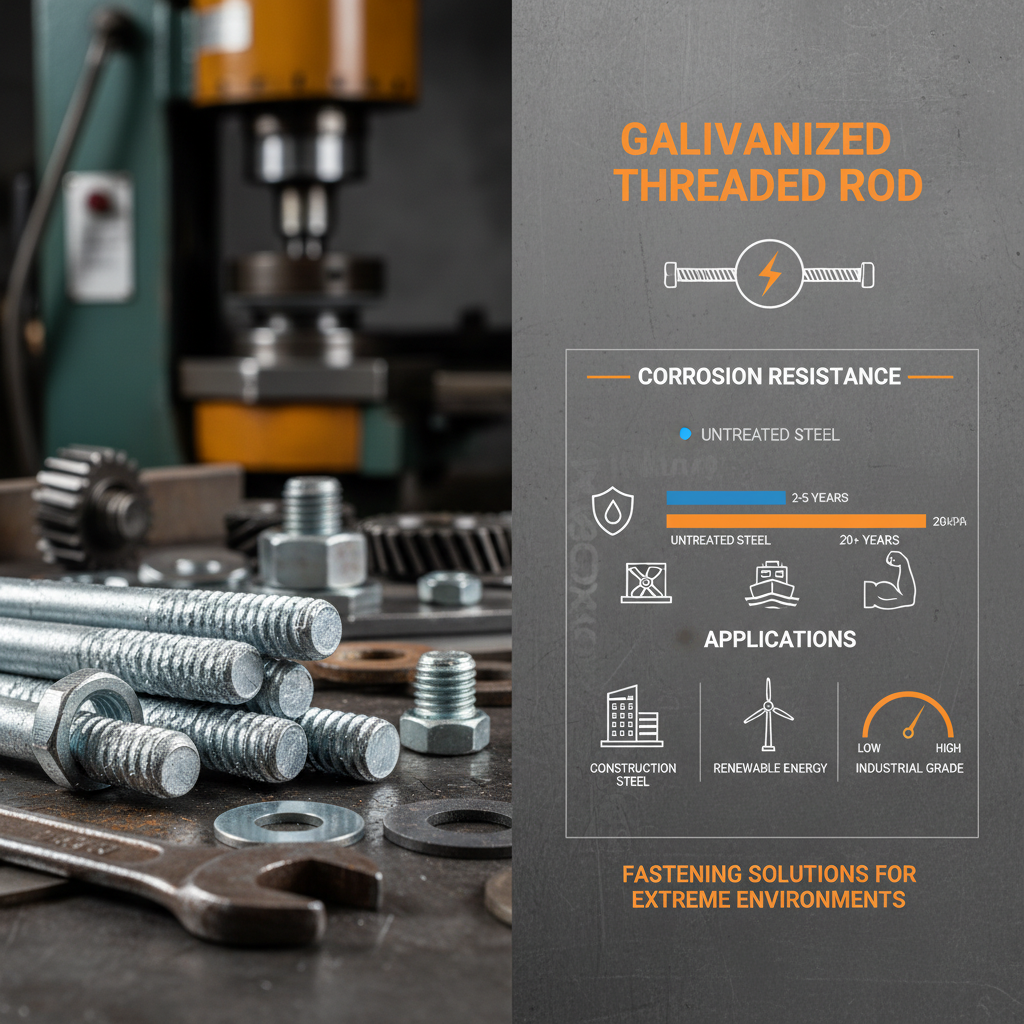
One of the most significant properties of galvanized threaded rod is its exceptional durability. The zinc coating provides excellent corrosion resistance, enabling it to withstand exposure to moisture, chemicals, and other corrosive elements. This makes it an ideal choice for outdoor applications and environments where corrosion is a concern.
The strength of galvanized threaded rod is another crucial property. Steel itself possesses high tensile strength, and the threading doesn’t significantly compromise this. This allows the rod to bear substantial loads and withstand considerable stress, making it suitable for structural applications. Different grades of steel are used in the manufacturing process, resulting in varying levels of strength to suit different requirements.
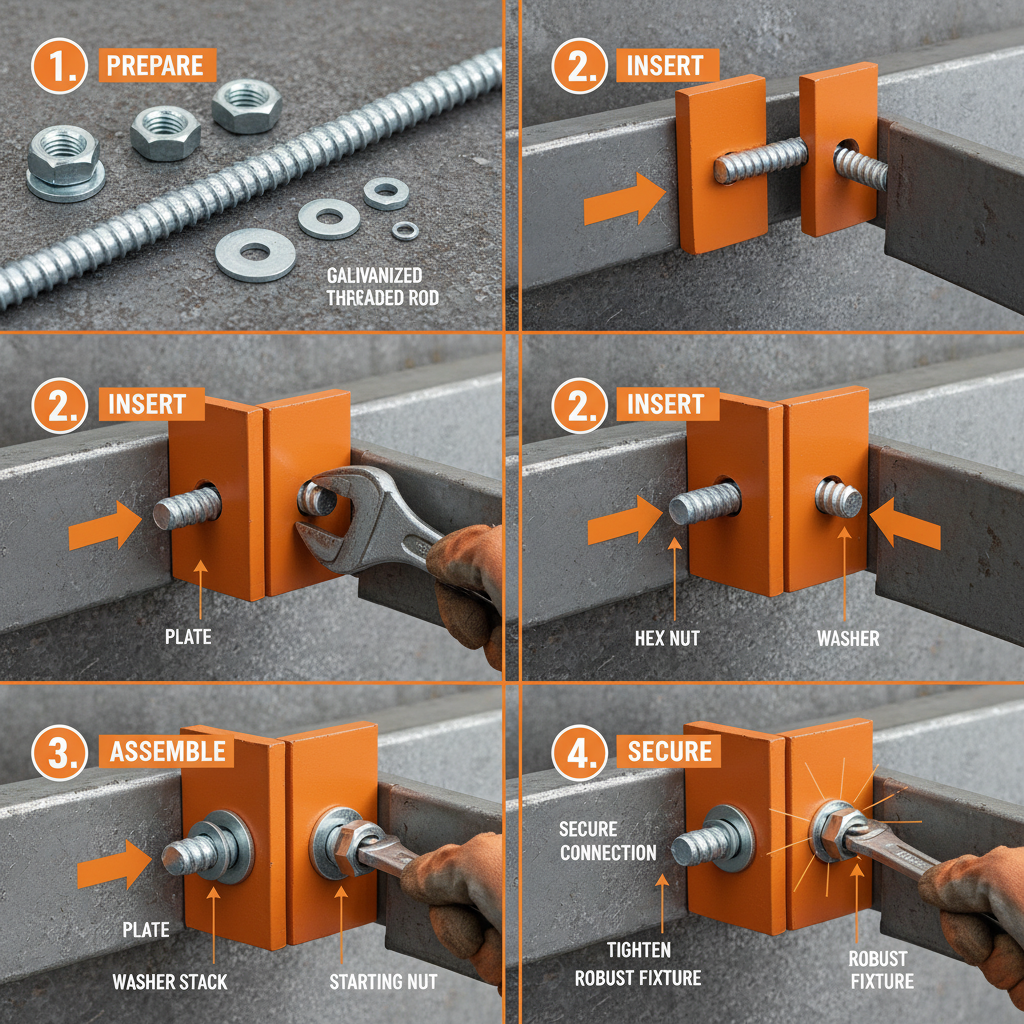
Galvanized threaded rod is remarkably versatile due to its compatibility with standard tooling and fastening techniques. It can be easily cut, threaded (if needed), and joined with nuts, washers, and other hardware, simplifying the assembly process. Its readily available and standardized dimensions further contribute to its ease of use.
Global Applications & Use Cases
Galvanized threaded rod is extensively used in the construction industry for structural support, framing, and securing building components. It's found in everything from commercial skyscrapers and residential housing to bridges and industrial facilities. In post-disaster relief operations, it’s crucial for quickly assembling temporary shelters, hospitals, and infrastructure repairs.
The agricultural sector relies on galvanized threaded rod for building fences, supporting irrigation systems, and constructing farm buildings. Its corrosion resistance is particularly valuable in this environment, where exposure to moisture, fertilizers, and animal waste is common. In remote industrial zones, it provides a dependable fastening solution for maintaining machinery, constructing pipelines, and securing equipment.
Telecommunications companies utilize galvanized threaded rod to mount antennas, secure cable trays, and support communication towers. The need for robust and weather-resistant materials in these applications makes galvanized steel a preferred choice. The renewable energy sector also depends on it extensively for mounting solar panels, securing wind turbine components, and building supporting structures.
Galvanized Threaded Rod Application Breakdown
Advantages and Long-Term Value
The primary advantage of using galvanized threaded rod is its exceptional cost-effectiveness. Compared to stainless steel or other corrosion-resistant materials, galvanized steel provides a comparable level of protection at a significantly lower price point. This makes it an accessible solution for a wide range of projects, particularly those with budget constraints.
From a sustainability standpoint, galvanized steel is a highly recyclable material. At the end of its lifespan, it can be readily recovered and reused, reducing the demand for virgin steel production and minimizing environmental impact. This aligns with growing global efforts to promote circular economy principles and reduce waste.
Future Trends in Galvanized Threaded Rod
Innovations in galvanization technology are continuously improving the performance and durability of galvanized threaded rod. Research into new zinc alloy coatings and advanced application techniques is extending the lifespan of the material and enhancing its resistance to specific corrosive environments.
The integration of digital technologies, such as sensor-embedded galvanized threaded rod, is emerging as a promising trend. These sensors can monitor stress levels, corrosion rates, and other critical parameters, providing valuable data for predictive maintenance and structural health monitoring.
Challenges and Solutions
One of the primary challenges associated with galvanized threaded rod is the potential for hydrogen embrittlement, particularly in high-strength steel. This phenomenon occurs when hydrogen atoms diffuse into the steel during the galvanization process, reducing its ductility and increasing its susceptibility to cracking.
To mitigate this risk, manufacturers employ techniques such as baking or cathodic protection to remove hydrogen from the steel. Careful control of the galvanization process and the selection of appropriate steel grades are also crucial. Research into alternative coatings with lower hydrogen permeability is ongoing.
Another challenge is the localized corrosion that can occur at damaged areas of the zinc coating. Implementing robust quality control measures during manufacturing and ensuring proper handling and installation practices can minimize the risk of damage. Regularly inspecting and maintaining galvanized structures is also essential for preserving their long-term integrity.
FAQS
The lifespan of galvanized threaded rod in a coastal environment can vary significantly depending on the salinity levels, exposure to saltwater spray, and the thickness of the zinc coating. Generally, a standard hot-dip galvanized coating can provide 10-20 years of protection, but in highly corrosive coastal areas, it may be necessary to use thicker coatings or supplementary corrosion protection measures. Regular inspections and maintenance are crucial to maximize its longevity.
Yes, galvanized threaded rod can be painted or powder coated, but proper surface preparation is essential for ensuring good adhesion. The surface must be thoroughly cleaned to remove any oil, grease, or zinc salts. Using a zinc-rich primer is highly recommended, as it provides additional corrosion protection and promotes better adhesion of the topcoat. Avoid using paints that are acidic or contain solvents that can attack the zinc coating.
Common steel grades used in galvanized threaded rod include low carbon steel (such as 1018), medium carbon steel, and alloy steel. The choice of steel grade depends on the required strength, ductility, and corrosion resistance. Higher-strength grades offer greater load-bearing capacity, while alloy steels provide improved corrosion resistance and toughness. The specific grade used will be indicated in the product specifications.
Hot-dip galvanization provides a thicker and more durable coating than electrogalvanization, offering superior corrosion protection. It involves immersing the steel in molten zinc, creating a metallurgical bond. Electrogalvanization uses an electrical current to deposit a thin layer of zinc. While electrogalvanization offers a smoother finish, it is less resistant to corrosion and abrasion, making it suitable for less demanding applications.
Cutting or threading galvanized threaded rod can release zinc fumes, which are harmful if inhaled. It’s essential to wear a respirator and work in a well-ventilated area. Safety glasses should be worn to protect the eyes from flying debris. Gloves are also recommended to prevent skin irritation. Proper disposal of zinc-containing waste materials is crucial to minimize environmental impact.
The suitability of galvanized threaded rod for direct contact with potable water is a complex issue and depends on local regulations and specific application requirements. While galvanized coatings are generally considered safe, there is a potential for zinc leaching into the water, particularly in the initial stages. For applications involving potable water, it's recommended to use stainless steel or other materials specifically approved for drinking water systems.
Conclusion
In conclusion, galvanized threaded rod remains an indispensable material across a vast spectrum of industries, providing a reliable, cost-effective, and sustainable fastening solution. Its inherent durability, corrosion resistance, and versatility make it ideal for applications ranging from large-scale infrastructure projects to everyday repairs. Understanding its properties and applications is crucial for engineers, construction professionals, and anyone involved in building and maintaining our world.
Looking ahead, continued innovation in galvanization technology and the integration of smart materials and digital monitoring systems will further enhance the performance and value of galvanized threaded rod. Investing in research and development, promoting sustainable manufacturing practices, and adhering to stringent quality control standards will ensure its continued relevance and contribute to a more resilient and sustainable future.