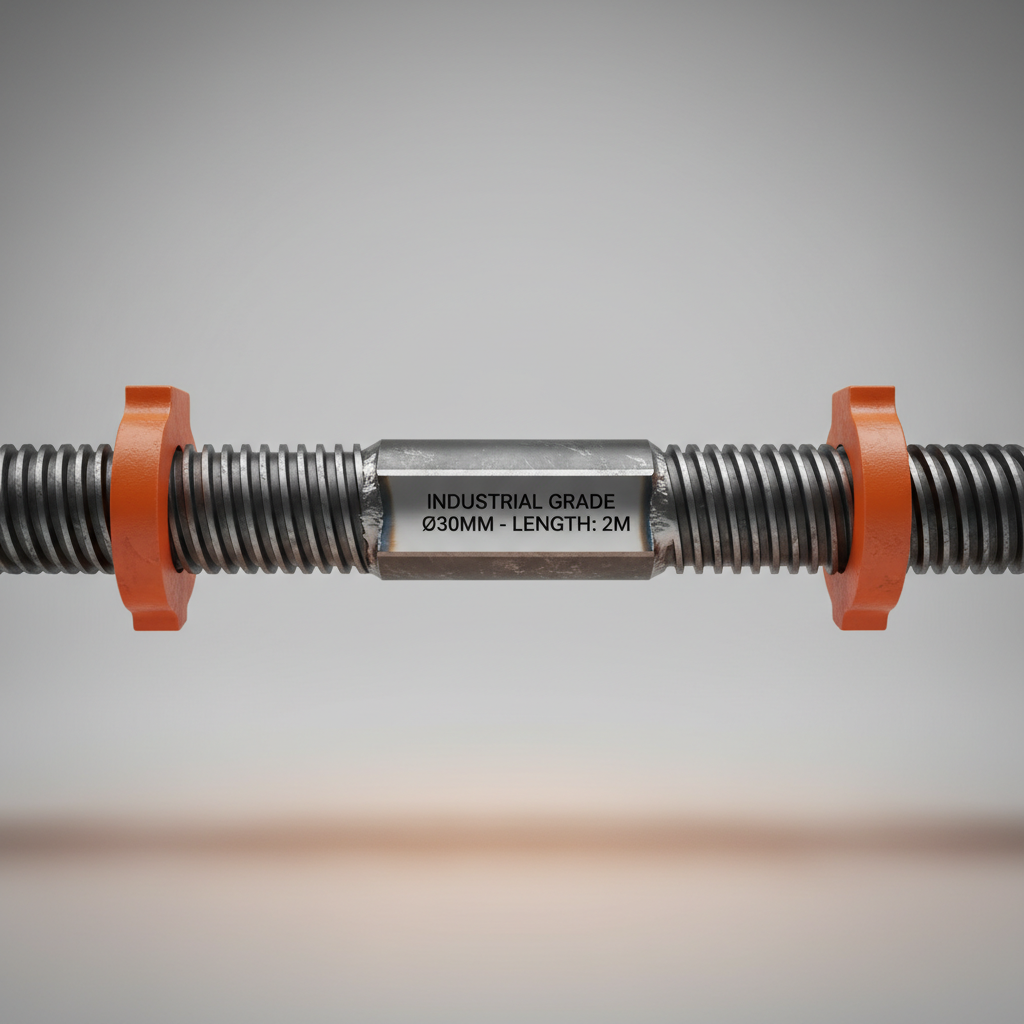
Look, I’ve spent the last fifteen years knee-deep in concrete, dust, and blueprints. I’ve seen projects succeed and fail, and a lot of that comes down to the basics – reliable materials. And when it comes to joining things together, especially when strength and longevity are critical, you can’t beat a good threaded metal rod. It’s the workhorse of construction, infrastructure, and frankly, a lot of things people don’t even think about. We're talking about everything from securing handrails to anchoring massive steel structures.
The thing about threaded metal rod is it’s not glamorous, but it’s essential. It's a deceptively simple piece of hardware that's constantly taking on stress, holding things together against forces you wouldn’t believe. I’ve seen cheaper alternatives fail, costing projects time, money, and sometimes, putting people at risk. That’s why understanding the different types, grades, and applications of these rods is so crucial for anyone involved in building, from the engineer designing the system to the guy tightening the nut on the job site.
And it's not just about construction anymore. I'm seeing more and more innovative uses pop up in areas like renewable energy – securing solar panel arrays, for example – and even in specialized applications like seismic retrofitting. The demand is global, and the need for quality and reliability is only increasing. That’s where companies like HBTBLS come in; they understand the importance of a dependable supply chain and consistent product quality.
The Importance of Threaded Metal Rods in Modern Construction
You know, I’ve seen a lot of materials come and go over the years. But threaded metal rod remains a staple. It’s the silent partner in almost every structure we build. It’s not about fancy new tech; it’s about reliable performance under pressure. The global construction industry is massive – the UN estimates it accounts for over 6% of global GDP. This means a huge demand for essential components like these rods, and consistent quality is paramount.
The challenge is ensuring that the rods used meet the required standards and can withstand the stresses of modern construction. We're building bigger, taller, and more complex structures than ever before, and that demands stronger, more durable connections. Failures in these connections can have catastrophic consequences, which is why I always advocate for using reputable suppliers and conducting thorough quality control checks.
Defining Threaded Metal Rods: A Practical Overview
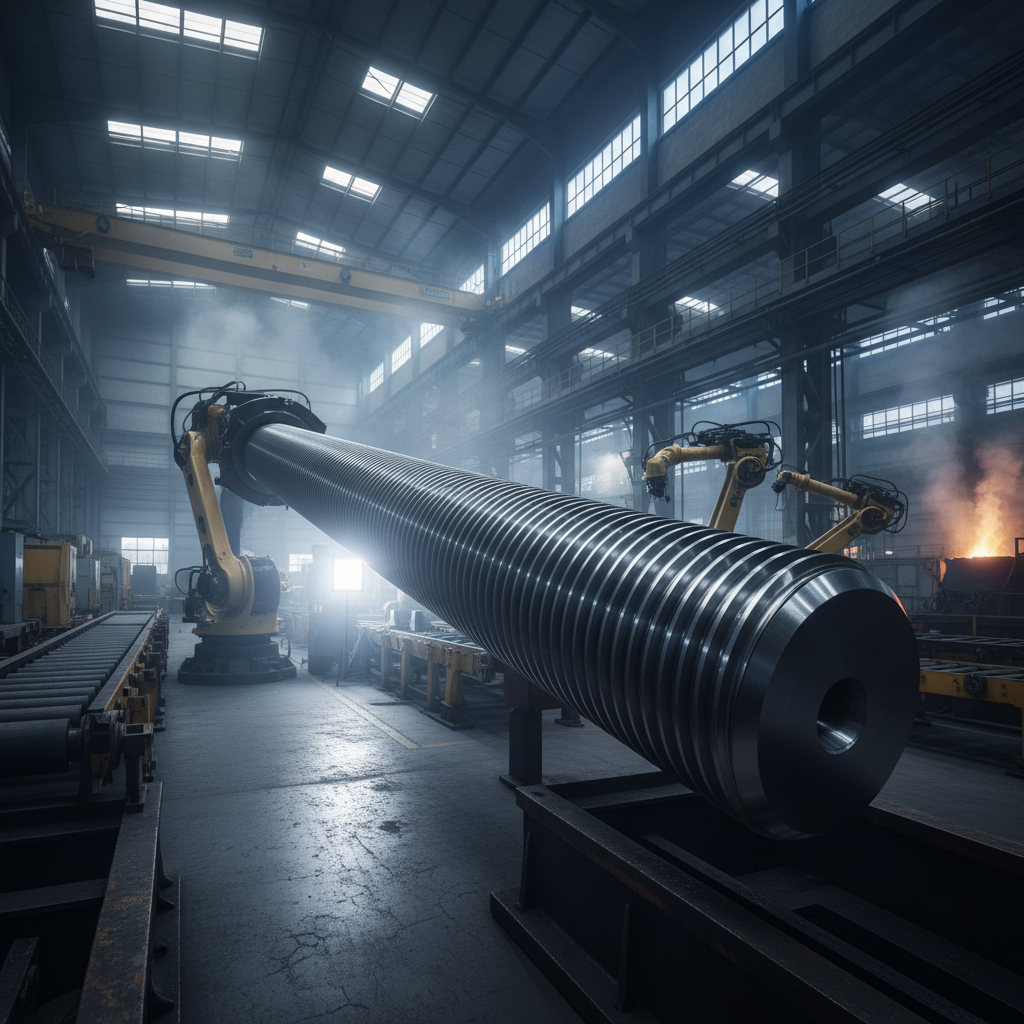
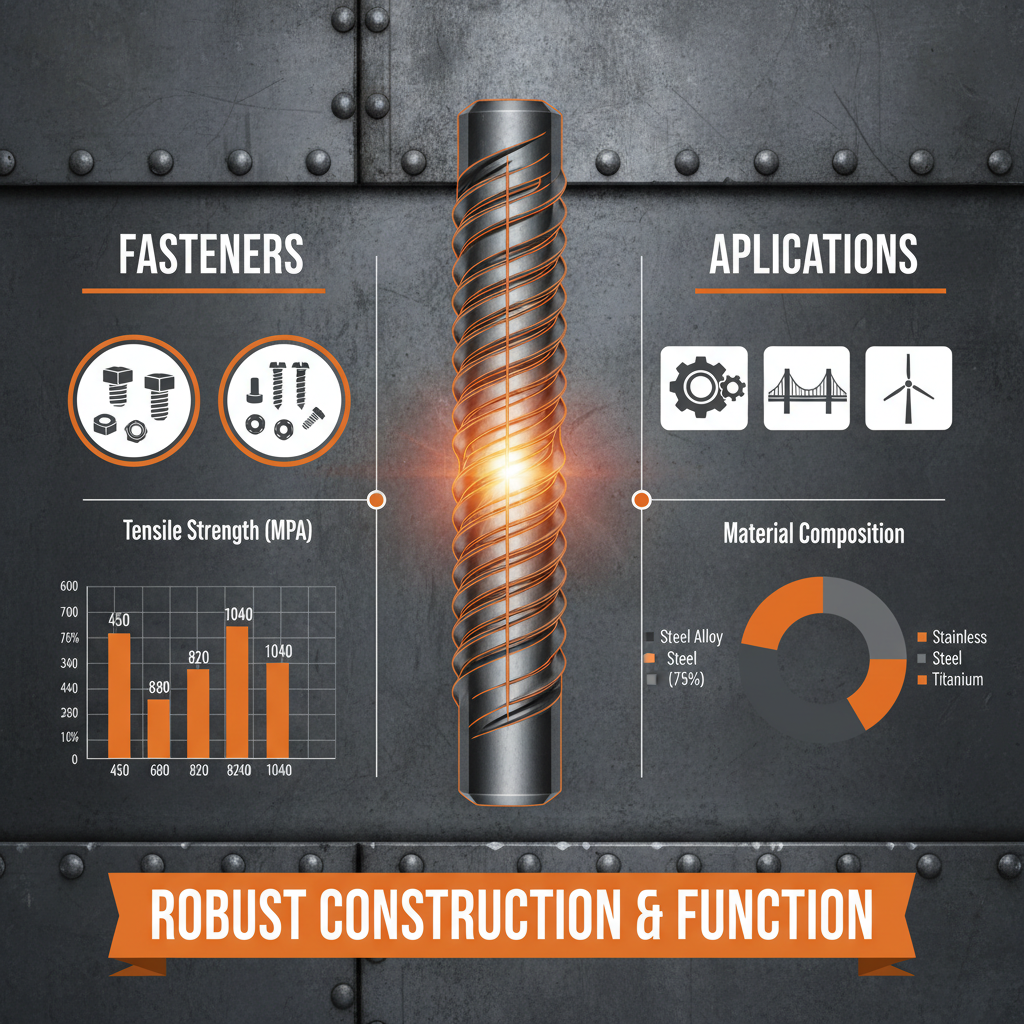
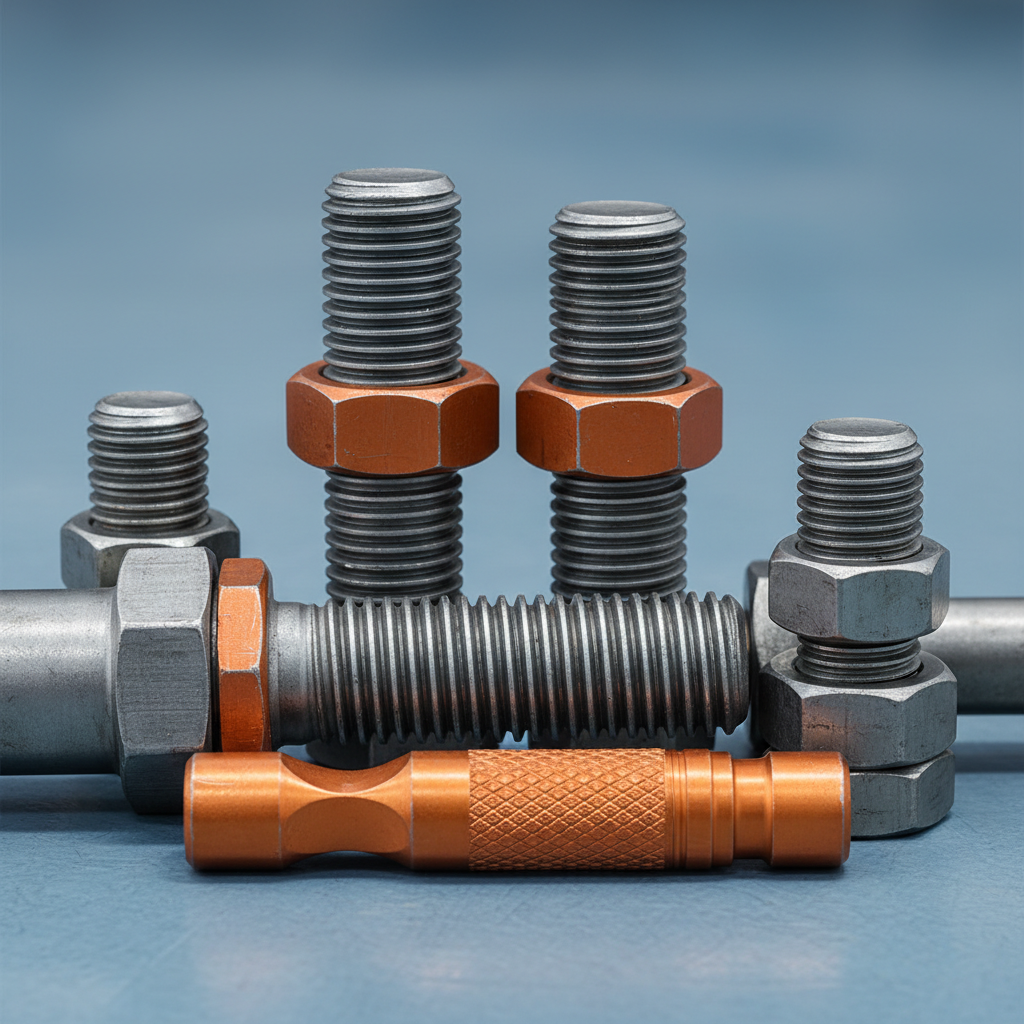
Okay, let's get down to basics. A threaded metal rod, at its simplest, is a cylindrical metal bar with helical threads machined along its length. These threads allow it to be screwed into tapped holes or used with nuts to create a strong, secure fastening. They come in a variety of materials - carbon steel, stainless steel, alloy steel – each chosen for its specific properties.
What’s important to understand is that it’s not just about screwing something together. It’s about creating a mechanical connection that can resist tensile, shear, and bending forces. This makes them vital in structural applications. They’re a fundamental component connecting us to modern industry. Think about bridges, skyscrapers, even the machinery we use every day – all rely on these seemingly simple components.
From a humanitarian standpoint, these rods are also crucial for rapid deployment housing and infrastructure in disaster relief. They allow for quick assembly of shelters and essential facilities, providing immediate support to affected communities. That's something I really appreciate – knowing a tool I use every day can also contribute to helping others.
Key Characteristics of High-Quality Threaded Metal Rods
When I’m on a job site, I’m looking for a few key things in a threaded metal rod. First, it’s the material. Different projects call for different grades of steel. You've got your standard carbon steel for general applications, stainless steel for corrosion resistance, and alloy steels for high-strength applications. Second, the thread quality is critical. Threads need to be clean, consistent, and accurately formed to ensure proper engagement with nuts and tapped holes.
Durability is another big factor. The rod needs to be able to withstand repeated stress and strain without failing. This is where heat treatment and proper manufacturing processes come into play. A well-made rod will have a uniform hardness and tensile strength throughout its length. And finally, dimensional accuracy is key. The diameter and length of the rod need to be precise to ensure it fits properly into the assembly.
Scalability is also important. Can the supplier consistently deliver the quantity and sizes you need, on time and within budget? Cost-efficiency is obviously a consideration, but you can’t sacrifice quality for price. A cheaper rod that fails will end up costing you far more in the long run. That's why working with a reliable supplier like HBTBLS is so important.
Global Applications and Use Cases of Threaded Metal Rods
I've used threaded metal rod in projects all over the world. In North America, they're the backbone of high-rise construction and infrastructure projects like bridges and tunnels. In Europe, they’re heavily used in historical restoration work, where preserving the integrity of existing structures is paramount. And in Asia, particularly in rapidly developing countries, they’re essential for building the infrastructure needed to support economic growth.
Think about the renewable energy sector - wind turbines rely heavily on high-strength threaded rods to secure blades and towers. In the automotive industry, they’re used in everything from engine components to suspension systems. And even in the aerospace industry, they play a crucial role in aircraft construction. The versatility is incredible.
Threaded Metal Rod Application Breakdown
The Advantages of Utilizing Threaded Metal Rods
Let's be real, the biggest advantage of threaded metal rod is its reliability. When you tighten that nut, you know it's going to hold. It’s a simple, proven technology. Cost-wise, compared to some of the more complex fastening systems out there, it’s incredibly efficient. You don’t need specialized tools or highly trained personnel to install it.
From a sustainability perspective, steel is a highly recyclable material, which reduces the environmental impact of using these rods. And, because they're so durable, they contribute to the longevity of structures, reducing the need for frequent repairs and replacements. A well-maintained structure built with quality materials is a sustainable structure.
Future Trends and Innovations in Threaded Metal Rod Technology
We're starting to see some interesting developments in the world of threaded metal rod. One trend is the development of new alloy steels with even higher strength and corrosion resistance. Another is the use of surface treatments like coatings and platings to further enhance durability and performance.
Digitalization is also playing a role. We’re seeing the integration of sensors into these rods to monitor stress levels and detect potential failures. This kind of predictive maintenance can significantly improve safety and reduce downtime. And as we move towards more automated construction processes, we'll likely see robotic systems used to install these rods with greater precision and efficiency.
Challenges and Solutions in Threaded Metal Rod Implementation
Look, no material is perfect. One challenge with threaded metal rod is the potential for corrosion, especially in harsh environments. The solution? Using stainless steel or applying protective coatings. Another issue is proper installation – overtightening can damage the threads, while undertightening can lead to loosening. That's where training and adherence to industry best practices come in.
Supply chain disruptions can also be a problem, especially with global events impacting material availability. That’s why it’s important to work with suppliers who have diversified sourcing options and robust inventory management systems. And finally, ensuring traceability and quality control throughout the manufacturing process is critical to prevent substandard products from reaching the job site.
Here's a quick breakdown of common challenges and solutions:
Summary of Challenges and Solutions for Threaded Metal Rod Implementation
| Challenge |
Impact Area |
Severity (1-10) |
Proposed Solution |
| Corrosion |
Structural Integrity |
7 |
Use Stainless Steel or Protective Coatings |
| Improper Installation |
Connection Reliability |
8 |
Training & Adherence to Standards |
| Supply Chain Disruptions |
Project Timelines |
6 |
Diversified Sourcing & Inventory |
| Material Defects |
Safety & Performance |
9 |
Rigorous Quality Control & Traceability |
| Thread Damage During Handling |
Connection Strength |
5 |
Protective Packaging & Careful Handling |
| Lack of Standardization |
Interoperability & Compatibility |
4 |
Adoption of Industry Standards (ISO, ASTM) |
FAQS
For outdoor applications, especially those exposed to the elements, stainless steel (typically 304 or 316) is your best bet. These grades offer excellent corrosion resistance. If stainless isn’t in the budget, carbon steel with a hot-dip galvanized coating is a good alternative, but it won’t last as long. We've seen galvanized rods hold up for a decade or more with proper maintenance, but stainless is always the preferred choice for longevity and minimal upkeep.
Thread damage is a common problem. First, always use the correct size wrench or socket and apply even pressure. Avoid cross-threading by starting the rod straight into the nut or tapped hole. A drop of lubricant can help the threads engage smoothly and reduce friction. And never overtighten – you can strip the threads and compromise the connection. Torque wrenches are great for precision tightening.
UNC (Unified National Coarse) and UNF (Unified National Fine) refer to the thread pitch – the distance between the threads. UNC threads are more common and provide faster assembly. UNF threads are more resistant to loosening due to vibration and are often used in applications where security is critical. The choice depends on the specific application and the loads involved.
It depends. If the threads are undamaged and the rod hasn’t been subjected to excessive stress, it might be re-usable. However, I generally don’t recommend it, especially in critical applications. The risk of hidden damage or thread weakening is too high. It’s always best to use a new rod to ensure a reliable connection. It’s a small cost compared to the potential consequences of a failure.
Look for certifications like ISO 898-1 for metric rods and ASTM A307 or A36 for imperial rods. These certifications ensure that the rods meet specific quality and performance standards. Also, check for mill test reports (MTRs) that provide detailed information about the material composition and mechanical properties of the rod. These reports are your assurance of quality.
Calculating the correct length involves accounting for several factors. You need to consider the thickness of the materials being joined, the depth of engagement in tapped holes, the length of the nut, and any necessary washers. It's best to add a little extra length for ease of installation and adjustment. There are online calculators available, but always double-check your measurements to ensure accuracy. A slightly longer rod is much better than one that's too short!
Conclusion
So, after all these years on job sites, one thing is clear: the threaded metal rod isn't going anywhere. It remains a foundational component in construction, infrastructure, and a growing number of industries. Its reliability, cost-effectiveness, and versatility make it an indispensable tool for engineers, builders, and anyone involved in creating a lasting structure.
Investing in quality rods and proper installation techniques is critical. Don’t cut corners on something so fundamental. And remember, a reliable supplier like HBTBLS can provide the expertise and support you need to ensure success. Visit their website at www.hbtbls.com to learn more about their products and services.