Look, I've been around construction sites my entire career. I’ve seen a lot of fasteners come and go, and let me tell you, a good partially threaded rod can be the difference between a project running smoothly and a complete headache. It’s not just about holding things together; it’s about efficiency, safety, and ultimately, getting the job done right. We're talking about a fundamental building block, and when it works well, it's almost invisible. But when it doesn't... well, you'll hear about it, trust me.
What I appreciate about a quality partially threaded rod is its versatility. You're not always dealing with perfectly aligned holes or predictable loads. Sometimes you need that unthreaded section to allow for adjustments, for running electrical conduit, or just to give you some wiggle room during assembly. I’ve seen crews spend hours re-tapping holes or using shims because they skimped on the right fastener, and that time adds up. Partially threaded rod solves a lot of those on-site problems.
And honestly, in today's market, with labor shortages and rising material costs, every little bit of efficiency counts. Using the right tools and materials – and that includes fasteners – is a direct investment in your bottom line. It's about doing more with less, and a reliable, well-engineered partially threaded rod is a critical part of that equation. Don’t underestimate the importance of something seemingly simple.
The Role of Partially Threaded Rod in Modern Construction
These aren't your granddad's bolts anymore. Modern construction demands more flexibility. Prefabrication, modular building, complex geometries... these all rely on fasteners that can adapt. Partially threaded rod fills that gap beautifully. It allows for adjustments during assembly, accommodates different material thicknesses, and simplifies installations in tight spaces. I’ve seen them used extensively in steel framing, mechanical installations, and even seismic retrofitting projects.
The trend toward off-site construction is huge, and that’s where having reliable, adaptable fasteners like these really shines. It speeds up the process, reduces waste, and ultimately improves the quality of the final product.
Understanding the Global Demand for Reliable Fasteners
Look, the construction industry is a global beast. From the skyscrapers in Shanghai to the bridges in Brazil, everyone needs fasteners. And the demand is only increasing, especially in developing nations undergoing rapid infrastructure development. The UN estimates that over the next few decades, we'll need to build infrastructure to support billions more people, and that’s a massive undertaking.
What concerns me is maintaining quality. There's a lot of cheap stuff flooding the market, and that can lead to failures, delays, and even tragedies. A compromised fastener in a critical application can have devastating consequences. That's why sourcing from reputable suppliers – and using materials that meet internationally recognized standards (like ISO) – is absolutely crucial.
The World Bank also highlights the need for resilient infrastructure, especially in regions prone to natural disasters. That means using materials that can withstand extreme conditions, and that includes fasteners that won't corrode or fail under stress. Partially threaded rod, especially those with specialized coatings, play a vital role in ensuring that resilience.
Defining Partially Threaded Rod: Beyond Basic Fastening
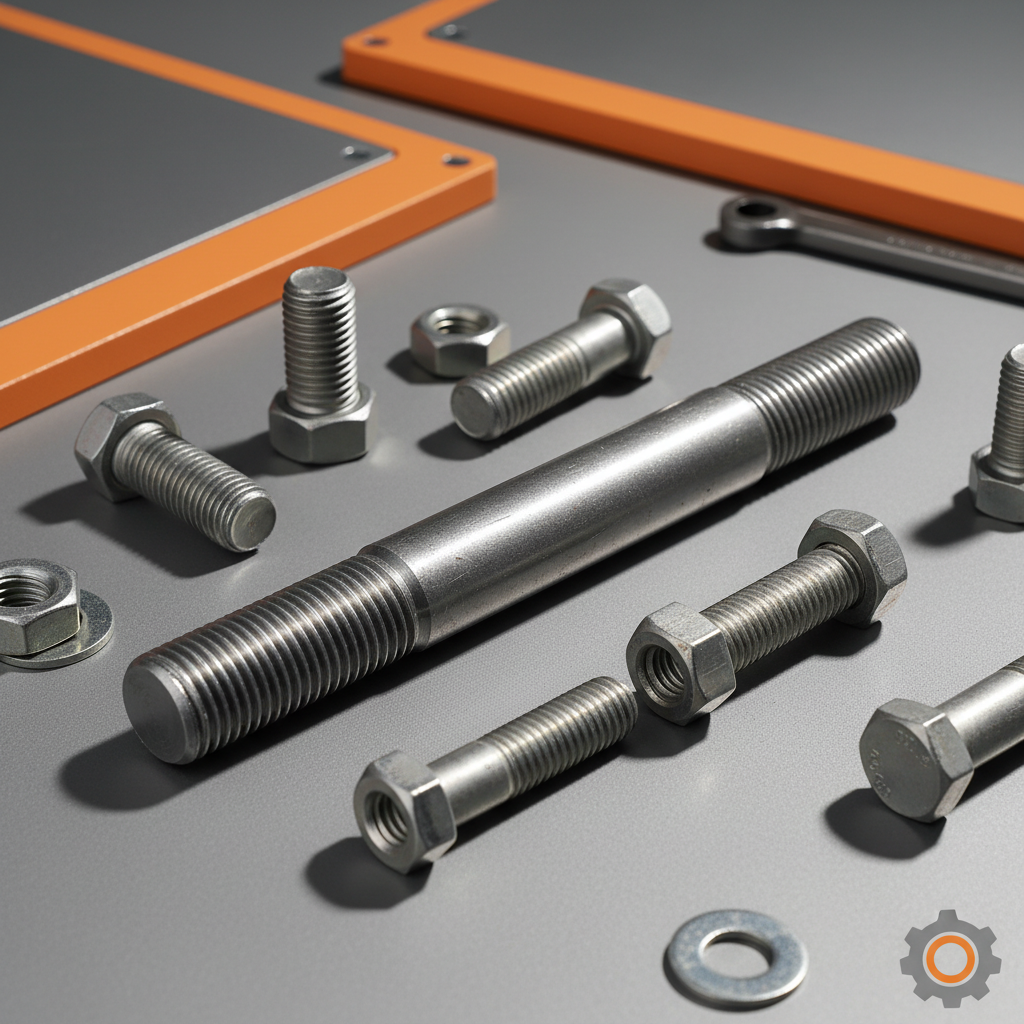
Okay, let's cut through the jargon. A partially threaded rod isn't just a bolt with some threads missing. It’s a deliberately engineered component. Typically, you’ll have a fully threaded section for initial engagement and tightening, and then an unthreaded section designed for specific purposes – allowing movement, accommodating varying material thicknesses, or providing space for conduits or other components.
It's different from a fully threaded rod because it provides that extra degree of freedom. You aren’t rigidly fixing everything in place. This is critical in applications where thermal expansion or vibration is a concern. You don't want those stresses building up and potentially causing a failure. Think about mounting pipes or securing equipment – those situations often require a degree of flexibility.
This isn’t a new concept, mind you. But the precision manufacturing and material science behind modern partially threaded rods have made them far more reliable and versatile than ever before. We're talking about tighter tolerances, stronger alloys, and specialized coatings to resist corrosion and wear.
Core Characteristics: Strength, Adjustability, and Cost-Effectiveness
When I'm evaluating a fastener, I look at three main things: strength, adjustability, and cost. Strength is obvious – it has to be able to handle the load. Adjustability is what sets a partially threaded rod apart. And cost… well, you always have to consider the budget, but cheaping out on critical components is rarely a smart move.
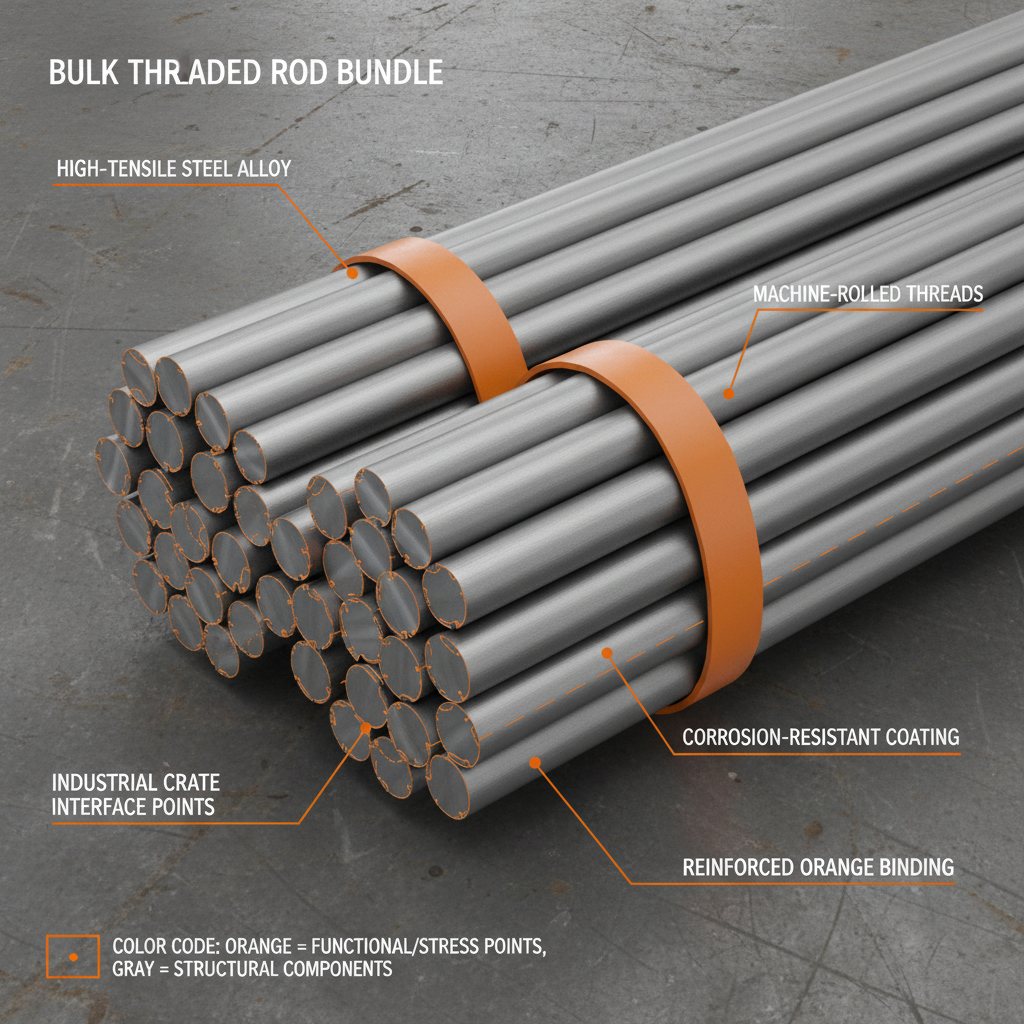
The strength of partially threaded rod comes from the material – typically high-strength steel alloys. But it's also about the manufacturing process. Proper heat treatment and quality control are essential to ensure consistent performance.
Partially Threaded Rod Performance Metrics
Real-World Applications: From Infrastructure to Prefabrication
I've seen these rods used in everything from suspending HVAC systems from concrete ceilings to securing cladding panels on modern buildings. They're perfect for applications where you need to allow for some movement or adjustment. I’ve even seen them used in bridge construction for anchoring components to the main structure.
In prefabrication, they are lifesavers. You can assemble sections off-site, knowing that you have some flexibility to fine-tune the alignment when you're putting everything together on location. That’s a huge time saver and reduces the risk of costly errors.
The Long-Term Value Proposition of Quality Partially Threaded Rod
Look, you can save a few bucks upfront by buying cheaper fasteners, but you’ll pay for it in the long run. Failures lead to downtime, repairs, and potentially even safety hazards. A good quality partially threaded rod is an investment in the durability and reliability of your project.
It's about peace of mind. Knowing that your fasteners are going to hold up under pressure, withstand the elements, and keep your structure safe and sound. That's worth a lot.
And let’s not forget about sustainability. Using durable materials reduces the need for replacements, minimizing waste and conserving resources.
Future Trends and Innovations in Fastener Technology
We’re starting to see a lot of innovation in the fastener space, driven by the need for more sustainable and efficient construction practices. New alloys with increased strength and corrosion resistance are constantly being developed.
Digital technologies are also playing a role. Smart fasteners with embedded sensors can monitor stress levels and provide early warnings of potential failures. And 3D-printed fasteners are becoming increasingly viable, allowing for customized designs and on-demand production.
I also think we'll see more emphasis on traceability and transparency in the supply chain. Knowing exactly where your fasteners come from and how they were manufactured will become increasingly important as we strive for greater accountability and quality control.
Overview of Partially Threaded Rod Performance Characteristics
| Material Composition |
Corrosion Resistance |
Tensile Strength (MPa) |
Cost-Effectiveness (Scale 1-10) |
| Carbon Steel |
Moderate (with coating) |
600 |
8 |
| Stainless Steel 304 |
Excellent |
500 |
6 |
| Stainless Steel 316 |
Superior |
550 |
5 |
| Alloy Steel (High Strength) |
Moderate (with coating) |
800 |
7 |
| Galvanized Steel |
Good |
400 |
9 |
| Duplex Stainless Steel |
Outstanding |
650 |
4 |
FAQS
The primary difference is the unthreaded section of a partially threaded rod. This allows for movement, accommodating different material thicknesses, or providing space for other components. Fully threaded rods offer a rigid connection, while partially threaded rods offer more flexibility. Choosing the right one depends entirely on the application’s specific needs.
That depends on the application, but as a rule of thumb, consider the amount of adjustment or movement needed. Factor in the thickness of the materials being joined, space required for any conduits or wiring, and any potential thermal expansion or vibration. It’s always better to err on the side of slightly longer than shorter.
Common materials include carbon steel, stainless steel (304, 316), and alloy steel. For the best corrosion resistance, stainless steel 316 is the go-to choice, especially in marine environments or applications exposed to harsh chemicals. It contains molybdenum, which significantly enhances its resistance to pitting and crevice corrosion.
Absolutely. Coatings like zinc plating, hot-dip galvanizing, and specialized polymer coatings can provide an extra layer of protection. However, be mindful of the coating's compatibility with the surrounding materials to avoid galvanic corrosion. For very demanding environments, a duplex coating system might be necessary.
High-grade alloy steel partially threaded rods can typically achieve tensile strengths between 800 and 1000 MPa (megapascals). However, it's crucial to check the manufacturer’s specifications to ensure the rod meets the required load-bearing capacity for your application. Always factor in a safety margin.
Partially threaded rods are generally a bit more expensive than fully threaded rods due to the additional manufacturing process. However, the added flexibility and reduced installation time can often offset the initial cost. Compared to alternative fastening methods like welding, they often offer a more cost-effective and efficient solution, particularly for applications requiring adjustability.
Conclusion
So, there you have it. Partially threaded rod isn’t just a fastener; it’s a versatile, reliable, and cost-effective solution for a wide range of construction challenges. It's about understanding the nuances of your project and choosing the right tool for the job. From its ability to accommodate movement and adjustability to its long-term durability and contribution to sustainable building practices, it’s a foundational component of modern construction.
Don't underestimate the impact of quality fasteners. Investing in the right materials upfront will save you time, money, and headaches down the road. And if you’re looking for reliable, high-performance partially threaded rod, check out HBTBLS. They know their stuff.