Look, I've been on sites all year, wrestling with materials, talking to engineers, getting my boots dirty. And let me tell you, a solid screw rod makes or breaks a project. It's not glamorous, but it’s the backbone of so much we build. We're talking about everything from temporary structures and modular housing to critical infrastructure support. A well-engineered and properly implemented screw rod system isn't just about holding things together; it's about speed, safety, and ultimately, keeping a project on time and on budget.
The demand for these things is only going up. Global construction is booming in certain areas, disaster relief is a constant need, and the push for quicker, more adaptable building solutions is relentless. We’re seeing more and more projects requiring fast deployment and modular components, and screw rods are essential for that. It's no longer about just brute force construction; it’s about intelligent systems, and that starts with quality components.
And frankly, there's a lot of cheap stuff out there. I’ve seen systems fail because someone tried to cut corners. That's where understanding the nuances of these components – the materials, the load capacities, the installation – really matters. It's not just about buying a screw rod; it’s about buying the right screw rod for the job.
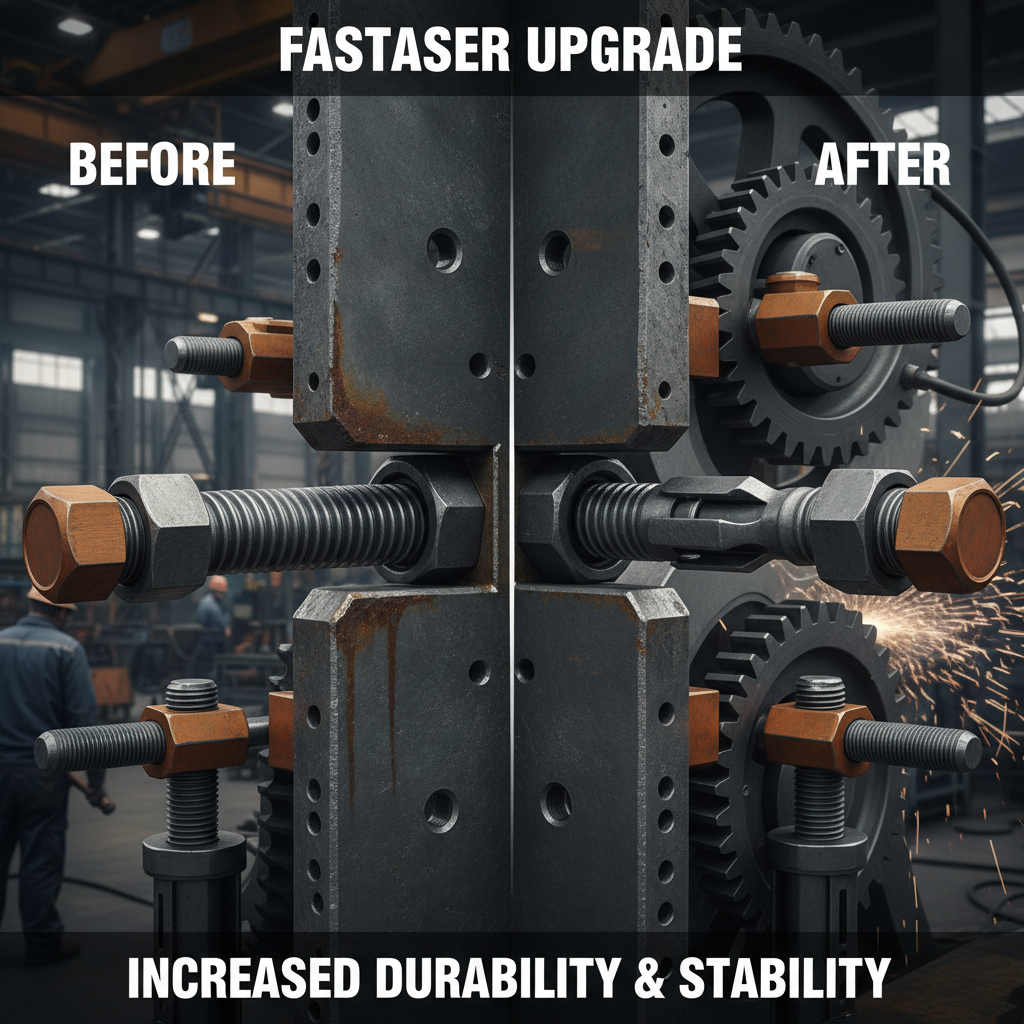
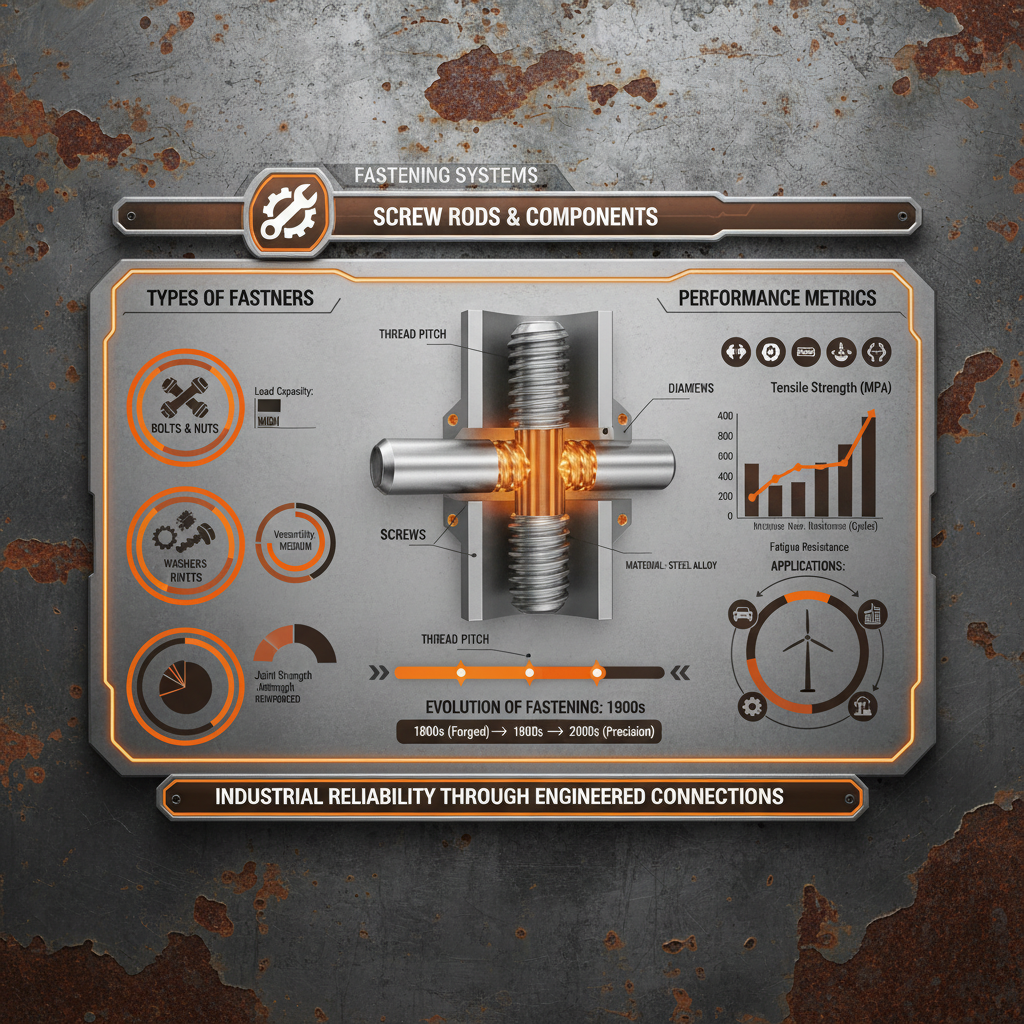
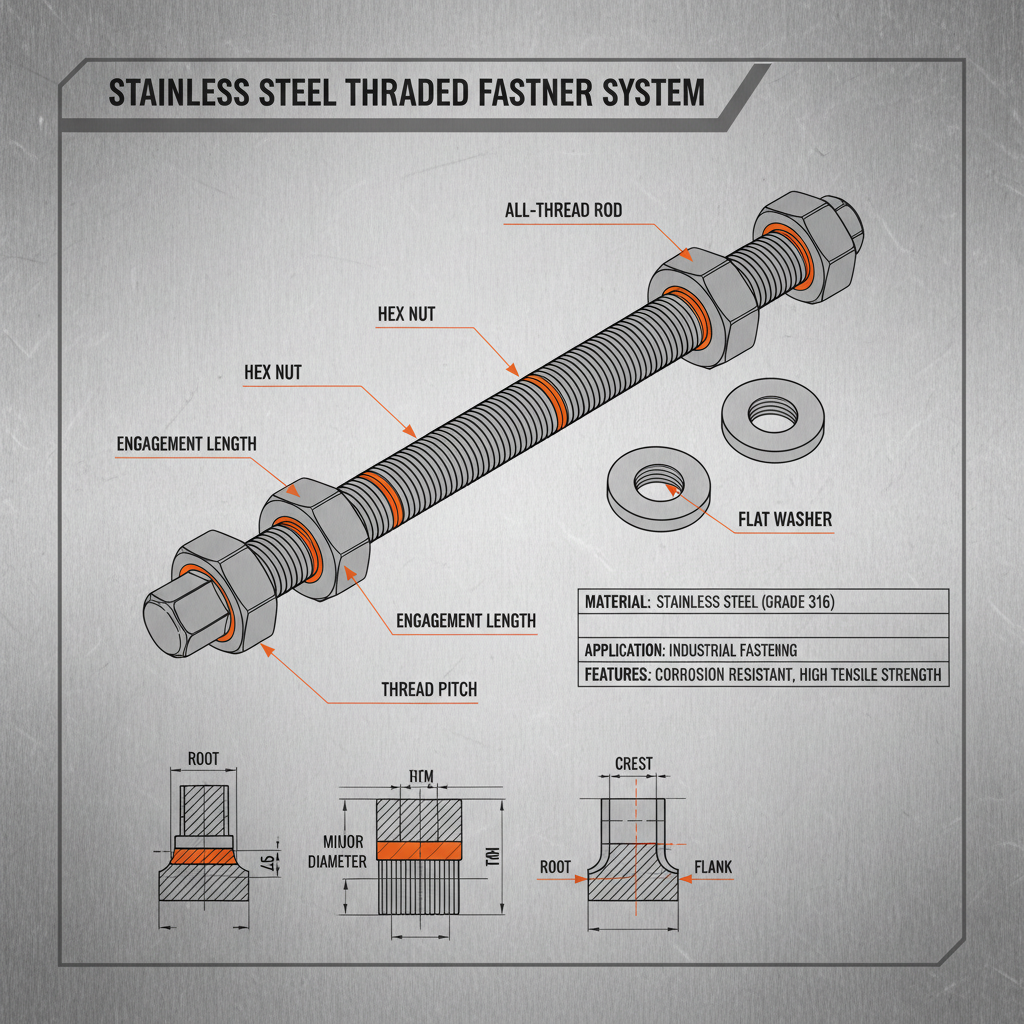
At their core, screw rods are about providing adjustable support. You’ve got the threaded shaft, the coupling nuts, and the baseplates. Seems simple, right? But the materials matter – high-tensile steel is a must for anything beyond light-duty applications. And the thread pitch is critical; too coarse, and you lose precision; too fine, and it's a pain to adjust. I’ve seen guys spend hours fighting with a rod because someone skimped on quality.
What I’ve learned over the years is that it's all about understanding the load. What’s the weight bearing down on this thing? What are the dynamic forces? Wind, seismic activity – you have to account for it all. A good screw rod system is engineered to handle those forces, and that engineering is what separates the good stuff from the junk.
The load capacity of a screw rod varies widely based on its material, diameter, and thread pitch. Generally, a high-tensile steel screw rod can handle loads ranging from 100 kN to 250 kN, but it’s crucial to consult the manufacturer's specifications and consider safety factors. Always perform a load calculation to ensure the rod can safely support the intended weight, accounting for dynamic forces. Proper selection and installation are paramount for structural integrity.
In corrosive environments, stainless steel alloys like 316 or duplex stainless steel are excellent choices. They offer significantly higher corrosion resistance than carbon steel, especially in marine or chemical processing applications. Galvanized carbon steel provides a degree of protection, but it’s less effective in harsh conditions. Consider coatings like epoxy or Teflon for added protection, and always assess the specific corrosive agents present to determine the most suitable material.
Proper alignment is critical for screw rod performance. Use a laser level or precision surveying equipment to establish a reference plane. Ensure the baseplates are level and securely anchored. Gradually tighten the nuts, alternating between sides to avoid introducing uneven stress. Regularly check alignment throughout the installation process, making adjustments as needed. A properly aligned system minimizes stress on the rods and ensures stable support.
Regular maintenance is key to extending the lifespan of a screw rod system. Inspect the rods for signs of corrosion, damage, or wear. Lubricate the threads periodically with a suitable grease to ensure smooth operation and prevent seizing. Check the tightness of the nuts and re-tighten if necessary. Remove any debris or obstructions that may interfere with adjustment. Document all inspections and maintenance activities for future reference.
Always wear appropriate personal protective equipment (PPE), including safety glasses, gloves, and steel-toe boots. Be aware of pinch points and avoid placing hands or fingers near moving parts. Ensure the system is adequately supported before making any adjustments. Never exceed the rated load capacity of the screw rods. Inspect the rods for damage before use and replace any damaged components. Follow all applicable safety regulations and manufacturer's instructions.
Temperature fluctuations can affect the performance of screw rods due to thermal expansion and contraction. Extreme temperatures can also alter the material properties of the rod. When designing a system, account for the expected temperature range and choose materials that are suitable for those conditions. In some cases, expansion joints or other compensating mechanisms may be necessary to prevent stress buildup. Monitor the system regularly for signs of temperature-related issues.
We’ve covered a lot here, from the fundamentals of screw rods to the future of the technology. What’s clear is that these aren’t just simple fasteners. They are critical components in a wide range of applications, providing adjustable support, ensuring safety, and saving time and money. Understanding their limitations and choosing the right rod for the job is paramount.
Looking ahead, the integration of smart technologies and the development of new materials will only enhance the performance and versatility of these systems. If you’re looking for reliable, high-quality screw rods for your next project, visit our website at www.hbtbls.com. We’ve got the experience and the products to get the job done right.