Fastener for sale represents a critical component of modern infrastructure and manufacturing. From securing towering skyscrapers to assembling intricate electronic devices, these essential elements ensure stability, safety, and reliability. The global market for fasteners is vast and continually evolving, driven by demand from construction, automotive, aerospace, and numerous other industries. Understanding the nuances of fastener selection, materials, and applications is paramount for engineers, procurement professionals, and anyone involved in building or maintaining physical structures.
The sheer scale of the fastener for sale industry underscores its global importance. According to industry reports, the global fastener market is projected to reach billions of dollars in the coming years, with significant growth expected in emerging economies. However, challenges such as supply chain disruptions, fluctuating raw material costs, and increasingly stringent quality standards necessitate a proactive and informed approach to sourcing and utilizing these crucial components. Addressing these issues is vital for maintaining project timelines and ensuring structural integrity.
This exploration delves into the core aspects of fastener for sale, examining its defining characteristics, key applications, future trends, and potential obstacles. By providing a comprehensive overview, we aim to equip readers with the knowledge needed to navigate this dynamic landscape and make informed decisions related to fastener procurement and implementation.
The Importance of Fastener for Sale
The availability of reliable fastener for sale is fundamental to the success of countless projects, spanning from large-scale infrastructure endeavors to everyday repairs. The quality of these components directly impacts the structural integrity, longevity, and safety of finished products. Choosing the right fastener for a specific application isn’t simply about finding something that fits; it’s about understanding load requirements, material compatibility, environmental factors, and potential failure modes.
Investing in high-quality fastener for sale minimizes the risk of costly failures, rework, and potential safety hazards. Furthermore, access to a diverse range of fasteners – including bolts, screws, nuts, washers, and specialized options – enables engineers and builders to optimize designs and achieve superior results. A robust supply chain and readily available inventory are crucial for maintaining project schedules and responding effectively to unforeseen challenges.
Defining Fastener for Sale
Fastener for sale encompasses a broad range of mechanical components designed to join materials together. These components utilize various methods—such as shear, tension, or friction—to create a secure connection. Historically, fasteners were rudimentary pins or wedges, but modern fasteners have evolved into highly engineered products with precise dimensions, material compositions, and coatings tailored to specific applications.
The term "for sale" signifies that these components are commercially available from manufacturers, distributors, and retailers. The availability of fastener for sale supports a wide spectrum of industries, including construction, automotive, aerospace, electronics, and furniture manufacturing. Modern fastener design often focuses on standardization (ISO, ANSI, DIN) to ensure interchangeability and compatibility.
This accessibility and standardization are critical to modern industry, allowing for efficient assembly processes and reducing the need for custom-made components. The evolution of fastener for sale directly correlates with advancements in materials science and manufacturing technologies, leading to stronger, more durable, and more reliable connections.
Core Characteristics of Quality Fasteners
Several key characteristics define a high-quality fastener. Durability, stemming from both material selection and manufacturing processes, is paramount. Factors like tensile strength, yield strength, and shear strength dictate the fastener’s ability to withstand applied forces without deformation or failure. Corrosion resistance is another vital aspect, especially in outdoor or harsh environments, often achieved through coatings like zinc plating or stainless steel alloys.
Dimensional accuracy is critical for proper fit and function. Fasteners must adhere to strict tolerances to ensure reliable clamping force and prevent loosening. The material composition, clearly marked or traceable, determines the fastener’s performance characteristics and suitability for various applications. Furthermore, consistent quality control throughout the manufacturing process—including heat treatment and surface finishing—is essential for maintaining high standards.
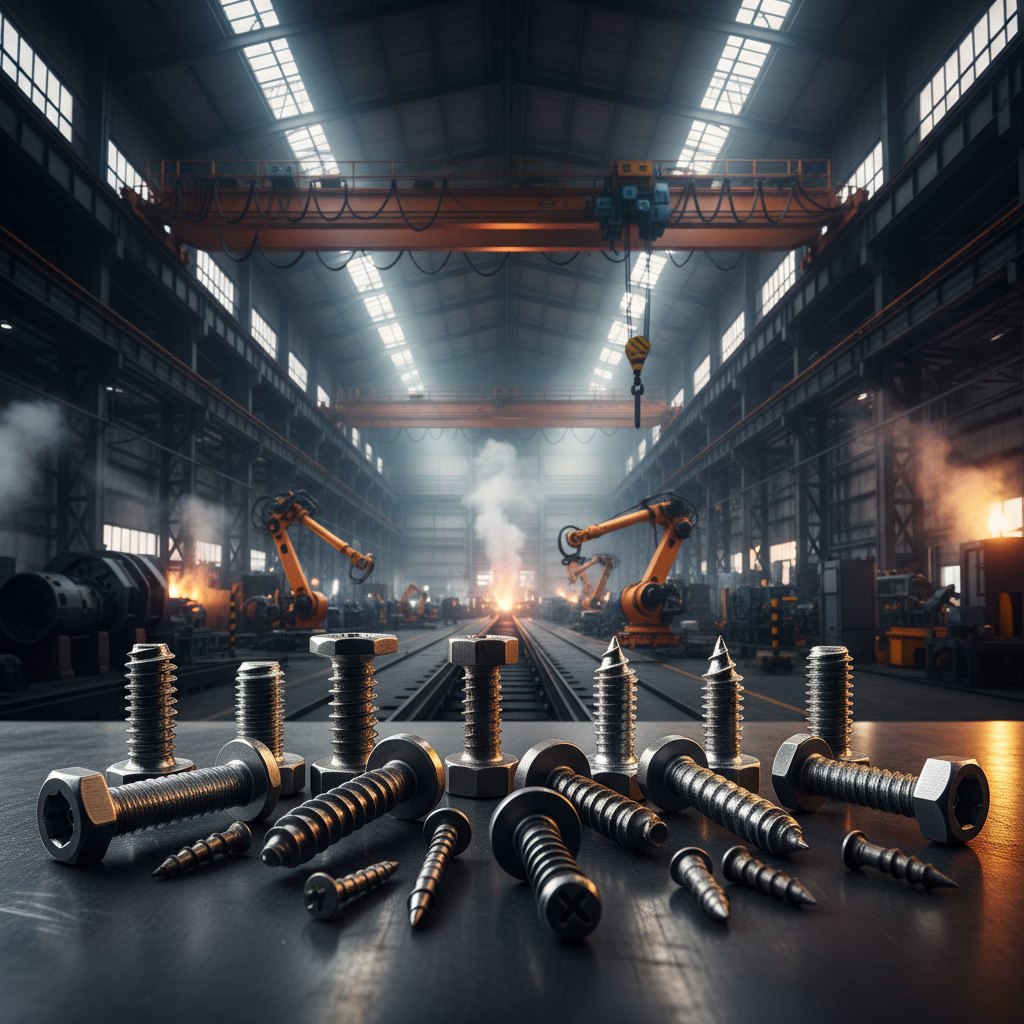
Finally, the type of head and drive system (e.g., Phillips, slotted, hex) impacts ease of installation and accessibility. Selecting the appropriate drive system for a particular application can significantly improve assembly efficiency and reduce the risk of stripping or damaging the fastener head. These features collectively contribute to the overall performance and reliability of fastener for sale.
Applications Across Diverse Industries
The applications of fastener for sale are incredibly diverse. In construction, bolts and screws are used to assemble structural steel frameworks, secure building materials, and fasten cladding. The automotive industry relies heavily on fasteners for assembling engines, chassis, and body panels, requiring high strength and vibration resistance.
Aerospace demands specialized fasteners made from high-performance alloys to withstand extreme temperatures and stresses. The electronics industry utilizes miniature screws and standoffs for securing components on circuit boards. Even everyday products like furniture, appliances, and bicycles depend on reliable fastener for sale for assembly and functionality.
Fastener Usage by Industry
Global Reach and Impact of Fastener for Sale
The market for fastener for sale is truly global, with major production hubs in countries like China, Germany, Taiwan, and the United States. These manufacturers supply fasteners to industries worldwide, supporting international trade and economic growth. The demand for fasteners is closely tied to global construction activity, manufacturing output, and infrastructure development.
In rapidly developing economies, increased investment in infrastructure—such as roads, bridges, and buildings—is driving significant demand for fastener for sale. Furthermore, the growth of the automotive and aerospace industries in emerging markets is creating new opportunities for fastener manufacturers. Effective supply chain management and logistical capabilities are crucial for meeting this global demand efficiently and reliably.
Advantages and Long-Term Value Proposition
Choosing high-quality fastener for sale offers numerous advantages. Beyond structural integrity, properly selected fasteners contribute to the longevity and reliability of finished products, reducing the need for costly repairs or replacements. Utilizing corrosion-resistant fasteners minimizes maintenance requirements and extends the service life of structures and equipment.
A strong supply chain ensures timely availability of fasteners, preventing project delays and minimizing downtime. From a sustainability perspective, durable fasteners reduce material waste and contribute to more efficient resource utilization. Investing in quality fasteners demonstrates a commitment to safety, reliability, and long-term value.
The peace of mind that comes with knowing a structure or product is securely fastened adds an intangible but significant benefit – building trust between manufacturers, builders, and end-users.
Emerging Trends and Future Innovations
Several exciting trends are shaping the future of fastener for sale. The development of new materials, such as advanced alloys and composites, is leading to stronger, lighter, and more corrosion-resistant fasteners. Additive manufacturing (3D printing) is enabling the creation of customized fasteners with complex geometries tailored to specific applications.
Digital technologies, like RFID tagging and smart fasteners with integrated sensors, are improving inventory management, tracking, and performance monitoring. Sustainability is also gaining prominence, with a focus on developing eco-friendly fasteners made from recycled materials or with reduced environmental impact.
These innovations promise to enhance the performance, efficiency, and sustainability of fastener for sale, driving further advancements across various industries.
Core Analysis of Emerging Trends in Fastener Technology
| Trend Category |
Impact on Performance |
Implementation Challenges |
Projected Adoption Rate (1-10) |
| Advanced Materials (Titanium, Composites) |
Increased Strength-to-Weight Ratio, Superior Corrosion Resistance |
Higher Cost, Manufacturing Complexity |
7 |
| Additive Manufacturing (3D Printing) |
Customization, Complex Geometries, Reduced Material Waste |
Production Speed, Material Limitations |
6 |
| Smart Fasteners (RFID, Sensors) |
Real-Time Monitoring, Predictive Maintenance, Improved Inventory Control |
Cost of Integration, Data Security Concerns |
5 |
| Sustainable Fasteners (Recycled Materials) |
Reduced Environmental Impact, Circular Economy Principles |
Maintaining Performance Standards, Supply Chain Traceability |
8 |
| Automated Fastening Systems |
Increased Efficiency, Reduced Labor Costs, Improved Accuracy |
Initial Investment, System Integration |
9 |
| Surface Coatings (Advanced Corrosion Protection) |
Extended Lifespan, Reduced Maintenance, Enhanced Durability |
Environmental Regulations, Cost of Application |
7 |
FAQS
When selecting fastener for sale for corrosive environments, consider the material composition. Stainless steel (specifically 316) and other corrosion-resistant alloys are preferred. Coatings like zinc, epoxy, or ceramic can also provide added protection. The type and concentration of the corrosive agent (saltwater, chemicals) will influence the best material choice. Furthermore, proper fastener installation and maintenance are crucial for maximizing corrosion resistance. Always consult material compatibility charts and industry standards.
While often used interchangeably, bolts and screws are distinct. A bolt typically requires a nut to create a clamping force, and it’s designed for higher strength applications. Screws, on the other hand, typically tap their own threads directly into the material they’re fastening and don't necessarily require a nut. Their threads extend the full length of the shaft. Choosing the correct fastener for sale ensures optimal performance and structural integrity.
The correct fastener for sale strength grade depends on the load requirements of your application. Factors include tensile stress, shear stress, and preload. Fastener grades are indicated by markings on the head, representing their tensile strength. Consult engineering calculations or industry standards to determine the appropriate grade. Over-specifying can increase costs, while under-specifying can compromise safety.
Stainless steel fasteners offer exceptional corrosion resistance, making them ideal for outdoor applications or environments exposed to harsh chemicals. They also provide high strength and durability. Different grades of stainless steel offer varying levels of corrosion resistance and mechanical properties. While typically more expensive than carbon steel, stainless steel fasteners can provide long-term cost savings by reducing maintenance and replacement needs.
Proper torque is critical for ensuring a secure and reliable connection. Under-torquing can lead to loosening and failure, while over-torquing can strip threads or damage the fastener. Use a calibrated torque wrench and follow manufacturer’s specifications. Different materials and fastener sizes require different torque values. Achieving the correct torque ensures optimal clamping force and prevents premature failure of fastener for sale.
Finding reliable suppliers is crucial. Look for companies with established quality control systems, industry certifications (like ISO 9001), and a wide range of inventory. Online marketplaces, industry directories, and trade shows can help you identify potential suppliers. Check their reputation, customer reviews, and ability to meet your specific requirements. fastener for sale is one source to consider.
Conclusion
In conclusion, fastener for sale are far more than just simple components; they are foundational elements of modern infrastructure, manufacturing, and countless everyday products. Understanding the critical characteristics of quality fasteners—durability, material composition, corrosion resistance, and dimensional accuracy—is essential for ensuring safety, reliability, and long-term value. The ongoing innovations in materials, manufacturing processes, and digital technologies promise to further enhance the performance and sustainability of fastener solutions.
Looking ahead, a proactive approach to fastener selection, coupled with a commitment to quality control and supply chain management, will be vital for navigating the evolving landscape of fastener for sale. By embracing emerging trends and prioritizing sustainable practices, we can unlock new opportunities for efficiency, innovation, and responsible resource utilization. Visit our website at www.hbtbls.com to explore our comprehensive range of fasteners and learn more about how we can support your projects.