fastener factory
0%

Table of Contents

Left hand threaded rod, though less common than its standard counterpart, plays a crucial role in applications demanding a reverse direction of tightening or loosening. This seemingly simple component is vital in preventing accidental loosening due to rotating machinery, particularly in scenarios where vibration or dynamic loads are present. Understanding its specific applications and benefits is essential for engineers and technicians across various industries, ensuring safety and operational efficiency. Its specialized nature necessitates careful consideration during design and implementation to avoid compatibility issues and maximize its protective functionality.

The global demand for specialized fasteners like the left hand threaded rod is driven by increasing safety regulations and the need for reliable components in critical systems. Industries such as aerospace, automotive, and oil & gas heavily rely on these rods to secure parts that are subjected to constant rotation or vibration. According to a report by the Global Fasteners Market Analysis (2024), the specialized fasteners segment is projected to grow at a CAGR of 4.8% through 2030. This growth is fueled by advancements in manufacturing techniques and the increasing adoption of safety standards worldwide.

The unique properties of left hand threaded rod offer a distinct advantage in preventing loosening in applications where standard right-hand threads might fail. This is particularly important in high-stakes environments where component failure could lead to significant safety risks or costly downtime. As industries continue to prioritize safety and reliability, the demand for this specialized fastener is expected to rise, presenting opportunities for innovation and improved manufacturing processes.
The Critical Role of Left Hand Threaded Rod in Modern Engineering Applications

The Significance of Left Hand Threaded Rod

The Critical Role of Left Hand Threaded Rod in Modern Engineering Applications

The specialized function of left hand threaded rod is to resist loosening caused by vibration and rotational forces. Unlike standard right-hand threaded fasteners, these rods tighten when subjected to counter-clockwise rotation, making them ideal for applications where the primary operating force tends to unscrew standard fasteners. This inherent characteristic is crucial in machinery and equipment where consistent and secure fastening is paramount.

The increasing emphasis on preventative maintenance and safety across industries directly translates to a growing demand for reliable fastening solutions. Left hand threaded rod, by mitigating the risk of self-loosening, contributes significantly to reducing maintenance costs, preventing accidents, and enhancing overall system integrity. Its application isn’t just about securing components; it’s about ensuring the sustained and reliable operation of critical infrastructure.

Understanding Left Hand Threaded Rod: A Definition

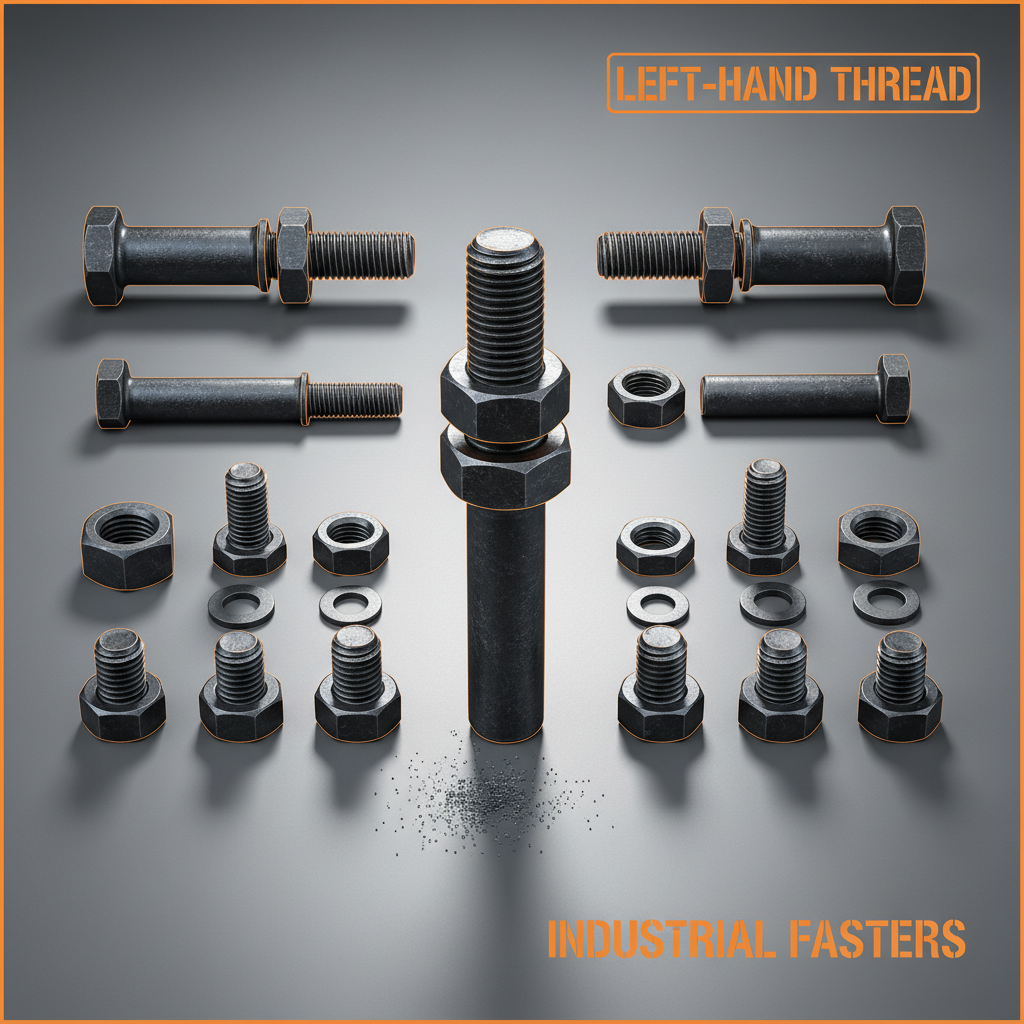
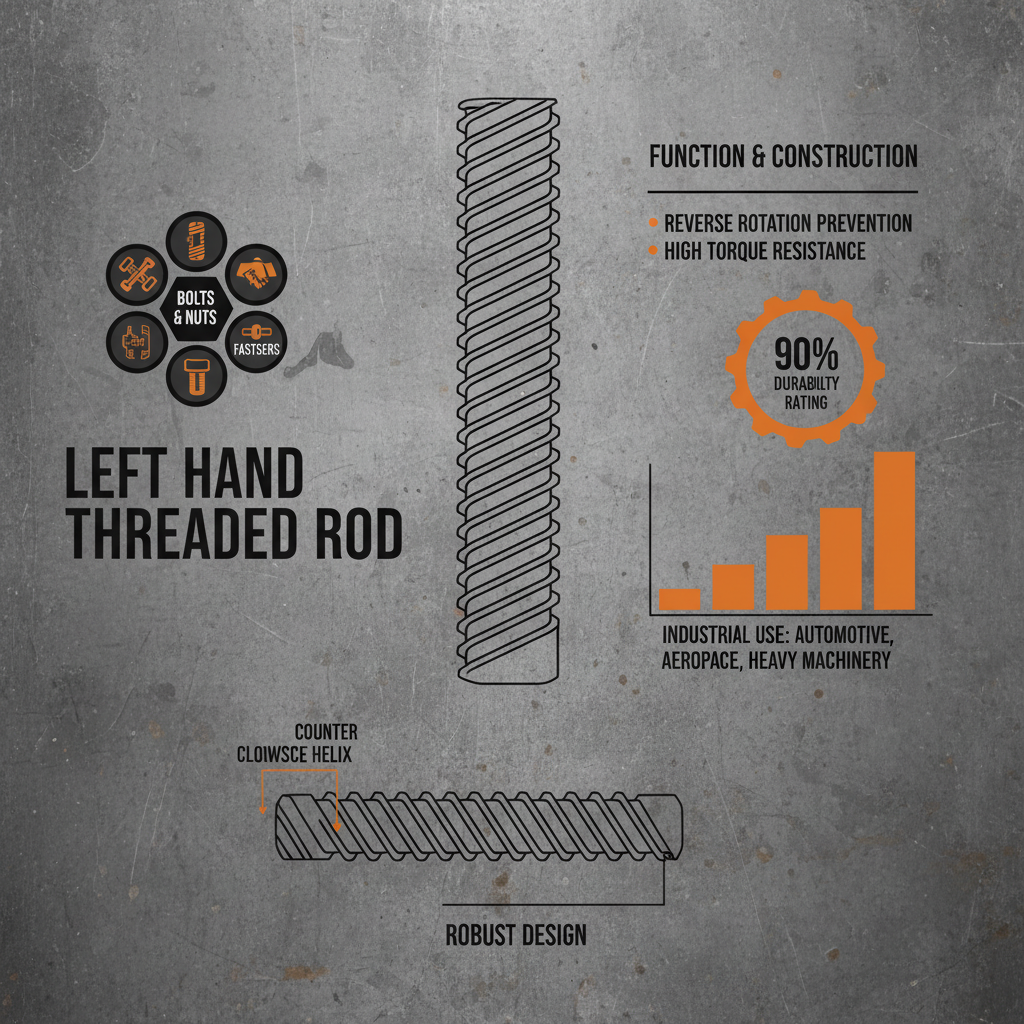
A left hand threaded rod is a fastener with a thread that tightens when rotated anti-clockwise. This contrasts with the more common right-hand thread, which tightens clockwise. This reversal of direction is deliberately engineered to exploit the direction of forces acting on the fastener. In applications experiencing continuous rotation or vibration in a clockwise direction, a left hand threaded rod will remain securely tightened, resisting any tendency to loosen.

The connection to modern industry is inextricably linked to the demand for highly reliable and safe systems. These rods aren’t simply alternatives to standard fasteners; they’re essential components in applications where the consequences of failure are severe. Industries ranging from aerospace and automotive to oil and gas rely on left hand threaded rod to ensure the structural integrity of critical machinery and equipment.

The humanitarian aspect, though less direct, stems from the enhanced safety and reliability it provides in critical infrastructure. For example, in remote or challenging environments, the longevity and reduced maintenance requirements of components secured with left hand threaded rods can be crucial for the continuous operation of essential services like water pumps or power generators.

Core Characteristics of Left Hand Threaded Rod

Durability is a primary characteristic of left hand threaded rod. They are commonly manufactured from high-strength materials like stainless steel, alloy steel, and brass, ensuring resistance to corrosion, wear, and fatigue. This durability is paramount in applications exposed to harsh environments or subjected to significant stress.

Precise Threading is crucial. The accuracy and consistency of the left-hand thread are paramount for proper engagement and effective locking. Deviations in thread pitch or form can compromise the fastener's ability to resist loosening, defeating its primary purpose. Quality control measures during manufacturing ensure adherence to stringent industry standards.

Material Compatibility is essential for longevity. Selecting the appropriate material for the rod, and ensuring it’s compatible with the materials of the components being fastened, prevents galvanic corrosion and maintains structural integrity. Careful consideration of the operating environment is key to making the right material choice.

Key Performance Indicators for Left Hand Threaded Rod

Evaluating the performance of left hand threaded rod requires consideration of several key factors. Tensile strength, measured in MPa or PSI, indicates the rod’s resistance to stretching and breaking under tension. Higher tensile strength is critical in applications subject to significant loads.

Yield Strength, also measured in MPa or PSI, defines the point at which the rod begins to deform permanently. This is an important indicator of the rod’s ability to withstand stress without losing its functional integrity. Corrosion resistance, assessed through salt spray tests and other methods, determines the rod’s suitability for use in harsh environments.

Left Hand Threaded Rod Performance Metrics


Global Applications of Left Hand Threaded Rod

In the aerospace industry, left hand threaded rod is commonly used in control cable terminations and engine components where rotational forces are prevalent. The reliability and security provided by these rods are vital for flight safety. In the automotive sector, they are employed in steering systems and wheel hubs to prevent loosening due to vibration and dynamic loads.

The oil and gas industry utilizes left hand threaded rod in downhole tools and wellhead equipment, where exposure to harsh environments and extreme pressures demands robust and reliable fasteners. In post-disaster relief operations, these rods can be crucial for assembling temporary shelters and infrastructure, providing a secure and stable foundation.

The Long-Term Value Proposition of Left Hand Threaded Rod

The tangible benefits of employing left hand threaded rod extend beyond immediate safety. Reduced maintenance costs are a significant advantage, as the decreased risk of loosening translates to fewer inspections and replacements. This, in turn, minimizes downtime and increases operational efficiency. The enhanced reliability of systems secured with these rods also contributes to improved product quality and reduced risk of catastrophic failure.

The long-term value also encompasses sustainability. By extending the lifespan of components and reducing the need for frequent replacements, left hand threaded rod contributes to resource conservation and minimizes waste. This aligns with growing global efforts to promote sustainable manufacturing practices and reduce environmental impact. Ultimately, investing in these specialized fasteners fosters trust and confidence in the reliability of critical systems.

Future Trends and Innovations in Left Hand Threaded Rod Technology

Advancements in materials science are leading to the development of even stronger and more corrosion-resistant left hand threaded rods. New alloys and coatings are being explored to enhance performance in extreme environments. The integration of digital technologies, such as smart fasteners with embedded sensors, is enabling real-time monitoring of fastener tension and detection of potential loosening.

Automation in manufacturing processes is increasing the precision and consistency of thread formation, further improving the reliability of these rods. The growing focus on sustainable manufacturing is driving the development of eco-friendly materials and production methods. As industries embrace Industry 4.0 principles, the integration of left hand threaded rod into smart, connected systems will become increasingly prevalent.

The demand for customized solutions is also driving innovation. Manufacturers are increasingly offering tailored left hand threaded rod designs to meet the specific needs of diverse applications, further enhancing their value and effectiveness.

FAQS

What are the primary applications for left hand threaded rod?

Left hand threaded rod finds extensive use in industries like aerospace, automotive, and oil & gas, specifically in components subject to constant rotation or vibration. Its primary function is to prevent loosening in these dynamic environments. Examples include control cables, steering systems, and wellhead equipment, ensuring operational safety and reducing maintenance requirements. Its reverse-threaded nature secures the component against unscrewing forces, offering a distinct advantage over standard fasteners.

How does a left hand threaded rod differ from a standard right hand threaded rod?

The fundamental difference lies in the direction of tightening. A standard right-hand threaded rod tightens when rotated clockwise, while a left-hand threaded rod tightens when rotated counter-clockwise. This reversal is intentionally designed to resist loosening caused by rotating machinery or vibrations. The choice between the two depends on the application and the direction of the forces acting upon the fastener. Using the wrong type can lead to component failure.

What materials are typically used to manufacture left hand threaded rod?

Left hand threaded rod is commonly made from high-strength materials such as stainless steel (304, 316), alloy steel, and brass. The choice of material depends on the specific application requirements, including corrosion resistance, temperature tolerance, and load-bearing capacity. Stainless steel is preferred for corrosive environments, while alloy steel provides high strength and durability. Brass offers good machinability and corrosion resistance.

Can left hand threaded rod be used interchangeably with right hand threaded rod?

Absolutely not. Interchanging them can lead to serious consequences, including component failure and safety hazards. The threads are designed to work in opposite directions, and using the wrong type will prevent proper tightening and potentially cause the fastener to loosen under stress. Always ensure you are using the correct type for the specific application, matching thread direction and pitch.

What are the cost implications of using left hand threaded rod versus standard fasteners?

Generally, left hand threaded rod is more expensive than standard fasteners due to lower production volumes and specialized manufacturing processes. However, the long-term cost savings associated with reduced maintenance, increased reliability, and prevention of catastrophic failures often outweigh the initial price difference. Considering the total cost of ownership, including potential downtime and repair expenses, left hand threaded rod can be a more cost-effective solution.

How do I ensure the correct installation of a left hand threaded rod?

Correct installation requires careful attention to detail. Ensure you are using the appropriate tools and techniques for tightening the rod counter-clockwise. Verify that the threads are clean and free of debris. Apply the correct torque specifications to avoid over-tightening or under-tightening. Always double-check the installation to confirm the rod is securely fastened and resistant to loosening. Reference the manufacturer's guidelines for specific instructions.

Conclusion

Left hand threaded rod, while a niche component, stands as a testament to the power of specialized engineering in enhancing safety and reliability. Its unique properties address critical challenges in various industries, from aerospace to oil and gas, effectively mitigating the risk of fastener loosening in dynamic environments. The benefits extend beyond immediate operational security, impacting long-term cost savings through reduced maintenance and enhanced system longevity.

Looking ahead, the continued advancement of materials science and manufacturing techniques will further elevate the performance and versatility of left hand threaded rod. Embracing innovative solutions, such as smart fasteners and automated installation processes, will unlock new possibilities for optimizing performance and ensuring the continued safety and reliability of critical infrastructure. For more information and to explore our range of high-quality left hand threaded rod solutions, visit our website: www.hbtbls.com.

William Brown

William Brown

William Brown is the Quality Assurance Supervisor at Tianbang Fasteners. With a meticulous approach and a commitment to excellence, William leads the quality inspection department. He ensures that every fastener leaving the facility meets the highest quality standards, adhering to ISO certifications and customer specifications. William is responsible for developing
Previous Comprehensive Guide to Stainless All Thread Applications and Material Selection
Next The Vital Role of Rod Hanger Systems in Global Industries and Applications
tel
mail
tel
to top