Custom self tapping screws are essential fasteners widely utilized across numerous industries, from automotive and aerospace to construction and electronics. These screws are designed to create their own threads as they are driven into a material, eliminating the need for pre-tapped holes, thus simplifying assembly and reducing manufacturing costs. Understanding their various types, materials, and applications is crucial for engineers, manufacturers, and anyone involved in assembly processes. The efficiency and reliability they offer contribute significantly to streamlined production and robust product designs.
The global demand for custom self tapping screws is driven by expanding manufacturing sectors, particularly in emerging economies. According to a recent report by the World Bank, global manufacturing output is projected to grow by 4.8% in 2024, directly increasing the need for efficient fastening solutions. ISO standards govern the quality and performance of these screws, ensuring consistency and safety. However, challenges remain in optimizing their design for specific materials and applications, requiring ongoing research and development.
Ultimately, the proliferation of custom self tapping screws is a direct result of the modern industrial landscape's push for speed, efficiency, and cost-effectiveness. Their ability to reduce assembly time and eliminate the need for secondary processes makes them an indispensable component in countless products and structures worldwide.
The Importance of Custom Self Tapping Screws
Custom self tapping screws play a critical role in modern manufacturing and assembly processes. They offer a significant advantage over traditional fastening methods by eliminating the need for pre-drilled holes and tapped threads, reducing production time and costs. This simplicity translates to greater efficiency and improved product quality across a wide range of industries.
The ability to tailor these screws to specific material types and application requirements further enhances their value. By selecting the appropriate material, thread design, and point style, engineers can achieve optimal fastening performance and ensure the long-term integrity of their products. These elements are crucial for ensuring reliable connections and preventing failures.
Defining Custom Self Tapping Screws
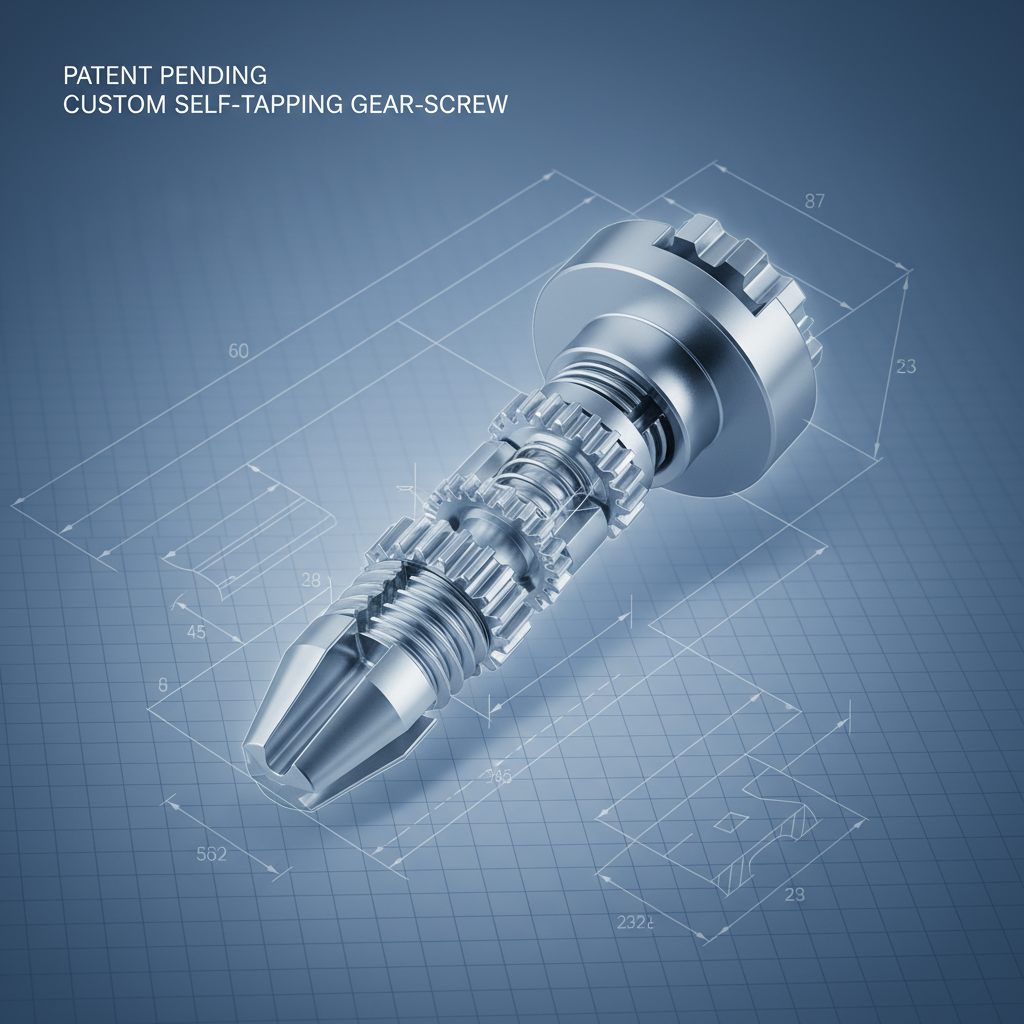
A custom self tapping screw is a fastener specifically designed to create its own threads as it is driven into a material. Unlike standard screws that require pre-tapped holes, these screws have a hardened point and specially designed threads that cut into the material, forming a secure and reliable connection. The ‘custom’ aspect refers to modifications in material, dimensions, thread pitch, point style, and coating to suit very specific applications.
This functionality is invaluable in various industries, including automotive, aerospace, electronics, and construction. The ability to quickly and efficiently assemble components without the need for secondary operations like drilling and tapping significantly reduces manufacturing time and costs. They represent a fundamental element in streamlining modern assembly processes.
The prevalence of custom self tapping screws is directly linked to advancements in materials science and manufacturing techniques, allowing for the creation of highly specialized fasteners capable of performing reliably in even the most demanding environments.
Key Factors Influencing Screw Performance
Several core factors determine the performance and suitability of a custom self tapping screw. Material selection is paramount; screws can be made from carbon steel, stainless steel, alloy steel, or even specialized plastics, each offering different levels of strength, corrosion resistance, and thermal conductivity. Choosing the correct material for the environment is critical.
Thread design significantly impacts the screw’s ability to effectively cut into and grip the material. Different thread forms, such as Type A, AB, and B, are optimized for various material thicknesses and types. The thread pitch (distance between threads) is also a crucial factor, with finer pitches providing greater holding power and coarser pitches offering faster installation.
The point style—sharp, blunt, or drill-point—affects the screw’s ability to initiate threading and penetrate the material. Drill-point screws are ideal for harder materials, while sharp-point screws are better suited for softer materials. Finally, surface coatings, like zinc or Teflon, can enhance corrosion resistance and reduce friction during installation.
Applications Across Diverse Industries
Custom self tapping screws find extensive use in the automotive industry, securing body panels, interior components, and engine parts. Their ability to create strong, reliable connections without requiring pre-tapped holes makes them ideal for high-volume assembly lines. In aerospace, they’re used in aircraft structures, instrument panels, and engine components where weight and reliability are paramount.
The electronics sector relies heavily on these screws for assembling circuit boards, enclosures, and connectors. The small form factors and precise threading capabilities are critical in this industry. Construction benefits from their use in attaching drywall, metal roofing, and various structural components, providing a fast and secure fastening solution.
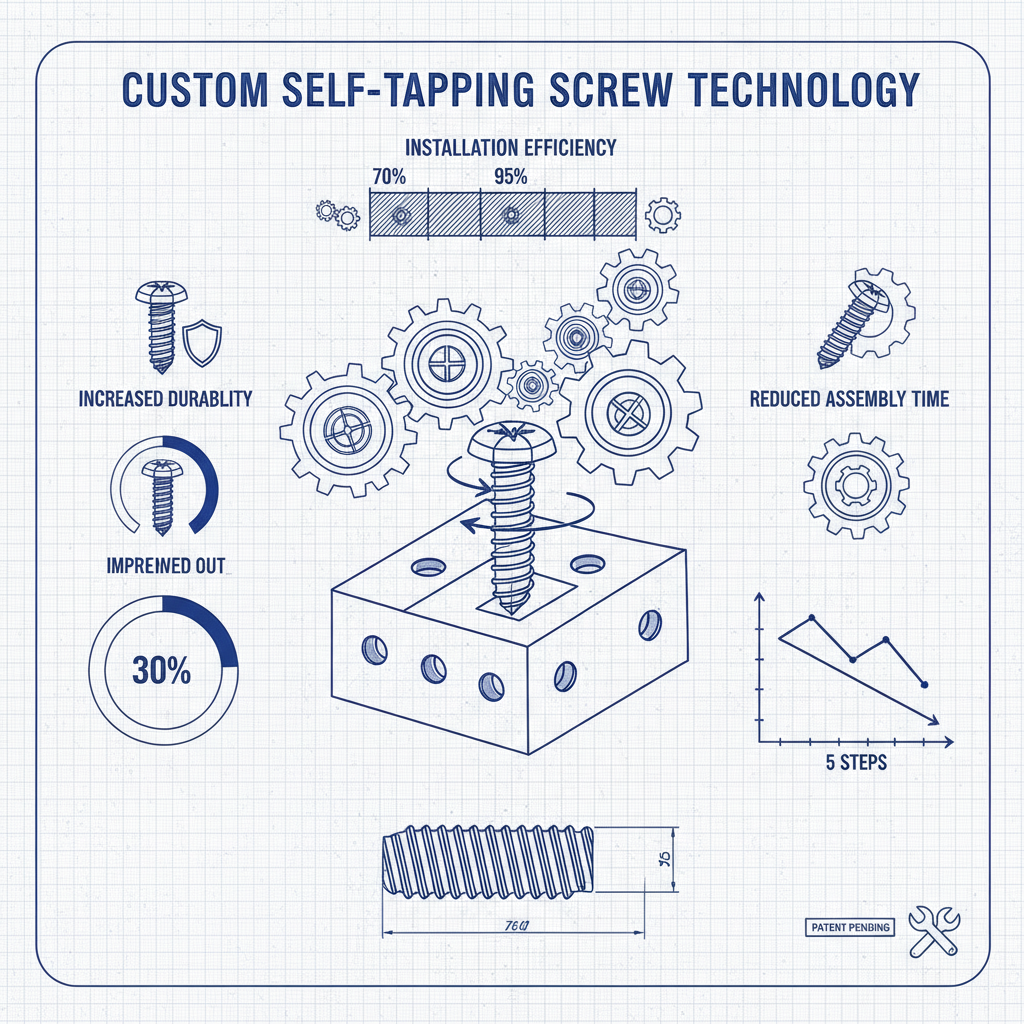
Custom Self Tapping Screw Performance Comparison
Advantages and Long-Term Value Proposition
The advantages of utilizing custom self tapping screws extend beyond simple cost savings. Reduced assembly time translates directly into increased production output, enhancing overall efficiency. The elimination of pre-tapping operations also minimizes the risk of material damage and defects, contributing to higher product quality and reduced scrap rates.
Long-term, the reliability of these screws minimizes maintenance requirements and reduces the likelihood of premature failures, contributing to a lower total cost of ownership. Their ability to create strong, durable connections ensures the longevity of the assembled products.
Global Applications and Use Cases
In post-disaster relief operations, rapidly deployable shelters frequently utilize custom self tapping screws for quick and efficient assembly. The screws’ ability to fasten components without extensive tools is critical in these time-sensitive scenarios. Similarly, in remote industrial zones, where access to specialized equipment is limited, these screws offer a practical and reliable fastening solution.
The renewable energy sector employs these screws in the construction and maintenance of wind turbines and solar panel installations, where corrosion resistance and durability are vital. Furthermore, they are commonly used in the manufacturing of consumer goods, from furniture and appliances to electronic devices, underscoring their widespread applicability.
Future Trends and Innovations in Screw Technology
The future of custom self tapping screw technology is closely linked to advancements in materials science and manufacturing processes. Research into new alloys and coatings is focused on enhancing corrosion resistance, increasing strength, and reducing weight. The integration of smart materials, such as shape memory alloys, could lead to self-adjusting screws that maintain optimal clamping force over time.
Automation and robotics are also playing an increasingly important role in screw installation, improving precision and efficiency. Digital transformation initiatives, such as the use of sensor-equipped screws, can provide real-time data on fastening performance, enabling predictive maintenance and preventing failures.
Sustainability is a key driver of innovation, with a growing focus on developing eco-friendly materials and manufacturing processes for custom self tapping screws, reducing their environmental footprint.
Summary of Custom Self Tapping Screw Challenges and Potential Solutions
| Challenge |
Material Compatibility |
Corrosion Resistance |
Installation Issues |
| Inconsistent Thread Formation |
Difficulties fastening in certain plastics |
Exposure to harsh environments |
Stripping or breakage during installation |
| Material Limitations |
Incompatibility with aluminum alloys |
Saltwater corrosion in marine applications |
Incorrect drill speed or pressure |
| Cost of Customization |
High costs for specialized materials |
Expensive corrosion-resistant coatings |
Need for specialized installation tools |
| Quality Control |
Variations in material properties |
Inconsistent coating thickness |
Improper thread geometry |
| Design Optimization |
Selecting the optimal thread form |
Choosing the appropriate coating type |
Balancing strength and ductility |
| Supply Chain Issues |
Sourcing specialized materials |
Lead times for custom coatings |
Reliability of suppliers |
FAQS
Custom self tapping screws are commonly made from carbon steel, stainless steel, alloy steel, and sometimes specialized plastics. Carbon steel provides high strength at a lower cost, while stainless steel offers excellent corrosion resistance. Alloy steels provide a balance of strength, toughness, and corrosion resistance, and plastics are used when non-conductivity or lightweight properties are crucial. The specific material selection depends heavily on the application's requirements.
Selecting the correct thread type for a custom self tapping screw is vital for optimal performance. Type A threads are ideal for thin sheet metal, Type AB offer a good balance for medium sheet metal, and Type B are best suited for thicker materials. Consider the material thickness, hardness, and desired holding power when making your selection. Consulting with a fastening specialist can also help ensure you choose the right thread type.
Custom coatings on self tapping screws provide several benefits. Zinc coatings offer excellent corrosion protection for general use. Teflon coatings reduce friction during installation and improve corrosion resistance. Phosphate coatings provide a base for paint adhesion and enhance corrosion resistance. Ceramic coatings offer extreme hardness and wear resistance. The choice of coating depends on the environmental conditions and the specific requirements of the application.
Stripping can be prevented by using the correct drill speed and applying consistent pressure during installation. Ensure the screw point is properly aligned with the material. Avoid over-tightening, which can easily strip the threads. Using a pilot hole, especially in harder materials, can also help prevent stripping. Selecting a screw with a suitable thread pitch and point style for the material is essential.
The lead time for custom self tapping screw orders varies depending on the complexity of the specifications, the material requirements, and the current production schedule. Generally, standard customizations can be delivered within 2-4 weeks, while more complex orders requiring specialized materials or coatings may take 6-8 weeks or longer. Obtaining a quote and detailed lead time estimate from the manufacturer is always recommended.
Yes, custom self tapping screws are frequently used in automated assembly lines. Their ability to reliably create their own threads simplifies the assembly process and reduces the need for manual intervention. However, it’s important to ensure the screws are compatible with the automated feeding and driving systems. Considerations include screw length, head type, and material properties to ensure smooth and consistent performance.
Conclusion
Custom self tapping screws represent a cornerstone of modern manufacturing and assembly. Their versatility, efficiency, and reliability make them indispensable across diverse industries. From simplifying production processes to ensuring the durability of critical components, they play a vital role in countless applications worldwide. Understanding the factors influencing their performance, and embracing ongoing innovation, will continue to unlock their full potential.
Looking ahead, continued investment in materials science, automation, and sustainable manufacturing practices will drive further advancements in custom self tapping screw technology. By focusing on optimizing these screws for specific applications and prioritizing environmental responsibility, we can ensure their continued relevance and value in the years to come. Visit our website at www.hbtbls.com to learn more and discuss your specific requirements.