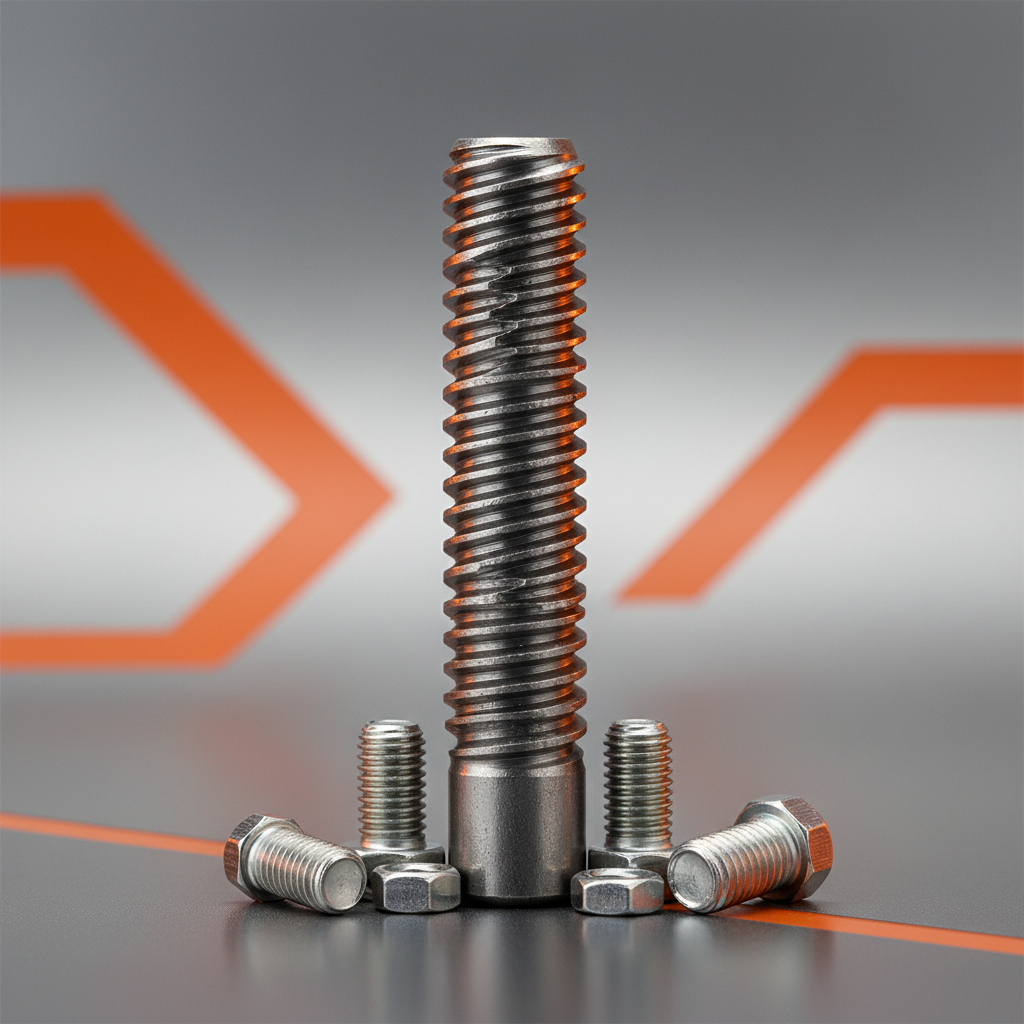
Threaded rod for sale represents a critical component in a vast array of industries, from construction and manufacturing to infrastructure development and even specialized fields like renewable energy. The global demand for this versatile fastener continues to rise, driven by increasing infrastructure projects, urbanization, and a growing need for robust and reliable joining solutions. Understanding the nuances of threaded rod, including its materials, standards, and applications, is paramount for engineers, procurement professionals, and anyone involved in projects where secure and load-bearing connections are essential.
The importance of sourcing high-quality threaded rod for sale extends beyond simply achieving a mechanical connection. The safety and longevity of structures and equipment depend heavily on the integrity of these fasteners. Substandard materials or manufacturing defects can lead to premature failure, posing significant risks to both people and property. This emphasizes the necessity of working with reputable suppliers who adhere to stringent quality control measures and industry certifications.
Consequently, navigating the market for threaded rod for sale requires careful consideration of factors such as material grade, thread type, size, and finish. A comprehensive understanding of these aspects allows for informed purchasing decisions, ensuring that the selected rod meets the specific requirements of the application and contributes to a safe and durable final product.
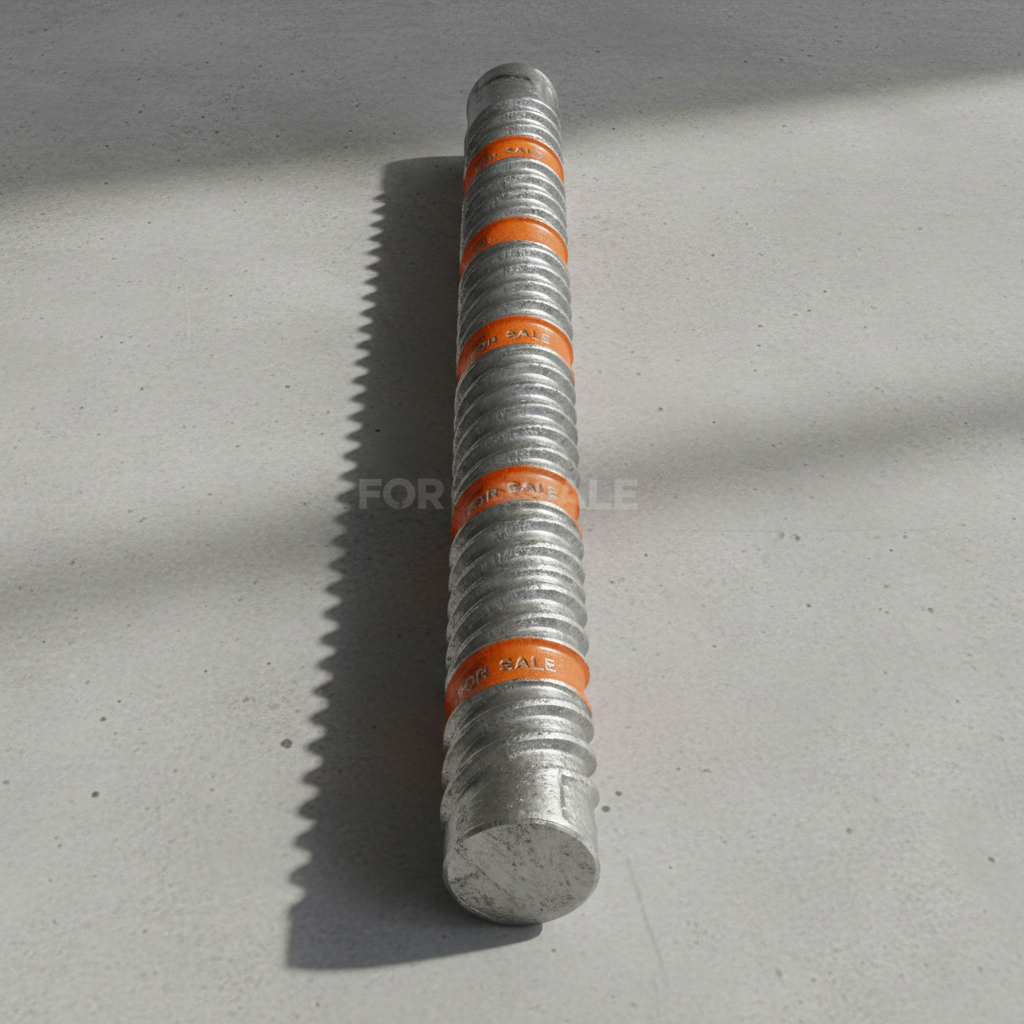
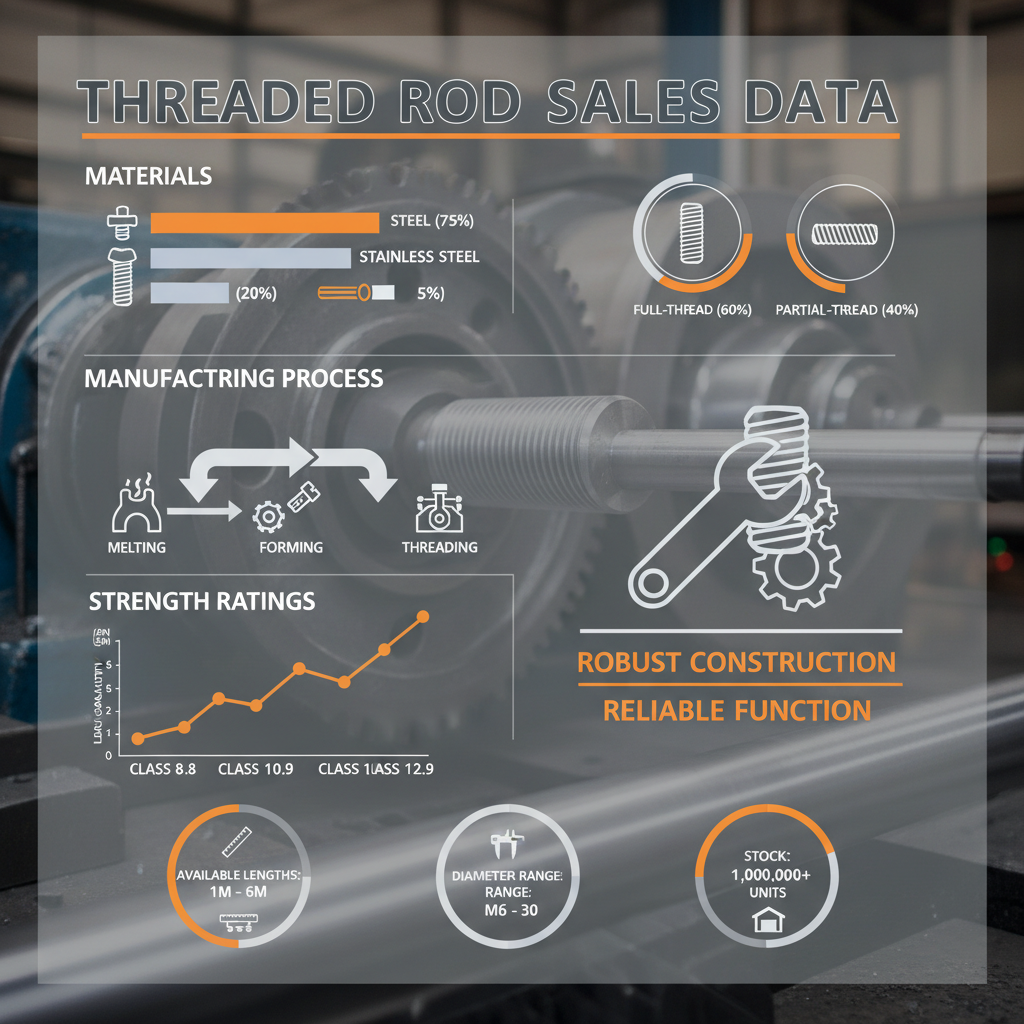
Threaded rod for sale is a crucial fastener found in countless applications, serving as a fundamental building block in various industries. Its straightforward design – a cylindrical rod with continuous helical threading – belies its immense strength and versatility. The availability of threaded rod for sale in a wide range of materials, sizes, and grades ensures a solution for nearly any fastening challenge.
The demand for threaded rod continues to grow alongside global construction and infrastructure projects. Its role in securing critical components makes it a vital commodity for ensuring the safety and stability of structures worldwide. Understanding the characteristics and proper application of threaded rod is thus essential for professionals across a broad spectrum of engineering and construction disciplines.
For highly corrosive environments, stainless steel (specifically 316 or 316L) is the preferred material for threaded rod. These grades contain molybdenum, which significantly enhances their resistance to chloride corrosion, making them ideal for marine applications, chemical processing plants, and areas exposed to de-icing salts. Consider also specialized coatings for added protection.
Determining the correct diameter involves calculating the tensile load the rod will need to support. Consult engineering guidelines and consider a safety factor to account for dynamic loads and potential stresses. Factors like material grade, thread type, and the number of supporting elements also influence the required diameter. Threaded rod for sale suppliers can offer assistance with load calculations.
Coarse threads have fewer threads per inch and are generally stronger and more resistant to stripping. They are quicker to install and are ideal for applications where rapid assembly is crucial. Fine threads have more threads per inch, offering greater precision and holding power, making them suitable for applications requiring frequent adjustments or where vibration is a concern.
Galling, a form of adhesive wear, can occur with stainless steel. To prevent it, use anti-seize lubricant during installation. Ensure proper torque control to avoid over-tightening. Using a different material for the nut (e.g., brass) can also help minimize galling. Regular inspection and re-tightening may be necessary.
Common standards include ASTM A36 (for carbon steel), ASTM A307, ASTM A572, and various ISO standards. Stainless steel threaded rod often conforms to ASTM A193 and A194. Adherence to these standards ensures quality, consistency, and traceability. Reputable suppliers will provide certifications verifying compliance.
Threaded rod should be stored in a dry, indoor environment, protected from moisture and direct sunlight. If outdoor storage is unavoidable, cover the rod with a waterproof tarp or enclosure. Applying a protective oil coating can also help prevent corrosion. Proper storage extends the service life and maintains the integrity of the material.
Threaded rod for sale represents a foundational element in countless engineering and construction applications. Its durability, versatility, and cost-effectiveness make it an indispensable component in modern infrastructure and manufacturing. Understanding the material properties, appropriate applications, and evolving trends in threaded rod technology is critical for ensuring safety, reliability, and long-term performance.
Looking ahead, continued innovation in materials science and digital integration promises to further enhance the capabilities of threaded rod. Embracing these advancements and prioritizing sustainable practices will ensure its continued relevance as a vital fastening solution for generations to come. For all your threaded rod needs, visit our website: www.hbtbls.com