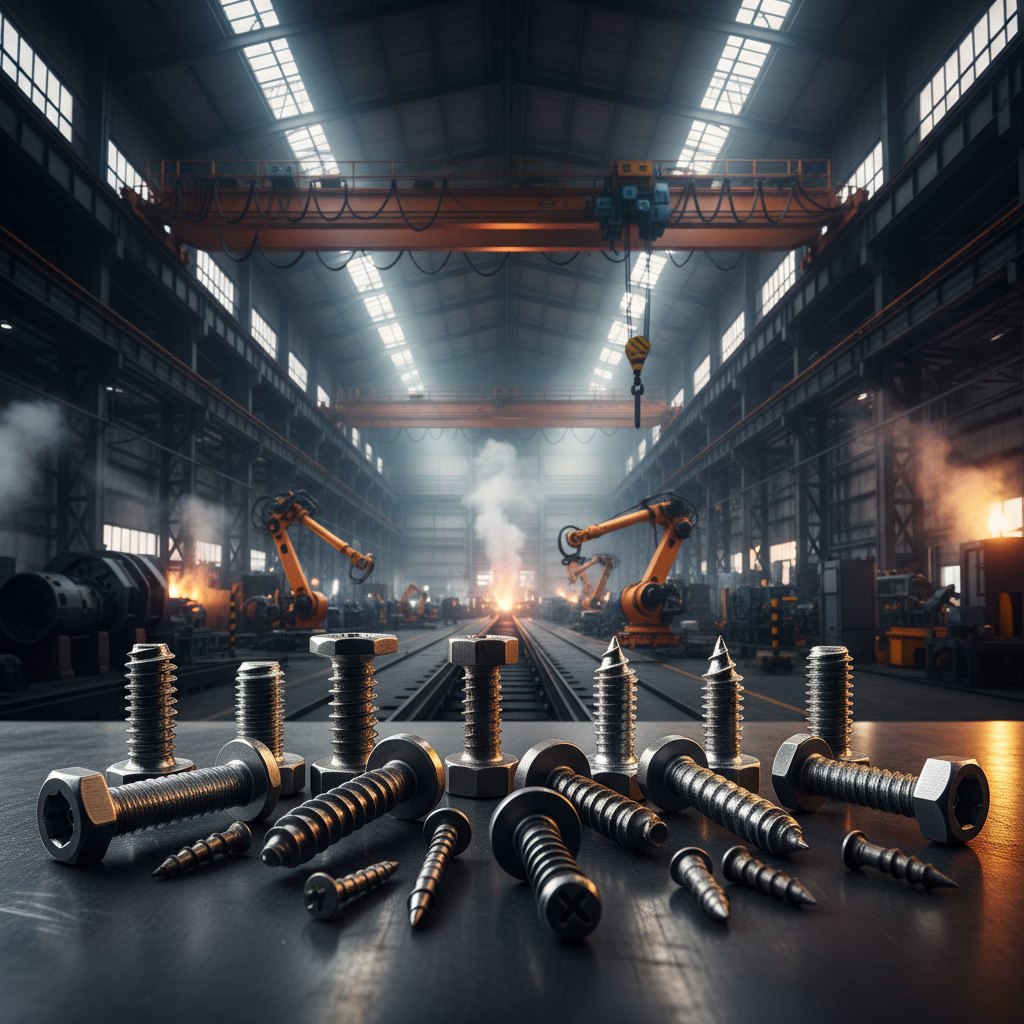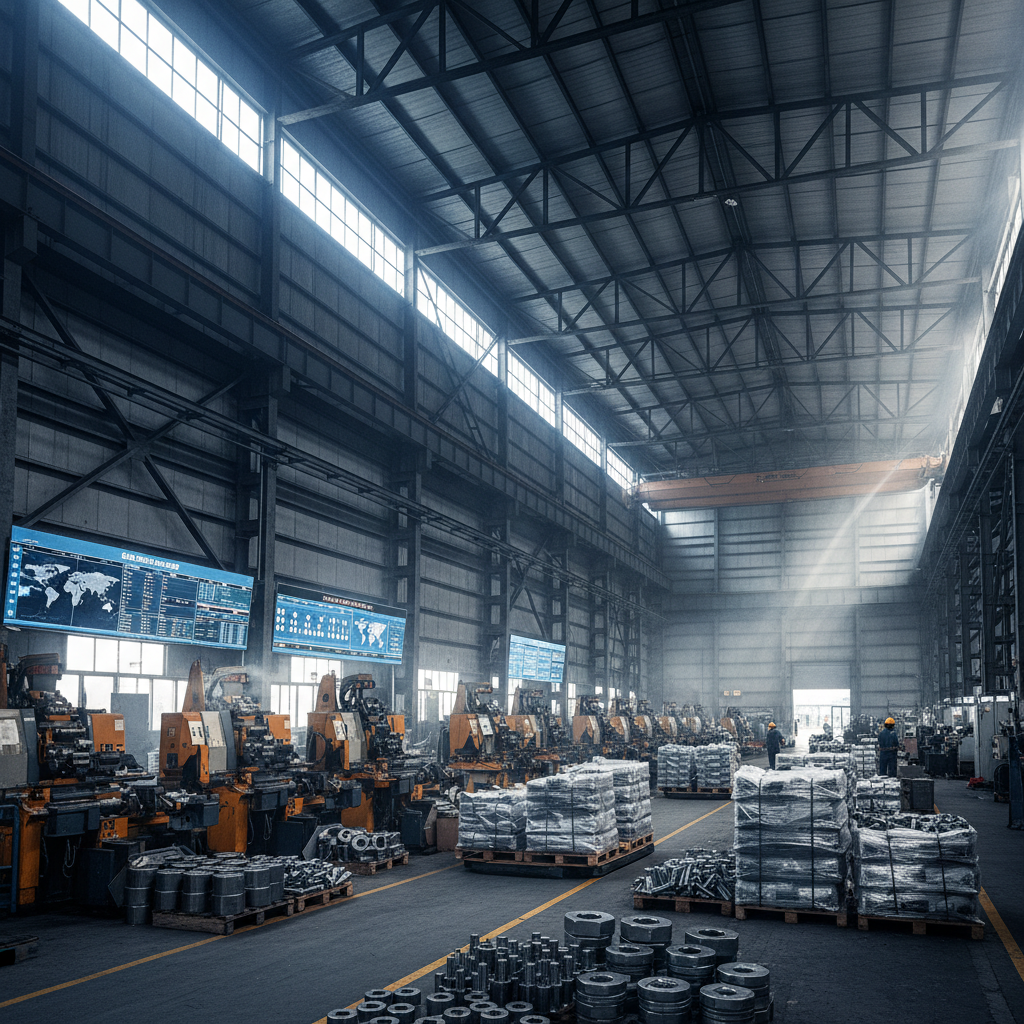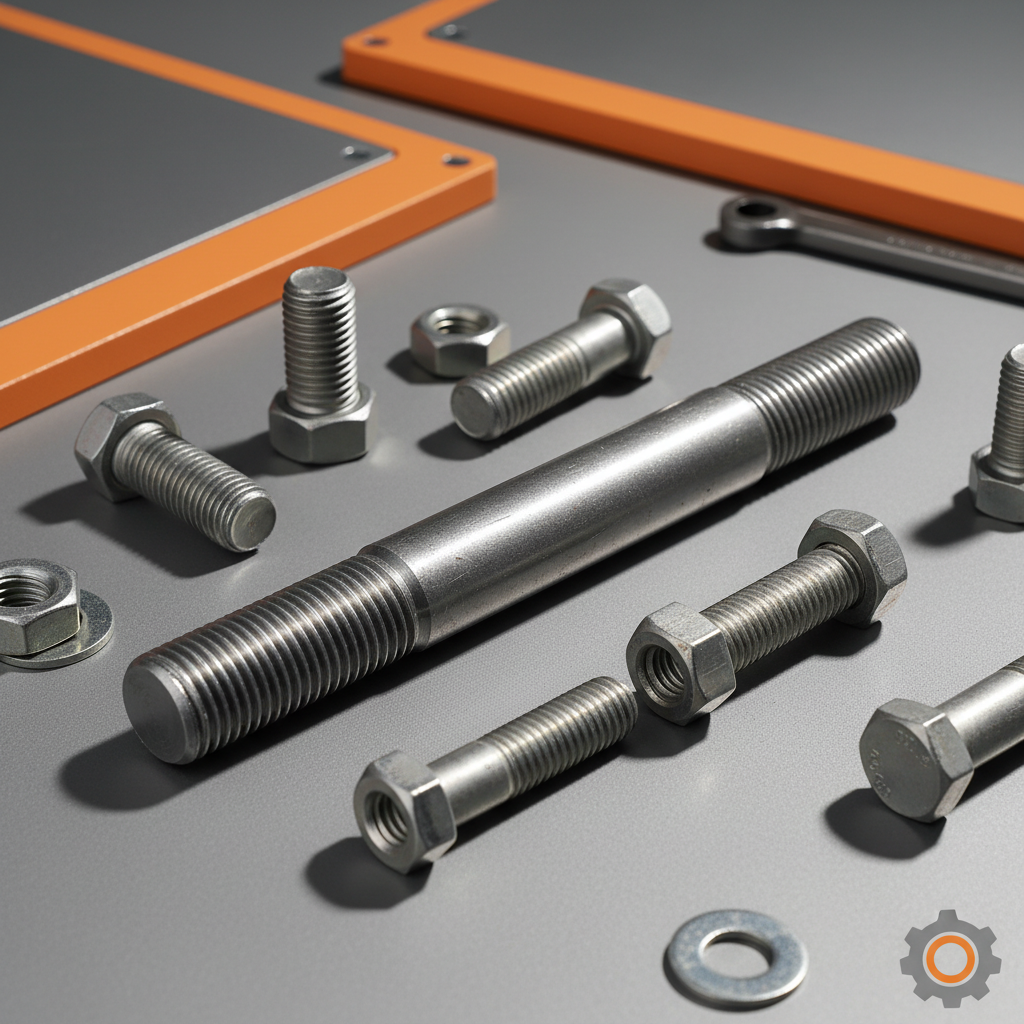
To be honest, the self tapping screw market… it’s been a wild ride lately. Everyone’s chasing higher strength, lighter weight, corrosion resistance – the usual suspects. But what I’ve noticed on sites is this frantic push for ‘new materials’ sometimes overlooks the basics. People are so focused on titanium alloys and fancy coatings, they forget a good quality, consistently manufactured steel screw still does 90% of the work. And consistently is the key. I encountered a batch at the Xiangyang fastener factory last time… let’s just say I spent a whole afternoon sorting through them.
It’s funny, isn't it? Designing these things seems simple, but there are so many traps. Thread pitch, for example. Get it wrong by even a hair, and you’ve got stripping, weak holds… headaches. And the point angle. Too sharp, and you risk splitting the material, especially with thinner gauges. Too blunt, and you’re fighting the material every turn. It's a delicate balance, honestly.
We mostly use stainless steel – 304, 316, depending on the environment. You can tell a good 316 by the weight; it feels…substantial. And the smell when you’re cutting it. Not exactly pleasant, but it's a distinct smell. We’ve started experimenting with some zinc-nickel alloys too. They offer fantastic corrosion resistance, especially in saltwater applications. They don’t feel as premium as the stainless, though. A bit grittier. We also have a few clients demanding brass, especially for electrical grounding. It's a bit soft for heavy loads, but the conductivity is unmatched.
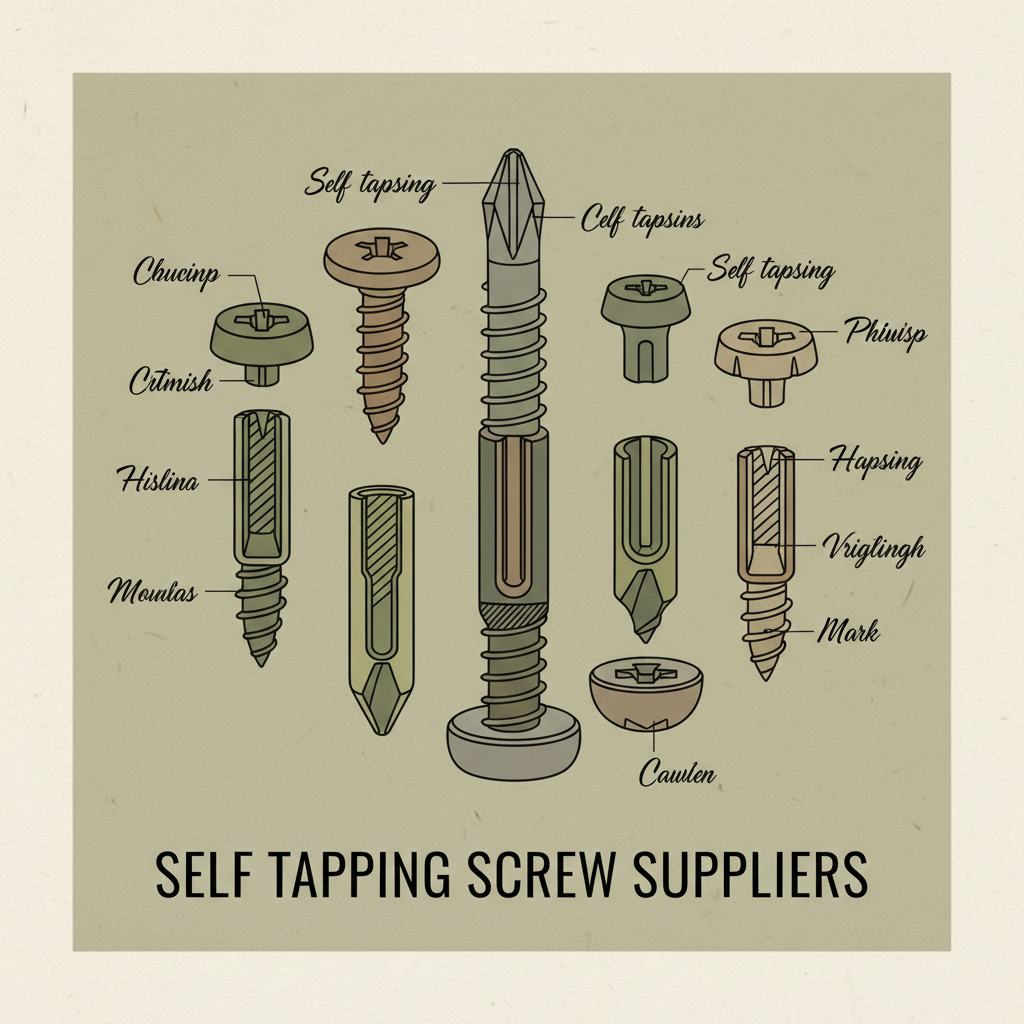

Strangely, the biggest trend I've seen isn’t a specific material, but a demand for smaller head profiles. Architects want flush finishes, clean lines... it looks good on paper. But it makes proper tightening so much harder. Guys are constantly stripping the heads because there’s just not enough surface area to get a good grip. I've been pushing back on that one, suggesting countersunk designs with a wider flange, but… well, aesthetics often win.
And don't even get me started on self-drilling screws for metal. They’re fantastic when they work, but the flute design is crucial. Too aggressive, and you end up with a jagged hole. Too shallow, and you’re just making a mess and weakening the material. It’s a constant compromise.
Honestly, it’s not spending enough on the base material. They chase cheap prices and end up with screws that strip easily or corrode quickly. You get what you pay for, especially with fasteners. Don’t skimp, it’ll cost you more in the long run with rework and replacements. It’s a classic case of being penny-wise and pound-foolish. And always consider the environment - stainless steel isn’t a one-size-fits-all solution.
The coating is important, but it’s secondary to the material. A good coating will protect against corrosion and improve lubricity, but it won’t fix a flawed screw. Zinc plating is common, but for harsh environments, you’ll want something more durable like hot-dip galvanizing or a ceramic coating. We’ve seen issues with cheaper coatings flaking off after just a few months of exposure, leaving the underlying steel vulnerable. Proper prep before coating is key too!
Self-drilling screws are great for speed, but they’re not always the best. They can be brittle and prone to snapping, especially in harder materials. They also require more torque to drive, which can strip the head if you’re not careful. For critical applications, pre-drilling is still the way to go. I encountered this at a construction site where the foreman didn't know when to use drill screws and a couple of the roof trusses collapsed.
We do a combination of lab tests and field tests. Lab tests include tensile strength, hardness, and corrosion resistance. But the real test is getting the guys on site to use them. If they complain about stripping, snapping, or difficulty driving, we know something’s wrong. We also do visual inspections for defects like burrs, rough edges, and uneven coatings. Consistency within a batch is the key.
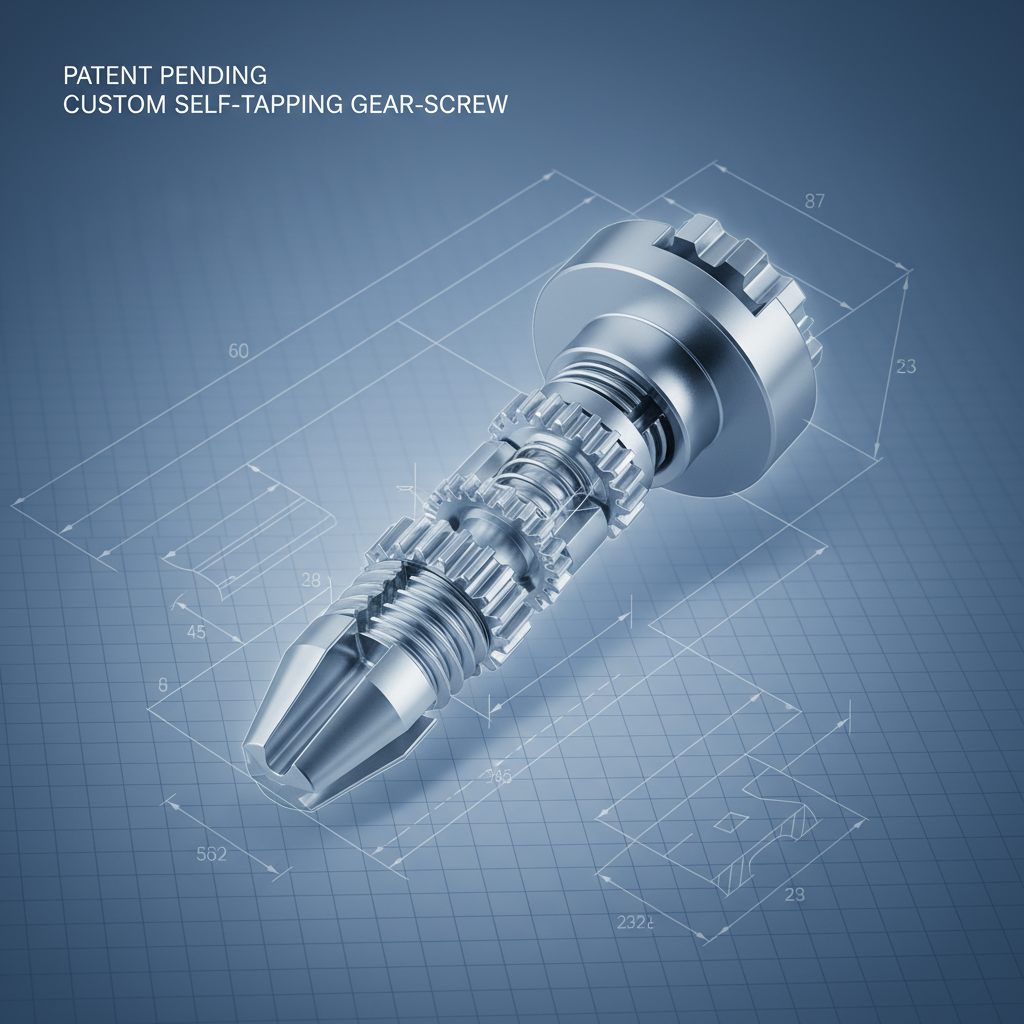
Absolutely! Length, diameter, head style, thread pitch, coating… you name it, we can customize it. We recently did a run for a client who needed screws with a specific head profile to fit into a tight space. It required custom tooling, but it solved their problem. Customization adds cost and lead time, so it's important to weigh the benefits against the drawbacks. Don't forget about material changes, too – you can often swap to different alloys to fit your needs.
That's a tricky one. It depends on the material, the coating, the environment, and the load it's carrying. In a benign indoor environment, a good quality stainless steel screw could last decades. Outdoors, especially in coastal areas, corrosion can significantly reduce the lifespan. Even with a good coating, you're looking at maybe 5-10 years. Regular inspection and maintenance are key to maximizing the lifespan of any fastener.
So, what have we learned? Self-tapping screws are a seemingly simple component, but there’s a lot going on under the surface. Choosing the right screw requires careful consideration of material, coating, thread design, and application. Don’t chase the latest trends without understanding the fundamentals. Quality, consistency, and proper installation are paramount.
The industry is constantly evolving, and new materials and coatings are always being developed. But at the end of the day, the true test of a self-tapping screw is how it performs in the real world. I always tell clients, invest in quality, listen to your workers, and don’t be afraid to ask questions. Ultimately, whether this thing works or not, the worker will know the moment he tightens the screw.