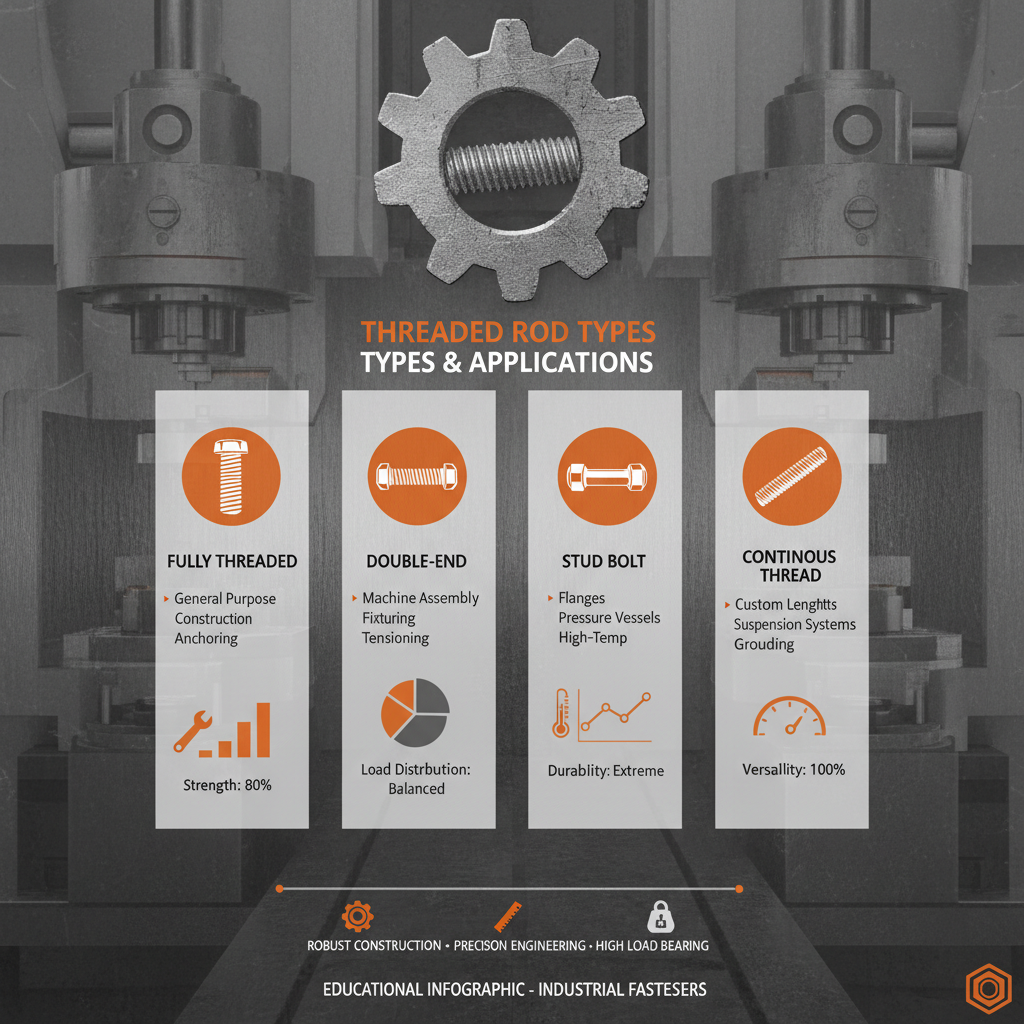
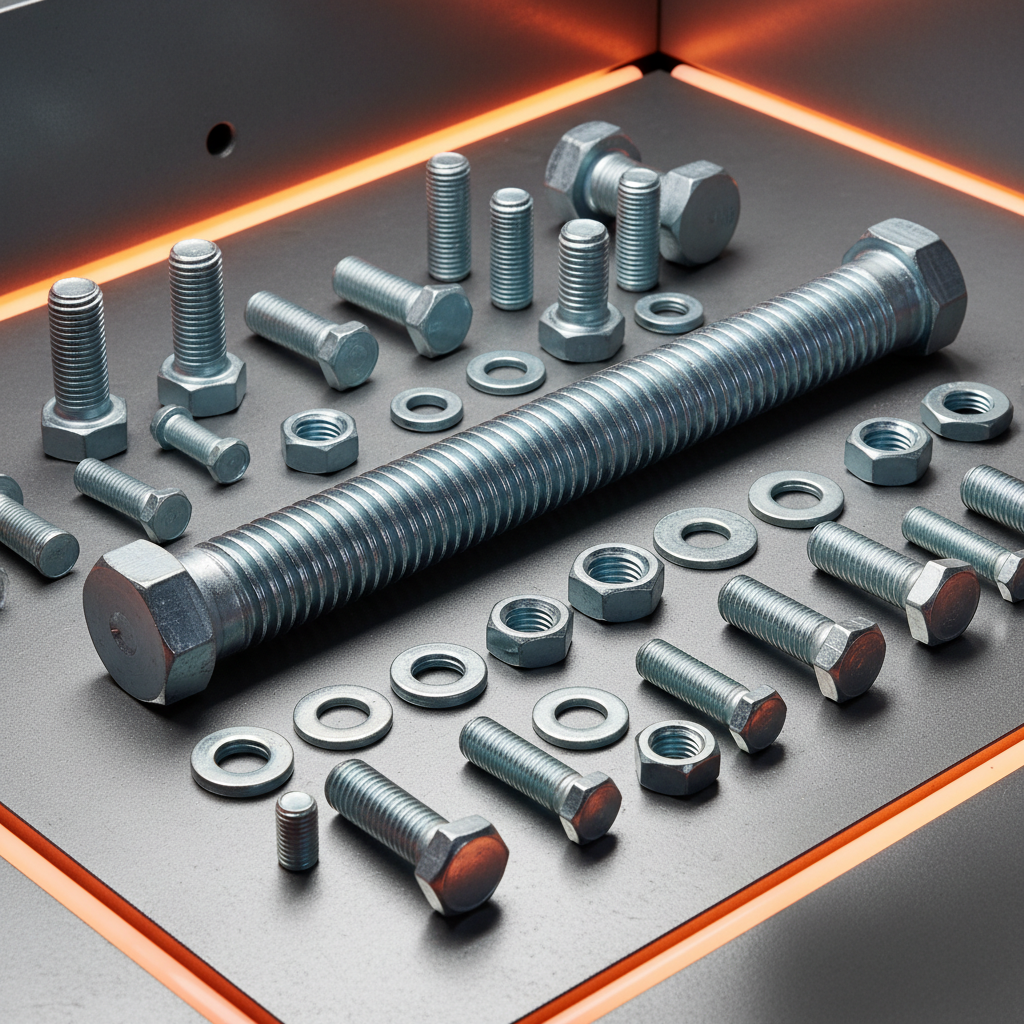
Different types of threaded rod are fundamental fasteners used across a vast spectrum of industries, from construction and manufacturing to automotive and aerospace. These rods, characterized by their helical ridges, offer a secure and adjustable means of joining components. Understanding the nuances of various types – from heavy-duty structural rods to precision-engineered fine-thread options – is crucial for ensuring the integrity and longevity of countless applications. The global demand for these components is substantial and growing, fueled by infrastructure development, industrial expansion, and a constant need for reliable fastening solutions.
The relevance of different types of threaded rod extends beyond mere mechanical applications. In disaster relief, quick-assembly shelters utilizing threaded rod connections provide immediate housing solutions. In remote locations, their durability and ease of installation are vital for establishing essential infrastructure. Furthermore, advancements in materials and manufacturing processes continually improve the performance characteristics of threaded rods, making them adaptable to increasingly demanding environments and specialized needs. The precision of these components contributes significantly to the safety and reliability of numerous critical systems.
Ultimately, selecting the appropriate type of threaded rod is paramount. Factors like load capacity, environmental conditions, and required precision all influence the optimal choice. Ignoring these considerations can lead to structural failures, costly repairs, and potentially dangerous situations. This comprehensive guide will explore the different types of threaded rod available, their specific applications, and the key factors to consider when making a selection, emphasizing their importance in a world increasingly reliant on robust and dependable fastening technology.
The Significance of Different Types of Threaded Rod
The widespread use of different types of threaded rod underscores their vital role in modern infrastructure and manufacturing. They provide a reliable and adjustable fastening method suitable for diverse materials and applications. From simple assembly tasks to complex structural connections, the right threaded rod ensures stability, safety, and longevity. Properly selected and installed threaded rods contribute significantly to the overall performance and durability of the structures and machinery they support.
The economic impact of threaded rods is substantial, supporting industries ranging from construction and automotive to aerospace and renewable energy. The efficiency and reliability they offer translate into reduced maintenance costs, increased productivity, and enhanced safety standards. Investing in high-quality threaded rods and understanding their specific properties is a cost-effective strategy for ensuring the long-term success of any project.
Defining Different Types of Threaded Rod
Different types of threaded rod are essentially cylindrical metal rods with continuous helical threading along their length. This threading allows them to be screwed into tapped holes or used with nuts to create a secure fastening system. The fundamental difference between various types lies in their materials, thread pitch, diameter, and coating. These variations are tailored to meet specific requirements concerning strength, corrosion resistance, and application environment.
Common materials include carbon steel, stainless steel (various grades like 304 and 316), alloy steel, and even specialized materials like titanium. Thread pitch refers to the distance between threads, with coarser pitches offering faster assembly but lower strength, and finer pitches providing greater precision and holding power. Diameter dictates the rod's load-bearing capacity, and coatings like zinc plating or hot-dip galvanization enhance corrosion resistance.
Understanding these foundational elements is key to selecting the appropriate type of threaded rod for any given task. Their versatility makes them a cornerstone of countless engineering applications, contributing to the stability and functionality of structures and machines worldwide. Without this component, modern industry as we know it would struggle to maintain current levels of efficiency and safety.
Key Characteristics of Threaded Rods
Durability is a crucial characteristic of different types of threaded rod. The ability to withstand significant tensile and shear forces without deformation or failure is essential for structural integrity. Material selection plays a primary role, with stainless steel offering superior corrosion resistance and high-strength alloys providing exceptional load-bearing capacity. Proper heat treatment and manufacturing processes also contribute to the overall durability of the rod.
Thread accuracy is another vital characteristic. Precisely machined threads ensure a tight and secure connection, minimizing the risk of loosening or stripping. Different thread standards (e.g., UNC, UNF, metric) dictate thread form and pitch, influencing compatibility with various nuts and tapped holes. Maintaining thread integrity is paramount for reliable performance.
Corrosion resistance is critical for applications exposed to harsh environments. Coatings such as zinc plating, galvanization, or the use of inherently corrosion-resistant materials like stainless steel protect the rod from rust and degradation, extending its service life and ensuring long-term reliability. The choice of coating depends on the specific corrosive agents present in the environment.
Global Applications and Industries Utilizing Threaded Rod
The construction industry is a major consumer of different types of threaded rod, employing them in structural supports, bracing, and connections for various building components. High-strength carbon steel rods are commonly used in these applications to ensure stability and load-bearing capacity. Pre-fabricated building systems and modular construction also heavily rely on threaded rod connections for rapid assembly and structural integrity.
Manufacturing utilizes threaded rod in a wide array of applications, from machine assembly and tooling to fixture construction. Precision-engineered rods with fine threads are often used in applications requiring precise adjustments and secure clamping. Automotive manufacturing employs threaded rods in suspension systems, exhaust components, and various structural assemblies.
In post-disaster relief operations, quick-assembly shelters utilizing threaded rod frames provide immediate housing solutions for affected communities. These shelters are lightweight, portable, and can be erected quickly with minimal tools. In remote industrial zones, threaded rod is vital for constructing and maintaining essential infrastructure, such as pipelines, communication towers, and power generation facilities.
Threaded Rod Usage by Industry
Advantages and Long-Term Value Proposition
The cost-effectiveness of different types of threaded rod is a significant advantage. Compared to welding or other permanent fastening methods, they offer a more economical solution, particularly for applications requiring disassembly or adjustment. Furthermore, the ease of installation reduces labor costs and project timelines.
Sustainability is increasingly important, and threaded rods contribute to this goal by enabling the repair and reuse of structures and machinery. Unlike permanent fastening methods, they allow for easy component replacement, extending the lifespan of assets and reducing waste. Choosing corrosion-resistant materials further enhances longevity and minimizes environmental impact.
Future Trends and Innovations in Threaded Rod Technology
Advancements in materials science are leading to the development of new and improved threaded rod materials. High-strength alloys with enhanced corrosion resistance and fatigue life are being introduced, catering to increasingly demanding applications. The integration of nanotechnology could further enhance material properties and performance characteristics.
Digital transformation is also impacting the industry, with the adoption of smart fasteners equipped with sensors to monitor load, temperature, and other critical parameters. This data can be used for predictive maintenance, ensuring structural integrity and preventing failures. Automation in manufacturing processes is improving production efficiency and precision.
Challenges and Potential Solutions
One common challenge is thread galling, which occurs when friction between threads causes them to seize or damage. Applying anti-seize compounds or utilizing specialized coatings can mitigate this issue. Another challenge is the potential for corrosion in harsh environments. Selecting appropriate materials and coatings is crucial for preventing degradation.
Ensuring consistent quality control throughout the manufacturing process is paramount. Implementing rigorous inspection procedures and adhering to industry standards minimizes the risk of defects. Furthermore, investing in advanced testing equipment and training personnel can improve product reliability and performance.
Standardization of thread types and dimensions can also address compatibility issues and streamline assembly processes. Collaboration between manufacturers and end-users is essential for developing and implementing effective solutions.
FAQS
Selecting the appropriate threaded rod involves evaluating several key factors. Consider the load requirements, environmental conditions, material compatibility, and desired level of corrosion resistance. Thread pitch and diameter are also crucial considerations, impacting strength and adjustability. Consulting with a fastening specialist can help ensure the optimal selection for your specific application.
Thread galling can be prevented by using anti-seize compounds on the threads before assembly. These compounds reduce friction and prevent the threads from seizing. Also, ensure proper lubrication and avoid over-tightening, which can increase friction and cause damage. Utilizing corrosion-resistant materials and coatings can also reduce the risk of galling.
UNC (Unified National Coarse) and UNF (Unified National Fine) refer to different thread standards. UNC threads have a coarser pitch, making them faster to assemble but less resistant to loosening. UNF threads have a finer pitch, providing greater holding power and precision, but requiring slower assembly and being more susceptible to damage.
The material significantly impacts a threaded rod’s strength, corrosion resistance, and overall performance. Carbon steel offers high strength but limited corrosion resistance. Stainless steel provides excellent corrosion resistance but may have lower strength. Alloy steels offer a balance of both properties. Choosing the right material is critical for the application environment.
Stainless steel threaded rods offer superior corrosion resistance, making them ideal for outdoor or harsh environments. They also have good strength and durability, requiring minimal maintenance. While generally more expensive than carbon steel, their long-term reliability and reduced replacement costs often make them a cost-effective choice.
Threaded rods should be stored in a dry, clean environment to prevent corrosion. If stored outdoors, they should be covered with a protective tarp or stored in a sealed container. Applying a protective coating, such as oil or grease, can also help prevent corrosion during long-term storage. Regularly inspect stored rods for signs of rust or degradation.
Conclusion
In conclusion, different types of threaded rod are indispensable components across a diverse range of industries. Their versatility, strength, and adaptability make them crucial for structural integrity, efficient assembly, and long-term reliability. Understanding the nuances of material selection, thread standards, and environmental factors is paramount for ensuring optimal performance and preventing failures. From construction and manufacturing to disaster relief and renewable energy, these seemingly simple fasteners play a vital role in modern infrastructure and technological advancement.
Looking ahead, continued innovation in materials science, coupled with the integration of digital technologies, will further enhance the capabilities of threaded rods. Embracing these advancements and adhering to best practices in installation and maintenance will unlock new possibilities and ensure the continued relevance of these essential fastening solutions. Visit our website at www.hbtbls.com to explore our wide range of threaded rod products and learn more about how we can meet your fastening needs.