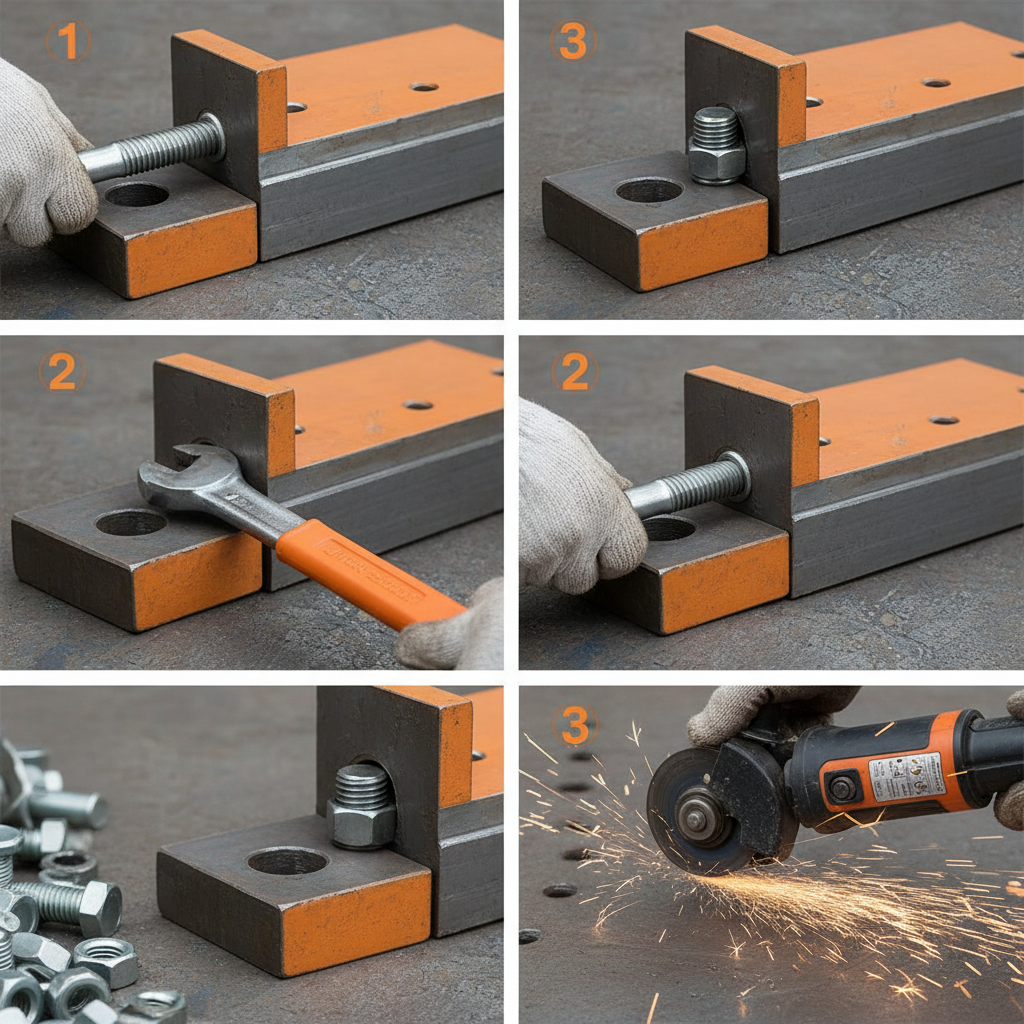
In the demanding world of industrial construction and mechanical assembly, the integrity of fastening systems is paramount. The galvanised threaded rod serves as a critical component, providing a versatile and corrosion-resistant solution for suspending pipes, electrical conduits, and HVAC systems across diverse environments. Understanding the nuances of its material composition and coating process is essential for engineers and procurement managers aiming to balance structural safety with long-term maintenance costs.
Globally, the shift toward sustainable urban infrastructure and more resilient industrial facilities has placed a spotlight on the longevity of fastening hardware. When exposed to moisture, humidity, or chemical pollutants, standard steel rods fail rapidly, leading to costly structural repairs or dangerous collapses. By utilizing a zinc-coated finish, the galvanised threaded rod mitigates these risks, ensuring that the internal steel core remains protected from oxidative stress.
Beyond mere protection, the adoption of high-quality galvanised fasteners reflects a broader commitment to international safety standards and efficiency. Whether it is a skyscraper in Dubai or a manufacturing plant in Germany, the reliability of a galvanised threaded rod allows for rapid deployment and scalable assembly, making it an indispensable asset in the modern architectural toolkit.
Global Industry Relevance of Galvanised Threaded Rod
The global demand for galvanised threaded rod is intrinsically linked to the rise of urbanization and the expansion of industrial infrastructure. According to ISO standards for fasteners, the ability of a component to withstand environmental degradation is a primary metric for safety. In regions with high salinity or industrial pollution, the use of untreated steel is virtually impossible, making galvanisation the gold standard for ensuring structural longevity.
Industries such as oil and gas, shipbuilding, and large-scale commercial construction rely heavily on these rods to maintain the stability of heavy equipment. The challenge often lies in the volatility of raw material costs and the strict adherence to torque specifications. By integrating a galvanised threaded rod into the design phase, engineers can significantly reduce the frequency of replacement cycles, thereby lowering the total cost of ownership for the end user.
Defining the Technical Core of Galvanised Threaded Rod
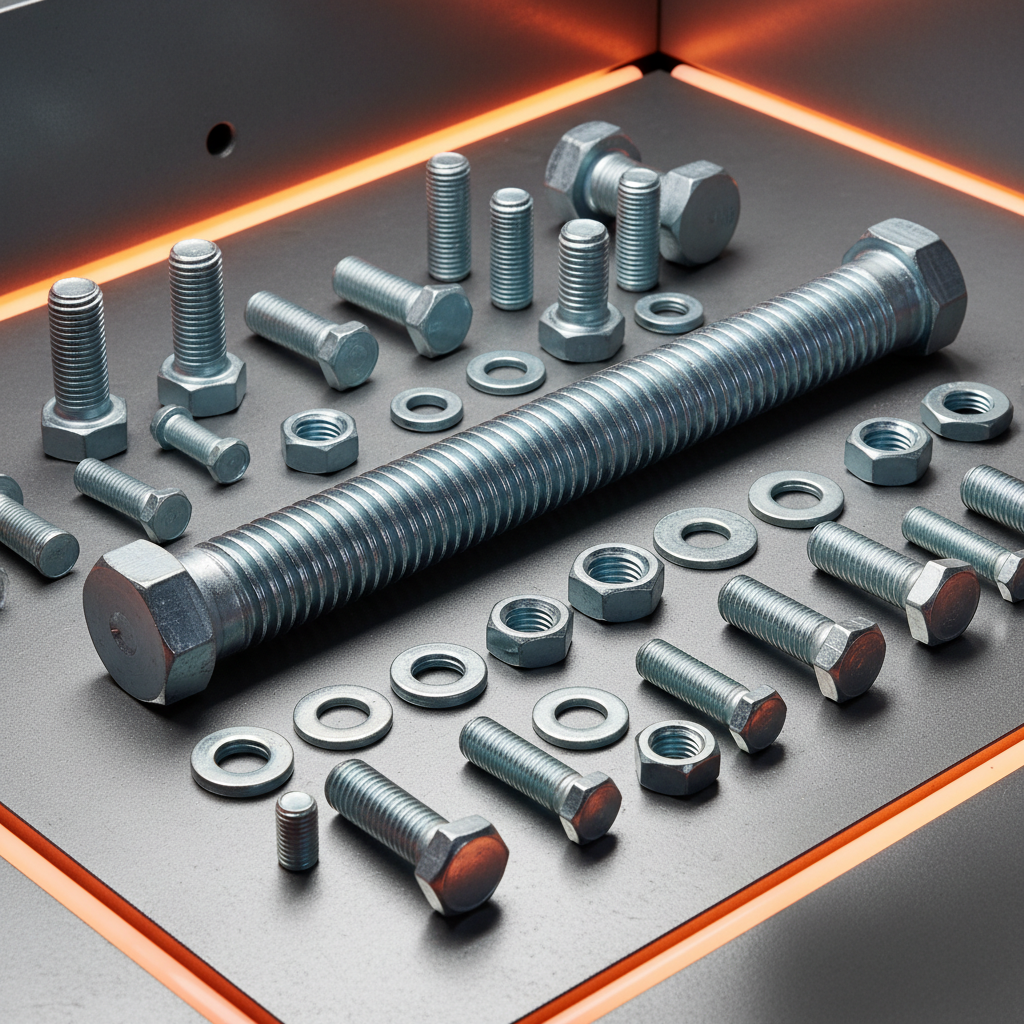
At its simplest level, a galvanised threaded rod is a continuous length of steel with external threading along its entire axis, coated with a protective layer of zinc. This process, known as galvanisation, creates a metallurgical bond between the zinc and the steel. This bond doesn't just act as a physical barrier; it provides cathodic protection, meaning the zinc will corrode preferentially to the steel, sacrificing itself to save the structural core.
In the context of modern humanitarian needs and rapid infrastructure deployment—such as the construction of emergency medical facilities or temporary housing in disaster zones—these rods provide the necessary agility. They can be cut to any desired length on-site and coupled with nuts and washers to create secure, adjustable supports. This flexibility is critical when dealing with irregular architectural spaces or urgent timelines.
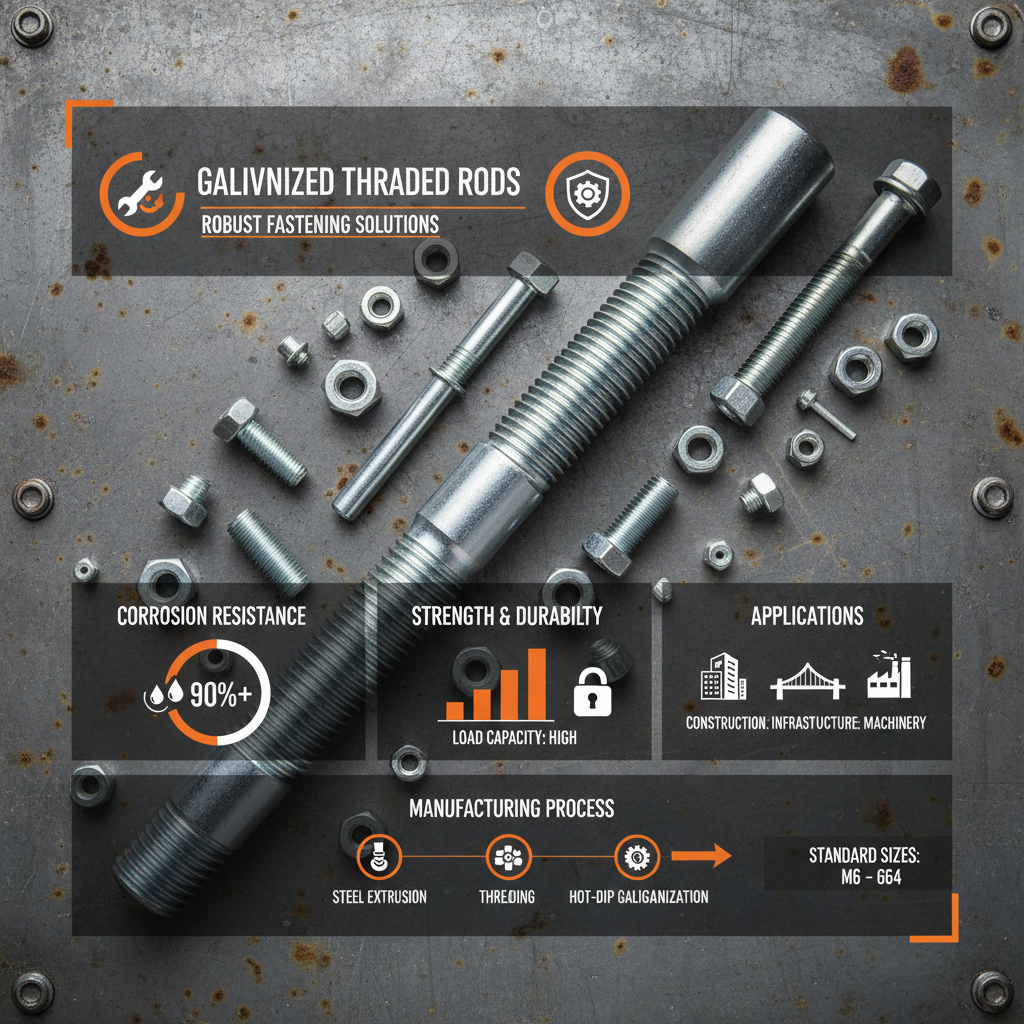
From a manufacturing perspective, the quality of the thread (whether it is coarse or fine) and the thickness of the zinc layer determine the rod's application. Whether it's hot-dip galvanising for extreme environments or electro-galvanising for aesthetic and precision-fit indoor use, the galvanised threaded rod remains a fundamental element of mechanical fastening.
Key Factors Driving Performance and Durability
Corrosion resistance is the most significant factor when selecting a galvanised threaded rod. The zinc coating prevents the oxidation of the iron in the steel, which would otherwise lead to rust and eventual structural failure. This is particularly vital in HVAC installations where condensation is constant, and moisture can seep into every joint.
Load-bearing capacity and tensile strength are equally critical. A high-grade galvanised threaded rod must meet specific grade requirements (such as Grade 4.8 or 8.8) to ensure it can support the weight of heavy conduits or industrial machinery without stretching or shearing under tension.
Dimensional accuracy and thread consistency ensure that the galvanised threaded rod integrates seamlessly with nuts and washers. Poorly threaded rods lead to "cross-threading" or insufficient tightening, which compromises the safety of the entire assembly. Quality control in the galvanising process ensures the coating does not obstruct the threads.
Practical Applications Across Global Sectors
In real-world contexts, the galvanised threaded rod is ubiquitous. In the energy sector, particularly within wind turbine assemblies and solar array frames, these rods provide the necessary stability against high wind loads and outdoor exposure. In North America and Europe, they are the standard for suspending fire sprinkler systems in commercial warehouses, where reliability is mandated by law.
Furthermore, in remote industrial zones—such as mining operations in Australia or oil rigs in the Gulf—the harsh environmental conditions make the galvanised threaded rod an essential choice. These environments are characterized by salt spray and chemical fumes, which would destroy untreated fasteners in a matter of weeks, leading to catastrophic operational downtime.
Comparative Performance of Galvanised Threaded Rod Variants
Long-Term Value and Economic Advantages
Investing in a high-quality galvanised threaded rod offers a clear logical advantage: the reduction of lifecycle costs. While the initial procurement cost of a galvanised rod may be higher than that of a plain steel rod, the expense of labor required to replace rusted fasteners in a ceiling or an industrial frame is exponentially higher. This makes the galvanised option the more economically sustainable choice for any long-term project.
From an emotional and safety standpoint, the use of these rods fosters trust and peace of mind. Knowing that the supporting hardware of a ventilation system or a structural brace is protected against the "silent killer" of corrosion ensures the dignity and safety of the building's occupants. Innovation in this space is not just about materials, but about the confidence that the infrastructure will stand the test of time without fail.
Future Trends in Fastener Innovation
The future of the galvanised threaded rod is being shaped by the global push toward green energy and sustainable manufacturing. We are seeing a shift toward "green galvanising" processes that reduce the environmental impact of zinc smelting and acid pickling. These new methods aim to maintain the same cathodic protection levels while significantly reducing carbon emissions and hazardous waste.
Digital transformation is also playing a role. The integration of BIM (Building Information Modeling) allows engineers to specify the exact length and grade of galvanised threaded rod needed for a project, reducing material waste on-site. Automation in the thread-rolling process is further enhancing the precision of the rods, ensuring tighter tolerances and more reliable assemblies.
Moreover, we are seeing the emergence of hybrid coatings, where galvanisation is combined with organic topcoats (like powder coating) to create a "duplex system." This combination offers synergistic protection, where the organic layer protects the zinc, and the zinc protects the steel, extending the service life of the galvanised threaded rod to several decades even in extreme marine environments.
Overcoming Implementation Challenges
One common challenge with the galvanised threaded rod is the issue of "hydrogen embrittlement," which can occur during the acid pickling phase of galvanisation in high-strength steels. This can lead to sudden, brittle failure under load. Expert insight suggests utilizing bake-out processes after plating to drive out hydrogen, ensuring the rod maintains its ductility and strength.
Another frequent limitation is the buildup of zinc in the threads during hot-dip galvanising, which can make it difficult to start the nut. The solution lies in the use of "over-tapping" or the application of precision-threaded rods that are galvanised using electro-chemical methods for applications requiring tight tolerances. Choosing the right galvanising method for the specific application is the key to avoiding installation delays.
Finally, the challenge of matching the rod with compatible nuts and washers must be addressed. Using a non-galvanised nut on a galvanised threaded rod creates a galvanic cell, which actually accelerates corrosion at the contact point. To overcome this, always ensure that all components of the fastening system share the same coating specification to maintain chemical homogeneity.
Comparative Analysis of Galvanised Threaded Rod Specifications
| Coating Method |
Corrosion Resistance |
Thread Precision |
Typical Lifespan (Years) |
| Hot-Dip Galvanised |
Very High |
Moderate |
20-50 |
| Electro-Galvanised |
Moderate |
High |
5-15 |
| Zinc-Flake Coating |
High |
High |
15-30 |
| Cold Galvanised (Spray) |
Low to Moderate |
Very High |
2-7 |
| Mechanical Galvanised |
Moderate to High |
High |
10-20 |
| Duplex (Galv + Powder) |
Extreme |
Moderate |
50+ |
FAQS
Hot-dip galvanising involves immersing the rod in molten zinc, creating a thick, durable layer ideal for outdoor or harsh environments. Electro-galvanising uses an electric current to apply a thinner, smoother zinc layer, which is better for indoor use where aesthetics and precise thread fit are more important than extreme corrosion resistance.
Yes, you can cut them, but the cut end will expose the raw steel core, which is susceptible to rust. To maintain the protection, it is highly recommended to apply a cold-galvanising spray or zinc-rich paint to the cut edges immediately after cutting to seal the metal.
The choice depends on the load. For general purpose hanging (like light piping), Grade 4.8 is usually sufficient. For structural supports or heavy machinery where high tensile strength is required, Grade 8.8 or higher is necessary. Always consult the load charts provided by the manufacturer to ensure safety.
Yes, this can cause galvanic corrosion. When two dissimilar metals like zinc-coated steel and aluminum touch in a moist environment, the more active metal will corrode faster. To prevent this, use insulating washers or gaskets to break the electrical contact between the rod and the aluminum part.
Depending on the coating thickness, a hot-dip galvanised rod can last between 20 to 50 years. However, in extremely salty air, the zinc layer will deplete faster. In such cases, a duplex coating (galvanisation plus powder coating) is recommended to extend the lifespan further.
While they offer good corrosion resistance, some food-grade standards prefer stainless steel (like 304 or 316) because zinc can potentially flake or react with certain acidic foods. However, for non-contact structural supports in food plants, galvanised rods are often an acceptable and cost-effective choice.
Conclusion
The galvanised threaded rod is far more than a simple piece of hardware; it is a cornerstone of modern structural integrity. By combining the inherent strength of steel with the sacrificial protection of zinc, these fasteners solve the age-old problem of corrosion while providing the flexibility needed for complex industrial installations. From the technical precision of its threads to the economic value of its extended lifespan, the galvanised rod ensures that the systems we rely on—from HVAC to energy infrastructure—remain safe and operational.
As we move toward a future of smarter, greener construction, the evolution of galvanising technologies will continue to enhance the sustainability and performance of these essential components. For engineers and contractors, the priority remains the same: selecting the right coating and grade for the specific environment to ensure maximum safety and efficiency. We invite you to explore our full range of professional fastening solutions to secure your next project. Visit our website: www.hbtbls.com