Look, I’ve spent the last twenty years on construction sites, getting my hands dirty, and frankly, seeing a lot of things fail. And when things fail, it’s usually because of something basic – a weak link in the chain. That’s where stainless threaded bar comes in. It’s not glamorous, but it's absolutely critical. We’re talking about the backbone of everything from bridges and skyscrapers to offshore platforms and even the simple handrails you grip walking into a building. It’s the stuff that holds it all together, and that’s why understanding its properties and applications is more important than ever.
The demand for reliable construction materials is only increasing globally. The UN projects a population of nearly 10 billion by 2050, and that means a massive surge in infrastructure needs – housing, transportation, energy. But we’re also facing increasing environmental pressures, and the cost of failures, both in human and economic terms, is skyrocketing. This isn’t just about building more; it's about building better – with materials that can withstand the test of time and the elements. Stainless threaded bar isn’t just a component; it’s a foundational element in achieving that resilience.
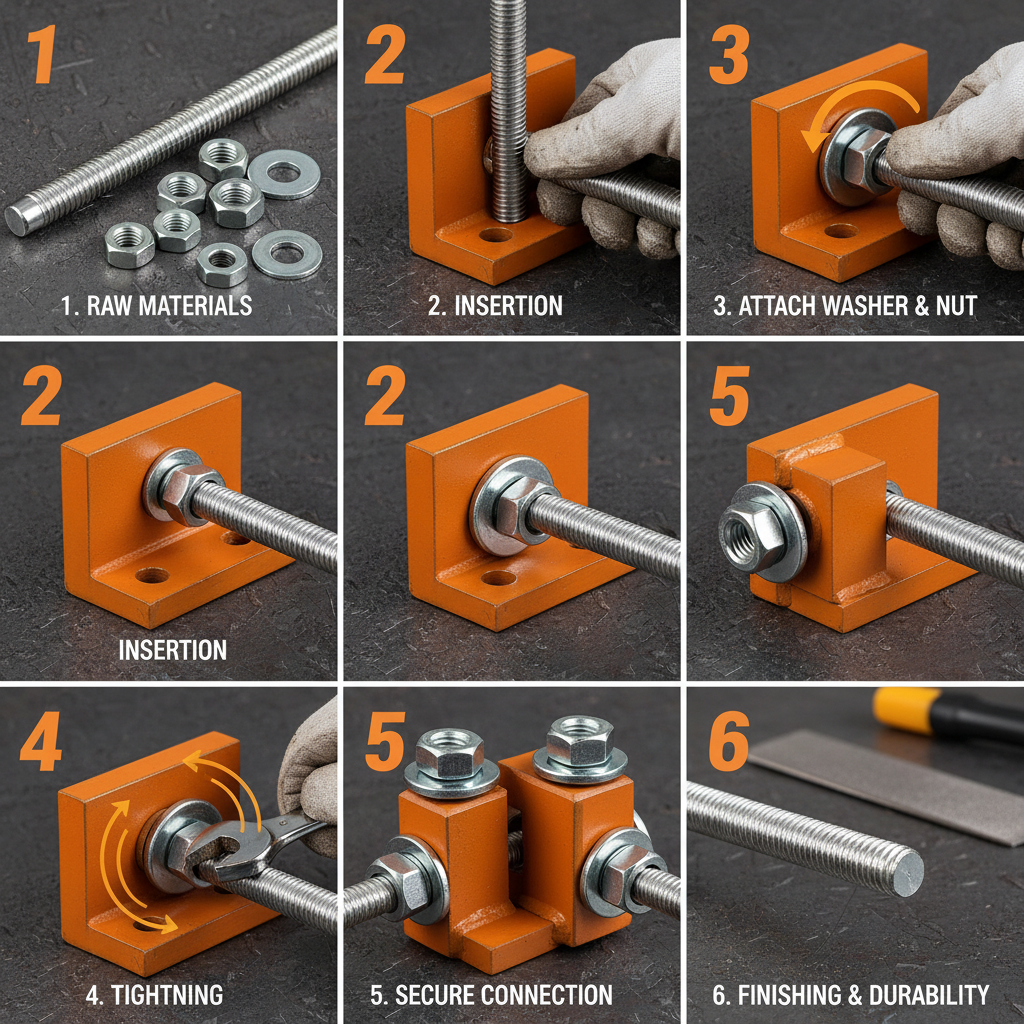
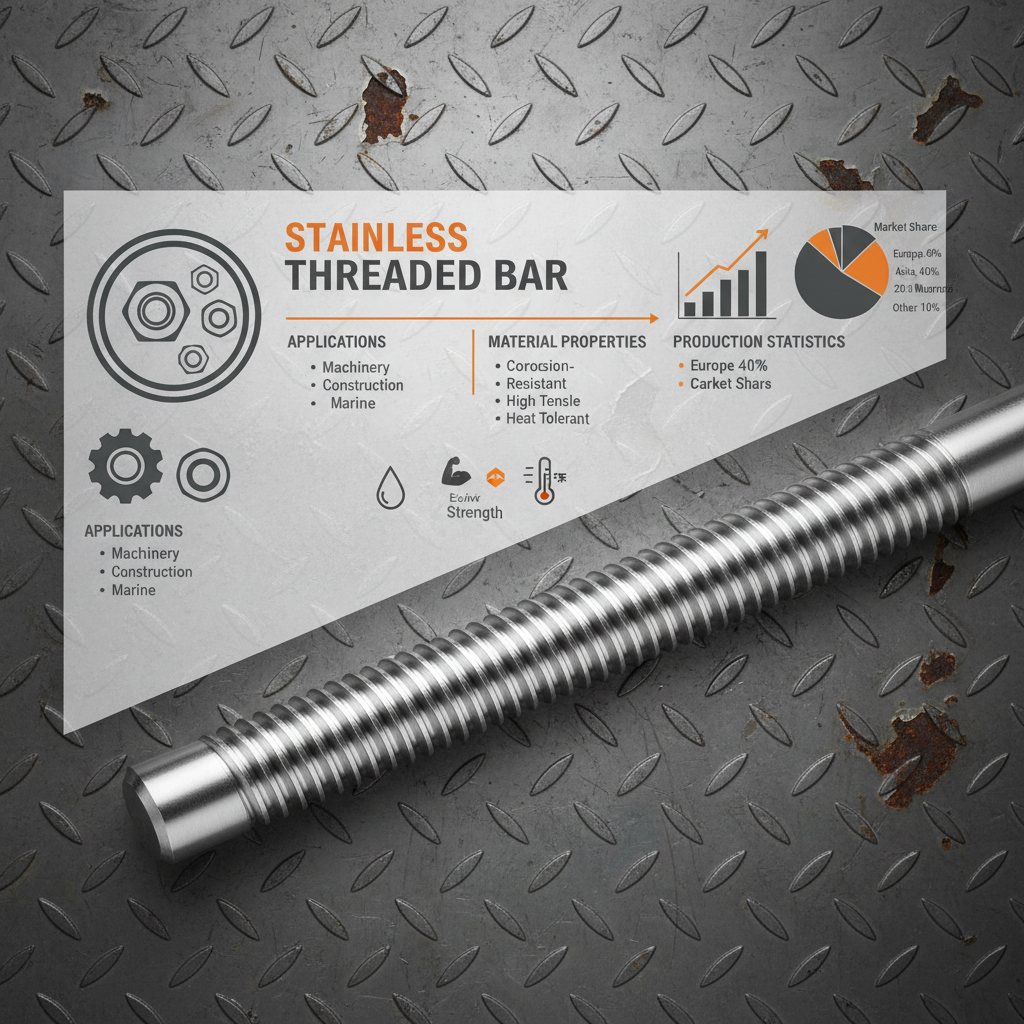
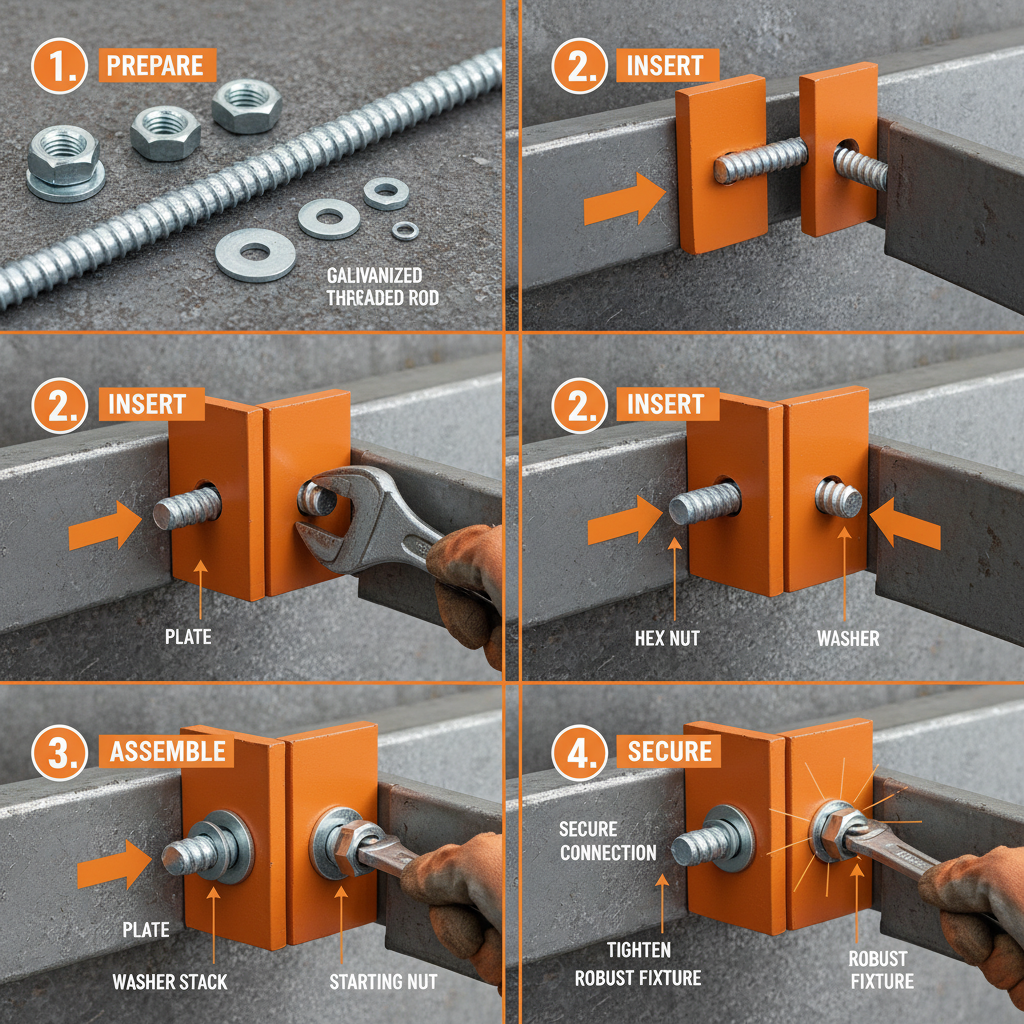
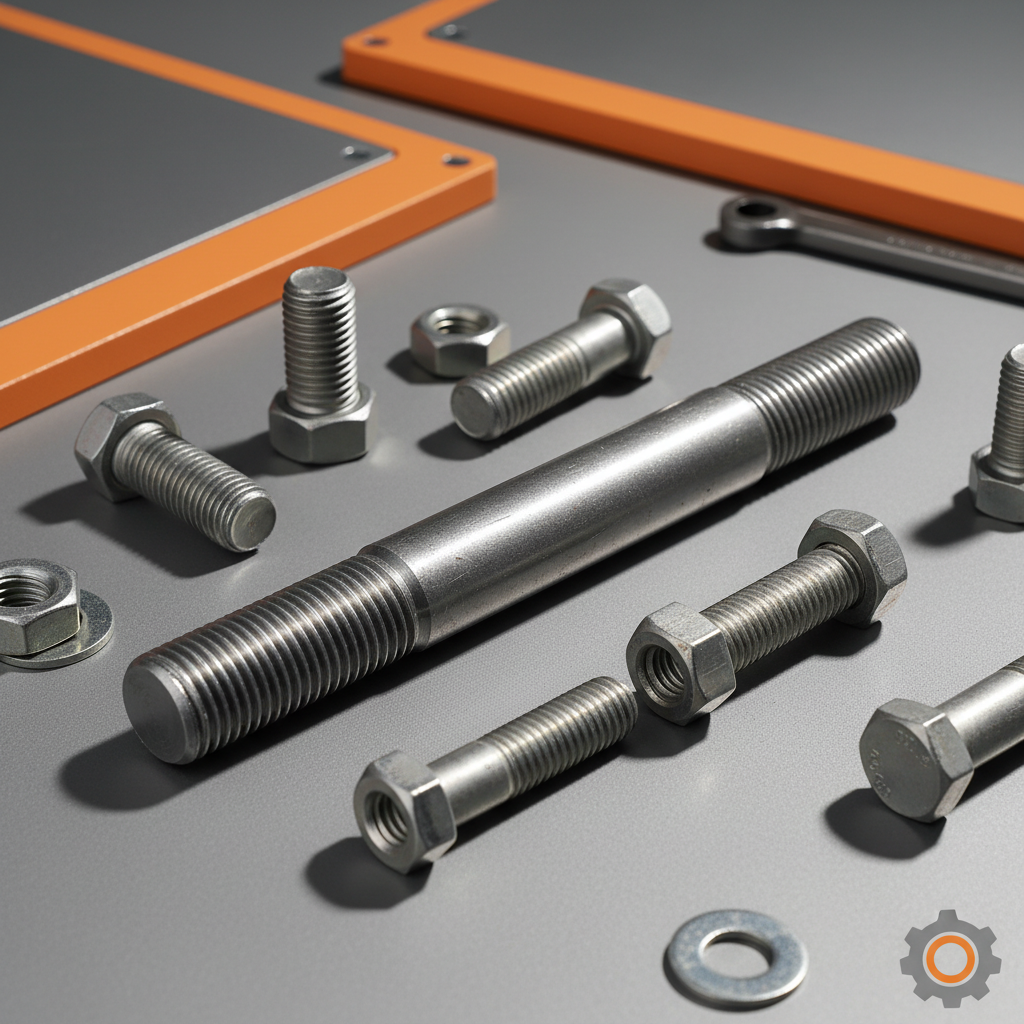
Simply put, stainless threaded bar is a rod made of stainless steel that has threads machined into it. Those threads allow it to be screwed into tapped holes or used with nuts to create bolted connections. Sounds simple, right? But it's that ability to create strong, reliable, and corrosion-resistant joints that makes it invaluable. It’s moved beyond just being a fastener; it’s become integral to structural integrity in environments where traditional steel would quickly corrode and fail, impacting modern industries and ensuring essential infrastructure longevity.
The Critical Role of Stainless Threaded Bar in Modern Infrastructure
I’ve seen too many projects delayed, or worse, compromised, because they skimped on the fasteners. Stainless threaded bar isn’t something you want to cheap out on. It's the seemingly small component that keeps everything aligned, under tension, and ultimately, safe. From securing structural steel in high-rise buildings to anchoring critical equipment on offshore oil rigs, these bars provide the strength and longevity needed for demanding applications.
The increasing focus on life-cycle cost analysis is really highlighting the value of stainless threaded bar. Yes, it might have a higher upfront cost compared to carbon steel, but the reduced maintenance, the elimination of corrosion-related repairs, and the extended service life all add up to significant savings in the long run. It’s an investment, not an expense.
Understanding the Core Properties
What makes stainless steel, and therefore stainless threaded bar, so good? It's all about the alloy composition, specifically the addition of chromium. That chromium forms a passive layer of oxide on the surface, protecting the steel from corrosion. Different grades of stainless steel offer varying levels of corrosion resistance, strength, and ductility, allowing engineers to select the optimal material for a specific application.
Beyond corrosion resistance, stainless steel boasts a high strength-to-weight ratio. This is crucial for reducing overall structural weight, which translates to lower material costs and easier installation. It's also non-magnetic, which is important in certain applications like MRI facilities or marine environments where magnetic interference is a concern.
And let’s not forget about workability. While it requires specialized tools and techniques, stainless steel can be readily machined, threaded, and formed into complex shapes. This versatility makes it adaptable to a wide range of design requirements.
The Unmatched Corrosion Resistance
I’ve worked on projects near the ocean for years. Carbon steel? Forget about it. It rusts before your eyes. That’s where stainless comes in. The real benefit here isn’t just avoiding the visible rust; it’s preventing the insidious weakening of the material over time. That corrosion eats away at the strength, and you don’t always see it happening until it’s too late.
Different grades of stainless steel – 304, 316, duplex – offer different levels of protection against specific corrosive agents. 316, with its molybdenum content, is particularly resistant to chloride corrosion, making it ideal for marine environments or applications involving de-icing salts. Understanding these nuances is critical for selecting the right material for the job.
It's not just about water, either. Stainless threaded bar holds up in chemical processing plants, food processing facilities, and even pharmaceutical manufacturing where exposure to harsh cleaning agents and corrosive substances is common.
Load-Bearing Capacity & Design Considerations
Okay, corrosion resistance is great, but it doesn’t matter if the bar snaps under pressure. The load-bearing capacity of stainless threaded bar depends on several factors: material grade, diameter, thread pitch, and the quality of the connection itself. Engineers have to carefully calculate these factors to ensure structural integrity.
It’s not always a simple swap for carbon steel. Stainless steel has different mechanical properties, so you might need to adjust your designs. For example, it’s generally less ductile than carbon steel, meaning it has less ability to deform before breaking. That needs to be accounted for in the design process.
Stainless Threaded Bar Performance Comparison
Global Applications & Real-World Impact
You see this stuff everywhere. Bridges, of course. I worked on a bridge project in San Francisco a few years ago, and the entire structure was held together with stainless threaded bar. It had to be; the salt air would have eaten through anything else in a matter of years.
But it’s not just large-scale infrastructure. Think about offshore oil platforms – constantly battling the corrosive forces of the ocean. Food processing plants where hygiene is paramount. Even architectural features like curtain walls and building facades rely on stainless threaded bar for long-lasting performance. It's also critical in renewable energy, securing solar panel structures and wind turbine components.
Long-Term Value: Cost, Safety, and Sustainability
We talked about the upfront cost, but let's be real, it's a small price to pay for peace of mind. A failure in a critical structure can have catastrophic consequences – both financially and in terms of human safety. Stainless threaded bar dramatically reduces that risk.
And increasingly, we’re seeing the sustainability benefits highlighted. The extended service life of stainless steel means less frequent replacement, reducing material consumption and waste. It's also 100% recyclable, further minimizing its environmental impact.
It's not just about doing the right thing; it’s about building a more resilient future. Using materials that last – that’s sustainability in action.
Future Trends and Innovations in Stainless Steel Fasteners
We’re seeing some really interesting developments in the world of stainless steel. High-strength duplex stainless steels are gaining traction, offering even greater corrosion resistance and mechanical properties. And manufacturers are constantly improving the surface treatments and coatings to further enhance performance.
Digital technologies are also playing a role. We're starting to see the use of sensors and data analytics to monitor the condition of fasteners in real-time, allowing for predictive maintenance and preventing failures before they occur.
And with the push for more sustainable construction practices, expect to see even greater emphasis on lifecycle cost analysis and the use of materials like stainless threaded bar that offer long-term durability and recyclability.
Factors Influencing the Long-Term Performance of Stainless Threaded Bar
| Environmental Exposure |
Material Grade |
Installation Quality |
Maintenance Schedule |
| Coastal/Marine Environments |
316 Stainless Steel |
Proper Torque Application |
Annual Visual Inspection |
| Industrial/Chemical Exposure |
Duplex Stainless Steel |
Correct Washer Usage |
5-Year Recertification |
| Moderate Weather Conditions |
304 Stainless Steel |
Lubrication of Threads |
Periodic Cleaning |
| High-Vibration Environments |
Alloy 2205 |
Locking Mechanisms |
Vibration Monitoring |
| Food Processing Facilities |
Electro-Polished 316L |
Sanitary Installation Practices |
Regular Sanitization |
| Cryogenic Applications |
Austenitic Stainless Steel |
Controlled Expansion Joints |
Thermal Stress Analysis |
FAQS
The key difference lies in the molybdenum content. 316 stainless steel contains molybdenum, which significantly enhances its resistance to chloride corrosion, making it ideal for marine environments and applications exposed to de-icing salts. 304 is a good all-around choice for less corrosive environments, and generally more cost-effective. But if you're near the ocean, or dealing with chemicals, 316 is the way to go.
Yes, but it requires specific welding techniques and filler metals to maintain the corrosion resistance. Standard welding can compromise the passive layer and create corrosion points. It's crucial to use the correct procedures and post-weld treatments to ensure the weld is as corrosion-resistant as the base material.
Torque values depend on the diameter, thread pitch, and material grade of the bar, as well as the lubrication used. Over-tightening can damage the threads, while under-tightening can lead to loosening and failure. Always consult the manufacturer’s specifications and use a calibrated torque wrench.
Yes, stainless steel can be prone to galling – a form of adhesive wear. This is especially true with similar stainless steel components under high loads. Using anti-seize compounds or different grades of stainless steel can help prevent galling.
The grade is often marked on the bar itself, or it can be determined through material testing. Look for markings indicating the alloy (e.g., 304, 316). If unmarked, a professional material testing laboratory can identify the composition.
Store stainless threaded bar in a dry, well-ventilated area, protected from exposure to chlorides and other corrosive substances. Avoid storing it directly on the floor or in contact with carbon steel, as this can lead to galvanic corrosion. Wrapping it in protective paper or plastic can provide additional protection.
Conclusion
Stainless threaded bar is far more than just a fastener. It's a critical component in ensuring the safety, longevity, and sustainability of modern infrastructure. From its inherent corrosion resistance and high strength to its versatility and recyclability, it offers a compelling value proposition for a wide range of applications. It’s a small detail with a huge impact.
As we look to the future, embracing innovation in stainless steel alloys, manufacturing processes, and data-driven monitoring will be key to unlocking even greater performance and reliability. Investing in quality stainless threaded bar isn't just about building structures that last; it's about building a better, more resilient future for everyone. For reliable stainless threaded bar solutions, visit our website: www.hbtbls.com.