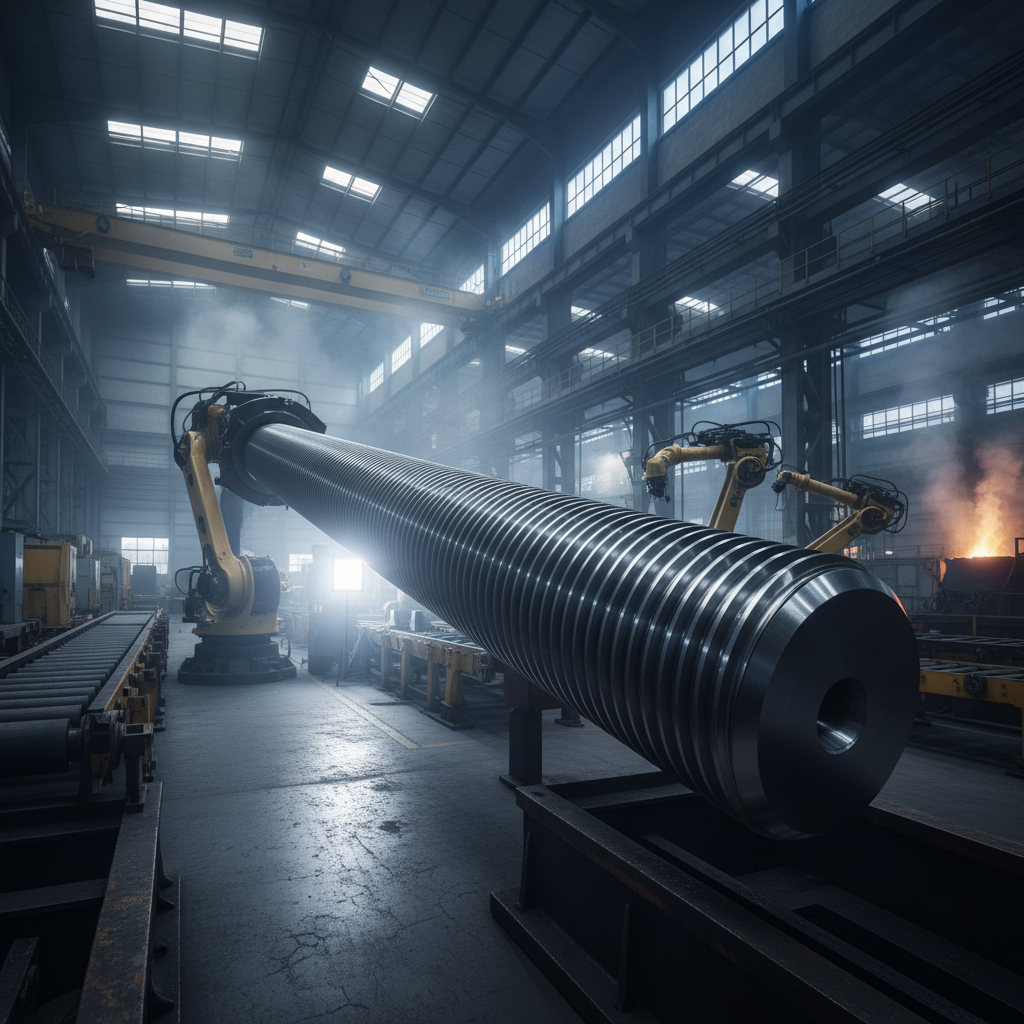
Stainless steel threaded rod is a fundamental fastening component used extensively across a diverse range of industries, from construction and manufacturing to marine applications and infrastructure projects. Its inherent properties – high tensile strength, corrosion resistance, and durability – make it an indispensable material for joining, securing, and supporting various structures and equipment. Understanding the nuances of stainless steel threaded rod, including its different grades, manufacturing processes, and application-specific considerations, is crucial for engineers, designers, and procurement professionals alike.
Globally, the demand for stainless steel threaded rod is driven by ongoing infrastructure development, particularly in emerging economies, and the increasing need for robust and long-lasting fastening solutions. The escalating focus on safety and environmental sustainability further contributes to its prevalence, as stainless steel offers a corrosion-resistant alternative to carbon steel, reducing maintenance costs and extending service life. The market size is substantial, with projections indicating continued growth aligned with global economic trends.
The utility of stainless steel threaded rod extends beyond mere mechanical joining. It plays a vital role in critical applications where failure is not an option, such as in medical devices, aerospace components, and nuclear facilities. Its ability to withstand harsh environments and extreme temperatures positions it as a key material in addressing challenges related to infrastructure resilience and longevity, contributing to safer and more reliable systems worldwide.
Introduction to Stainless Steel Threaded Rod
The selection of the correct fastener is paramount in any engineering application. Stainless steel threaded rod provides a superior alternative to carbon steel in environments prone to corrosion or requiring high strength and durability. It’s commonly found in applications ranging from simple anchoring to complex structural assemblies. The versatility and reliability of stainless steel threaded rod make it a cornerstone of modern construction and manufacturing.
Beyond its technical specifications, stainless steel threaded rod contributes to long-term cost savings by reducing maintenance and replacement needs. Its resistance to rust and degradation translates to a longer service life, minimizing downtime and associated expenses. This makes it a particularly attractive option for projects with long-term operational requirements.
Defining Stainless Steel Threaded Rod
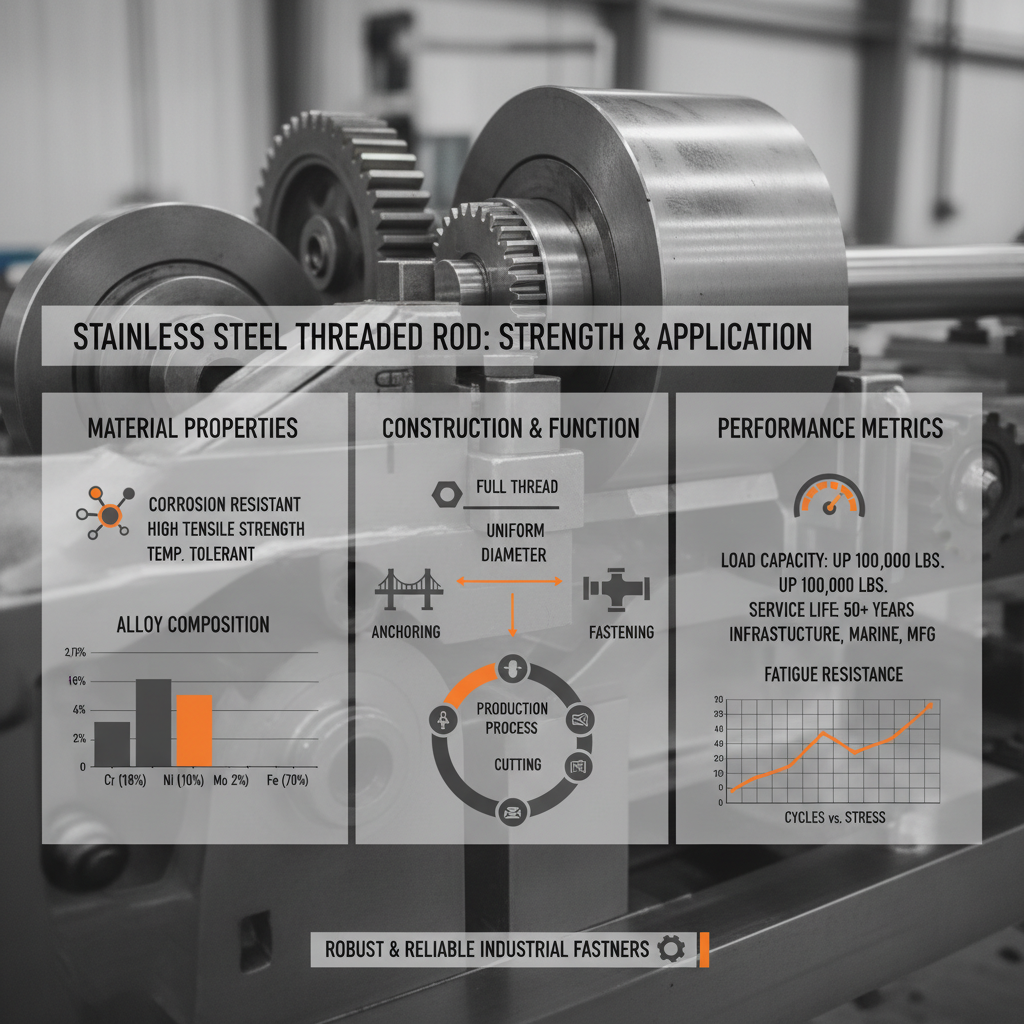
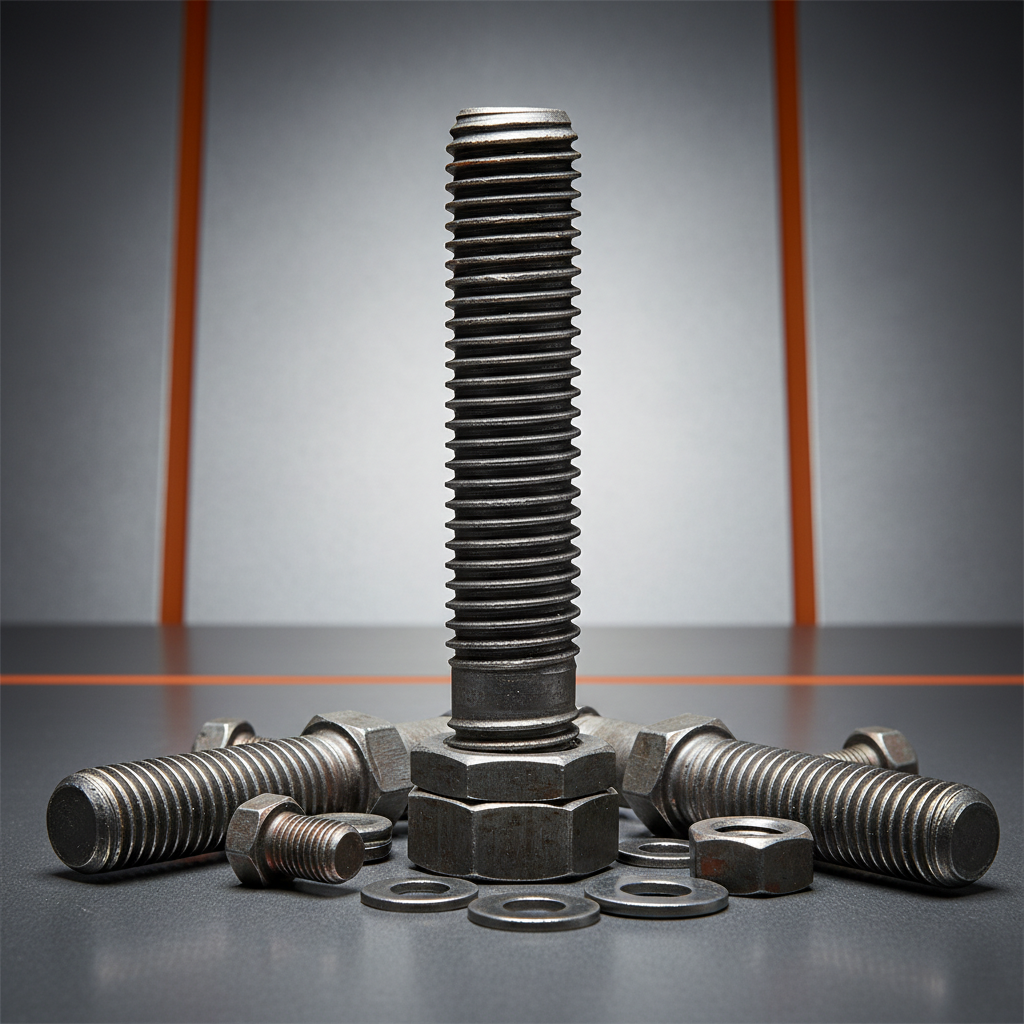
Stainless steel threaded rod is essentially a cylindrical rod with a continuous thread running along its length. This threading allows it to be used with nuts and washers to create bolted joints. What distinguishes it from ordinary steel rods is the composition of its alloy, which contains a minimum of 10.5% chromium. This chromium content forms a passive layer of chromium oxide on the surface, protecting the steel from corrosion.
Different grades of stainless steel offer varying levels of corrosion resistance and mechanical properties. Common grades include 304, 316, and 316L, each suited for specific applications. 304 is a general-purpose grade, while 316 offers enhanced resistance to chloride corrosion, making it ideal for marine environments. 316L exhibits lower carbon content for improved weldability.
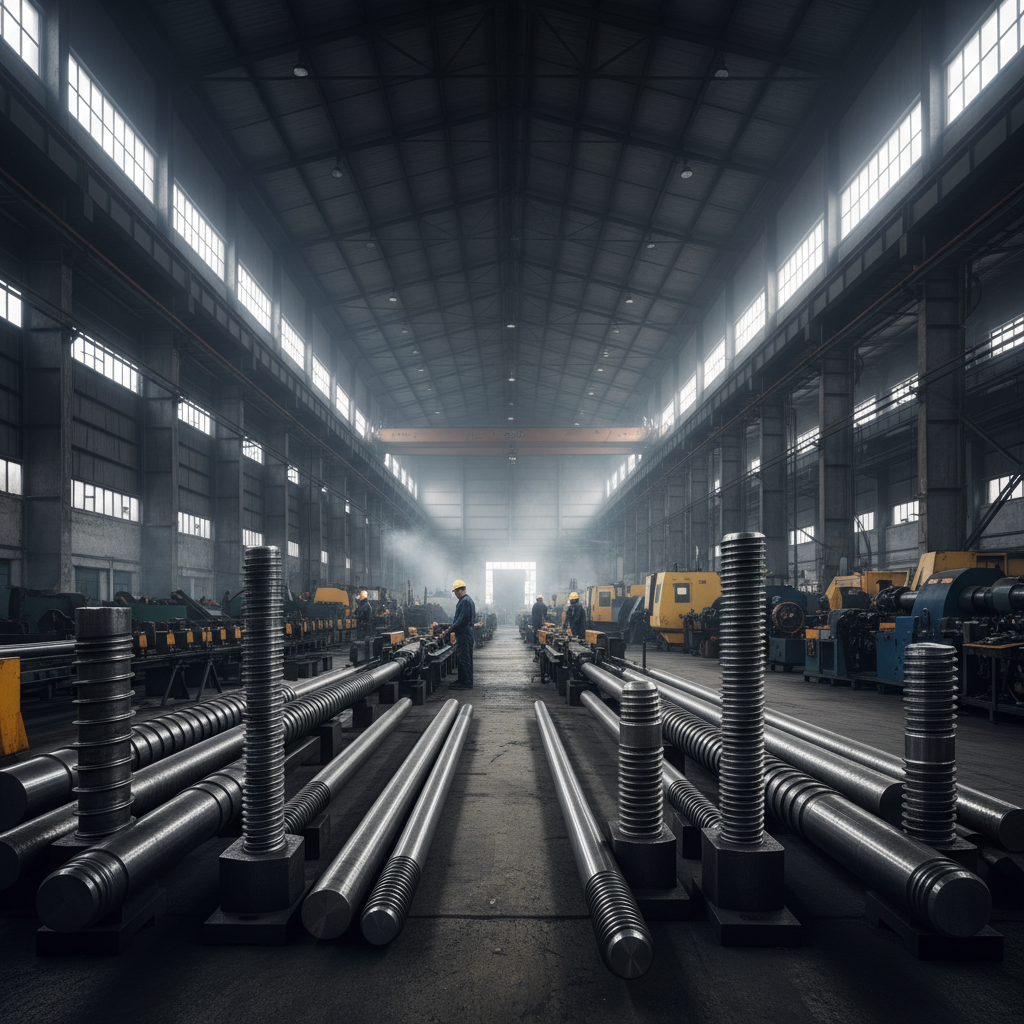
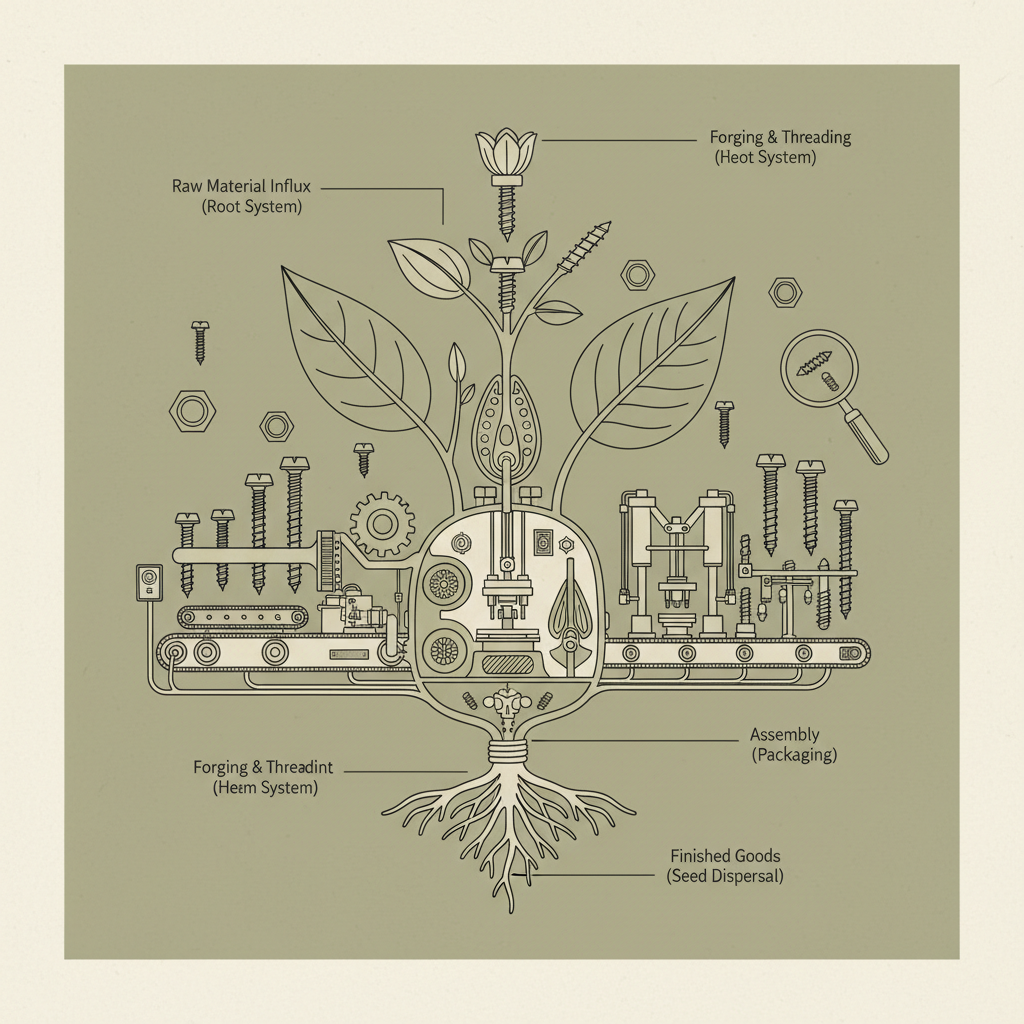
The production of stainless steel threaded rod involves processes like cold heading, machining, or rolling. The choice of method impacts the final properties of the rod, such as its tensile strength and surface finish. Properly manufactured stainless steel threaded rod serves as a critical component in countless industrial and commercial applications, underpinning modern infrastructure and enabling secure, long-lasting connections.
Core Properties of Stainless Steel Threaded Rod
The inherent properties of stainless steel threaded rod are what make it so valuable across various industries. Foremost among these is its exceptional corrosion resistance, stemming from the chromium content that creates a self-repairing passive layer. This protection significantly extends the lifespan of components, especially in harsh environments.
High tensile strength is another critical characteristic. Stainless steel threaded rod can withstand substantial loads without deformation or failure, ensuring the structural integrity of assembled components. The specific tensile strength varies depending on the grade of stainless steel and the manufacturing process employed, but it consistently surpasses that of carbon steel in similar applications.
Beyond corrosion resistance and tensile strength, stainless steel threaded rod exhibits excellent ductility and machinability, facilitating its use in diverse fabrication processes. Its resistance to temperature extremes also contributes to its versatility, making it suitable for applications ranging from cryogenic systems to high-heat environments. It's this combination of properties that elevates stainless steel threaded rod above alternative fastening solutions.
Practical Applications Across Industries
The construction industry relies heavily on stainless steel threaded rod for a multitude of applications, including anchoring bolts, structural supports, and façade fixings. Its corrosion resistance is particularly crucial in coastal regions or areas exposed to harsh weather conditions. In marine engineering, it’s used extensively in shipbuilding, offshore platforms, and underwater structures.
The chemical processing industry benefits from its resistance to corrosive chemicals and extreme temperatures. Stainless steel threaded rod is commonly used in the construction of tanks, pipelines, and processing equipment. Similarly, the food and beverage industry utilizes it for hygienic and sanitary applications where cleanliness is paramount.
Stainless Steel Threaded Rod Application Ratings
Benefits and Long-Term Value
Employing stainless steel threaded rod translates to substantial cost savings over the lifecycle of a project. Reduced maintenance, less frequent replacements due to corrosion resistance, and extended component lifespan all contribute to lower overall expenses. This long-term value proposition makes it a smart investment, particularly in critical infrastructure projects.
From a sustainability perspective, stainless steel is a recyclable material, aligning with green building practices and reducing environmental impact. The durability of stainless steel threaded rod also minimizes waste generated from component failures, further enhancing its ecological credentials. It is a material built to last, reducing the need for resource-intensive replacements.
Future Trends and Innovations
Research and development are continually focused on enhancing the properties of stainless steel, with a growing emphasis on developing new alloys with even greater corrosion resistance and strength. Additive manufacturing, or 3D printing, is emerging as a potential method for producing complex stainless steel threaded rod geometries, opening up new design possibilities.
The integration of digital technologies, such as smart sensors embedded within threaded rod components, is also gaining traction. These sensors can monitor stress levels, detect corrosion, and provide real-time data for predictive maintenance, optimizing performance and extending service life. This ‘smart’ approach is poised to revolutionize the fastening industry.
Challenges and Potential Solutions
One common challenge associated with stainless steel threaded rod is its higher initial cost compared to carbon steel alternatives. However, this cost difference is often offset by its long-term durability and reduced maintenance requirements. Another consideration is the potential for galling, particularly in high-stress applications.
Solutions to mitigate galling include applying anti-seize lubricants, utilizing specialized coatings, or selecting stainless steel grades with enhanced lubricity. Addressing supply chain disruptions and ensuring consistent quality control are also critical for maintaining a reliable supply of high-performance stainless steel threaded rod.
Furthermore, advancements in manufacturing techniques are focused on reducing material waste and optimizing production efficiency, ultimately driving down costs and increasing accessibility to this vital fastening component.
Summary of Stainless Steel Threaded Rod Challenges and Solutions
| Challenge |
Impact on Application |
Potential Solution |
Implementation Cost (1-10) |
| High Initial Cost |
Budget Constraints |
Life Cycle Cost Analysis |
2 |
| Galling |
Joint Failure |
Anti-Seize Lubricants |
3 |
| Supply Chain Disruptions |
Project Delays |
Diversified Sourcing |
5 |
| Quality Control Variations |
Reduced Reliability |
Stringent Testing Protocols |
4 |
| Corrosion in Extreme Environments |
Component Degradation |
Specialized Stainless Steel Alloys |
6 |
| Manufacturing Waste |
Environmental Impact |
Optimized Production Processes |
4 |
FAQS
The most common grades are 304 and 316. 304 stainless steel threaded rod is a versatile general-purpose grade ideal for applications requiring good corrosion resistance, such as indoor construction and food processing. 316 stainless steel threaded rod, with its molybdenum content, offers superior resistance to chloride corrosion, making it suitable for marine environments, chemical processing plants, and applications exposed to saltwater.
Cold heading generally results in increased strength due to work hardening, making it suitable for high-stress applications. However, it may have lower dimensional accuracy. Machining allows for tighter tolerances and smoother surface finishes, which are critical in precision applications. The choice of process depends on the specific requirements of the intended use.
Galling can be minimized by using anti-seize lubricants specifically designed for stainless steel, applying coatings like PTFE or zinc, or selecting stainless steel alloys with improved lubricity. Proper tightening torque and avoiding excessive speed during installation are also crucial. Choosing a different grade of stainless steel with a different surface finish can also help.
Stainless steel's chromium content forms a passive oxide layer, providing exceptional corrosion resistance. Carbon steel, lacking this property, is susceptible to rust and degradation when exposed to moisture, chemicals, or saltwater. This makes stainless steel a far more durable and long-lasting solution in corrosive environments, reducing maintenance and replacement costs.
Yes, stainless steel threaded rod can be welded, but it requires specific techniques to maintain its corrosion resistance. Using the correct welding process (e.g., TIG or MIG), employing appropriate filler metals, and minimizing heat input are essential. Post-weld cleaning and passivation are crucial to restore the protective oxide layer.
304 stainless steel threaded rod typically exhibits a tensile strength range of 70,000 - 90,000 PSI (pounds per square inch). 316 stainless steel threaded rod generally falls within a similar range, 75,000 - 95,000 PSI. These values can vary slightly depending on the specific manufacturing process and heat treatment applied. Always refer to the manufacturer’s specifications.
Conclusion
In conclusion, stainless steel threaded rod remains a vital component across a vast spectrum of industries due to its inherent properties of corrosion resistance, high tensile strength, and durability. Its ability to withstand harsh environments and provide reliable fastening solutions makes it indispensable for everything from large-scale construction projects to critical applications in marine, chemical, and medical fields. Understanding the different grades, manufacturing processes, and potential challenges associated with stainless steel threaded rod is crucial for engineers and procurement professionals seeking optimal performance and long-term value.
Looking forward, innovations in alloy development, additive manufacturing, and smart sensor integration promise to further enhance the capabilities and applications of stainless steel threaded rod. Continued investment in research and development, coupled with a focus on sustainable manufacturing practices, will ensure its continued relevance as a cornerstone material for modern infrastructure and a key enabler of innovation. For quality stainless steel threaded rod solutions, visit our website: www.hbtbls.com.