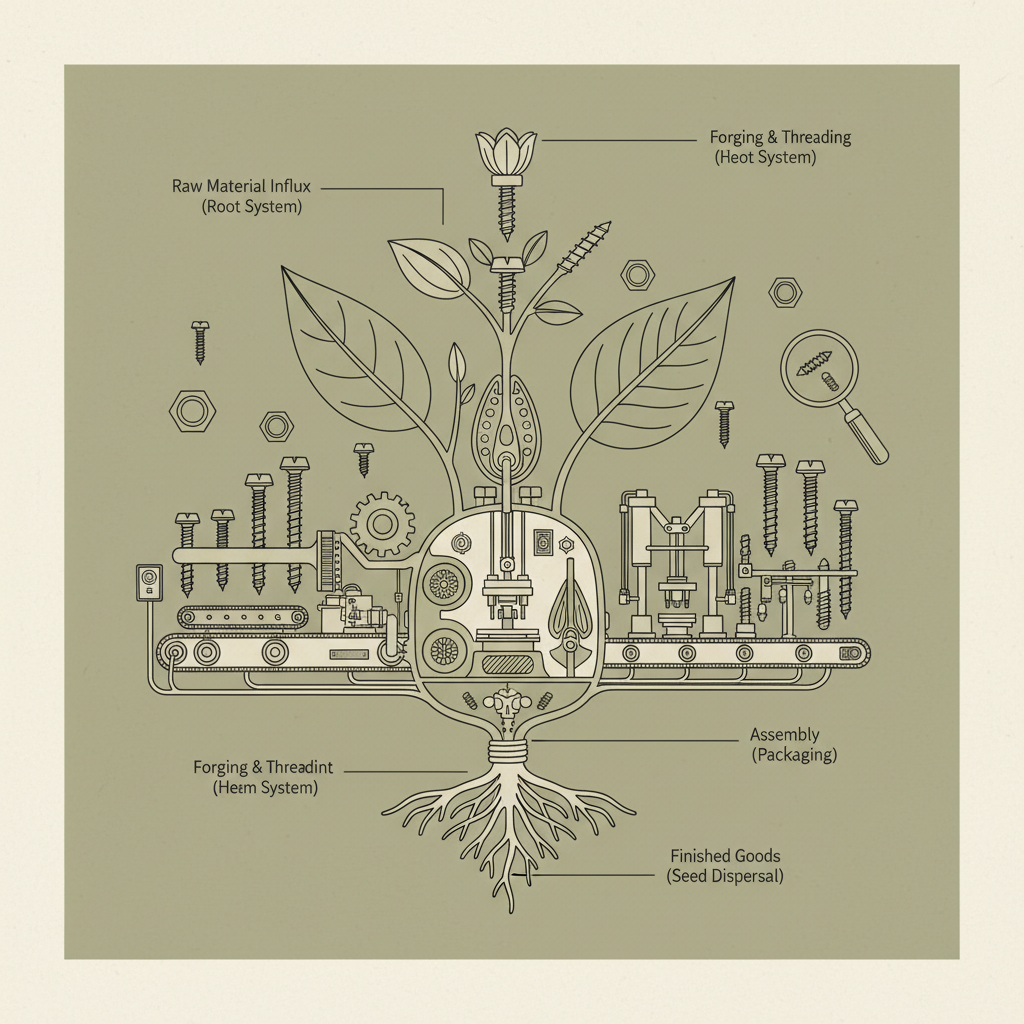
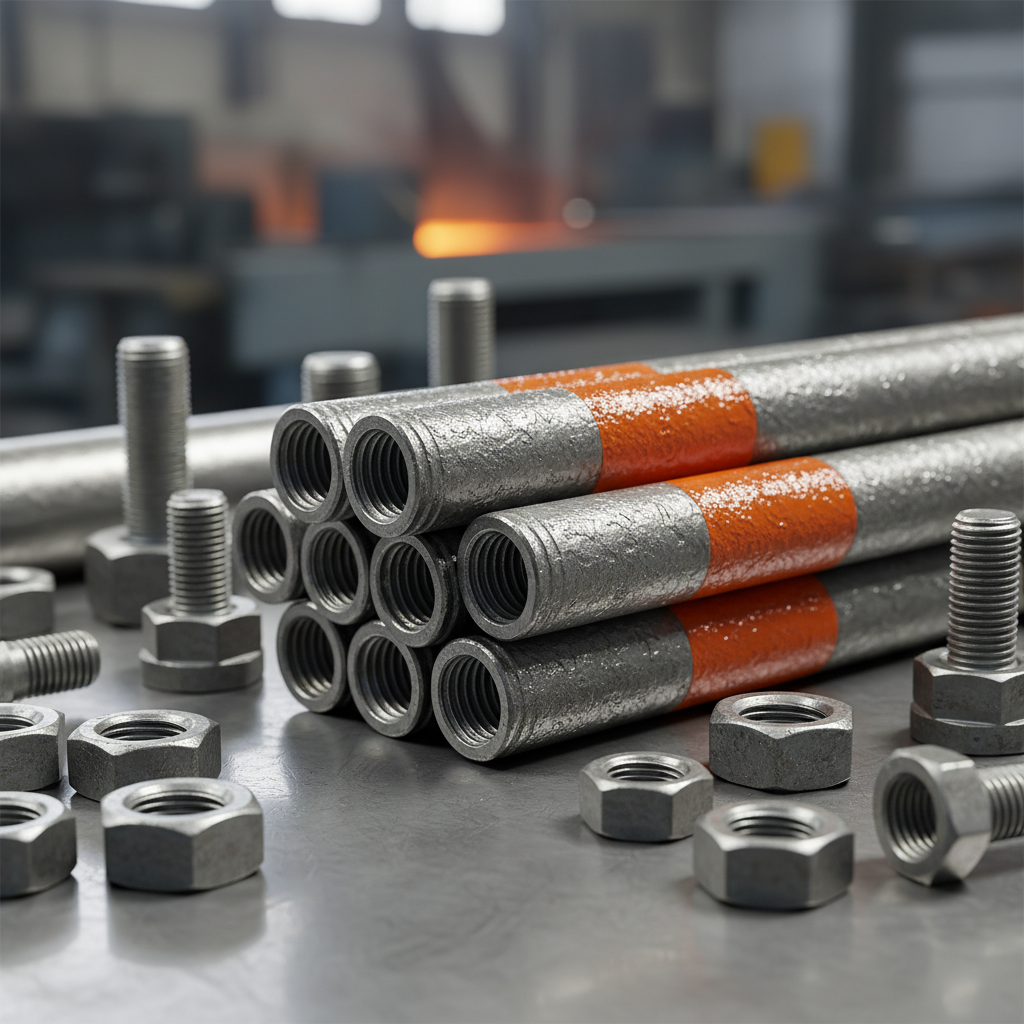
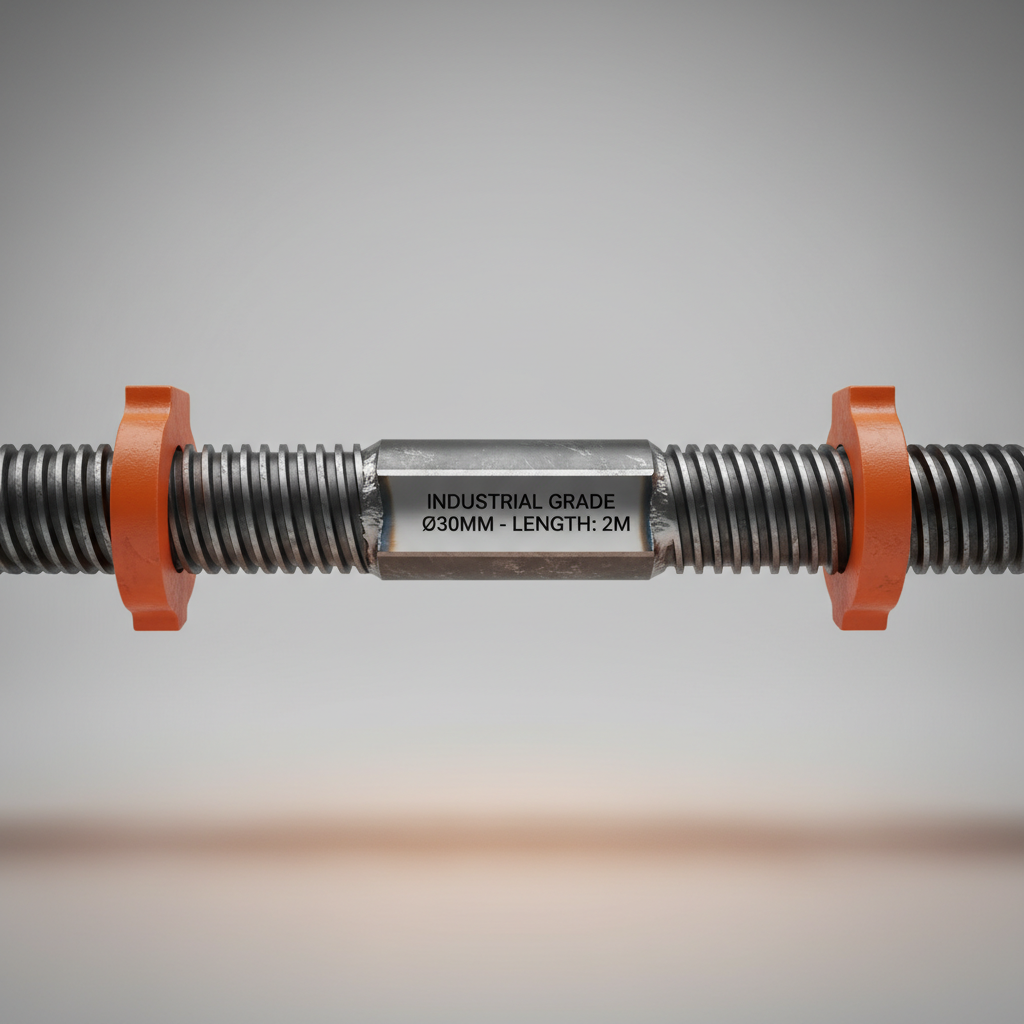
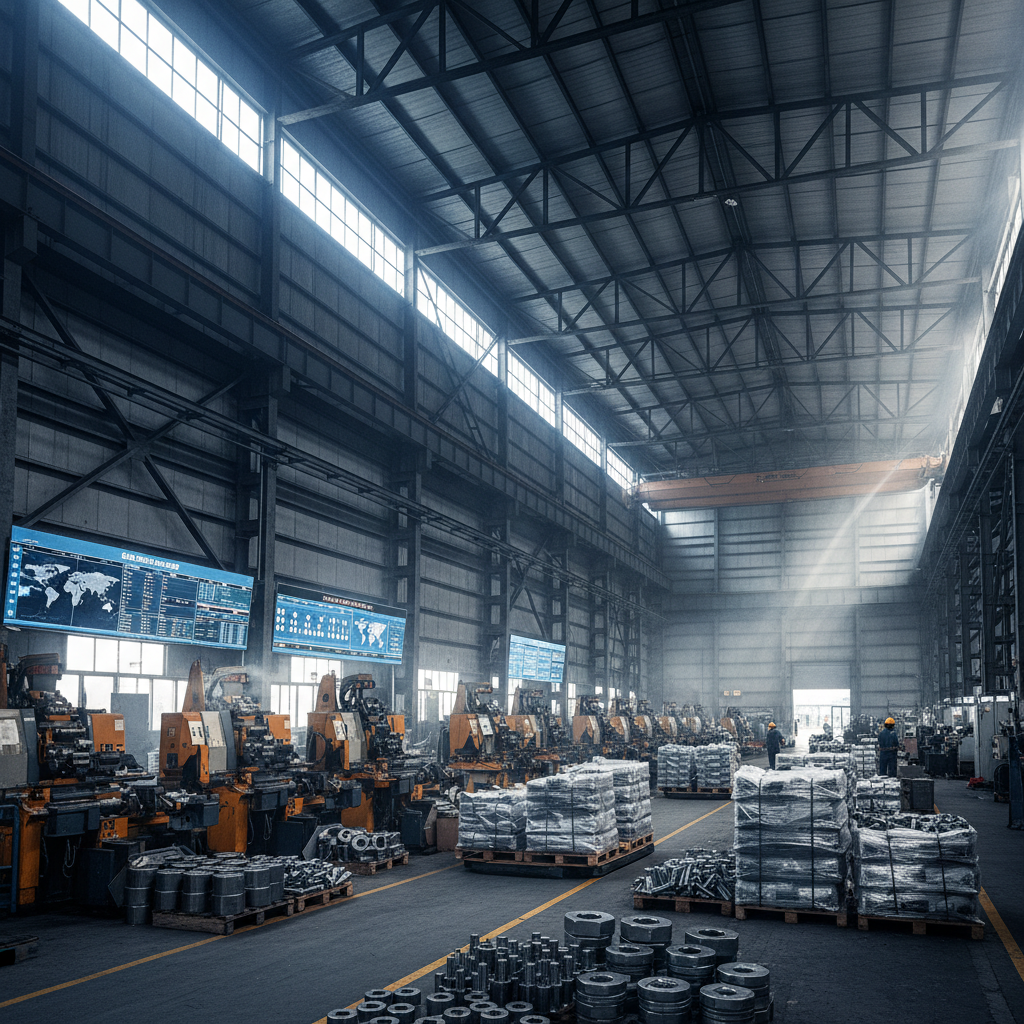
You know, after running around construction sites all year, getting my hands dirty, and talking to engineers, I've seen a lot change in the fastener world. It's not just about screws and bolts anymore. To be honest, everything's leaning towards lighter, stronger, and… well, smarter fasteners. We’re seeing a huge push for self-drilling screws, composite materials – even stuff incorporating RFID tags for tracking inventory. It’s wild.
What’s really caught my eye lately is the demand for corrosion resistance. Salt spray tests are fine and dandy in the lab, but have you noticed how quickly things rust in actual coastal environments? It’s a different beast altogether. We’ve been experimenting with different coatings, but finding something that holds up long-term is still a challenge.
And let me tell you, designing these things isn’t as simple as it looks. So many engineers get hung up on theoretical strength, forgetting about real-world usability.
Recent Trends in Fastener Design
Seriously, the push for lightweighting is insane. Everyone wants to shave grams off everything, even if it means switching to materials that are… let’s just say, less forgiving. We're seeing a lot of titanium alloys, high-strength aluminum, and even more exotic stuff like carbon fiber reinforced polymers. It’s expensive, naturally, but the aerospace and automotive industries are driving a lot of the innovation. Strangely, the demand for bio-based fasteners is also increasing – people want "green" solutions, even if the performance isn't quite there yet.
Another big trend? Smart fasteners. RFID tags embedded in bolts, sensors that measure torque… It sounds fancy, but it's mainly about inventory management and quality control. I encountered this at a huge fastener factory in Ningbo last time, they were boasting about their automated tracking system. It’s a lot of investment, but the potential savings are massive.
Common Design Pitfalls
Oh boy, where do I even start? People obsess over tensile strength, but forget about shear strength. It's like building a house with a strong foundation but flimsy walls. Another common mistake is underestimating the importance of thread design. A poorly designed thread will strip easily, and that's a disaster waiting to happen. And don't even get me started on the whole "one size fits all" mentality. Fasteners need to be tailored to the specific application.
I’ve also seen designs that are simply over-engineered. All that extra material adds weight and cost without providing any real benefit. Simplicity is often the key.
The biggest one, though? Ignoring the installation process. If a fastener is difficult to install, people will cut corners. And when people cut corners, things break.
Material Choices and Handling
Now, let's talk materials. Steel, obviously, is still the workhorse. But even within steel, there's a huge range of options – carbon steel, alloy steel, stainless steel. Each has its own strengths and weaknesses. Stainless steel smells… metallic, clean. Almost sterile. Carbon steel, though, has that earthy, industrial smell. You can feel the strength in your hand.
Then you've got aluminum, which is lightweight but softer. Titanium is strong and corrosion-resistant, but incredibly expensive. Composite materials are lightweight and strong, but tricky to work with. They're often brittle and sensitive to UV exposure. Handling these materials is important, too. Some require special tools, others need to be stored in a controlled environment. We even had a batch of high-strength bolts that had to be shipped in nitrogen-filled containers to prevent oxidation.
The feel of a good fastener is important, too. It should be smooth, well-machined, and free of any defects. A rough or gritty fastener is a sign of poor quality.
Real-World Testing Protocols
Look, lab tests are useful, but they don't always reflect real-world conditions. Salt spray tests, tensile tests, shear tests… they’re all fine, but they’re controlled environments. We need to test fasteners in the actual environments where they'll be used. I mean, how does a bolt hold up after being exposed to months of rain, sun, and vibration?
We often conduct field tests, installing fasteners in structures and monitoring their performance over time. We use strain gauges to measure stress, and visual inspections to look for signs of corrosion or fatigue. It's a lot more time-consuming than lab testing, but it provides much more valuable data.
Fastener Performance Metrics
Unexpected User Applications
You wouldn’t believe the things people use fasteners for. I once met a guy who was using stainless steel bolts to build sculptures! Another time, I saw someone using self-tapping screws to repair a broken piece of furniture. It’s always interesting to see how people adapt these things to their own needs.
Anyway, I think people often underestimate the importance of proper installation. They’ll use the wrong size drill bit, or overtighten the fastener, or just plain rush the job. That's where most failures happen.
Advantages, Disadvantages, and Customization
The advantages are obvious: strength, reliability, versatility. A well-chosen fastener can hold things together for decades. But there are disadvantages, too. Cost, for one. High-performance fasteners can be expensive. And sometimes, they’re just overkill. Do you really need a titanium bolt to hold a shelf in place?
Customization is definitely possible. We’ve done everything from changing the thread pitch to adding custom coatings to modifying the head shape. Last month, that small boss in Shenzhen who makes smart home devices insisted on changing the interface to on a batch of screws for their product. The result? A massive headache trying to source a compatible driver. It ended up costing him a fortune, but he was convinced it was worth it for the "premium feel".
Honestly, the biggest problem is always communication. Understanding exactly what the customer needs.
A Real-World Customer Story
I had a client building a bridge, a small one in rural China, used to connect two remote villages. They needed a specific type of high-tensile bolt, something that could withstand extreme weather and heavy loads. We provided them with a custom solution, using a special alloy and a corrosion-resistant coating.
But the real challenge wasn't the technical aspect, it was getting the bolts to the site. The road was barely passable, and there was a language barrier. We ended up hiring a local guide and using a four-wheel-drive truck to deliver the shipment. Later… forget it, I won’t mention it.
The bridge is still standing, by the way. That's a good feeling, knowing you played a part in something that will benefit people for years to come.
Summary of Key Material Properties
| Material Type |
Tensile Strength (MPa) |
Corrosion Resistance |
Cost (Relative) |
| Carbon Steel |
400-600 |
Low |
1 |
| Stainless Steel 304 |
500-700 |
Medium |
3 |
| Aluminum Alloy 6061 |
300-400 |
Medium |
2 |
| Titanium Alloy Ti-6Al-4V |
900-1100 |
High |
10 |
| Composite (Carbon Fiber) |
500-800 |
Variable |
7 |
| Alloy Steel (High Strength) |
800-1200 |
Low-Medium |
5 |
FAQS
Honestly? Underestimating the environment. They think a standard steel bolt will do, and then it rusts solid after a year. You gotta consider everything – humidity, temperature, chemical exposure. A little extra investment upfront can save a lot of headaches down the road.
Crucial. The coating is your first line of defense against corrosion. Zinc plating is good for general use, but you might need something more specialized for harsh environments. We’ve been playing around with ceramic coatings lately – they're expensive, but incredibly durable. It depends on the application, really.
People always get this wrong. A bolt goes through a hole and is secured with a nut. A screw creates its own thread as it's driven in. It sounds simple, but you wouldn’t believe how often I see people using screws where bolts are needed, and vice versa.
Yeah, they exist. RFID tags, torque sensors, the works. They’re mostly used for tracking inventory, ensuring proper installation, and detecting loosening over time. It’s a bit of overkill for most applications, but it can be valuable in critical infrastructure projects.
I think we'll see more and more use of composite materials, especially in applications where weight is critical. Also, a big push for sustainable materials – bio-based plastics, recycled metals. People are starting to care about the environmental impact of their fasteners, believe it or not.
Choose the right material for the environment, use the correct size and type of fastener, and install it properly! Seems obvious, but you'd be surprised. And always, always double-check your work. A little bit of preventative maintenance can save you a lot of trouble later on.
Conclusion
So, after all this, what does it come down to? Well, fasteners are often the unsung heroes of any project. They’re the small things that hold everything together. Choosing the right fastener, understanding its limitations, and installing it properly are all critical for success. From material science to real-world testing, it's a surprisingly complex field.
Ultimately, whether this thing works or not, the worker will know the moment he tightens the screw. That’s the truth of it. And if you need reliable fasteners, you know where to find us. Visit our website: www.hbtbls.com