In the demanding world of industrial fastening, the threaded rod turnbuckle serves as a critical component for precision tensioning and alignment. By allowing users to adjust the length and tension of a rod assembly without dismantling the entire structure, these devices provide an indispensable solution for everything from heavy-duty construction to intricate architectural supports. Understanding the mechanics and material science behind these fasteners is essential for ensuring structural integrity and operational safety in any engineering project.
Globally, the demand for high-performance tensioning systems has surged as urban infrastructure becomes more complex and safety regulations more stringent. The ability to maintain a constant state of tension in cables and rods is not just a matter of convenience but a safety requirement in seismic zones and high-wind environments. Whether it is securing a bridge suspension or stabilizing a warehouse racking system, the threaded rod turnbuckle offers a scalable and reliable method to counteract structural sagging and mechanical fatigue.
For procurement managers and site engineers, selecting the right fastening hardware involves balancing load-bearing capacity with environmental resistance. In an era where sustainability and longevity are paramount, the shift toward corrosion-resistant alloys and precision-engineered threads has redefined the lifecycle of industrial assemblies. This guide explores the technical nuances, global applications, and future innovations surrounding the threaded rod turnbuckle to help you make informed engineering decisions.
Global Relevance of Threaded Rod Turnbuckles
On a global scale, the construction and metalworking industries rely heavily on standardized tensioning hardware to meet ISO and ASTM safety requirements. The threaded rod turnbuckle is central to this effort, providing a mechanical advantage that allows for the precise adjustment of structural loads. In rapidly developing regions, where infrastructure projects are scaling at an unprecedented rate, these components ensure that temporary and permanent supports remain secure under varying environmental stressors.
The challenge often lies in the volatility of material quality across different supply chains. Many projects face setbacks due to premature failure of fasteners caused by oxidation or thread stripping. By implementing high-grade threaded rod turnbuckle systems, engineers can mitigate these risks, ensuring that critical assets—from power transmission towers to industrial piping—remain stable and safe for decades.
Defining the Mechanics of Tensioning Devices
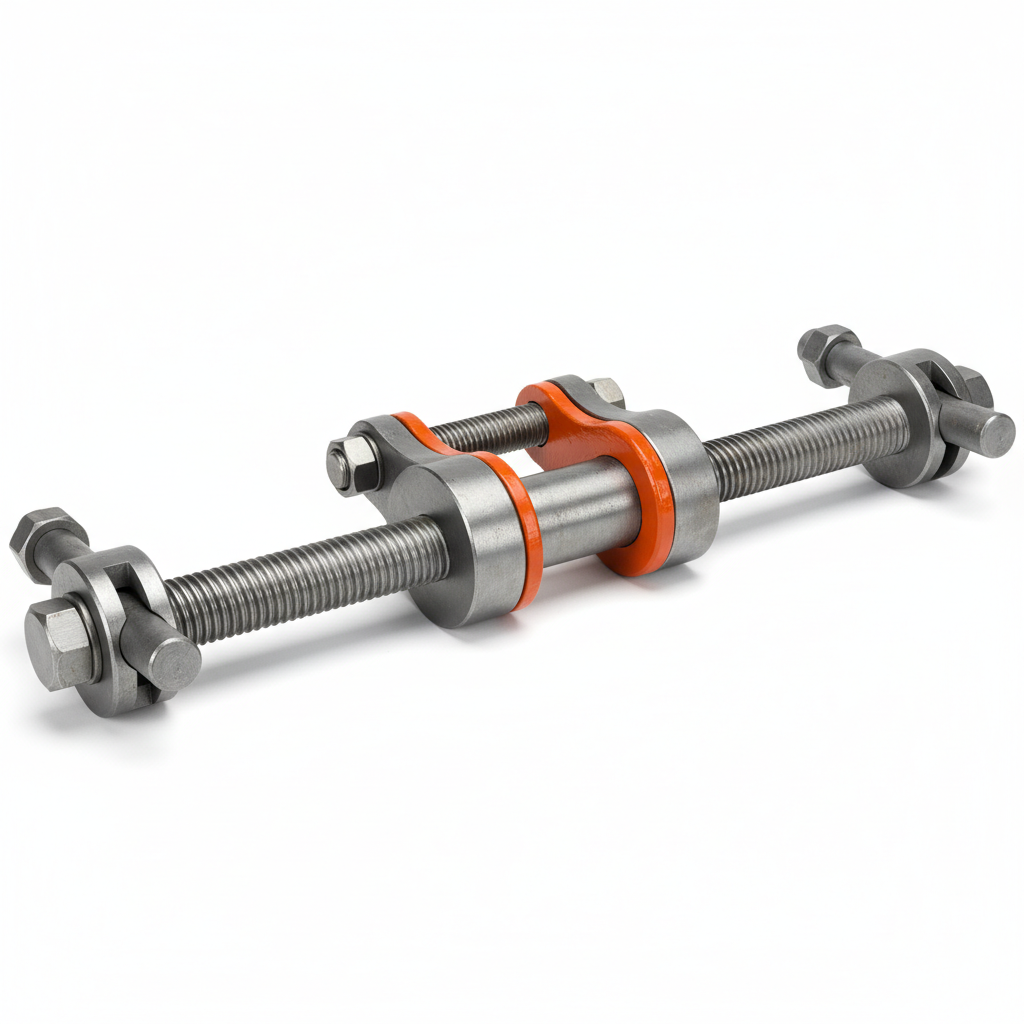
At its simplest, a threaded rod turnbuckle is a device consisting of a central frame (the body) and two threaded ends. These ends are designed with opposite thread directions—one right-hand and one left-hand. When the central body is rotated, it draws the two connected rods toward each other, thereby increasing the tension in the line and shortening the overall assembly. This elegant mechanical design eliminates the need for cutting or replacing rods to achieve a tight fit.
In the context of modern industrial needs, this capability is vital for "fine-tuning" structures. Whether it is adjusting the tension of a guy-wire for a telecommunications mast or aligning a heavy-duty machine tool, the turnbuckle provides a level of precision that static bolts cannot offer. It bridges the gap between rough assembly and final engineering calibration.
Furthermore, the connection to humanitarian needs becomes evident in emergency shelter construction and disaster relief infrastructure. Fast-deployment bridges and temporary housing often utilize threaded rod turnbuckle systems because they allow unskilled labor to secure structures quickly and safely, ensuring stability in precarious post-disaster environments.
Core Components and Material Engineering
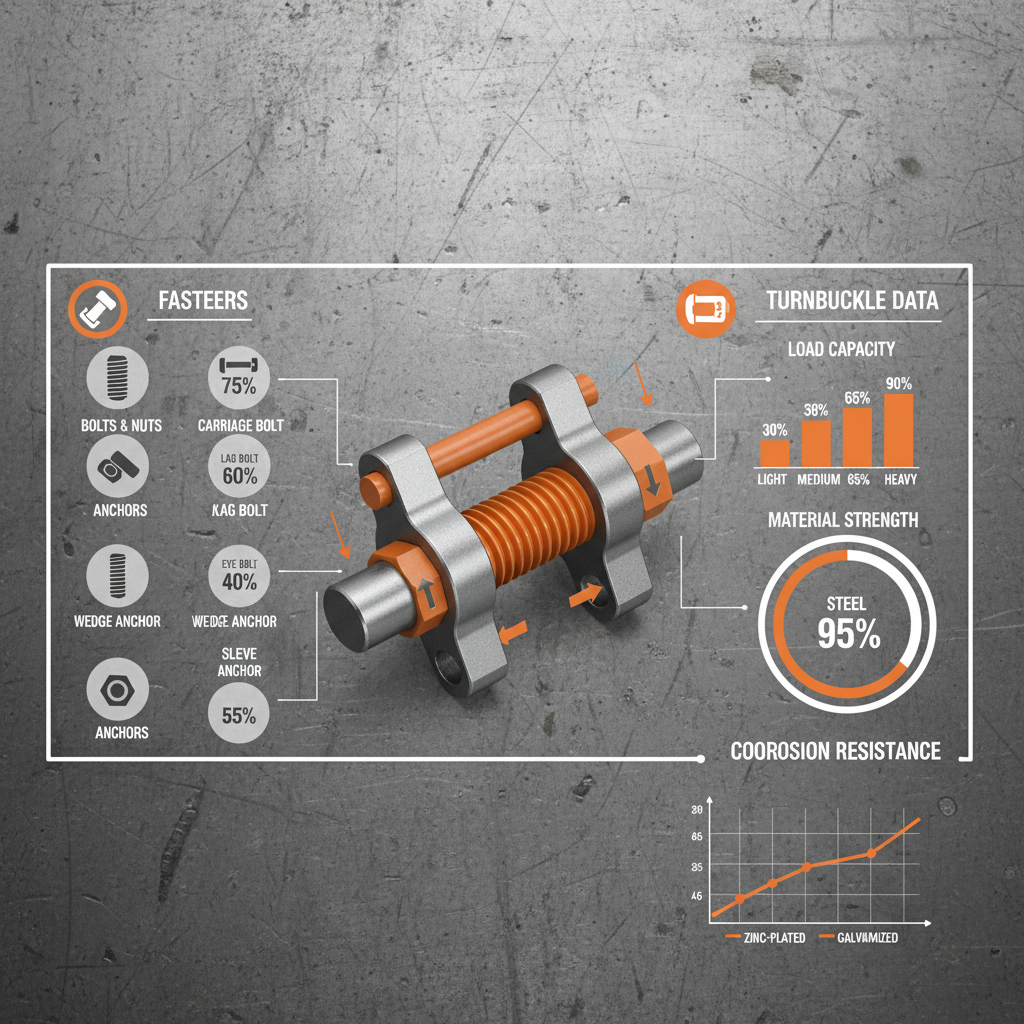
The durability of a threaded rod turnbuckle begins with its material composition. Most industrial-grade versions are manufactured from carbon steel, stainless steel (304 or 316), or galvanized alloys. The choice of material directly impacts the component's ability to resist shear forces and atmospheric corrosion, particularly in marine or chemical processing environments.
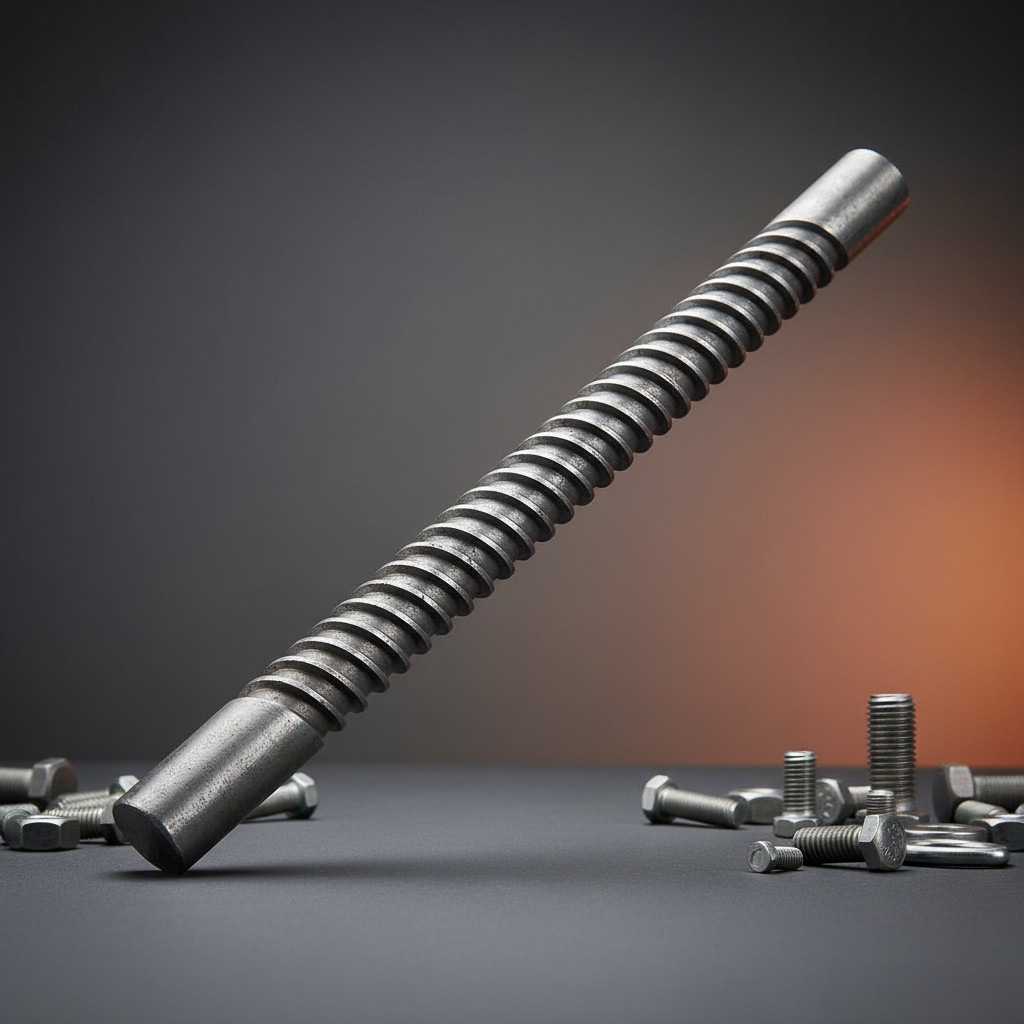
Crucial to the operation is the thread precision. A high-quality threaded rod turnbuckle utilizes cold-rolled threads to ensure a tight fit and reduce the risk of "back-out" under vibration. The integration of the body—whether it is an open-frame or a closed-barrel design—determines the maximum load capacity and the ease of installation in confined spaces.
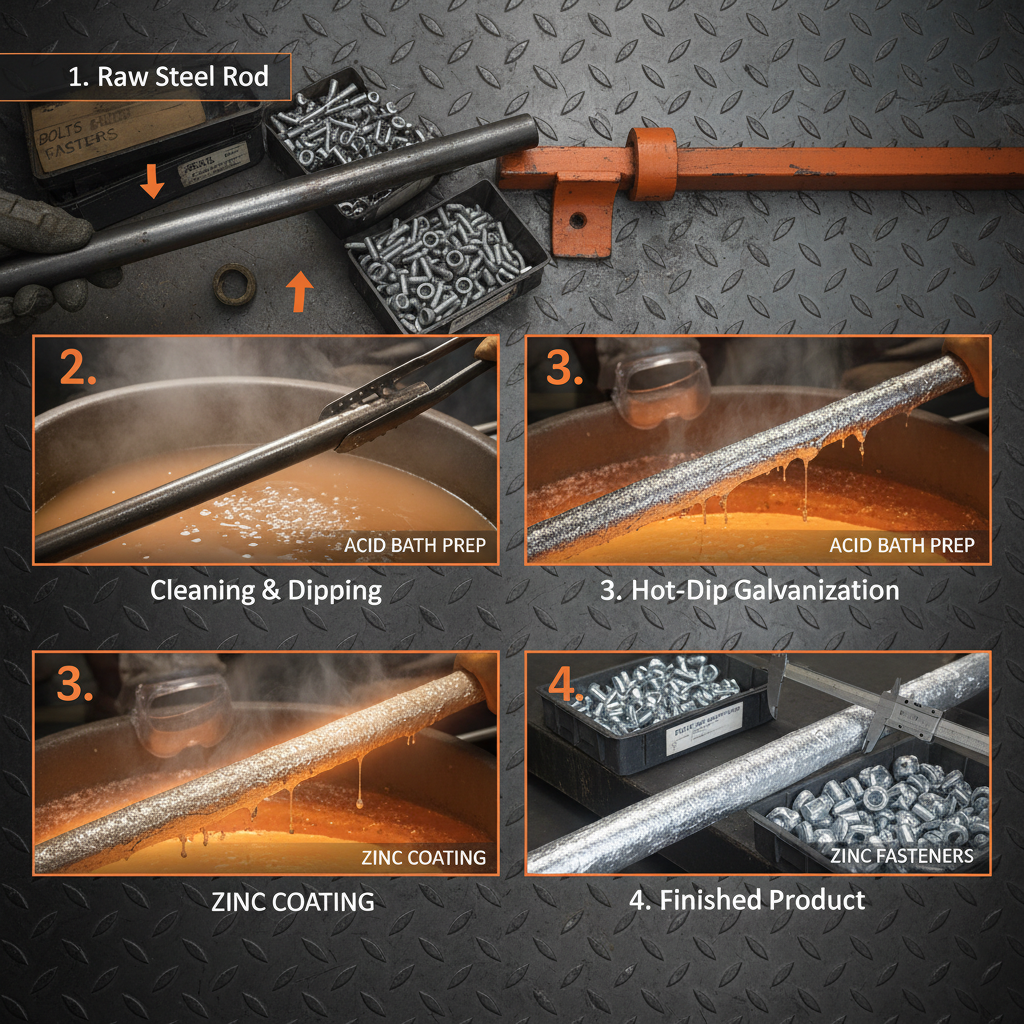
Beyond raw materials, the surface treatment plays a pivotal role. Zinc plating, hot-dip galvanization, and powder coating are common methods used to enhance the longevity of the threaded rod turnbuckle. These treatments prevent the oxidation of the threads, which is the primary cause of "seizing," ensuring that the device remains adjustable throughout its entire service life.
Performance Metrics and Load Efficiency
Evaluating the effectiveness of a threaded rod turnbuckle requires an analysis of its working load limit (WLL) and its safety factor. In heavy engineering, the ratio between the breaking strength and the actual applied load is critical. A well-engineered turnbuckle provides a predictable linear response to tension, allowing engineers to calculate exact structural stresses using standard physics models.
Efficiency is not just about strength, but also about the ease of adjustment. The torque required to rotate the body of a threaded rod turnbuckle under load is a key metric for maintenance teams. Lower friction threads combined with high-tensile bodies allow for maximum tensioning with minimum physical effort, increasing overall installation speed.
Comparative Performance of Threaded Rod Turnbuckle Types
Industrial Applications and Global Case Studies
The practical application of the threaded rod turnbuckle spans across diverse sectors. In the energy sector, they are used to secure solar panel arrays and wind turbine supports, where they must withstand constant wind-induced vibration. In the automotive and aerospace industries, smaller, high-precision turnbuckles are used for cable-stayed components and control linkages, where zero-tolerance for slack is mandatory.
Real-world case studies in remote industrial zones, such as mining operations in Australia or oil rigs in the North Sea, demonstrate the importance of corrosion-resistant threaded rod turnbuckle units. In these environments, the ability to adjust tension without replacing the entire assembly saves thousands of hours in downtime and significantly reduces the logistics cost of transporting replacement parts to isolated areas.
Long-Term Value and Safety Advantages
The long-term value of investing in premium threaded rod turnbuckle systems lies in the reduction of maintenance cycles. While cheaper alternatives may seem attractive initially, the cost of failure—including potential structural collapse or expensive emergency repairs—far outweighs the initial savings. High-grade fasteners provide the peace of mind that comes with verified load ratings and material certifications.
Safety is the primary emotional and logical driver for choosing quality hardware. In public infrastructure, such as pedestrian bridges or stadium roofs, the threaded rod turnbuckle acts as a fail-safe mechanism. By allowing for periodic tension checks and adjustments, these components ensure that the structure adapts to temperature-induced expansion and contraction without compromising the safety of the public.
Moreover, the innovation in locking mechanisms—such as the use of jam nuts—has added another layer of security. This ensures that once the desired tension is achieved with the threaded rod turnbuckle, it will not loosen due to mechanical vibration, thereby upholding the dignity of the architectural design and the trust of the end-user.
Future Trends in Fastening Technology
The future of the threaded rod turnbuckle is being shaped by the digital transformation of construction. We are seeing the emergence of "smart fasteners" integrated with tension sensors. These sensors can transmit real-time data to a central monitoring system, alerting engineers when a threaded rod turnbuckle has lost tension due to material fatigue or external impact, shifting maintenance from reactive to predictive.
Sustainability is also driving material innovation. The industry is moving toward high-strength, lightweight composite alloys that offer the same load-bearing capacity as steel but with a fraction of the weight and total immunity to rust. These eco-friendly materials reduce the carbon footprint of transportation and installation, aligning the threaded rod turnbuckle with global green building certifications.
Automation in manufacturing, specifically through AI-driven CNC machining, is ensuring that every single thread on a threaded rod turnbuckle is perfect. This eliminates the "stiction" often found in lower-quality products and allows for the mass production of custom-sized fasteners tailored to specific, niche engineering requirements.
Technical Analysis of Material Selection for Threaded Rod Turnbuckles
| Material Type |
Corrosion Resistance |
Tensile Strength |
Recommended Use |
| Stainless 304 |
High |
Moderate |
Indoor/Mild Outdoor |
| Stainless 316 |
Very High |
Moderate |
Marine/Chemical |
| Galvanized Steel |
Medium |
High |
Outdoor Construction |
| Alloy Steel |
Low |
Very High |
Heavy Machinery |
| Carbon Steel |
Low |
Medium |
General Purpose |
| Chrome Plated |
Medium |
Medium |
Aesthetic/Light Industrial |
FAQS
Choosing the correct size depends on the total load the system will bear and the diameter of the rods you are using. You must ensure the turnbuckle's Working Load Limit (WLL) exceeds your maximum anticipated tension. Always refer to a load chart provided by the manufacturer and consider a safety factor of at least 3:1 to 5:1 for overhead or critical structural applications.
Yes, they are frequently used for permanent supports, but they require proper locking mechanisms. Without a locknut (jam nut), vibration can cause the body to rotate, leading to a loss of tension. For permanent installations, stainless steel or galvanized options are recommended to prevent rust from compromising the threads over time.
Open-frame turnbuckles have a frame that allows for easier inspection of the threads and can sometimes be easier to rotate in tight spaces. Closed-body (barrel) turnbuckles generally offer higher strength and more protection for the internal threads against debris and environmental contaminants, making them preferred for heavy-duty industrial use.
Inspection intervals vary by environment. In high-vibration or corrosive areas, a quarterly check is recommended. Look for signs of thread stripping, oxidation, or "stretching" of the rods. If a turnbuckle shows significant rust or if the locknuts have loosened, it should be adjusted or replaced immediately to prevent structural failure.
Standard threaded rod turnbuckle units come with matching thread types on both ends. However, custom versions can be manufactured to accommodate different thread standards (e.g., Metric vs. UNC). It is critical to ensure that the mating rods are perfectly compatible to avoid cross-threading, which would critically weaken the assembly.
Seizing is typically caused by corrosion (rust) or over-tensioning that exceeds the material's elastic limit, causing the threads to deform. To prevent this, use high-quality coatings like hot-dip galvanization or stainless steel for outdoor use, and apply a high-pressure lubricant to the threads during installation to ensure smooth rotation.
Conclusion
The threaded rod turnbuckle is far more than a simple piece of hardware; it is a precision instrument that ensures the stability, safety, and longevity of modern industrial structures. By integrating superior materials, precise thread engineering, and strategic application, these devices allow engineers to manage tension with unmatched accuracy, effectively mitigating the risks of structural fatigue and environmental wear.
As we look toward a future of smart cities and sustainable infrastructure, the evolution of tensioning technology will continue to play a pivotal role. We recommend that procurement teams prioritize certified, high-grade components to ensure long-term reliability and safety. For those seeking the highest standards in industrial fastening solutions, we invite you to explore our comprehensive catalog. Visit our website: www.hbtbls.com