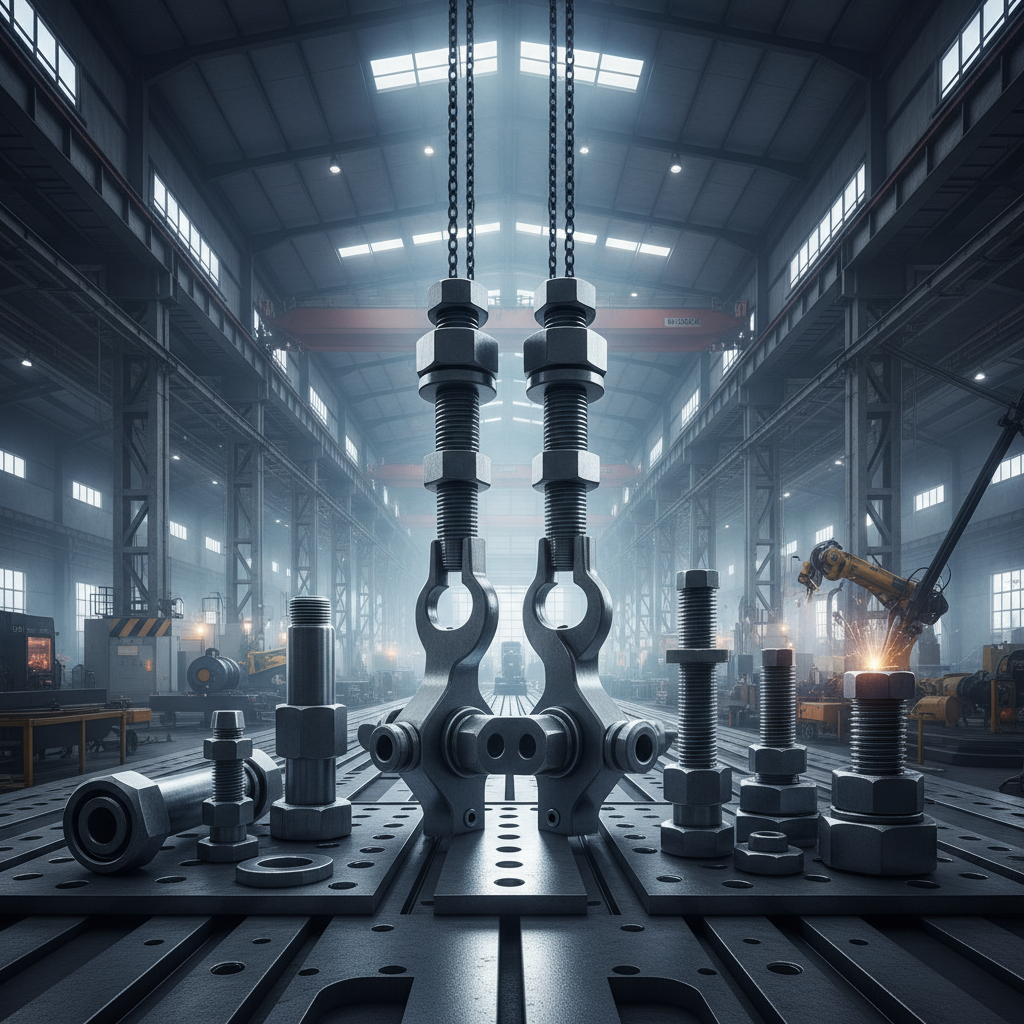
In the world of modern construction and industrial assembly, the full threaded rod stands as a fundamental component that bridges the gap between structural rigidity and installation flexibility. Unlike standard bolts that have a limited grip length, these continuous threaded shafts allow engineers to customize the length of their fasteners on-site, making them indispensable for everything from HVAC suspension to heavy-duty machinery anchoring.
The global demand for high-quality fastening solutions has surged as infrastructure projects become more complex and demands for seismic resilience increase. A reliable full threaded rod ensures that load-bearing elements are secured with precision, reducing the risk of structural failure and lowering long-term maintenance costs in industrial environments.
Understanding the nuances of material grades, thread pitches, and coating options is essential for procurement managers and engineers alike. By optimizing the selection of these threaded components, industries can achieve a perfect balance between cost-efficiency and safety, ensuring that every joint and support system adheres to international safety standards.
Global Industrial Context of Full Threaded Rods
On a global scale, the reliance on standardized fastening systems has grown in tandem with the expansion of the global construction market. According to ISO standards and industrial benchmarks, the use of the full threaded rod has become a cornerstone in modular building and prefabricated infrastructure, where precise alignment and adjustable tensioning are critical for structural integrity.
However, the industry faces a persistent challenge: the struggle between material cost and environmental durability. In coastal regions or high-humidity industrial zones, standard steel rods often succumb to oxidation, leading to catastrophic failures. This has driven a global shift toward advanced alloys and specialized coatings that extend the lifecycle of these components.
Defining the Full Threaded Rod in Modern Engineering
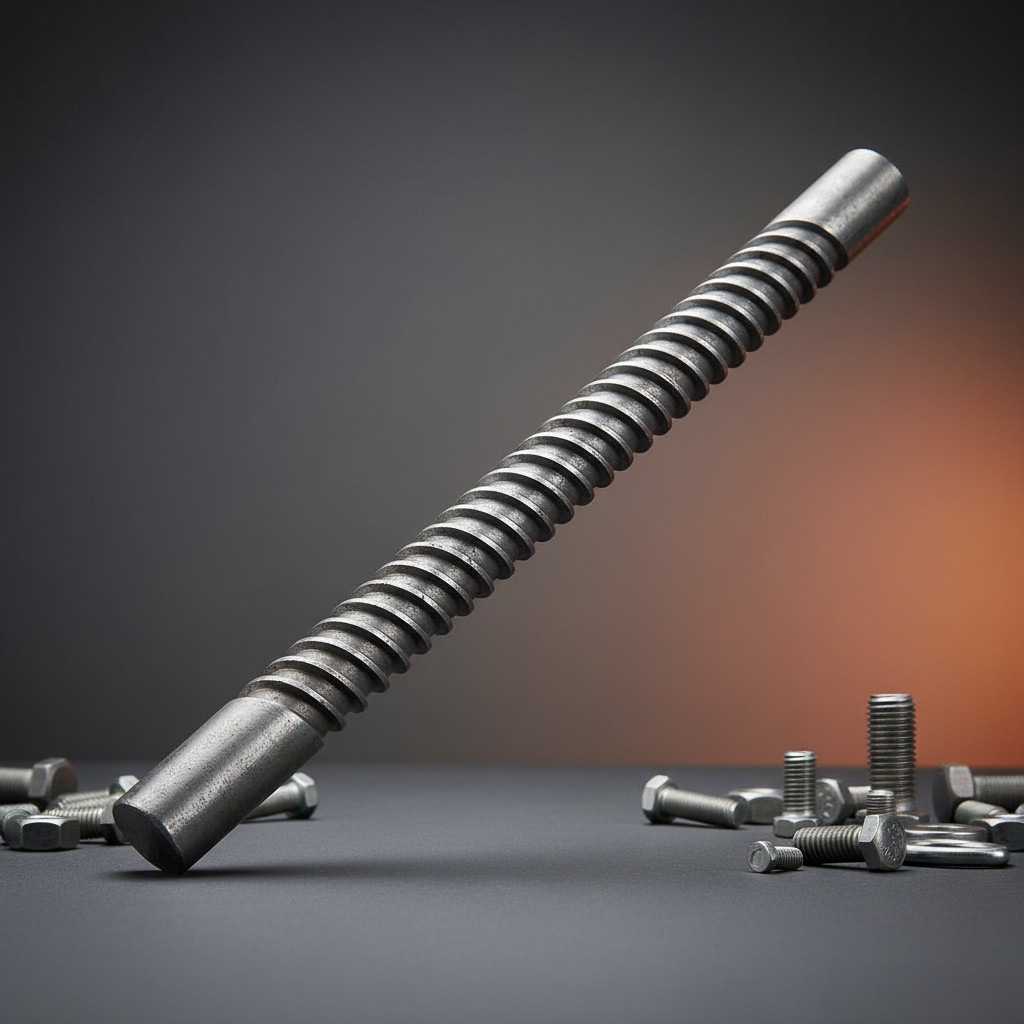
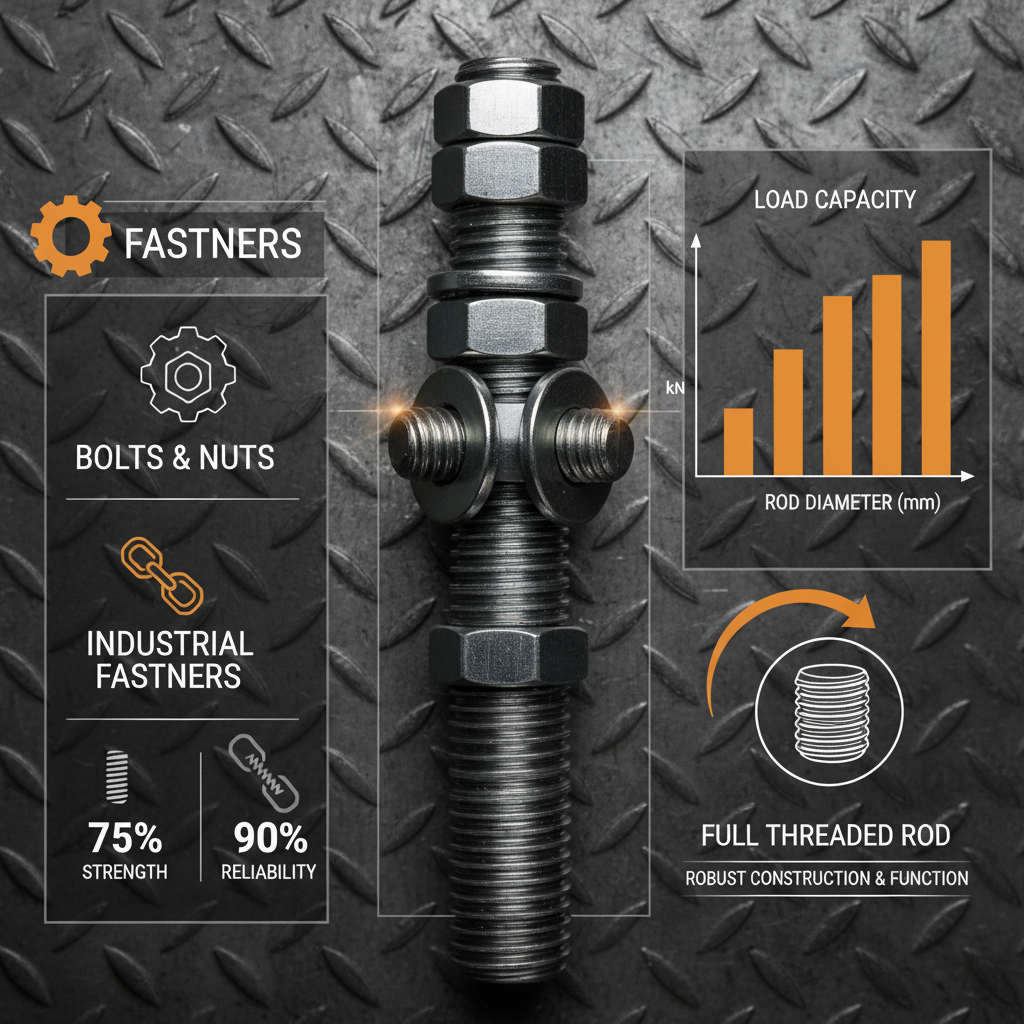
Simply put, a full threaded rod is a headless fastener that features a continuous external thread along its entire length. Unlike a traditional bolt, which has a head and a partial thread, this rod is designed to be cut to any desired length and secured at both ends using nuts and washers, providing an unparalleled level of versatility in fastening.
In the context of modern industry, these rods are more than just "screws"; they are critical tensioning elements. Whether they are supporting heavy HVAC ductwork in a skyscraper or stabilizing components in a chemical processing plant, they provide the necessary clamping force to ensure that disparate materials are held together securely under varying loads.
From a humanitarian and infrastructural perspective, the accessibility of these rods allows for rapid deployment of temporary shelters and emergency bridges in disaster-prone areas. Their simplicity means they can be installed by workers with minimal specialized tooling, yet they provide the mechanical strength required to save lives and restore essential services.
Key Factors Determining Rod Performance
Durability is the primary metric for any full threaded rod. The choice of material—ranging from low-carbon steel to high-grade stainless steel (304 or 316)—determines how the rod will react to corrosive environments. High-tensile options are typically reserved for structural applications where the rod must resist stretching or shearing under immense weight.
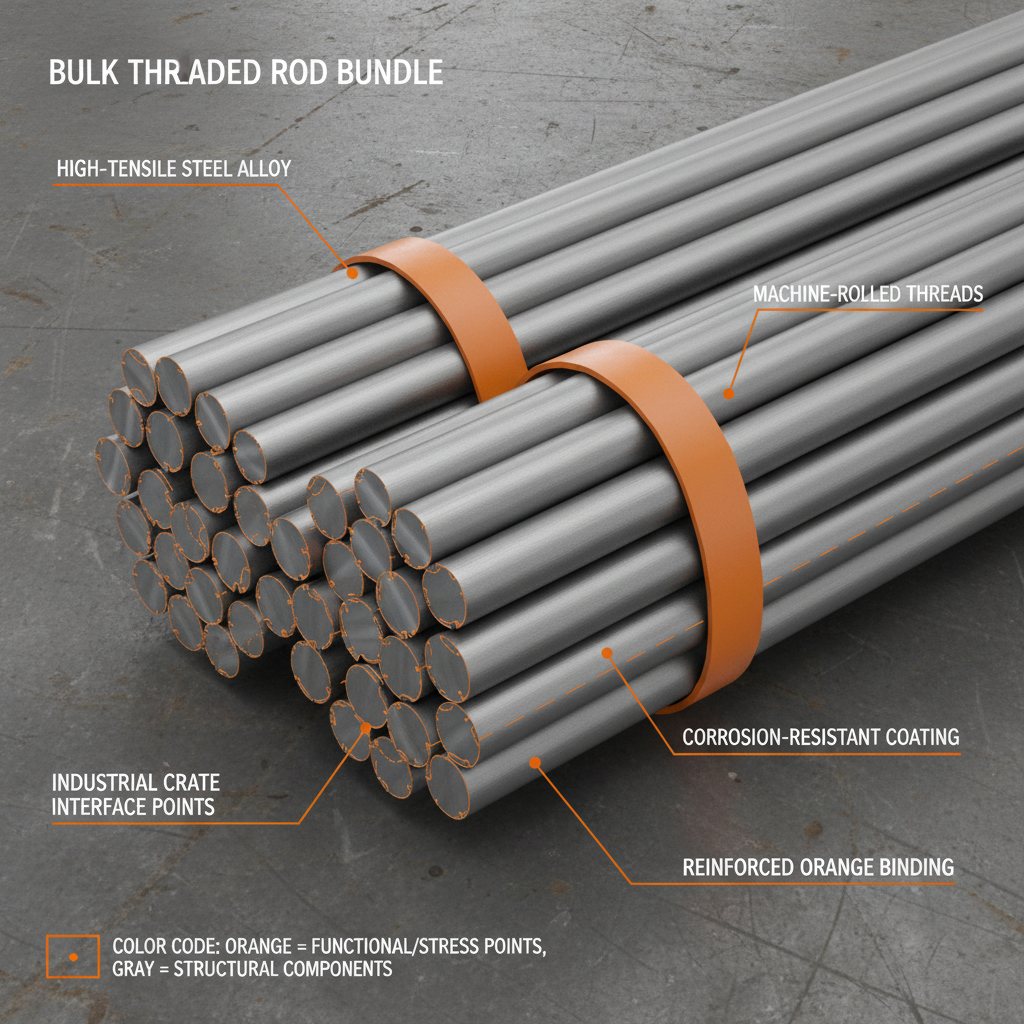
Scalability and versatility are what make the full threaded rod a favorite among contractors. Because the threads are continuous, a single long rod can be repurposed for multiple different lengths on a single project, drastically reducing the need for a vast inventory of pre-cut bolts and minimizing material waste on the job site.
Finally, cost-efficiency and precision machining play a vital role. The accuracy of the thread pitch ensures that nuts glide smoothly over the rod without binding, which is critical for maintaining consistent torque across a large-scale installation. When these factors align, the result is a fastening system that offers maximum reliability with minimal overhead.
Global Applications and Use Case Analysis
The application of the full threaded rod spans across diverse sectors. In North American commercial construction, they are the gold standard for suspending ceilings and piping systems. In the industrial zones of Southeast Asia, they are frequently used in the assembly of heavy machinery frames and the installation of large-scale solar panel racking systems.
Moreover, in post-disaster relief operations, these rods are used to create modular bracing for temporary housing. Their ability to be quickly cut and tightened allows NGOs and government agencies to establish stable structures in remote areas where heavy machinery is unavailable, providing dignity and safety to displaced populations.
Performance Comparison of Full Threaded Rod Material Types
Long-Term Value and Reliability Benefits
Investing in high-grade full threaded rod components provides tangible long-term value by reducing the frequency of replacement cycles. When a project utilizes rods with superior corrosion resistance, the risk of structural degradation over decades is significantly lowered, which translates to lower insurance premiums and higher asset valuation for building owners.
Beyond the logical financial gains, there is an emotional layer of trust and safety. In high-occupancy buildings or critical industrial plants, knowing that every suspension point is secured by a reliable, certified threaded rod provides peace of mind for engineers and occupants alike. This reliability is the bedrock of architectural innovation, allowing for bolder designs that can be safely supported.
Future Trends in Fastener Innovation
The future of the full threaded rod is being shaped by the push toward "Green Construction." We are seeing the emergence of bio-based coatings and recycled high-strength alloys that reduce the carbon footprint of fastener production without compromising the tensile strength required for heavy industrial use.
Digital transformation is also entering the fray. With the rise of BIM (Building Information Modeling), the precise specifications of threaded rods are now integrated into 3D digital twins of buildings. This allows for the exact calculation of the number of rods needed, reducing onsite waste and optimizing the supply chain from the factory to the construction site.
Furthermore, automation in the manufacturing process—such as precision cold-rolling—is producing rods with more consistent thread profiles. This increase in precision reduces the friction during installation, enabling faster assembly times and more accurate torque application in automated robotic assembly lines.
Common Challenges and Technical Solutions
One of the most common challenges when using a full threaded rod is "thread galling," particularly in stainless steel versions. This occurs when friction causes the threads to seize, making it impossible to tighten or remove the nut. The professional solution involves using anti-seize lubricants or selecting rods with a specific surface treatment to reduce friction.
Another hurdle is the risk of over-tensioning, which can lead to the rod stretching or snapping. To overcome this, industry experts recommend the use of calibrated torque wrenches and the implementation of load-testing protocols to ensure that the rod is tightened to its optimal specification without exceeding its elastic limit.
Finally, selecting the wrong material for the environment remains a frequent error. For example, using zinc-plated rods in saltwater environments leads to rapid failure. The solution is a comprehensive material audit during the design phase, ensuring that materials like Grade 316 stainless steel or hot-dip galvanized steel are specified for aggressive environments.
Analysis of Full Threaded Rod Specifications by Application
| Application Scenario |
Recommended Material |
Corrosion Resistance |
Strength Rating (1-10) |
| HVAC Ceiling Support |
Zinc-Plated Steel |
Moderate |
6 |
| Marine Infrastructure |
Stainless Steel 316 |
Excellent |
8 |
| Heavy Machinery Base |
Grade 8 Carbon Steel |
Low |
10 |
| Outdoor Solar Racks |
Hot-Dip Galvanized |
High |
7 |
| Food Processing Plant |
Stainless Steel 304 |
High |
7 |
| Emergency Shelter Bracing |
Low Carbon Steel |
Low |
5 |
FAQS
The primary difference is the head and the length. A bolt has a head and typically a partial thread, whereas a full threaded rod has no head and is threaded from end to end. This allows the rod to be cut to any specific length required for the project and secured with nuts on either side, providing much greater flexibility for suspension and anchoring applications.
For outdoor use, hot-dip galvanized steel or stainless steel (Grade 304 or 316) are the best options. Hot-dip galvanizing provides a thick protective layer against rust, while stainless steel offers inherent corrosion resistance. For coastal or highly saline environments, Stainless 316 is strongly recommended due to its added molybdenum content which prevents pitting.
To prevent thread galling or seizing, it is essential to use a high-quality anti-seize lubricant on the threads before tightening the nuts. Additionally, ensuring that the nuts and the full threaded rod are of compatible grades and precision-machined can significantly reduce the risk of friction-induced seizing.
Yes, but only if the correct material grade is used. High-tensile carbon steel rods (such as Grade 8) are designed for heavy load-bearing applications. However, it is critical to consult a structural engineer to determine the required diameter and material strength to avoid failure under tension or shear stress.
The best way to cut a full threaded rod is using a hacksaw or a portable band saw. After cutting, it is important to use a file or a thread chaser to clean the burrs from the end of the rod. This ensures that the nut can be started easily and that the thread integrity remains intact.
Yes, as long as the thread pitch and diameter match. Most rods follow standard ISO or ANSI specifications. Always verify whether the rod uses a Metric (M) or Imperial (UNC/UNF) thread pattern to ensure the nuts and washers fit securely and provide the intended clamping force.
Conclusion
In summary, the full threaded rod is an indispensable tool in the modern industrial toolkit, offering a unique combination of versatility, strength, and efficiency. From its critical role in global infrastructure and disaster relief to its application in precision machinery, the right selection of material and grade ensures structural longevity and operational safety.
As we move toward a future of sustainable construction and digital integration, the importance of high-quality fastening solutions will only grow. We encourage engineers and procurement specialists to prioritize material compatibility and precision standards to maximize the lifecycle of their projects. For premium fastening solutions tailored to your industrial needs, visit our website: www.hbtbls.com