
Understanding 6m Threaded Rod: A Comprehensive Guide
6m threaded rod is a versatile fastener widely used in various construction, manufacturing, and industrial applications. Its length and threading allow for strong connections and offer solutions where standard bolts aren't sufficient. This article will delve into the properties, applications, standards, and selection considerations of 6m threaded rod. Whether you’re involved in large-scale infrastructure projects or smaller DIY tasks, understanding the nuances of this component is crucial. For quality 6m threaded rod, explore the offerings at HBTBLS, a trusted supplier known for its reliable products and competitive pricing.
What is 6m Threaded Rod?
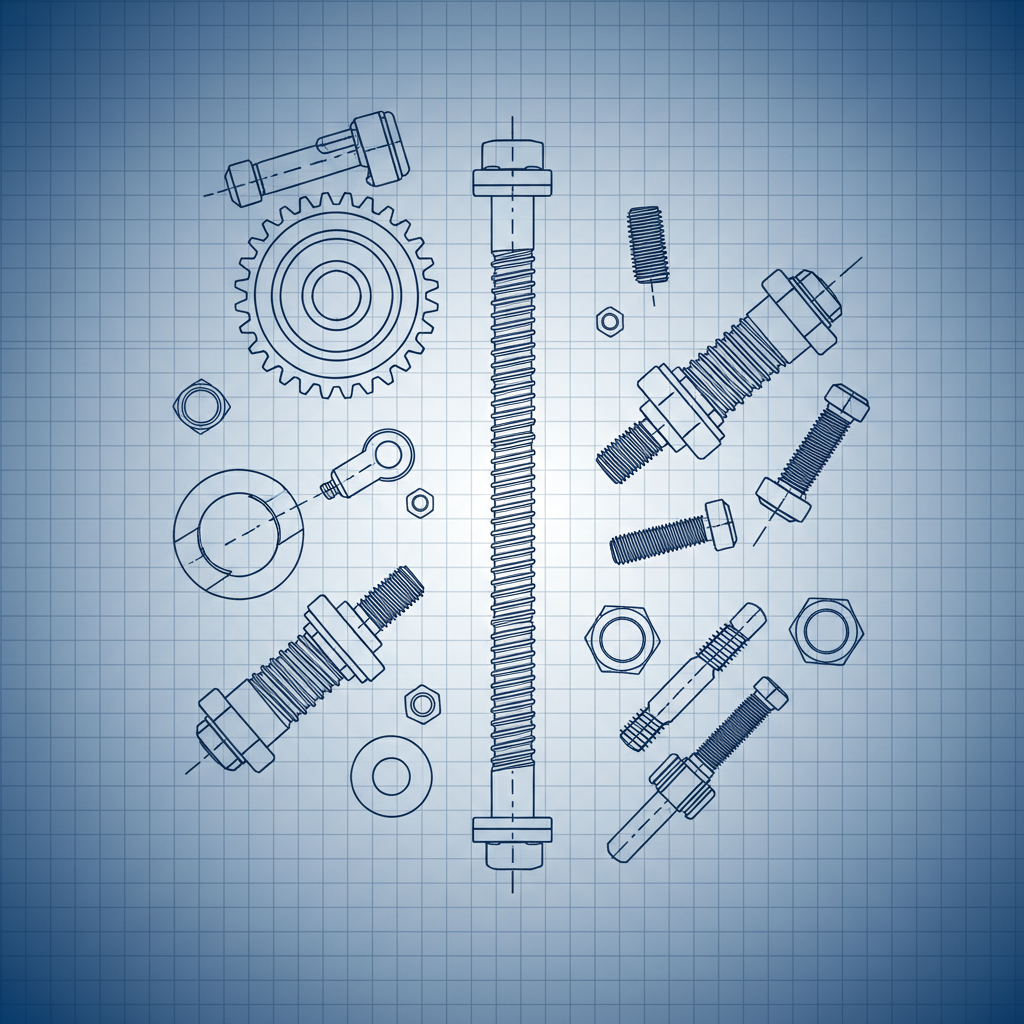
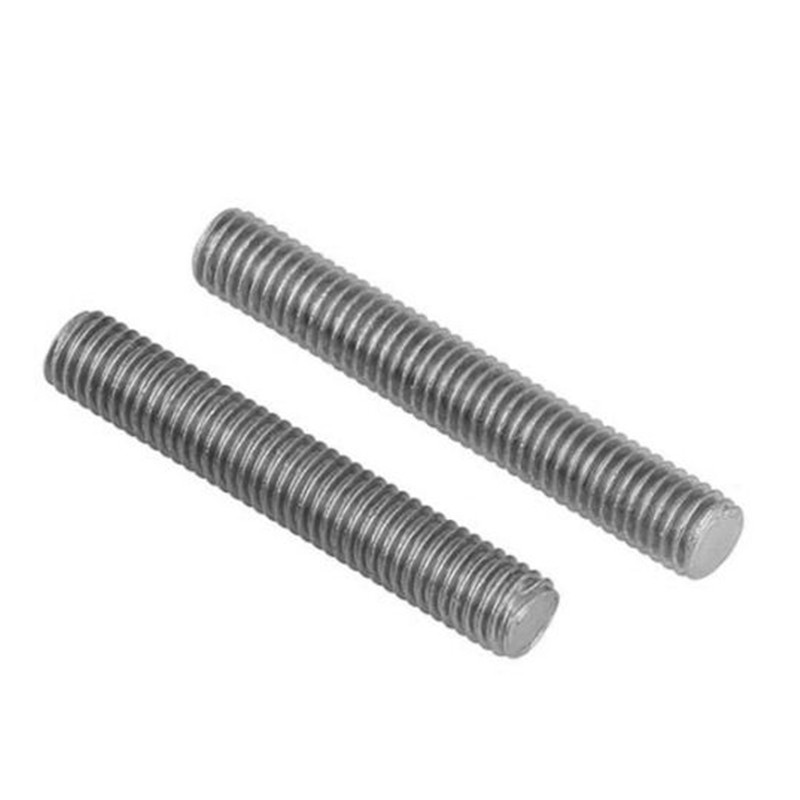
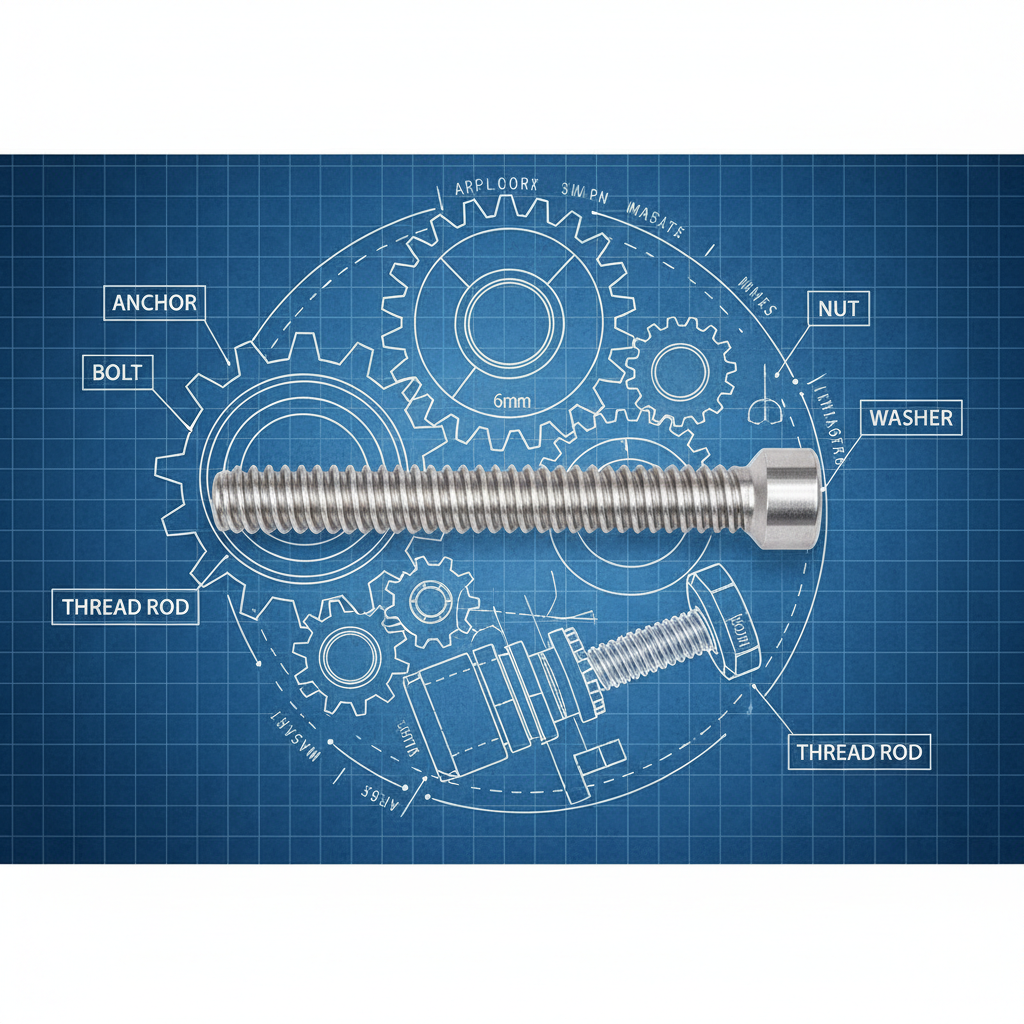
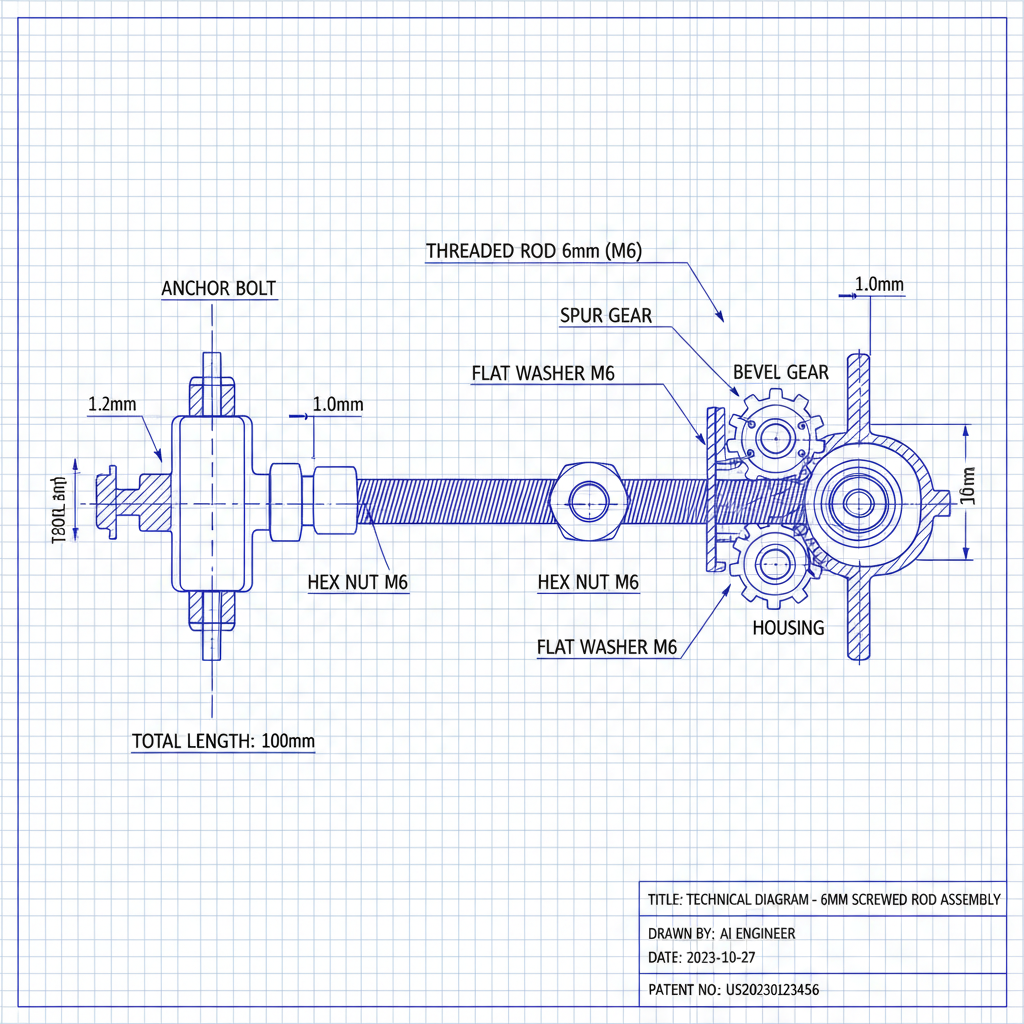
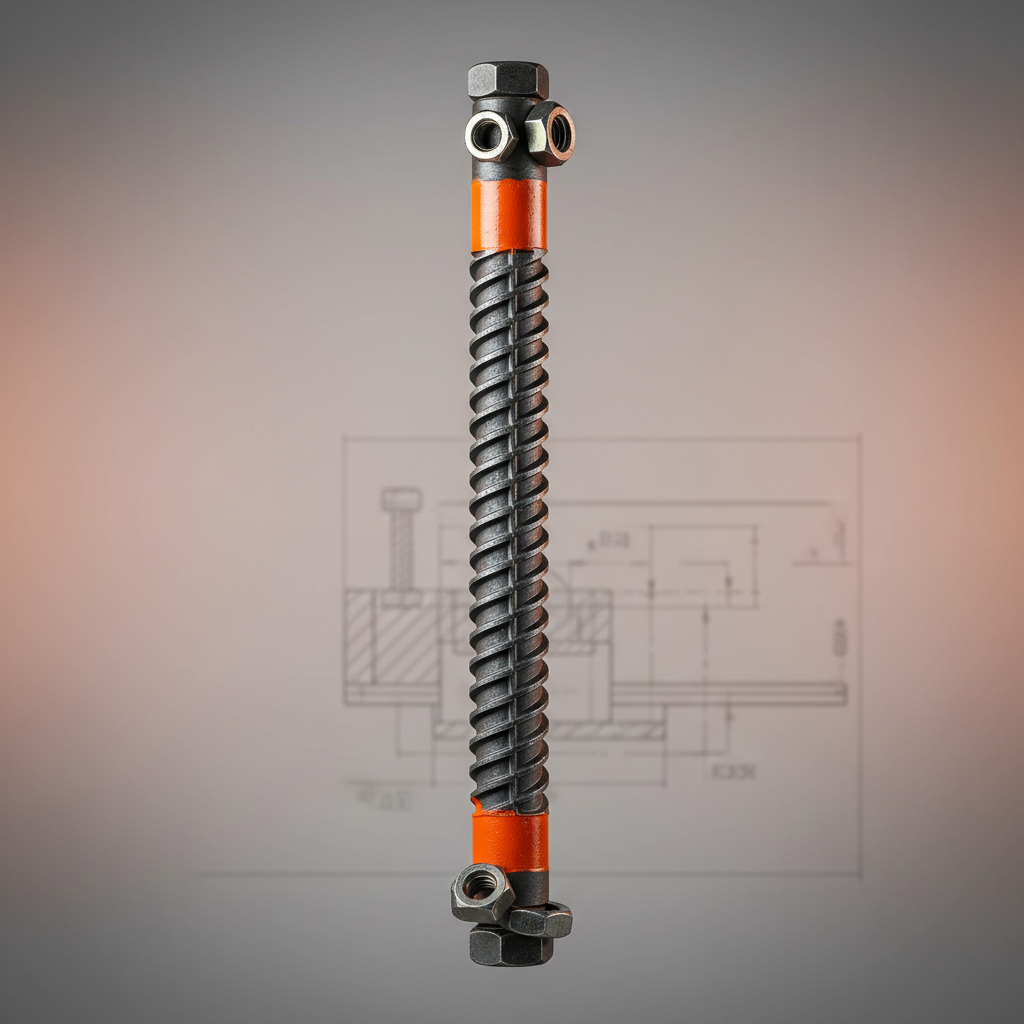
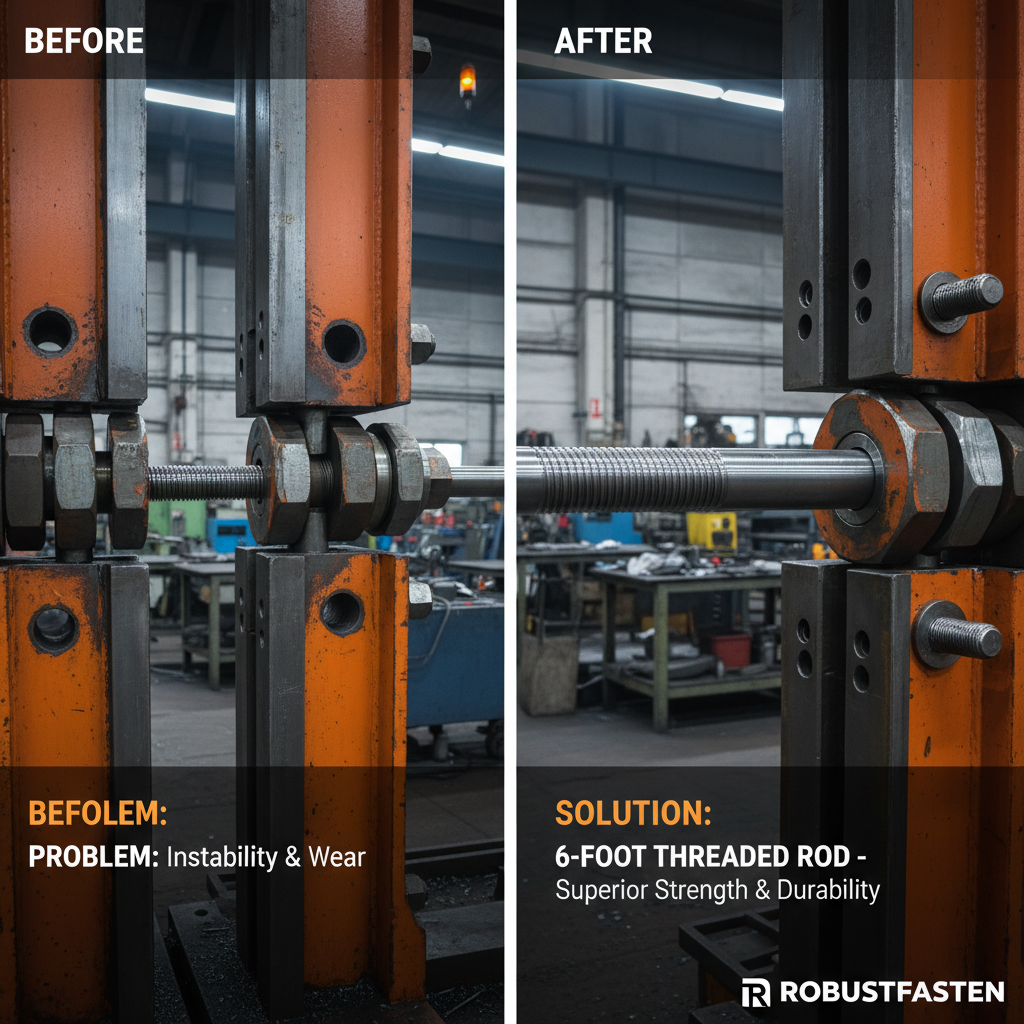
6m threaded rod, also known as studding, is a length of metal – typically steel or stainless steel – with continuous threads along its entire length. This differs from bolts, which have threads on only part of their shank. The '6m' signifies a length of six meters. These rods are available in various diameters, thread pitches, and materials to suit a wide range of applications. They're employed as fasteners, spacers, or as part of a more complex assembly, offering a secure and adjustable connection. The robust nature of 6m threaded rod ensures long-lasting performance even in demanding environments.
Key Highlights: Continuous threading allows for versatile applications, while varying materials and diameters cater to diverse project needs. A reliable and strong fastening solution.
Applications of 6m Threaded Rod
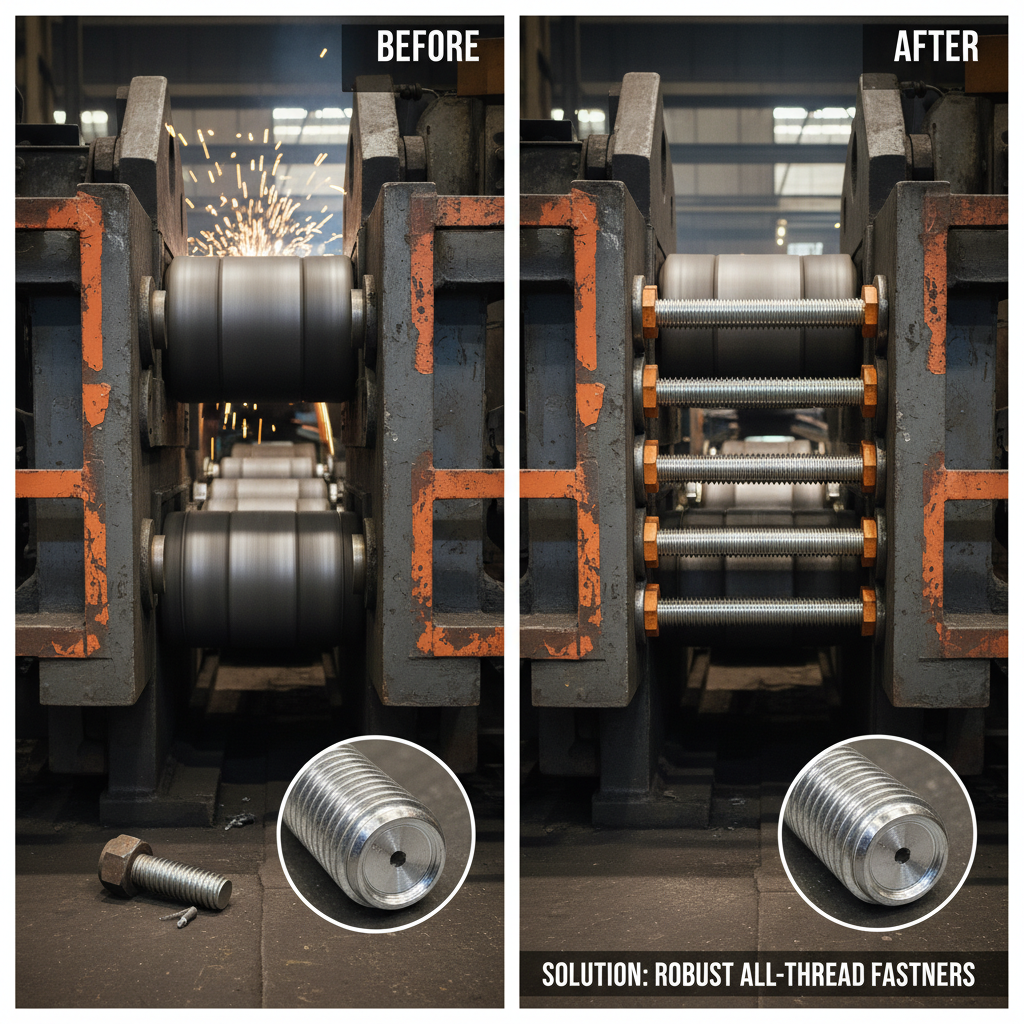
The versatility of 6m threaded rod leads to its use across numerous industries. In construction, it’s vital for anchoring bolts, creating bracing systems, and securing structural elements. Manufacturing utilizes it for jigs, fixtures, and machine components. Plumbing and electrical work rely on it for supporting pipes and conduit. Furthermore, it finds applications in DIY projects, furniture construction, and even art installations. The strength and adaptability of 6m threaded rod make it an invaluable component in countless scenarios.
Common Applications:
• Construction Anchors
• Bracing and Support Systems
• Machine Components & Fixtures
• Plumbing & Electrical Supports
Comparing Materials for 6m Threaded Rod
Selecting the appropriate material for your 6m threaded rod is crucial for ensuring performance and longevity. The most common materials include carbon steel, stainless steel (specifically 304 and 316 grades), and alloy steel. Carbon steel is cost-effective but prone to corrosion. Stainless steel offers excellent corrosion resistance, making it ideal for outdoor or harsh environments. Alloy steel provides increased strength and toughness for demanding applications. The choice depends on factors like environmental conditions, load requirements, and budget constraints.
Standards and Specifications for Threaded Rod
6m threaded rod must adhere to specific standards to ensure quality and safety. Common standards include ASTM A36 for carbon steel, ASTM A576 for stainless steel, and ISO 898-1 for metric threads. These standards define material properties, dimensional tolerances, and mechanical strength requirements. It’s important to verify that the 6m threaded rod you purchase meets the relevant standards for your application. Checking for certifications and documentation from reputable suppliers, like HBTBLS, guarantees compliance.
Choosing the Right 6m Threaded Rod for Your Project
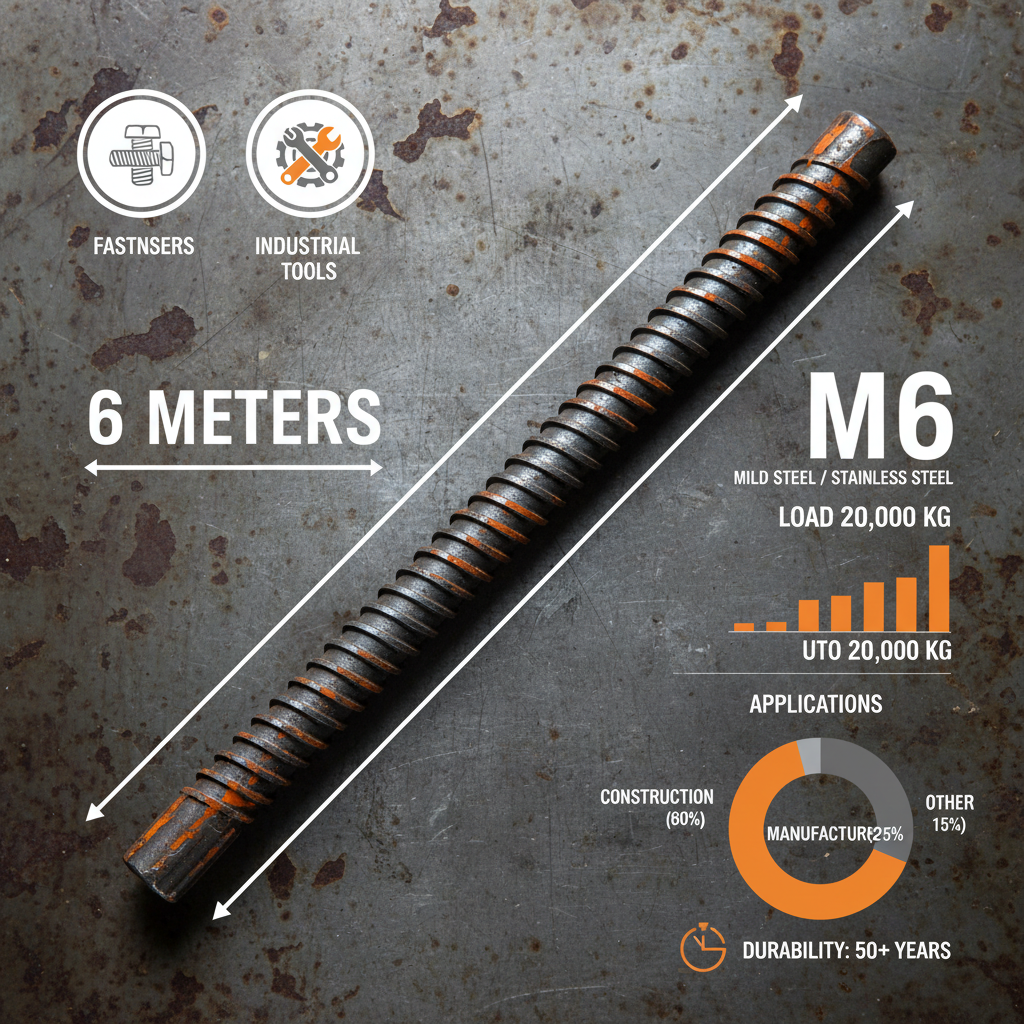
Selecting the correct 6m threaded rod involves considering several factors: diameter, thread pitch, material, and length. The diameter should be sufficient to handle the anticipated load. The thread pitch determines how tightly the rod will connect. The material should be chosen based on the environment and corrosion resistance needs. Finally, ensure the length is adequate for the application, allowing for sufficient engagement with connected components. When in doubt, consult with a fastening expert or refer to engineering specifications.
Conclusion: Selecting Quality 6m Threaded Rod
Choosing the right 6m threaded rod is essential for the success and safety of any project. By understanding the different materials, standards, and application requirements, you can ensure a robust and reliable connection. For superior quality and dependable performance, consider sourcing your 6m threaded rod from a trusted supplier like HBTBLS.
Frequently Asked Questions (FAQs)
What is the tensile strength of a typical 6m threaded rod?
The tensile strength varies depending on the material. For example, a Grade 5 carbon steel 6m threaded rod typically has a tensile strength of around 75,000 PSI. Stainless steel grades, like 304, may have slightly lower tensile strengths, around 70,000 PSI. Always refer to the manufacturer's specifications for precise values as these can vary based on the specific alloy and manufacturing process. It's crucial to select a rod with sufficient tensile strength to handle the anticipated load in your application.
How do I cut 6m threaded rod to the desired length?
Cutting 6m threaded rod requires a metal-cutting saw, such as a hacksaw, angle grinder with a metal cutting disc, or a band saw. It’s important to use a cutting oil to lubricate the blade and prevent overheating. After cutting, deburr the ends to remove any sharp edges and ensure a smooth, safe connection. You may also need to chase the threads with a die to ensure they are clean and undamaged after cutting.
Can 6m threaded rod be used outdoors?
Yes, but the material selection is crucial. Carbon steel is susceptible to corrosion and should be avoided in outdoor applications unless it's coated with a protective layer. Stainless steel, particularly 304 or 316, is highly recommended for outdoor use due to its excellent corrosion resistance. 316 stainless steel is especially suitable for marine or coastal environments due to its superior resistance to saltwater corrosion.
What are the different thread types available for 6m threaded rod?
The most common thread types are metric (coarse and fine) and UNC/UNF (Unified National Coarse/Fine). Metric threads are widely used internationally, while UNC/UNF threads are prevalent in North America. The choice of thread type depends on the application and compatibility with other components. Ensure that the nut and any other connecting hardware match the thread type of the 6m threaded rod.
Post time: Apr . 04, 2026 02:45


 English
  Albanian
  Arabic
  Armenian
  Azerbaijani
  Belarusian
  Bosnian
  Bulgarian
  Cebuano
  Corsican
  Czech
Czech  Galician
  Georgian
  Greek
Greek  Hausa
Hausa  Hebrew
  Hungarian
  Igbo
Igbo  Indonesian
  Italian
  Kazakh
  Khmer
Khmer  Korean
  Kurdish
  Kyrgyz
  Lao
Lao  Latin
Latin  Latvian
  Lithuanian
  Malay
Malay  Myanmar
  Nepali
  Polish
  Portuguese
  Russian
  Serbian
  Sesotho
  Shona
Shona  Sindhi
  Spanish
  Tagalog
  Tajik
Tajik  Thai
Thai  Turkish
  Turkmen
  Ukrainian
  Uzbek
Uzbek  Vietnamese
  Yoruba
  Zulu
Zulu