
Understanding the M8 Rod: A Small Component with Global Impact
The humble m8 rod might seem an odd topic to zoom in on, but it quietly underpins so many critical infrastructures worldwide — from skyscrapers to bridges, and even humanitarian aid setups. Knowing what it is, why it matters, and how it's applied across industries gives engineers, buyers, and even end-users a leg up. Whether you're in construction, manufacturing, or relief logistics, understanding the properties, benefits, and trends around the m8 rod can really sharpen decision-making.
Let's face it, components that appear minor often hold the line between safety and disaster, durability and breakdown, cost overruns and budget bliss. That's why we're diving in. Oh, and don’t worry – this won’t be a boring metal specs lecture. I’ll keep it conversational, promise.
Why the M8 Rod Still Matters Worldwide
Data from the International Organization for Standardization (ISO) reminds us that standardized rods and fasteners like the m8 underpin nearly every structural element globally. According to the World Bank, over 1.4 billion people currently live in urban settlements with intensive construction activity — places where something as seemingly small as an m8 rod can affect structural integrity and safety.
Meanwhile, challenges persist — improper material sourcing, incorrect sizing, or failure to meet tensile specs can cause costly failures. This is especially crucial in disaster-prone or remote regions where reliable infrastructure safeguards lives and livelihoods.
On a slightly broader note, m8 rods connect supply chain efficiency, quality assurance, and sustainability initiatives — making their global relevance about more than just metal.
What Is an M8 Rod?
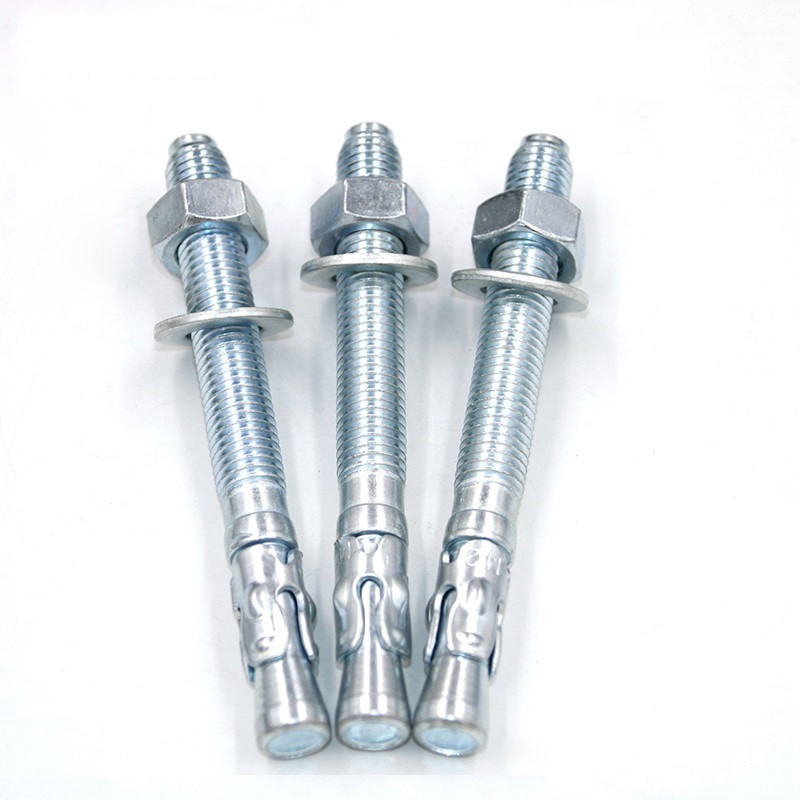
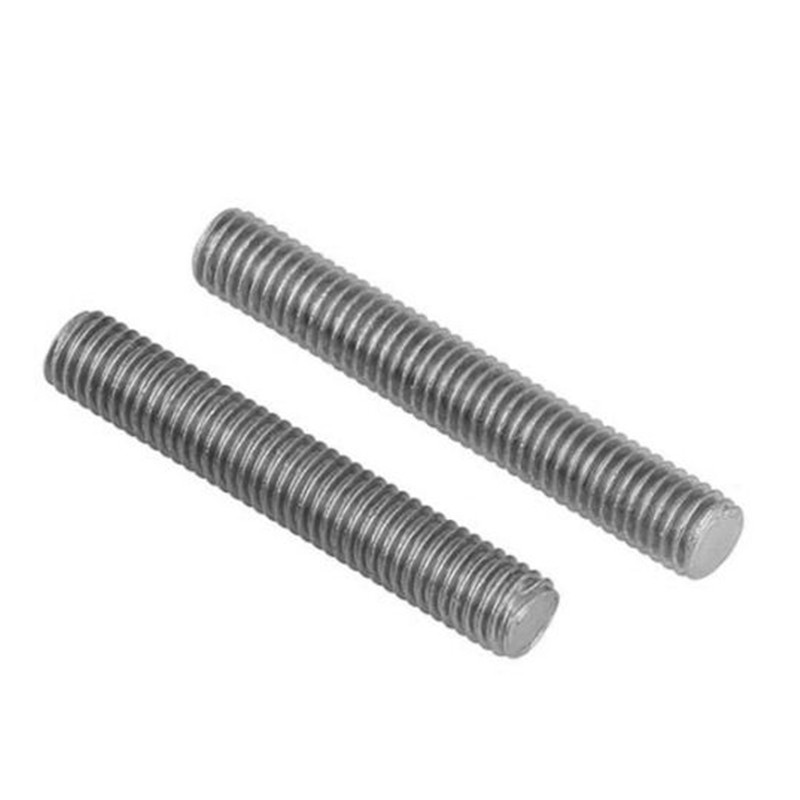
Simply put, an m8 rod is a steel or alloy rod with an 8 mm diameter used frequently for fastening, tensioning, or structural reinforcement. Think of it as a tiny backbone piece — connecting, supporting, enabling. In the industrial world, it often comes threaded on one or both ends, designed to pair with nuts and washers, forming a strong, adjustable joint.
Modern applications range from construction and manufacturing to renewable energy frames and emergency shelters. For instance, NGOs deploying quick-assembly housing during crises rely on these rods for their simplicity and reliability, ensuring fast setup without sacrificing strength.
Mini Takeaway:
The m8 rod might be a small hardware component, but it carries heavy responsibilities in structural integrity and global infrastructure sustainability.
Key Attributes That Define the m8 Rod
1. Durability
Many engineers say the m8 rod is prized for its durability. Made from carbon steel, stainless steel, or even galvanized versions, they resist rust, corrosion, and mechanical stress. In coastal or humid environments, this corrosion resistance is a game-changer that extends framework lifespans.
2. Tensile Strength
Tensile strength refers to how much stretching force a rod can withstand before breaking. The m8 rod typically supports loads around 800 to 1200 MPa (megapascals), which is crucial in suspension or tension systems. This means it can reliably carry heavy loads without snapping — think cable systems or mounting supports.
3. Versatility
From industrial machinery to scaffolding, from DIY assembly to disaster relief, the m8 rod’s standard sizing and threading make it compatible with countless nuts, bolts, and washers. Manufacturers like DIN, ASTM, and ISO standardize dimensions making sourcing predictable and reliable.
4. Cost Efficiency
Without breaking the bank, m8 rods provide a robust solution for plenty of projects. Their mass production has led to economies of scale and wide availability, which reduces procurement headaches and costs. Oddly enough, sometimes the simplest parts keep projects on budget.
5. Ease of Installation
The design allows for quick manual or machine fastening with standard tools, which proves essential when time is precious — such as in disaster relief setups or time-sensitive construction schedules.
Mini Takeaway:
- Durability, strength, versatility, cost, and installation ease are the major pillars that shape the m8 rod’s global utility.
- Picking the right material and finish is vital depending on your workplace environment.
Global Uses and Case Examples of M8 Rod
It's fascinating where these rods turn up. For example:
- Post-Disaster Relief: Rapidly deployed modular shelters use m8 rods in tension frames to save time and lives.
- Renewable Energy: Wind turbine frames and solar panel mounts often rely on corrosion-resistant m8 rods to withstand harsh climates.
- Construction: Structural fasteners in commercial buildings across Europe and Asia meet ISO standards ensuring cross-border compatibility.
- Industrial Manufacturing: Machine mounting and assembly lines in remote industrial zones benefit from standard, high-strength rods simplifying maintenance.
Interestingly, in developing regions, smaller structural fixes using m8 rods can mean the difference between project success and premature failure — not to mention local job creation and knowledge transfer.
Product Specification Overview – Typical M8 Rod
| Attribute | Value | Remark |
|---|---|---|
| Diameter | 8 mm | Standard metric size |
| Length | Varies (50 - 500 mm) | Customizable per application |
| Material | Stainless Steel (A2 or A4), Carbon Steel | Depends on corrosion resistance needed |
| Thread pitch | 1.25 mm (metric coarse) | Commonly used thread |
| Tensile strength | 800 - 1200 MPa | Varies by grade |
| Surface finish | Galvanized, Polished, Plain | Environmental dependent |
Top Vendors of M8 Rods: A Quick Comparison
| Vendor | Material Quality | Price Range (per 100 pcs) | Certifications | Lead Time |
|---|---|---|---|---|
| Alpha Rods Ltd. | Stainless Steel A4 (316) | $120 - $140 | ISO 9001, ASTM | 2 weeks |
| Precision Fasteners Inc. | Carbon Steel Galvanized | $95 - $110 | ISO 9001 | 1 week |
| Global Metalworks | Stainless Steel A2 (304) | $105 - $130 | ISO 9001, CE | 3 weeks |
Why Choosing the Right M8 Rod Matters: Benefits & Long-Term Value
Think about safety first — selecting a certified, high-quality m8 rod can prevent structural failures, avoiding accidents and costly rebuilds. Beyond safety, the right rod promotes longevity, cutting maintenance demands and downtime in heavy-use facilities.
Environmentally, many m8 rods produced with stainless steel and galvanized coatings have longer lifespans reducing waste. For socially responsible companies and NGOs, this means supporting sustainable infrastructure that respects both budget and environment.
Emotionally, using trusted fasteners provides peace of mind — you know what you’re building on. Plus, innovations in materials give engineers a sense of pride in contributing to reliable, future-ready solutions.
Future Innovations in M8 Rod Technology
The future is green: new coatings that are eco-friendly yet more durable, or rods made from recycled alloys are gaining traction amid climate-focused policies. Digital transformation plays a role too — QR-coded rods with batch and traceability data improve supply chain transparency and reduce counterfeit risks.
Automation in manufacturing offers custom threading and lengths on-demand, allowing greater customization without inflating costs. Oddly enough, sometimes the smallest components reflect some of the biggest leaps in tech innovation.
Common Challenges & How They're Overcome
- Corrosion in Harsh Environments: Galvanization and stainless steel grades tackle this, but costs rise; innovations in nano-coatings may offer future cost-effective protection.
- Supply Chain Disruption: Sourcing standardized m8 rods globally can be disrupted; local manufacturing and digital procurement systems help reduce risks.
- Quality Verification: Ensuring rods meet specs entails rigorous batch testing; IoT-enabled quality checks are an upcoming solution.
FAQs About M8 Rods
- What is the most common material used for m8 rods in construction?
- Carbon steel and stainless steel (grades A2 and A4) dominate, balancing cost, strength, and corrosion resistance for many structural projects.
- Can m8 rods be used in outdoor and marine environments?
- Yes, but to avoid corrosion, it’s best to use stainless steel A4 or galvanized rods specifically designed to resist saltwater and humidity.
- How do I ensure I’m buying genuine m8 rods that meet standards?
- Look for suppliers with ISO 9001 certification, request test certificates, and if possible, source rods with traceability data to verify quality.
- Are m8 rods customizable in length and threading?
- Absolutely. Many manufacturers can provide custom lengths or fine/coarse threading to suit specific project requirements.
- Can NGOs import m8 rods efficiently for disaster relief projects?
- Yes, by partnering with certified suppliers familiar with international shipping protocols and certifications to ensure timely delivery without compliance issues.
Summing It Up (And Why You Should Care)
So, the m8 rod might not be on most people’s radar, but in real terms, it’s a quiet hero shaping the durability, safety, and efficiency of countless global projects. Whether you’re building a bridge, assembling modular housing, or setting up renewable energy racks, getting the right m8 rod matters.
Want to learn more or source quality rods? Visit our website: m8 rod.
References
Post time: Nov . 29, 2025 00:35


 English
  Albanian
  Arabic
  Armenian
  Azerbaijani
  Belarusian
  Bosnian
  Bulgarian
  Cebuano
  Corsican
  Czech
Czech  Galician
  Georgian
  Greek
Greek  Hausa
Hausa  Hebrew
  Hungarian
  Igbo
Igbo  Indonesian
  Italian
  Kazakh
  Khmer
Khmer  Korean
  Kurdish
  Kyrgyz
  Lao
Lao  Latin
Latin  Latvian
  Lithuanian
  Malay
Malay  Myanmar
  Nepali
  Polish
  Portuguese
  Russian
  Serbian
  Sesotho
  Shona
Shona  Sindhi
  Spanish
  Tagalog
  Tajik
Tajik  Thai
Thai  Turkish
  Turkmen
  Ukrainian
  Uzbek
Uzbek  Vietnamese
  Yoruba
  Zulu
Zulu