
Why Understanding B7 All Thread Matters Worldwide
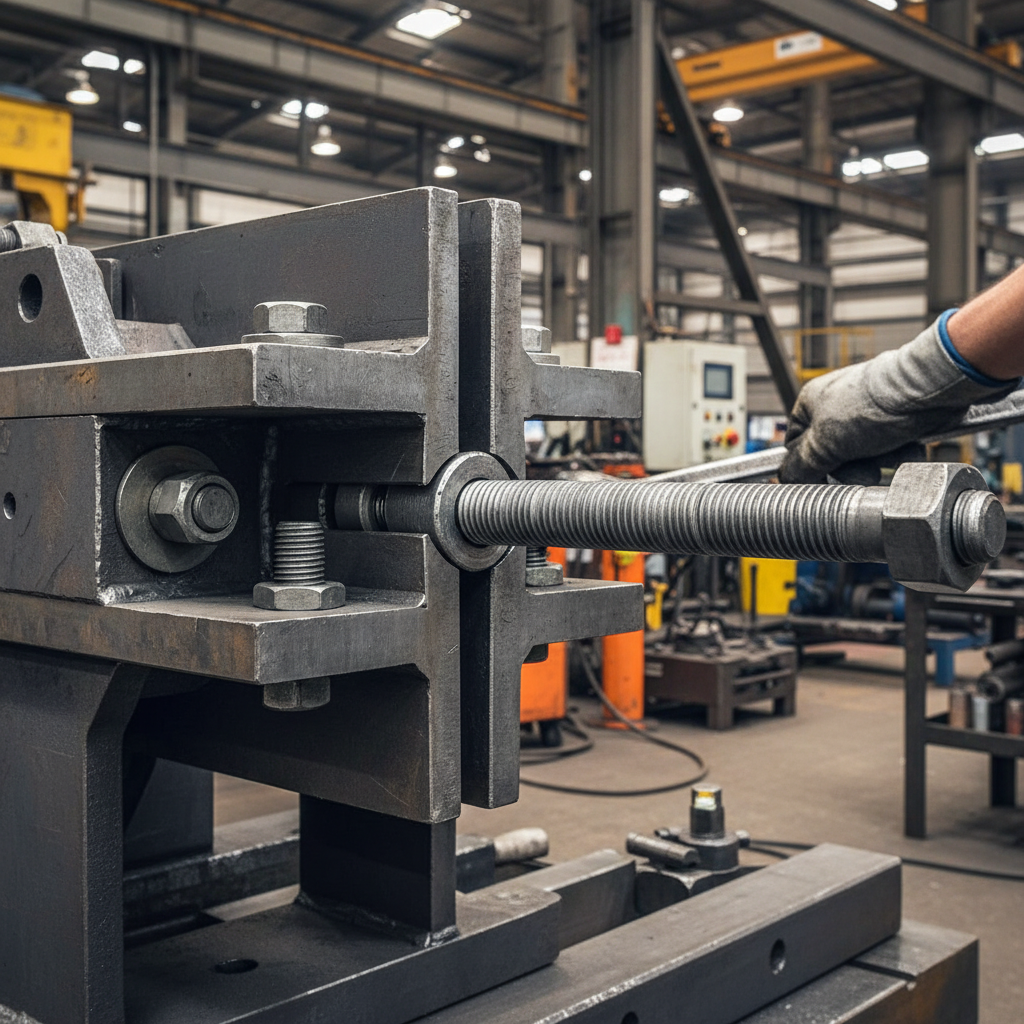
If you’ve ever peeked behind the scenes of large assembly projects, industrial construction, or even complex repair works, you might have come across the term b7 all thread. But what exactly makes it so relevant? In a nutshell, b7 all thread refers to a type of high-strength threaded rod that’s used as a fastener in critical mechanical, structural, and engineering tasks worldwide. Its importance isn’t just industrial — it’s a linchpin in major infrastructure projects that keep cities reliable and safe.
Globally, the demand for durable, scalable, and cost-efficient fastening systems keeps growing. According to ISO standards on mechanical fasteners,[1] threaded components like b7 all thread rods have become essential for ensuring stability in everything from bridges in Europe to pipelines in North America, and even humanitarian infrastructure in disaster zones. So, investing some time in understanding what makes these threads tick, and where they shine, benefits engineers, procurement officers, and even NGOs focusing on sustainable development.
The Global Context: Why B7 All Thread Threads the Needle
Worldwide infrastructure investment is soaring. The World Bank estimates over 15 trillion USD will be spent on construction and maintenance in the next decade.[2] With that scale, engineers need fastening materials that combine reliability with flexibility. That’s where the industry-standard b7 all thread components come in.
But there’s a catch — not every all thread is created equal. Challenges include sourcing rods that can withstand varying loads and environmental contexts, from arctic chills to tropical humidity, or seismic stress zones. What if a project requires a rod tough enough to manage high tensile loads yet adaptable enough to standard joinery systems? That’s precisely the gap the b7 all thread fills: engineered to handle these tensions elegantly.
What Is B7 All Thread? A Simple Definition
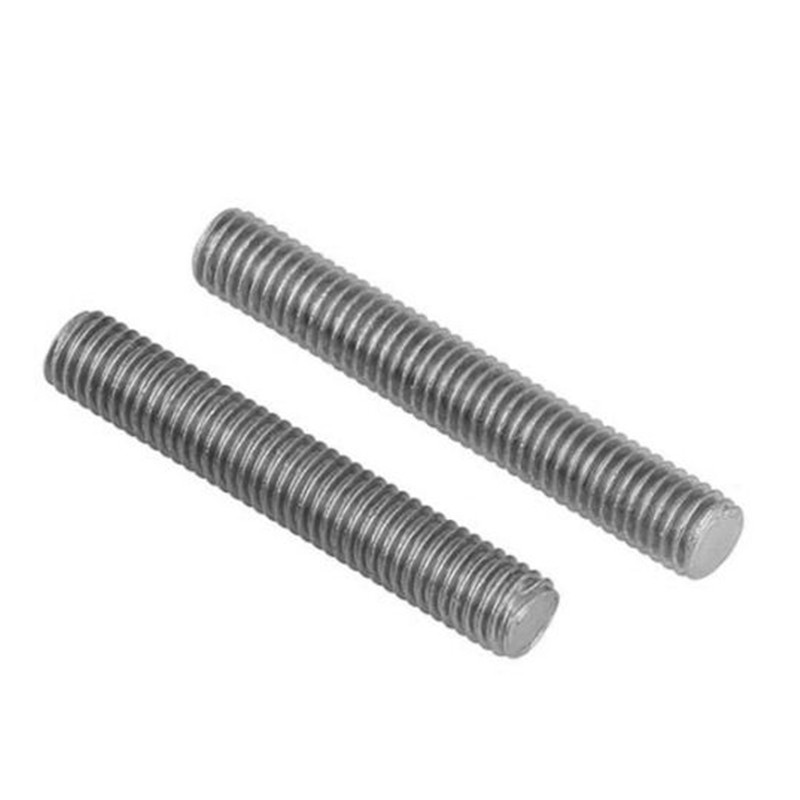
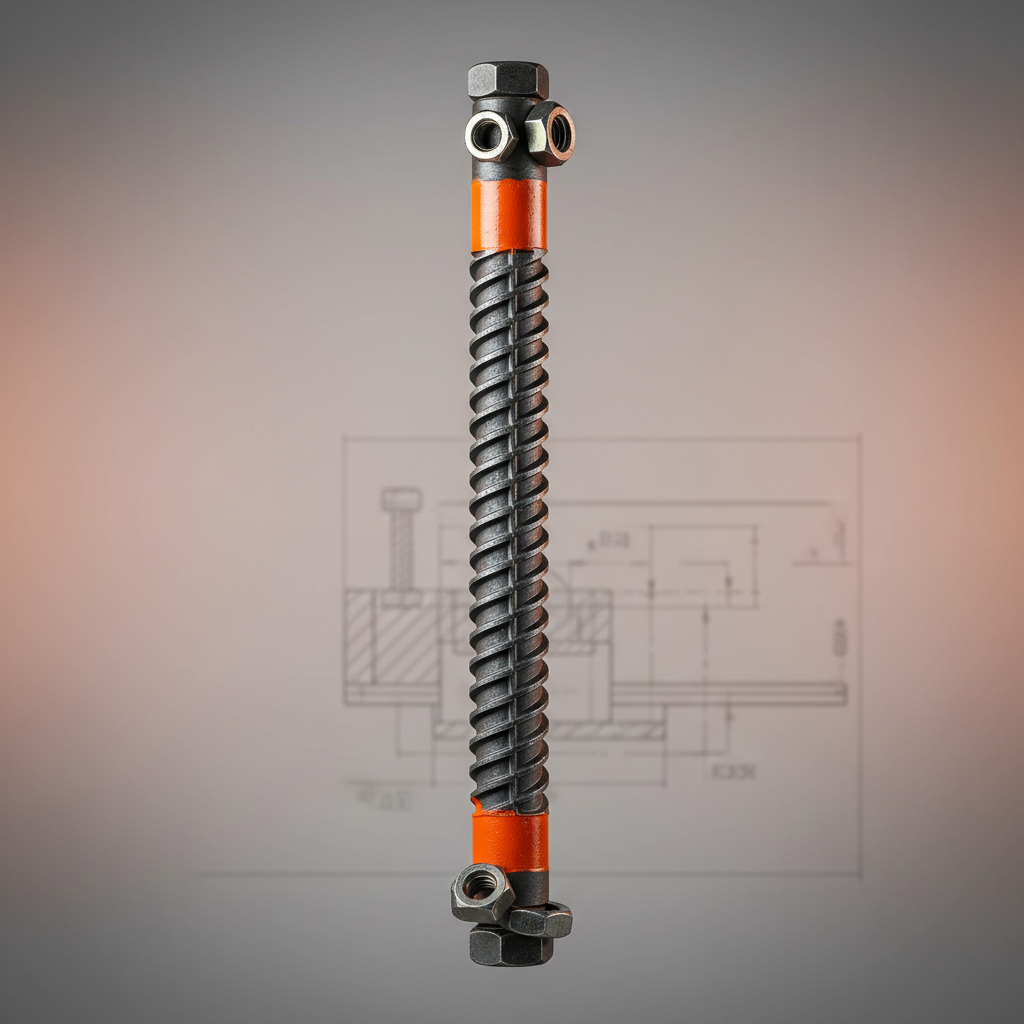
Think of b7 all thread as a fully threaded steel rod, but not just any steel. It’s composed of chromium-molybdenum alloy, heat-treated to a high tensile strength (class 10.9). Typically manufactured following ASTM A193 Grade B7 specifications, these rods are optimized for use in high-pressure, high-temperature environments — like power plants or chemical plants.
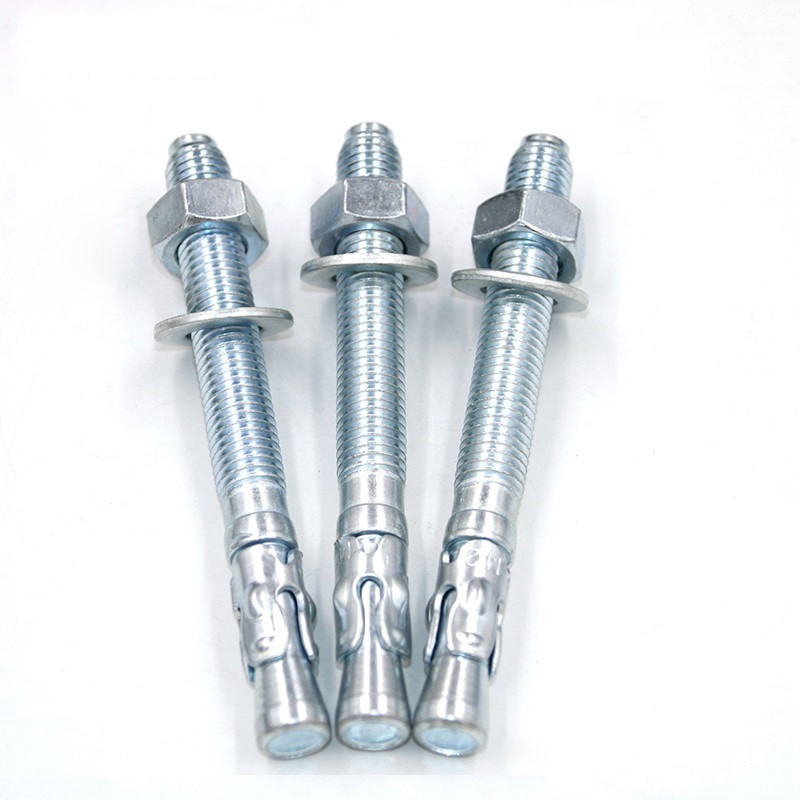
In more practical terms, these rods are versatile connectors that can be cut to size, threaded with nuts and washers, and used anywhere a normal bolt might struggle — especially where strength and endurance matter.
Core Components of B7 All Thread
1. Durability
Thanks to their alloy composition and heat treatment, B7 rods have tensile strengths roughly double that of a standard steel rod. This durability means they resist bending, corrosion, and fatigue much better — vital for projects relying on long-term safety.
2. Scalability
From tiny brackets to massive industrial frames, these rods come in various diameters and lengths. Engineers love how you can customize lengths on-site without sacrificing structural integrity.
3. Cost Efficiency
It may seem counter-intuitive, but investing in higher-grade rods like B7 saves money over time. Reduced maintenance costs, fewer replacements, and faster installation times add up.
4. Versatility
B7 all thread rods find their home in multiple industries — energy, construction, mining, even humanitarian relief efforts. The key is their adaptability: able to be paired with different nuts (like ASTM A194 Grade 2H) and washers, they integrate seamlessly with existing hardware.
5. Compliance & Certification
Most B7 rods come certified to ASTM standards — ensuring consistent quality. This makes an enormous difference in compliance-heavy sectors like oil and gas or infrastructure funding from international bodies.
Where In The World Is B7 All Thread Making An Impact?
In real-world terms, B7 all thread rods hold bridges together in Germany, secure offshore oil rigs in the Gulf of Mexico, and stabilize quake-resistant buildings in Japan. Oddly enough, they’re also crucial in rapid-deployment housing and shelter setups post-disaster — think temporary hospitals after earthquakes or flood relief centers in Southeast Asia.
- Post-disaster relief: Rapid assembly shelters use B7 all thread rods due to fast installation and longevity.
- Industrial zones: In remote areas with little maintenance access, B7’s durability reduces the need for expensive reworks.
- Renewable energy: Wind turbine assembly often uses these rods to ensure turbines withstand intense environmental pressure.
For anyone curious, you’ll find more about typical applications b7 all thread technical resources helpful.
Advantages & Long-Term Value of B7 All Thread
Most engineers I’ve talked to swear by the peace of mind these rods bring. Beyond mechanical strength, they represent innovation in safety standards and sustainability. A properly installed B7 threaded rod system means fewer failures, less downtime, and fewer environmental risks due to component breakdown.
There’s an emotional layer too. In critical infrastructure, a thread failure isn’t “just” a broken fastener — it could mean lives impacted, trust lost. In that sense, choosing B7 all thread rods is an investment in dignity and reliability.
Future Trends & Innovations Around B7 All Thread
Looking ahead, manufacturers are experimenting with new coatings to improve corrosion resistance (like PTFE or zinc-nickel plating). There’s also buzz about integrating smart sensors to detect stress or fatigue — sort of like “Fitbits” for threaded rods. The green energy transition means more demands for sustainable steel sourcing and recyclability.
Digital transformation is also nudging quality control into automation — fewer defective rods mean safer, more consistent projects globally.
Challenges & Solutions in Using B7 All Thread
One challenge is supply chain variability. Lead times for certified rods can stretch in some markets. Custom lengths often require cutting and re-threading in the field, which demands skilled labor. Oddly enough, slight mishandling can compromise a rod’s strength — so training is crucial.
Innovative vendors now offer pre-cut, pre-packaged sets and on-demand delivery services to mitigate these issues. Additionally, better end-user education on installation practices goes a long way.
Practical FAQ About B7 All Thread
- Q: How does B7 all thread compare to standard threaded rods in tensile strength?
A: B7 rods typically conform to ASTM A193 Grade B7 standards, offering tensile strengths around 125 ksi (860 MPa), about twice standard low-carbon steel rods. This makes them ideal for high-pressure applications where failure isn’t an option. - Q: Can B7 all thread rods be used in corrosive environments?
A: Yes, although basic B7 rods aren’t stainless steel, they’re often coated with zinc, PTFE, or other anti-corrosion finishes. For highly corrosive settings, specialized coatings or alternative alloys are recommended. - Q: What industries benefit most from B7 all thread rods?
A: Oil & gas, power generation, construction, and disaster relief sectors rely heavily on these rods due to their strength, versatility, and compliance with strict standards. - Q: How can organizations ensure they’re purchasing authentic B7 all thread rods?
A: Procuring from reputable vendors who provide ASTM certifications, batch testing reports, and adequate quality control is key. A good sign is full documentation and traceability for each shipment. - Q: Is it possible to cut these rods on-site without losing structural integrity?
A: While cutting is common, it requires proper threading and finishing after to maintain strength. Improper cutting can cause cracks or stress points, so specialized tools and expertise matter.
Quick Technical Snapshot: B7 All Thread Specifications
| Specification | Value | Notes |
|---|---|---|
| Material Grade | ASTM A193 Grade B7 | Chromium-Molybdenum alloy steel |
| Tensile Strength | 125 ksi (860 MPa) | Typical heat-treated strength |
| Diameter Range | 1/4" up to 2" | Common stock sizes |
| Length Range | 4’ to 12’ standard | Custom lengths available |
| Thread Pitch | Unified National Coarse (UNC) | Standard threading |
| Typical Coatings | Zinc, PTFE, Nickel | Corrosion resistance options |
Comparing Leading B7 All Thread Vendors
| Vendor | Product Range | Quality Certifications | Lead Time | Additional Services |
|---|---|---|---|---|
| SteelWorks Inc. | Full ASTM A193 B7 rods up to 2” diameter | ISO 9001, ASTM Certified | 4-6 weeks | Custom cutting & threading |
| BoltMaster Ltd. | Standard sizes; higher-end coatings available | ASTM, ISO 14001 | 2-3 weeks | Express delivery, on-site training |
| Precision Fasteners | Wide diameter and length options; smart sensors soon | ISO 9001, ASTM B7 | 6-8 weeks | R&D customization, smart tech integration |
Wrapping It Up: Why B7 All Thread Deserves Your Attention
In an industry where strength and reliability can literally mean the difference between disaster and safety, b7 all thread components carry a hefty responsibility. While the nuts and bolts of it are simply steel rods with threads, their real power comes from superior material science, meticulous manufacturing, and adherence to tough standards.
Whether you’re an engineer, a project manager, or involved in humanitarian operations, understanding these rods’ global scope and practical benefits can lead to smarter procurement choices — and ultimately safer, more sustainable infrastructure worldwide.
If this sparked your interest or you’re hunting for technical specs and supply options, check out b7 all thread resources and vendors. Because sometimes a single rod really does hold everything together.
Mini takeaway: B7 all thread rods are robust, reliable, and vital components connecting modern infrastructure — their strength goes beyond steel, anchoring the safety and success of countless industries worldwide.
References
Post time: Nov . 29, 2025 02:25


 English
  Albanian
  Arabic
  Armenian
  Azerbaijani
  Belarusian
  Bosnian
  Bulgarian
  Cebuano
  Corsican
  Czech
Czech  Galician
  Georgian
  Greek
Greek  Hausa
Hausa  Hebrew
  Hungarian
  Igbo
Igbo  Indonesian
  Italian
  Kazakh
  Khmer
Khmer  Korean
  Kurdish
  Kyrgyz
  Lao
Lao  Latin
Latin  Latvian
  Lithuanian
  Malay
Malay  Myanmar
  Nepali
  Polish
  Portuguese
  Russian
  Serbian
  Sesotho
  Shona
Shona  Sindhi
  Spanish
  Tagalog
  Tajik
Tajik  Thai
Thai  Turkish
  Turkmen
  Ukrainian
  Uzbek
Uzbek  Vietnamese
  Yoruba
  Zulu
Zulu