
Understanding the 1 2 Galvanized Threaded Rod: Why It Matters Worldwide
In the vast world of industrial fasteners, the 1 2 galvanized threaded rod might not sound glamorous, but it’s a quiet workhorse holding together infrastructure that powers our daily lives. From towering skyscrapers to humble bridges, and even disaster relief shelters, this simple steel rod with evenly spaced threads and a protective galvanized coating plays a surprisingly big role. Globally, as urbanization accelerates and industries push for more durable, low-maintenance materials, understanding these rods’ qualities and applications offers serious benefits—whether you’re a builder, engineer, or procurement specialist.
Mini takeaway: The 1 2 galvanized threaded rod isn't just metal; it's an essential component in making modern infrastructure resilient and long-lasting.
The Global Context: Why 1 2 Galvanized Threaded Rod Is So Relevant Today
Across continents, infrastructure projects demand materials that can withstand elements, carry heavy loads, and be versatile enough for multiple uses. According to a United Nations report on sustainable infrastructure development, nearly 70% of the global population is expected to live in urban areas by 2050, pushing demand for reliable construction components like these threaded rods.
But here’s a challenge: corrosion and material failure cost billions annually worldwide. That’s where the galvanized coating—essentially a zinc barrier—steps in to solve the problem by protecting steel rods against rust and wear. Plus, the “1 2” sizing (meaning ½ inch diameter thread) hits a sweet spot of strength and adaptability, making these rods an industry favorite.
Mini takeaway: Faster urban growth + harsh environments = bigger need for corrosion-resistant fasteners like the 1 2 galvanized threaded rod.
What Exactly is a 1 2 Galvanized Threaded Rod?
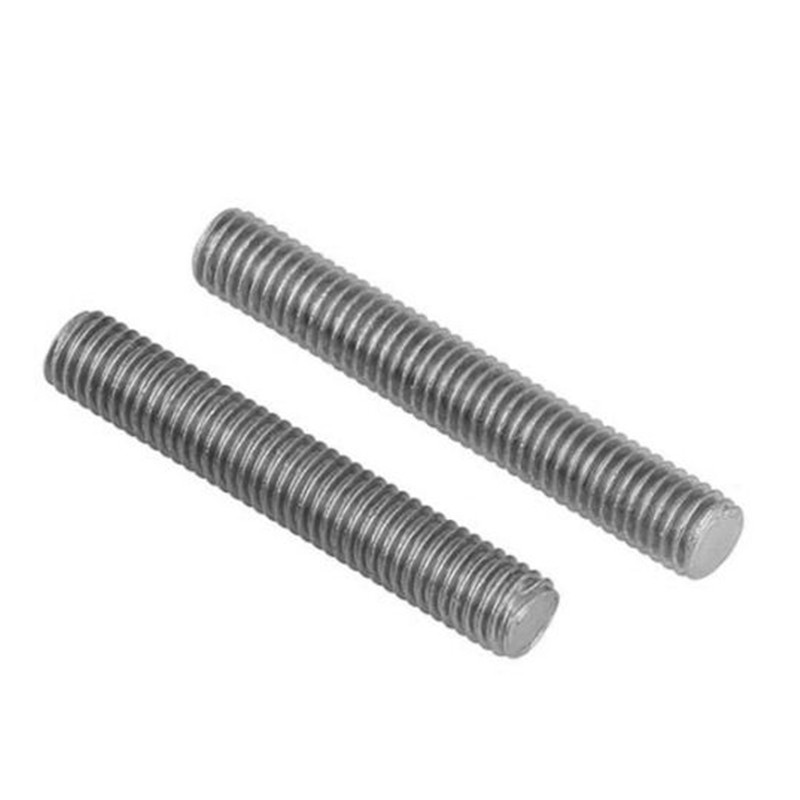
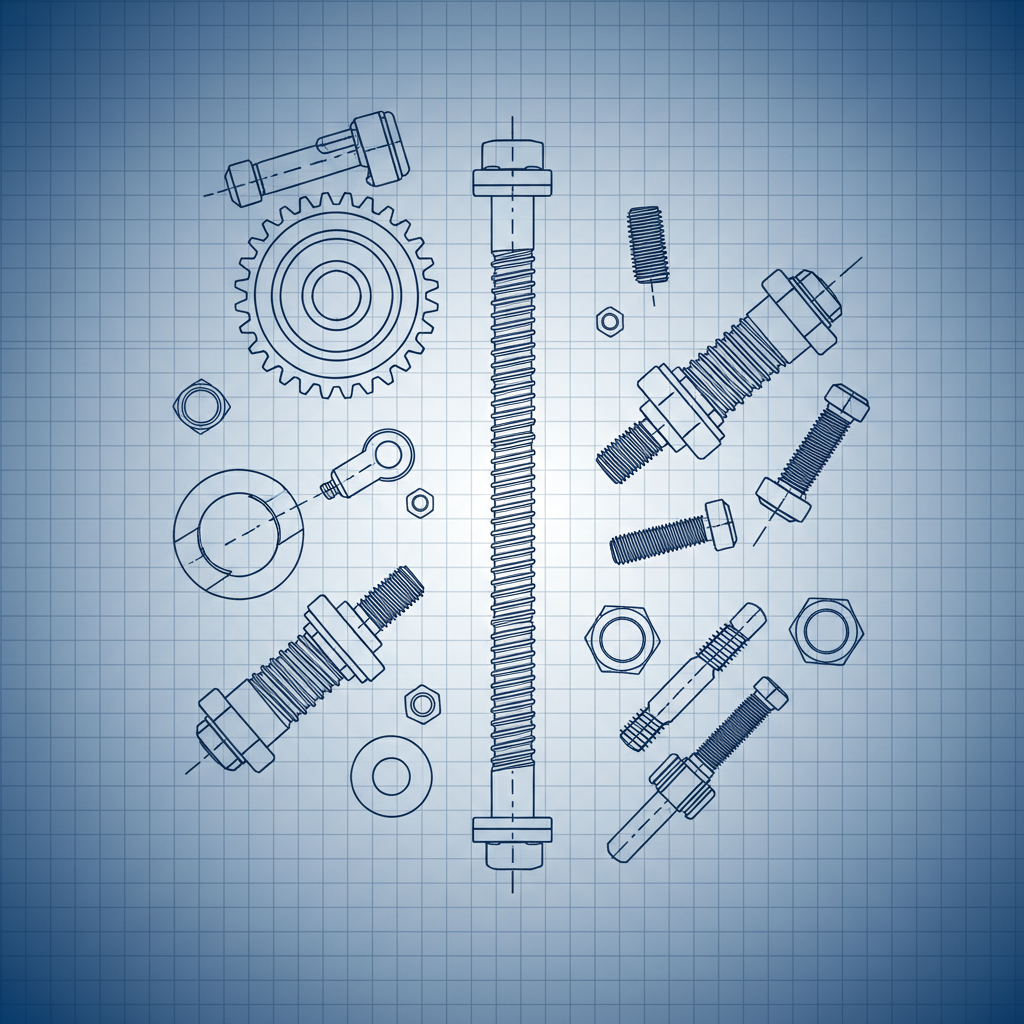
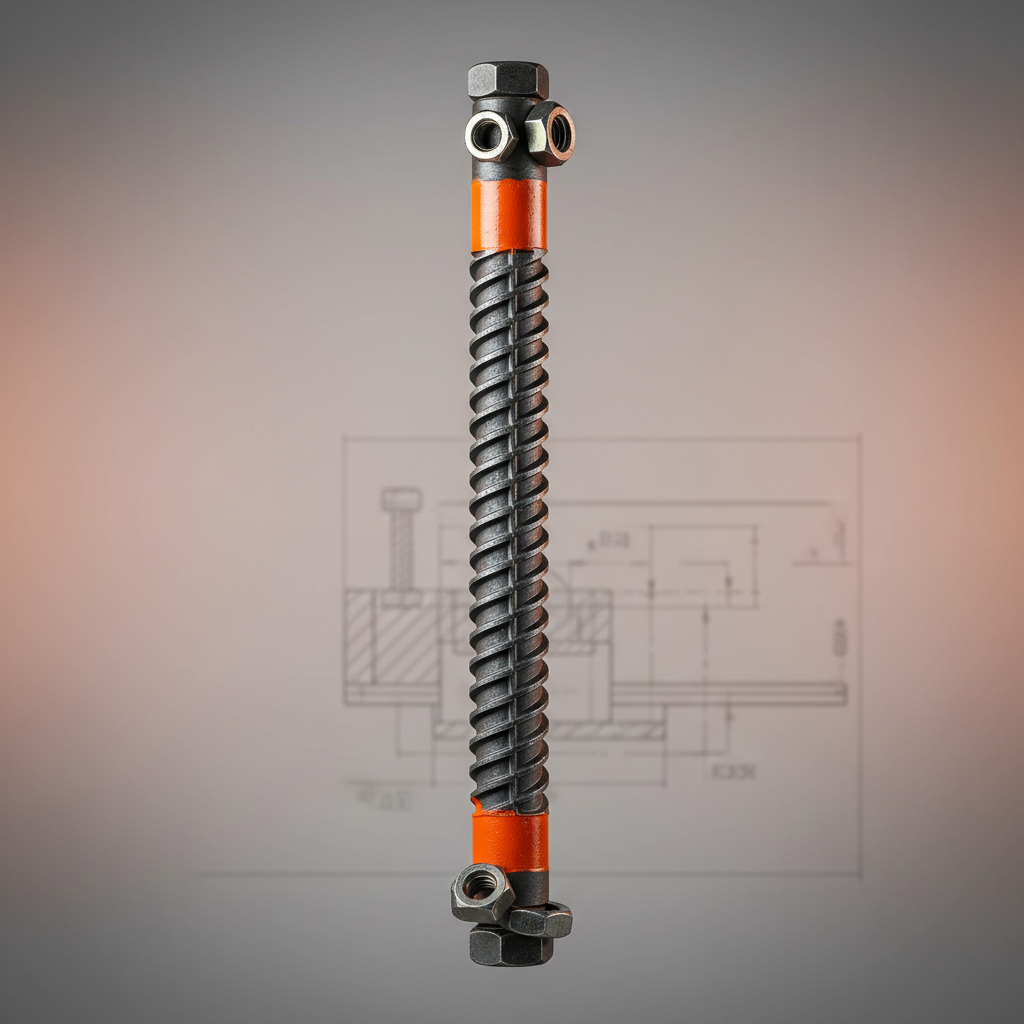
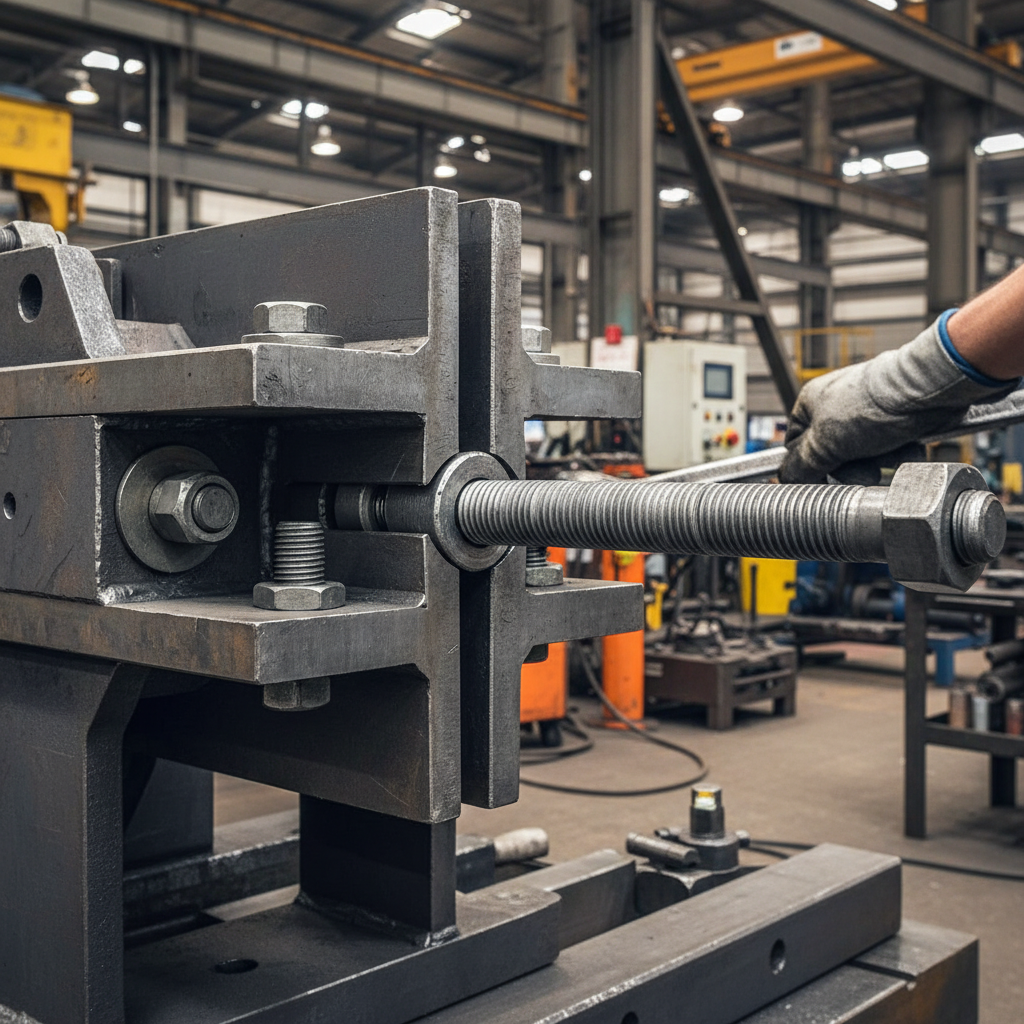
Simply put, a 1 2 galvanized threaded rod is a cylindrical steel rod, half an inch in diameter, with helical threads running along its length and coated with zinc (galvanizing) to resist corrosion. Unlike bolts, these rods aren’t usually head-shaped but can be cut to length and used with nuts and washers on either side.
These rods form the backbone of many fastening systems, especially where custom-length anchoring or tensioning is required. Their galvanized coating makes them ideal beyond dry conditions—in wet, industrial, or even marine environments. They’re not just industrial staples; they also help humanitarian causes by providing sturdy connectors for temporary shelters and field hospitals.
Mini takeaway: The threaded rod combines steel strength and zinc protection into a versatile fastener essential for numerous sectors.
Key Features That Define Their Performance
1. Durability and Corrosion Resistance
The galvanized finish shields the rod from rust and extends its lifecycle, which is especially important in humid or outdoor installations. Many engineers I spoke with say this nearly doubles the rod’s lifespan compared to non-galvanized alternatives.
2. Standardized Sizing and Versatility
The “1 2” size (0.5 inch diameter) strikes a balance between load-bearing capacity and flexibility. Thread pitch standards ensure compatibility with most nuts and components, making replacements or repairs straightforward.
3. Strength and Load Capacity
Made from high-grade steel, these rods typically support impressive tensile loads—often up to 8,000 pounds (depending on grade and length). This strength makes them suitable for structural supports and equipment mounting.
4. Cost Efficiency
Galvanized rods are more affordable than stainless steel but offer substantial corrosion resistance. For large projects, this cost-benefit ratio is a deciding factor.
5. Scalability & Custom Lengths
Available in rolls, standard lengths, or custom cuts, 1 2 galvanized threaded rods can be fitted exactly where needed, reducing waste.
Mini takeaway: Their durability, load capacity, and standardized sizing give these rods the practical edge in countless fastener applications.
Worldwide Uses: From Construction to Crisis Relief
The 1 2 galvanized threaded rod’s use spans diverse sectors:
- Construction & Infrastructure: Used to anchor support beams, secure equipment, and assemble modular buildings across Africa, Asia, and the Americas.
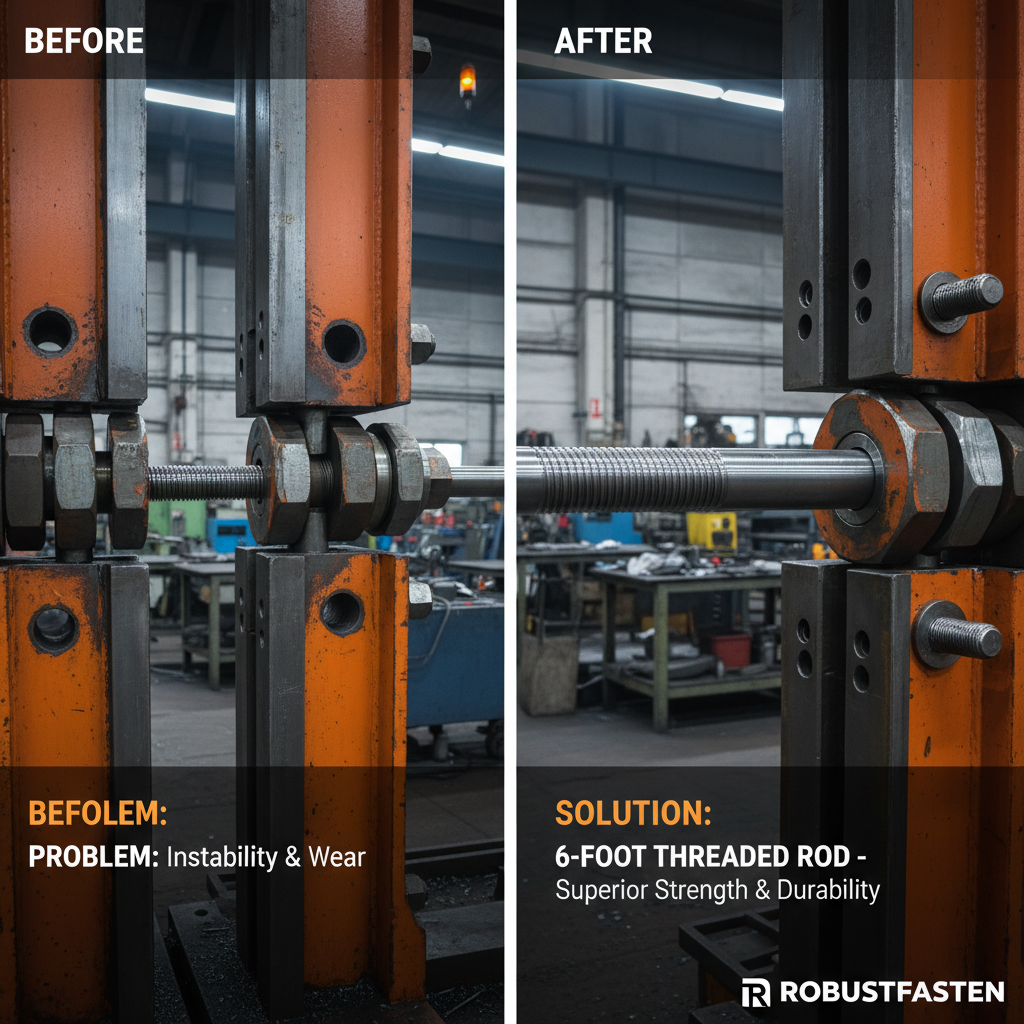
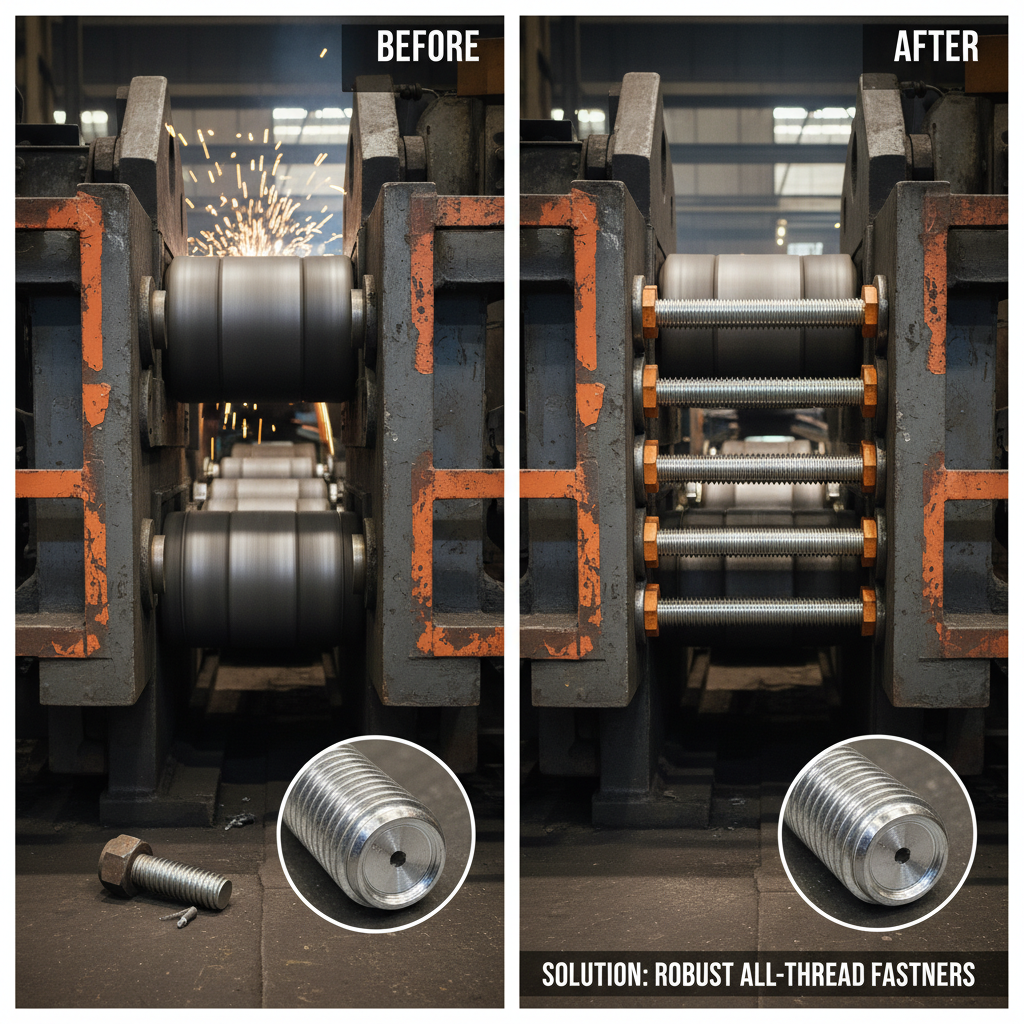
- Industrial Machinery: Common in factories for mounting heavy motors or conveyor systems where vibration resistance is critical.
- Disaster Relief Housing: NGOs like the Red Cross use galvanized threaded rods for assembling prefabricated shelters that withstand storms and humidity 1 2 galvanized threaded rod.
- Renewable Energy Installations: Solar panel frames and wind-turbine mounts employ these rods for corrosion resistance in coastal or desert environments.
Mini takeaway: Their global footprint reflects adaptability—from skyscrapers to solar farms to emergency tents.
Advantages & Long-Term Value of Using 1 2 Galvanized Threaded Rods
Beyond the mechanical, there’s a deeper value here:
- Longevity: Reduced replacement frequency saves cost and labor over years.
- Safety & Reliability: Strong, corrosion-resistant hardware improves structural stability.
- Sustainability: Zinc galvanizing is less resource-intensive than stainless steel, aligning with green building goals.
- Trust: Engineers and builders rely on consistent performance, fostering better project outcomes.
Emotionally, knowing your structures won't prematurely degrade is reassuring — it’s the quiet peace of mind in steel form.
Technical Specification Table
| Specification | Details |
|---|---|
| Diameter | ½ inch (12.7 mm) |
| Material | High-strength steel (A36 or equivalent) |
| Finish | Hot-dip galvanized (ASTM A153) |
| Thread Pitch | 13 threads per inch (coarse) |
| Length | Available in standard lengths from 1 ft to 12 ft, also custom cuts |
| Tensile Strength | Approx. 60,000 psi (414 MPa) |
Vendor Comparison: Choosing the Right Supplier for Your Project
| Vendor | Certification & Quality | Customization Options | Delivery Time | Price Range |
|---|---|---|---|---|
| GlobalFasteners Inc. | ISO 9001 Certified, ASTM compliant | Custom lengths, thread types | 3–5 days | $$ |
| SteelCore Supplies | ASTM certified, batch testing | Standard lengths only | 2–4 days | $ |
| HBTBLS Fasteners | ISO/ASTM dual-certified | Cut-to-order, coating options | 5–7 days | $$ |
Looking Ahead: Innovations in Galvanized Threaded Rods
The future is interesting. Several manufacturers are experimenting with thinner yet tougher galvanizing layers using advanced nanotechnology coatings. Others explore hybrid rods combining galvanized steel with composites to further reduce weight while maintaining strength. Plus, automation in manufacturing allows quicker, customized batch production for smart construction.
Environmental policies are shaping demand toward sustainable materials, with “green galvanizing” techniques cutting down on heavy metal waste. And as IoT sensors embed in infrastructure, fasteners might soon carry diagnostic capabilities — odd to think a threaded rod could be “smart,” but hey, progress marches on.
Mini takeaway: Expect smarter coatings, lighter materials, and integration with digital building tech in the years to come.
Challenges & Solutions in Implementing 1 2 Galvanized Threaded Rods
A common problem I’ve seen firsthand: uneven galvanizing leading to weak spots and premature rust when cut on-site. To tackle this, many experts recommend post-cutting galvanizing or zinc-rich paint for ends, plus strict quality audits.
Also, not all galvanized rods meet industrial load specs. Consulting vendors with certification and batch testing helps mitigate risks. Lastly, environmental compliance can limit sourcing options in some countries, but bulk import solutions exist.
FAQ: Your Practical Questions About 1 2 Galvanized Threaded Rods
Q1: How long does a galvanized threaded rod typically last outdoors?
A galvanized threaded rod can last anywhere from 20 to 50 years outdoors, depending on environmental factors like humidity, salt exposure, and maintenance. The zinc coating acts as a sacrificial layer, slowing rust. Regular inspections and protective coatings on cut ends further enhance longevity.
Q2: Can I use a 1 2 galvanized threaded rod for heavy machinery mounting?
Yes, these rods have high tensile strengths suitable for many industrial mounts. However, always verify the rod's grade and load specifications against equipment requirements to ensure safety and reliability.
Q3: Are galvanized threaded rods eco-friendly?
Compared to stainless steel, galvanized rods have a smaller carbon footprint due to less energy-intensive production. Moreover, their long lifespan reduces waste, making them a relatively green choice in construction.
Q4: How do I ensure the rod’s galvanized coating isn’t compromised during installation?
Avoid excessive threading or cutting on-site without reapplying protective coatings. Use zinc-rich paint on cut ends and employ proper installation tools to minimize damage to the zinc layer.
Q5: Where can NGOs source quality 1 2 galvanized threaded rods for disaster relief projects?
NGOs often partner with certified suppliers like 1 2 galvanized threaded rod vendors that offer customization and reliable shipping. Checking certifications and requesting samples can ease procurement decisions.
Wrapping Up: Why the 1 2 Galvanized Threaded Rod Still Holds Strong
Thinking about it, these rods are unsung heroes in construction and humanitarian missions alike. They combine strength, corrosion resistance, adaptability, and cost-efficiency into a deceptively simple design — the kind that engineers love and rely on. As the world leans heavily on infrastructure that lasts, knows how to withstand weather, and adapts to new tech, the 1 2 galvanized threaded rod quietly remains a fundamental building block.
Curious to explore more or ready to source the right specs? Visit our website for detailed product info and expert guidance.
—
References:
Post time: Nov . 28, 2025 23:00


 English
  Albanian
  Arabic
  Armenian
  Azerbaijani
  Belarusian
  Bosnian
  Bulgarian
  Cebuano
  Corsican
  Czech
Czech  Galician
  Georgian
  Greek
Greek  Hausa
Hausa  Hebrew
  Hungarian
  Igbo
Igbo  Indonesian
  Italian
  Kazakh
  Khmer
Khmer  Korean
  Kurdish
  Kyrgyz
  Lao
Lao  Latin
Latin  Latvian
  Lithuanian
  Malay
Malay  Myanmar
  Nepali
  Polish
  Portuguese
  Russian
  Serbian
  Sesotho
  Shona
Shona  Sindhi
  Spanish
  Tagalog
  Tajik
Tajik  Thai
Thai  Turkish
  Turkmen
  Ukrainian
  Uzbek
Uzbek  Vietnamese
  Yoruba
  Zulu
Zulu