

Understanding the Value of a 1 4 Inch Threaded Rod
Let’s be honest: when was the last time you gave a threaded rod a second thought? Yet, the humble 1 4 inch threaded rod quietly supports everything from construction scaffolding to machinery assemblies. It might seem like a small part, but globally, its role punches way above its weight. Why? Because these rods are the silent strength behind secure, adjustable, and dependable connections in countless industrial and humanitarian projects worldwide. Globally, demand for robust infrastructure keeps climbing. The United Nations estimates that over $4 trillion annually needs to be invested in infrastructure to keep pace with urbanization and development (1). That’s no small figure, and each component—however small like a 1 4 inch threaded rod—plays an irreplaceable part in these massive efforts. Mini takeaway: Knowing what sets a 1 4 inch threaded rod apart from other fasteners means better choice, improved safety, and faster project turnaround in construction and engineering.Global Context: Why Are 1 4 Inch Threaded Rods a Big Deal?
Threaded rods aren’t flashy, but they’re absolutely everywhere. ISO data suggests that the global fasteners market was valued near $23 billion in recent years, with steady CAGR reflecting industrial growth (2). Their small size conceals their versatility. Especially that 1 4 inch threaded rod—a size that’s a sweet spot for medium-duty jobs, balancing strength with ease of handling. Challenges? Sure. Construction needs to be increasingly modular and sustainable; supply chains are vulnerable to geopolitical shifts; and climate-resilient rebuilding after disasters depends on reliable parts. The 1 4 inch threaded rod is a key player in addressing those challenges: it’s adaptable, relatively inexpensive, and can handle varying loads without fuss.What Exactly is a 1 4 Inch Threaded Rod?
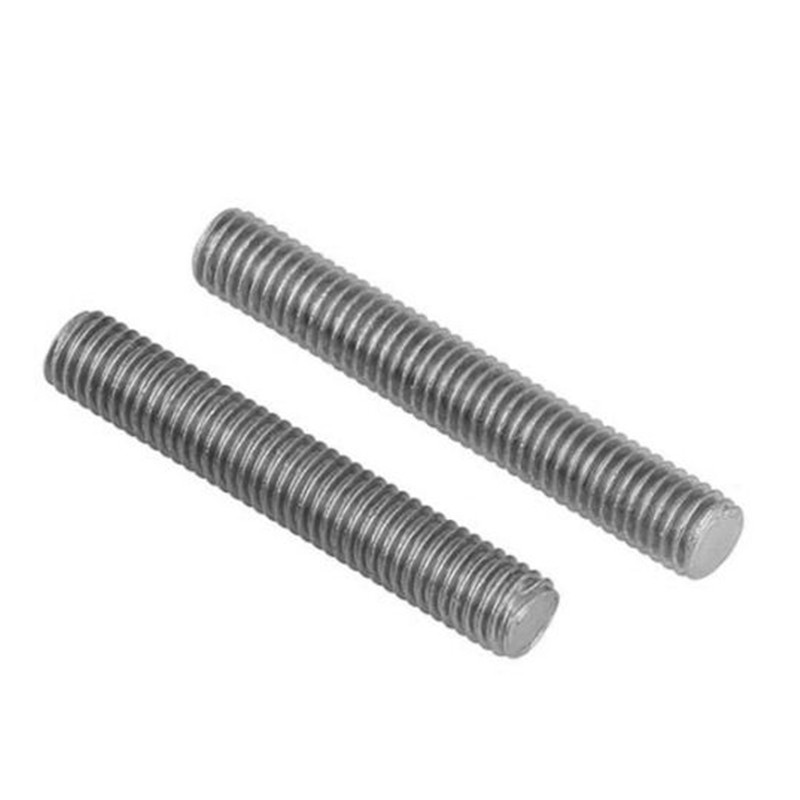
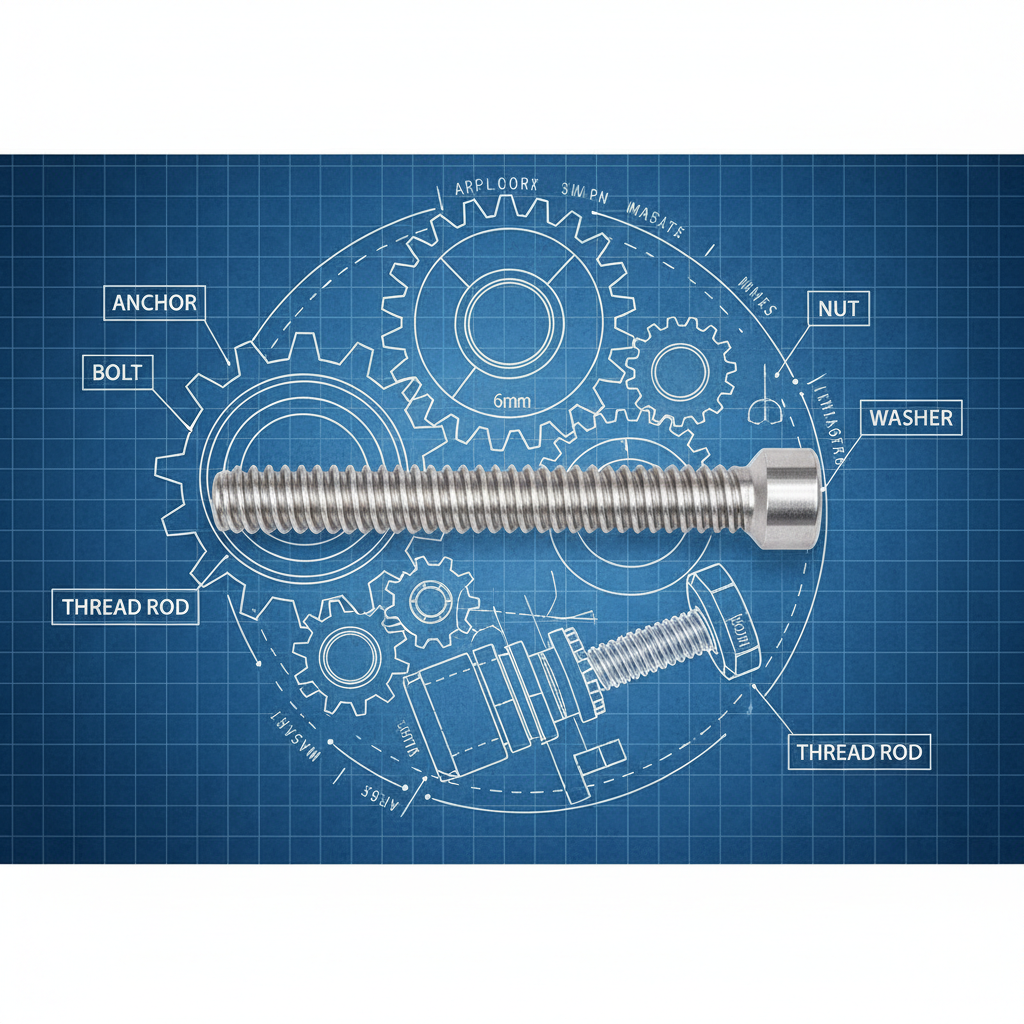
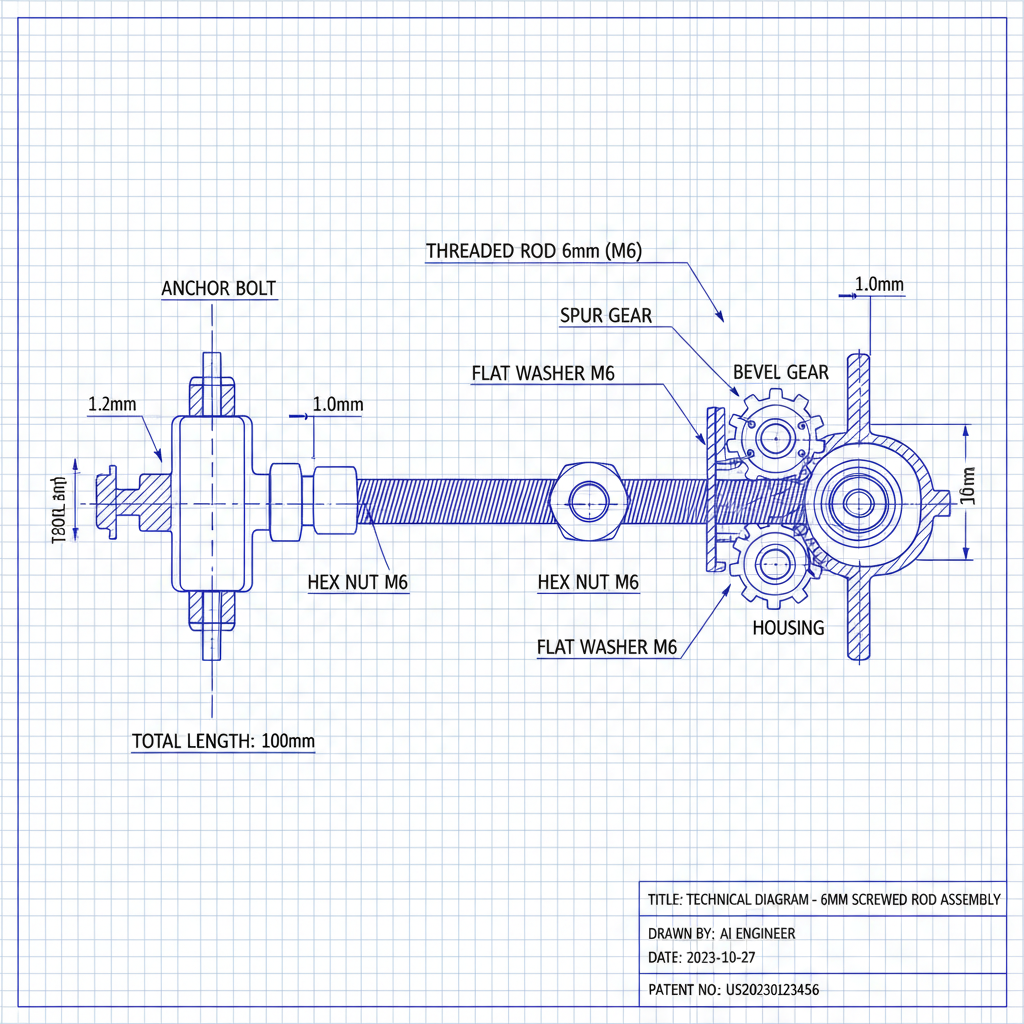
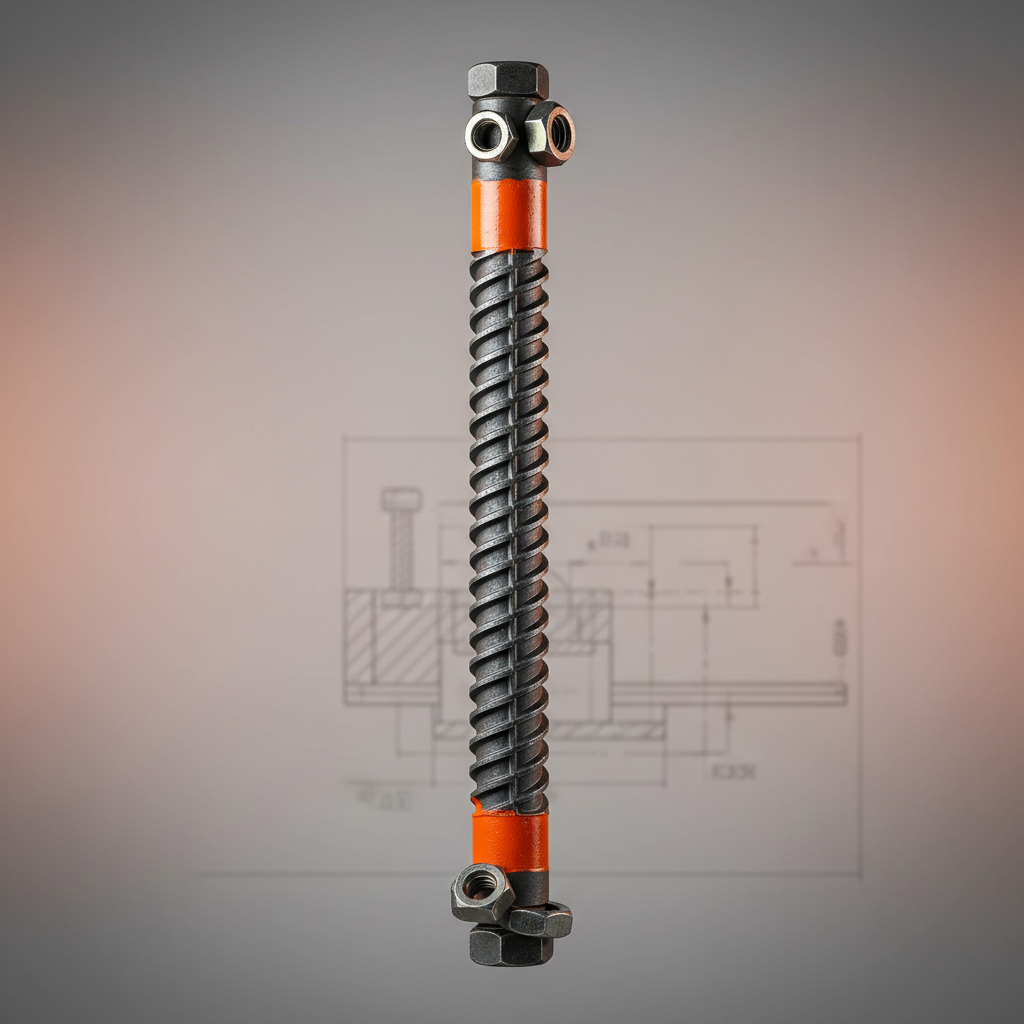
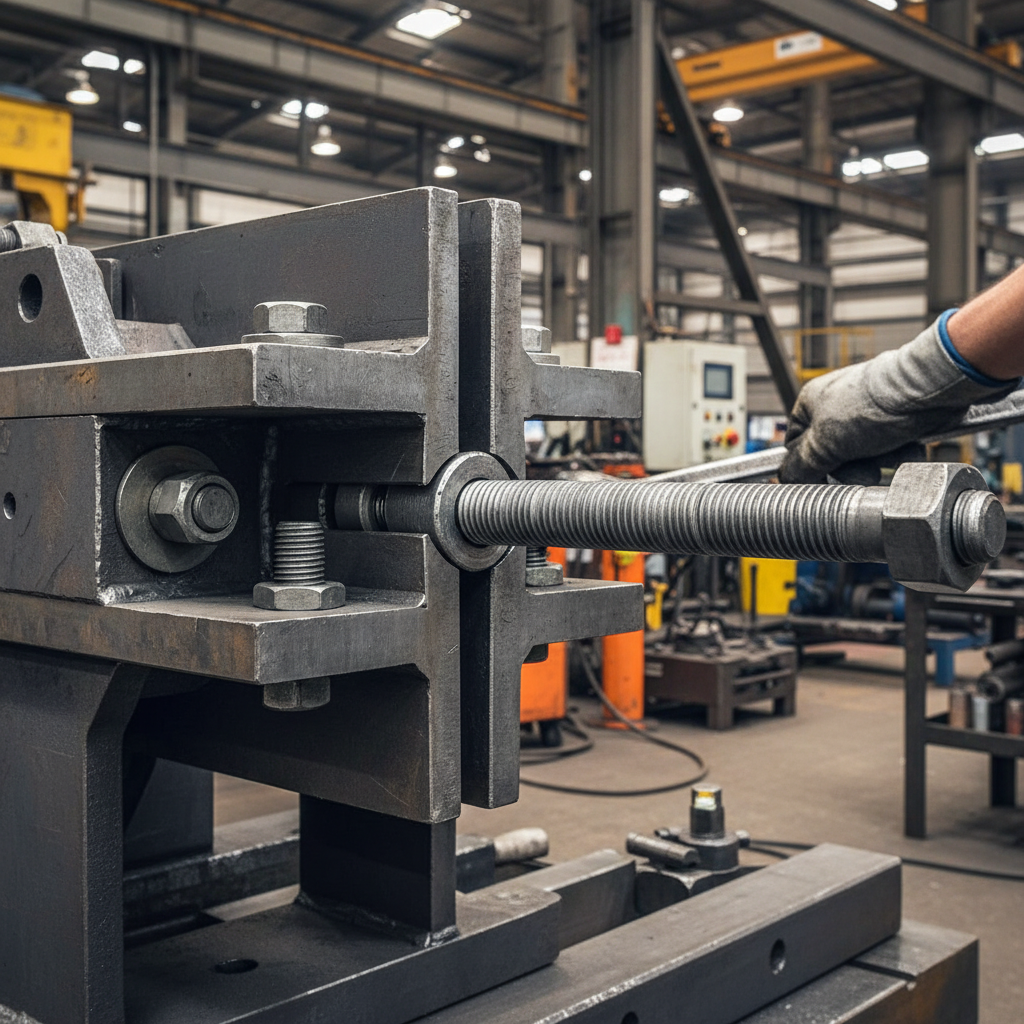
Put simply: a 1 4 inch threaded rod is a straight metal rod threaded along its length, with a diameter of roughly a quarter-inch (6.35 mm). It’s basically a long bolt without a head or a nut, used with, well, nuts, washers, and other fittings to create strong, adjustable joints. The beauty of this piece lies in its simplicity. From fastening parts of a conveyor in a remote industrial plant to assembling emergency shelters after floods—the 1 4 inch threaded rod is a quiet hero. It’s fundamental to modern manufacturing, construction, and even humanitarian logistics, where stable connections under unpredictable conditions are essential. Mini takeaway: Think of it as a basic building block in mechanical and structural assembly, indispensable in countless sectors.Key Features That Make the 1 4 Inch Threaded Rod So Useful
Durability
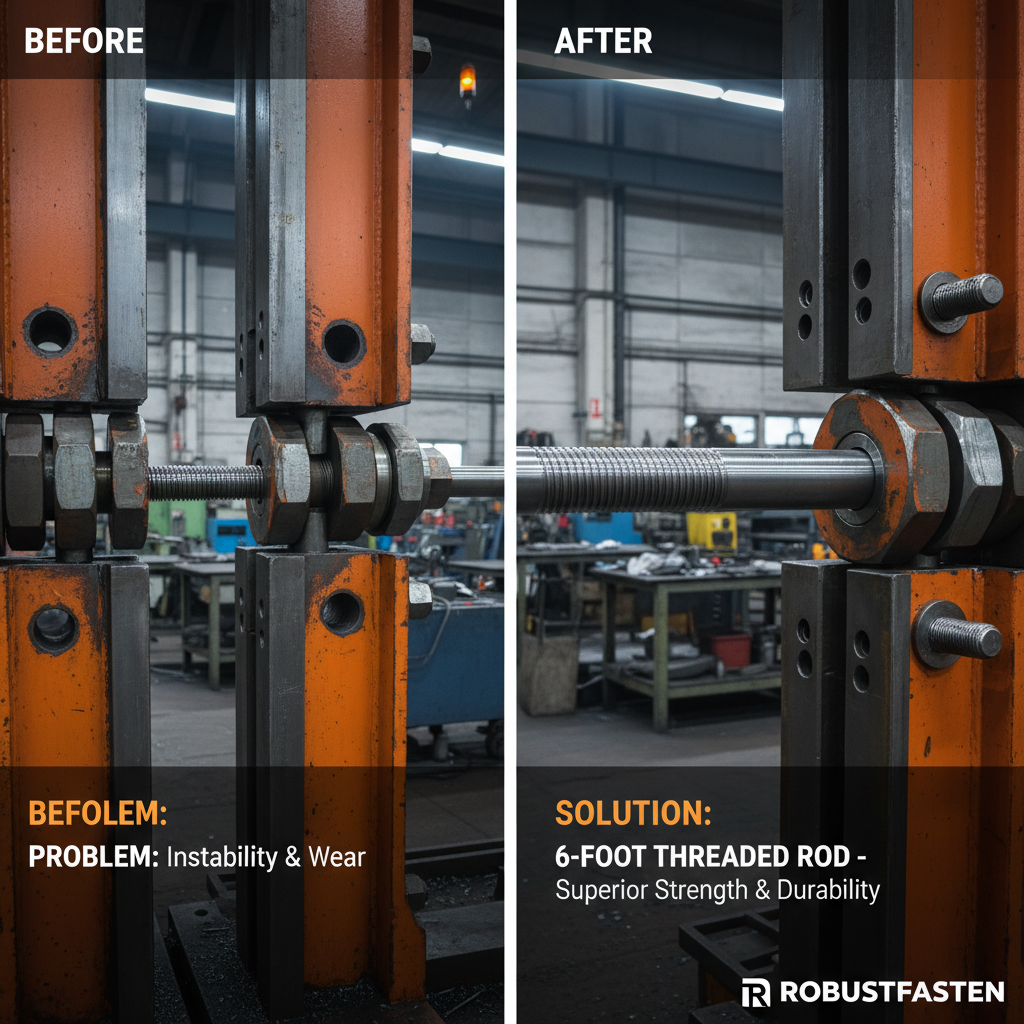
Most 1 4 inch threaded rods come in steel grades like stainless steel or galvanized steel, offering corrosion resistance and strength. That’s why they are trusted in tough environments—from salty coastal docks to heavy-industrial zones.Versatility
Threaded rods don’t discriminate. Used indoors or out, for temporary or permanent structures, they accommodate different nuts, bolts, and lengths. This versatility means fewer unique parts to stockpile and lower inventory costs.Cost Efficiency
Compared to custom fasteners, these rods are a good balance of price and performance. They’re mass-produced, so costs stay reasonable while still delivering reliable strength for medium-load applications.Scalability & Custom Lengths
Whether you need a tiny 6-inch rod or a full 12-foot length cut on-site, these rods adapt to equipment and construction needs. Custom fabrication is quick and straightforward, speeding up project timelines.Ease of Installation
The readily available threads allow for easy adjustment or reassembly, meaning fewer delays and simpler maintenance. Mini takeaway: Durability and flexibility are the pulse of the 1 4 inch threaded rod’s appeal—qualities that keep engineers smiling.Practical Global Applications of the 1 4 Inch Threaded Rod
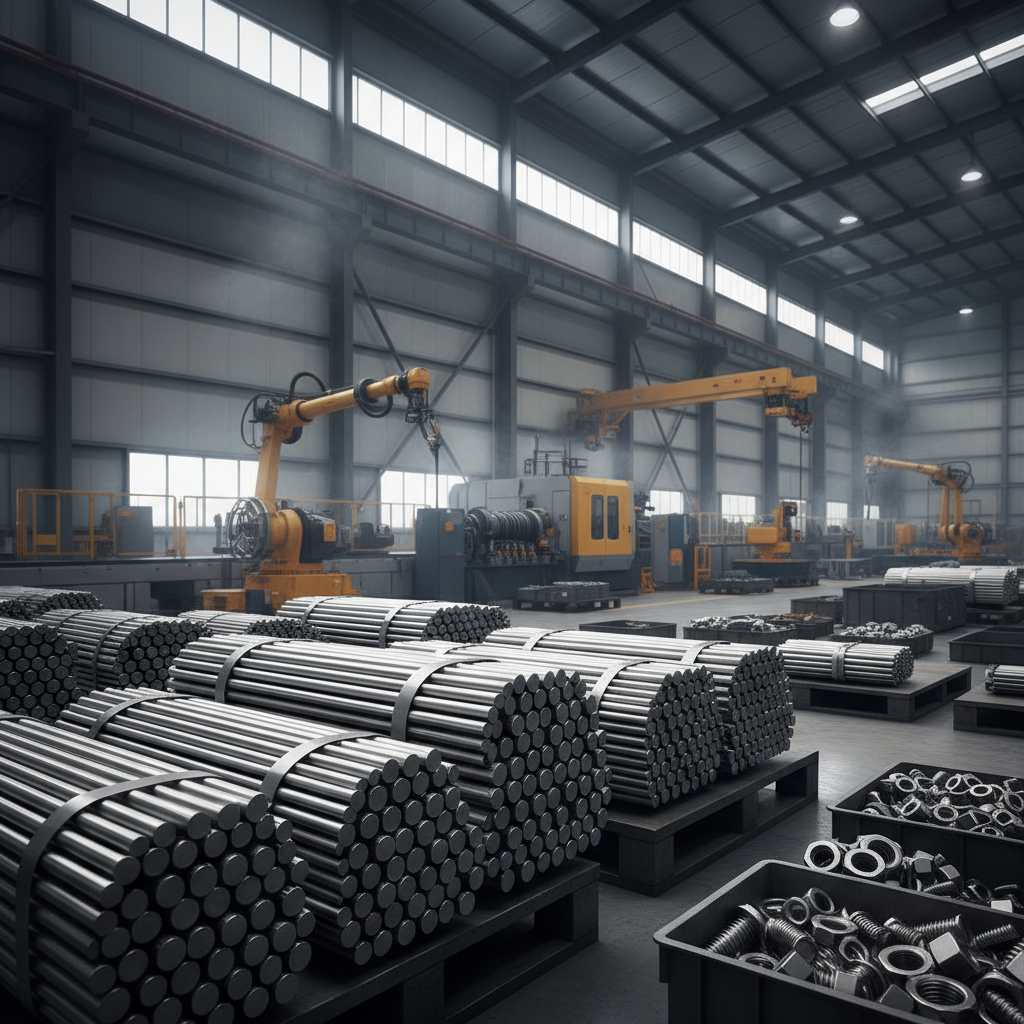
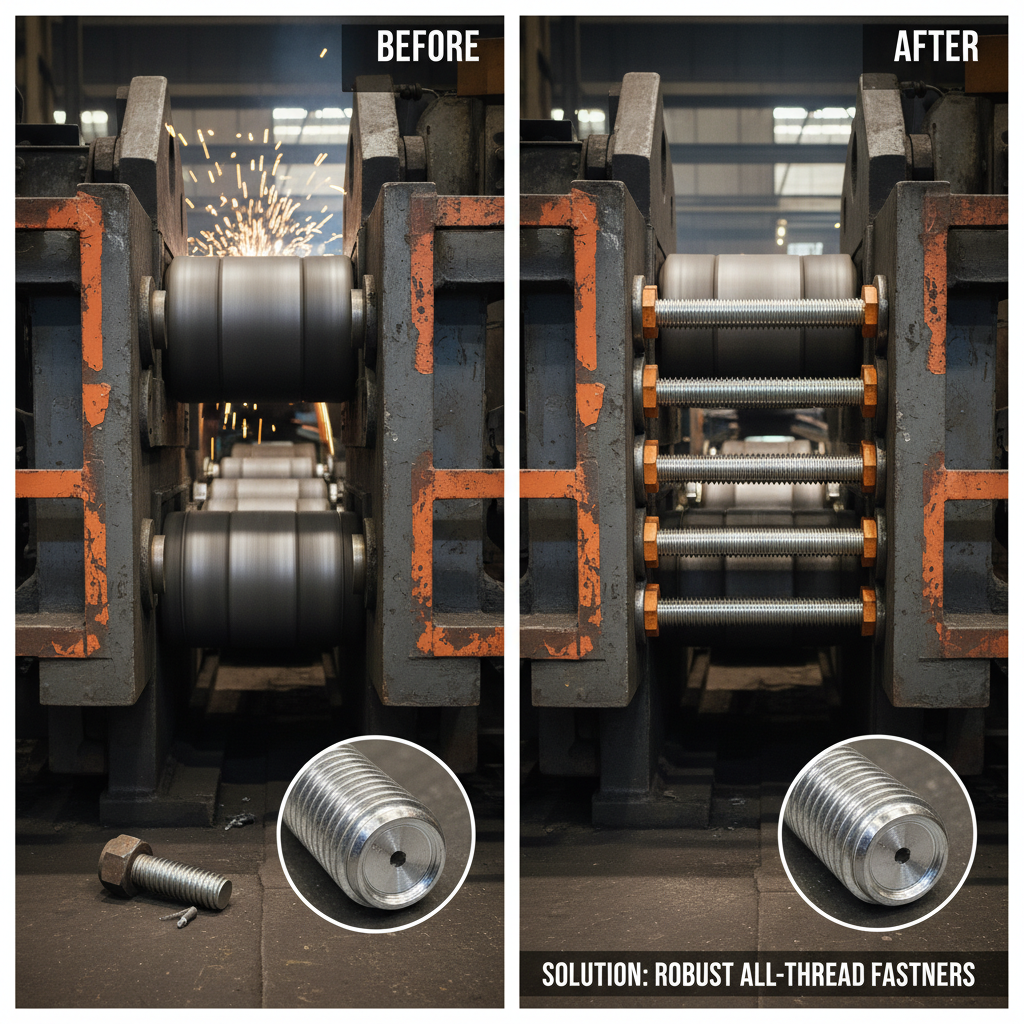
In North America, manufacturers rely heavily on these rods for conveyor line assembly, where literally tons of material move every day. In Southeast Asia, post-disaster relief hinges on rapid assembly of modular shelters and infrastructure, supported by off-the-shelf threaded rods—because waiting for custom parts isn’t an option when families need safety now. The oil and gas industry in the Middle East uses these rods within inspection rigs and pipe hangers, where resistance to heat and corrosion counts. Meanwhile, European renewable energy projects employ threaded rods in mounting solar panels and wind turbines, leveraging standardized sizes for streamlined installation. Here’s a quick snapshot of some common uses: - Fastening electrical panels - Supporting HVAC ductwork - Joining scaffolding poles - Securing machinery components - Building modular shelters in relief zones| Specification | Detail |
|---|---|
| Diameter | 1/4 inch (6.35 mm) |
| Material | Stainless steel, galvanized steel, carbon steel |
| Thread Type | UNC (Unified Coarse), UNF (Unified Fine) |
| Length | 6 inches up to 12 feet (custom cut possible) |
| Corrosion Resistance | Depends on material and coating, often rated for outdoor use |
| Tensile Strength | Typically 50,000 psi to 120,000 psi depending on grade |
Vendor Comparison: Choosing the Right Supplier for Your 1 4 Inch Threaded Rod
| Vendor | Materials Offered | Custom Length Cuts | Typical Lead Time | Shipping Regions |
|---|---|---|---|---|
| SteelPro Fasteners | Carbon steel, galvanized steel | Yes | 3-5 days | North America, Europe |
| GlobalThread Inc. | Stainless steel, high-tensile steel | Yes | 5-7 days | Worldwide |
| FastFix Supplies | Galvanized steel only | No | 2-4 days | North America only |
Advantages and Long-Term Value of Using 1 4 Inch Threaded Rods
It’s not just about nuts and bolts: these rods bring peace of mind. Their strength reduces repair costs, cutting downtime in industrial operations. Their adaptability means projects finish quicker, with less waste and simpler maintenance. Emotionally, many site engineers appreciate knowing that a reliable 1 4 inch threaded rod is part of their safety net. Trust, after all, isn’t just built—it’s fastened. Environmentally, choosing galvanized or stainless steel rods that last decades supports sustainability goals by reducing replacement frequency and material consumption.Looking Ahead: Future Innovations
Oddly enough, even something as basic as a threaded rod is seeing innovation. Coatings that resist biofouling, smart rods embedded with sensors for structural health monitoring, and recycled metal rods for greener construction are on the rise. Digital inventory and ordering systems now help companies predict demand and reduce overstocking, ensuring 1 4 inch threaded rods arrive just in time. Sustainability policies from global standards organizations increasingly guide manufacturers towards eco-friendly production, making future threaded rods greener and smarter.Challenges and Expert Solutions
Of course, nothing’s perfect. A common gripe is thread galling—a kind of irritating metal “stickiness” during assembly—especially with stainless steel rods. Experts counter this by recommending anti-seize lubricants or switching to fine thread UNF rods where possible. Supply chain disruptions sometimes delay shipments. Diversifying vendors or increasing local inventory buffers helps teams stay on schedule. Lastly, improper installation can undermine durability. Training and clear guidelines remain invaluable to getting full benefits from these simple-but-critical parts.FAQ: Your Top Questions About 1 4 Inch Threaded Rods
Q1: What is best material for 1 4 inch threaded rods in outdoor environments?A: Stainless steel and galvanized steel rods offer excellent corrosion resistance outdoors. Stainless steel is preferred when exposure to saltwater or chemicals is intense, while galvanized is cost-effective for general weather exposure. Q2: Can you cut 1 4 inch threaded rods to custom sizes on-site?
A: Absolutely. These rods are designed for cutting and threading after the fact. Just make sure to clean the cuts and add thread protection if required. Q3: How strong is a 1 4 inch threaded rod in tensile applications?
A: Depending on the steel grade, tensile strength ranges roughly from 50,000 psi in standard carbon steel to over 120,000 psi in high-tensile alloys, making them suitable for many medium-load projects. Q4: Are UNC or UNF threads better for my applications?
A: UNC (Unified Coarse) threads are easier to assemble and more resistant to damage, while UNF (Unified Fine) provides higher strength and vibration resistance. Your choice depends on load and environment. Q5: How can I ensure the quality of threaded rods when ordering internationally?
A: Request certifications such as ISO 898-1 or ASTM standards. Also, checking supplier audits and requesting sample tests help ensure quality consistency.
Conclusion: Why the 1 4 Inch Threaded Rod Still Holds Strong
In real terms, it’s fascinating how something so simple maintains such a vital role across industries and continents. Whether holding together a high-tech conveyor or a makeshift shelter in a disaster zone, the 1 4 inch threaded rod is a symbol of reliability, adaptability, and efficiency. If you’d like to explore our extensive stock of these rods or ask about custom lengths and materials, visit our website: 1 4 inch threaded rod. There's a good chance we've got just the right piece waiting for your next project. --- ### References 1. United Nations, Infrastructure Investment Report, 2023 2. ISO Standards on Fastening Systems, latest edition 3. World Bank Industrial Growth Data, 2022Post time: Nov . 29, 2025 04:00



 English
  Albanian
  Arabic
  Armenian
  Azerbaijani
  Belarusian
  Bosnian
  Bulgarian
  Cebuano
  Corsican
  Czech
Czech  Galician
  Georgian
  Greek
Greek  Hausa
Hausa  Hebrew
  Hungarian
  Igbo
Igbo  Indonesian
  Italian
  Kazakh
  Khmer
Khmer  Korean
  Kurdish
  Kyrgyz
  Lao
Lao  Latin
Latin  Latvian
  Lithuanian
  Malay
Malay  Myanmar
  Nepali
  Polish
  Portuguese
  Russian
  Serbian
  Sesotho
  Shona
Shona  Sindhi
  Spanish
  Tagalog
  Tajik
Tajik  Thai
Thai  Turkish
  Turkmen
  Ukrainian
  Uzbek
Uzbek  Vietnamese
  Yoruba
  Zulu
Zulu