
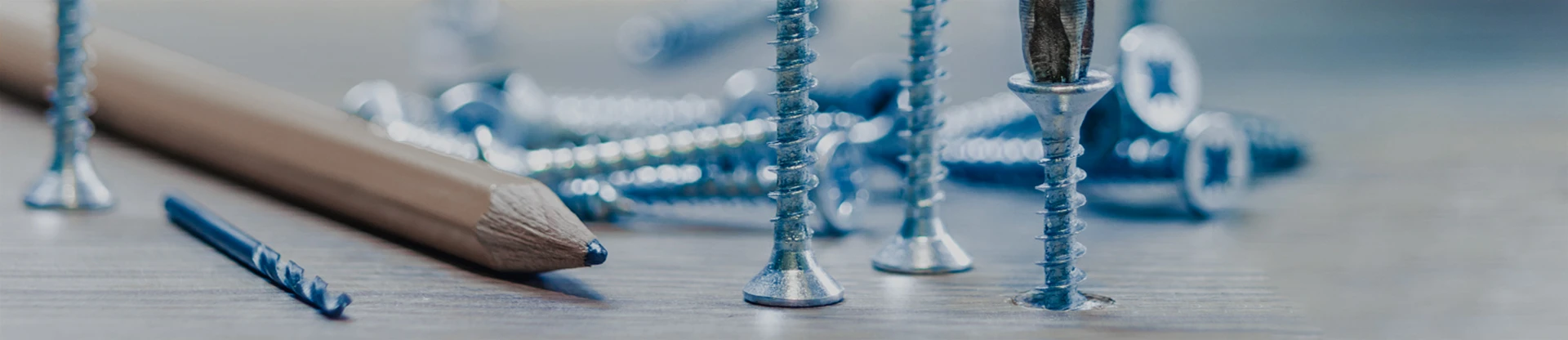
Understanding the 5 8 18 Threaded Rod: An Unsung Hero of Modern Industry
At first glance, a 5 8 18 threaded rod might seem like just another piece of metal hardware — and you'd be right. But this simple component plays a surprisingly vital role in countless industries around the globe. Whether in construction, machinery, or even humanitarian relief efforts, knowing what a 5 8 18 threaded rod is, and why it matters, can make a world of difference in how projects hold together — quite literally.
Threaded rods like these are foundational. Their precision, durability, and availability influence everything from large-scale infrastructure projects to intricate mechanical assemblies. In an era driven by the constant push for efficiency and reliability, grasping the essentials of the 5 8 18 threaded rod is more than just technical chatter — it’s industry insight.
Why the 5 8 18 Threaded Rod Matters Globally
The global market for fasteners saw a compound annual growth rate of around 5% over the past decade, according to ISO standards and World Bank data. Threaded rods, especially those specified as 5/8” diameter with 18 threads per inch, are essential in critical infrastructure and manufacturing. Oddly enough, despite their ubiquity, many people underestimate how much they impact construction quality and project safety worldwide.
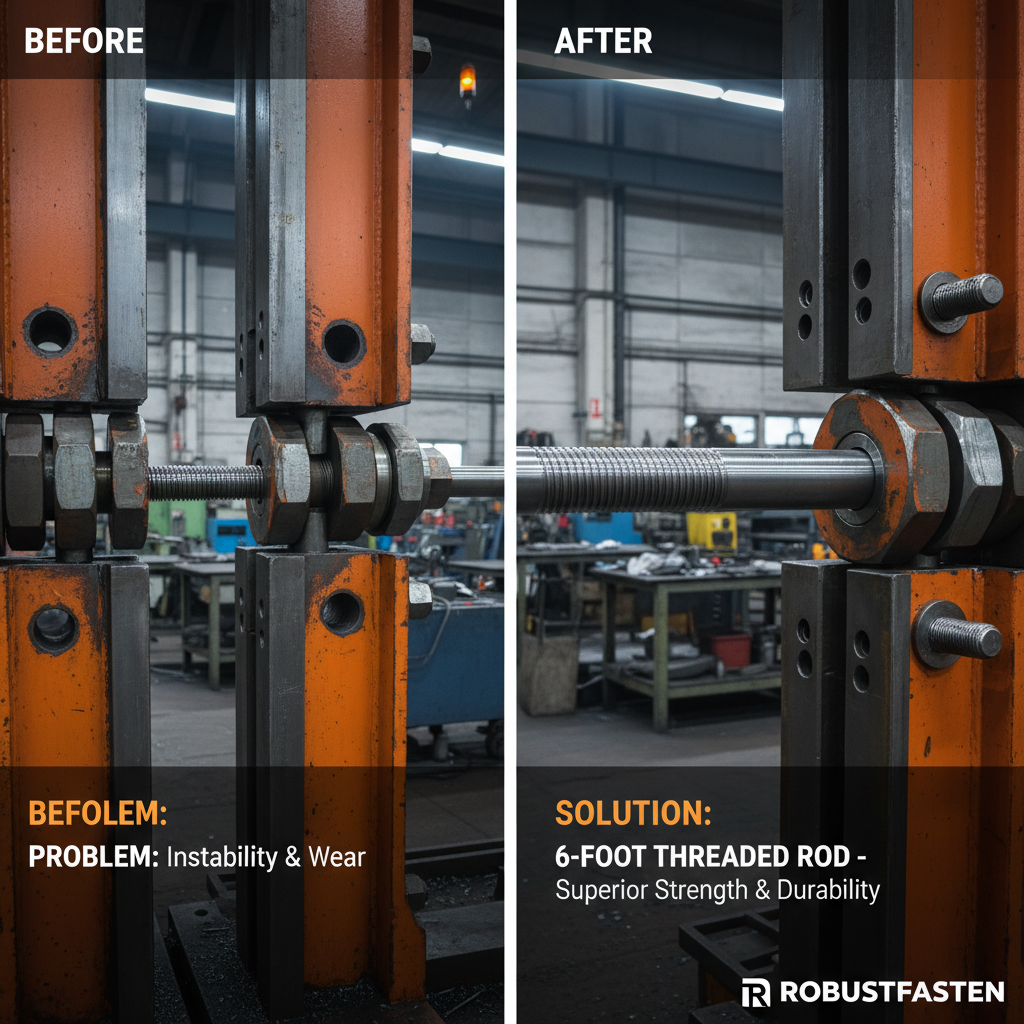
The problem that often arises is the mismatch between specification and application. Choosing the right type of threaded rod can mean the difference between structural integrity and catastrophic failure. Sometimes overlooked, the 5 8 18 threaded rod addresses challenges of load-bearing capability, corrosion resistance, and ease of use simultaneously.
What Exactly Is a 5 8 18 Threaded Rod?
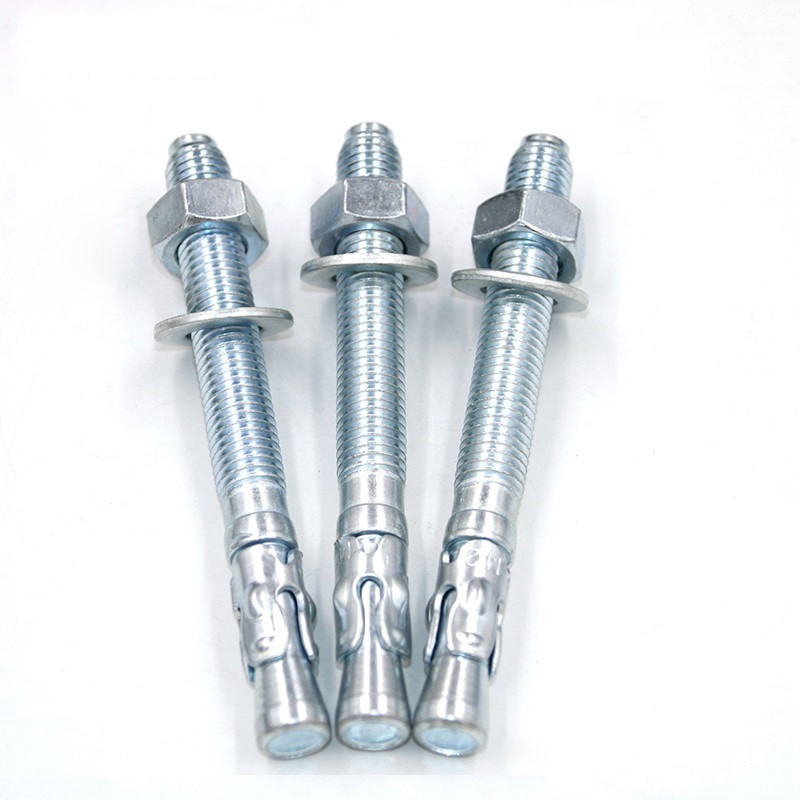
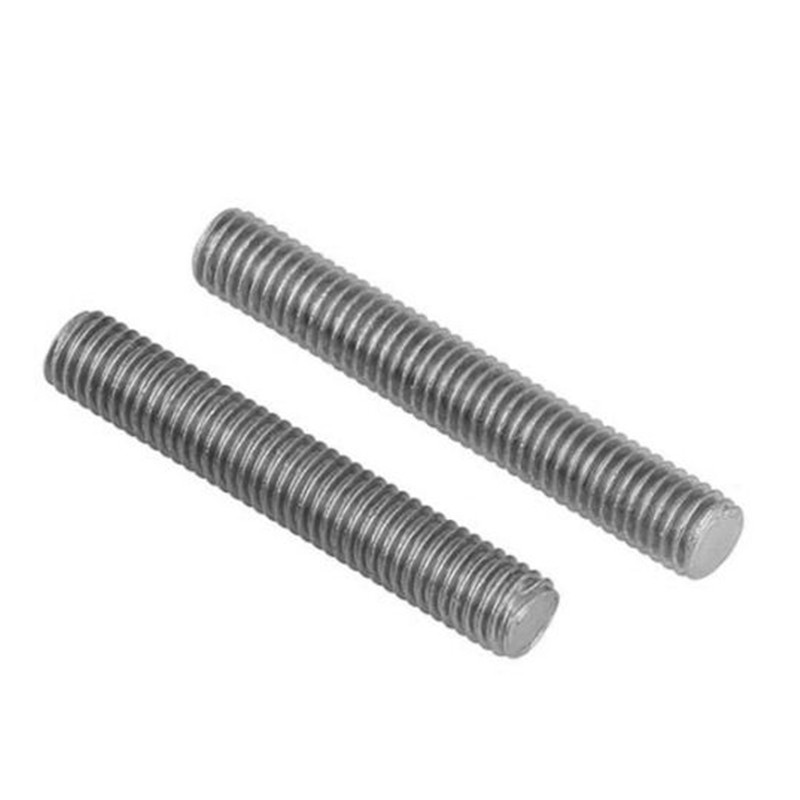
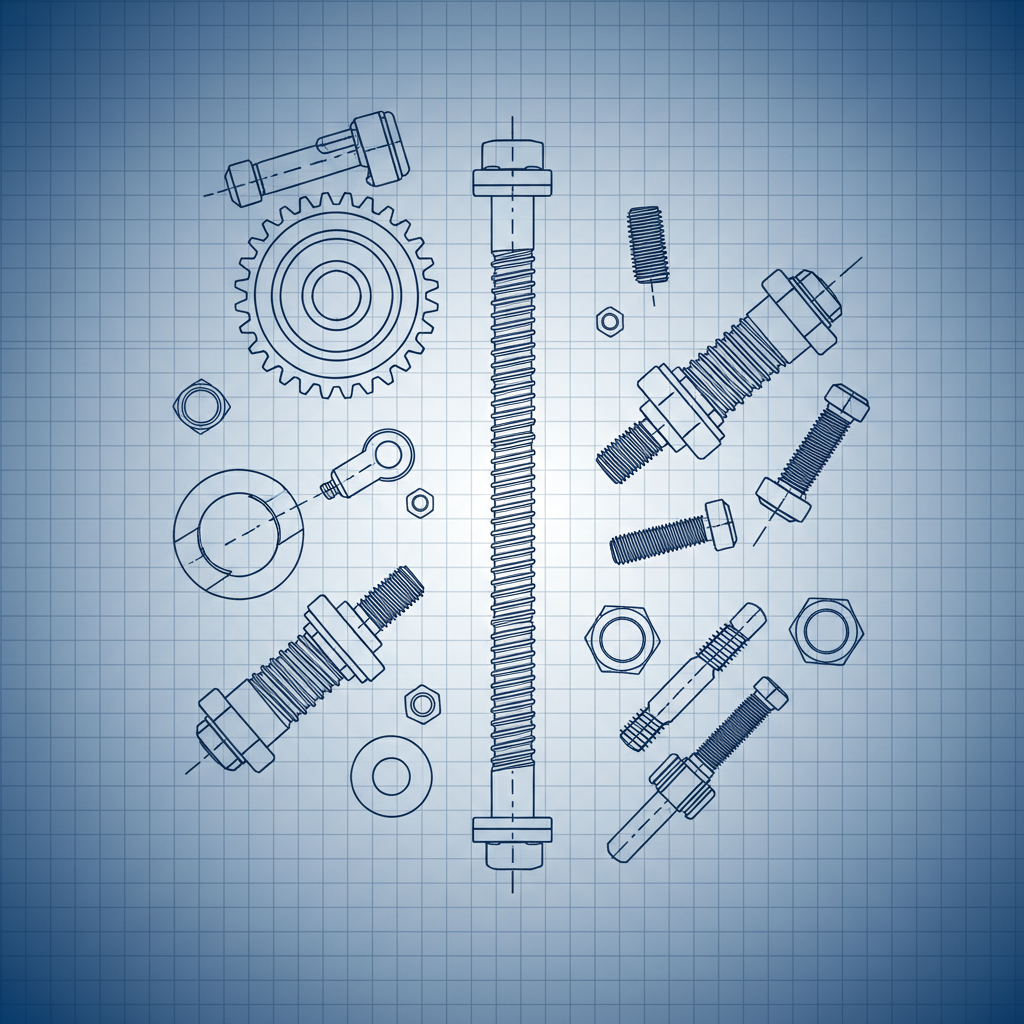
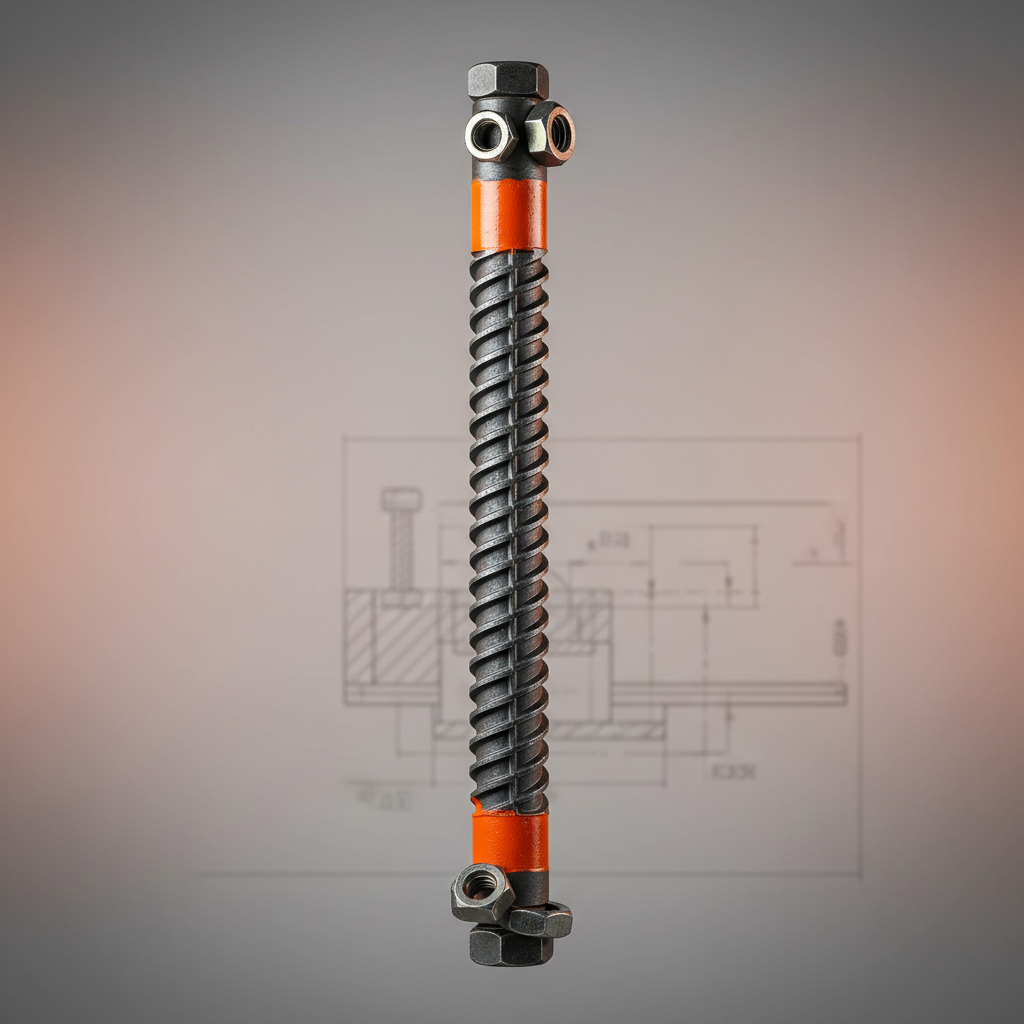
Simply put, a 5 8 18 threaded rod is a metal rod with a diameter of 5/8 of an inch, featuring 18 threads per inch along its length. The threading enables the rod to be used in bolted joints and assemblies spanning from machinery to building supports. Compared to other threaded rods, this model offers a finer thread pitch — meaning more threads per inch — which often results in stronger hold and precise adjustment capabilities.
In industry terms, it’s often called an “all-thread” rod and can be cut to length as needed. Their connection to modern industry cannot be overstated: these rods provide customizable, scalable solutions that fit neatly into modular construction, renewable energy setups, and even delicate electronic mounting frameworks.
Mini takeaway:
5 8 18 threaded rods are essentially adaptable tools that, while small, enable large-scale stability across many sectors.
Core Features That Make 5 8 18 Threaded Rods a Reliable Choice
Durability
High tensile strength steel or corrosion-resistant alloys are typically used to manufacture 5 8 18 rods, meaning they can endure heavy loads and harsh environmental conditions. This robustness is key for outdoor projects or marine applications where rust is a constant enemy.
Precision Threading
The 18 threads per inch measure here creates a fine threading compared to more standard coarse threads — translating into a firmer grip and less chance of loosening under vibration. Many engineers I’ve spoken with say this makes installation faster and safer, especially in machinery where micro-adjustments matter.
Versatility
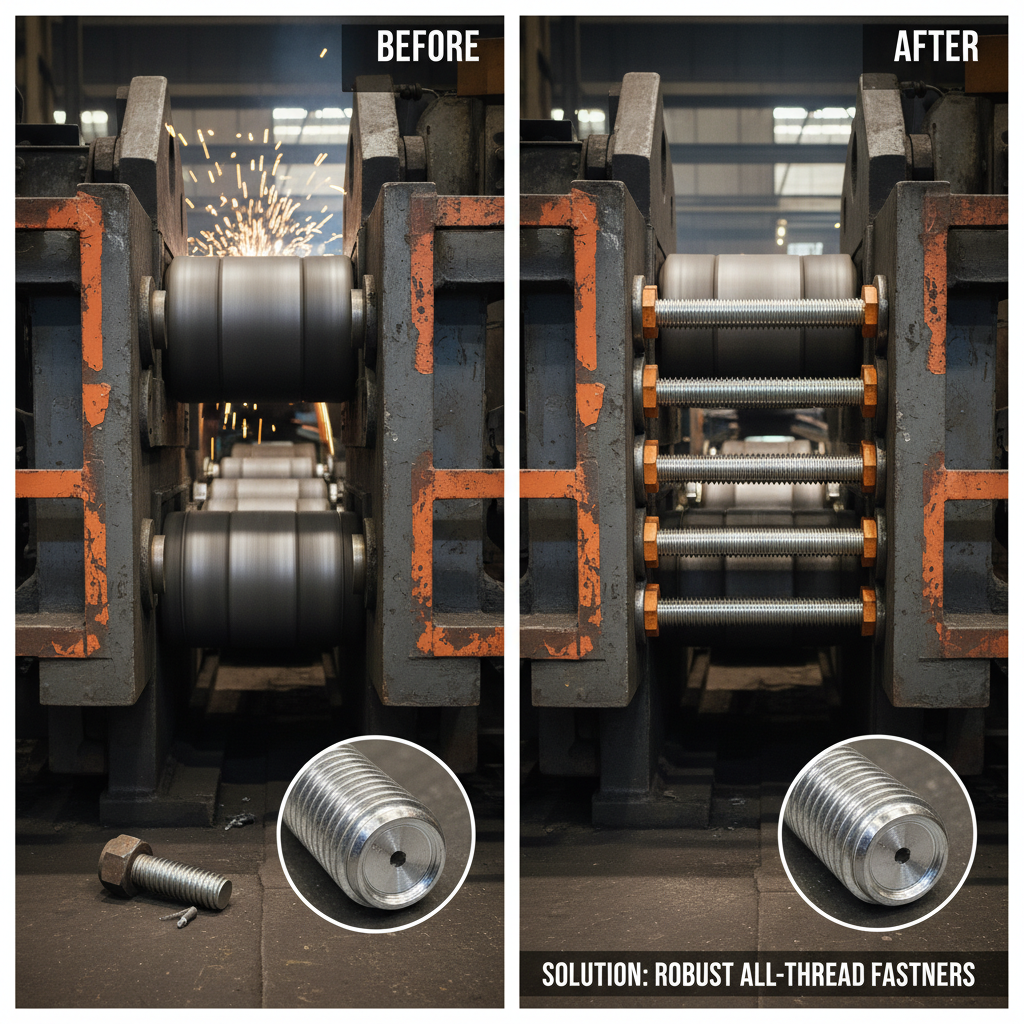
Because the rods are threaded along their entire length, they’re easier to cut and customize on-site. This flexibility is invaluable in remote industrial zones or emergency relief operations, where off-the-shelf perfection doesn’t always happen.
Cost Efficiency
Compared to custom-made bolts or large welded structures, using 5 8 18 threaded rods keeps costs down without sacrificing strength. That balance is why they’re often the go-to fastener in budget-conscious yet safety-critical projects.
Easy Integration
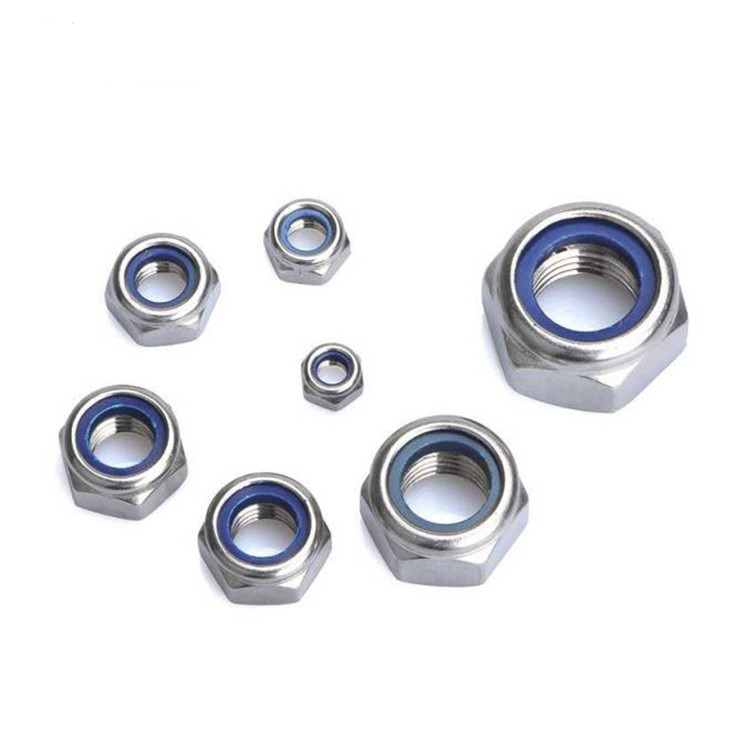
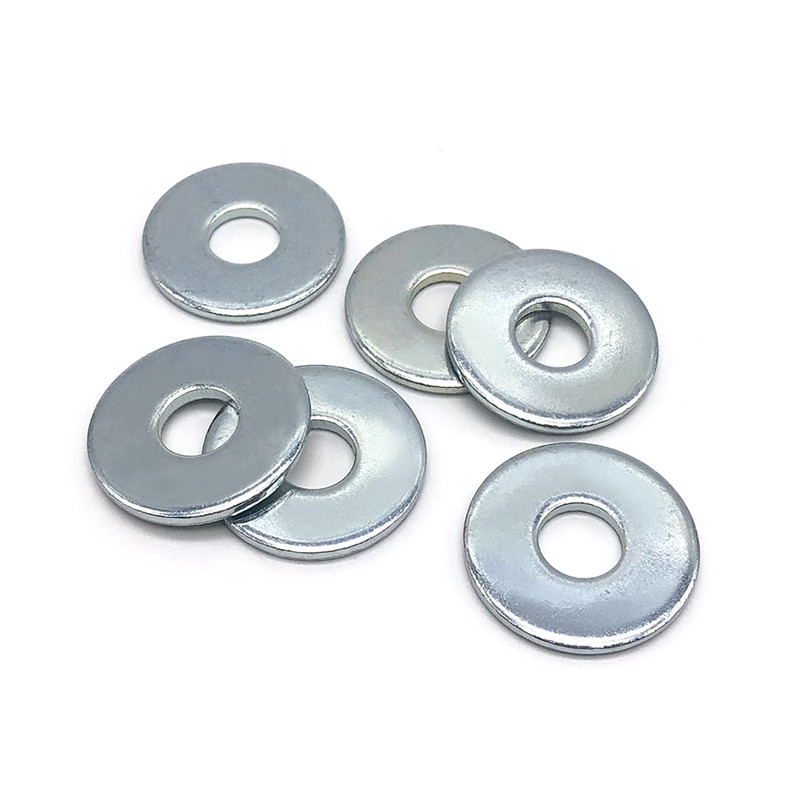
They slot smoothly into standard nuts, washers, and coupling devices, simplifying supply chains and allowing rapid deployment — essential in there-and-back-again construction environments.
Mini takeaway:
Durability, precision, and flexibility come together in the 5 8 18 threaded rod to make it an indispensable fastener.
Specifications of a Typical 5 8 18 Threaded Rod
| Specification | Details |
|---|---|
| Diameter | 5/8 inch (approx. 15.875 mm) |
| Thread Pitch | 18 threads per inch (fine thread) |
| Material | Carbon steel, Stainless steel, Alloy metals |
| Length | Customizable, typically 1 ft to 20 ft |
| Tensile Strength | Up to 120 ksi depending on grade |
| Common Standards | ASTM A193 Grade B7, ASTM A307 |
Where Do 5 8 18 Threaded Rods Really Shine? Global Use Cases
Oddly enough, these rods pop up in places as varied as offshore oil rigs in the North Sea, bridges under construction in Southeast Asia, and even temporary housing installations after natural disasters.
- Construction Sector: Used for anchoring foundations, securing steel frameworks, and mounting equipment.
- Manufacturing: Integral to assembly lines and industrial machinery needing precise bolt tensioning.
- Humanitarian Relief: In post-disaster relief operations, fast-to-install threaded rods help erect structures swiftly, especially when paired with modular building components.
- Renewable Energy: Support wind turbines or solar panel arrays where adjustable precision is crucial.
Many large NGOs and infrastructure companies favor this specification for its balance of strength and ease of use. Also, smaller businesses in developing regions find it affordable, thus promoting local workforce upskilling.
Mini takeaway:
From icy seas to tropical storms, 5 8 18 threaded rods hold fast in a world that demands unyielding reliability.
How Does This Translate Into Advantages and Lasting Value?
In the long run, the investment in 5 8 18 threaded rods pays off via:
- Cost Savings: Lower replacement and maintenance expenses thanks to corrosion resistance and durability.
- Sustainability: Many rods are recyclable, and their robustness reduces waste and resource consumption.
- Safety: Reducing component failures means protecting lives and equipment, fostering trust in products and projects.
- Innovation Encouragement: Offers engineers room to design modular or adjustable systems, boosting creativity.
It’s more than just metal — it’s peace of mind, integrity, and value over time.
The Future: Innovations and Emerging Trends With 5 8 18 Threaded Rods
Tech moves fast, and so does the world of fasteners. Here’s what’s interesting right now:
- Advanced Materials: Titanium or composites for lighter yet stronger rods.
- Smart Fasteners: Embedded sensors to monitor tension and prevent failures — a real game-changer for critical infrastructure.
- Green Manufacturing: Lower carbon footprint production methods and using eco-friendly coatings.
- Digital Supply Chains: Automated inventory management making sourcing easier even in remote locations.
Facing Challenges, Crafting Solutions
Not everything is perfect — fine threads like 18 TPI can be more prone to stripping if mismatch occurs, and corrosion remains a lurking enemy in extreme environments. However, solutions such as:
- Using thread-locking compounds or double-nutting methods to enhance grip
- Applying superior protective coatings like hot-dip galvanizing or PTFE
- Innovative alloy blends resistant to seawater and chemicals
…have all but closed the gap between challenge and performance.
Vendor Comparison: Popular 5 8 18 Threaded Rod Suppliers
| Supplier | Material Options | Lead Time | Typical Pricing | Notable Features |
|---|---|---|---|---|
| HBTBLS Industrial | Carbon steel, stainless steel | 1-2 weeks | Competitive, volume discounts | Custom lengths, precision threading |
| ThreadMaster Co. | High-tensile steel, alloys | 2-3 weeks | Moderate | Bulk order customization |
| FastenRight | Stainless steel, coated rods | Same day for stock items | Premium pricing | Special coatings, fast shipping |
Frequently Asked Questions About 5 8 18 Threaded Rod
1. What are the main differences between coarse and fine threaded rods, like the 5 8 18?
The “18” indicates fine threads — more threads per inch than standard coarse threads. Fine threads allow greater tension control and resistance to vibration, but can be more sensitive to damage. Coarse threads are quicker to install and better for dirty environments.
2. How long can a 5 8 18 threaded rod last outdoors?
Durability depends on material and protective coatings. Stainless steel rods can last decades outdoors, while galvanized rods may need replacement or maintenance every 10-15 years in harsh climates.
3. Can these threaded rods be cut to custom lengths on site?
Absolutely. One of the main benefits is that you can cut them easily, usually with a hacksaw or powered cutter, without losing thread functionality, so they’re highly adaptable.
4. Are 5 8 18 threaded rods suitable for high-stress industrial machinery?
Yes — especially if made from high-tensile steel grades or alloys. The fine threading also helps maintain tension and minimize loosening under vibration.
5. How do I order these rods internationally for disaster relief projects?
Many suppliers, including 5 8 18 threaded rod vendors, provide export services with flexible shipping options. It’s best to coordinate with vendors on customs and local standards compliance ahead of time.
Conclusion: Why Knowing Your 5 8 18 Threaded Rods Pays Off
Sorting out the details behind something as humble yet fundamental as a 5 8 18 threaded rod opens doors to better project planning, cost efficiency, and long-term reliability. Whether you’re reinforcing skyscrapers or building emergency shelters, these rods quietly keep it all together.
For anyone seeking precision and durability combined with cost-effective modularity, the 5 8 18 threaded rod is a secret weapon worth having in your toolkit. Curious to find out more, or ready to source high-quality rods for your next project? Visit https://www.hbtbls.com — your go-to hub for threaded rod expertise.
Final takeaway:
Industrial staples like the 5 8 18 threaded rod teach us how often the smallest parts make the biggest difference.
References
Post time: Nov . 29, 2025 10:30


 English
  Albanian
  Arabic
  Armenian
  Azerbaijani
  Belarusian
  Bosnian
  Bulgarian
  Cebuano
  Corsican
  Czech
Czech  Galician
  Georgian
  Greek
Greek  Hausa
Hausa  Hebrew
  Hungarian
  Igbo
Igbo  Indonesian
  Italian
  Kazakh
  Khmer
Khmer  Korean
  Kurdish
  Kyrgyz
  Lao
Lao  Latin
Latin  Latvian
  Lithuanian
  Malay
Malay  Myanmar
  Nepali
  Polish
  Portuguese
  Russian
  Serbian
  Sesotho
  Shona
Shona  Sindhi
  Spanish
  Tagalog
  Tajik
Tajik  Thai
Thai  Turkish
  Turkmen
  Ukrainian
  Uzbek
Uzbek  Vietnamese
  Yoruba
  Zulu
Zulu