
Understanding the 5mm Threaded Rod: A Small Detail with Global Impact
If you've ever peered into the nuts and bolts of modern construction, machinery, or DIY fixes, you’ll probably bump into something called a 5mm threaded rod. It sounds simple, right? But this slender, metal rod plays a surprisingly significant role in holding structures together across industries and continents. In fact, the 5mm threaded rod quietly supports everything from tiny electronics to large-scale disaster relief housing. Understanding its properties and applications opens a window into why such humble components are pillars of modern infrastructure and humanitarian efforts alike.
Global Context: Why the 5mm Threaded Rod Matters More Than You Think
Worldwide, the construction and manufacturing sector turnover is estimated to cross trillions of dollars annually, with fasteners and connectors representing a surprisingly crucial subset. The humble 5mm threaded rod, often overlooked, is a standard part in ISO 898-1, meaning its strength and dimensions meet global standards. According to recent data by industry bodies and agencies such as the International Organization for Standardization (ISO), the demand for reliable threaded rods is growing steadily, especially as developing economies embrace infrastructure development and international construction initiatives grow.
Yet, there’s a real pain point: many projects struggle with sourcing quality fasteners that combine strength, durability, and affordability. Here’s where understanding the specs and sourcing of quality 5mm threaded rods turns from a mere technicality to a project-critical factor.
What Exactly is a 5mm Threaded Rod?
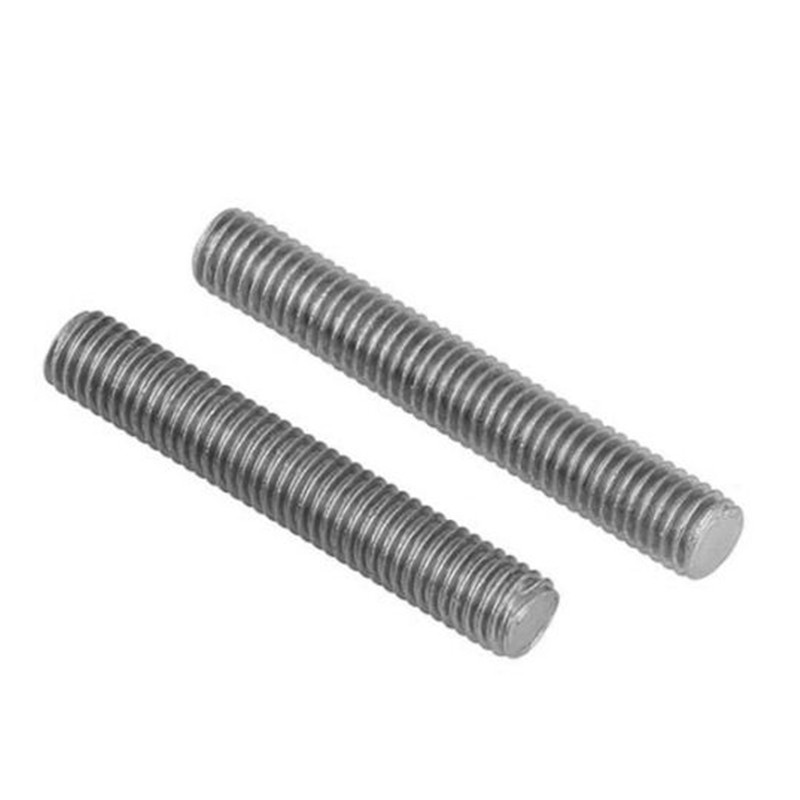
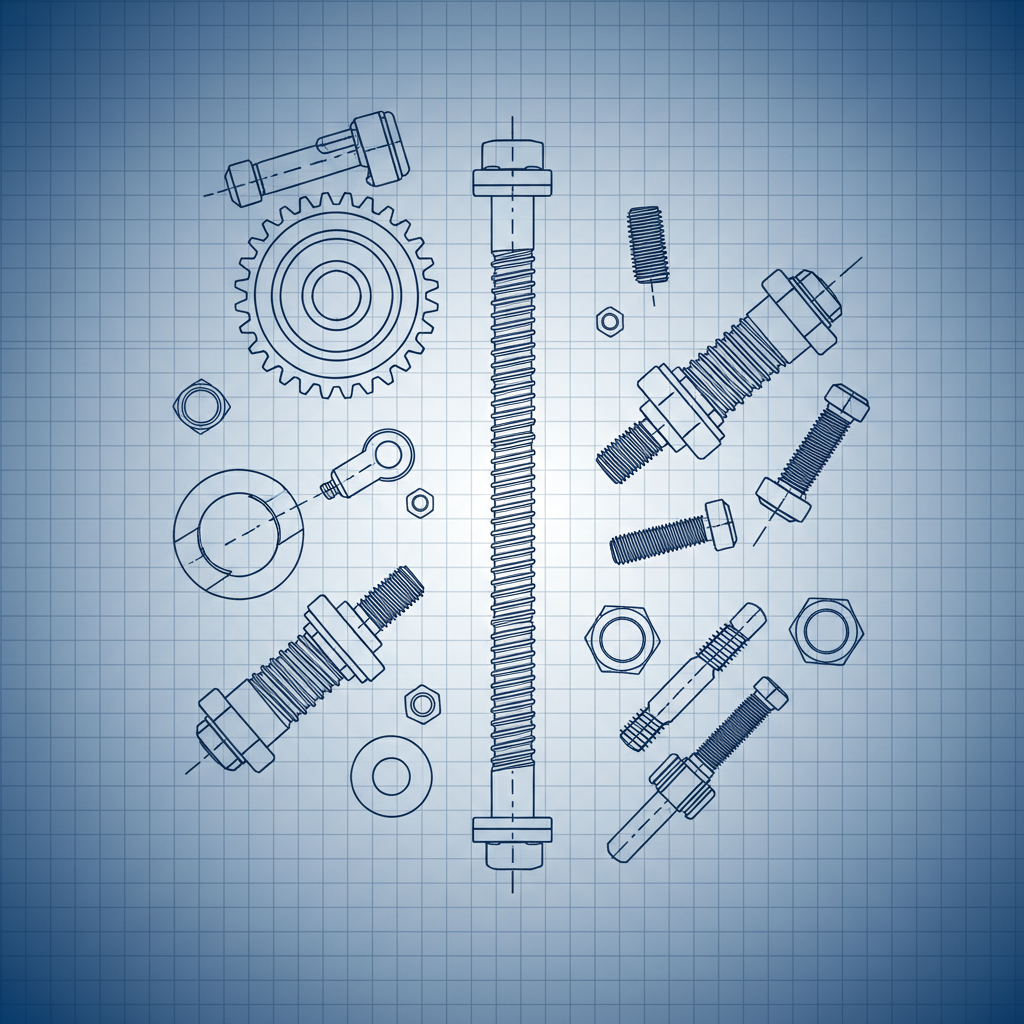
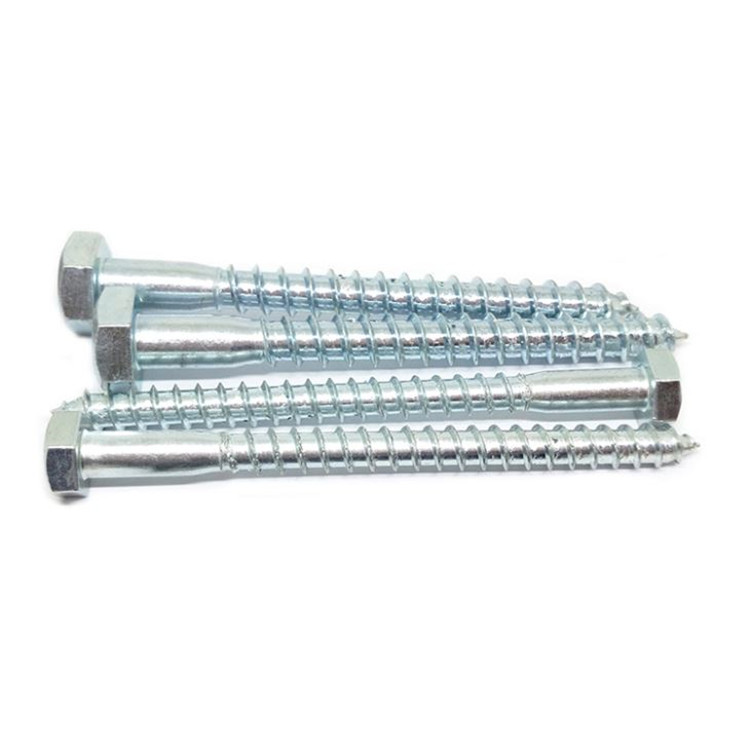
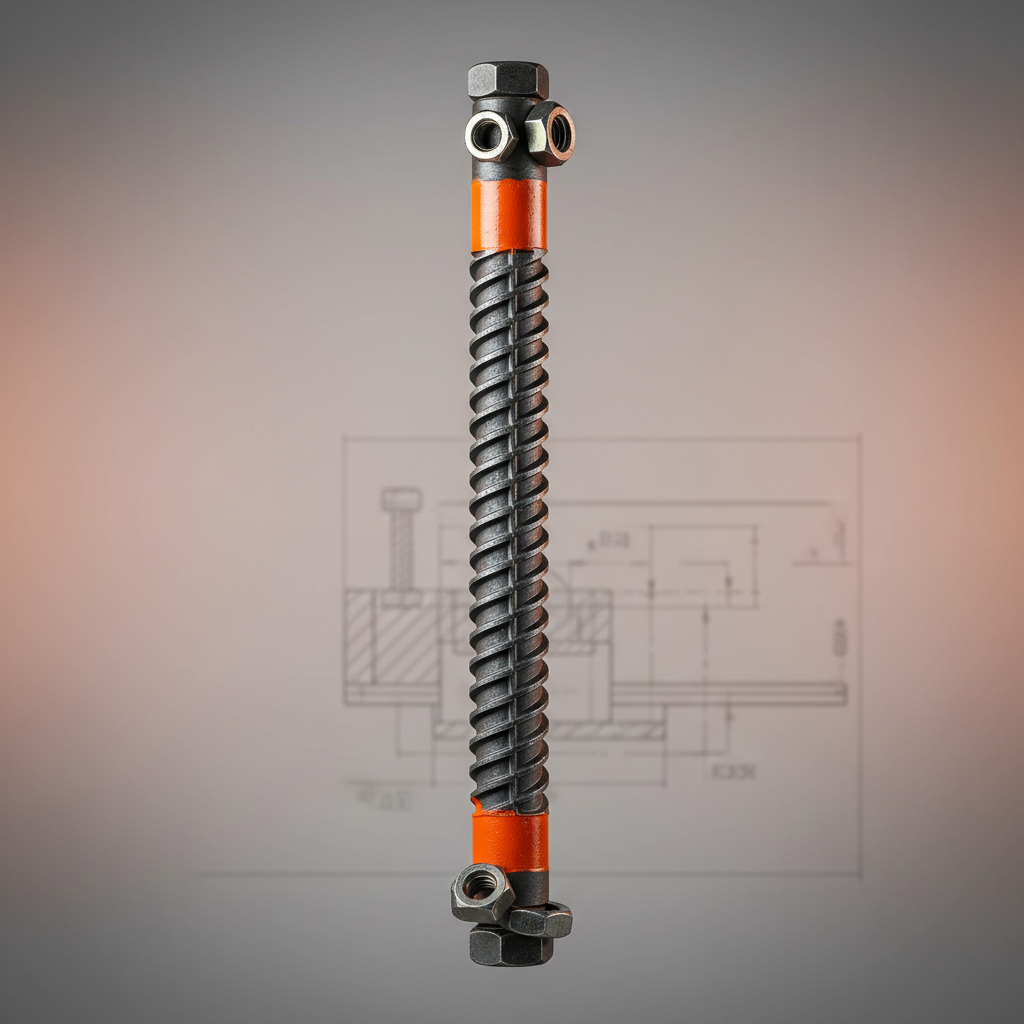
Simply put, a 5mm threaded rod is a metal rod—usually steel, stainless steel, or sometimes brass—with a uniform diameter of 5 millimeters and threads (spiral grooves) running along its length. Think of it as a long bolt that you can cut to any length you want. Manufacturers produce these rods with specific thread pitches compliant with industry standards to ensure compatibility with nuts and other fasteners.
The real charm lies in their versatility across several industries, from automotive to electronics, and even humanitarian engineering, where structurally sound yet portable solutions are essential.
Mini takeaway:
- The 5mm threaded rod is a standardized, adaptable metal connector widely used across various industries globally.
Core Components and Key Factors Behind The 5mm Threaded Rod's Popularity
1. Durability & Strength
Quality 5mm threaded rods are made from materials like Grade 8 steel or A2 stainless steel, giving them excellent tensile strength and corrosion resistance. This means they can handle considerable load stresses while resisting rust — essential for outdoor or humid environments.
2. Versatility and Scalability
Whether you need a few centimeters or meters, threaded rods cut easily to size. They’re used in small appliances or gigantic suspension bridges — scalability in action.
3. Cost Efficiency
Compared to custom fasteners or welding, threaded rods are relatively cheap, widely available, and require minimal installation tools. This saves both time and money on large projects.
4. Compatibility & Standardization
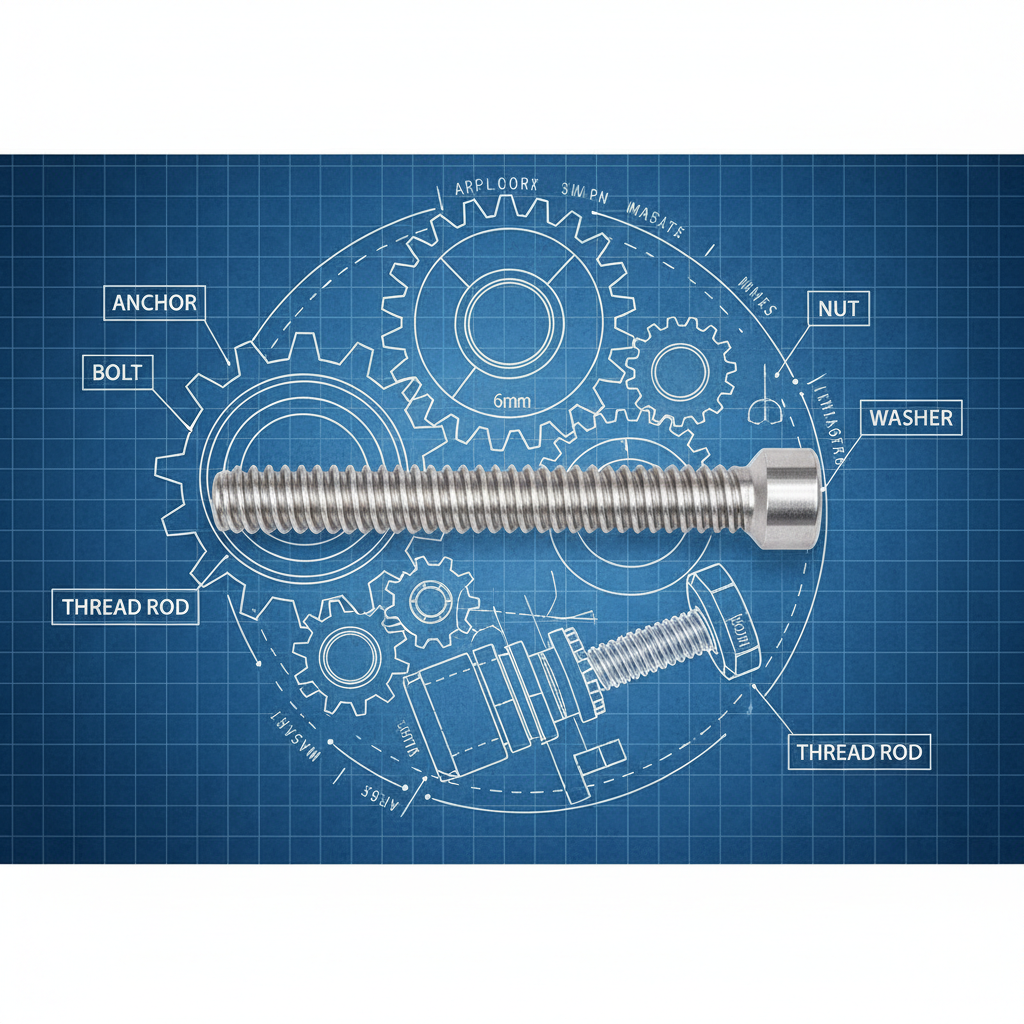
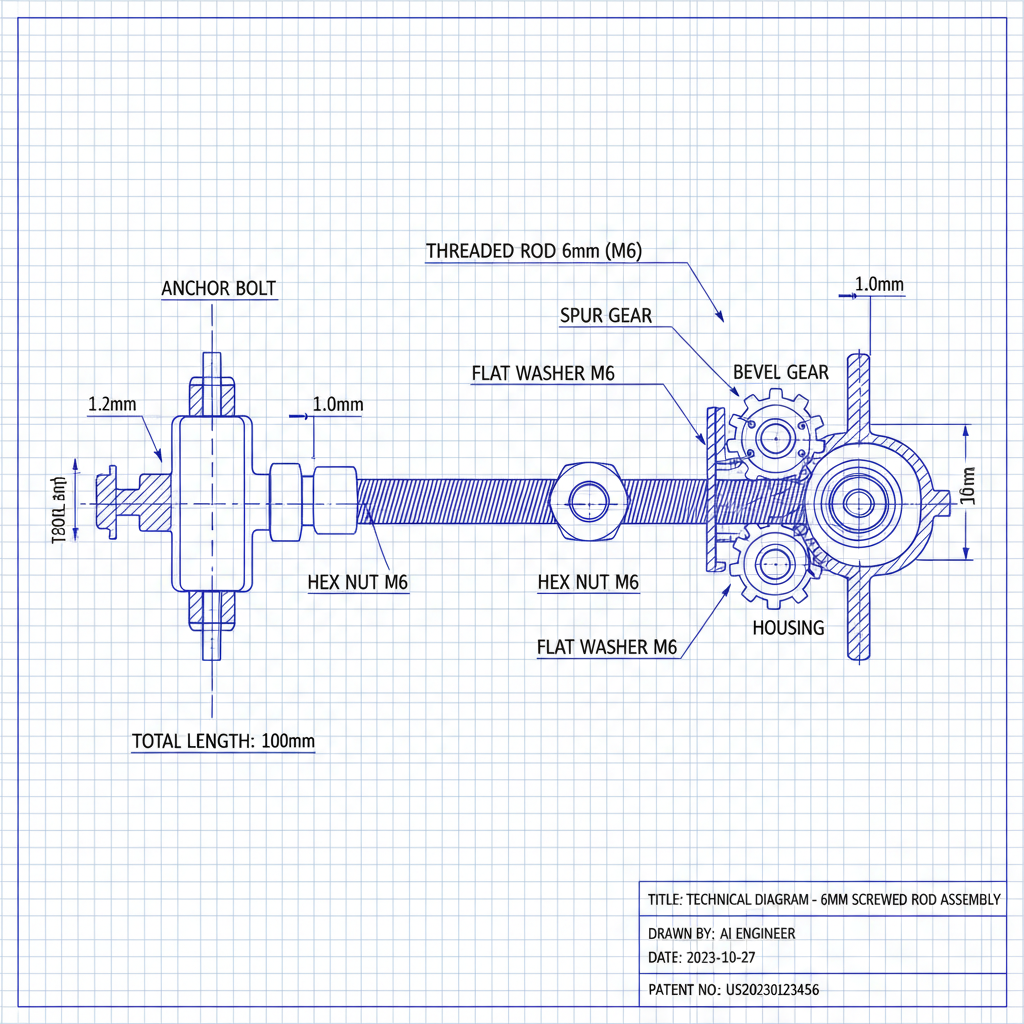
Thanks to strict ISO standards, these rods fit with nuts, washers, and other components anywhere in the world, easing supply chain headaches.
5. Customization
Surface treatments (galvanization, zinc plating) or alternate alloys tailored for heat or chemical resistance are available, meaning applications from marine to heavy industry are covered.
Mini takeaway:
- The strength, affordability, and adaptability of 5mm threaded rods make them indispensable in countless sectors.
Global Applications & Real-World Use Cases
Oddly enough, these slim rods turn up in some unexpected places.
- Disaster Relief Housing: NGOs and government bodies utilize 5mm threaded rods for quickly erecting modular shelters. The rods' strength supports temporary frameworks that sustain rough weather but can be disassembled and reused post-crisis.
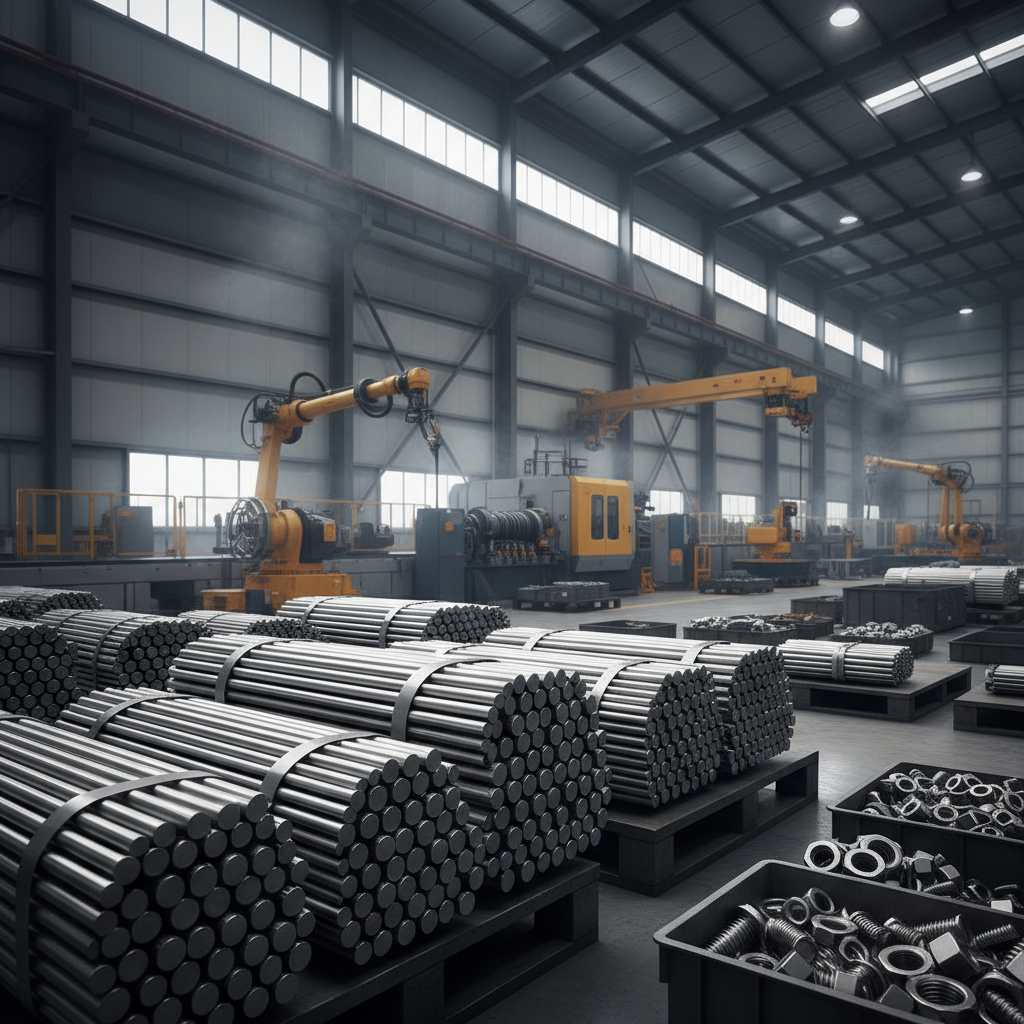
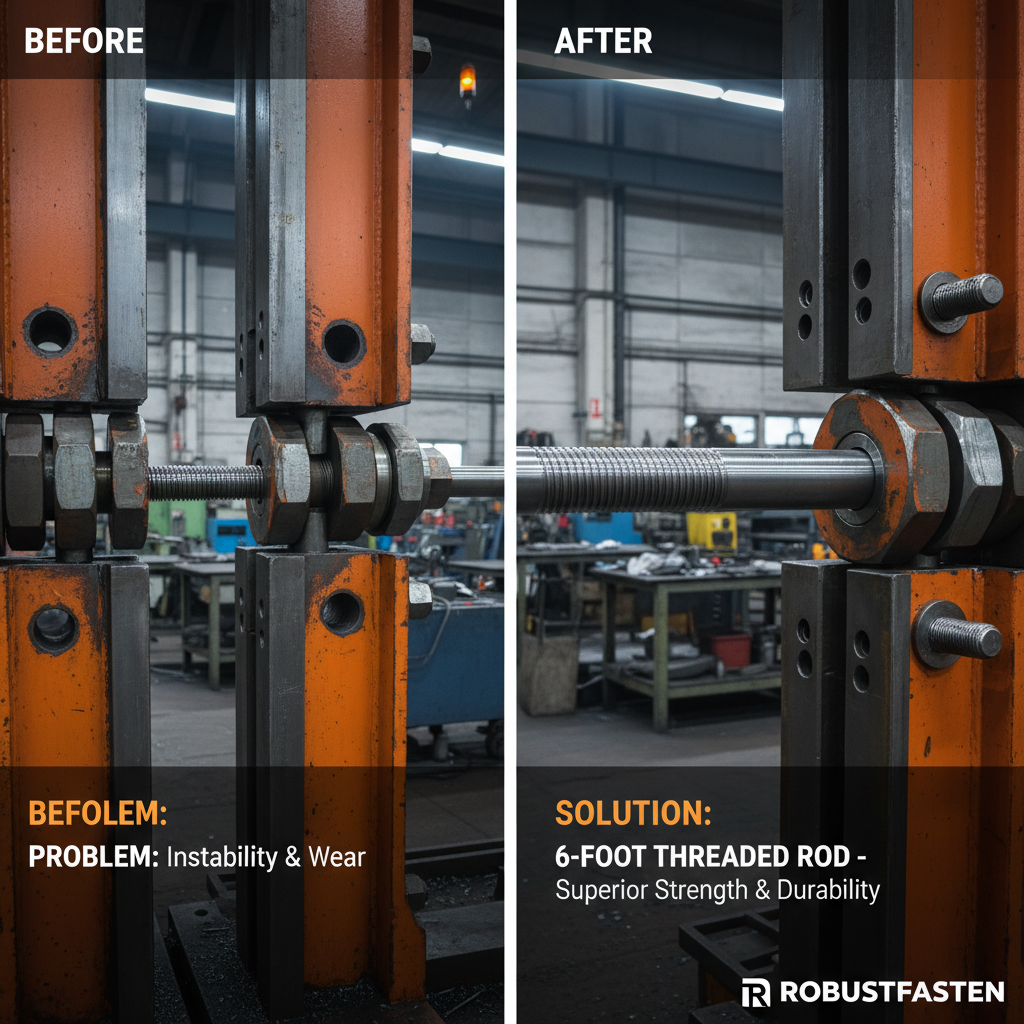
- Manufacturing and Assembly: Factories across Asia & Europe rely on threaded rods for assembling machinery parts, conveyors, and even robotic components — a true backbone of automation.
- Electronics and DIY: Electronics manufacturers incorporate small 5mm rods into mounting brackets and internal frames. Hobbyists use them for custom projects due to easy sourcing and cutting.
- Construction & Infrastructure: Civil engineers in colder climates like Scandinavia specify stainless steel 5mm rods because they withstand freeze-thaw cycles without corroding or weakening.
Advantages & Long-Term Value of Choosing 5mm Threaded Rods
What’s more than just nuts and bolts here? It’s about trust, reliability, and sustainability. Durable 5mm rods mean fewer repairs, less downtime — and in humanitarian projects, that translates directly into preserved safety and dignity for people in crises. Investing in quality rods supports innovation and environmental responsibility. Many manufacturers now focus on eco-friendly production methods, cutting emissions and waste.
- Cost Savings: Reduced maintenance and longer lifespan equals less budget strain over years.
- Safety and Reliability: Engineers marry technical specs with strict testing protocols to ensure robust performance under stress.
- Social Responsibility: NGOs sourcing standardized rods can ensure safe, fast deployment in disaster responses globally.
Mini takeaway:
In real terms, a quality 5mm rod isn’t just a metal stick — it’s a driver of sustainable and socially impactful progress.
What's Next? Future Trends in 5mm Threaded Rods
Emerging materials like composite alloys and carbon-fiber-strengthened rods might replace traditional steel in some niche markets soon. Digital transformation, like IoT-enabled quality testing during manufacturing, promises better tracking and consistency. Sustainable production is now front and center, with many vendors exploring recycled steel and environmentally safe coatings.
Automation also plays a role in standardizing threaded rod sizes and packaging, making supply chains faster and reducing errors — which, frankly, engineers love. In green energy projects like solar farms and wind turbines, precision-strength threaded rods ensure the delicate yet robust assembly needed for long-term performance.
Challenges and Solutions: What Engineers Beware & How They Adapt
Sure, no product is perfect. Threaded rods sometimes suffer from galvanic corrosion if mismatched metals are used, leading to premature failure. Also, inconsistent quality from lesser-known vendors can be a headache — testing and certification become crucial.
Experts suggest these remedies:
- Strict sourcing guidelines and using 5mm threaded rod from certified vendors only.
- Using protective coatings for aggressive environments.
- Regular on-site inspection protocols to catch wear and tear early.
- Investing in custom alloy rods when conditions demand it.
Frequently Asked Questions About 5mm Threaded Rod
Q1: What thread pitch is standard for a 5mm threaded rod?
A: The most common standard thread pitch for a 5mm rod (M5) is 0.8 mm, as per ISO metric thread standards. This ensures compatibility with M5 nuts and washers universally.
Q2: Can 5mm threaded rods support high loads in construction?
A: Yes, depending on the grade of steel (e.g., Grade 8), a 5mm threaded rod can handle thousands of newtons in tensile strength, sufficient for many light to medium structural applications.
Q3: Are stainless steel 5mm threaded rods better for outdoor use?
A: Generally, yes. Stainless steel offers superior corrosion resistance, extending rod life in wet or corrosive environments compared to plain carbon steel.
Q4: How can NGOs quickly source quality 5mm threaded rods for disaster zones?
A: Partnering with reputable vendors who hold stock and certification — like those listed on 5mm threaded rod platforms — enables rapid procurement and trusted performance.
Q5: Are there environmentally friendly options for these rods?
A: Yes! Some manufacturers offer rods with galvanized coatings or made from recycled steel, reducing environmental impact while maintaining strength.
Conclusion: The Subtle Strength Behind Successful Projects
To wrap this up: The 5mm threaded rod might seem modest, but it’s a powerhouse in everything from global infrastructure to humanitarian solutions. Its balance of strength, cost efficiency, and versatility keeps industries moving forward. If you’re planning your next project, whether industrial or relief-oriented, taking the time to understand and source quality 5mm threaded rods wisely is a tiny decision with outsized impact. For a reliable supply of certified rods, don’t forget to visit our website: https://www.hbtbls.com.
| Specification | Value |
|---|---|
| Diameter | 5mm |
| Thread Pitch (Standard) | 0.8 mm |
| Material | Carbon Steel, Stainless Steel, Brass |
| Tensile Strength | Up to 800 MPa (Grade 8) |
| Finish | Plain, Zinc Plated, Galvanized |
| Standard Compliance | ISO 898-1, DIN 976 |
Vendor Comparison: Choosing the Right Supplier for 5mm Threaded Rods
| Feature | Vendor A | Vendor B | Vendor C |
|---|---|---|---|
| Material Options | Steel, Stainless Steel | Steel Only | Steel, Brass |
| Certifications | ISO 9001, ISO 898-1 | ISO 9001 | None declared |
| Lead Time | 3-5 Days | 7-10 Days | 5-7 Days |
| Minimum Order | 100 pcs | 500 pcs | 50 pcs |
| Price Range (per 100 pcs) | $120 - $140 | $110 - $130 | $100 - $120 |
| Eco-Friendly Options | Yes (recycled steel) | No | Limited |
Reflection
Sometimes the simple things underpin the grandest ambitions. The 5mm threaded rod is a testament to this — a slender, standardized tool helping projects stand strong and people stay safe around the globe. For those in construction, manufacturing, and humanitarian sectors, taking a moment to understand these rods can yield surprising dividends in safety, efficiency, and sustainability.
References:
Post time: Nov . 29, 2025 12:05


 English
  Albanian
  Arabic
  Armenian
  Azerbaijani
  Belarusian
  Bosnian
  Bulgarian
  Cebuano
  Corsican
  Czech
Czech  Galician
  Georgian
  Greek
Greek  Hausa
Hausa  Hebrew
  Hungarian
  Igbo
Igbo  Indonesian
  Italian
  Kazakh
  Khmer
Khmer  Korean
  Kurdish
  Kyrgyz
  Lao
Lao  Latin
Latin  Latvian
  Lithuanian
  Malay
Malay  Myanmar
  Nepali
  Polish
  Portuguese
  Russian
  Serbian
  Sesotho
  Shona
Shona  Sindhi
  Spanish
  Tagalog
  Tajik
Tajik  Thai
Thai  Turkish
  Turkmen
  Ukrainian
  Uzbek
Uzbek  Vietnamese
  Yoruba
  Zulu
Zulu