
Understanding M10 Studding: The Unsung MVP of Construction & Engineering
If you've ever been on a construction site, chances are you might've seen some "M10 studding" lying around or even in use. But why should anyone beyond engineers or builders care? In a nutshell, M10 studding is a specific kind of threaded rod that plays a pivotal role in holding things together — literally. While it might sound like a tiny detail, this component is a global workhorse, powering infrastructure, machinery, and even emergency shelter solutions worldwide. So, getting familiar with its characteristics and applications isn’t just about nuts and bolts; it's about understanding one of the fundamental building blocks that keep our world standing.
Why M10 Studding Matters Globally
The global construction industry was valued at over $11 trillion in 2022, according to the World Bank, and a huge chunk of that depends on reliable fastening components like M10 studding. These threaded rods ensure structures endure harsh weather, vibrations, and heavy loads. Particularly in developing nations rebuilding after natural disasters or expanding their industrial capabilities, M10 studs serve as cost-effective yet reliable connectors.
According to ISO standards (ISO 898-1), M10 studding falls into a category of high-grade fasteners designed to sustain considerable tensile strength. Oddly enough, despite being such a tiny part, failure here can cause catastrophic structure collapses. This means understanding these studs goes beyond technical jargon — it touches issues of safety, economics, and humanitarian relief.
In real terms, the challenge is that a lot of infrastructure projects either overlook or misuse M10 studding, leading to maintenance nightmares down the line. Industry experts and humanitarian engineers alike see this as an area ripe for better awareness and education.
What Exactly is M10 Studding?
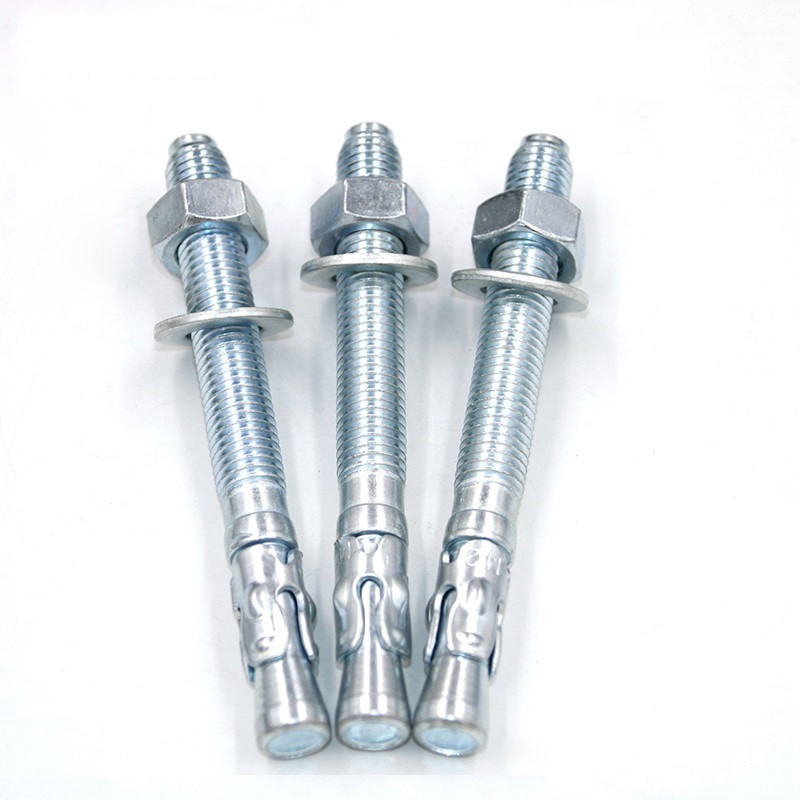
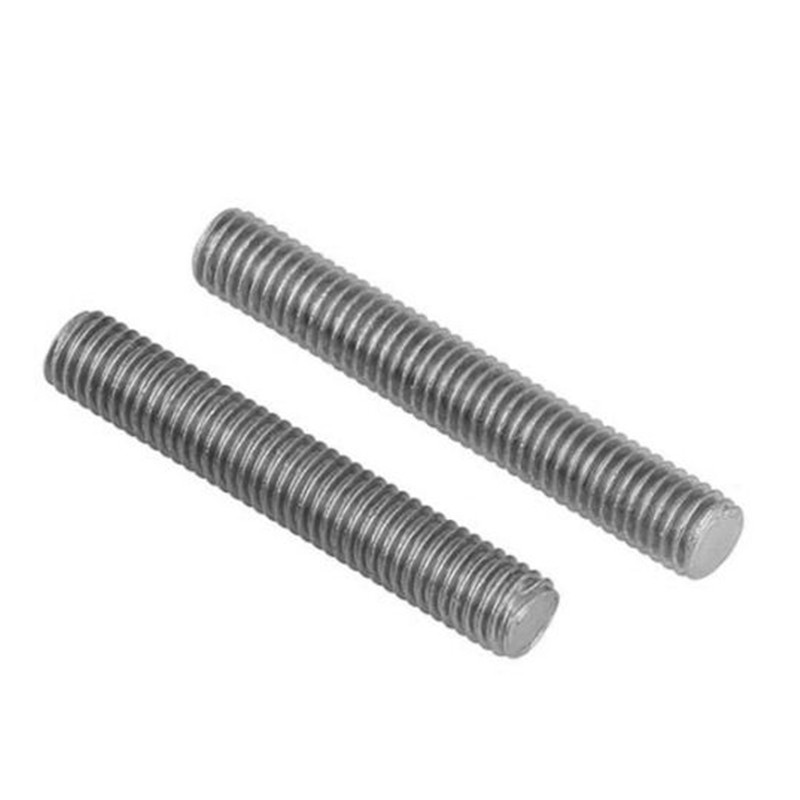
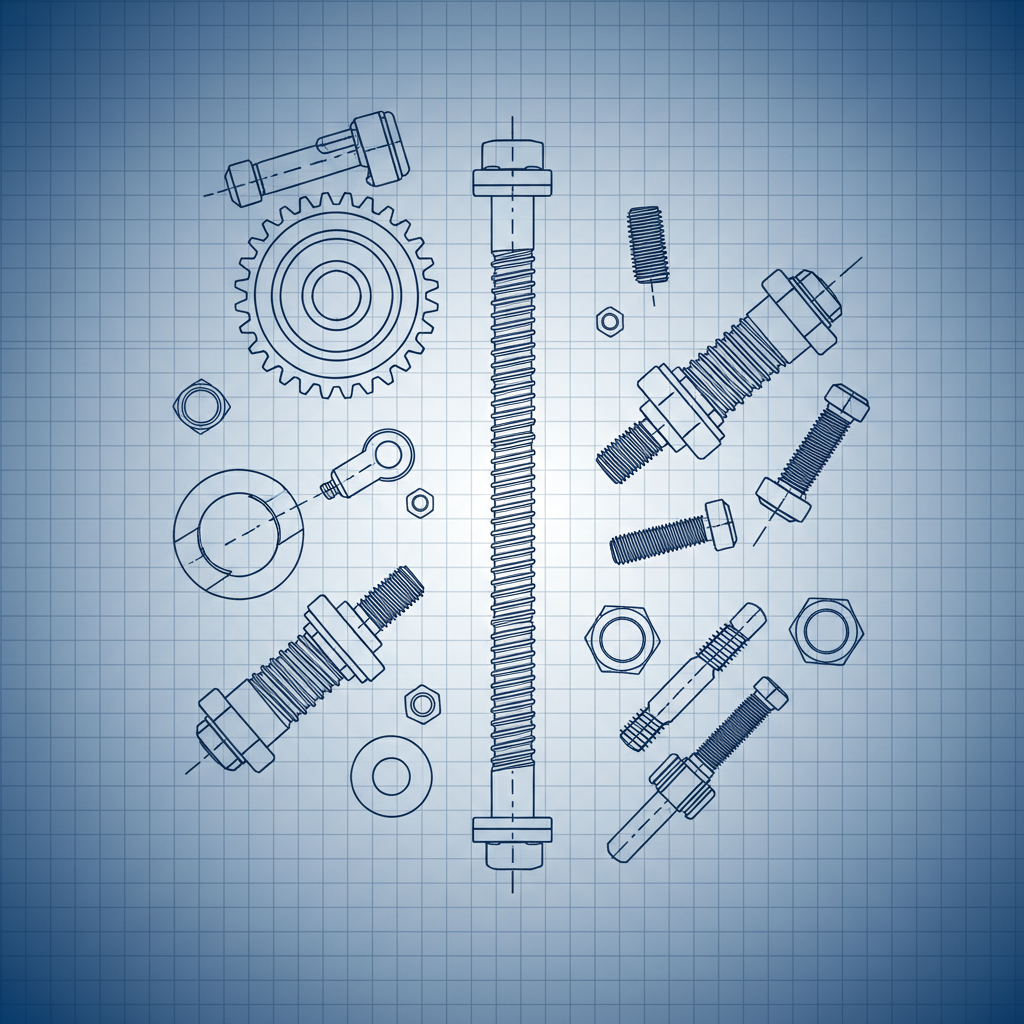
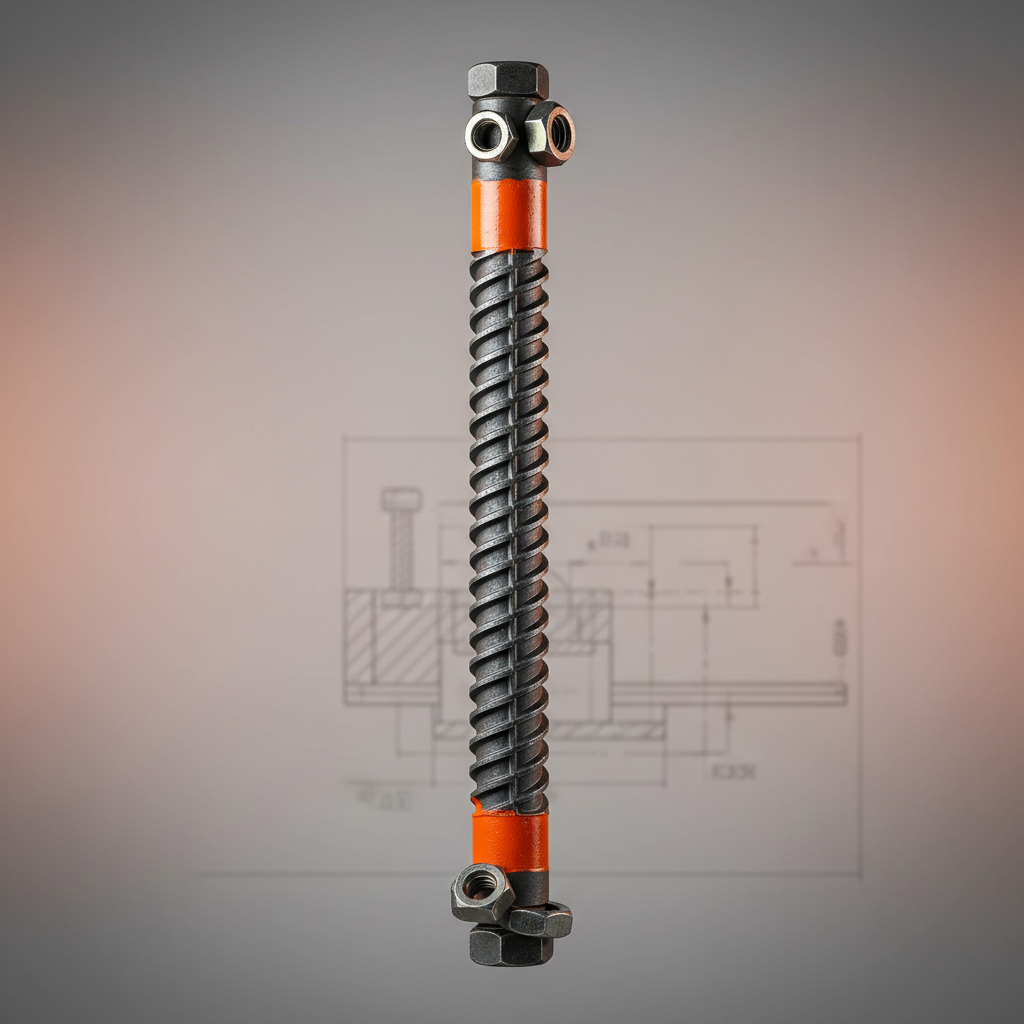
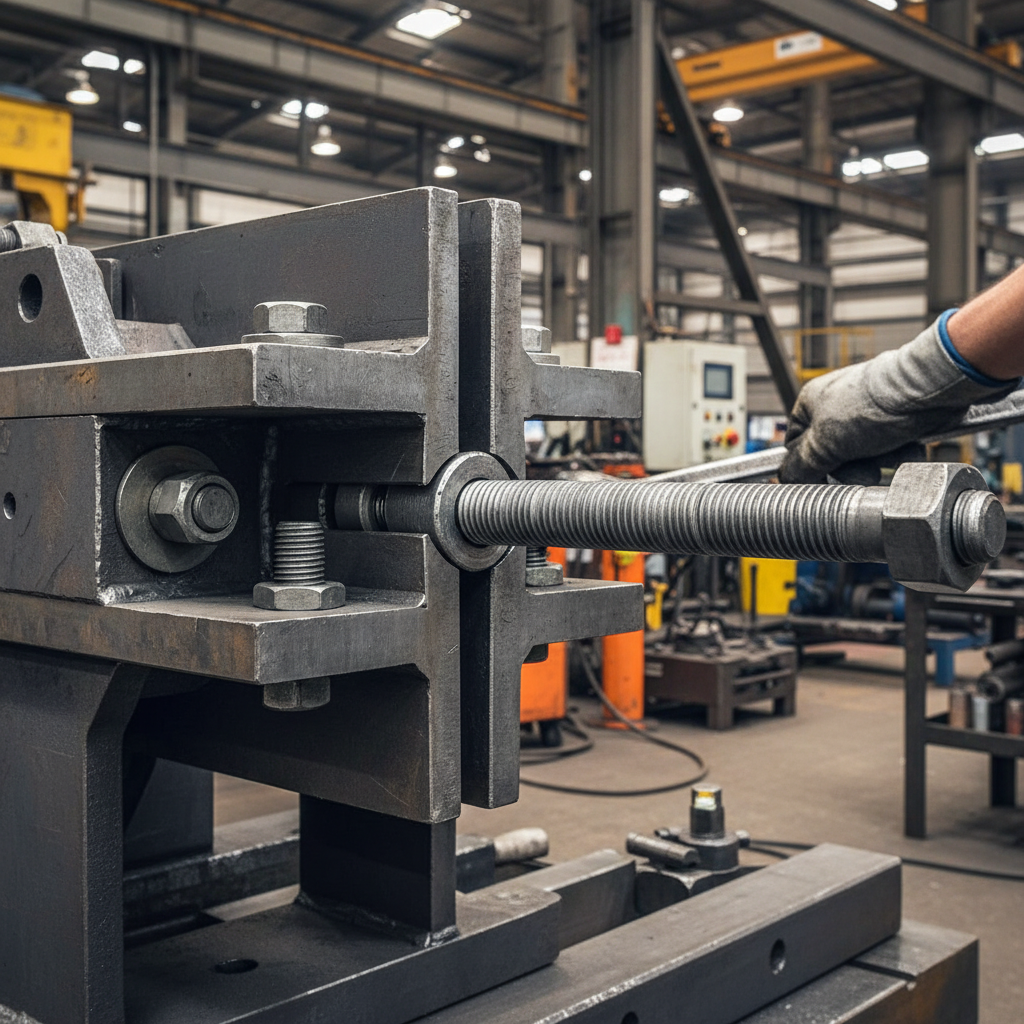
To keep it straightforward, M10 studding is a straight, fully threaded metal rod with metric 10mm diameter threads. Unlike bolts or screws, it doesn't have a head or point — instead, it’s typically cut to length and fastened with nuts on both ends. The “M10” refers to the size spec: a 10-millimeter thread diameter, which is roughly 0.39 inches.
It's the sort of thing you’d use when you need a strong, continuous connection — say, securing heavy machinery to concrete bases or as part of modular steel frameworks. In humanitarian sectors, M10 studding often forms the backbone of rapidly assembled shelters or temporary infrastructure, because it combines strength with flexibility.
Core Components & Factors That Define M10 Studding's Strength
Durability
Materials typically include medium to high-carbon steel, sometimes coated in zinc or galvanized to resist rust. Durability matters because M10 studs often face moisture, high loads, and even chemical exposure — especially outdoors or in industrial zones.
Load Capacity & Tensile Strength
Depending on the grade (commonly 4.8, 8.8, or 10.9), the tensile strength can range from about 400 MPa to over 1000 MPa. This defines not only how much tension it can take but how safely it holds heavy equipment in place.
Corrosion Resistance
Stainless steel or galvanized variants prevent rusting, an especially crucial factor in environments like coastal zones or humid climates. This longevity reduces maintenance and replacement costs.
Cost Efficiency
M10 studding is typically more affordable than specialty connectors and can be sourced globally, aiding large-scale projects with tight budgets. Its standardization simplifies ordering, stocking, and replacement.
Customization & Versatility
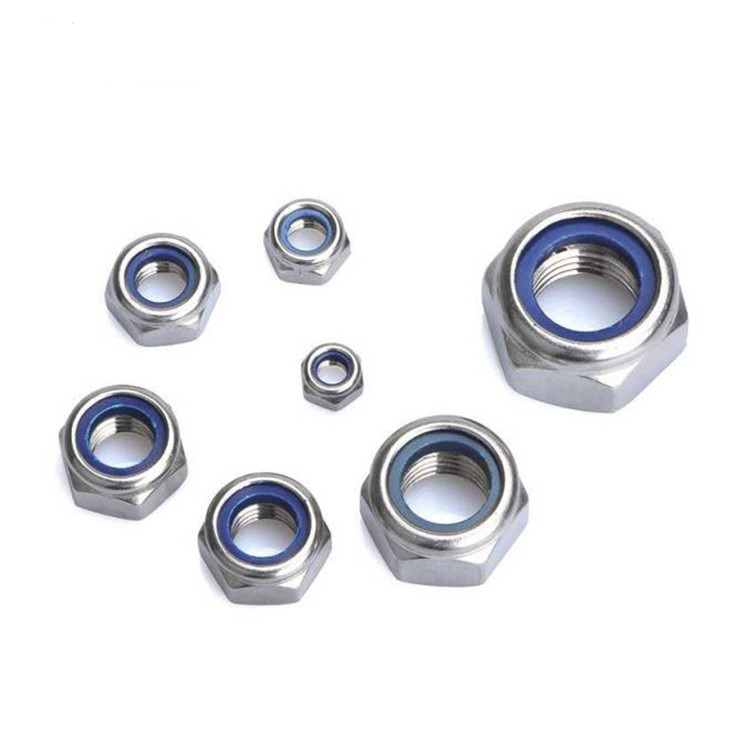
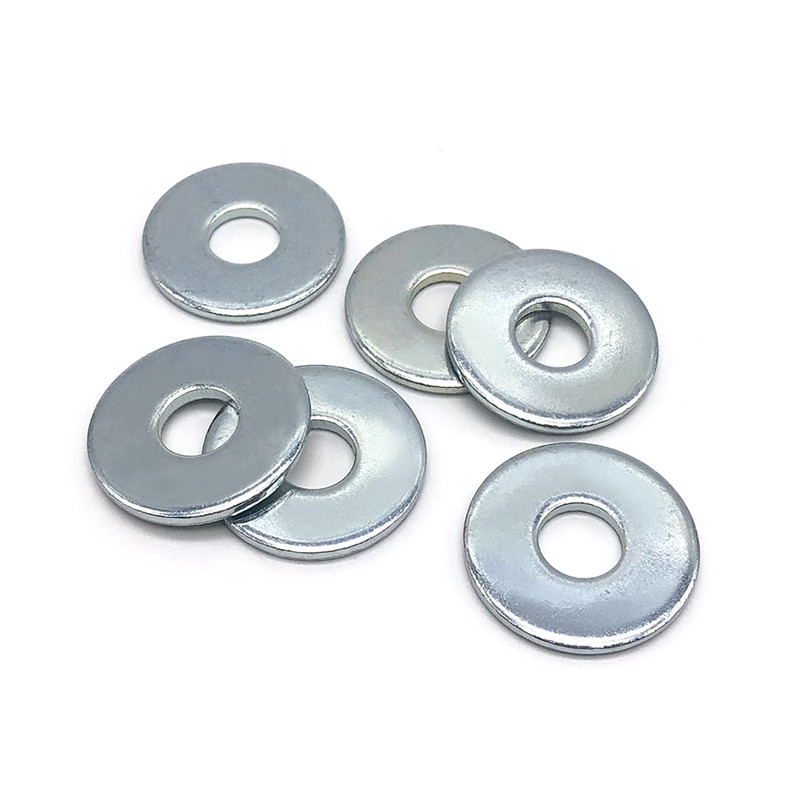
The studs can be cut to length, threaded on various pitches, or combined with nuts and washers to fit specific tasks—making them a favorite among engineers who need adaptable solutions.
Specification Table: Typical M10 Studding Product Details
| Specification | Details |
|---|---|
| Diameter | 10 mm (Metric) |
| Length Range | 50 mm to 2000 mm (custom cut possible) |
| Thread Pitch | 1.5 mm (standard) |
| Material Grades | Grade 4.8, 8.8, 10.9 Steel; Stainless Steel options |
| Coatings | Galvanized, Zinc Plated, Plain |
| Tensile Strength | 400 MPa to 1000+ MPa |
M10 Studding in Action: Global Applications & Use Cases
M10 studding really shines in diverse settings. For example:
- Construction of Modular Housing: NGOs use M10 studs to assemble rapid-deployment homes in post-disaster zones. The studs’ ease of customization speeds up setup times dramatically.
- Industrial Machinery Installation: Factories in Southeast Asia rely on M10 studding when anchoring heavy equipment to concrete pads — ensuring both safety and precision.
- Infrastructure Maintenance: In European railway systems, M10 studs hold critical components together, aiding in resilient and maintainable design.
- Renewable Energy Projects: Solar panel frameworks and wind turbine mounts make frequent use of rust-resistant M10 studs to withstand intense weather conditions.
It’s fascinating to realize that such a humble rod contributes to everything from clean energy production to emergency humanitarian relief.
Comparing Popular M10 Studding Vendors
| Vendor | Quality Grades | Price Range (per 100 pcs) | Coating Options | Lead Time |
|---|---|---|---|---|
| AlphaFasteners | 4.8, 8.8, 10.9 | $150 - $220 | Zinc Plated, Galvanized | 2-3 weeks |
| SteelWorks Inc. | 8.8, 10.9 | $180 - $250 | Galvanized, Plain Steel | 1-2 weeks |
| EcoFast Ltd. | 4.8, 8.8, Stainless Steel | $200 - $280 | Stainless Steel, Eco Coating | 3-4 weeks |
Advantages and Long-Term Value of M10 Studding
The benefits of using M10 studding are both tangible and emotional. Practically, they:
- Cut Costs Over Time: Because these studs last and require minimal maintenance, users save on replacements.
- Boost Safety and Reliability: Properly installed M10 studs reduce structural risks, protecting lives.
- Support Sustainability: Many brands offer eco-friendly coatings and recyclable materials.
- Enhance Innovation: Their adaptability enables the creation of innovative modular assemblies that can be upgraded or repaired easily.
On a softer note, installers and engineers often feel confident working with these standardized components — they trust them to hold firm under pressure, which makes a huge difference on-site.
Looking Ahead: Future Trends & Innovations for M10 Studding
Just when you think a simple steel rod can’t get any cooler, innovations creep in. For instance:
- Smart Coatings: Advances in anti-corrosion nanotechnology promise longer life spans with less environmental impact.
- Digital Tracking: Embedded RFID tags are emerging to help manage inventory and ensure authentic, high-quality studs on job sites.
- Green Manufacturing: Some manufacturers are moving to renewable energy-powered factories, reducing carbon footprints.
- Automation & Customization: Automated cutting and threading enable just-in-time delivery of bespoke sizes, reducing waste.
Common Challenges & How Experts Address Them
Of course, no product is perfect. Challenges with M10 studding include:
- Incorrect Grade Usage: Applying a lower tensile grade in critical areas can cause premature failure.
- Corrosion in Harsh Environments: Especially near saltwater, studs rust if not properly coated.
- Supply Chain Delays: Lead times can vary unpredictably given global demand spikes.
Expert installers recommend careful planning, consulting specifications, and sourcing from trusted vendors. Protective coatings and regular maintenance routines also extend service life dramatically.
FAQ: Your Questions About M10 Studding Answered
- What differentiates M10 studding from regular bolts?
- M10 studding is a headless, fully threaded rod designed for applications needing continuous threading and nuts on both ends, unlike bolts which have a head and thread only partially. This allows for greater customization in length and fastening strength.
- How long does M10 studding last in outdoor construction?
- With proper materials like galvanized or stainless steel, M10 studs can last several decades outdoors, resisting corrosion and wear. Maintenance and environmental conditions, however, affect lifespan.
- Is M10 studding suitable for humanitarian shelter assembly?
- Yes, many NGOs rely on M10 studding to build fast, durable, and adaptable structures that can be shipped easily and assembled quickly in disaster zones.
- How to ensure you’re buying quality M10 studding internationally?
- Look for suppliers who comply with ISO standards, offer material certifications, and have reliable shipping and customer support. Visiting m10 studding suppliers with verifiable track records helps too.
Wrapping It Up: Why M10 Studding Deserves Your Attention
So here’s the gist — these modest M10 studs punch way above their weight class. They’re vital cogs in the vast machine of modern construction, industrial applications, and humanitarian relief efforts. Their strength, affordability, and adaptability mean they’re not going anywhere soon.
If you want to explore quality options or get expert assistance, do visit our website: m10 studding. There’s always more beneath the surface when you look closely at these little rods — and often, a story about how they keep us all connected.
References & Further Reading
Post time: Nov . 29, 2025 08:50


 English
  Albanian
  Arabic
  Armenian
  Azerbaijani
  Belarusian
  Bosnian
  Bulgarian
  Cebuano
  Corsican
  Czech
Czech  Galician
  Georgian
  Greek
Greek  Hausa
Hausa  Hebrew
  Hungarian
  Igbo
Igbo  Indonesian
  Italian
  Kazakh
  Khmer
Khmer  Korean
  Kurdish
  Kyrgyz
  Lao
Lao  Latin
Latin  Latvian
  Lithuanian
  Malay
Malay  Myanmar
  Nepali
  Polish
  Portuguese
  Russian
  Serbian
  Sesotho
  Shona
Shona  Sindhi
  Spanish
  Tagalog
  Tajik
Tajik  Thai
Thai  Turkish
  Turkmen
  Ukrainian
  Uzbek
Uzbek  Vietnamese
  Yoruba
  Zulu
Zulu