
Understanding the M24 Stainless Steel Threaded Rod: Global Relevance and Practical Benefits
In an increasingly interconnected world—where construction standards, mechanical integrity, and reliability matter greatly—the m24 stainless steel threaded rod plays a crucial, often overlooked role. It's not merely a cold piece of metal but a linchpin in infrastructures ranging from towering skyscrapers to crucial humanitarian projects. Knowing what these rods are, why they matter globally, and how they deliver value can help engineers, procurement officers, and project managers make informed decisions and establish safer, more sustainable building practices.
Let’s start with why this tiny but mighty component truly matters.
Global Context: Why the M24 Stainless Steel Threaded Rod Matters Today
The significance of the m24 stainless steel threaded rod scales beyond its dimensions or tensile strength. According to ISO standards and recent global infrastructure data (World Bank, 2023), countries investing in durable, corrosion-resistant building components report higher lifespan and lower maintenance costs for their bridges, factories, and energy facilities.
Oddly enough, in regions experiencing extreme weather—or even harsh industrial pollution—finding fasteners that won’t rust or fail is more than a convenience; it’s a safety imperative. Disasters stemming from structural failures cost billions annually worldwide and put human lives at risk.
Hence, the global demand for quality m24 stainless steel threaded rods is surging, as industries prioritize longevity and reliability.
What Is an M24 Stainless Steel Threaded Rod?
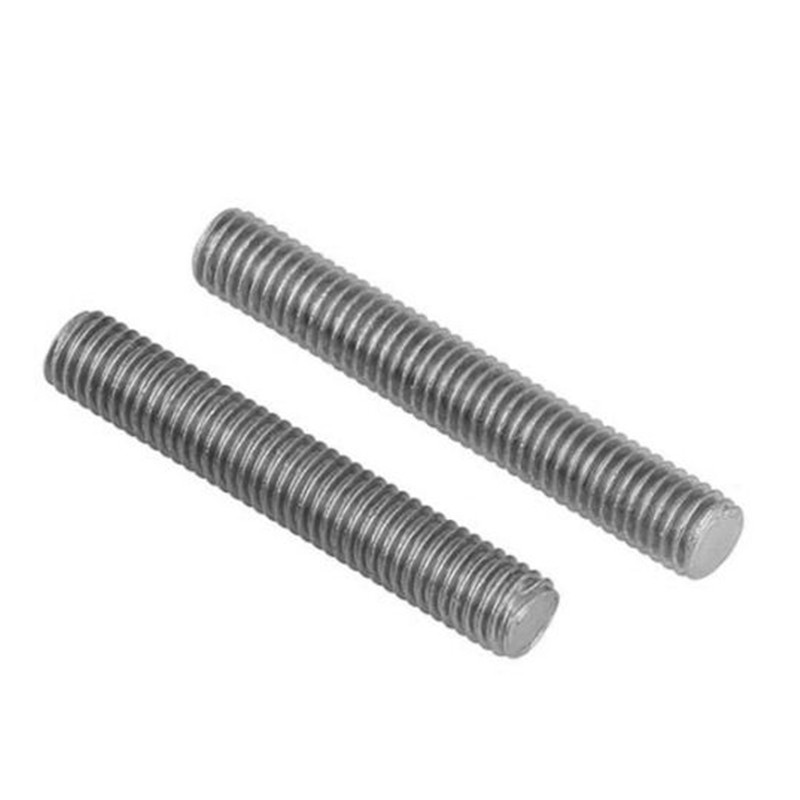
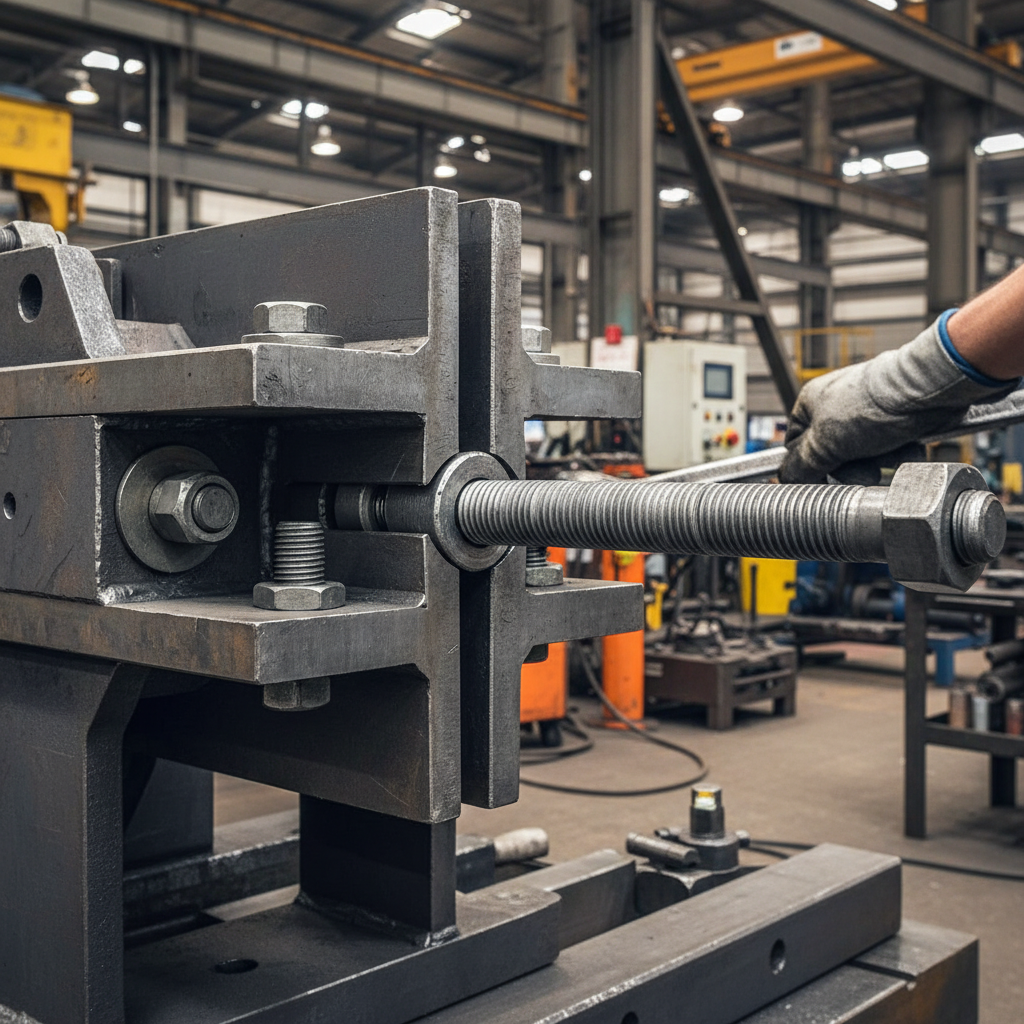
At its core, an m24 stainless steel threaded rod is a long, cylindrical steel bar, threaded along much of its length, featuring a diameter of 24 millimeters. Stainless steel means it contains chromium and other elements that resist rust and corrosion—a key feature that sets it apart from plain steel rods.
You can think of it as the bones of mechanical assemblies and structural frameworks. Whether holding a steel column in place or fastening mechanical parts, these rods provide critical tensile strength and inject resilience into industrial and construction projects. Modern manufacturing tolerances and material science ensure these rods meet exact specifications—often adhering to ISO 898-1 or ASTM A193 standards.
Key Attributes of M24 Stainless Steel Threaded Rods
Durability and Corrosion Resistance
Stainless steel’s inherent resistance to oxidation and rust allows these rods to perform exceptionally in outdoor, marine, or chemically aggressive environments. Long-term exposure to salt, moisture, or even industrial acids won’t easily degrade them. It’s worth noting that grades like 304 or 316 stainless steel are especially common for their corrosion resistance qualities.
Load-Bearing Capacity
The "M24" dimension isn’t just about physical size. It correlates with the rod’s tensile strength and shear capacity. Typical high-grade stainless steel rods have tensile strengths up to 800 MPa (megapascals), making them suitable for high-load applications—like supporting bridge decks or heavy machinery mounts.
Scalability and Customization
These rods can be cut to length and combined with nuts, washers, and plates to create custom fasteners tailored to virtually any industrial need. Some suppliers even offer threaded rods with specialized coatings or heat treatments for bespoke environments.
Cost Efficiency Over Lifecycle
While stainless steel rods can cost more upfront than plain carbon steel equivalents, their longevity—coupled with lower maintenance, fewer replacements, and less downtime—often results in cost savings across a project’s lifespan. A classic case of spending a bit more now, but saving a lot later.
Product Specification Overview
| Specification | Detail |
|---|---|
| Diameter | 24 mm |
| Material Grades | 304, 316 Stainless Steel |
| Thread Type | Metric Coarse (M24 x 3.0 mm pitch) |
| Tensile Strength | ~800 MPa |
| Common Lengths | 1 m to 6 m (customizable) |
Mini takeaway: The M24 stainless steel threaded rod packs impressive strength and corrosion resistance, ready to meet demanding industrial standards worldwide.
Global Applications & Use Cases
You’ll find m24 stainless steel threaded rods across various sectors—construction, marine, infrastructure, and energy—pretty much wherever reliable, strong, and corrosion-resistant fasteners are needed.
- Construction and Infrastructure: These rods help fasten steel beams, anchor concrete structures, and secure facade panels in high-rise buildings globally—from New York to Dubai.
- Marine and Offshore: Saltwater environments beat up ordinary metals. In ports and oil rigs, stainless steel rods ensure long-term durability.
- Renewable Energy: Wind turbines and solar installations use m24 stainless steel threaded rods for their corrosion resistance and strength, especially in exposed locations.
- Post-Disaster Relief Housing: NGOs employ these rods in rapid-deployment shelters that can withstand extreme weather over time, increasing safety and dignity for affected communities.
Mini takeaway: The m24 stainless steel threaded rod’s versatility means it supports lives and infrastructure in some of the most demanding global scenarios.
Vendor Comparison: What You Should Look For
| Attribute | Vendor A | Vendor B | Vendor C |
|---|---|---|---|
| Material Grade | 304 Stainless Steel | 316 Stainless Steel | 304 Stainless Steel |
| Customization Options | Standard lengths only | Custom lengths & coatings | Custom lengths |
| Price Tier | Mid-range | Premium | Budget-friendly |
| Typical Lead Time | 2 weeks | 4-6 weeks | 1 week |
| Certifications | ISO 9001 | ISO 9001 & ASTM | ISO 9001 |
Advantages and Long-Term Value
Viewed in practical terms, investing in quality m24 stainless steel threaded rods feels like future-proofing. They deliver noticeable cost savings through reduced corrosion-related repairs and boost project longevity. Socially and emotionally, they embody the trust engineers place in materials that protect lives and property.
Sustainability-wise, the reusability and recyclability of stainless steel add another layer of value. In a world progressively pushing for circular economy principles, these rods align well with long-term environmental goals.
Future Trends and Innovations
New material blends and surface treatments seem poised to enhance corrosion resistance further or add antimicrobial properties—handy in medical settings or damp environments. Automation in manufacturing promises tighter tolerances and faster production, while digital tracking via QR codes or RFID chips allows real-time quality and inventory monitoring.
A subtle but important shift also lies in green procurement policies—more organizations require certifications proving sustainable sourcing for stainless steel production. So, when you next order m24 stainless steel threaded rod, you might want to ask about carbon footprint and recycling rates.
Challenges & Solutions
Despite all the positives, challenges remain. For one, the higher initial cost can deter smaller projects or emerging economies. Additionally, inconsistent quality from less scrupulous suppliers can jeopardize the entire structure.
Industry experts advocate for rigorous supplier audits, specification compliance checks, and consulting with materials engineers before purchase. Also, modular design approaches can reduce the volume of expensive stainless steel while achieving the same strength.
FAQ: Frequently Asked Questions About M24 Stainless Steel Threaded Rod
-
Q: What makes m24 stainless steel threaded rods better than plain carbon steel rods?
A: Stainless steel rods offer superior corrosion resistance, meaning they last longer outdoors or in harsh environments. Plain carbon steel tends to rust, leading to costly maintenance and structural risks. -
Q: How long can these rods realistically last in harsh conditions?
A: With proper grade (like 316) and installation, they can last 50+ years, especially when routinely inspected and maintained, far outliving many other fasteners. -
Q: Are m24 threaded rods customizable in length and finish?
A: Yes, most suppliers offer custom lengths and surface treatments, including passivation or coatings to optimize performance. -
Q: Can NGOs easily import these rods for disaster relief projects internationally?
A: Generally yes, but they should verify compliance with local import/export regulations and consider shipping times. Working with experienced vendors simplifies this process. -
Q: How do I ensure I’m buying certified, high-quality rods?
A: Always ask for mill test reports, certifications like ISO 9001, and check vendor reputation. If possible, request samples or third-party lab testing.
Conclusion & Call to Action
In sum, understanding the role and value of the m24 stainless steel threaded rod goes beyond engineering specs. It’s about securing long-term safety, sustainability, and efficiency in projects large and small, worldwide. If you’re considering sourcing quality rods—whether for industrial, marine, or humanitarian needs—I suggest starting with trusted suppliers who can provide certification and customization.
Explore detailed product listings and custom solutions by visiting https://www.hbtbls.com. Your next project deserves nothing less than proven reliability.
It is fascinating how such a straightforward component can hold together some of the world’s most critical structures. I suppose material science and supply chain diligence form the silent foundation beneath our feet and sky.
References
Post time: Dec . 02, 2025 15:36


 English
  Albanian
  Arabic
  Armenian
  Azerbaijani
  Belarusian
  Bosnian
  Bulgarian
  Cebuano
  Corsican
  Czech
Czech  Galician
  Georgian
  Greek
Greek  Hausa
Hausa  Hebrew
  Hungarian
  Igbo
Igbo  Indonesian
  Italian
  Kazakh
  Khmer
Khmer  Korean
  Kurdish
  Kyrgyz
  Lao
Lao  Latin
Latin  Latvian
  Lithuanian
  Malay
Malay  Myanmar
  Nepali
  Polish
  Portuguese
  Russian
  Serbian
  Sesotho
  Shona
Shona  Sindhi
  Spanish
  Tagalog
  Tajik
Tajik  Thai
Thai  Turkish
  Turkmen
  Ukrainian
  Uzbek
Uzbek  Vietnamese
  Yoruba
  Zulu
Zulu