
Understanding the Importance of 1 Stainless Steel Threaded Rod in Modern Industry
When you stop and think about it, something as seemingly simple as a 1 stainless steel threaded rod actually plays a pretty critical role in countless industries worldwide. It’s one of those unsung heroes holding structures together — literally and figuratively — and grasping its importance can really open doors to smarter engineering solutions and even humanitarian impacts. Globally, as infrastructure growth, industrial manufacturing, and disaster-relief projects ramp up, awareness of this component’s utility and specifications can dramatically influence success rates.
Why This Matters Globally
According to the International Organization for Standardization (ISO), stainless steel has become the go-to material for durability and corrosion resistance, especially critical in harsh environmental conditions. In fact, stainless steel threaded rods are integral to sectors accounting for billions in revenue annually — from construction and automotive manufacturing to offshore energy platforms. But there’s a catch: not all rods are made equal, and understanding which type fits which project can save both money and lives.
Oddly enough, the need for reliable fastening extends even into humanitarian efforts. Post-disaster relief efforts, for instance, rely on sturdy, quickly deployable housing frameworks that often use small but mighty components like stainless steel rods to withstand unpredictable conditions.
Mini Takeaway:
- 1 stainless steel threaded rod is globally vital for robust fastening applications.
- Its corrosion resistance makes it suitable for varied environmental conditions.
- Understanding its specs can drastically improve project efficiency and durability.
What Is a 1 Stainless Steel Threaded Rod?
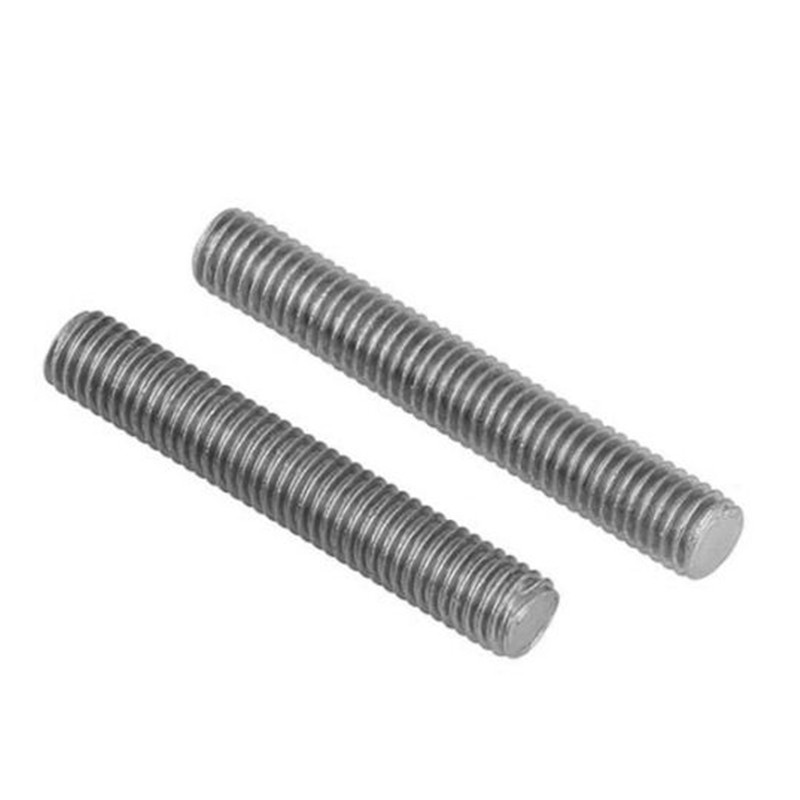
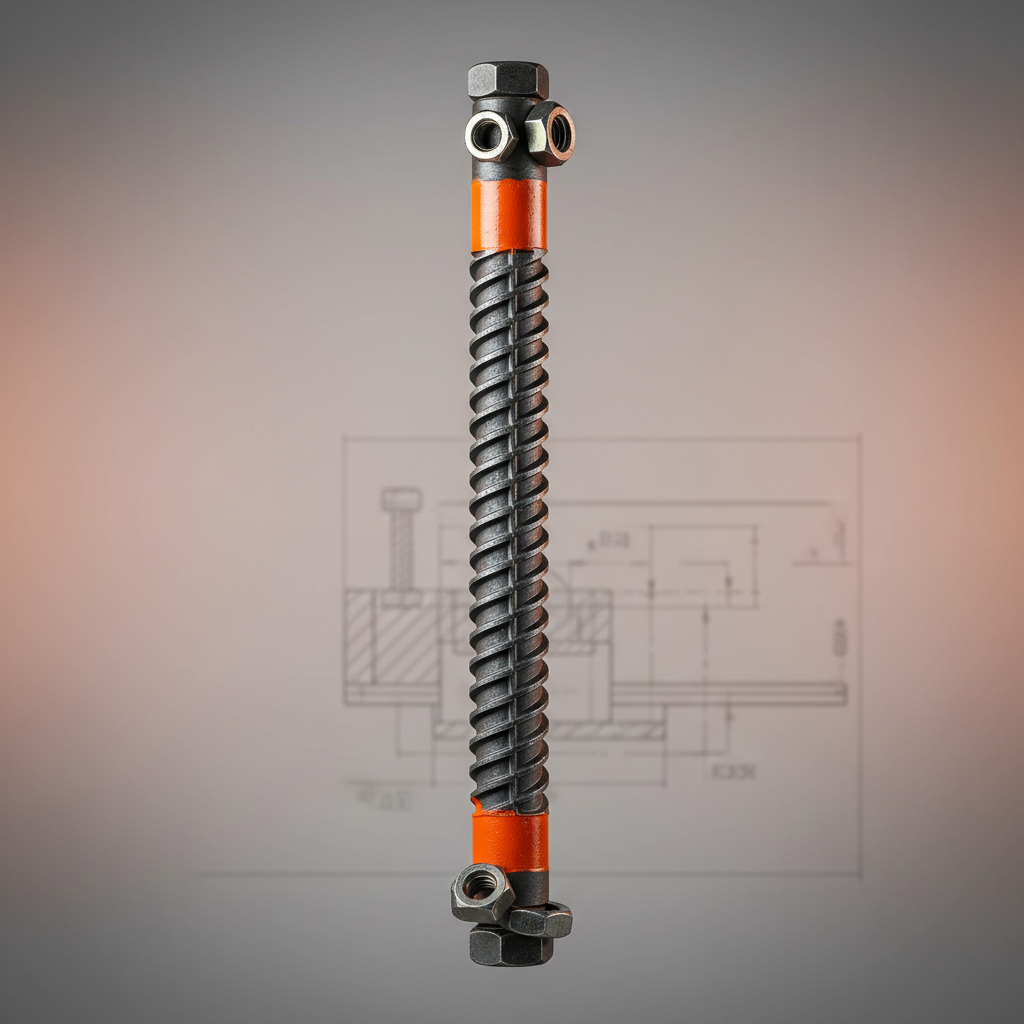
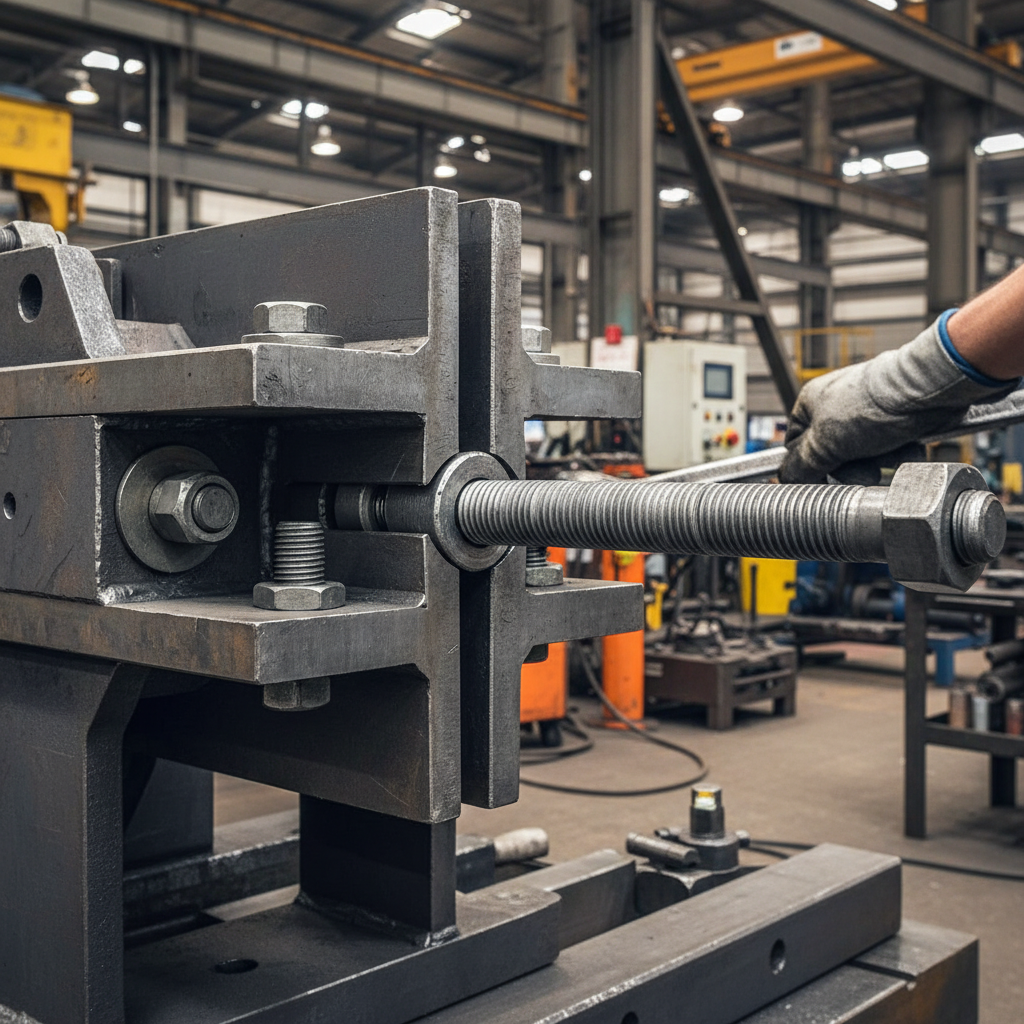
A 1 stainless steel threaded rod is, in simplest terms, a metal rod made from stainless steel with threading running along its length. The "1" typically refers to the diameter — 1 inch — though exact sizing can vary by standard or region. Think of it as a long nut or bolt without a head, designed to be cut to length or used in continuous fastening scenarios. You screw nuts onto it at one or both ends to secure materials tightly together.
It’s a straightforward component but absolutely fundamental to everything from building bridges to manufacturing machinery. Its corrosion resistance sets it apart, making it ideal for environments where rust could compromise safety — outdoor construction, marine applications, or chemical processing plants, for example.
Mini Takeaway:
- Stainless steel rods are threaded metal bars used as versatile fasteners.
- The “1” typically indicates a 1-inch diameter size.
- They connect and secure components in industrial and humanitarian projects alike.
Key Factors to Know About 1 Stainless Steel Threaded Rod
1. Durability
Stainless steel’s main claim to fame is its durability. It resists rust, corrosion, and harsh chemicals much better than traditional steel. This means rods made from 304 or 316 stainless steel grades last longer, reducing maintenance frequency and costs — a big deal in remote or hard-to-access environments.
2. Strength
Despite its smooth appearance, a 1 stainless steel threaded rod packs serious tensile strength. This strength supports heavy loads and withstands vibrations and environmental stresses. Engineers often turn to it when structural integrity is non-negotiable.
3. Versatility
These rods aren’t just for one thing. Use them in scaffolding, automotive chassis, electrical panels, or large-scale machinery. Plus, the threading allows flexible length customization by cutting rods on-site, which is handy for rapid deployment in disaster zones or evolving industrial needs.
4. Cost Efficiency
While stainless steel rods cost more upfront than plain steel, their longevity and low maintenance typically justify the investment. When failures or rust are expensive or dangerous, the cost premium is worthwhile.
5. Eco-Friendliness
Stainless steel is 100% recyclable, meaning rods can be repurposed or melted down at the end of their lifecycle without environmental harm. This aligns well with growing sustainability standards across industries.
Mini Takeaway:
- Durability and corrosion resistance reduce replacement and repair costs.
- Strength supports critical load-bearing applications.
- Versatility allows tailored solutions for varied industries.
- Eco-friendly attributes appeal to sustainable engineering practices.
Technical Specifications of Typical 1 Stainless Steel Threaded Rod
| Specification | Details |
|---|---|
| Diameter | 1 inch (25.4 mm) |
| Material | Stainless Steel Grade 304 or 316 |
| Thread Pitch | UNC 8-threads per inch / Metric varies |
| Tensile Strength | 75,000 - 85,000 psi (approx.) |
| Length | Standard lengths: 1m, 2m, or custom cut |
| Finish | Polished, brushed, or passivated |
Leading Vendors Compared
| Vendor | Material Grades | Customization | Delivery Time | Pricing |
|---|---|---|---|---|
| SteelFab Solutions | 304, 316, Duplex | Custom lengths & threading | 1-2 weeks | Mid-range |
| Global Rod Co. | 304 standard | Limited | 3-5 days | Premium |
| EcoMetal Threads | 316L Eco-Friendly | Bespoke eco grades | 2-3 weeks | Higher-end |
Global Applications & Use Cases of Stainless Steel Threaded Rods
From the sprawling skyscrapers of Dubai to the offshore oil rigs in the North Sea, the 1 stainless steel threaded rod finds itself at the intersection of strength and longevity. You’ll find it critical in building HVAC systems, renewable energy turbines, and even precision instruments.
In humanitarian contexts, NGOs and disaster-response agencies lean on these rods when assembling rapid-deployment shelters that need to withstand wind, rain, and time. For example, during the rebuilding efforts post-typhoon in Southeast Asia, many relief structures incorporated stainless steel threaded rods to enhance safety and longevity.
Parts manufacturers in automotive and aerospace sectors also rely heavily on these rods due to exacting standards for strength and corrosion resistance — both vital for passenger safety and durability.
Mini Takeaway:
- Used globally across construction, energy, automotive, and humanitarian projects.
- Key component in rapid response housing and infrastructure rebuilds.
- Preferred for applications demanding high strength and environmental resistance.
Advantages & Long-Term Value
The tangible benefits of incorporating a high-quality 1 stainless steel threaded rod include:
- Cost Savings: Though pricier upfront, lower maintenance and replacement costs make them worthwhile.
- Sustainability: Its recyclable nature supports the circular economy.
- Reliability: Maintains performance even in extreme environmental conditions.
- Safety & Trust: Users feel confident relying on proven materials that won’t fail unexpectedly.
Emotionally speaking, it’s reassuring to pick a component known for robustness, something your team or community can depend on. In a way, it’s about dignity — building and living in spaces that don’t have to compromise on safety or quality.
Future Trends & Innovations
What’s fascinating is how innovation continues in this "simple" piece of metal. Advances in automated threading machinery are improving precision and speeding manufacturing. There’s also ongoing research into new stainless steel alloys offering even better corrosion resistance with lower environmental impact.
Moreover, green energy sectors are increasingly demanding stainless steel rods that can endure offshore wind turbine conditions or solar panel infrastructure with minimal environmental footprint. Digital tracking of material batches supports quality control and sustainability reporting, too.
Challenges & Solutions
Not everything’s perfect, though. One challenge lies in the logistics of shipping heavy rods globally, which can be costly and energy-intensive. Another limitation is the difficulty some users experience in correctly specifying the grade or length, leading to mismatched parts that cause downtime or replacement headaches.
Solutions? Many vendors now offer detailed specification support — even online configurators — to help clients get precisely what their unique project requires. Advances in lightweight composites combined with stainless steel hybrid rods could emerge as a solution to shipping weight issues in the near future.
FAQ: Frequently Asked Questions About 1 Stainless Steel Threaded Rod
Q: How do I know if a 1 stainless steel threaded rod is suitable for outdoor applications?
A: Stainless steel grades like 316 with molybdenum offer excellent corrosion resistance against weather and saltwater, making them ideal outdoors. Always confirm grade specifications and local environmental factors.
Q: Can these rods be cut to custom lengths on-site?
A: Yes, one of the benefits is ease of onsite customization by cutting and threading, allowing flexible installation without waste.
Q: Are 1 stainless steel threaded rods recyclable?
A: Absolutely. Stainless steel is 100% recyclable without quality loss, aligning with green building initiatives.
Q: What's the difference between grades 304 and 316?
A: Grade 316 contains added molybdenum for enhanced corrosion resistance, especially in chloride environments — think coastal or chemical exposure.
Q: How do I select a reliable vendor?
A: Look for vendors offering certifications, customization options, and responsive customer support. Industry reputation and lead times matter, too.
Conclusion
In the big picture, the humble 1 stainless steel threaded rod truly is a cornerstone of modern industry and humanitarian efforts alike. It combines strength, longevity, and sustainability in a way that few other fasteners can match. For engineers, project managers, and relief organizations, understanding this component unlocks safer, more cost-effective, and greener construction possibilities.
Feeling inspired to explore more? Visit our website to browse our full range of 1 stainless steel threaded rod products fit for your exact needs.
It feels like one of those things everyone should know about, even if it’s easy to overlook — the kind of detail that separates a good project from a great one.
References
Post time: Dec . 02, 2025 15:50


 English
  Albanian
  Arabic
  Armenian
  Azerbaijani
  Belarusian
  Bosnian
  Bulgarian
  Cebuano
  Corsican
  Czech
Czech  Galician
  Georgian
  Greek
Greek  Hausa
Hausa  Hebrew
  Hungarian
  Igbo
Igbo  Indonesian
  Italian
  Kazakh
  Khmer
Khmer  Korean
  Kurdish
  Kyrgyz
  Lao
Lao  Latin
Latin  Latvian
  Lithuanian
  Malay
Malay  Myanmar
  Nepali
  Polish
  Portuguese
  Russian
  Serbian
  Sesotho
  Shona
Shona  Sindhi
  Spanish
  Tagalog
  Tajik
Tajik  Thai
Thai  Turkish
  Turkmen
  Ukrainian
  Uzbek
Uzbek  Vietnamese
  Yoruba
  Zulu
Zulu