
Understanding the 5 8 Stainless Threaded Rod: A Cornerstone in Modern Construction
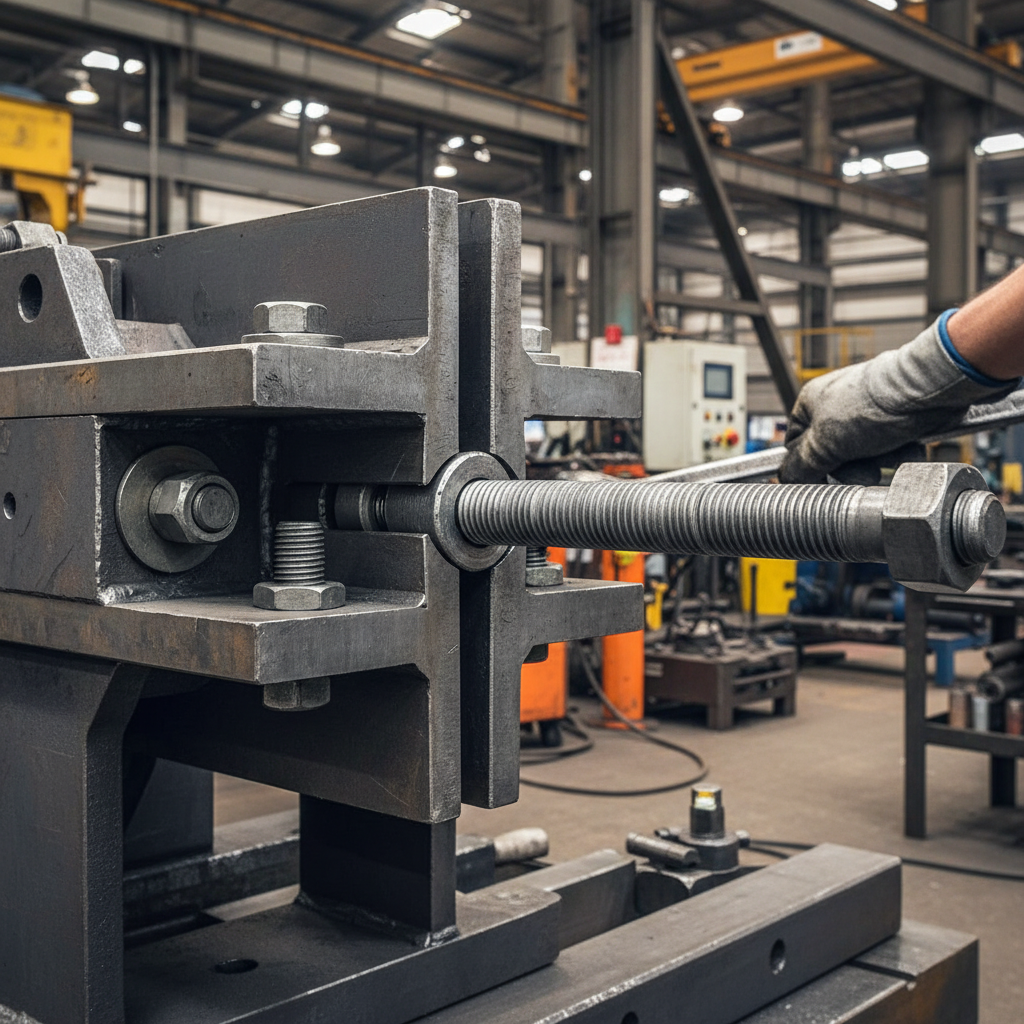
If you’ve ever been near a construction site, chances are you've come across threaded rods—those long, metal bars with spiral grooves running down their lengths. Specifically, the 5 8 stainless threaded rod might not be immediately obvious to the untrained eye, but it quietly plays a pivotal role across industries worldwide. Why does this somewhat unassuming piece of hardware matter? Well, simply put, it ties together vast infrastructures, helps machinery operate smoothly, and supports innovations in everything from maritime installations to disaster relief constructions.
Globally, the demand and usage of 5 8 stainless threaded rods have surged with industrial growth. According to ISO standards, stainless steel fasteners—including threaded rods—account for a significant percentage of components used in structural and mechanical assemblies. The blend of strength, corrosion resistance, and versatility make these rods indispensable. Plus, with a growing emphasis on sustainability and longevity, stainless steel's recyclability aligns well with modern construction needs.
Quick Takeaway:
- 5 8 stainless threaded rods offer critical support in heavy-duty applications worldwide.
- Their durability and corrosion resistance make them especially valuable in demanding environments.
- Understanding their specs and uses helps engineers and procurement teams source the right materials for lasting projects.
The Global Context: Why the 5 8 Stainless Threaded Rod Matters
Fastening systems may not make headlines, but they underpin global infrastructure worth trillions of dollars. The construction and manufacturing industries alone contribute over 13% to the world GDP (World Bank, 2023), and within these, stainless steel fasteners hold a special place. A 5 8 stainless threaded rod—referring to a rod roughly 5/8 inch in diameter—combines size and material properties optimal for many mid-range load-bearing tasks.
One challenge faced worldwide is the longevity of exposed metal parts. Coastal regions, with their salty air, or industrial zones producing corrosive fumes need robust fasteners that won’t degrade quickly. That’s where these rods shine. They combat rust, require minimal maintenance, and facilitate modular assembly methods that save time and money. Oddly enough, their importance is often overshadowed by flashier tech, but the truth is—with bad rods, the whole system falls apart.
What Exactly is a 5 8 Stainless Threaded Rod?
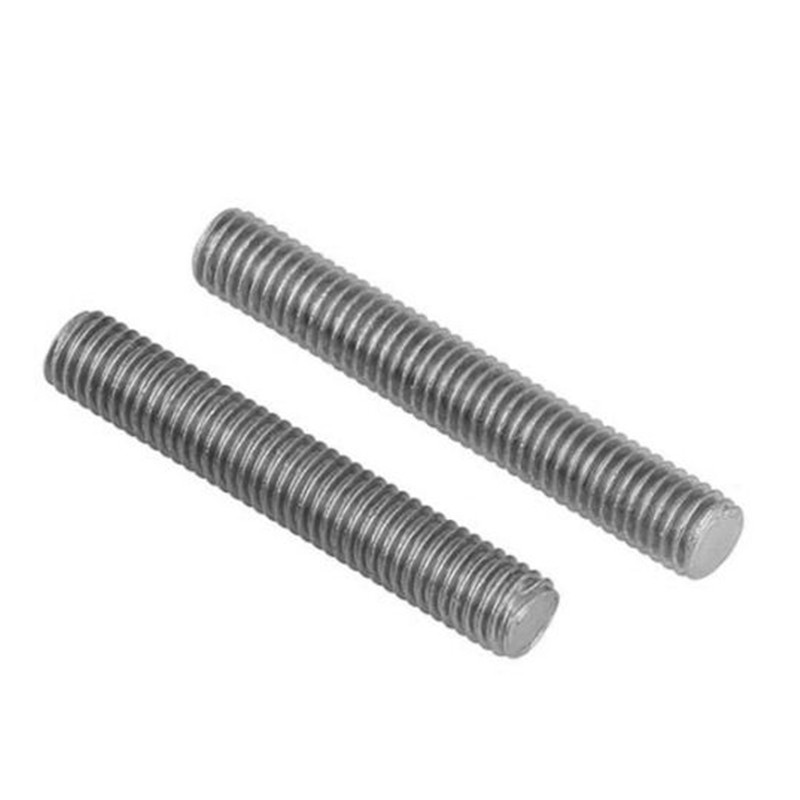
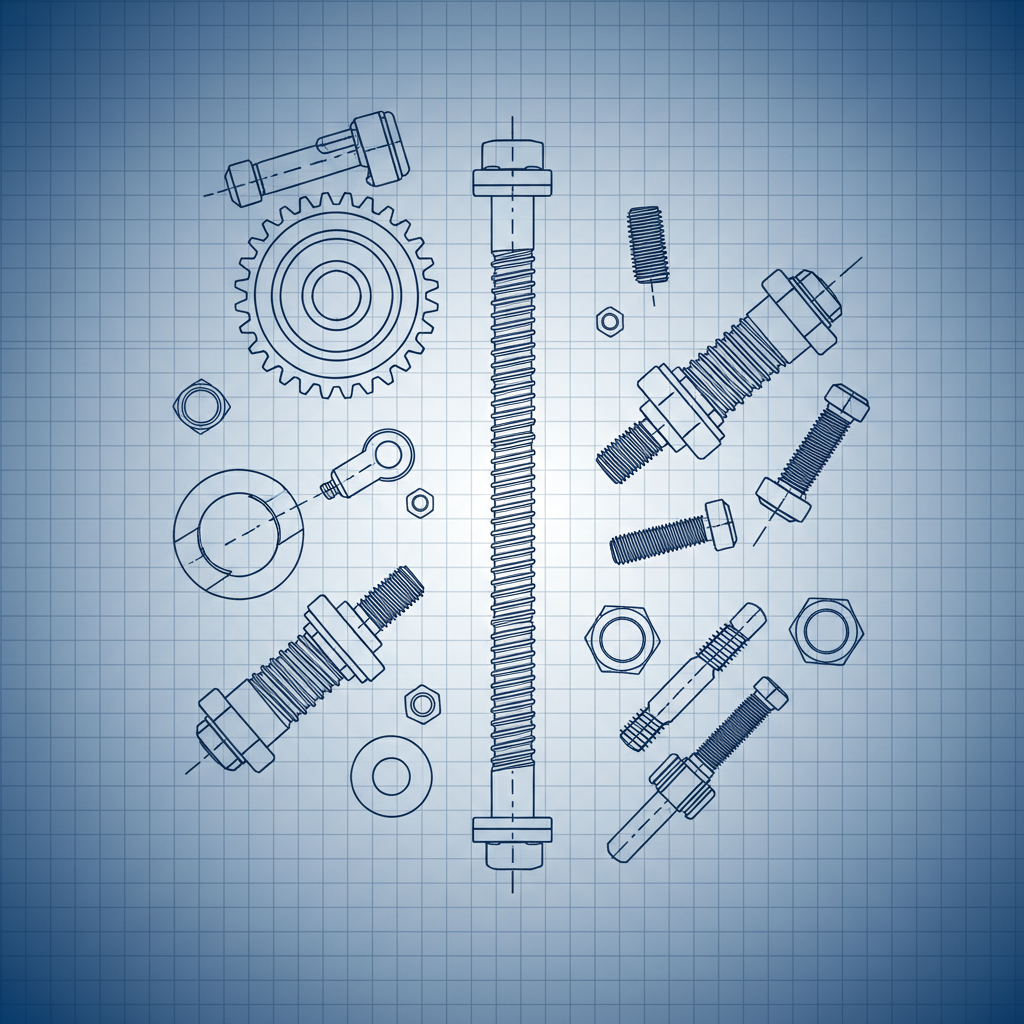
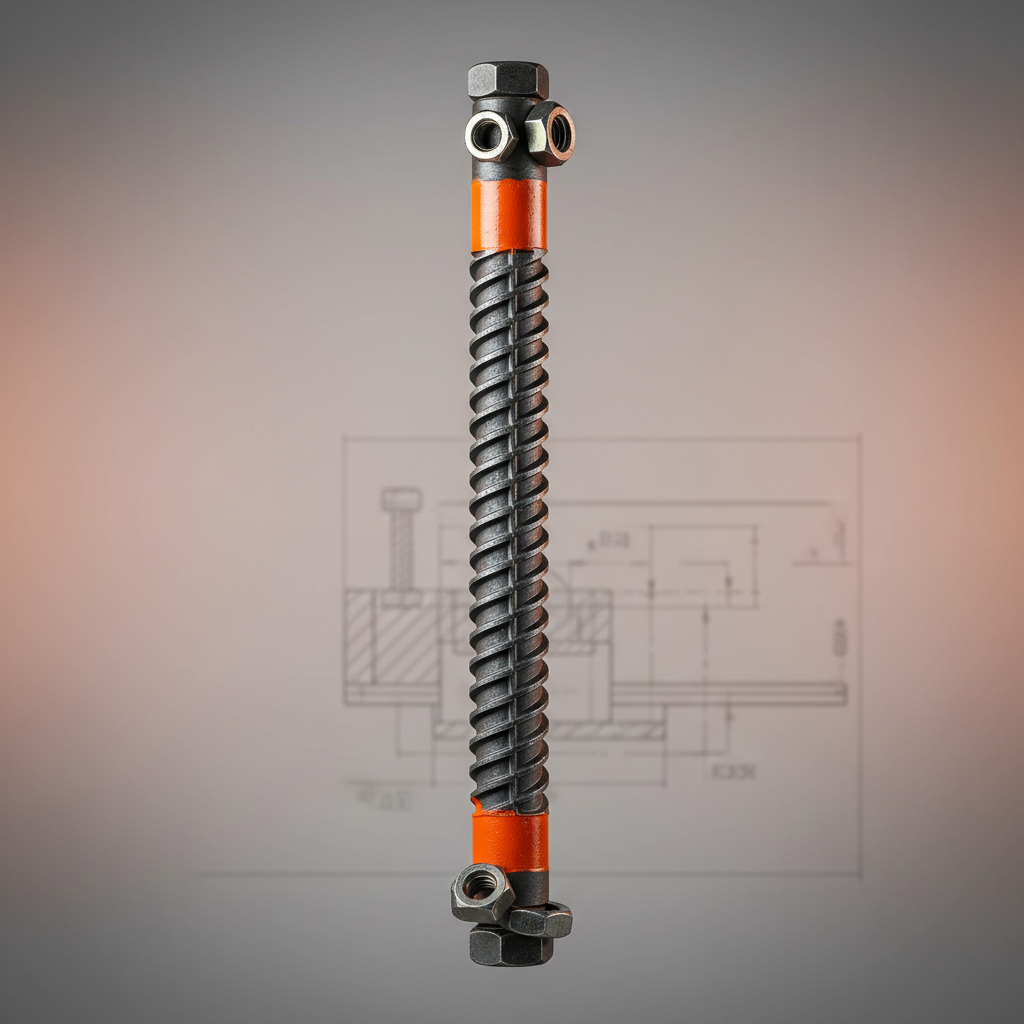
At heart, a threaded rod is a straight metal shaft with threads—but why the “5 8” designation? It means the rod has a nominal diameter of 5/8 inch (approximately 15.875 mm), which strikes a balance between strength and manageability. Made from stainless steel grades like 304 or 316, these rods are crafted to withstand tensile and shear stresses while resisting corrosion.
Think of them as the skeletal muscles of many assemblies: they hold, tighten, and lock components together with precision. Whether in an airplane's framework or a solar panel mount in the Sahara, their presence is essential. And when humanitarian organizations need fast, reliable construction for relief shelters, these rods feature prominently because they’re sturdy but easy enough to handle on-site.
Core Features That Make 5 8 Stainless Threaded Rods Essential
Durability and Corrosion Resistance
Stainless steel alloys like 316 provide exceptional corrosion resistance, especially against chloride-induced environments common near oceans or in chemical plants. This means structures last longer, costs go down in the long run due to reduced replacements or repairs.
Mechanical Strength
The 5 8 diameter balances tensile strength and workable size. They can handle significant loads (typically over 90 ksi tensile strength, depending on grade) without bending or snapping, critical for load-bearing tasks.
Scalability and Customization
The threads along the rod enable easy length adjustments for different applications—cutting and coupling segments together on-site or factory settings.
Cost-Effectiveness
Though stainless steel is pricier upfront compared to carbon steel, the lifecycle cost is lower thanks to durability and reduced maintenance.
Compatibility
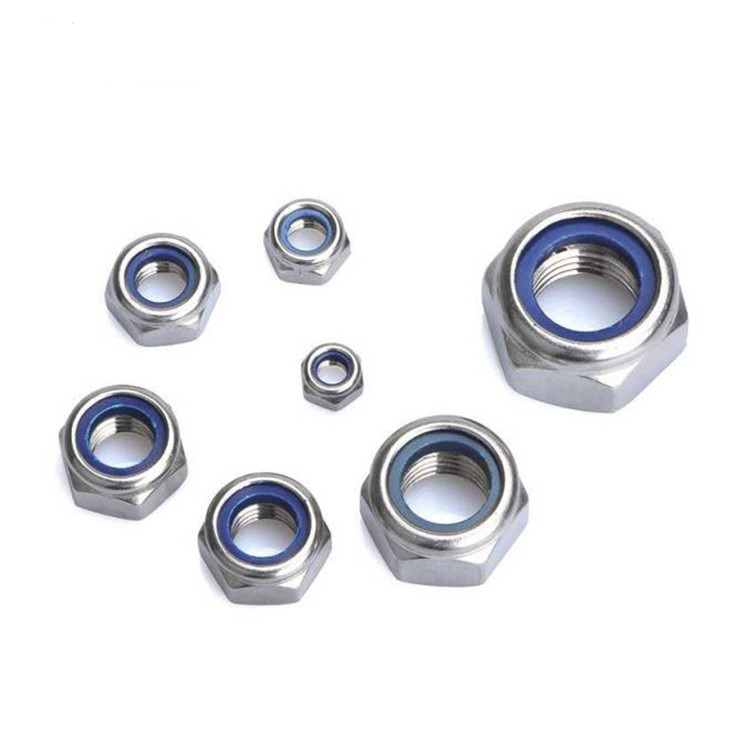
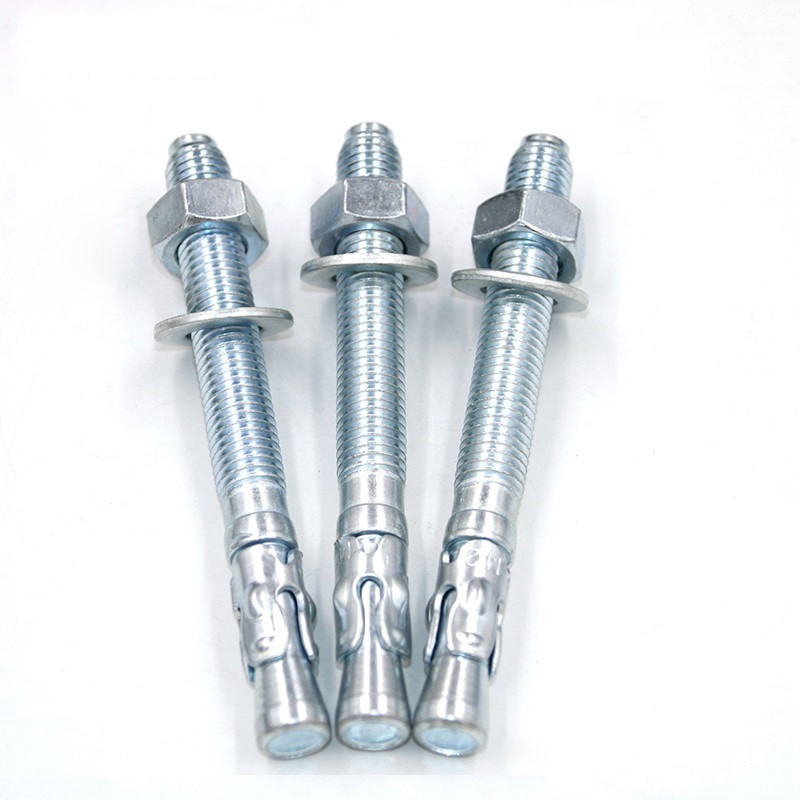
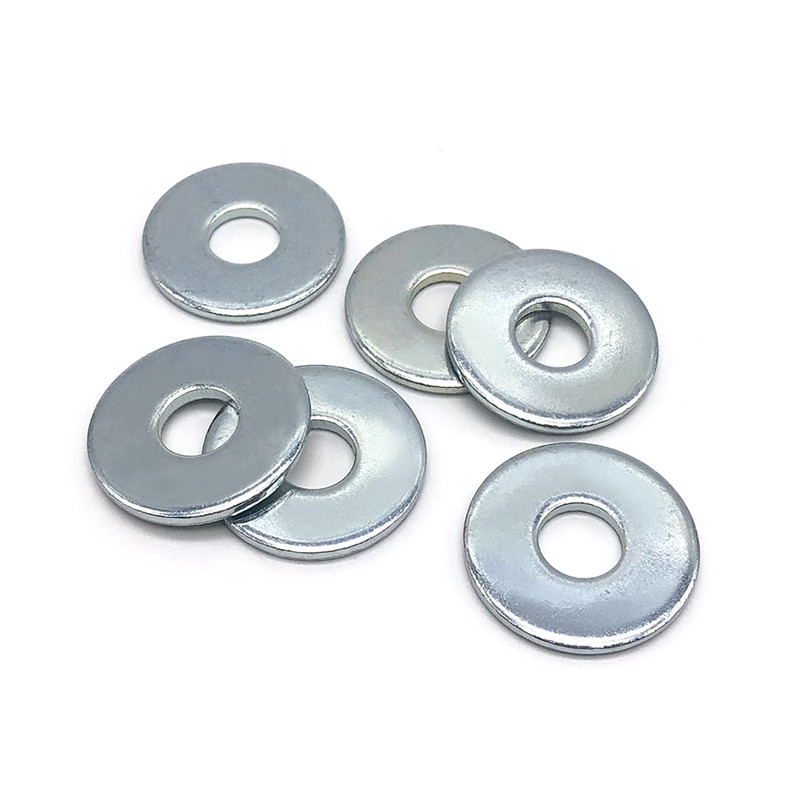
They fit seamlessly with standard nuts, bolts, and washers, minimizing the need for specialized hardware and simplifying procurement.
| Attribute | Value |
|---|---|
| Diameter | 5/8 inch (15.875 mm) |
| Material Grades | 304, 316 Stainless Steel |
| Length | Customizable (Typically 1–6 meters) |
| Thread Type | Unified National Coarse (UNC) or Unified National Fine (UNF) |
| Tensile Strength | Approximately 90,000 psi (depending on grade) |
Real-World Applications of 5 8 Stainless Threaded Rods
- Infrastructure Projects: Bridges, railways, and tunnels use these rods for anchoring and reinforcement.
- Marine Industry: Boat building and dock assembly rely heavily on corrosion-resistant rods to endure saltwater exposure.
- Renewable Energy: Wind turbines and solar panel mounting systems incorporate stainless rods for reliable load distribution.
- Disaster Relief Efforts: NGOs implement fast assembly of shelter units using 5 8 stainless threaded rods for quick, sturdy construction in remote or damaged sites.
Places like Southeast Asia and the Gulf Coast particularly benefit because the rods withstand harsh weather and humidity better than other fasteners.
Vendor Comparison: Stainless Threaded Rod Suppliers
| Vendor | Material Options | Lead Time | Price Range | Customization |
|---|---|---|---|---|
| SteelPro Fasteners | 304, 316 | 2 weeks | $$ | Cut-to-length, threading options |
| Global Rods Inc. | 304 only | 1 week | $ | Standard lengths only |
| MarineFix Solutions | 316, Duplex | 3 weeks | $$$ | Custom threading, finish options |
Advantages & Long-Term Value of Using 5 8 Stainless Threaded Rods
The lasting appeal of these rods isn’t just a technical footnote. They offer tangible benefits that project managers, engineers, and end-users can appreciate deeply:
- Reliability: Fewer failures mean enhanced safety on-site and throughout a structure’s lifetime.
- Cost Savings: Though pricier initially, they reduce downtime and replacements.
- Environmental Sustainability: Stainless steel’s recyclability aligns with green building mandates.
- Peace of Mind: Knowing the build won’t quickly degrade adds confidence for all stakeholders.
Looking Forward: Innovations Shaping the Future of Stainless Threaded Rods
It’s an exciting time, frankly. Emerging alloys that combine lighter weight with equal or better corrosion resistance are in development. Additive manufacturing (3D metal printing) may soon allow on-demand, site-specific threaded rods with unique geometries or embedded sensors to monitor strain and stress in real-time. Digitally integrated supply chains will also lower lead times further.
Also, sustainability continues to push demand for rods with lower carbon footprints, encouraging manufacturers to improve recycling rates and innovate with recycled stainless steel blends.
Challenges and Forward-Thinking Solutions
Not all is smooth sailing. A common issue is the supply chain delays for specialty alloys like 316 or Duplex stainless steel, especially when demand spikes unexpectedly. Also, cutting and threading on-site can introduce risks of damage or incorrect sizing if workers aren’t trained. To tackle this, many firms now emphasize pre-fabrication and training, and software improvements help optimize inventory and orders.
FAQ: Your Questions About 5 8 Stainless Threaded Rod, Answered
- Q: Can I use 5 8 stainless threaded rods in outdoor marine environments?
- A: Absolutely. Especially grade 316 stainless steel rods resist saltwater corrosion and are preferred for marine applications to ensure long service life.
- Q: How do I choose between UNC and UNF threading for these rods?
- UNC (Unified National Coarse) threads are more common and easier to handle in the field, ideal for general construction. UNF (Fine) threads offer better tensile strength and are preferred in precision applications.
- Q: Are these rods suitable for structural seismic applications?
- Yes, their tensile strength and ductility make them suitable when specified correctly, but always refer to structural codes and professional engineers’ advice for seismic projects.
- Q: What’s the expected lifespan of a 5 8 stainless threaded rod in harsh environments?
- Typically 20–50 years depending on grade and exposure. Regular inspections are recommended in extreme conditions.
Conclusion: Why the 5 8 Stainless Threaded Rod is an Investment in Durability and Trust
Stainless threaded rods sized 5 8 inch might not grab headlines, but they quietly secure the backbone of countless projects around the world. Their resilience, versatility, and alignment with modern sustainability ideals make them invaluable today and for decades to come. For engineers, builders, and even humanitarian agencies, these rods provide peace of mind and tangible value.
If you’re ready to explore options or need more details, I highly recommend visiting 5 8 stainless threaded rod suppliers — they’ll help you optimize your projects with quality materials and expert guidance.
Just a small piece of metal, but the impact is huge.
References
Post time: Dec . 02, 2025 15:22


 English
  Albanian
  Arabic
  Armenian
  Azerbaijani
  Belarusian
  Bosnian
  Bulgarian
  Cebuano
  Corsican
  Czech
Czech  Galician
  Georgian
  Greek
Greek  Hausa
Hausa  Hebrew
  Hungarian
  Igbo
Igbo  Indonesian
  Italian
  Kazakh
  Khmer
Khmer  Korean
  Kurdish
  Kyrgyz
  Lao
Lao  Latin
Latin  Latvian
  Lithuanian
  Malay
Malay  Myanmar
  Nepali
  Polish
  Portuguese
  Russian
  Serbian
  Sesotho
  Shona
Shona  Sindhi
  Spanish
  Tagalog
  Tajik
Tajik  Thai
Thai  Turkish
  Turkmen
  Ukrainian
  Uzbek
Uzbek  Vietnamese
  Yoruba
  Zulu
Zulu