
Understanding Stainless Steel All Thread 1 2: A Global Perspective
If you’re in construction, manufacturing, or any industry that demands reliable fastening solutions, chances are you’ve bumped into the term stainless steel all thread 1 2. It’s a bit of a mouthful—yet those simple words speak volumes about resilience, versatility, and a tiny but mighty hardware component that holds the world together, quite literally.
Globally, construction and heavy industry are roaring back, with a projected growth rate of over 6% annually according to the International Stainless Steel Forum. The need for fasteners that resist corrosion, maintain strength under pressure, and offer precision in many sizes and designs has never been higher. That’s where stainless steel all thread rods (particularly the 1/2” diameter size) come into play—integral to everything from skyscrapers to bridges, offshore rigs to humanitarian shelters.
Why does this small threaded rod matter on such a big scale? Well, aside from holding structural elements together, stainless steel threads reduce maintenance costs, extend service life, and improve safety in applications exposed to harsh environments—think saltwater, industrial fumes, or humid climates. For engineers and project managers worldwide, understanding this simple product’s specs and use cases can save time, budget, and headaches.
The Basics: What Is Stainless Steel All Thread 1 2?
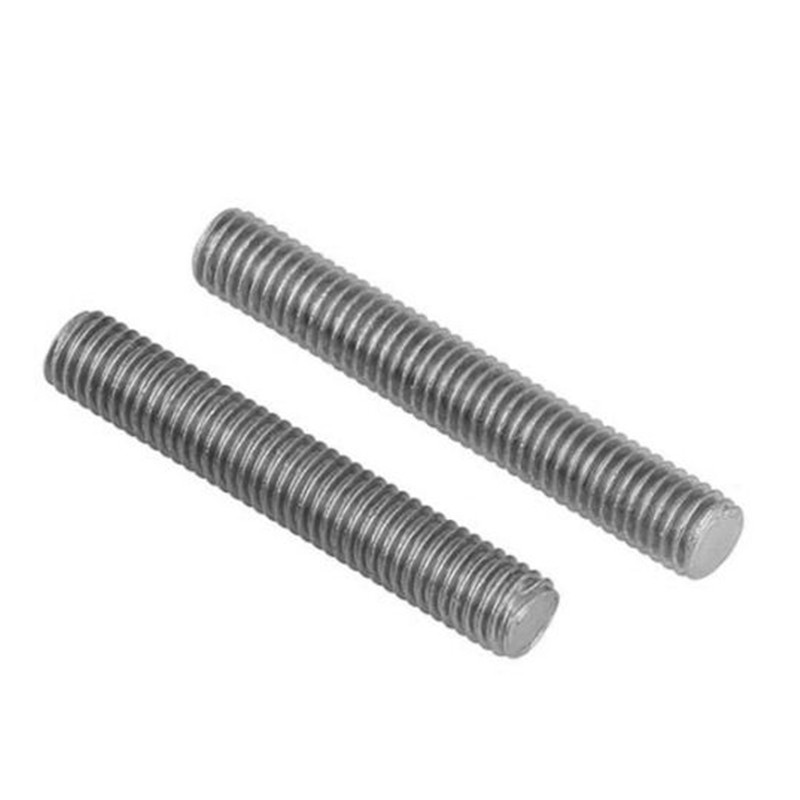
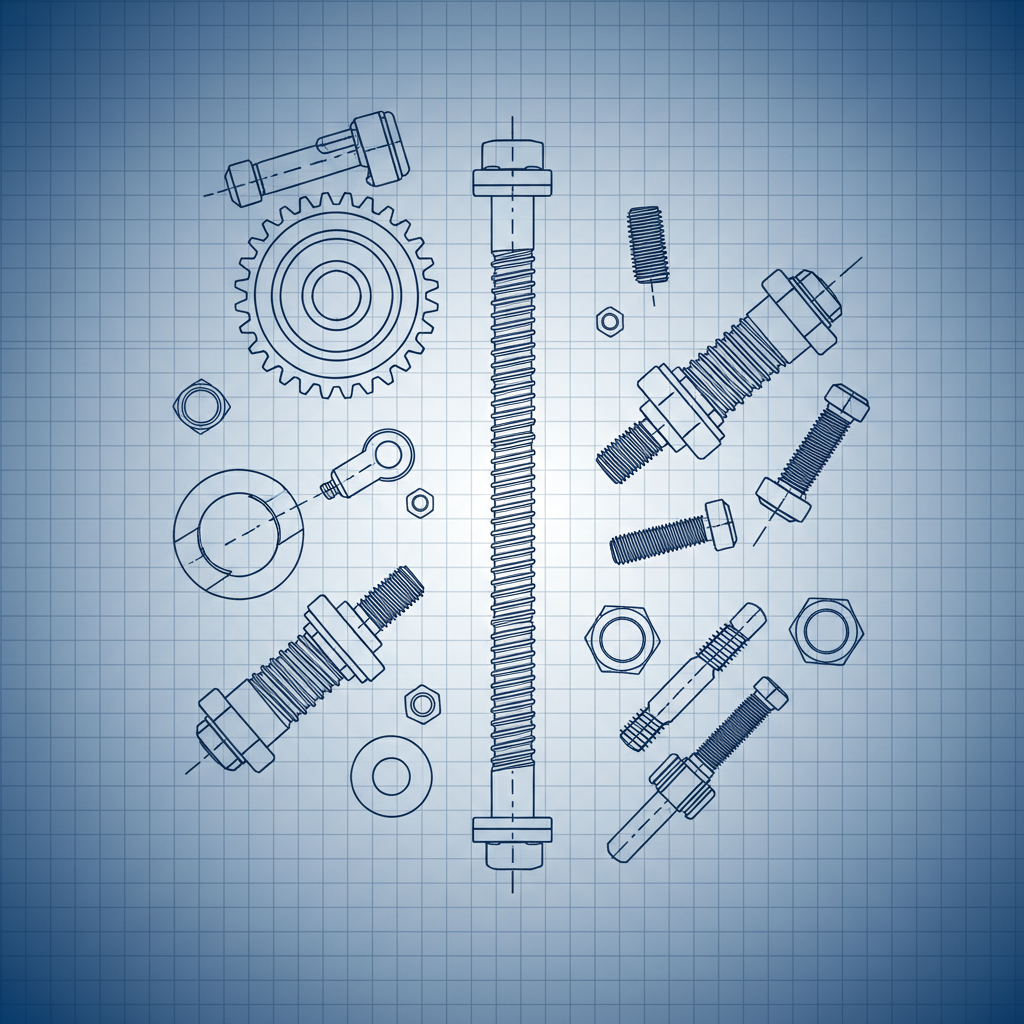
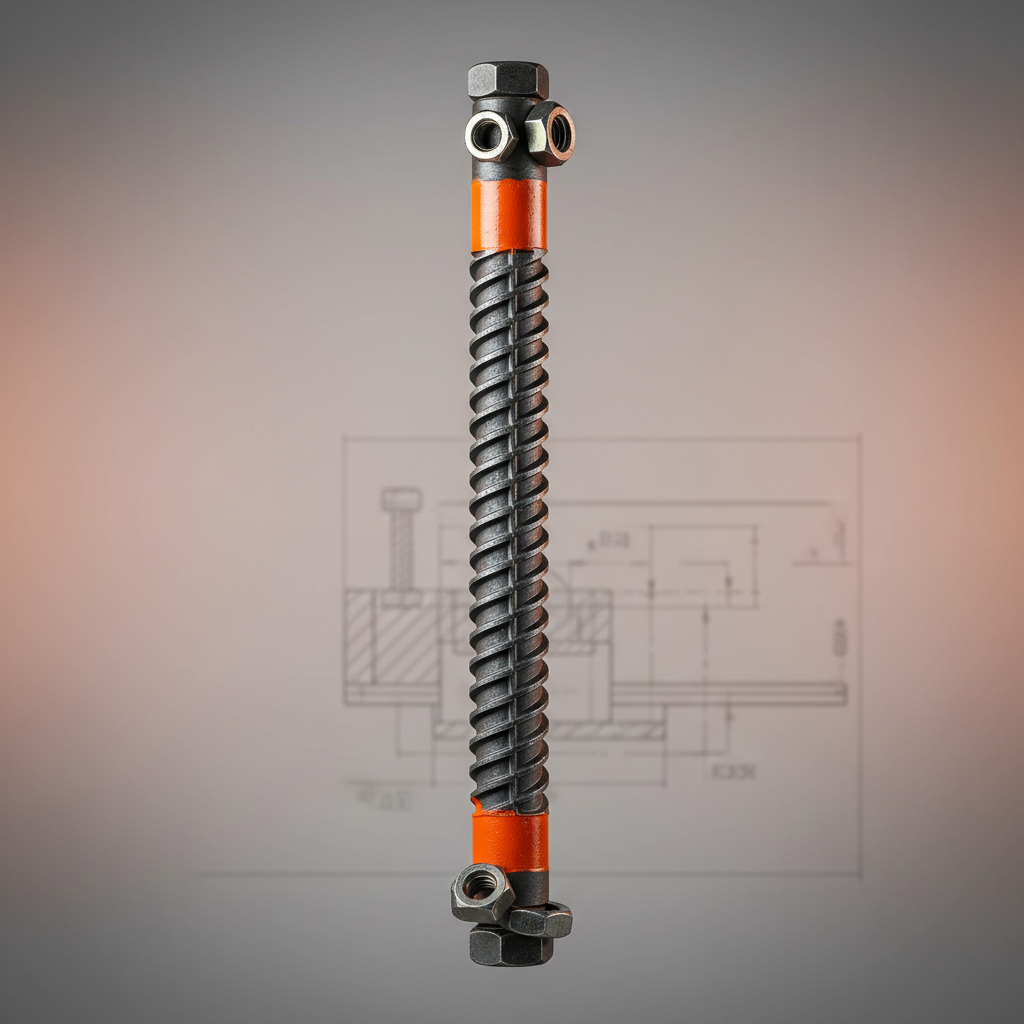
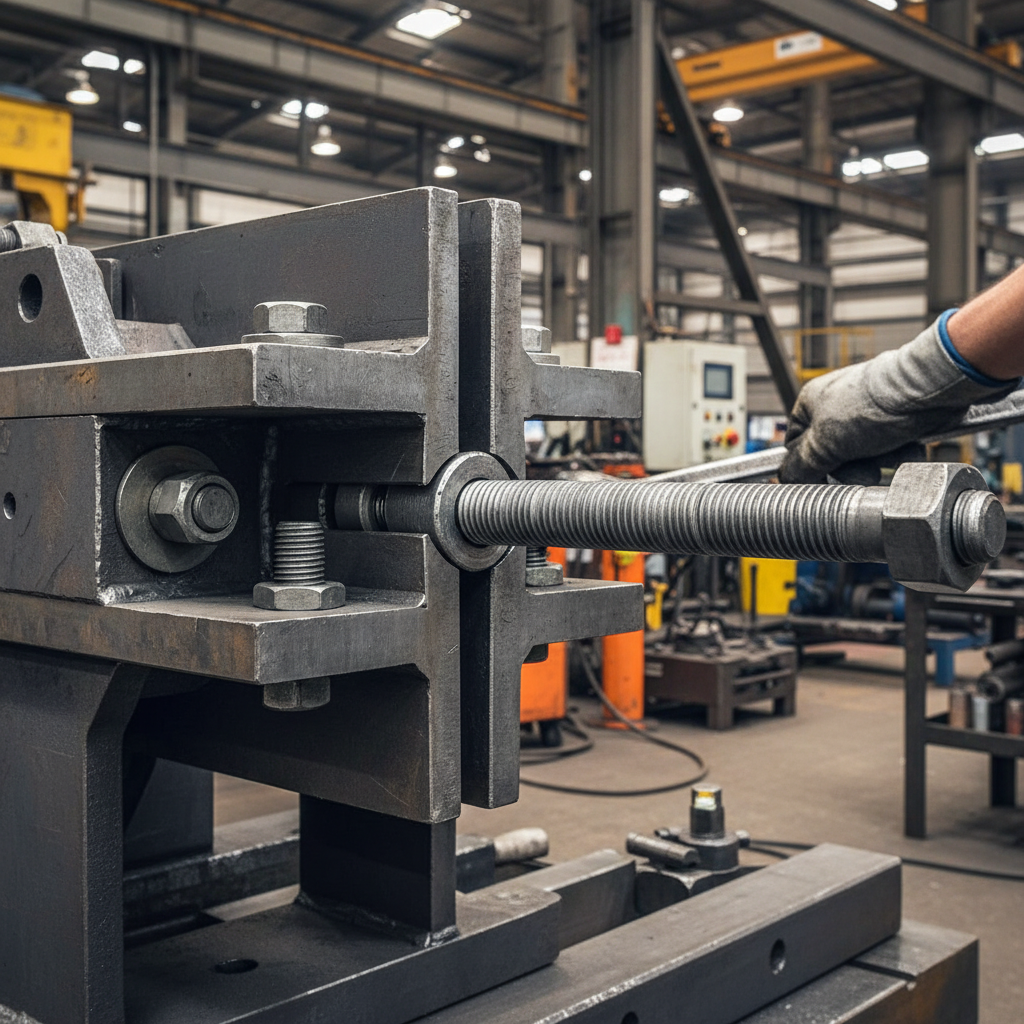
Simply put, a stainless steel all thread 1 2 refers to a fully threaded rod made from stainless steel, with a 1/2 inch diameter. 'All thread' means the threading runs along the entire length, not just the ends. This allows for adjustable fastening with nuts and other fittings along any portion of the rod.
But why stainless steel? Stainless steel is prized for its corrosion resistance, strength, and rigidity. It’s an alloy primarily made of iron, chromium (usually at least 10.5%), and other elements that keep rust and staining at bay. This makes it perfect for critical joints in construction, electrical grounding, and bolting in food and pharmaceutical machinery—basically, anywhere hygiene or durability matters.
If you think about it more broadly, stainless steel all thread rods fit into an essential niche: they enable rapid assembly and disassembly of mechanical or structural parts and offer flexibility in design, unlike fixed or pre-cut bolts.
Key Features Driving Practical Use
Durability and Corrosion Resistance
Stainless steel grades like 304 and 316 offer excellent resistance to oxidation and chemical exposure. This durability means less frequent replacements—crucial in industries like marine construction or chemical plants.
Load-Bearing Capacity and Strength
The 1/2-inch diameter size is a sweet spot that balances strength with manageability. Many engineers swear by it for tension and compression loads in medium-scale structural work.
Versatility & Ease of Customization
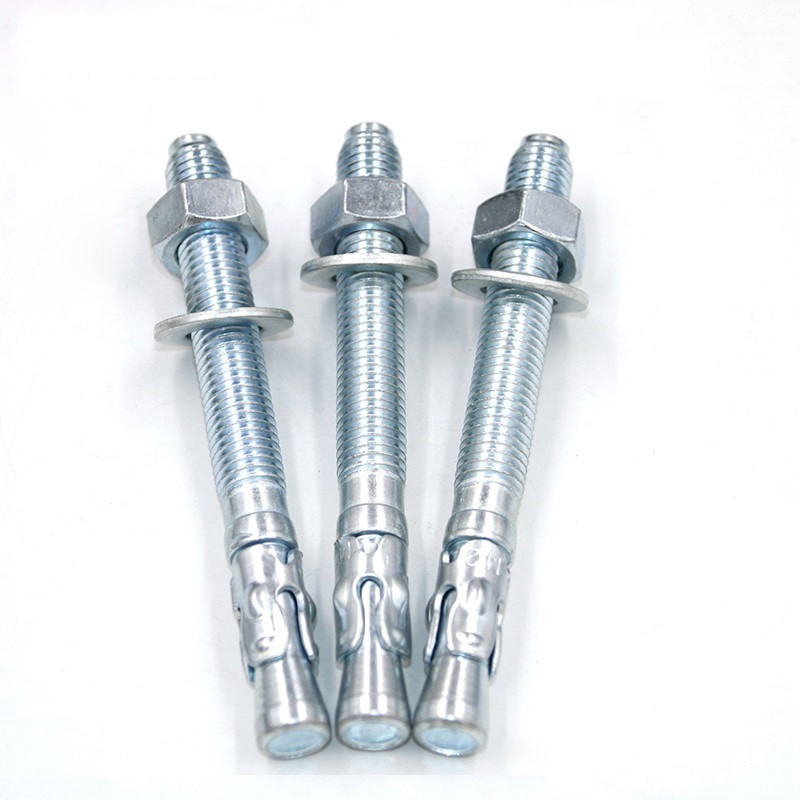
Because the threading runs continuously, these rods are easy to cut to length onsite and combined with various nuts, washers, and anchors. Contractors appreciate this when designs or dimension requirements shift on the fly.
Cost Efficiency Over Time
Although stainless steel all thread rods might initially cost more than carbon steel alternatives, the longer lifespan and lower maintenance translate into better total cost of ownership for most applications.
Environmental Resistance
This includes resistance not just to rust but to temperature swings, UV radiation, and mechanical wear—perfect for outdoor or industrial settings.
Mini Takeaway:
- Stainless steel all thread rods of 1/2 inch diameter combine strength, corrosion resistance, and flexibility.
- These features make them a preferred choice for a wide range of industrial and construction applications.
Where in the World Are These Threads Holding Up?
You might be surprised how international this humble product truly is. Across Asia-Pacific’s booming construction zones, North American industrial plants, and Europe’s meticulous infrastructure projects, stainless steel all thread rods are ubiquitous.
In Southeast Asia, for instance, they’re essential when building flood-resistant homes and modular shelters as climate change fueled extreme weather events become common. In the Middle East, they anchor heavy machinery exposed to desert dust and chemical corrosion. And offshore wind farms in Northern Europe rely heavily on them to withstand salty, stormy seas.
Even humanitarian NGOs use these rods during disaster relief operations for rapid, sturdy temporary structures—no worries about rust compromising vital support beams.
Specifications at a Glance
| Feature | Specification |
|---|---|
| Material Grades | 304, 316 Stainless Steel |
| Diameter | 1/2 inch (12.7 mm) |
| Thread Pitch | 13 TPI (threads per inch), UNC Class 2A |
| Length Range | 1 ft to 12 ft (custom cut available) |
| Tensile Strength | ≥ 75,000 psi (varies by grade) |
| Typical Finish | Mill finish, Passivated surface |
How Do Vendors Stack Up?
Choosing the right supplier can make a huge difference. Price fluctuations, quality control, and delivery timelines are all essential factors. Here’s a quick comparison:
| Vendor | Material Grades Offered | Price per Foot | Delivery Time | Customization |
|---|---|---|---|---|
| Alpha Metals Inc. | 304, 316 | $4.50 | 3-5 days | Yes, cuts & threading |
| Global Thread Solutions | 316 Only | $5.10 | 7-10 days | Standard lengths only |
| SteelWorld Supply | 304, 316, 321 | $4.80 | 2-3 days | Yes, including custom threading |
Practical FAQs About Stainless Steel All Thread 1 2
Q1: Is stainless steel all thread 1 2 suitable for outdoor marine applications?
A: Absolutely. Especially 316 stainless steel versions offer superior corrosion resistance against saltwater and humid environments common in marine settings.
Q2: Can I cut stainless steel all thread rods onsite without losing strength?
A: Yes, one advantage of all-thread rods is their continuous threading, allowing you to cut to any length. Just make sure to protect cut ends properly to prevent corrosion.
Q3: How do stainless steel all thread rods compare cost-wise to carbon steel?
A: Stainless steel rods usually cost more upfront but save money long-term by resisting rust and reducing replacement frequency, especially in harsh environments.
Q4: Can these rods be used in seismic retrofitting projects?
A: Quite often, yes. Their strength, flexibility in length, and corrosion resistance make them suitable for reinforcing older structures vulnerable to earthquakes.
Q5: Where can I find reliable stainless steel all thread 1 2 supply?
A: Look for vendors specializing in stainless steel fasteners, many with online catalogs like stainless steel all thread 1 2 suppliers who offer certifications and quick turnaround.
Looking Ahead: Innovations Shaping Stainless Steel Fastening
New surface treatments and coatings are making stainless steel all thread rods more durable and environmentally friendly. In addition, digital inventory tracking and automated cutting technologies help manufacturers fulfill custom orders with lightning speed.
With global emphasis on sustainable building and green energy projects, the demand for reliable and recyclable fasteners like stainless steel rods is set to keep growing. Frankly, the marriage of traditional metallurgy and modern tech creates exciting opportunities for this seemingly simple product.
Wrapping Up: Why Stainless Steel All Thread 1 2 Deserves Your Attention
So, there you have it—a deep dive into the nuts, bolts, and threads of what makes the stainless steel all thread 1 2 such a crucial component in global industry. It’s less glamorous than a golden bridge or a sleek gadget, but without these threaded rods, construction, infrastructure, and many industrial operations would stumble.
Considering the benefits—durability, ease of customization, cost efficiency, and global versatility—it pays to know your stainless steel all thread rods well. Interested in quality supplies or custom solutions? Visit our website for more details: stainless steel all thread 1 2.
References
Post time: Dec . 01, 2025 07:45


 English
  Albanian
  Arabic
  Armenian
  Azerbaijani
  Belarusian
  Bosnian
  Bulgarian
  Cebuano
  Corsican
  Czech
Czech  Galician
  Georgian
  Greek
Greek  Hausa
Hausa  Hebrew
  Hungarian
  Igbo
Igbo  Indonesian
  Italian
  Kazakh
  Khmer
Khmer  Korean
  Kurdish
  Kyrgyz
  Lao
Lao  Latin
Latin  Latvian
  Lithuanian
  Malay
Malay  Myanmar
  Nepali
  Polish
  Portuguese
  Russian
  Serbian
  Sesotho
  Shona
Shona  Sindhi
  Spanish
  Tagalog
  Tajik
Tajik  Thai
Thai  Turkish
  Turkmen
  Ukrainian
  Uzbek
Uzbek  Vietnamese
  Yoruba
  Zulu
Zulu