
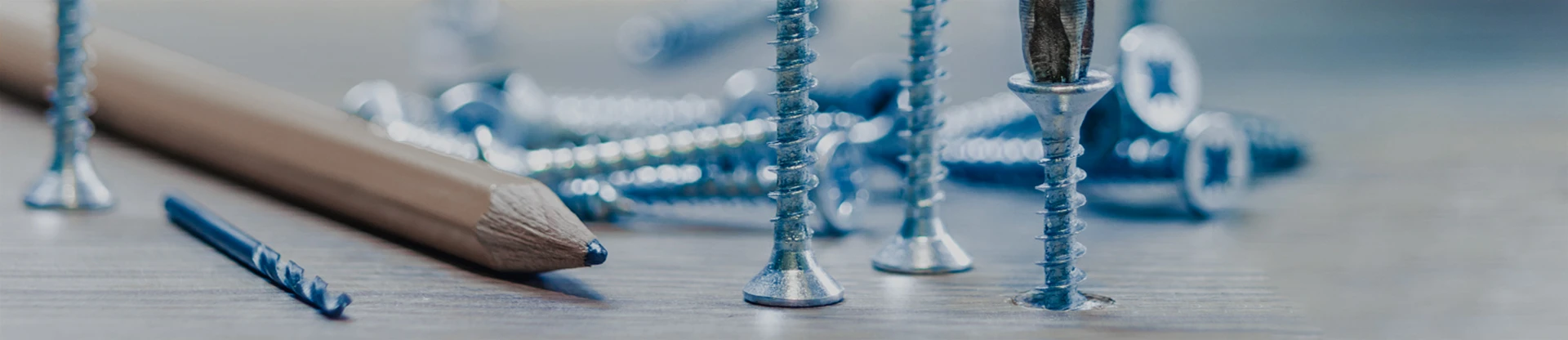
Understanding M8 All Thread: Why It Matters Around the Globe
If you’ve ever looked behind the scenes of construction sites, heavy machinery, or complex manufacturing lines, you’ve likely encountered threaded rods or “all thread” rods — in particular, the ubiquitous m8 all thread. These threaded rods pack a quiet punch, holding things together where no one’s supposed to notice. But why should we care beyond the workshop? Well, as infrastructure expands worldwide, the demand for reliable, durable fasteners like the m8 all thread grows, touching everything from urban high-rises in Asia to humanitarian building projects in Africa.
Understanding the importance and versatile uses of these rods isn’t just for engineers. It’s for anyone curious about the nuts and bolts of global development — because, frankly, no great building or machine functions without something simple yet effective like this. The key benefits include enhanced strength, adaptability, and cost efficiency, making the m8 all thread a small but mighty player in industries that shape our daily life.
The Global Relevance of M8 All Thread in Industry
Let’s frame the m8 all thread in a broader context. According to the United Nations Industrial Development Organization (UNIDO), global manufacturing output has grown over 3% annually in the past decade — a growth reliant on standardized components to ensure safety and efficiency. The m8 all thread, a metric-threaded rod with an 8mm diameter, is a prime example of such standardization.
Construction alone accounts for roughly 13% of global GDP, with fasteners like the m8 all thread playing a subtle role in structural integrity. Yet challenges persist: how to make connections more versatile without driving costs up, or how to retrofit structures quickly in disaster-prone areas? This is where the m8 all thread shines, allowing modular, adjustable assemblies that solve some of these pressing issues.
What Exactly Is M8 All Thread?
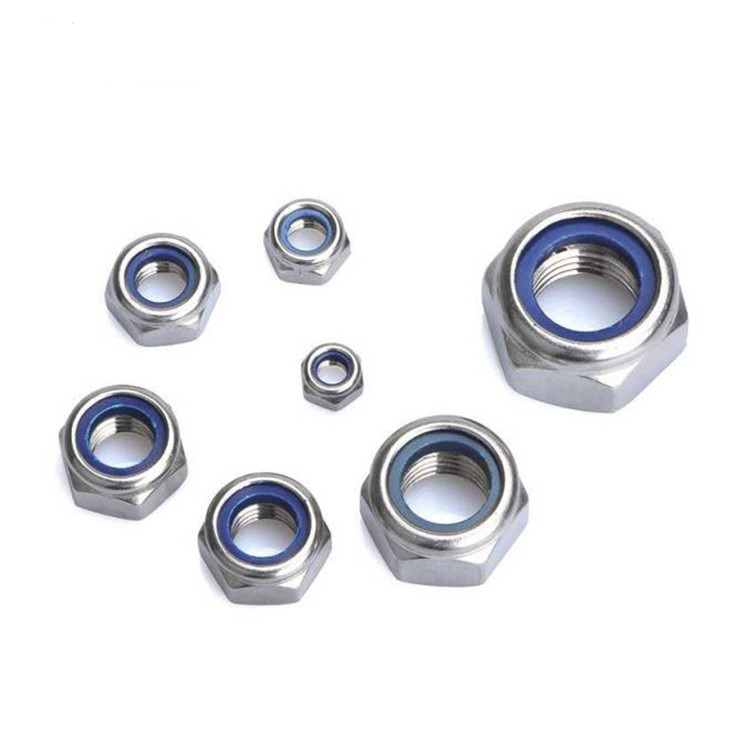
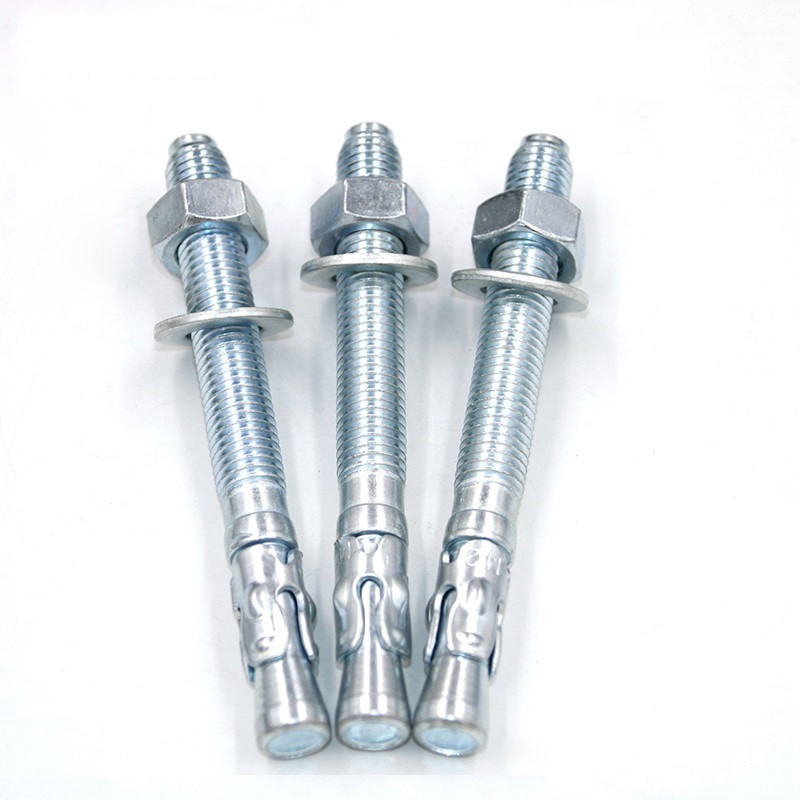
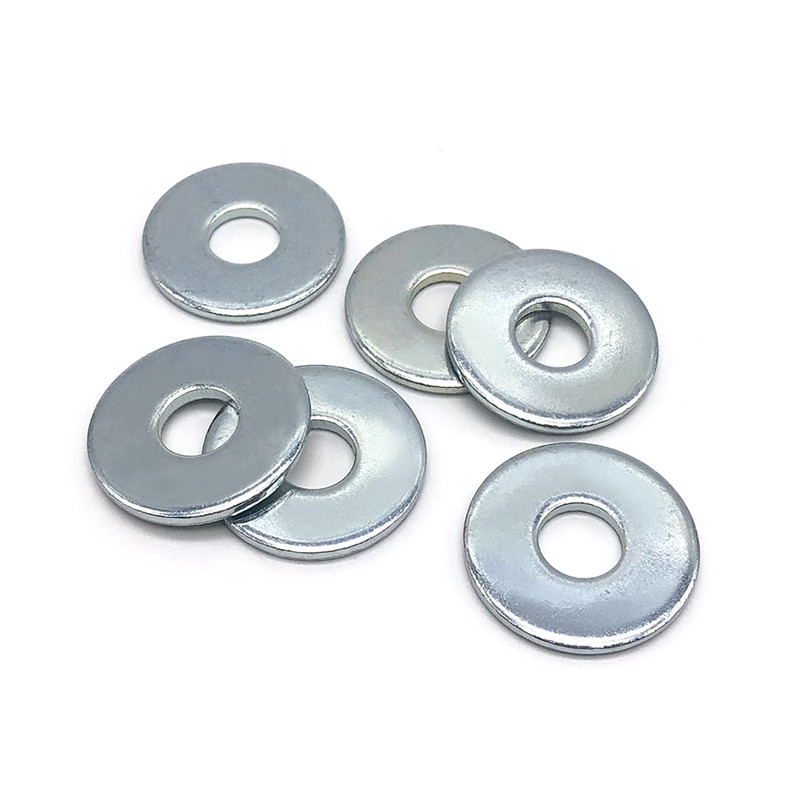
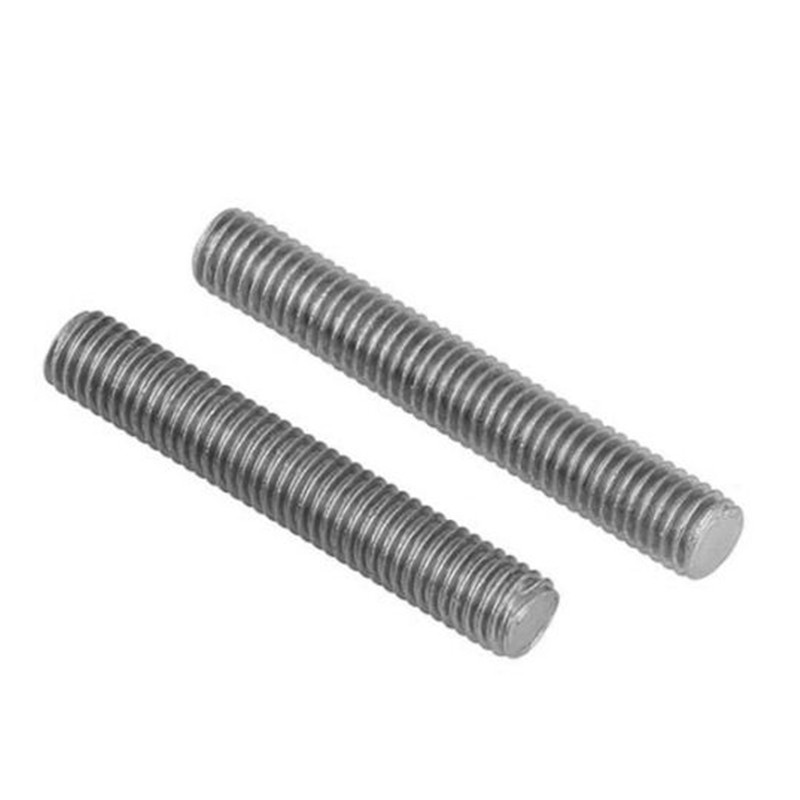
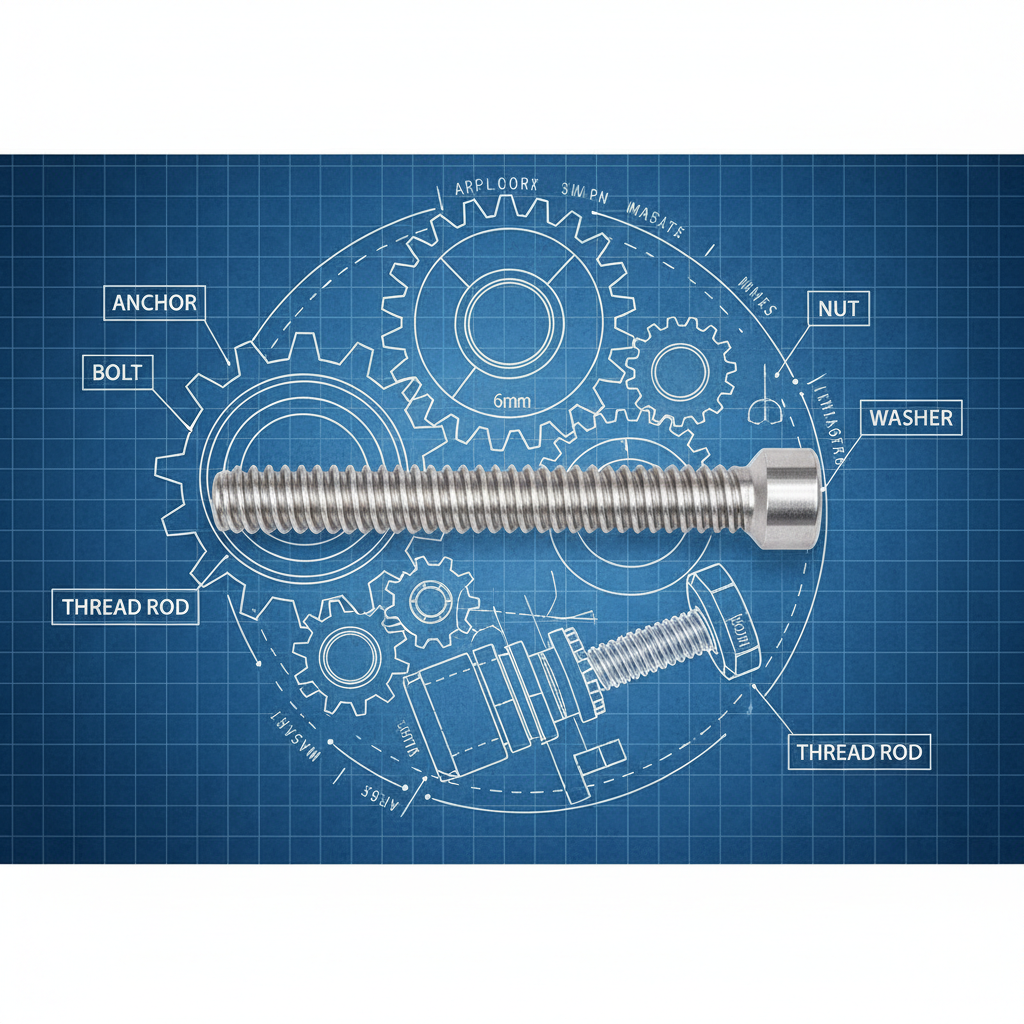
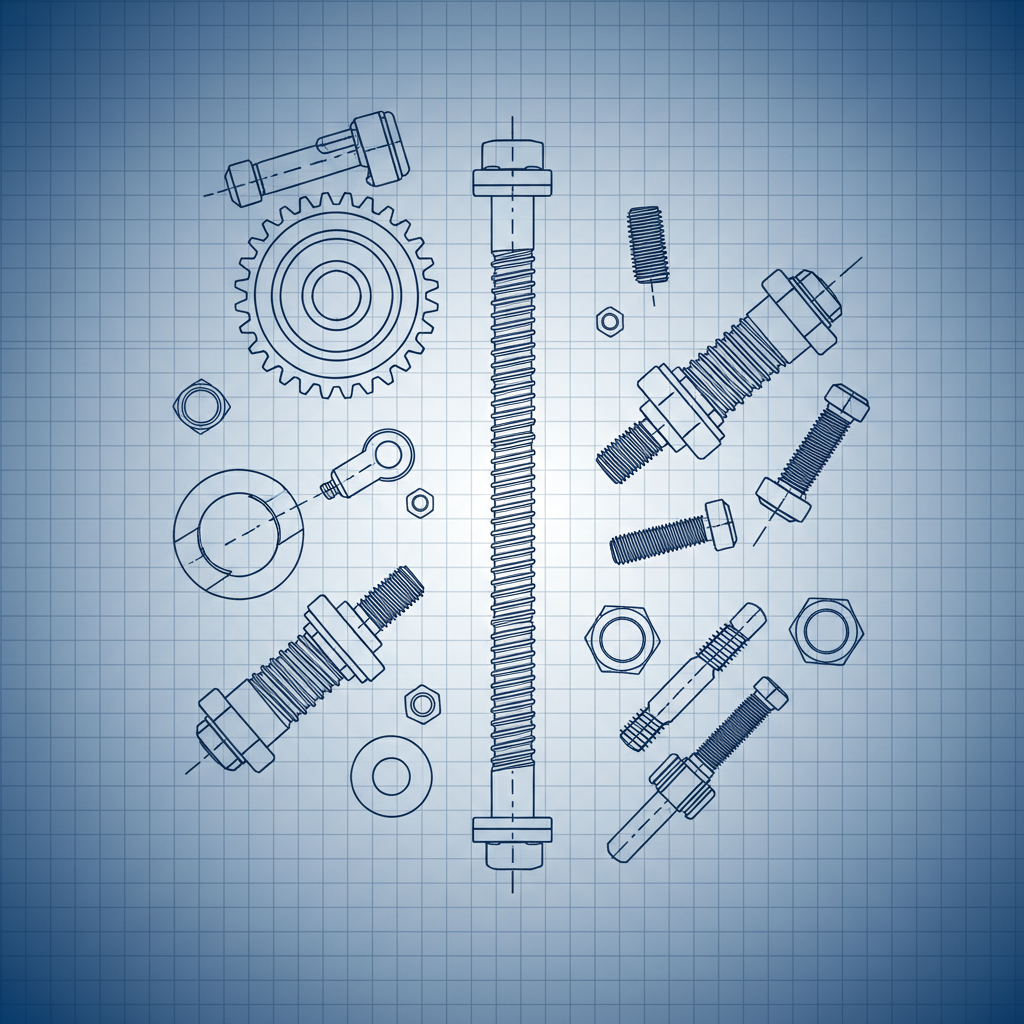
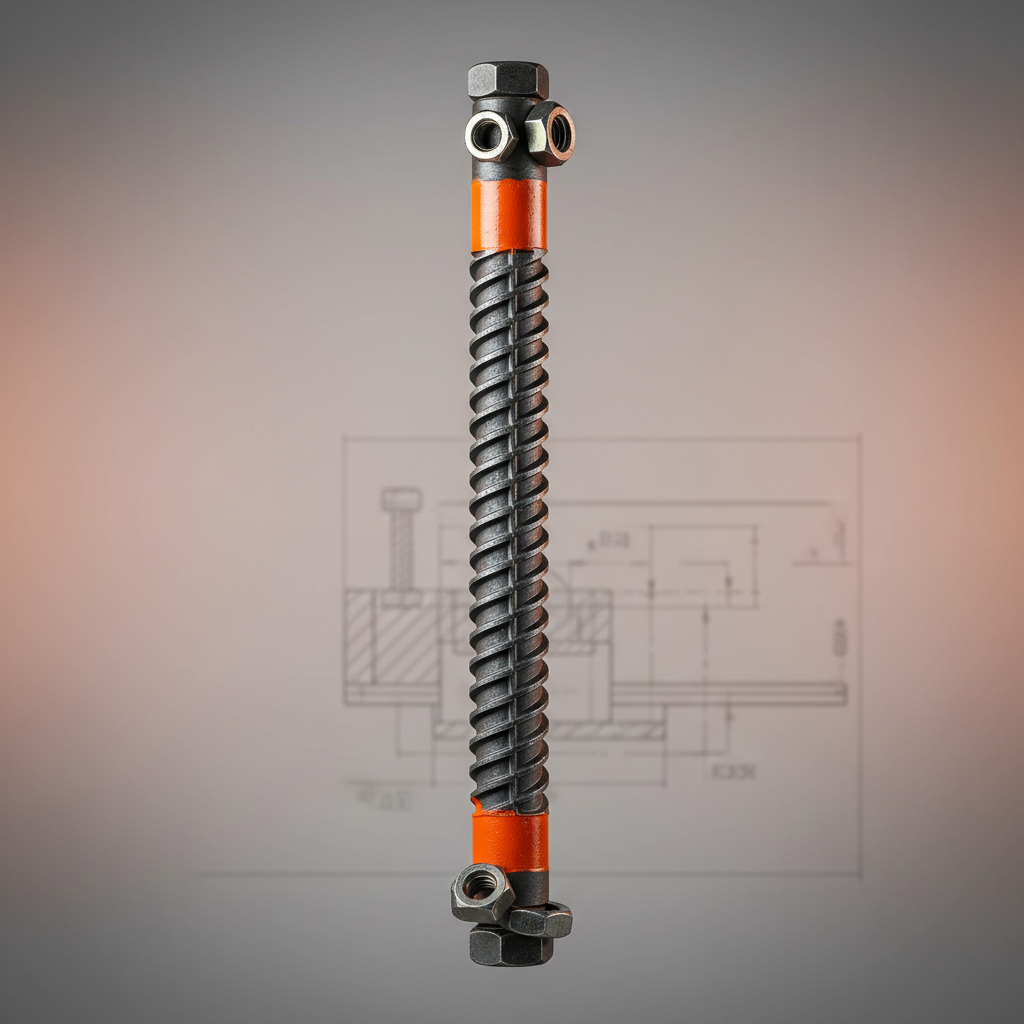
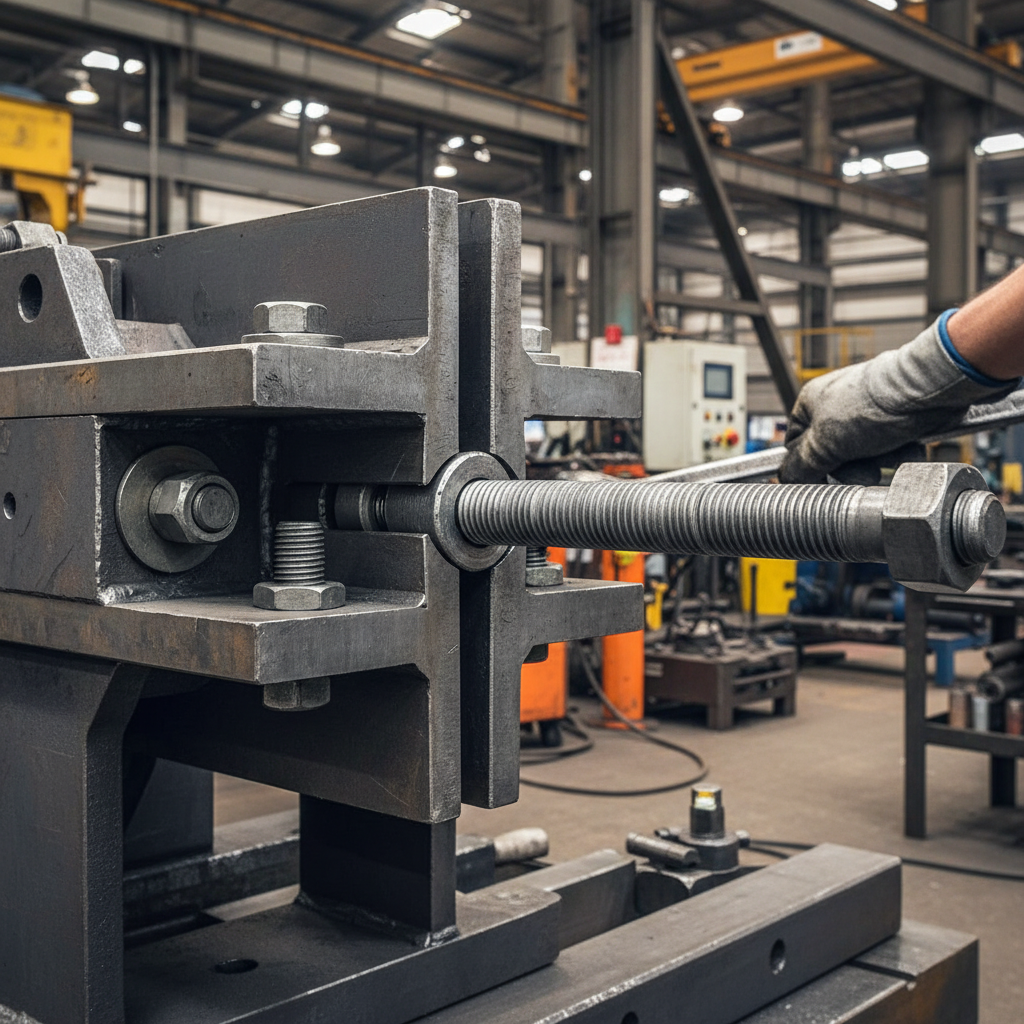
Simply put, an m8 all thread is a metal rod fully threaded along its length, with a metric diameter of 8 millimeters. Unlike bolts, which have a head, all thread rods rely on nuts and washers at either end to clamp material together. This continuous threading offers incredible flexibility — you can cut them down, thread nuts anywhere, or even join multiple components with precision.
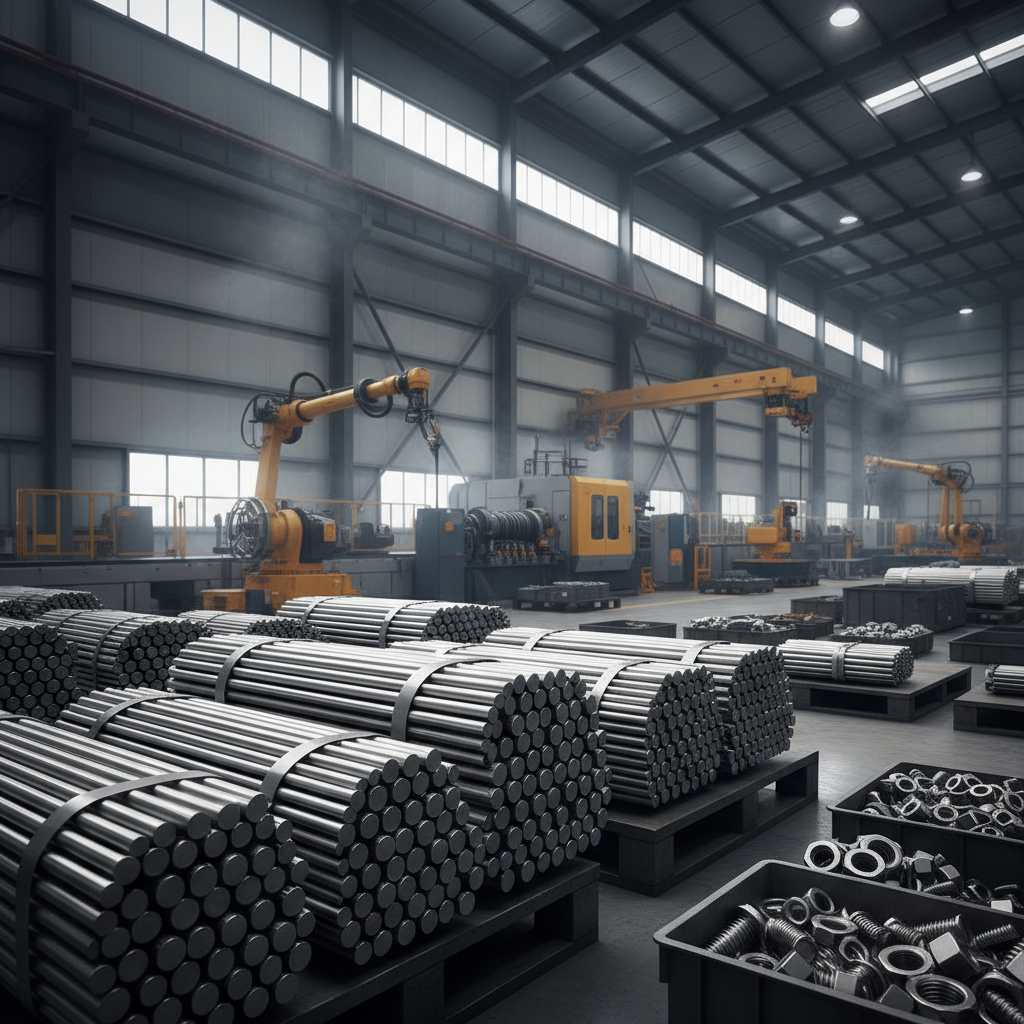
In modern industrial and humanitarian fields, they enable fast assembly and secure connections in everything from machinery bases to emergency housing frameworks. Its universal threading standard means the same rods can be used worldwide, simplifying supply chains and easing maintenance.
Core Components and Factors of M8 All Thread
Durability and Material Composition
Most m8 all threads are made from carbon steel, stainless steel, or galvanized steel — each with specific traits. For instance, stainless steel provides corrosion resistance ideal for outdoor applications, while galvanized steel balances durability and cost. Durability ensures the fastener withstands mechanical stress and environmental conditions.
Scalability and Adaptability
Because these rods come in various lengths and grades, they’re eminently scalable. An engineer in an industrial plant can use a standard m8 all thread to assemble anything from a small piece of equipment to a massive conveyor structure. They’re also easy to modify on-site — cut with a saw or fitted with nuts anywhere along the length.
Cost Efficiency
Compared to custom parts, m8 all threads are mass-produced and widely available. This mass production pushes costs down, making them a favorite for projects requiring both quantity and quality. Their adaptability reduces the need for multiple kinds of fasteners, simplifying inventories.
Compliance and Standardization
The m8 all thread adheres to ISO metric standards (such as ISO 4014/4017 for dimensions), ensuring that engineers and procurement teams can rely on interoperability worldwide. This standardization is critical in international projects and supply chains.
Mini Takeaway:
M8 all thread rods may seem humble, but they combine durability, flexibility, and cost-effectiveness — crucial in both booming megacities and urgent relief zones.
Real-World Uses: How M8 All Thread Supports Global Industries
Applications for m8 all thread are as vast as they are varied. For instance:
- In European automotive plants, they’re used to securely mount conveyor systems that move parts down assembly lines.
- In Asian high-rise construction, m8 all threads fix electrical panels and light structures where exact adjustments are needed.
- In African post-disaster relief, NGOs rapidly erect temporary shelters with modular frames held by all thread rods, enabling quick deployment.
Oddly enough, you’ll find these rods “pop up” in unexpected places, like wind turbine assembly or even in bespoke furniture manufacturing.
Product Specification Table for M8 All Thread
| Specification | Details |
|---|---|
| Thread Diameter | 8 mm (M8) |
| Thread Pitch | 1.25 mm (Standard metric coarse thread) |
| Material | Carbon Steel / Stainless Steel / Galvanized Steel |
| Available Lengths | 100 mm to 3000 mm (cut-to-size options available) |
| Tensile Strength | Up to 800 MPa (depending on grade) |
| Finish | Plain, Zinc-Plated, Hot-Dip Galvanized |
How Does the Market Stack Up? A Quick Vendor Comparison
| Vendor | Materials Offered | Lead Time | Pricing Range (USD) | Customization Options |
|---|---|---|---|---|
| FastenPro Inc. | Carbon Steel, Stainless Steel | 5-7 days | $0.75–$1.20 per rod (1m length) | Custom lengths & threading |
| Global Thread Solutions | Galvanized Steel, Stainless Steel | 7-10 days | $0.80–$1.10 per rod (1m length) | Bulk discounts, custom packaging |
| BuildTech Supplies | Carbon Steel | 3-5 days | $0.65–$0.90 per rod (1m length) | Standard lengths only |
The Clear Advantages and Long-Term Value of M8 All Thread
When cost savings meet quality, you get real value. Purchasing m8 all thread rods not only fulfills the immediate need for fasteners but also ensures long-term reliability. Because these rods are less prone to failure compared to custom or improvised fasteners, they reduce maintenance costs and downtime.
There’s also an emotional side to consider. For example, when NGOs build shelters in disaster zones, the safety and dignity of affected families hinge partly on the integrity of materials like m8 all thread. Engineers often say it’s the unseen components that bring peace of mind.
From an environmental stance, using durable, recyclable metals minimizes waste and enables repairs instead of replacements, aligning with sustainable development goals highlighted by ISO standards for reducing industrial waste (ISO 26000).
Future Trends: What’s Next for M8 All Thread?
The world is moving toward smarter materials and digital workflows. One notable trend is coatings that improve corrosion resistance using nano-technology. Also, additive manufacturing advancements may someday allow for on-demand custom threaded rods, tailored to exact requirements without inventory burdens.
Moreover, automated quality inspection using AI-driven imaging is speeding up production and reducing faulty batches, which feels promising for procurement managers balancing cost and quality.
Challenges and How Industry Experts Are Solving Them
Despite the robustness of m8 all thread rods, challenges remain. For one, precise cutting and threading require skilled equipment — underscoring the importance of sourcing from reputable vendors. Also, corrosion still poses a problem in harsh environments unless properly treated.
Experts suggest adopting hybrid materials and advanced coatings — plus training labor to ensure on-site handling prevents damage. Digital cataloging and quality tracking also improve transparency from production to installation, ensuring buyers know exactly what they’ve got.
FAQ: Your Top Questions About M8 All Thread
Q1: How do I choose the right grade of m8 all thread for outdoor use?
A1: For outdoor environments, stainless steel or hot-dip galvanized m8 all thread rods are recommended due to their corrosion resistance. Consider the local climate and expected exposure. Stainless steel offers excellent durability but at a premium price, while galvanized steel balances cost and protection.
Q2: Can I cut m8 all thread to size on-site?
A2: Absolutely! One of the key benefits of m8 all thread is its continuous threading, which allows cutting to length with hand or power tools. Just be sure to rethread the cut end if necessary or use appropriate nuts and washers to secure the connection.
Q3: Are m8 all thread rods compatible with all standard nuts?
A3: Yes, provided they follow the ISO metric standard, which most do. Always confirm nut thread pitch matches (usually 1.25 mm for coarse threads) to ensure a secure fit.
Q4: How long can m8 all thread fasteners last in disaster relief structures?
A4: When properly chosen for the conditions and protected from corrosion, these fasteners can last years. Their durability and ease of replacement make them ideal for temporary and semi-permanent structures alike.
Q5: Where can I reliably purchase m8 all thread rods in bulk?
A5: It’s best to rely on verified suppliers — and here’s an internal link you might find useful: m8 all thread. They typically offer certifications, batch testing, and customization options for large-scale needs.
Wrapping It Up: Why M8 All Thread Remains a Key Industrial Staple
So, whether you’re assembling industrial equipment, erecting emergency shelters, or just curious about what holds our world together, the m8 all thread is worth your attention. These rods combine flexibility, strength, and affordability — a rare trifecta that makes them indispensable from mega-projects to modest repairs.
If you’d like to explore your options, understand material grades better, or order m8 all thread rods tailored to your project, visit our website. There’s more beneath the surface of these threaded rods than meets the eye.
References
Post time: Dec . 01, 2025 09:25


 English
  Albanian
  Arabic
  Armenian
  Azerbaijani
  Belarusian
  Bosnian
  Bulgarian
  Cebuano
  Corsican
  Czech
Czech  Galician
  Georgian
  Greek
Greek  Hausa
Hausa  Hebrew
  Hungarian
  Igbo
Igbo  Indonesian
  Italian
  Kazakh
  Khmer
Khmer  Korean
  Kurdish
  Kyrgyz
  Lao
Lao  Latin
Latin  Latvian
  Lithuanian
  Malay
Malay  Myanmar
  Nepali
  Polish
  Portuguese
  Russian
  Serbian
  Sesotho
  Shona
Shona  Sindhi
  Spanish
  Tagalog
  Tajik
Tajik  Thai
Thai  Turkish
  Turkmen
  Ukrainian
  Uzbek
Uzbek  Vietnamese
  Yoruba
  Zulu
Zulu