
Understanding the 1 1 4 7 Threaded Rod: A Small Component with Big Impact
If you’ve ever tightened a bolt or assembled machinery, you’ve probably encountered a threaded rod — but what about the 1 1 4 7 threaded rod? This specific type isn’t just another fastener; it’s a critical piece in manufacturing and construction worldwide, quietly holding together everything from heavy infrastructure to fine mechanical assemblies.
The global importance of reliable fasteners like the 1 1 4 7 threaded rod is easy to overlook, yet with industries increasingly reliant on precision and durability, understanding these components offers a surprising competitive edge. Whether you’re sourcing for construction projects or industrial machinery, the nuances of this rod type can influence cost, performance, and sustainability.
Mini takeaway: The humble 1 1 4 7 threaded rod is a linchpin in global manufacturing chains, offering strength and versatility to sectors often invisible to the average consumer.
Why the 1 1 4 7 Threaded Rod Is Relevant Globally
Globally, the construction sector alone is expected to surpass $15 trillion by 2030 (World Bank data), with industrial manufacturing close behind. Threaded rods are foundational here — basically metal rods with continuous threading, allowing nuts or other fittings to secure them tightly. The 1 1 4 7 threaded rod is a specific grade and dimension standard, known for its high tensile strength and corrosion resistance.
However, challenges like material shortages, fluctuating steel prices, and the demand for sustainable construction push manufacturers to innovate with these rods. The 1 1 4 7 format addresses these by enabling better load distribution and easier assembly, helping structural projects meet both durability and environmental regulations worldwide.
Mini takeaway: The 1 1 4 7 threaded rod meets industry demands by balancing strength with adaptability, making complex constructions more feasible amid resource constraints.
Defining the 1 1 4 7 Threaded Rod Clearly
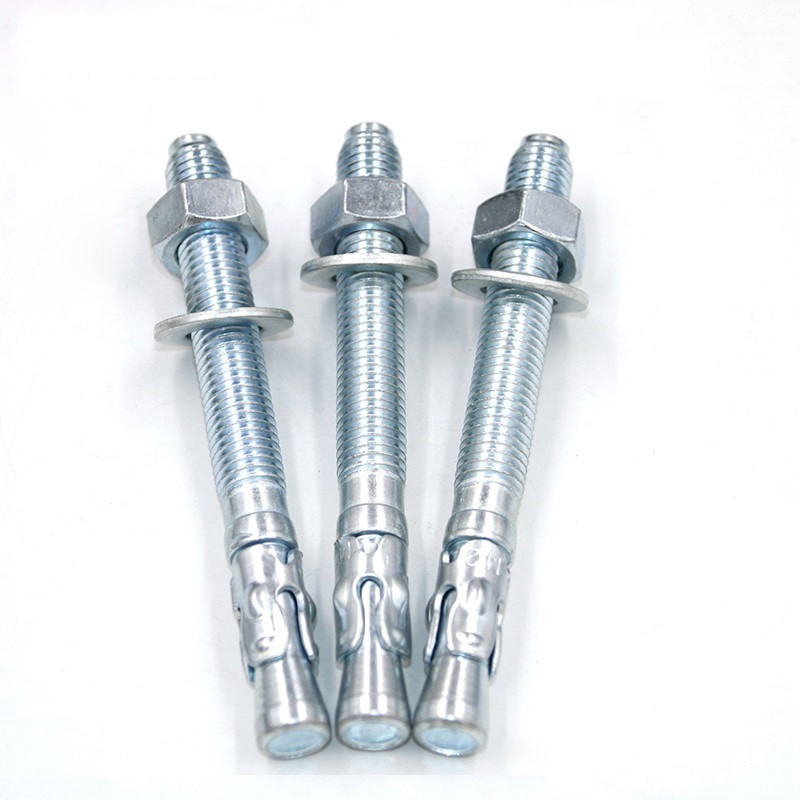
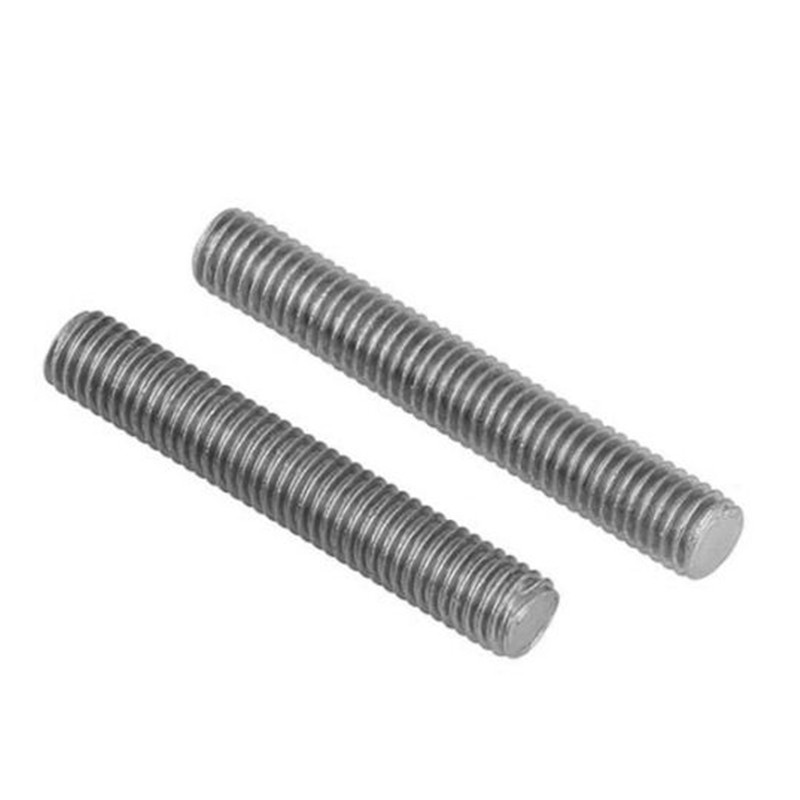
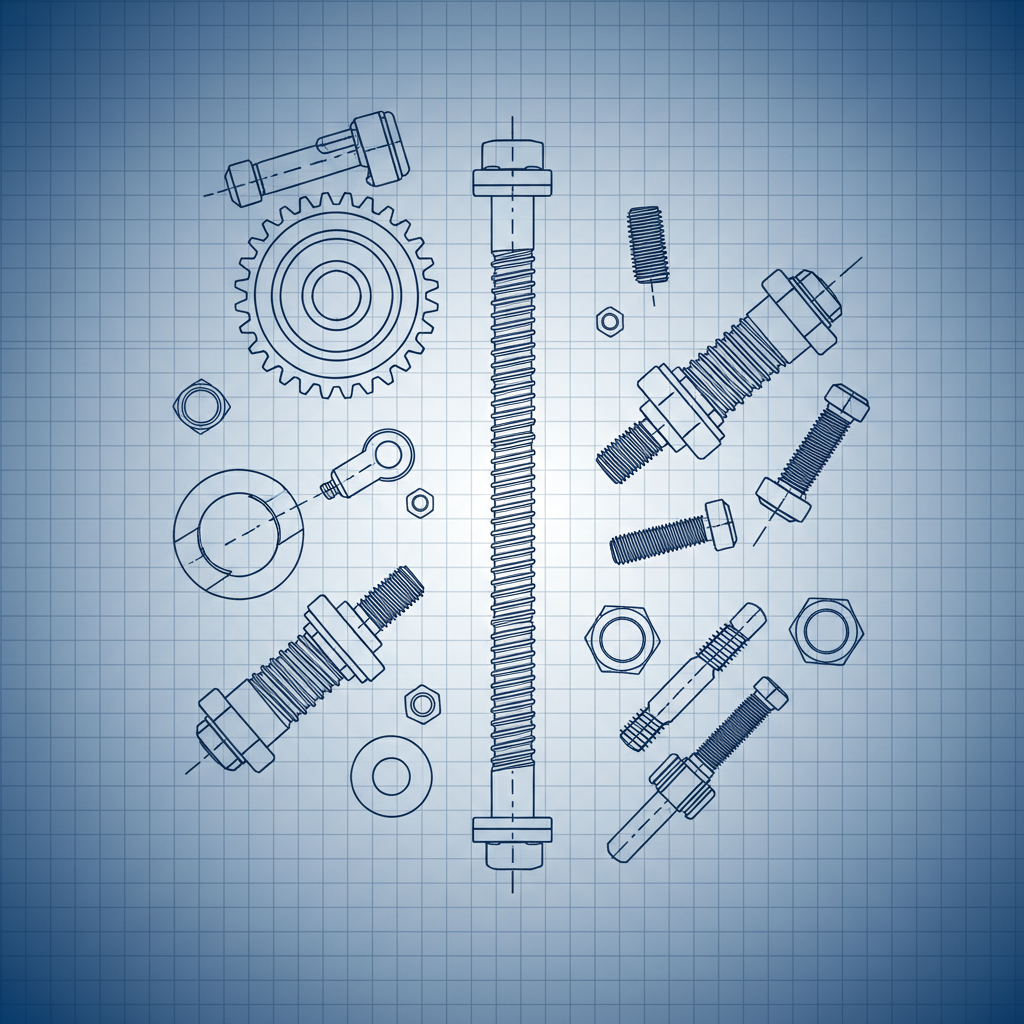
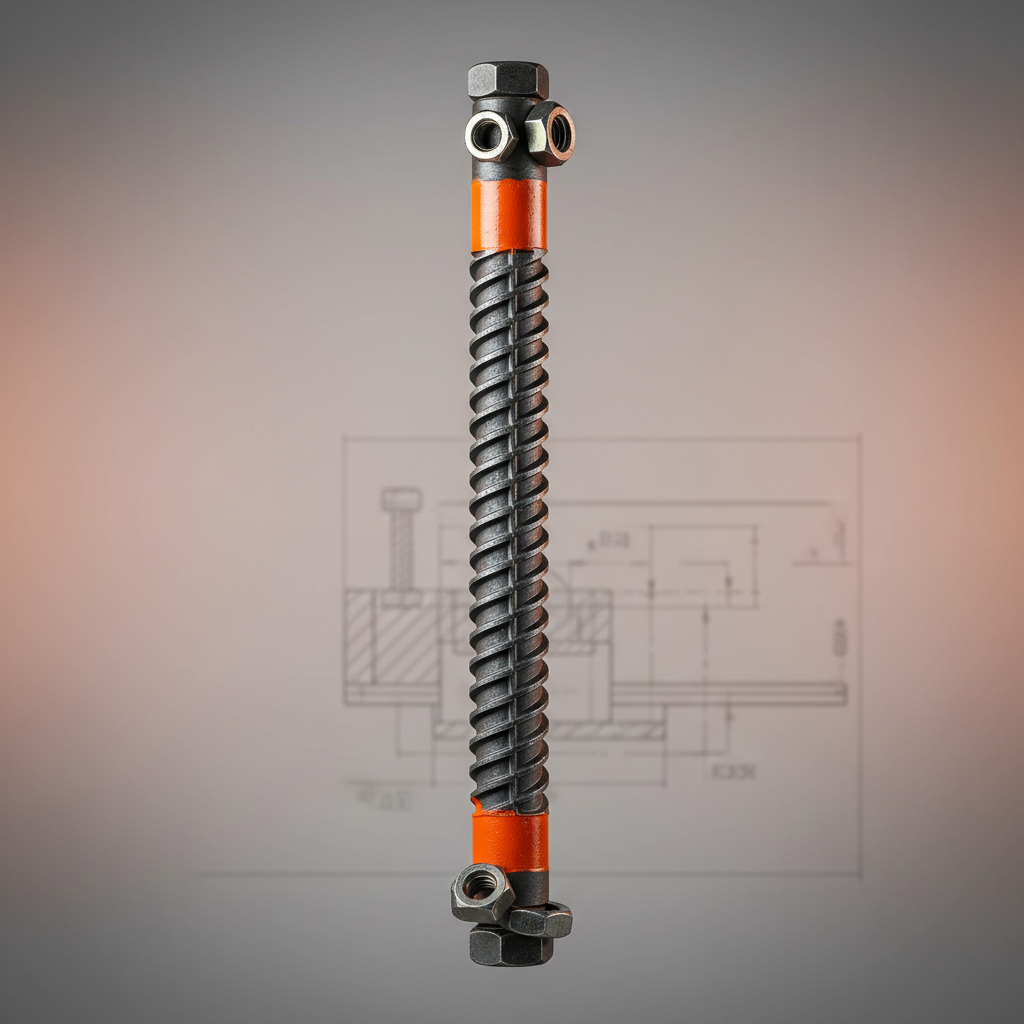
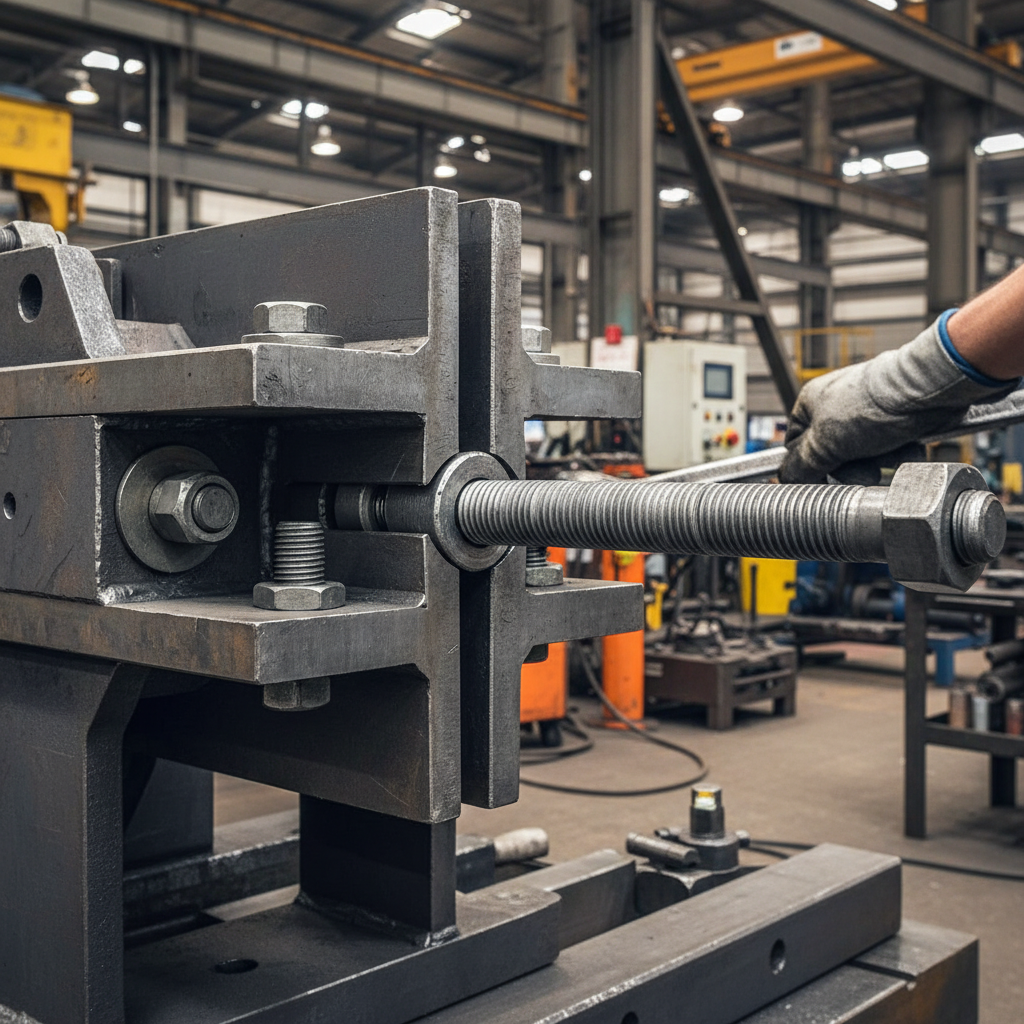
At its core, the 1 1 4 7 threaded rod is a long, slender metal rod with continuous helical threads running along its length. The designation “1 1 4 7” often refers to specific dimensional, material, and threading standards — essentially a “type” within the threaded rod category recognized globally.
In many ways, it’s the hardware equivalent of a backbone in machines, offering both flexibility for customization and robustness against stress. Industries such as automotive manufacturing, heavy machinery, and humanitarian aid structures depend on such rods for reliable, quick assembly solutions.
Oddly enough, in disaster zones, these rods can be part of modular housing frameworks, providing simple, sturdy joints that speed up relief efforts significantly.
Key Characteristics of the 1 1 4 7 Threaded Rod
Durability and Strength
Many engineers swear by the 1 1 4 7’s tensile strength — this rod can withstand high loads without bending or breaking, due mainly to its steel grade and heat treatment processes. This means you can rely on it for heavy-duty projects, from bridges to factory machinery.
Corrosion Resistance
The rods are often treated or made from alloys that resist rust, essential in harsh environments like coastal construction sites or outdoor industrial applications.
Customizability
Available in different lengths, threading patterns, and finishes, these rods adapt to varying project needs. Whether you need fine pitch threads for precision or coarse threads for speedier assembly, the 1 1 4 7 offers options.
Cost Efficiency
While sometimes perceived as pricier upfront, choosing the right rod length and finish minimizes waste and rework, ultimately saving time and money.
Ease of Installation
The continuous threading means no segment is wasted — you can cut rods to length as needed on site, which is a huge plus in unpredictable construction environments.
| Specification | Details |
|---|---|
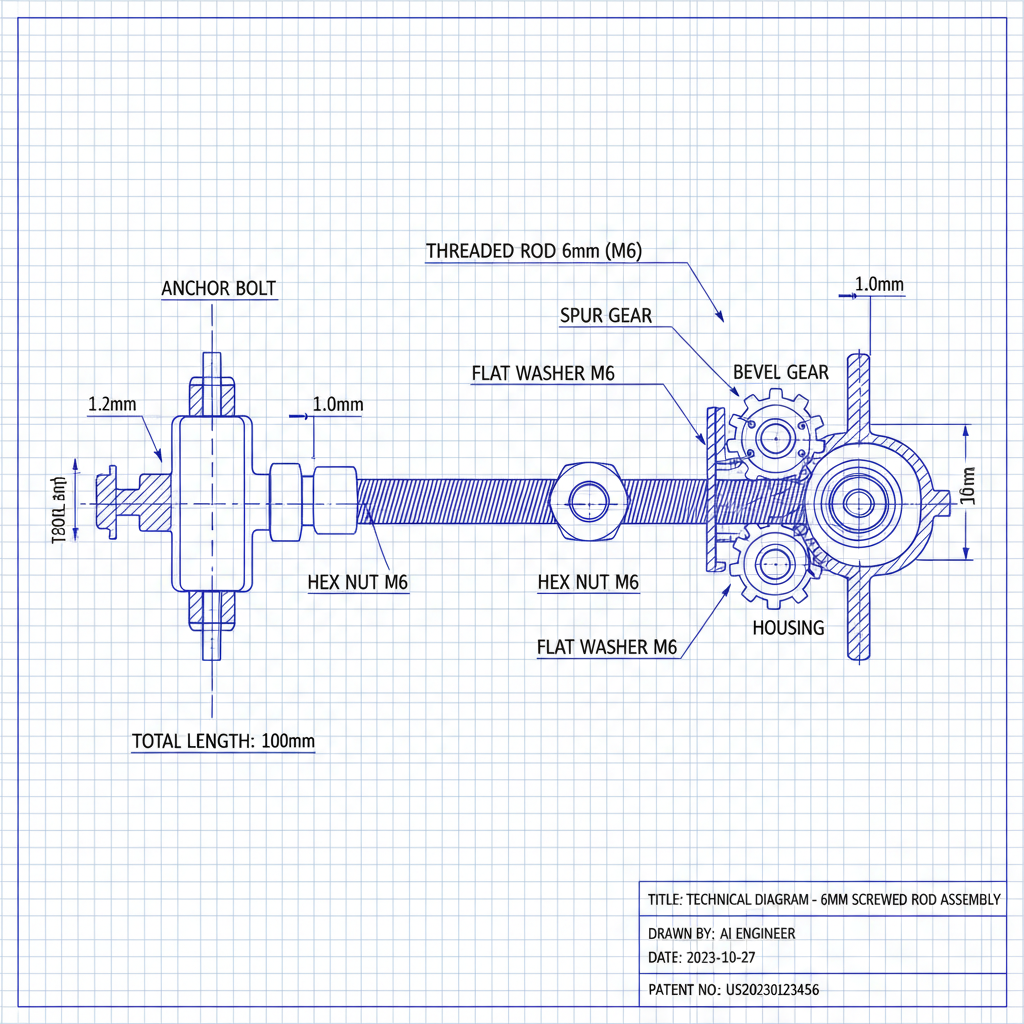
| Diameter | 1/4 inch (6.35mm) |
| Material | Stainless Steel Grade 304/316 |
| Thread Type | Unified National Fine (UNF) |
| Length Range | 1 ft to 20 ft (custom cut available) |
| Tensile Strength | 75,000 psi (approximate) |
| Surface Finish | Electropolished or Zinc-Plated |
Global Applications: Where Does the 1 1 4 7 Threaded Rod Shine?
From what I gather, this type of rod is extensively used across:
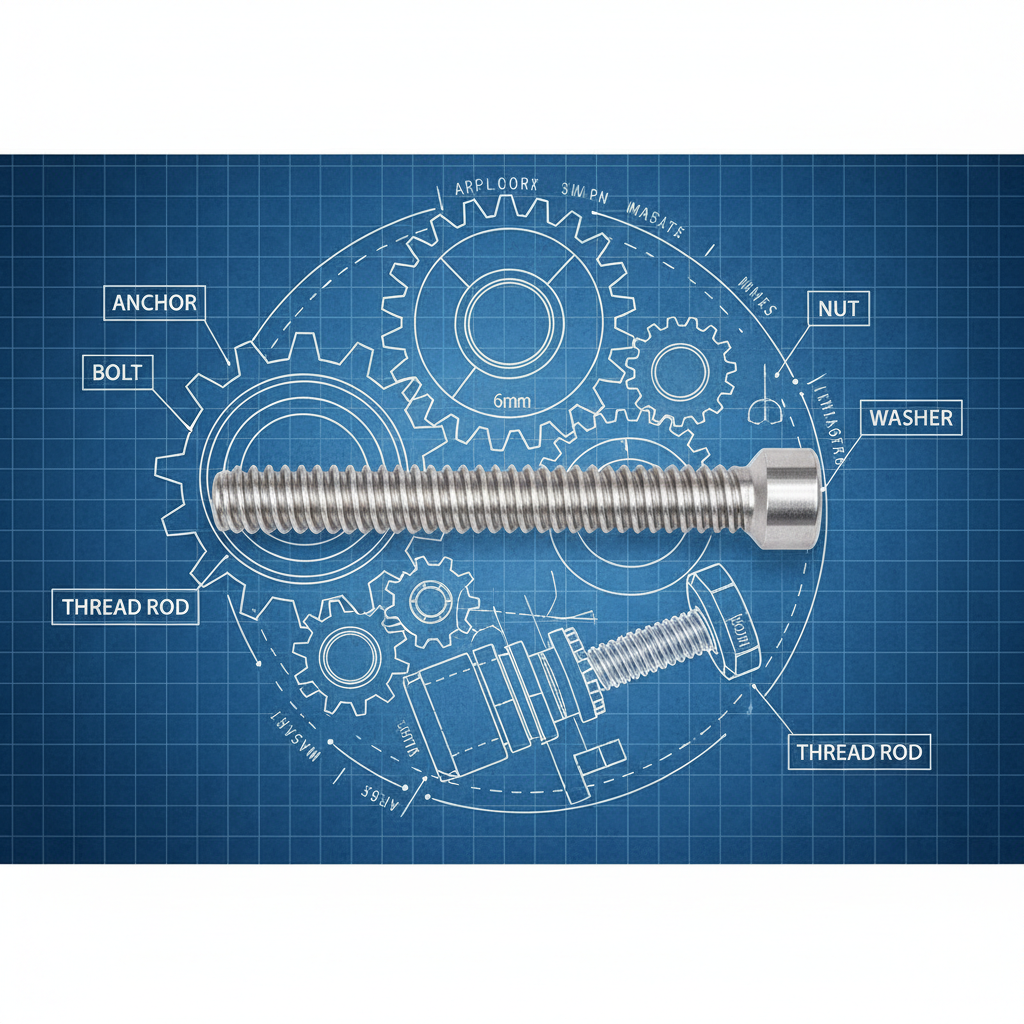
- Construction: As anchor bolts, in support beams, and scaffolding where strong but adjustable fasteners are key.
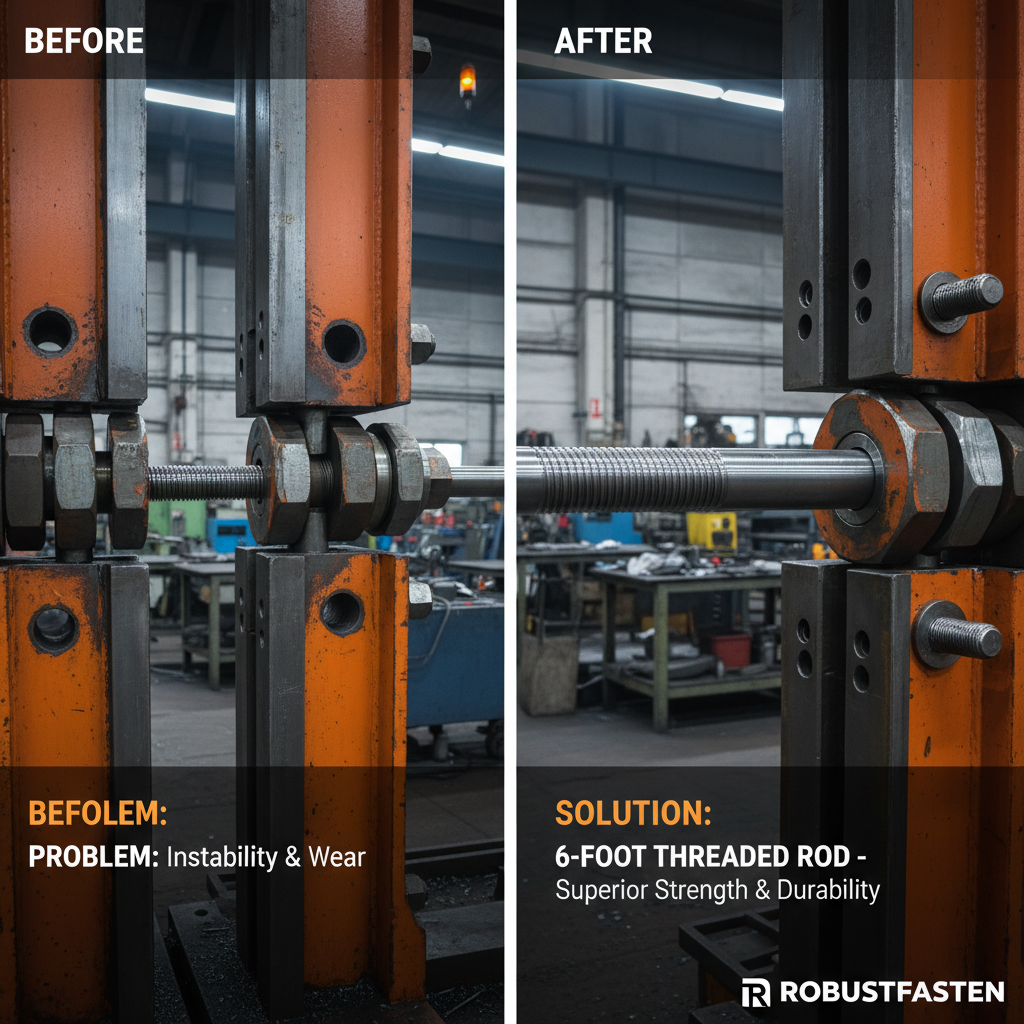
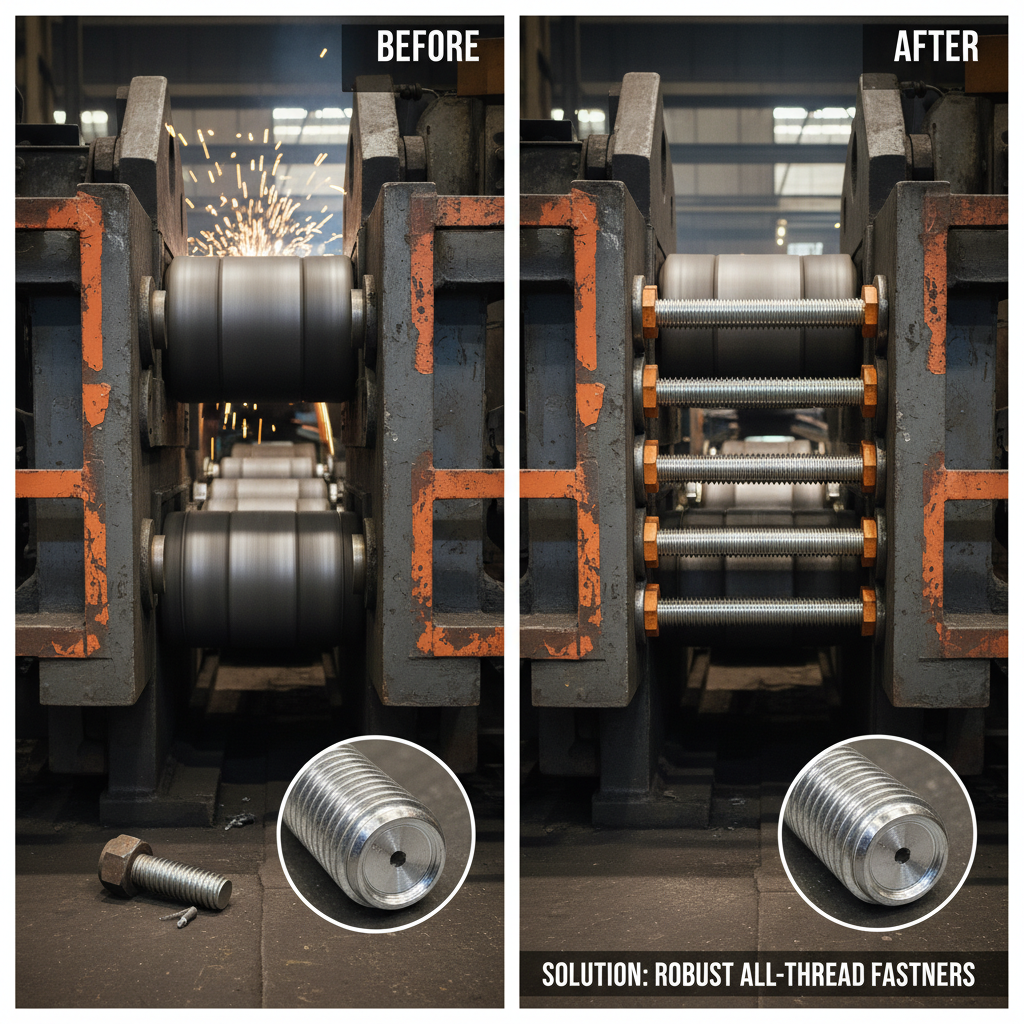
- Industrial Machinery: Connecting complex mechanical parts where repeatability and strength are mandatory.
- Disaster Relief and Humanitarian Aid: Building modular shelters quickly — the rods offer structural integrity without heavy tools.
- Marine and Offshore: Thanks to corrosion resistance, used in shipbuilding or oil rigs.
- Energy Sector: Wind turbines and solar panel mounts often rely on such rods for flexible, strong framing.
For instance, NGOs deploying emergency shelters after natural calamities prefer the 1 1 4 7 threaded rod for its lightweight yet sturdy design, enabling fast setup in remote locations. Meanwhile, manufacturers in Asia and Europe rely on these rods heavily due to ISO standards aligning with their specs.
Mini takeaway: Its versatility and robust engineering make the 1 1 4 7 threaded rod a quiet hero in fields as diverse as relief housing and renewable energy installation.
Advantages and Enduring Value of the 1 1 4 7 Threaded Rod
What makes this rod stand apart? For starters:
- Reliability: Consistency in quality means that engineers trust this rod to perform under stress, often for decades.
- Sustainability: Long lifespan and recyclable materials reduce environmental impact.
- Cost Savings: Reduces need for replacements or complex fastening systems.
- Emotional Appeal: Knowing your project is held together by durable, tested components lends peace of mind — safety first, after all.
One manufacturer I spoke with remarked, “These rods aren’t glamorous, but they’re essential. No one thinks about them unless something fails. That’s why we insist on quality 1 1 4 7 rods to avoid surprises.”
The Horizon: Future Trends & Innovation
The metal fastener market is evolving. For the 1 1 4 7 threaded rod, expect innovations like:
- Advanced Coatings: Nano-ceramic layers or graphene-infused finishes for extreme durability.
- Smart Threaded Rods: Embedded sensors to detect stress or corrosion in real time, syncing with IoT platforms.
- Eco-Friendly Materials: Biodegradable alternatives or rods made using green steel production methods.
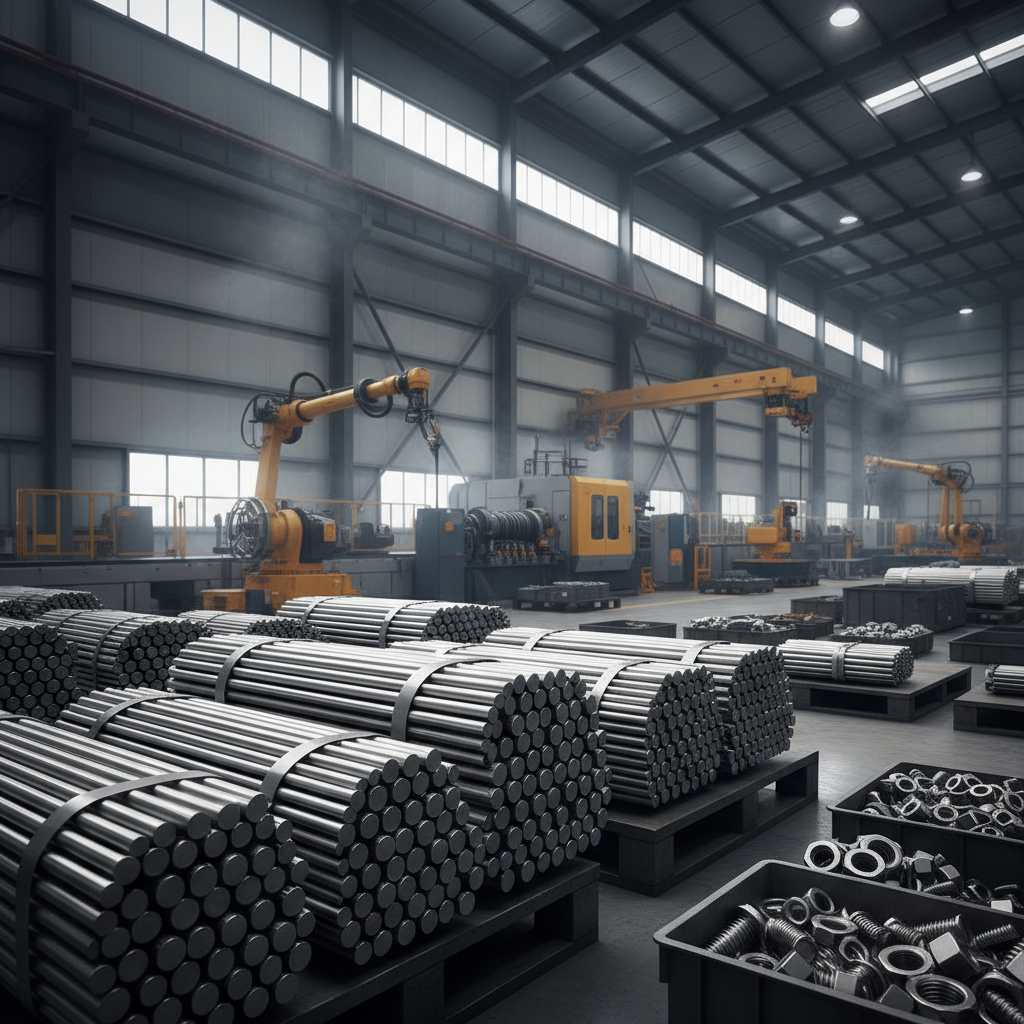
- Automation-Friendly Designs: Rods tailored for robotic assembly lines to speed production with less error.
Material science is pushing the boundaries, turning simple rods into modules of next-gen infrastructure. Fascinating times ahead.
Challenges & How Industry Tackles Them
Like anything, the 1 1 4 7 threaded rod is not without challenges:
- Corrosion in Extreme Environments: Even stainless steel struggles in highly acidic or saline setups.
- Supply Chain Variability: Steel price volatility sometimes delays availability.
- Standardization Issues: Variations in threading standards across countries.
Industry innovators counter these by adopting better alloys, forging strategic supplier partnerships, and pushing for global standard harmonization under organizations like ISO and ASTM.
Vendor Comparison: A Quick Look
| Vendor | Material Options | Customization | Pricing | Global Shipping |
|---|---|---|---|---|
| Alpha Metals | SS304, SS316 | Length & Thread Pitch | $$ | Yes |
| BoltMasters Inc. | Carbon Steel, Zinc-Plated | Standard Sizes Only | $ | Limited |
| SteelFast Solutions | SS304, Nano-Coated | Full Customization | $$$ | Yes, Worldwide |
FAQ: Common Questions About the 1 1 4 7 Threaded Rod
What makes 1 1 4 7 threaded rods better than standard bolts?
They provide continuous threading over the full length, allowing for more flexibility in fastening and length adjustments. This is ideal when precise fit or variable lengths are needed, making them versatile in complex assembly scenarios.
How long can a 1 1 4 7 threaded rod last in outdoor conditions?
With proper material choice—usually stainless steel grades 304 or 316—and surface treatment, these rods can last 20+ years, resisting rust and wear effectively. Harsh environments may reduce lifespan, so coatings matter a lot.
Are these rods compatible with international standards?
Yes, the 1 1 4 7 rods are usually manufactured to meet ISO and ASTM standards, ensuring interoperability across different regions, though it's wise to verify specific threading and grade with suppliers.
Can NGOs easily import the 1 1 4 7 threaded rods for relief projects worldwide?
Absolutely. Many vendors provide global shipping and can customize orders to meet project specs, easing logistical challenges NGOs often face in disaster zones.
Is the 1 1 4 7 threaded rod suitable for automated assembly?
Yes, rods with standard threads and finishes are well-suited for robotic handling and installation, improving accuracy and reducing labor costs in manufacturing.
In Closing: Why the 1 1 4 7 Threaded Rod Deserves Attention
To wrap it up, whether you’re an engineer, a project manager, or simply curious about what holds the world’s biggest machines and structures together, the 1 1 4 7 threaded rod is more than just a metal stick with grooves. It’s a well-engineered solution balancing strength, flexibility, and durability for diverse global needs.
Next time you plan your procurement or construction phase, consider how this little but mighty rod could streamline your tasks—saving you time, headaches, and maybe even budget.
For more detailed specs, sourcing options, and expert advice, I highly recommend checking out https://www.hbtbls.com.
References
Post time: Dec . 01, 2025 06:10


 English
  Albanian
  Arabic
  Armenian
  Azerbaijani
  Belarusian
  Bosnian
  Bulgarian
  Cebuano
  Corsican
  Czech
Czech  Galician
  Georgian
  Greek
Greek  Hausa
Hausa  Hebrew
  Hungarian
  Igbo
Igbo  Indonesian
  Italian
  Kazakh
  Khmer
Khmer  Korean
  Kurdish
  Kyrgyz
  Lao
Lao  Latin
Latin  Latvian
  Lithuanian
  Malay
Malay  Myanmar
  Nepali
  Polish
  Portuguese
  Russian
  Serbian
  Sesotho
  Shona
Shona  Sindhi
  Spanish
  Tagalog
  Tajik
Tajik  Thai
Thai  Turkish
  Turkmen
  Ukrainian
  Uzbek
Uzbek  Vietnamese
  Yoruba
  Zulu
Zulu