
Understanding 316 Stainless Steel Threaded Rod: A Global Perspective
In the vast world of industrial fastening, the 316 stainless steel threaded rod stands out as an enduring champion. But why does this seemingly simple component matter so much worldwide? Beyond just nuts and bolts, these rods play crucial roles in infrastructure, maritime applications, and even humanitarian projects where corrosion resistance and strength can mean the difference between lasting safety and costly failure.
Globally, industries ranging from construction to offshore oil rely on materials that can withstand harsh environments. The International Organization for Standardization (ISO 3506-1) highlights the specific mechanical and corrosion resistance properties of stainless steel alloys like 316, emphasizing their wide use where durability and safety are paramount. Understanding this single product opens doors to better project planning, sustainability, and cost management on a truly global scale.
Mini takeaway: The 316 stainless steel threaded rod isn’t just a metal piece; it’s a vital part of global infrastructure resilience and innovation.
Why 316 Stainless Steel Threaded Rods Are a Global Industry Staple
The demand for reliable, corrosion-resistant fasteners has skyrocketed alongside global infrastructure expansion. According to a 2022 UN Environmental Program report, over 60% of new construction projects in coastal and industrial regions incorporate stainless steel components to combat corrosion issues. This trend is especially pronounced in emerging markets with expanding maritime and chemical sectors.
Conventional steel threaded rods often fall victim to rust and degradation in saltwater or chemical environments. The 316 stainless steel threaded rod, featuring molybdenum-enhanced alloying, offers resilience against pitting and crevice corrosion, making it indispensable for offshore platforms and chemical plants alike.
Yet, challenges remain—balancing cost with performance, and ensuring proper sourcing in global supply chains. And here’s where understanding the specs and applications of 316 stainless steel threaded rods can save headaches and dollars down the line.
What Exactly Is a 316 Stainless Steel Threaded Rod?
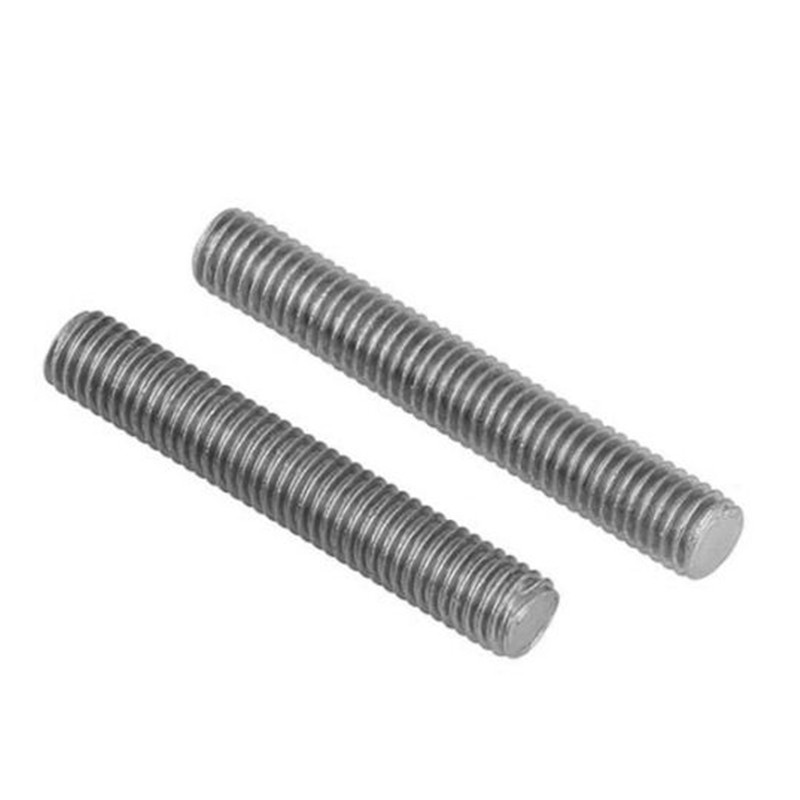
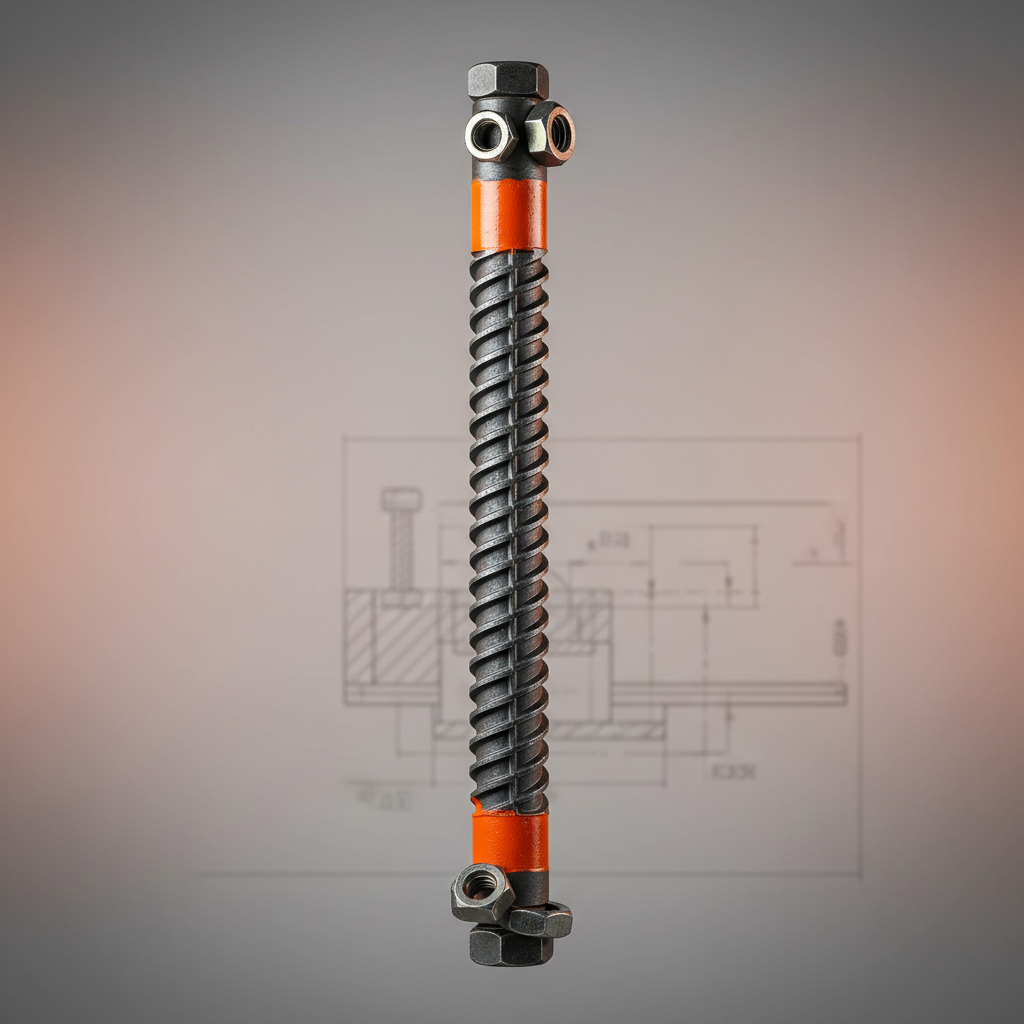
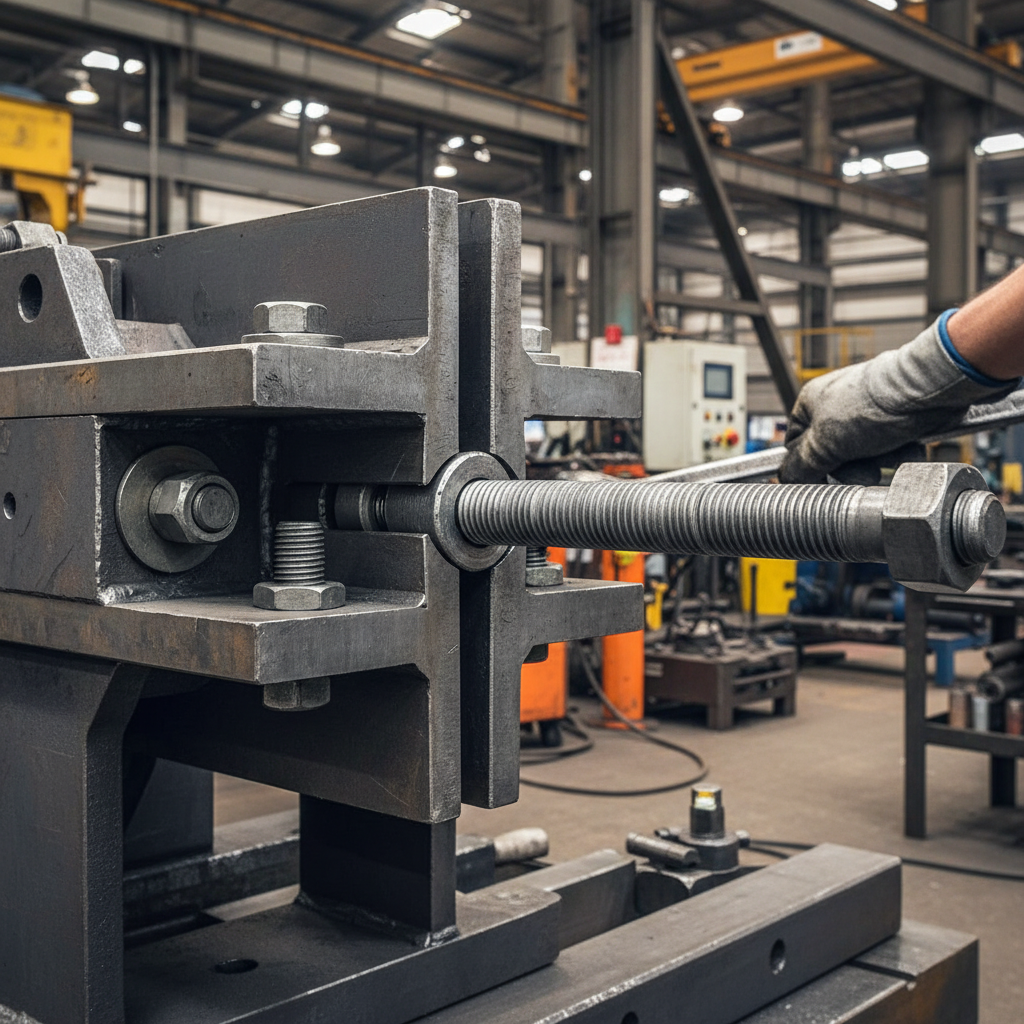
Put simply, a 316 stainless steel threaded rod is a long, fully threaded bar made from an austenitic stainless steel alloy (known as A4 in Europe). Unlike plain carbon steel rods, the “316” grade includes molybdenum, enhancing its corrosion resistance, especially against chlorides and acidic conditions.
These rods are threaded along their entire length, allowing for versatile fastening in machinery assembly, structural frameworks, and even medical devices. Their strength and durability make them go-to components in environments where standard steel simply doesn’t cut it.
Interestingly, industries dealing with humanitarian and disaster relief setups use these rods within temporary shelters and modular housing for their ruggedness and longevity—improving safety and delivering dignity in trying times.
Mini takeaway: The “316” in the name signals a special alloy, designed to brave tough, corrosive conditions with lasting strength.
Core Attributes of 316 Stainless Steel Threaded Rods
1. Exceptional Corrosion Resistance
The added molybdenum in 316 steel wards off rust from chlorides like saltwater — vital for marine or saline-heavy environments. For engineers working on seaside docks or offshore rigs, this property is critically important.
2. Superior Mechanical Strength
Many designers note the balanced tensile strength (typically around 75,000 psi) helps the rod perform well under tensile and shear forces—making it suitable for load-bearing roles in construction frames and heavy industrial equipment.
3. Versatility and Compatibility
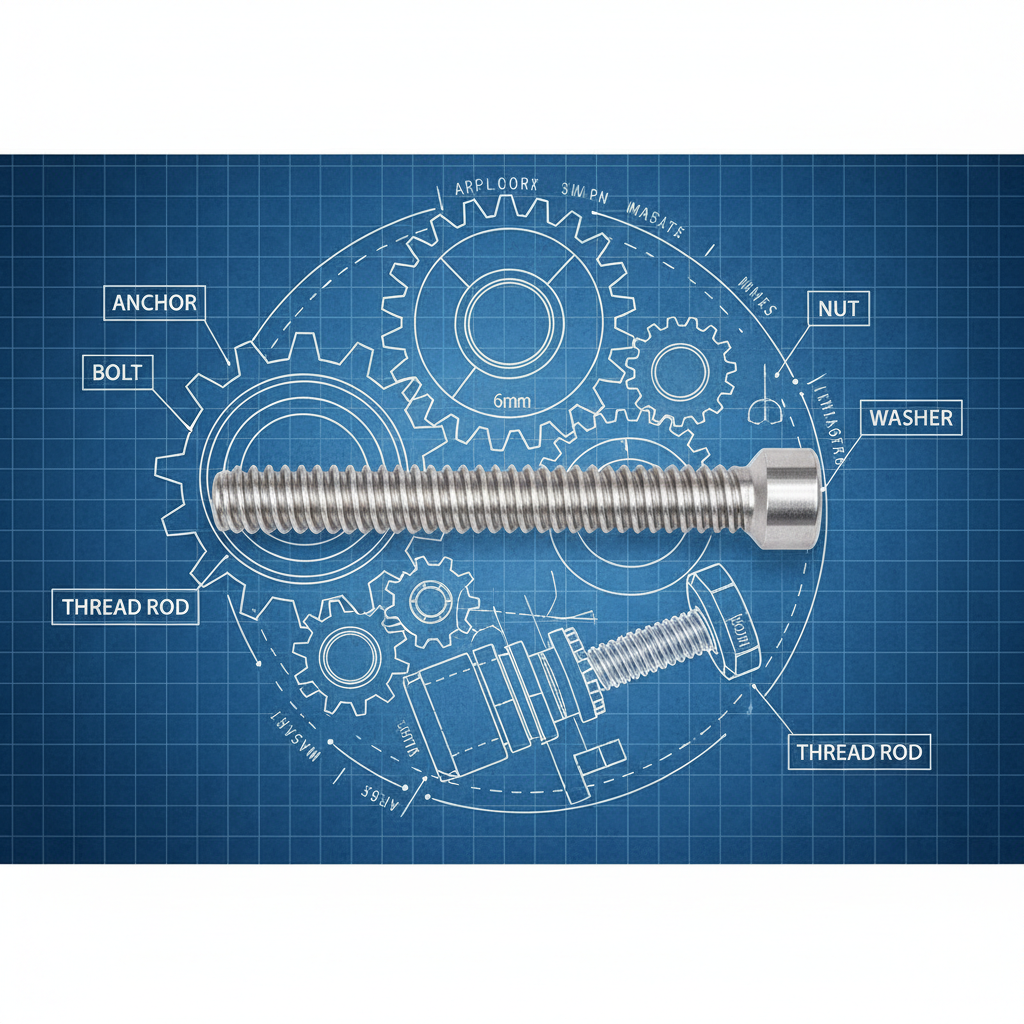
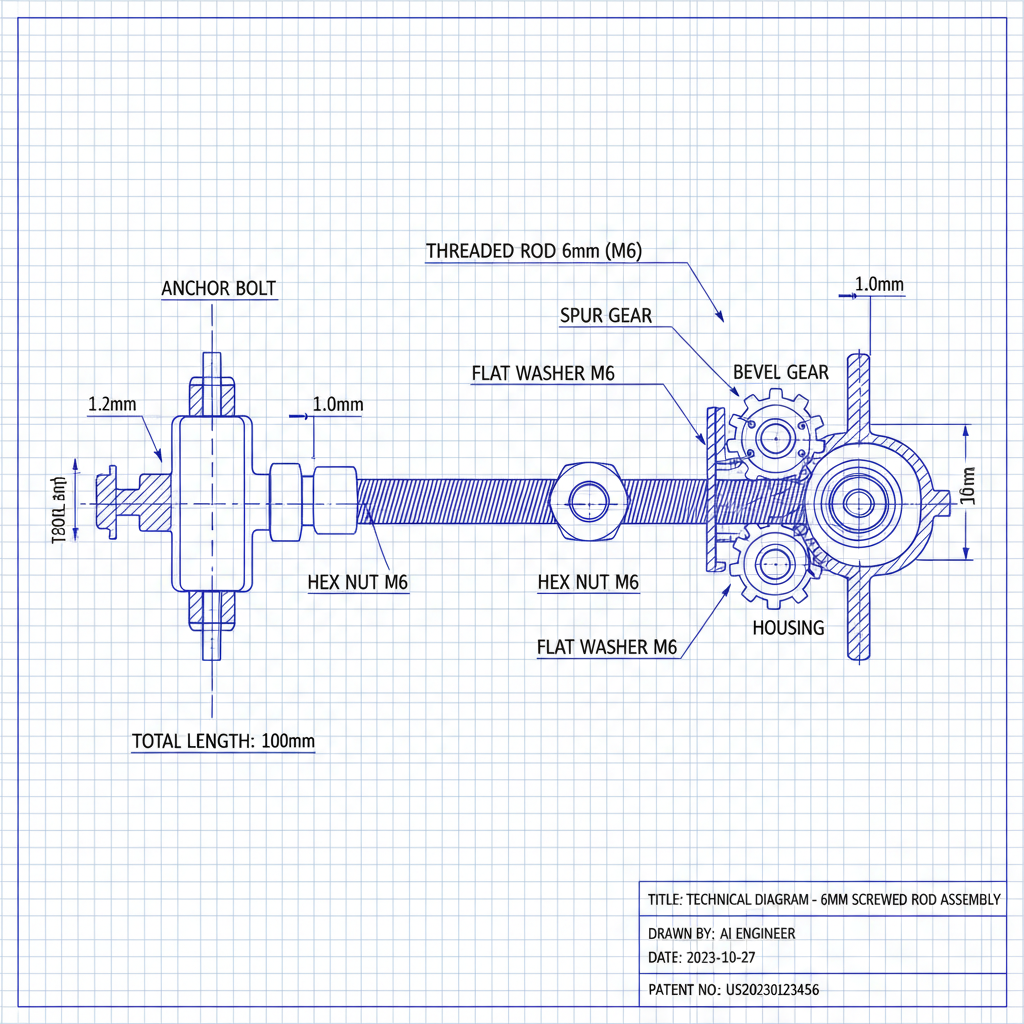
Since these rods come fully threaded, they seamlessly integrate with nuts, washers, and brackets, allowing for easy assembly or adjustments without welding or complicated machining.
4. Heat and Chemical Resistance
Beyond corrosion, 316 grade can withstand elevated temperatures and aggressive chemical exposure, which unlocks usage in chemical processing plants or even culinary equipment manufacturing.
5. Cost Efficiency Over Time
While initial purchase costs may be higher than basic steel rods, the lifespan and reduced maintenance make 316 rods a savvy long-term investment. Many facility managers say this upfront expense keeps repair budgets in check.
Product Specification Table: 316 Stainless Steel Threaded Rod
| Specification | Details |
|---|---|
| Material Grade | AISI 316 (A4) |
| Diameter Range | M6 to M36 (metric); 1/4" to 1-1/2" (imperial) |
| Length Range | 0.5m up to 6m (cut-to-size available) |
| Tensile Strength | ~75,000 psi (520 MPa) |
| Corrosion Resistance | High; suitable for marine, chemical, and acidic environments |
| Heat Resistance | Up to 870°C intermittently |
Global Applications of 316 Stainless Steel Threaded Rod
It’s kind of fascinating how ubiquitous this item is across continents and sectors:
- Marine and Offshore Industries: Used extensively in shipbuilding, dock construction, and offshore oil rigs — environments notorious for high chloride exposure.
- Chemical Processing Plants: Rods hold together piping and frameworks that deal with corrosive chemicals.
- Construction: From coastal bridges to urban high-rises, 316 rods provide lasting structural fasteners.
- Disaster Relief & Humanitarian Projects: Rapid assembly shelters and modern modular homes often leverage these rods for their durability and resistance to weather extremes.
- Food and Pharmaceutical Equipment: Where hygiene and corrosion resistance are essential, threaded rods ensure stable assembly with sanitary properties.
For example, NGOs working in flood-prone Southeast Asia turn to 316 stainless steel threaded rods when building modular flood shelters — a bit more upfront cost but significantly more reliable long-term.
Mini takeaway: If you touch modern industry or humanitarian relief zones, chances are the sturdy 316 stainless steel threaded rod is somewhere nearby, holding things together.
Vendor Comparison Table: Selecting 316 Stainless Steel Threaded Rod Suppliers
| Vendor | Certifications | Customization | Typical Lead Time | Price Range |
|---|---|---|---|---|
| HBTBLS | ISO 9001, ASTM A193 | Cut-to-length, threading pitch | 7–10 days | Mid-range |
| Global Fasteners Inc. | ISO 9001, RoHS | Standard sizes only | 5–8 days | Premium |
| SteelPro Supplies | ASTM A193, CE Mark | Cut-to-length, bulk orders | 10–14 days | Budget |
Advantages and Long-Term Value of Choosing 316 Stainless Steel Threaded Rods
Beyond specs and supply chains, there's this bigger picture. Invest in 316 stainless steel threaded rods, and you’re not just getting corrosion-resistant fasteners — you’re investing in peace of mind.
- Cost savings: Less frequent replacements and downtime mean your maintenance team actually breathes easier.
- Safety & Trust: Structurally sound components cut accident risks, which frankly, everyone appreciates.
- Sustainability: By lasting longer and resisting corrosion, these rods minimize material waste—a small but important win for eco-conscious industries.
- Social impact: Durable construction contributes to reliable housing, shelters, and facilities that stand up to climatic challenges, safeguarding communities.
Future Trends Shaping the Stainless Steel Threaded Rod Market
Looking ahead, the field embraces innovations ranging from material science tweaks to digital tracking. For instance, research into low-nickel stainless steels could reduce costs without compromising durability. Other companies experiment with surface nano-coatings to push corrosion resistance even further.
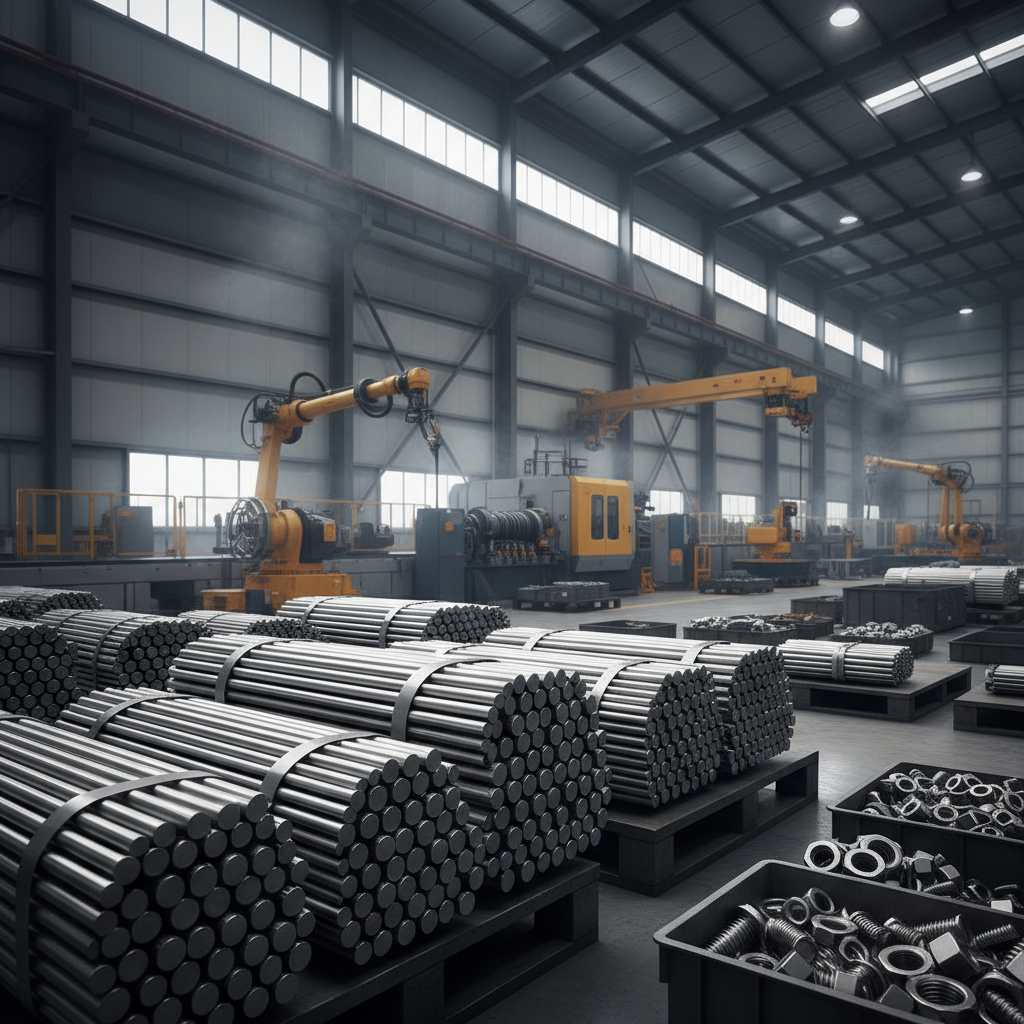
Plus, automation in manufacturing ensures more precise threading and stock management. Remote infrastructure monitoring increasingly relies on these precision components, stressing the need for flawless consistency.
Green manufacturing policies are nudging suppliers to optimize recycling and reduce carbon footprints, so expect the 316 stainless steel threaded rods of tomorrow to be even “greener” and smarter.
Challenges in Using 316 Stainless Steel Threaded Rods and How to Overcome Them
A few hiccups remain:
- Initial cost: The upfront price is higher than carbon steel alternatives, which can be a hurdle especially for budget-tight projects.
- Supply chain variability: Fluctuations in alloy raw materials impact availability and delivery times globally.
- Improper installation: Even the best rods won’t perform if paired with incompatible nuts or exposed to mechanical damage.
Solutions? Choose vendors like HBTBLS who offer certification-backed products and flexible customization. Train staff properly and invest in quality inspection on-site—small efforts preventing big headaches.
FAQ: Your Common Questions About 316 Stainless Steel Threaded Rods
- Q1: What environments require 316 stainless steel rods over regular steel?
- A: Environments prone to saltwater, chemical exposure, or heat stress usually demand the superior corrosion resistance of 316 rods—marine docks, chemical plants, food processing units all qualify.
- Q2: Can 316 stainless steel threaded rods be used in structural building codes?
- A: Absolutely. Many codes recognize 316 grade due to its strength and durability, especially in coastal or industrial zones where corrosion risk is high.
- Q3: How do I know if the rod quality meets required specifications?
- A: Always request certificates (e.g., ISO 9001, ASTM compliance) and consider third-party testing reports to verify material grades and mechanical properties.
- Q4: Are there size limitations for 316 threaded rods?
- A: Typically, they are available from 1/4" up to 1-1/2" (or M6 to M36 metric), but custom lengths and threading pitches are possible through many suppliers.
- Q5: How do environmental regulations affect stainless steel rod manufacturing?
- A: Increasingly, suppliers must follow stringent emissions and waste disposal policies. Choose vendors practicing sustainable manufacturing to stay compliant.
Wrapping It Up: Why 316 Stainless Steel Threaded Rods Matter
Looking at the bigger picture, these rods symbolize reliability in a world that often feels uncertain. Their enduring strength, corrosion resistance, and broad usability secure not just structures but also trust and safety worldwide.
Whether you’re managing industrial projects in harsh environments or assembling fast-response shelter units, understanding and choosing the right 316 stainless steel threaded rod is an investment that pays dividends. Explore our range and see how we can help bridge quality with affordability on your next project.
References:
Post time: Dec . 01, 2025 03:00


 English
  Albanian
  Arabic
  Armenian
  Azerbaijani
  Belarusian
  Bosnian
  Bulgarian
  Cebuano
  Corsican
  Czech
Czech  Galician
  Georgian
  Greek
Greek  Hausa
Hausa  Hebrew
  Hungarian
  Igbo
Igbo  Indonesian
  Italian
  Kazakh
  Khmer
Khmer  Korean
  Kurdish
  Kyrgyz
  Lao
Lao  Latin
Latin  Latvian
  Lithuanian
  Malay
Malay  Myanmar
  Nepali
  Polish
  Portuguese
  Russian
  Serbian
  Sesotho
  Shona
Shona  Sindhi
  Spanish
  Tagalog
  Tajik
Tajik  Thai
Thai  Turkish
  Turkmen
  Ukrainian
  Uzbek
Uzbek  Vietnamese
  Yoruba
  Zulu
Zulu