
Understanding the 6mm Threaded Bar: Small Component, Big Impact
At first glance, the humble 6mm threaded bar might seem like just another piece of metal hardware. But peel back the curtain and you’ll find it’s a vital workhorse across countless industries worldwide. Threaded bars are those long rods with spiral grooves—the “threads”—machined all along their length. The 6mm diameter size is a popular standard, favored for its strength, versatility, and ease of use.
Globally, these bars support everything from construction projects in bustling Asian metropolises to precise machinery assembly in European factories. Grasping their significance isn't just about knowing a product spec; it touches on themes like sustainability, economic efficiency, and infrastructure resilience. If you’re in manufacturing, infrastructure, or supply chain management, understanding the 6mm threaded bar’s role can save you time and money—and frankly, headaches.
The Global Relevance of 6mm Threaded Bars in Industry
According to the International Organization for Standardization (ISO), threaded fasteners like these are among the most crucial components in industrial assembly worldwide.
Demand for 6mm threaded bars stems from the rapid urbanization and industrial boom observed across countries from India to Brazil. The World Bank notes that global infrastructure investment is expected to exceed $6 trillion annually by 2030—much of it reliant on fast, reliable joinery tech.
Yet here’s the rub: challenges like supply chain disruptions and demand for greener materials put pressure on manufacturers to keep these components durable, sustainable, and cost-efficient. The 6mm threaded bar is at the center of these industrial puzzles, bridging gaps where strength meets precision.
What Exactly is a 6mm Threaded Bar?
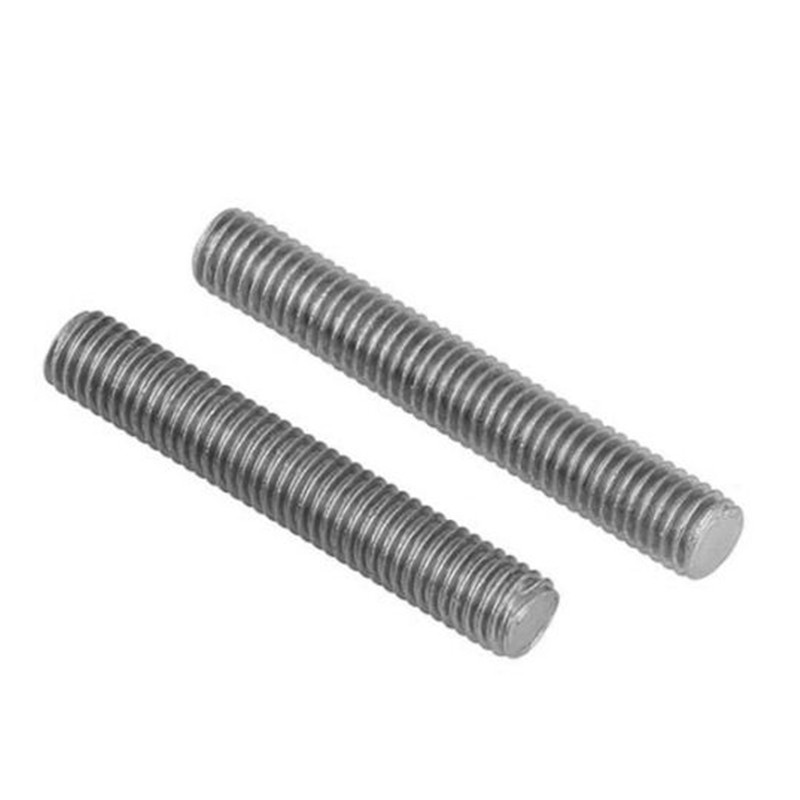
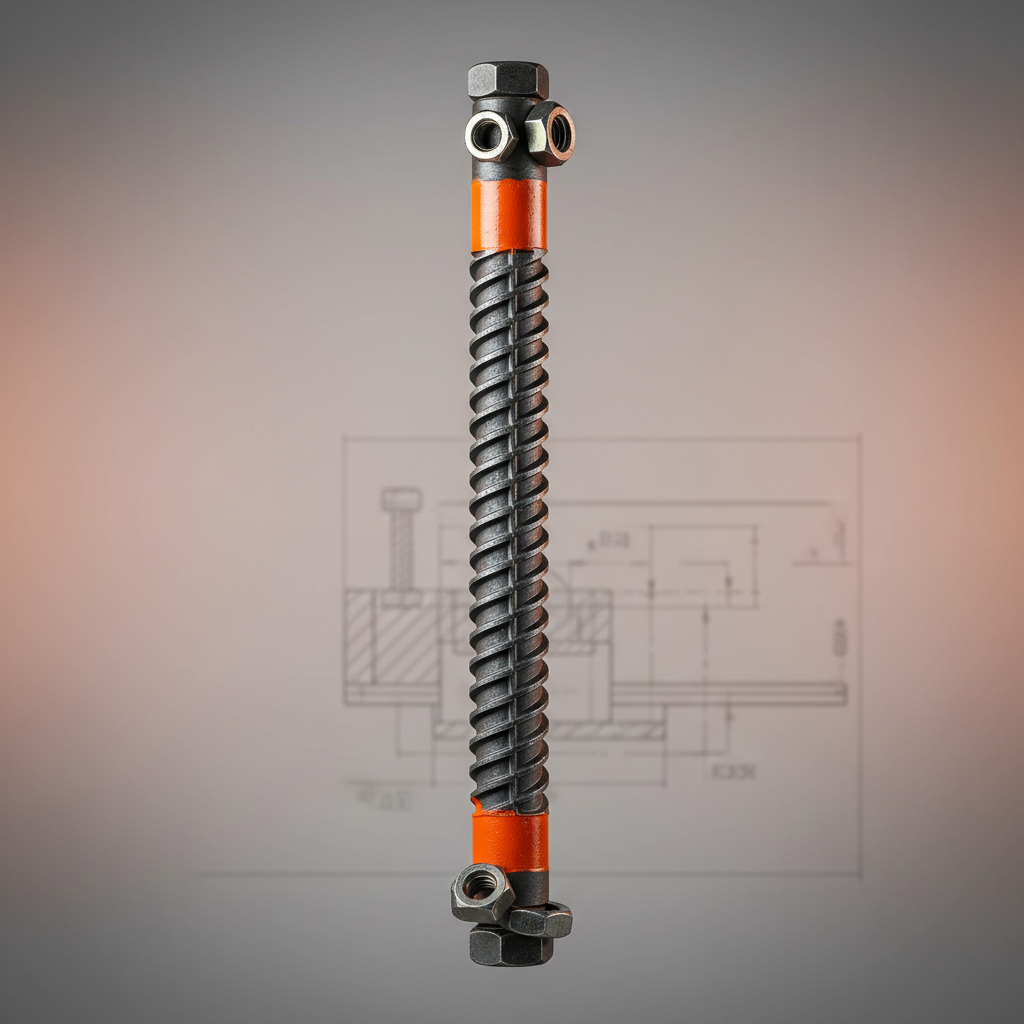
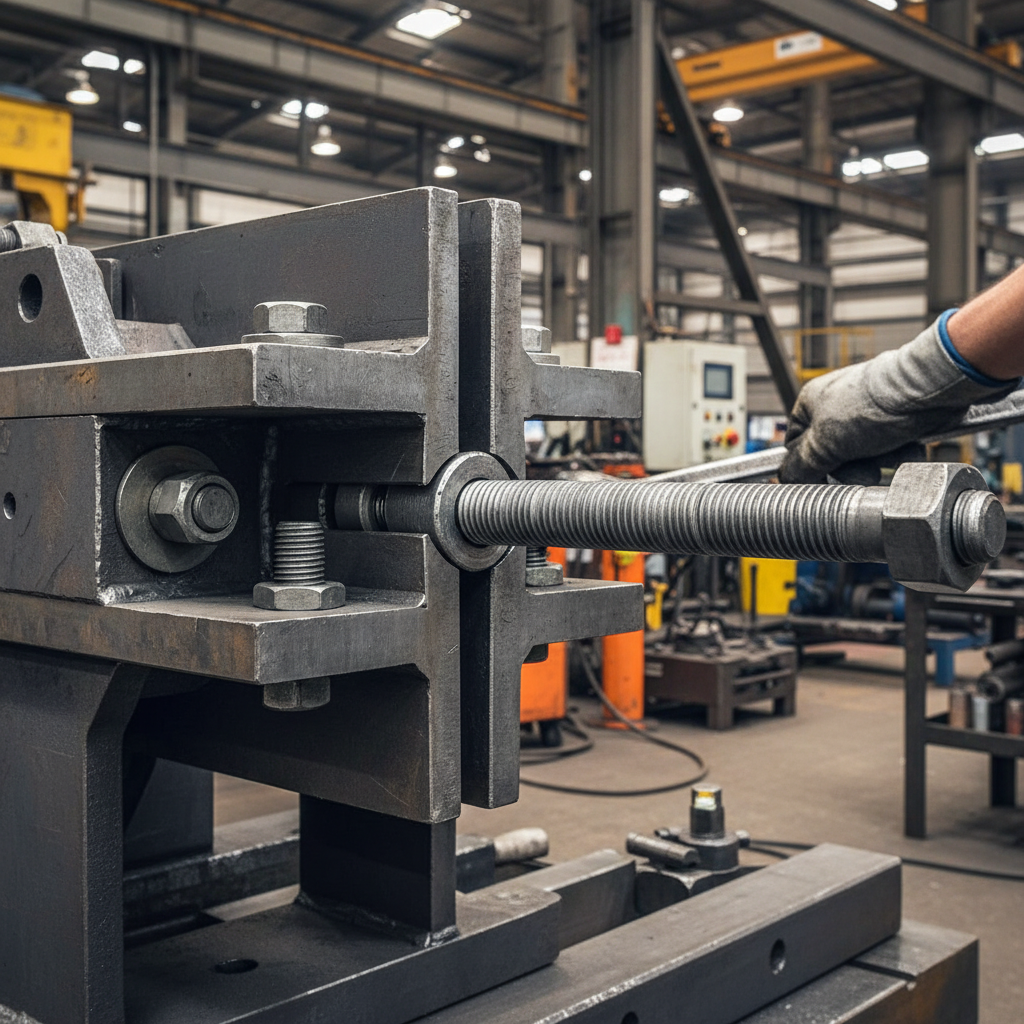
Put simply, a 6mm threaded bar is a cylindrical metal rod with helical ridges—the threads—running along its length. The “6mm” refers to its nominal diameter, meaning roughly 6 millimeters across.
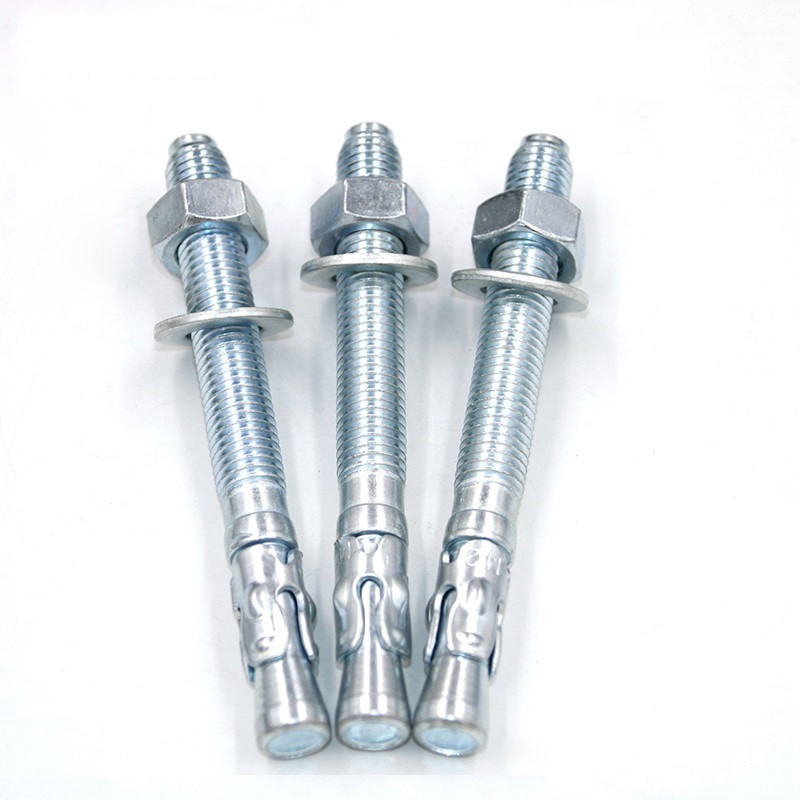
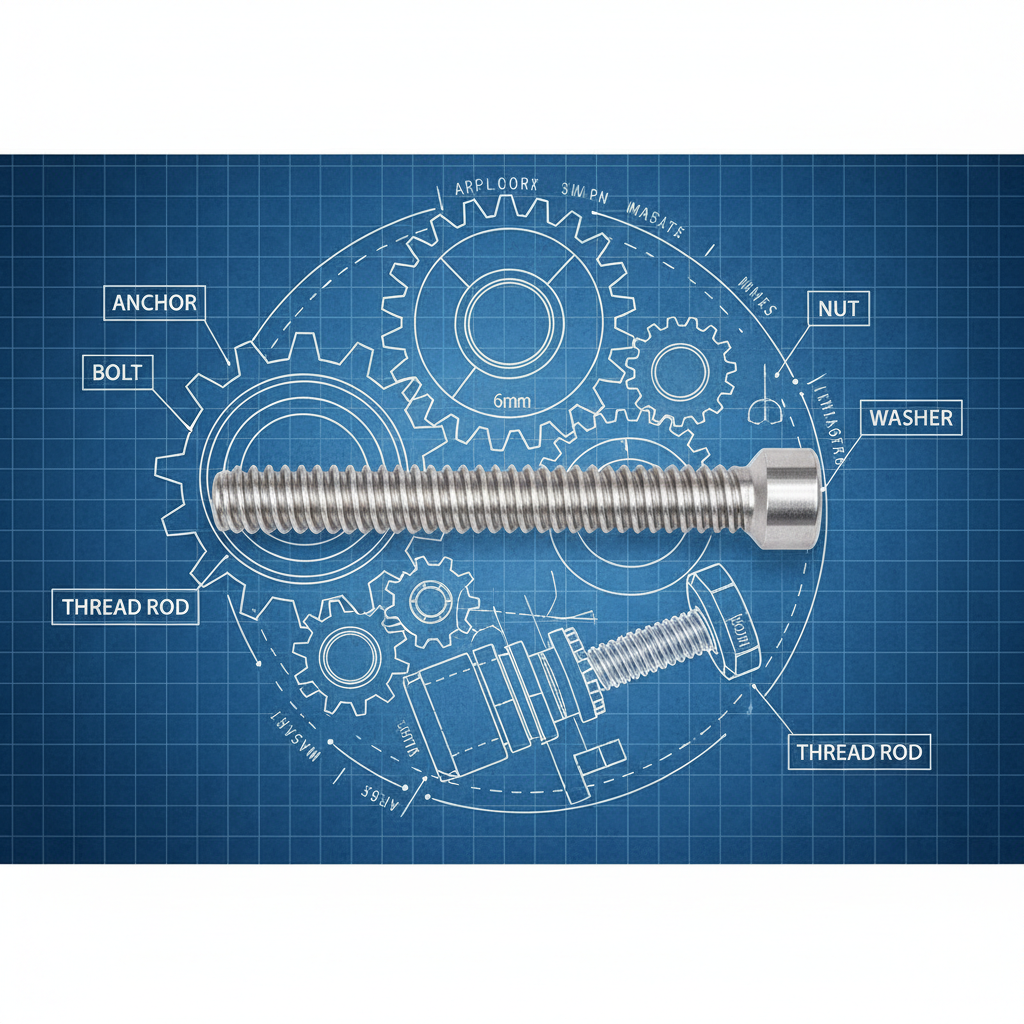
Unlike bolts, which have a head, threaded bars (sometimes called stud bolts or threaded rods) are headless and can be cut to size. This allows flexibility in applications requiring custom lengths.
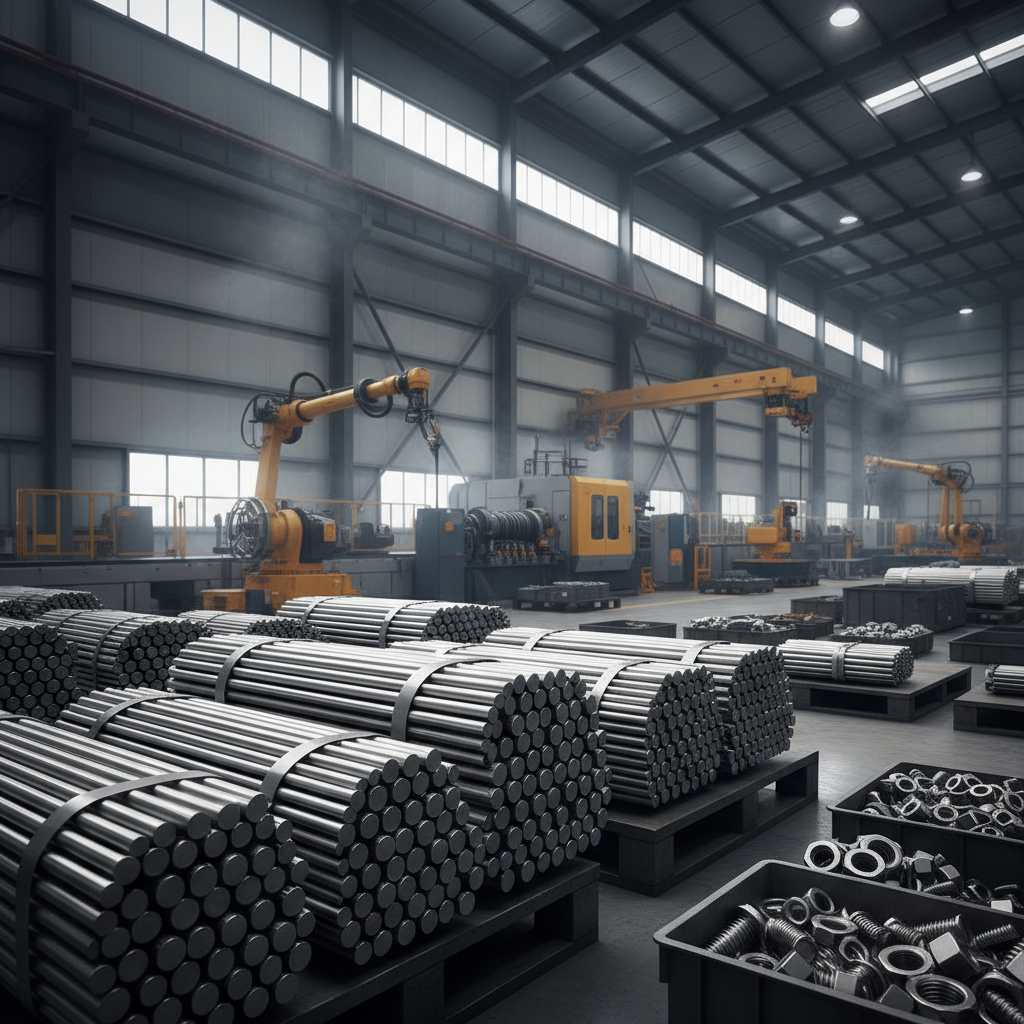
Industrially, such bars serve as connectors that hold structural elements in place, from scaffolding to mechanical assemblies. On a humanitarian scale, imagine them stabilizing emergency shelters or modular housing with quick assembly in disaster zones.
Mini takeaway:
- 6mm diameter offers a balance of strength and workability.
- Threaded bars lack heads, allowing versatile length customization.
- Used widely from heavy industry to humanitarian relief.
Key Attributes That Make 6mm Threaded Bars Go the Distance
1. Strength and Durability
These bars are typically made from high-grade steel or stainless steel, boasting tensile strengths upwards of 600 MPa (megapascals). This means they can withstand enormous pulling forces without snapping. Engineers often pick the 6mm size for medium-load applications where reliability under stress is non-negotiable.
2. Corrosion Resistance
By choosing galvanized or stainless steel variants, users gain protection against rust and degradation—critical in outdoor or marine environments. For example, infrastructure in coastal cities relies on corrosion-resistant 6mm threaded bars to prevent maintenance headaches.
3. Scalability and Customization
The continuous thread along their length means these bars can be cut to virtually any size and paired with nuts or fixing plates to match. This modularity is why they’re favored in prototype development and custom machinery.
4. Cost Efficiency
Compared to specialized fasteners, 6mm threaded bars are relatively inexpensive to produce and easy to stock. This makes them a go-to for everything from small workshops to massive construction projects.
5. Compliance and Standards
Most bars conform to international standards like ISO 898-1 for mechanical properties and ISO 4759 for dimensions—providing assurance of consistent quality across suppliers and borders.
Mini takeaway:
- 6mm bars pack strength without excessive weight.
- Corrosion-resistant coatings extend lifespan in tough conditions.
- Customization and cost balance make them industrial favorites.
Global Applications: Where Do 6mm Threaded Bars Really Shine?
In Europe, these bars hold together elevator systems where safety is paramount. In Southeast Asia, they reinforce prefab housing frames that speed up urban development and affordable housing.
Disaster relief agencies use 6mm threaded bar kits to quickly anchor temporary shelters after earthquakes or floods. The modularity allows fast installation even where tools and infrastructure are minimal.
Industrial zones in Australia rely on these bars in machinery assembly lines to minimize downtime through easy replacement. Meanwhile, renewable energy farms—from wind turbines in Germany to solar arrays in California—depend on durable fasteners that can withstand weather extremes.
Mini takeaway:
- 6mm threaded bars bridge diverse industries—construction, relief, and energy.
- Used globally, adapting to various climates and technical needs.
- Enables rapid deployment in time-sensitive situations.
Advantages and the Long-Term Value of Choosing 6mm Threaded Bars
There’s a sort of quiet dignity in relying on a component that just works—year after year. The cost savings from minimized maintenance, faster assembly, and fewer replacements pay off handsomely.
On a sustainability front, manufacturers increasingly use recycled steel or eco-friendly galvanization methods. This marks a subtle but meaningful contribution to reducing carbon footprints in manufacturing chains.
Socially, reliable fasteners support safe housing for families in vulnerable locations, fostering trust between communities and aid providers.
6mm Threaded Bar Product Specification Table
| Specification | Details |
|---|---|
| Diameter | 6 mm nominal |
| Material | Carbon Steel / Stainless Steel |
| Thread Pitch | 1.0 mm (standard metric) |
| Tensile Strength | 600–800 MPa (depends on grade) |
| Coating | Galvanized / Zinc Plated / None |
| Length | Custom-cut to order |
Vendor Comparison: Choosing the Right Supplier for 6mm Threaded Bars
| Supplier | Material Options | Pricing (per 100 units) | Lead Time | Certifications |
|---|---|---|---|---|
| Supplier A | Carbon Steel, Stainless | $45 | 1 Week | ISO 9001, RoHS |
| Supplier B | Galvanized Steel Only | $48 | 3 Days | ISO 14001 |
| Supplier C | Stainless Steel & Custom Alloys | $60 | 2 Weeks | ISO 9001, ISO 45001 |
Looking Ahead: Future Trends in 6mm Threaded Bar Technology
Oddly enough, even such a straightforward product is experiencing innovation. Manufacturers are exploring composite materials—like carbon fiber reinforced polymers—that could one day deliver similar strengths at a fraction of the weight.
Digitally, smart factory trends push for traceability: embedding QR codes or RFID chips on fasteners to track origin, testing batch, and compliance automatically.
From sustainability angles, recycled metal use is growing, as well as eco-friendly galvanizing practices promising less environmental impact. Amid the global call for green tech, such finishing touches could tip purchasing decisions.
Challenges and Practical Solutions
One issue with threaded bars, including 6mm sizes, is susceptibility to thread damage during transport or installation. This can cause frustrating delays.
Experts recommend protective caps or modular packaging designs that prevent abrasion. Another common snag is sourcing consistent quality amid rising steel prices—and here, forging long-term supplier partnerships really pays off.
FAQs About 6mm Threaded Bars
- Q: How do I select the right length of 6mm threaded bar for my project?
- A: Measure the exact distance your components need to be joined and add extra length to allow for nuts and washers. Since threaded bars can be cut on-site, it’s wise to have slightly longer pieces that can be trimmed as needed.
- Q: Can 6mm threaded bars be used outdoors without rusting?
- A: Yes, provided you use galvanized or stainless steel variants. Galvanization applies a zinc coating that protects against moisture, while stainless steel inherently resists corrosion.
- Q: Are these bars compatible with standard nuts and washers?
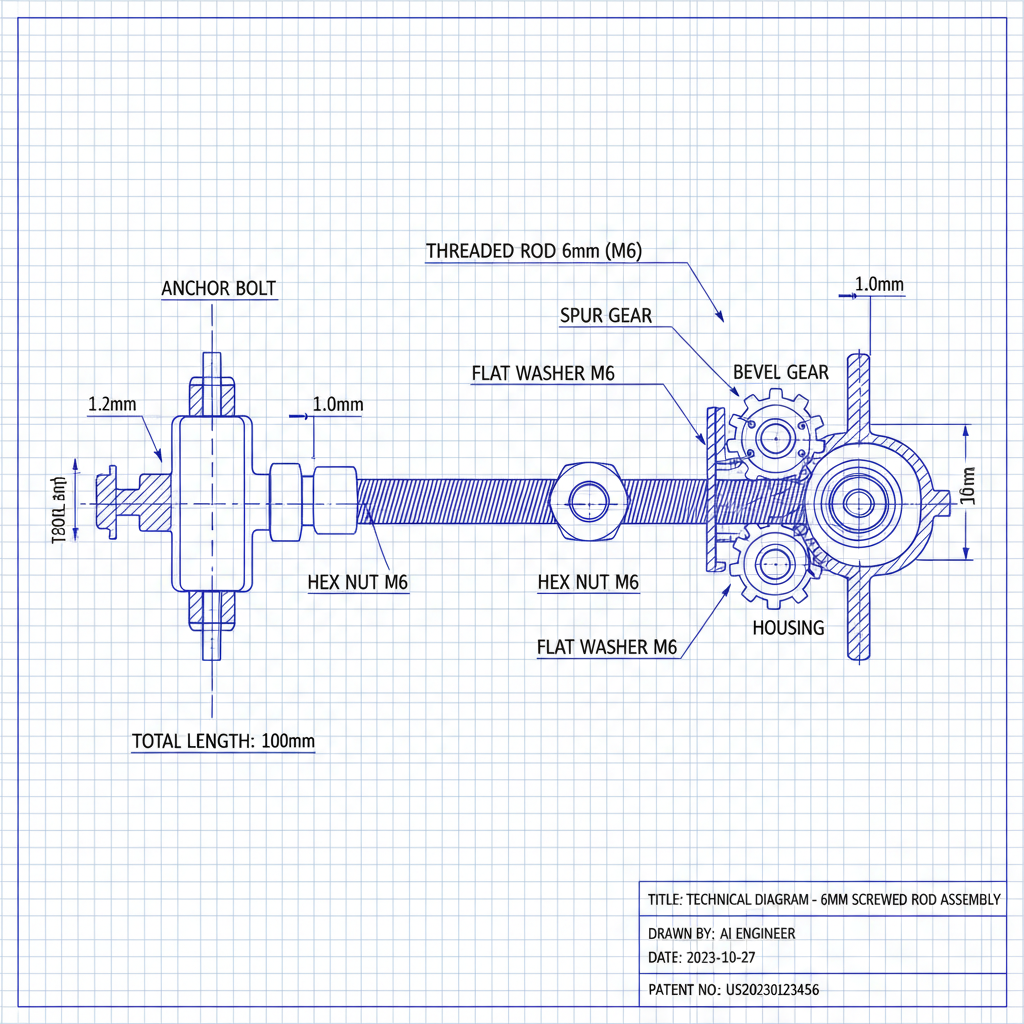
- A: Absolutely. 6mm bars conform to metric thread standards, so you can pair them easily with nuts and washers designed for M6 bolts and screws.
- Q: What industries most frequently use 6mm threaded bars?
- A: Construction, automotive, manufacturing, renewable energy, and humanitarian relief sectors rely heavily on these bars for structural assembly and support.
- Q: How sustainable are 6mm threaded bars in terms of material sourcing?
- A: Increasingly sustainable. Many suppliers now offer products made from recycled steel and employ eco-friendly processes to reduce carbon footprints.
Wrapping Up: Why 6mm Threaded Bars Remain Indispensable
In the end, the 6mm threaded bar is one of those quietly brilliant inventions—simple, reliable, and versatile. Its balance of strength, customization, and cost efficiency keeps it at the heart of global infrastructure, industrial innovation, and emergency solutions. Choosing quality, specification compliance, and an informed supplier can make all the difference in your project’s success.
For your next assembly or construction need, explore our extensive range of 6mm threaded bar options and discover how such a small component can bolster the biggest ambitions.
References
Post time: Dec . 01, 2025 01:10


 English
  Albanian
  Arabic
  Armenian
  Azerbaijani
  Belarusian
  Bosnian
  Bulgarian
  Cebuano
  Corsican
  Czech
Czech  Galician
  Georgian
  Greek
Greek  Hausa
Hausa  Hebrew
  Hungarian
  Igbo
Igbo  Indonesian
  Italian
  Kazakh
  Khmer
Khmer  Korean
  Kurdish
  Kyrgyz
  Lao
Lao  Latin
Latin  Latvian
  Lithuanian
  Malay
Malay  Myanmar
  Nepali
  Polish
  Portuguese
  Russian
  Serbian
  Sesotho
  Shona
Shona  Sindhi
  Spanish
  Tagalog
  Tajik
Tajik  Thai
Thai  Turkish
  Turkmen
  Ukrainian
  Uzbek
Uzbek  Vietnamese
  Yoruba
  Zulu
Zulu