
Understanding the 5 8 in x 72 in Zinc Plated Threaded Rod
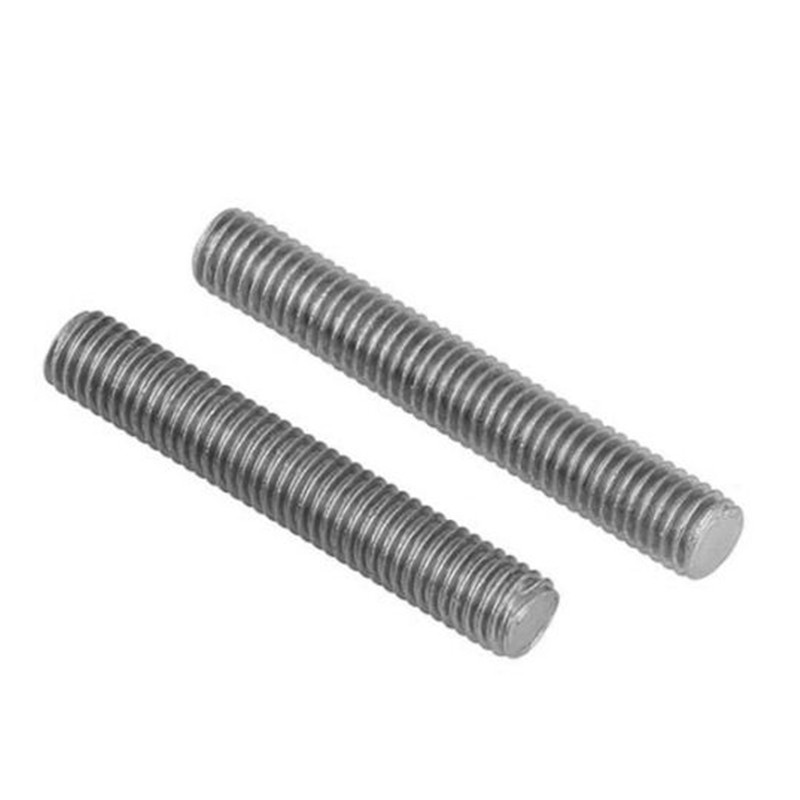
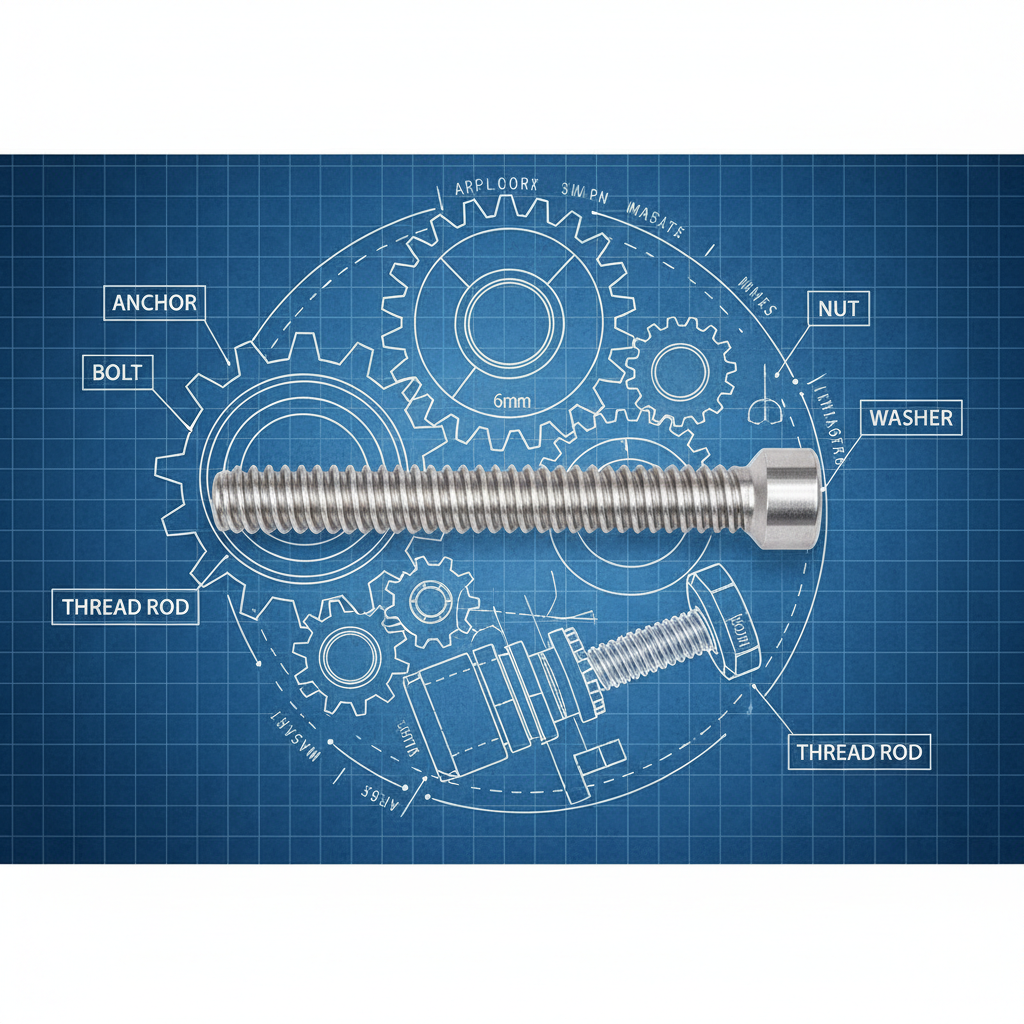
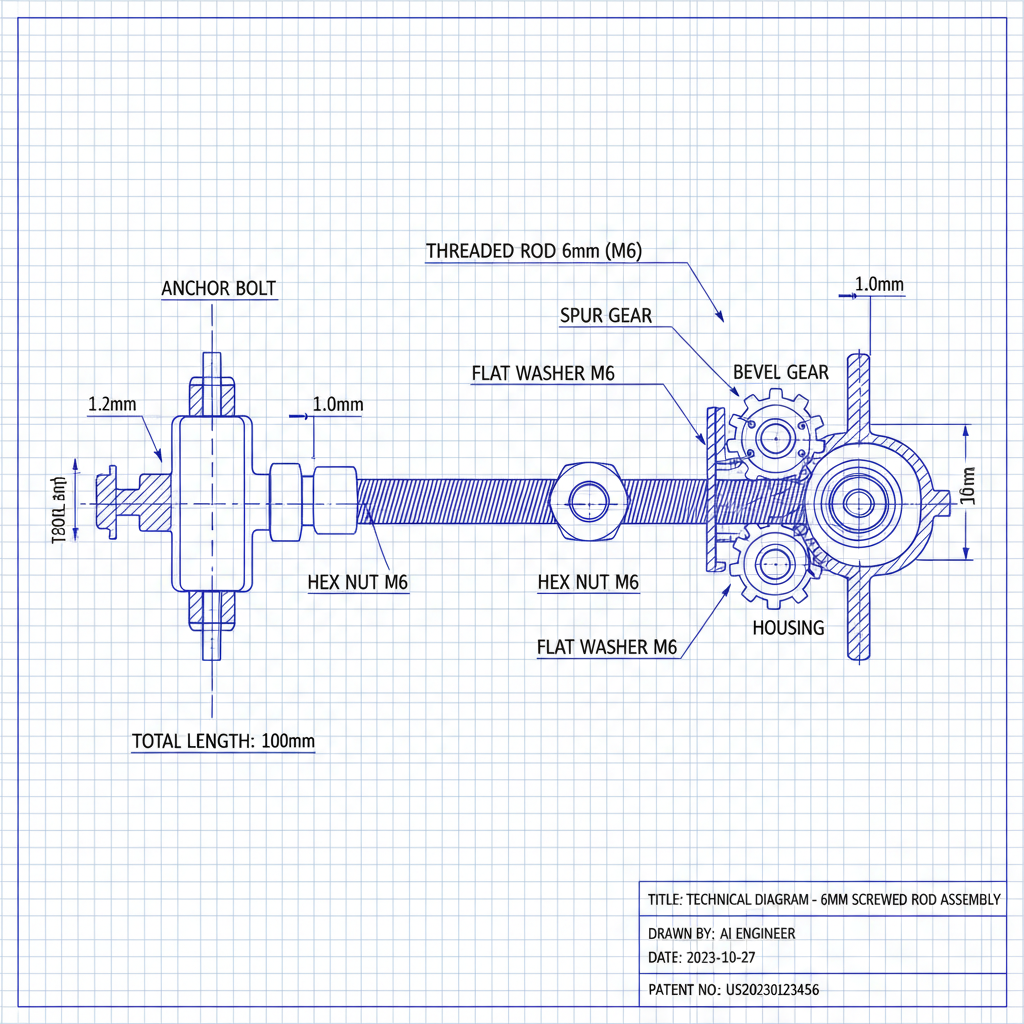
The 5 8 in x 72 in zinc plated threaded rod is a crucial fastening component widely utilized across numerous industries, including construction, automotive, and manufacturing. This article provides an in-depth look at its applications, benefits, material properties, and key considerations for selecting the right rod for your specific project. We’ll explore why this particular size and coating are popular choices, and how HBTBLS offers quality solutions for your threaded rod needs.
Key Features and Benefits of Zinc Plated Threaded Rod
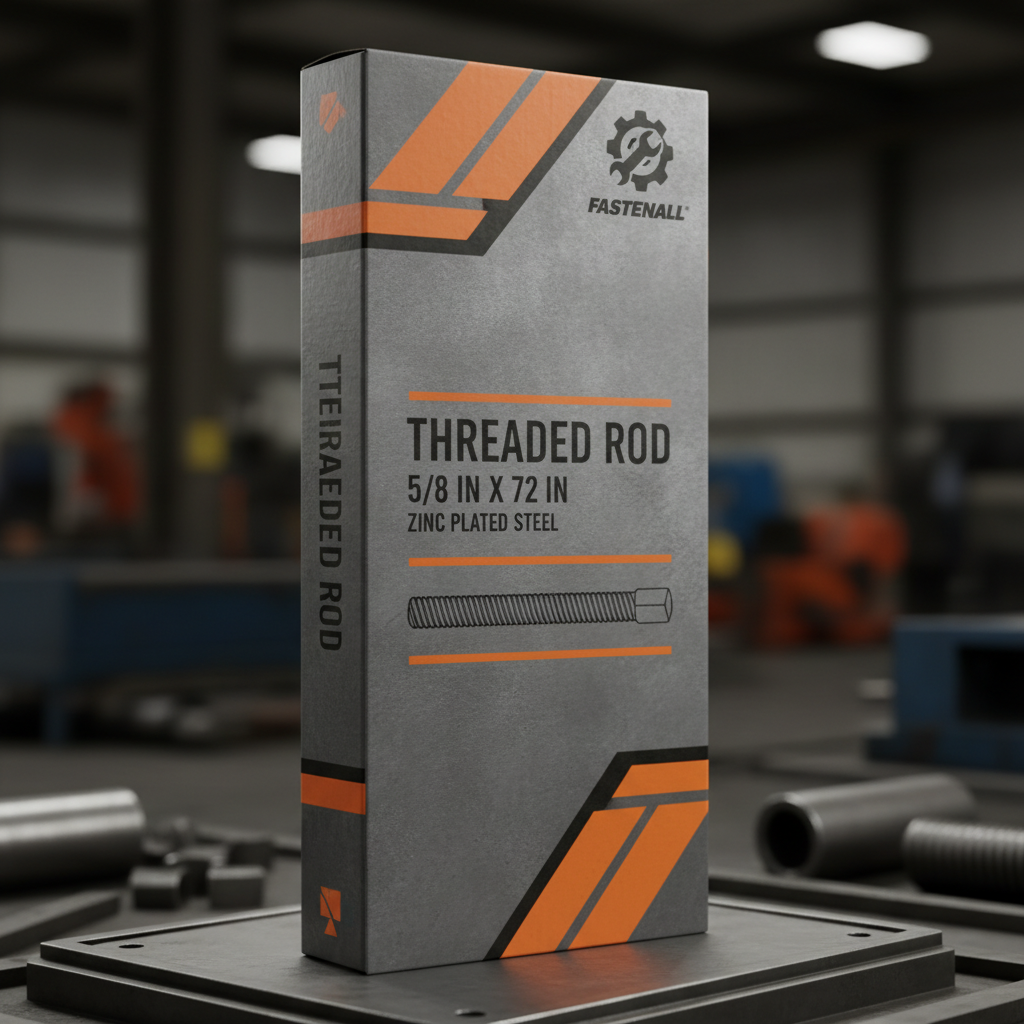
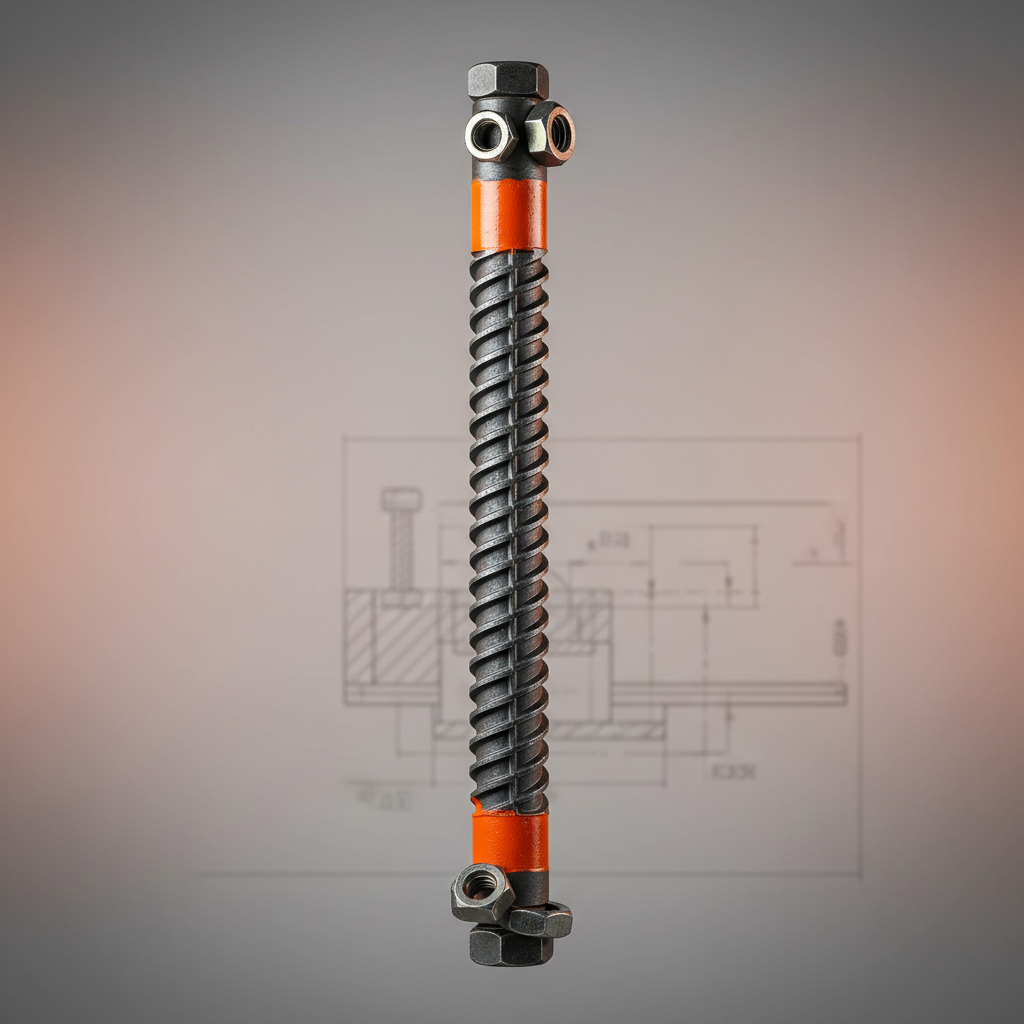
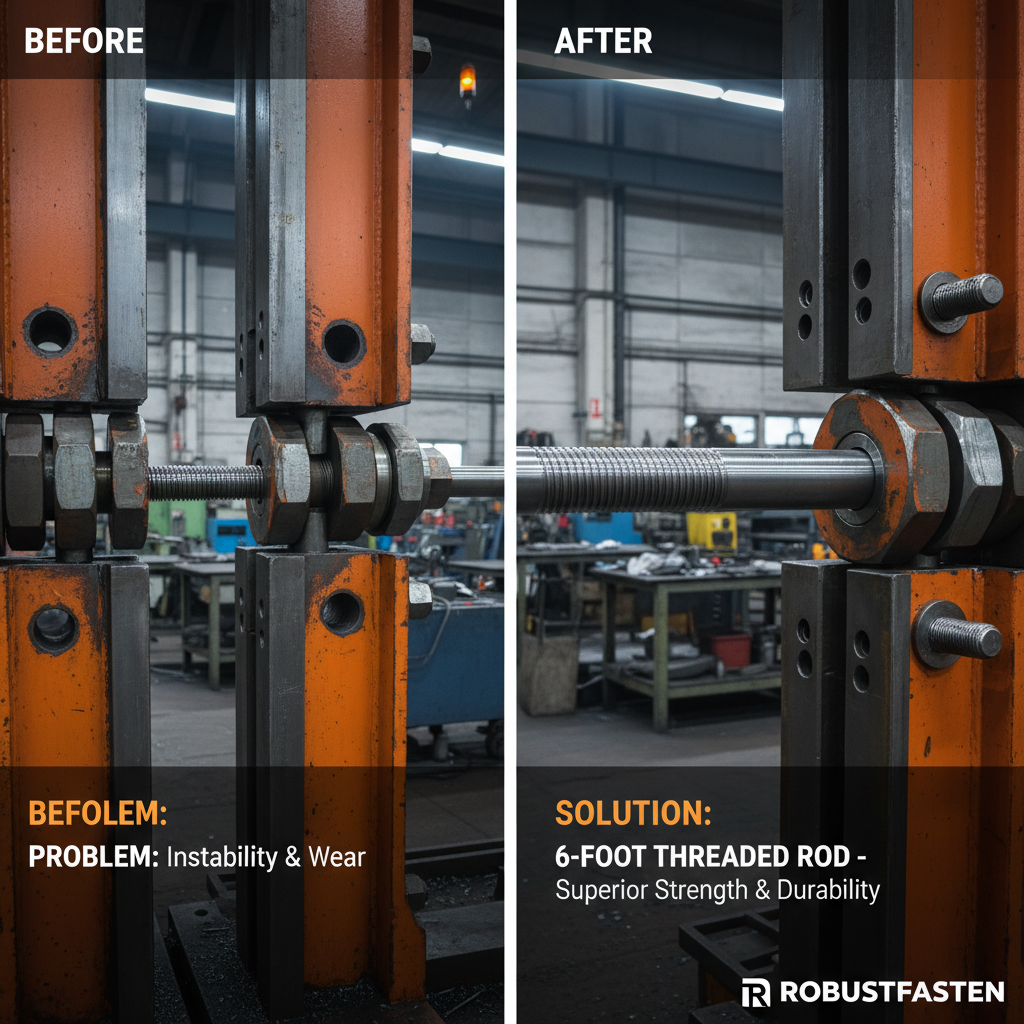
A 5/8 inch diameter threaded rod offers a significant strength advantage over smaller diameters, making it suitable for heavy-duty applications. The 72-inch length provides versatility for a variety of projects. The zinc plating is a critical feature. Zinc plating provides excellent corrosion resistance, extending the lifespan of the rod, particularly in outdoor or damp environments. This reduces maintenance costs and ensures long-term reliability. Furthermore, zinc plating offers a degree of sacrificial protection to the underlying steel, preventing rust even if the coating is slightly scratched. Choosing the right threaded rod can significantly improve the structural integrity and longevity of your projects.
Key Highlights: Offers high strength for demanding applications, corrosion resistance from zinc plating, and a versatile 72-inch length for various project needs.
Applications of the 5 8 in x 72 in Zinc Plated Threaded Rod
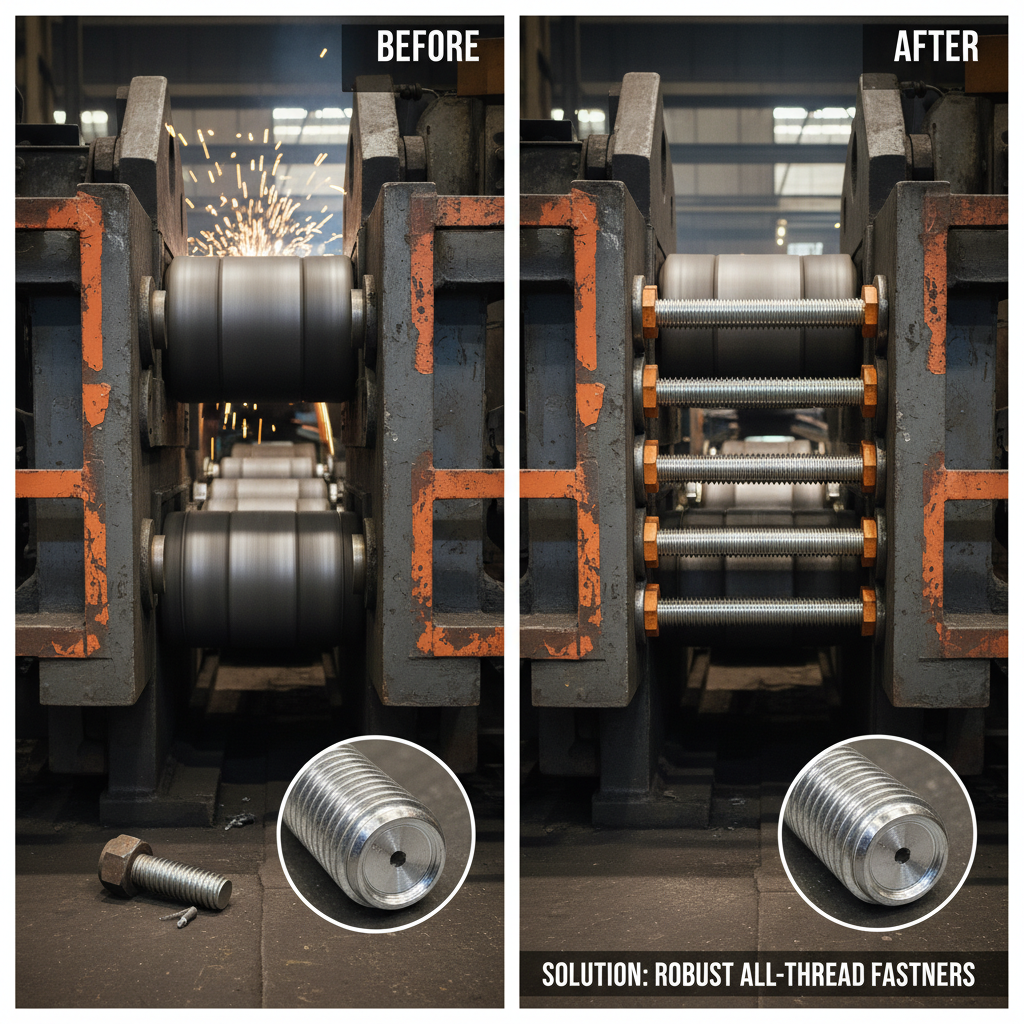
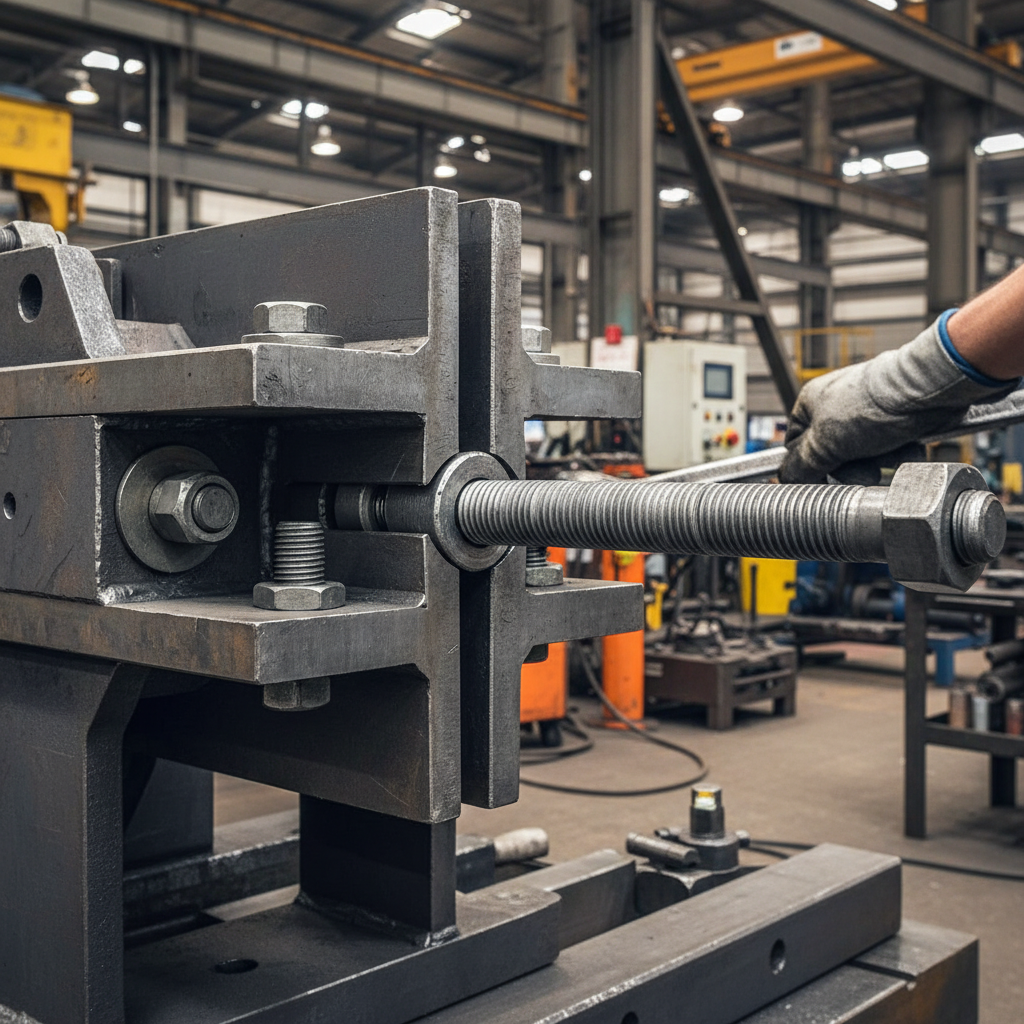
This threaded rod finds widespread use in numerous sectors. In construction, it’s used for anchoring, bracing, and securing structural elements. Automotive applications include exhaust systems, suspension components, and chassis reinforcement. Manufacturing utilizes it for machinery assembly, tooling, and custom fabrication. DIY projects also benefit from its strength and durability, from building furniture to creating custom fixtures. Its versatility makes it a valuable asset for professionals and hobbyists alike. You can rely on HBTBLS for a consistent supply of high-quality rods.
Common Applications:
• Construction Anchoring
• Automotive Exhaust Systems
• Manufacturing Machinery
• DIY Projects & Custom Fabrication
5/8" Threaded Rod vs. Other Common Sizes: A Comparison
Choosing the correct diameter of threaded rod is crucial for any application. While 1/4", 3/8", and 1/2" rods are common, the 5/8" diameter provides a significant increase in tensile strength. This makes it ideal for applications requiring substantial load-bearing capacity. Consider the following table to see a comparison of these common sizes:
Zinc Plating: Corrosion Resistance and Longevity
The zinc plating on the 5/8 in x 72 in threaded rod plays a vital role in its durability. Zinc acts as a barrier against corrosive elements like moisture and salt, preventing rust and extending the lifespan of the steel. This is particularly important for outdoor applications or environments with high humidity. The zinc coating provides sacrificial protection; meaning the zinc corrodes before the steel, preserving the rod's structural integrity.
Selecting the Right Threaded Rod: Key Considerations
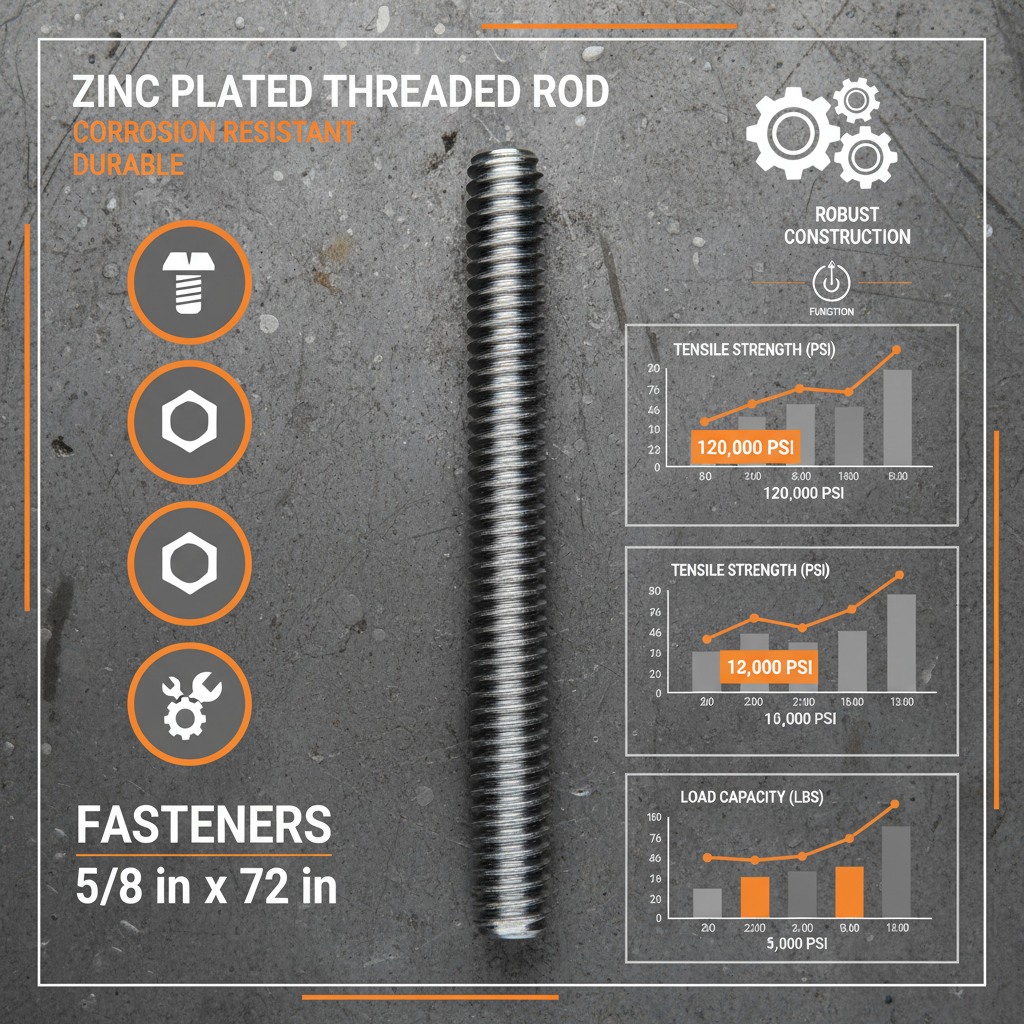
When selecting a threaded rod, consider the following factors: Diameter: Ensure the diameter is sufficient for the load-bearing requirements of your project. Length: Choose a length that allows for necessary connections and adjustments. Material: Steel is the most common material, but consider stainless steel for highly corrosive environments. Coating: Zinc plating provides excellent corrosion resistance. Thread Pitch: Ensure compatibility with the nuts and other components you’ll be using. HBTBLS offers a variety of options to meet your specific needs.
Conclusion: A Reliable Fastening Solution
The 5 8 in x 72 in zinc plated threaded rod is a versatile and reliable fastening solution for a wide range of applications. Its strength, corrosion resistance, and readily available size make it a popular choice for professionals and DIY enthusiasts alike. Investing in quality threaded rods from a trusted supplier like HBTBLS ensures the longevity and structural integrity of your projects.
Frequently Asked Questions (FAQs)
What is the typical tensile strength of a 5/8" zinc plated threaded rod?
The tensile strength of a 5/8" zinc plated threaded rod is approximately 28,000 lbs. However, this can vary slightly depending on the grade of steel used. It’s essential to verify the specific tensile strength from the manufacturer's specifications. This strength makes it suitable for applications requiring significant load-bearing capacity, such as structural supports and heavy machinery anchoring. Always consult engineering guidelines for determining the appropriate safety factor for your application.
How does zinc plating contribute to corrosion resistance?
Zinc plating provides corrosion resistance through a process called galvanic protection. Zinc is more reactive than steel, meaning it corrodes before the steel does. This creates a protective barrier, preventing rust from forming on the steel substrate. Even if the zinc coating is scratched, it will continue to protect the surrounding steel through this sacrificial corrosion process. This is particularly effective in environments exposed to moisture, salt, or other corrosive elements.
What types of nuts are compatible with a 5/8" threaded rod?
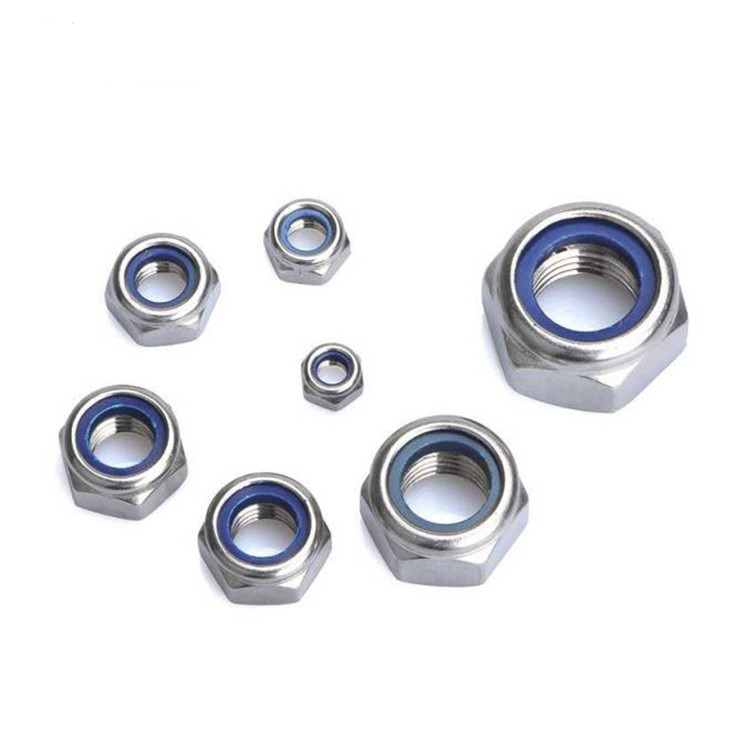
Standard hex nuts, lock nuts, and flange nuts are all compatible with a 5/8" threaded rod. The choice depends on the application. Hex nuts are the most common and versatile. Lock nuts provide a more secure connection by resisting loosening due to vibration. Flange nuts distribute the load over a wider area, preventing damage to the surface being fastened. Ensure the nut's thread pitch matches the thread pitch of the rod for a proper fit.
Can a 5/8" threaded rod be cut to a shorter length?
Yes, a 5/8" threaded rod can be cut to a shorter length using a variety of tools, including a hacksaw, angle grinder with a cutting disc, or a metal-cutting bandsaw. When cutting, it's important to deburr the ends to prevent injuries and ensure a smooth connection. Always wear appropriate safety gear, including eye protection and gloves, when cutting metal.
Post time: Feb . 25, 2026 02:35


 English
  Albanian
  Arabic
  Armenian
  Azerbaijani
  Belarusian
  Bosnian
  Bulgarian
  Cebuano
  Corsican
  Czech
Czech  Galician
  Georgian
  Greek
Greek  Hausa
Hausa  Hebrew
  Hungarian
  Igbo
Igbo  Indonesian
  Italian
  Kazakh
  Khmer
Khmer  Korean
  Kurdish
  Kyrgyz
  Lao
Lao  Latin
Latin  Latvian
  Lithuanian
  Malay
Malay  Myanmar
  Nepali
  Polish
  Portuguese
  Russian
  Serbian
  Sesotho
  Shona
Shona  Sindhi
  Spanish
  Tagalog
  Tajik
Tajik  Thai
Thai  Turkish
  Turkmen
  Ukrainian
  Uzbek
Uzbek  Vietnamese
  Yoruba
  Zulu
Zulu