
What’s So Important About the 1 1 2 Threaded Rod? A Quick Overview
Threaded rods, especially the 1 1 2 threaded rod, might sound like a piece of dry hardware speak to most folks. But if you stop and think for a moment, these are workhorses holding together everything from skyscrapers to bridges, to simple DIY projects you do on weekends. They’re everywhere—quietly playing starring roles in infrastructure and industry worldwide.
Understanding this humble component is key because it affects everything from construction integrity to cost efficiency. Plus, it solves some unique challenges globally where sturdy, flexible fasteners are needed. So yeah, a bit more than just nuts and bolts.
Mini takeaway: The 1 1 2 threaded rod is a fundamental element in construction and manufacturing that significantly impacts safety, scalability, and costs worldwide.
The Global Context: Why 1 1 2 Threaded Rods Matter More Than You Think
In the age of rapid urban growth and complex engineering demands, fasteners like the 1 1 2 threaded rod are absolutely crucial. According to the International Organization for Standardization (ISO), standardized components help streamline global supply chains. Over 50 million tons of steel threaded rods are produced yearly – a substantial chunk of which are 1 1 2-inch varieties due to their versatility.
Regions undergoing reconstruction—whether after natural disasters or war—need reliable, easy-to-replace parts that can fit huge structures or smaller bespoke solutions. But the challenge comes in sourcing durable, corrosion-resistant materials, maintaining precision manufacturing tolerances, and balancing cost-efficiency.
Hence, having a go-to like the 1 1 2 threaded rod, available globally and standardized, offers a practical solution.
Mini takeaway: The global construction and manufacturing industries rely heavily on standardized threaded rods like the 1 1 2 inch for cost-effective, scalable solutions, especially in critical recovery zones.
What Exactly Is a 1 1 2 Threaded Rod?
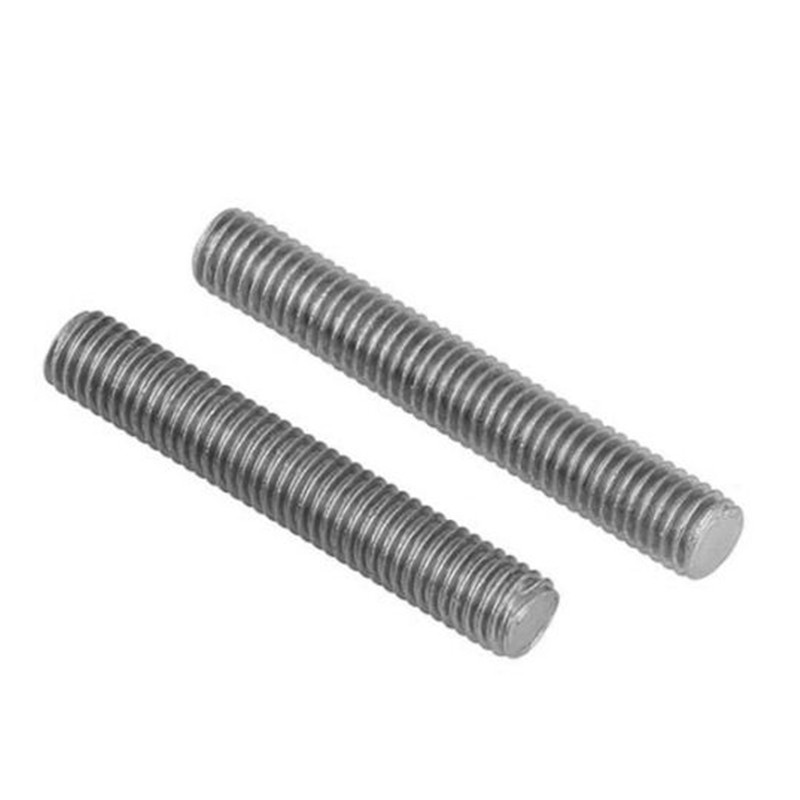
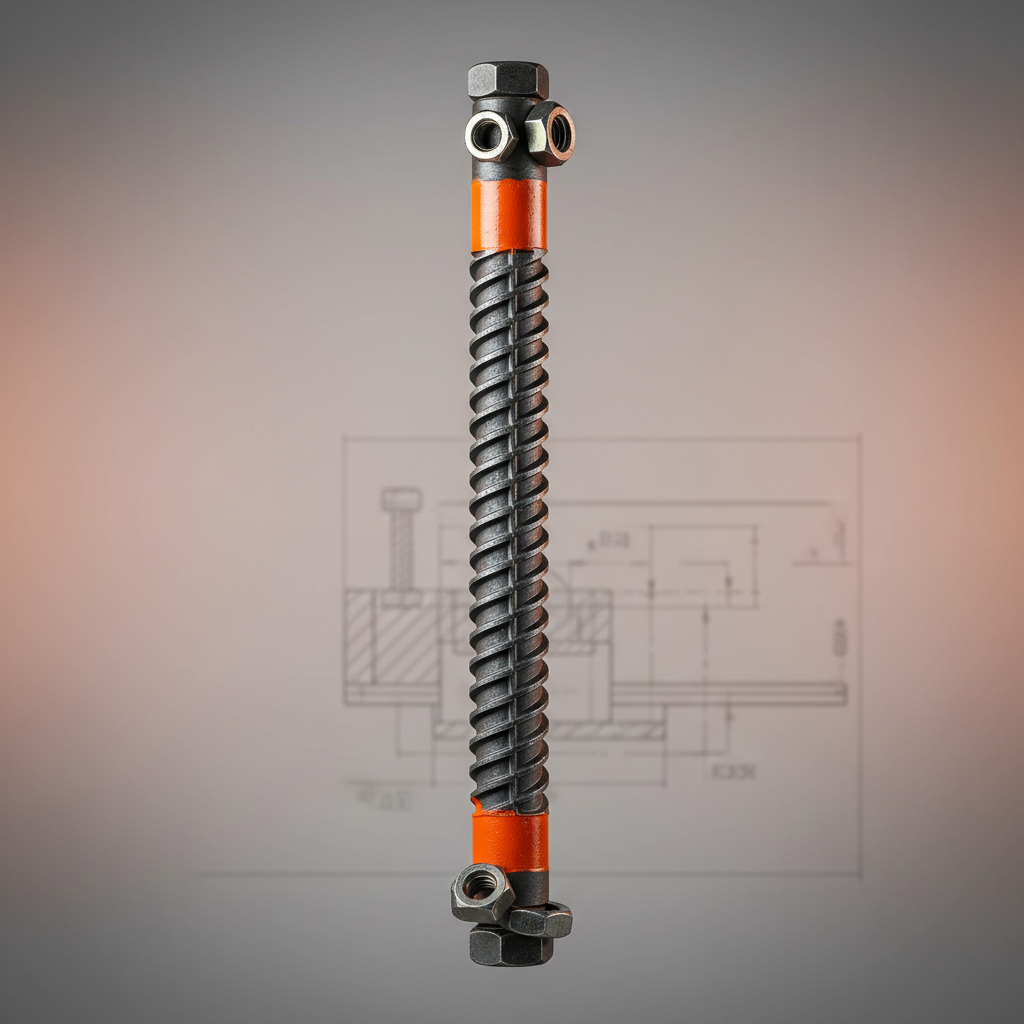
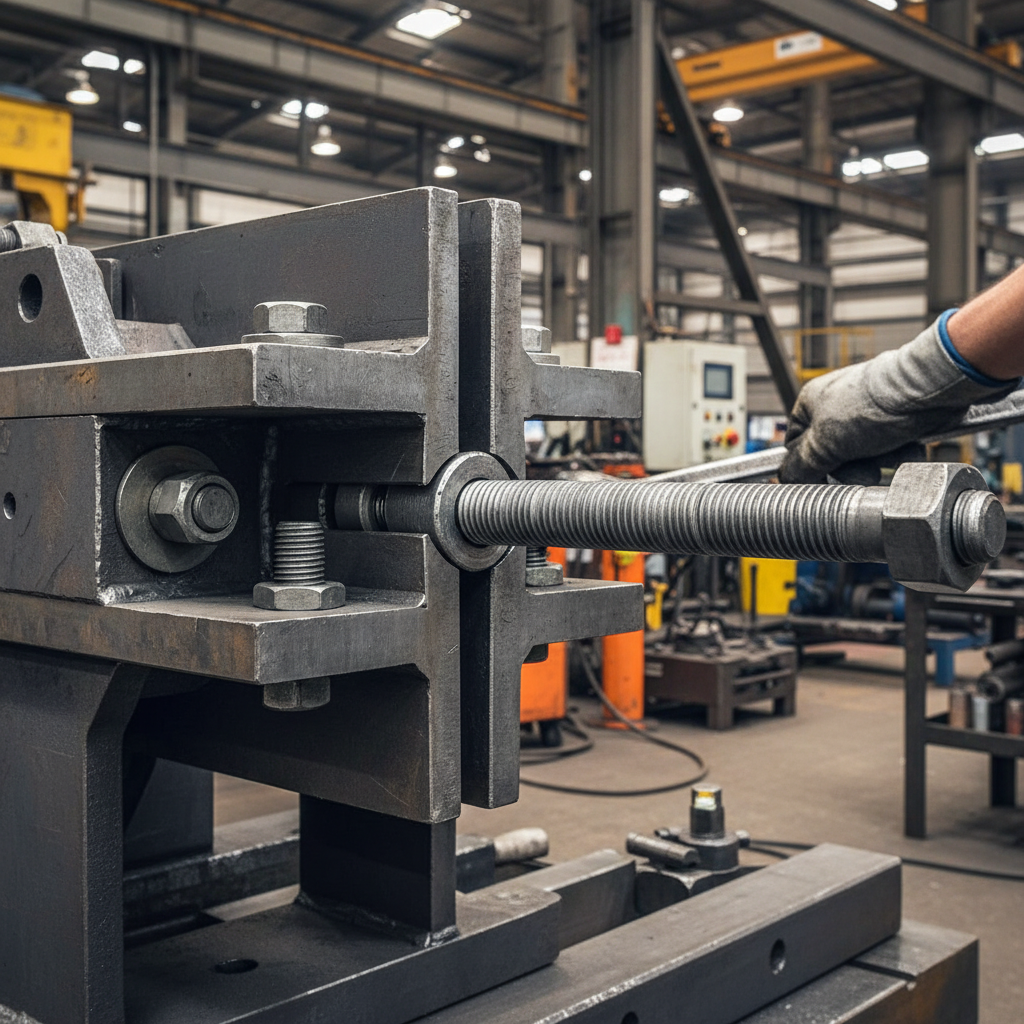
Simply put, a 1 1 2 threaded rod is a long, straight bar with threads (spiral ridges) cut along its length, featuring a nominal diameter of 1.5 inches (or 38.1 mm). Usually made of steel or stainless steel, it allows nuts, bolts, or fastening hardware to be attached and tightened anywhere along its length.
Think of it like a “mega screw” that offers adjustable clamping or structural support where custom lengths, high strength, and secure connections are required. It bridges gaps where fixed-length bolts wouldn’t do. In industries like civil construction, heavy machinery, and even humanitarian engineering, these rods bring flexibility and strength.
Mini takeaway: The 1 1 2 threaded rod is a versatile, strong, customizable fastener widely used for adjustable structural connections and industrial assembly.
Key Factors That Make 1 1 2 Threaded Rods so Valuable
1. Durability and Material Strength
Most threaded rods in this size are crafted from carbon steel, alloy steel, or stainless steel, sometimes even galvanized to resist rust. Their tensile strength can range from 60 ksi up to 150 ksi (or more in specialized alloys), enough for heavy loads and harsh environments.
2. Scalability and Length Customization
A threaded rod isn’t limited by typical bolt lengths. You can cut them down or use in full lengths over 12 feet, making them adaptable to different project scopes.
3. Cost Efficiency
Compared to custom machining a long bolt to exact specs, threaded rods are off-the-shelf products. The economies of scale make them attractive for both large infrastructure and smaller-scale fabrication.
4. Ease of Installation and Maintenance
Unlike fixed fasteners, these rods allow for quick adjustments during installation or repairs—critical for on-site engineering and disaster recovery projects.
5. Versatility Across Environments
From marine constructions needing corrosion resistance to industrial plants requiring heavy load support, 1 1 2 threaded rods fit the bill.
Mini takeaway: Durability, versatility, and cost-effective customization make 1 1 2 threaded rods a staple component for countless practical applications.
Where Do 1 1 2 Threaded Rods Find Their Real-World Use?
Industries worldwide depend on these rods. Construction giants use them in steel framing and concrete anchoring. In the energy sector—particularly wind farms and oil rigs—they hold crucial mechanical components. Even humanitarian agencies use them for brief, sturdy shelters post-disaster, since they can be quickly assembled without precise bolt inventory.
Geographically, East Asia and North America dominate the production and usage because of their industrial density. However, growing infrastructure needs in Africa and South America have increased demand for such hardware—often shipped from regions like Southeast Asia where manufacturers keep high-volume stock.
For example:
- Following the 2020 wildfires in Australia, rapid construction teams used threaded rods to reinforce temporary bridges and shelters.
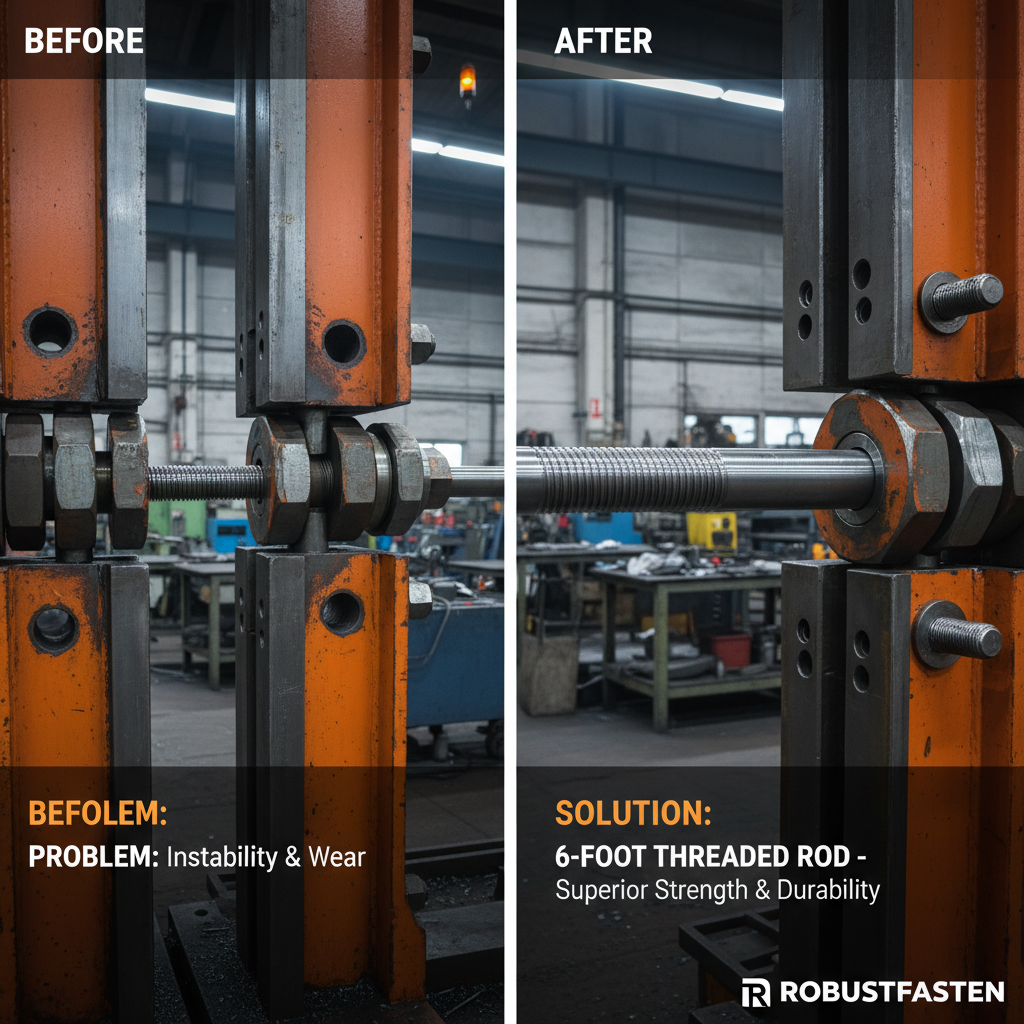
- Large factories in Germany employ custom-length 1 1 2 rods to maintain heavy machinery supports that require constant re-tightening.
1 1 2 threaded rod are practically everywhere economies are building or rebuilding.
Mini takeaway: 1 1 2 threaded rods serve a vital role across diverse industries globally—from disaster response to heavy machinery maintenance and construction.
What’s in It for You? Advantages & Long-Term Value of 1 1 2 Threaded Rods
Okay, so why truly care? Well, these rods offer:
- Reliability: Peace of mind in structures that need to last decades.
- Cost savings: Bulk availability means budget-friendly sourcing.
- Environmental benefits: Longer life-cycle means fewer replacements and lower waste.
- Safety factor: Strong materials conform to safety standards ensuring trust in critical load-bearing roles.
- Emotional impact: In crisis zones, fast, sturdy hardware can literally save lives and dignity.
Choosing the right threaded rod is a small but powerful decision in engineering’s big picture.
Mini takeaway: The 1 1 2 threaded rod represents a practical blend of safety, economy, and sustainability that benefits projects long-term.
What’s Next? Future Trends and Innovations in Threaded Rods
Two things are shaking up the scene. First, greener materials and coatings are coming into play—think biodegradable lubricants on threads, and powder-coated rods reducing chemical runoffs. Second, automation in manufacturing is pushing consistent quality higher, with digital verifications of tensile strength and thread accuracy.
Also, 3D-printed composite rods might someday enter niche markets, especially in lightweight, corrosion-resistant applications like offshore wind turbines. The digital supply chain means procurement and customization will only get faster and more precise.
Fun to think about: What if your threaded rod could self-monitor tension in critical joints? Sensors are already being tested, which could change maintenance forever.
Mini takeaway: Expect smarter materials, better environmental profiles, and integration with digital tech to evolve 1 1 2 threaded rods in coming years.
Roadblocks and How to Overcome Them
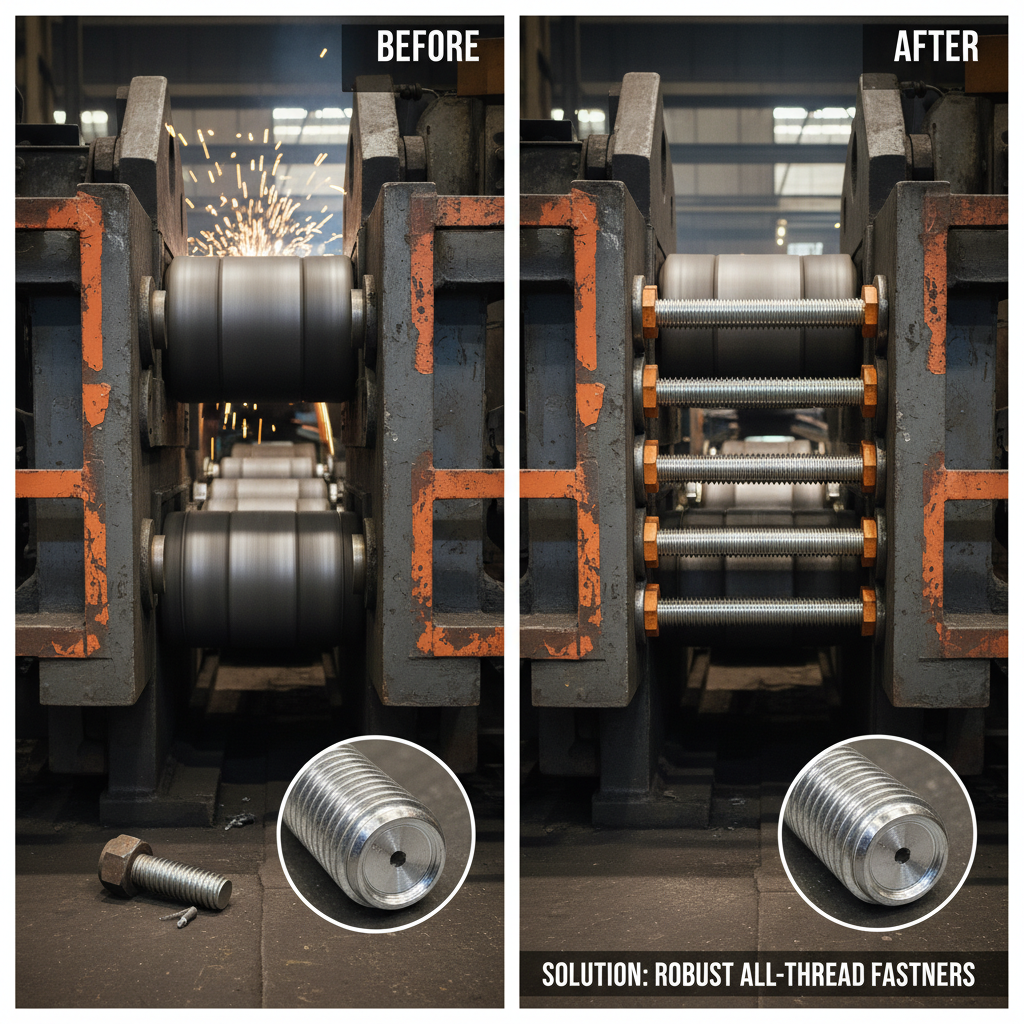
No product is perfect. Threaded rods face challenges like thread wear after repeated use, susceptibility to rust in certain environments—even galvanized coating can fail over time—and dimensional mismatches if not manufactured precisely.
Experts suggest specifying rods from manufacturers that comply with stringent ISO standards (like ISO 898-1 for mechanical properties) and using thread lubricants or thread-locking compounds to protect joints. Engineers need to balance cost vs. performance carefully—as going cheap often costs more down the line.
In short: Quality control, maintenance, and proper material selection remain the best ways to sidestep these limitations.
Mini takeaway: Understand material limits and lean on certified quality and maintenance practices for maximum 1 1 2 threaded rod performance.
Frequently Asked Questions About 1 1 2 Threaded Rod
- Q: What grades of steel are commonly used for 1 1 2 threaded rods?
- A: Most standard rods use ASTM A307, A193, or stainless steel grades like 304 and 316. Each suit different strengths and corrosion resistance depending on the project environment.
- Q: Can these rods be cut to custom lengths on-site?
- A: Yes, cutting threaded rods is common and relatively easy. However, ensure thread quality isn't compromised by post-cutting treatment to avoid installation issues.
- Q: How do I choose between galvanized and stainless steel rods?
- A: Stainless steel offers superior corrosion resistance ideal for marine or chemical environments. Galvanized rods are cost-effective for general outdoor use but might not last as long in harsh conditions.
- Q: Are 1 1 2 threaded rods reusable after disassembly?
- A: Generally yes, but repeated use can wear threads or reduce tensile strength. Inspect rods carefully before reuse, especially in safety-critical applications.
- Q: What standards should I check when purchasing 1 1 2 threaded rods internationally?
- A: Look for compliance with ASTM, ISO, or DIN standards relevant to your region. Certifications improve quality assurance and installation safety.
Product Specification Table for 1 1 2 Threaded Rod
| Specification | Details |
|---|---|
| Diameter | 1 1/2 inches (38.1 mm) |
| Material | Carbon Steel, Alloy Steel, Stainless Steel (304, 316) |
| Length | 6 ft to 12 ft (custom cuts available) |
| Thread Type | Unified National Coarse (UNC), Unified National Fine (UNF) |
| Tensile Strength | 60,000 to 150,000 psi |
| Finish | Plain, Galvanized, Powder-coated |
Vendor Comparison: Choosing the Right Supplier for Your 1 1 2 Threaded Rod
| Vendor | Product Range | Certifications | Lead Time | Price Range |
|---|---|---|---|---|
| SteelWorks Inc. | Carbon, Alloy, Stainless Steel rods | ISO 9001, ASTM Compliant | 2-4 weeks | $$$ |
| Global Fasteners Ltd. | Wide length custom cuts | ASTM A193, ISO 14001 | 1-3 weeks | $$ |
| EcoMetal Hardware | Recycled and coated rods | ISO 9001, LEED Compliant | 3-5 weeks | $$$ |
Conclusion: Why the 1 1 2 Threaded Rod Is Your Go-To Fastener
In the end, the 1 1 2 threaded rod isn’t just a bolt. It’s a global standard of strength, adaptability, and trust. Whether you’re rebuilding communities with limited resources or designing the next generation of industrial machines, this simple yet robust piece of metal holds the key to lasting assembly.
Interested in exploring more or sourcing quality rods? Don’t hesitate to visit our website and discover how the right threaded rod can hold your projects together for years to come.
References and Further Reading
Post time: Nov . 29, 2025 07:15


 English
  Albanian
  Arabic
  Armenian
  Azerbaijani
  Belarusian
  Bosnian
  Bulgarian
  Cebuano
  Corsican
  Czech
Czech  Galician
  Georgian
  Greek
Greek  Hausa
Hausa  Hebrew
  Hungarian
  Igbo
Igbo  Indonesian
  Italian
  Kazakh
  Khmer
Khmer  Korean
  Kurdish
  Kyrgyz
  Lao
Lao  Latin
Latin  Latvian
  Lithuanian
  Malay
Malay  Myanmar
  Nepali
  Polish
  Portuguese
  Russian
  Serbian
  Sesotho
  Shona
Shona  Sindhi
  Spanish
  Tagalog
  Tajik
Tajik  Thai
Thai  Turkish
  Turkmen
  Ukrainian
  Uzbek
Uzbek  Vietnamese
  Yoruba
  Zulu
Zulu