
Understanding the Versatility of a 5/8 Threaded Rod Anchor
In the realm of construction, engineering, and industrial applications, secure anchoring is paramount. A 5/8 threaded rod anchor provides a robust and reliable solution for fastening various materials to concrete, masonry, and other base substrates. This article will delve into the intricacies of these anchors, exploring their applications, benefits, installation techniques, and how to select the right anchor for your specific needs. We’ll cover the key features that make these anchors ideal for a wide range of projects, ensuring stability and longevity.
What is a 5/8 Threaded Rod Anchor?
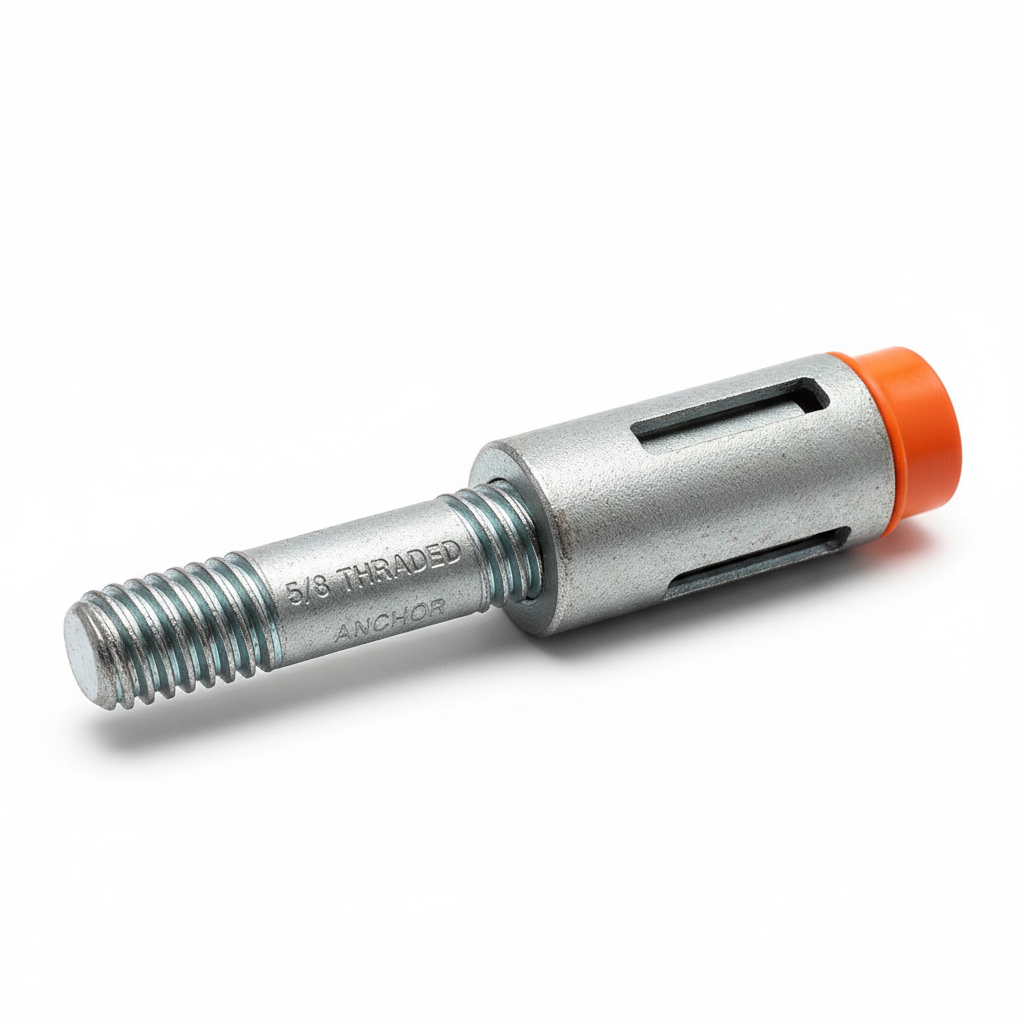
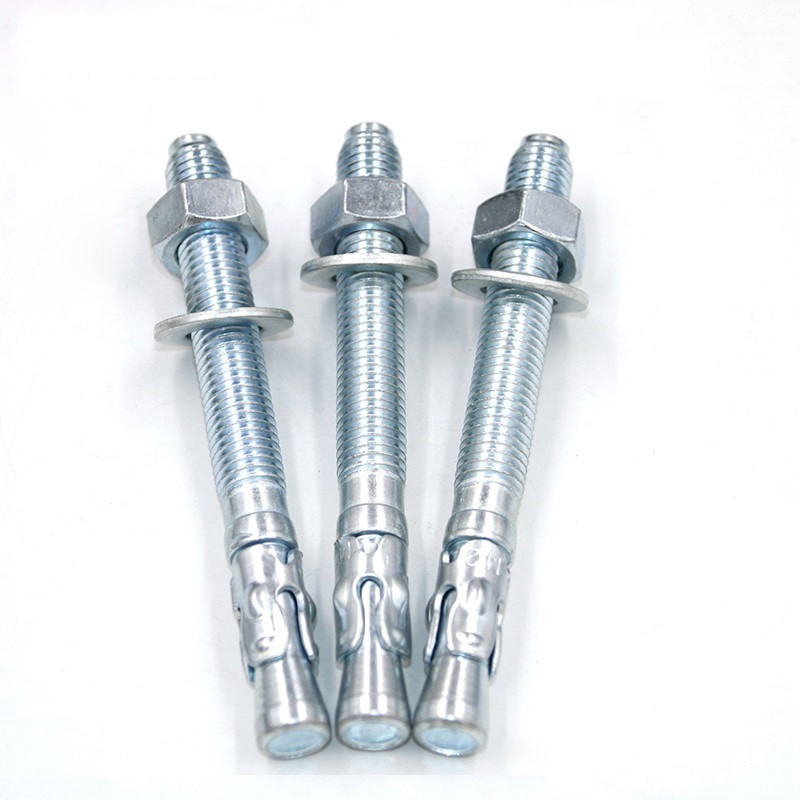
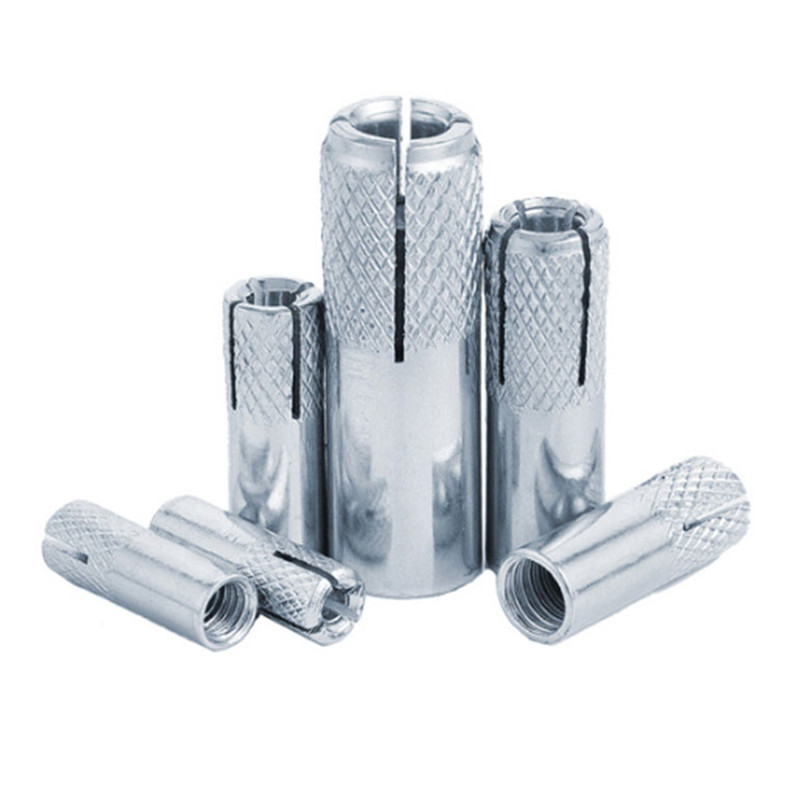
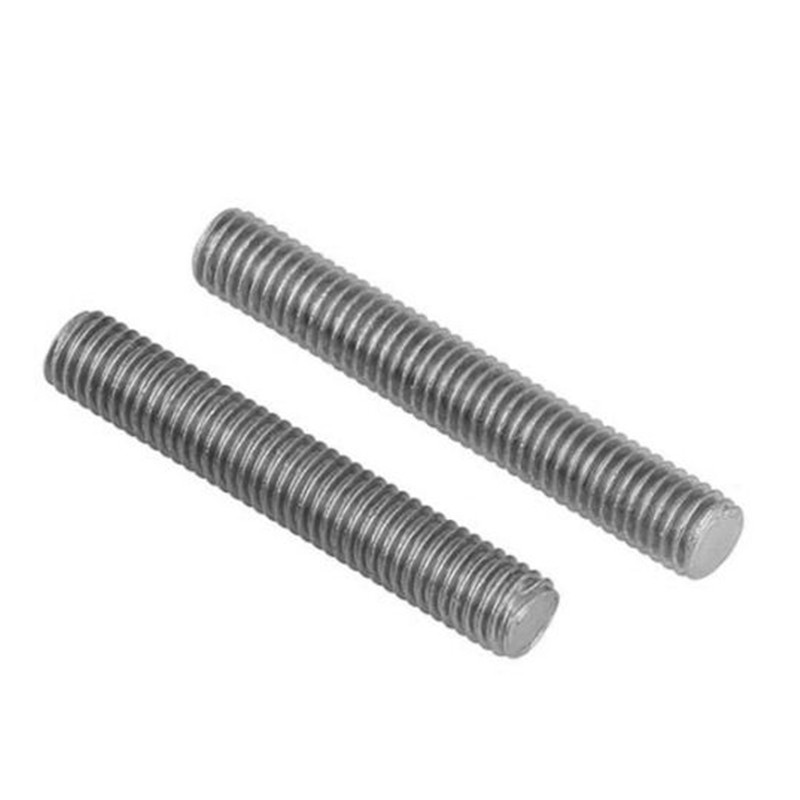
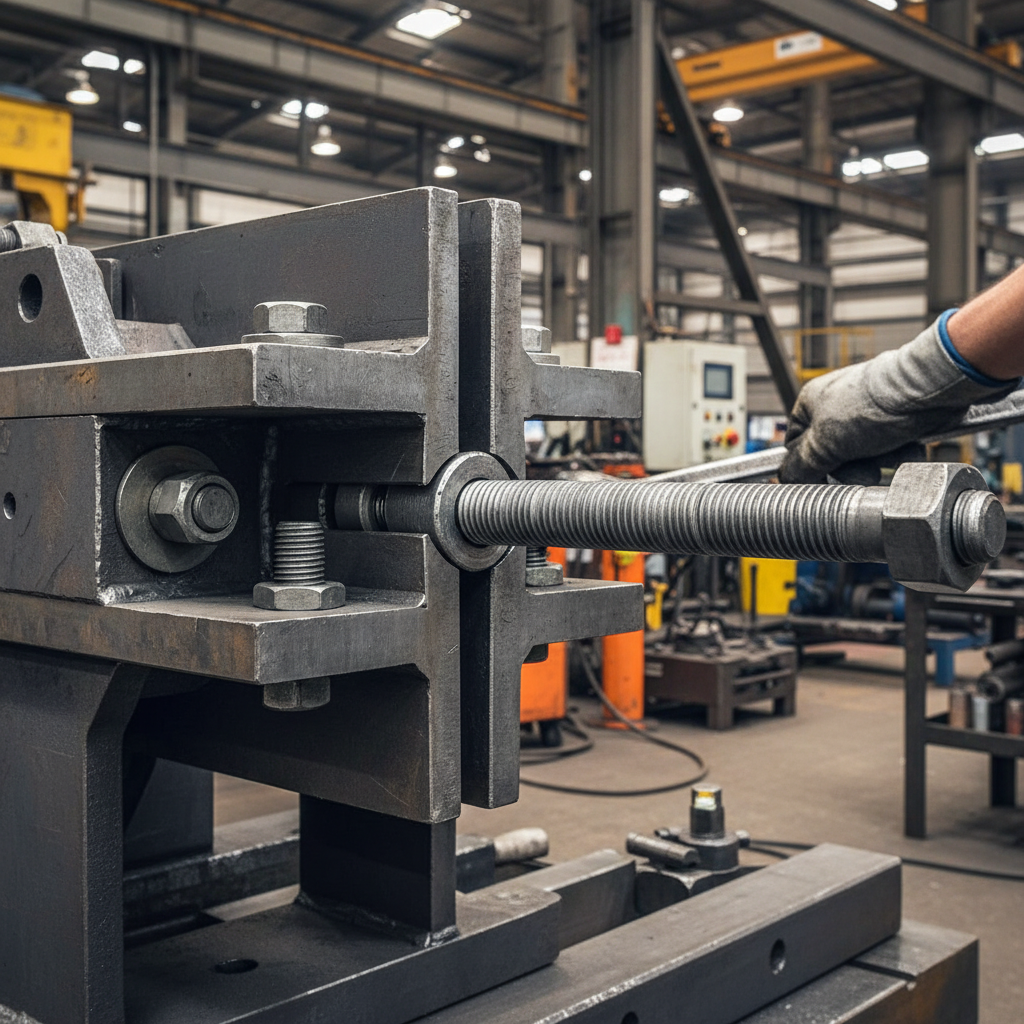
A 5/8 threaded rod anchor is a type of fastener comprised of a threaded rod encased within a steel sleeve. When driven into a pre-drilled hole in a base material, the sleeve expands, creating a tight interference fit that secures the anchor in place. The exposed threaded portion of the rod then allows for the attachment of fixtures, equipment, or structural elements. These anchors are known for their high tensile strength and ability to withstand significant loads. HBTLS offers a comprehensive range of these anchors, ensuring you find the perfect fit for your project's requirements.
Key Highlights: High tensile strength, reliable performance, versatile applications, and easy installation make these anchors a popular choice among professionals.
Applications of 5/8 Threaded Rod Anchors
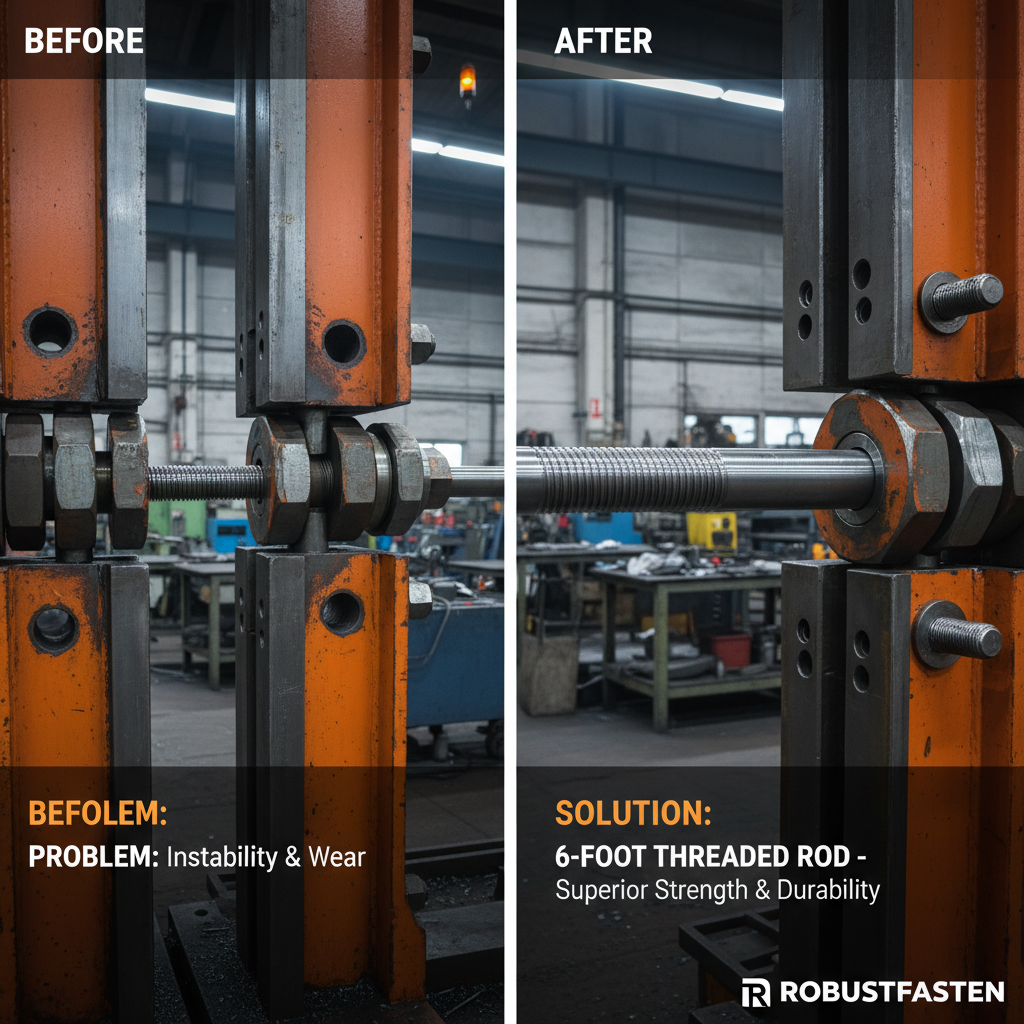
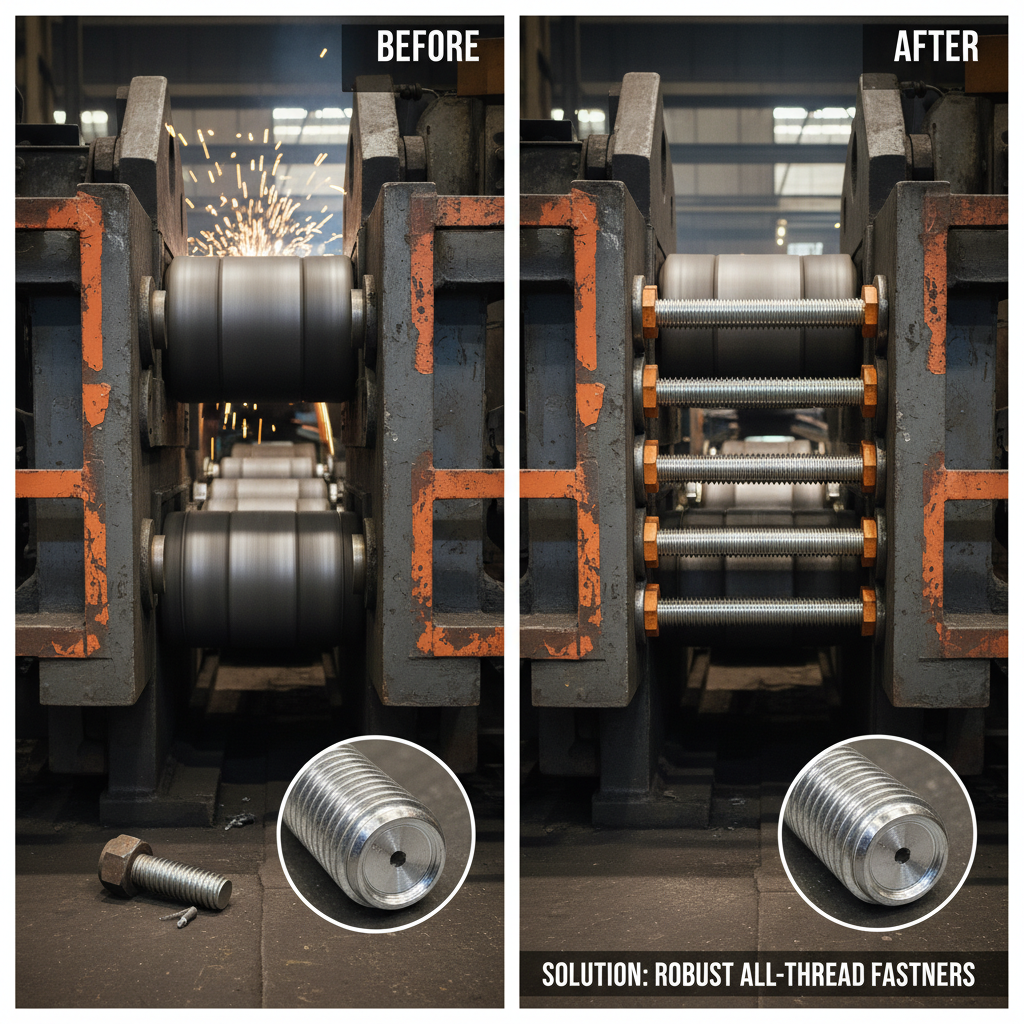
The applications for these anchors are incredibly diverse. Common uses include securing steel structures to concrete foundations, attaching machinery to floors, installing railings and handrails, mounting electrical conduit and plumbing fixtures, and anchoring signage. They are particularly well-suited for applications requiring a strong, reliable connection that can withstand dynamic loads and vibrations. From commercial construction to industrial maintenance, a threaded rod anchor delivers consistent performance.
Application Areas:
• Construction & Building
• Industrial Maintenance
• Manufacturing & Machinery Installation
• Infrastructure Projects
5/8 Threaded Rod Anchor: Comparing Materials and Types
5/8 threaded rod anchors come in various materials and types, each suited for specific applications and environments. Common materials include carbon steel (often zinc-plated for corrosion resistance), stainless steel (for highly corrosive environments), and galvanized steel. Anchor types can include wedge anchors, sleeve anchors, and drop-in anchors. Choosing the right type depends on the base material, the anticipated load, and the environmental conditions. HBTLS provides expert guidance to help you select the optimal anchor for your project.
Proper Installation Techniques for 5/8 Threaded Rod Anchors
Correct installation is crucial for ensuring the anchor's performance and safety. This typically involves drilling a hole of the appropriate diameter and depth, cleaning out any debris, inserting the anchor, and tightening the nut to the specified torque. Over-tightening can damage the anchor or the base material, while under-tightening can compromise the connection's strength. Always follow the manufacturer's instructions and use the correct tools for the job. HBTLS offers detailed installation guides and support to ensure a successful installation.
Choosing the Right 5/8 Threaded Rod Anchor for Your Needs
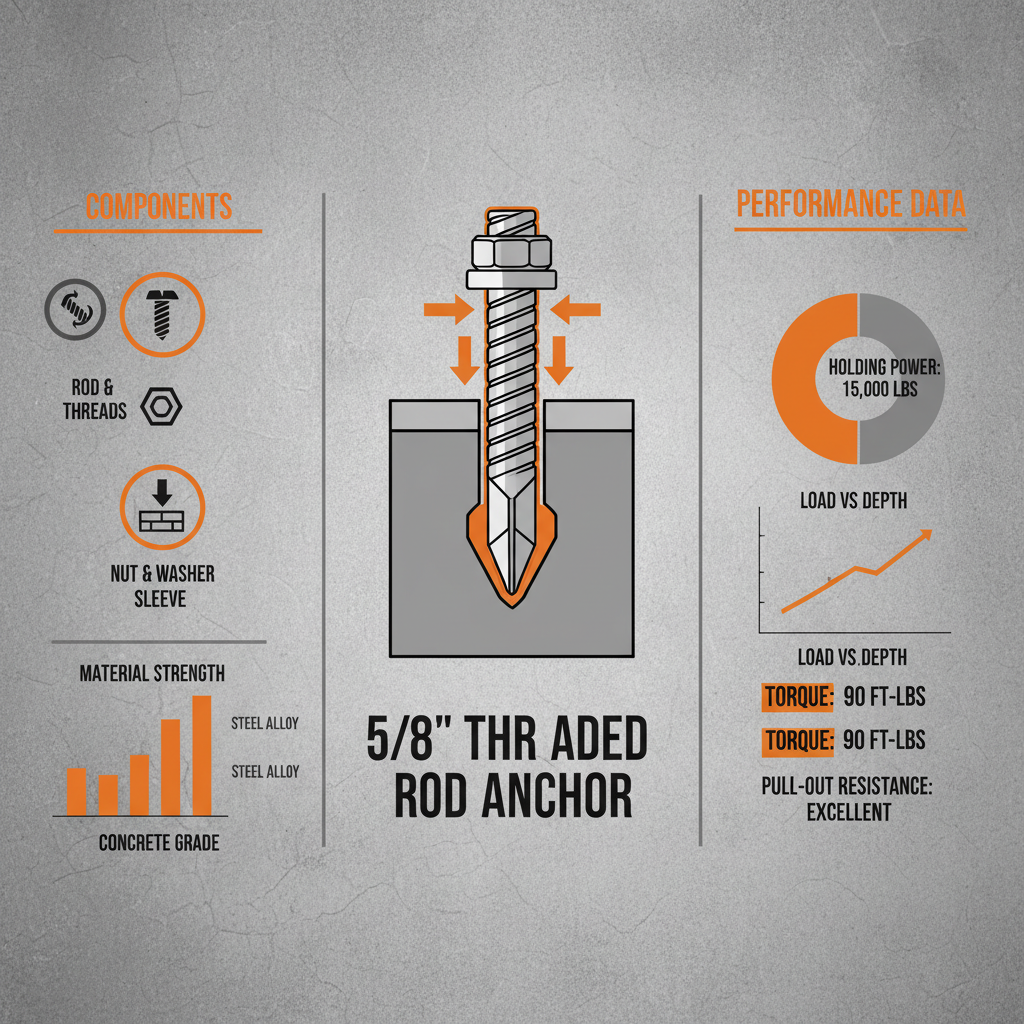
Selecting the appropriate 5/8 threaded rod anchor requires careful consideration of several factors, including the type of base material, the anticipated load, the environmental conditions, and the desired level of corrosion resistance. Consulting with a qualified engineer or fastener specialist can help ensure you choose the right anchor for your specific application. HBTLS’s experienced team is readily available to provide expert advice and assistance.
Conclusion: Securing Your Projects with Reliable Anchors
A 5/8 threaded rod anchor is a critical component in numerous construction and industrial applications. By understanding the different types, materials, and installation techniques, you can ensure a safe, reliable, and long-lasting connection. Trust HBTLS for all your anchoring needs.
Frequently Asked Questions (FAQs)
What is the typical tensile strength of a 5/8 threaded rod anchor?
The tensile strength of a 5/8 threaded rod anchor varies depending on the material. Carbon steel anchors typically have a tensile strength of around 70,000 to 90,000 PSI, while stainless steel anchors can reach 100,000 PSI or higher. It's crucial to consult the manufacturer's specifications for the exact tensile strength of the specific anchor you're using. Proper installation is essential to realize the full tensile capacity of the anchor. HBTLS provides detailed specifications for all our anchors.
Can 5/8 threaded rod anchors be used in cracked concrete?
Some specialized 5/8 threaded rod anchors are specifically designed for use in cracked concrete. These anchors typically feature a split sleeve that expands in both directions, providing a secure grip even as the concrete cracks. However, standard anchors should not be used in cracked concrete, as this can compromise their holding power. Always check the manufacturer's specifications to ensure the anchor is approved for use in cracked concrete.
What is the recommended minimum edge distance for a 5/8 threaded rod anchor?
The recommended minimum edge distance is the distance from the center of the anchor to the edge of the concrete. This distance varies depending on the type of anchor and the concrete's strength. Generally, a minimum edge distance of 3-5 times the anchor diameter is recommended. Always consult the manufacturer's specifications for the specific anchor you are using to ensure proper installation and optimal performance.
How do I prevent corrosion of 5/8 threaded rod anchors?
To prevent corrosion, choose anchors made from corrosion-resistant materials such as stainless steel or hot-dip galvanized steel, especially in harsh environments. Additionally, avoid using anchors in contact with dissimilar metals, which can accelerate corrosion. Regularly inspect the anchors for signs of corrosion and replace them if necessary. Proper sealing around the anchor can also help prevent moisture from reaching the metal.
Post time: Feb . 27, 2026 02:35


 English
  Albanian
  Arabic
  Armenian
  Azerbaijani
  Belarusian
  Bosnian
  Bulgarian
  Cebuano
  Corsican
  Czech
Czech  Galician
  Georgian
  Greek
Greek  Hausa
Hausa  Hebrew
  Hungarian
  Igbo
Igbo  Indonesian
  Italian
  Kazakh
  Khmer
Khmer  Korean
  Kurdish
  Kyrgyz
  Lao
Lao  Latin
Latin  Latvian
  Lithuanian
  Malay
Malay  Myanmar
  Nepali
  Polish
  Portuguese
  Russian
  Serbian
  Sesotho
  Shona
Shona  Sindhi
  Spanish
  Tagalog
  Tajik
Tajik  Thai
Thai  Turkish
  Turkmen
  Ukrainian
  Uzbek
Uzbek  Vietnamese
  Yoruba
  Zulu
Zulu